


5th February 2026
Bamboo Charcoal vs. Traditional Latex Which is Better for Odor Control and Moisture Wicking
-
 author
Ever open a brand-new mattress and catch that subtle rubbery scent drifting through the room? Or maybe you wake up feeling sticky. Sweat just clings to the surface. These little annoyances pop up often with traditional latex beds. Folks adore the springy feel and natural vibe. Still, the starting smell and occasional dampness can turn a great bed into a small frustration. Bamboo charcoal changes that game. When mixed right into the latex layers, it directly fights those exact issues.
Lots of shoppers these days hunt for bamboo charcoal latex mattress benefits. They want a bed that holds onto freshness longer. Let’s look at this fairly. We’ll compare the two on smell control, moisture handling, and airflow. We’ll pull from real situations and what mattress pros see every day.
The Basics: What Makes Traditional Latex Great
Traditional latex starts as sap from rubber trees. Workers whip it into foam. Then they cure it. You end up with a lively, tough layer. It naturally pushes back dust mites and mold. The material hugs your body gently. It doesn’t swallow you the way some memory foams do. Side sleepers really like how it cushions hips and shoulders.
But every material has its quirks. Natural latex often carries a soft, earthy aroma fresh out of the box. It usually disappears in a week or so with decent ventilation. Blends with synthetic bits sometimes hold a sharper, chemical note longer. On muggy nights, latex soaks up sweat nicely. Yet it doesn’t always let that moisture go fast enough. In steamy weather or for folks who run hot, the top can feel a touch clammy by morning.
Mattress folks hear these stories constantly. Hotel managers along the coast get repeated comments about that “stale” sensation after a couple nights. Homeowners in rainy regions notice the same damp feel. The bed performs well overall. It just isn’t flawless at staying completely dry and odor-free forever.
Enter Bamboo Charcoal: Nature’s Quiet Helper
Bamboo charcoal forms when workers heat bamboo at extreme temperatures without oxygen. The end product is full of tiny pores. Think countless little holes. Those openings grab odors, extra moisture, and even some floating particles.
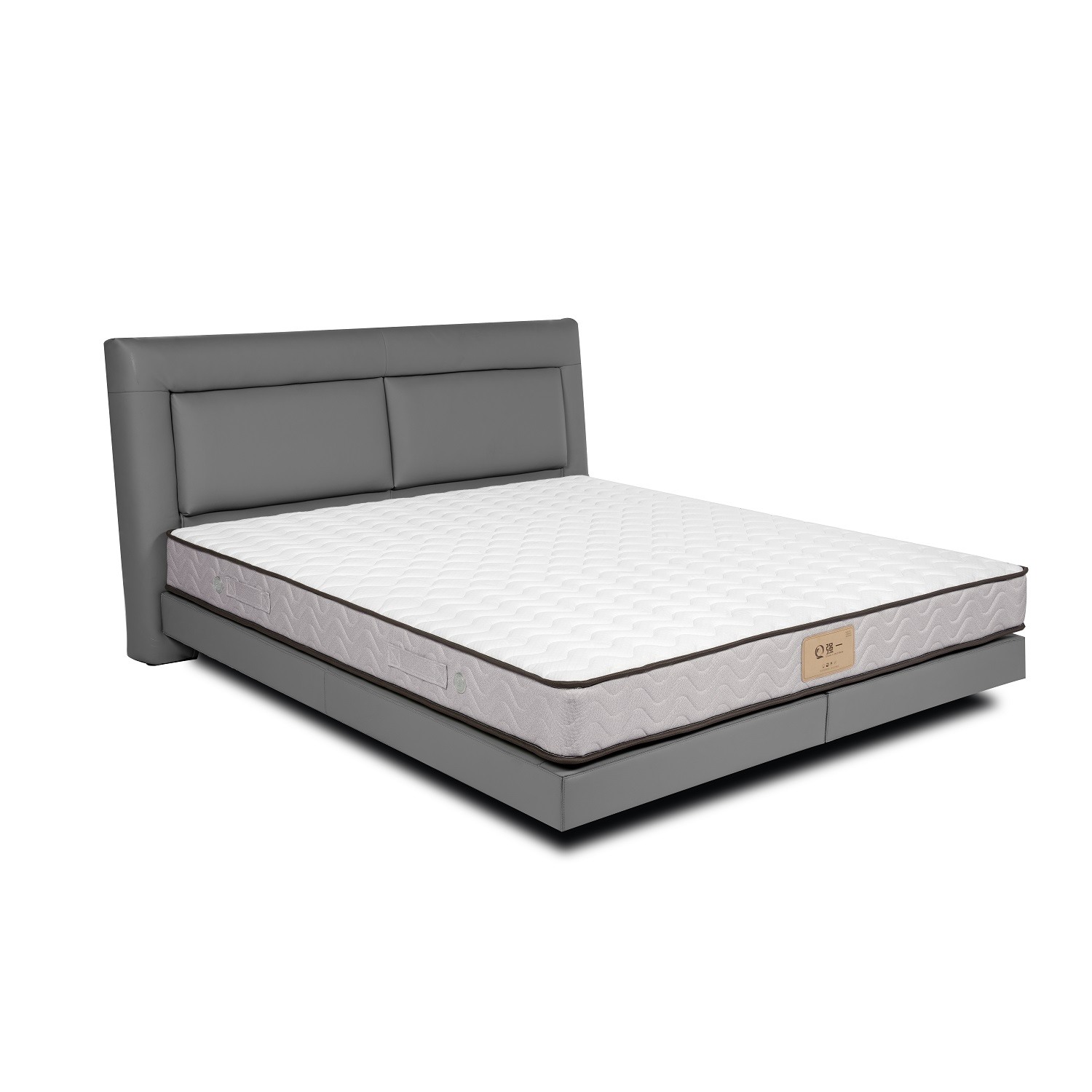
When factories blend bamboo charcoal into a latex comfort layer (like the special zones in advanced models), it works like a silent filter. It captures smells from initial off-gassing, body oils, or daily use. Moisture moves away quicker too. The charcoal structure boosts air movement through the bed.
People who’ve battled new-bed odors notice the change right away. Picture a family unpacking a standard latex mattress. The dad grumbles about the rubbery smell for days. Switch to one with bamboo charcoal mixed in. The bedroom stays much fresher from the first night. Hot sleepers in summer often wake up drier. They don’t feel like they ran laps in bed anymore.
Lab work supports this. Bamboo charcoal can absorb up to four times more than plain charcoal in some tests. It has far greater surface area for trapping things. That means stronger smell control and quicker moisture relief.
Head-to-Head: Odor Control, Moisture Wicking, and Breathability
Here’s how they stack up in the spots buyers care about most.
- Odor ControlTraditional latex: Gentle natural scent at first. It usually fades fast if it’s pure. Mixed versions sometimes linger longer. Bamboo charcoal latex: It actively soaks up and kills odors. Users frequently say the bed keeps a clean, neutral smell even after months with kids or pets around.
- Moisture WickingTraditional latex: It takes in moisture well. Release can be slow in humid air. That leaves things feeling a bit damp. Bamboo charcoal latex: Much faster wicking because of the porous charcoal. It pulls sweat off and lets it escape. The surface stays drier.
- BreathabilityBoth do okay here. Charcoal adds extra air paths though. Paired with open-cell latex, it fights heat buildup more effectively.
A simple comparison table:
| Aspect | Traditional Latex | Bamboo Charcoal Latex |
| Initial Odor | Mild rubbery/earthy, fades 1-2 weeks | Barely noticeable, actively reduces |
| Long-Term Freshness | Can pick up body odors over time | Neutralizes smells ongoing |
| Moisture Handling | Absorbs well, slower evaporation | Superior wicking, stays drier |
| Hot Sleeper Friendly | Decent, but can trap heat | Better airflow, cooler overall |
| Durability | Excellent bounce and longevity | Same latex base + added odor/moisture help |
Bamboo charcoal pulls ahead clearly for anyone bothered by smells or humidity.
Real-Life Wins: When the Difference Shows Up
Imagine a couple in a humid apartment. They switch after years of waking up sticky. Sheets stay dry now. No more constant pillow flipping at 3 a.m. Or picture a hotel owner who upgrades guest rooms with these beds. Comments about “musty” smells drop fast during busy season. Guests post better reviews. They mention how fresh and comfortable everything felt.
Even scent-sensitive people love it. Folks recovering from colds or with mild allergies appreciate the quiet start. No strong aroma to spark headaches. The bed just handles things quietly in the background.
Why This Matters for Your Sleep Setup
Both choices give solid support and natural comfort. Traditional latex brings that classic lively bounce many people love. But if smells and moisture top your list of concerns—especially in hotter, wetter areas—bamboo charcoal makes a real improvement. It keeps the same great feel. It simply makes every night cleaner and more comfortable.
About Qiangyi: Your Trusted Mattress Supplier
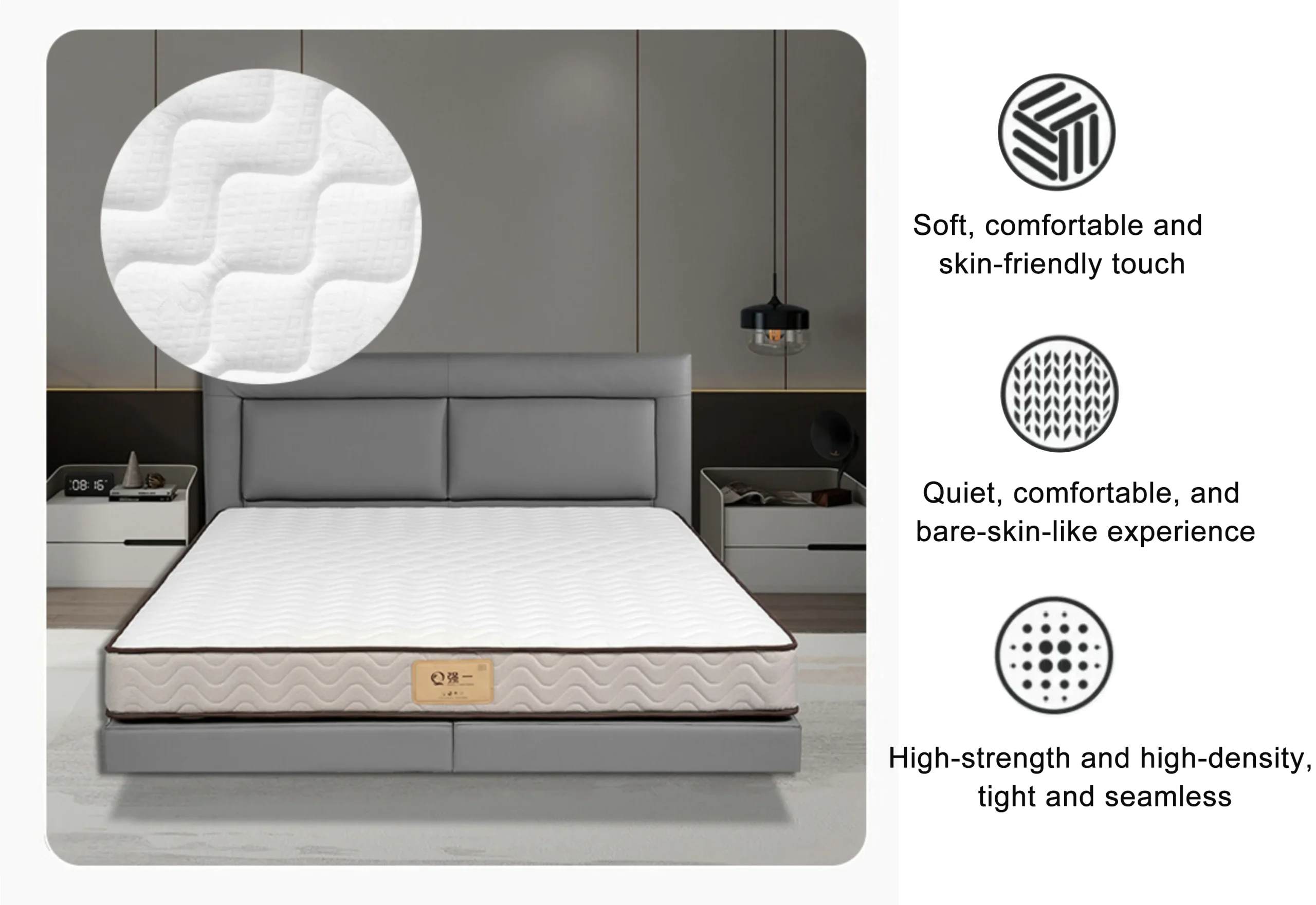
Qiangyi, founded in 2004, is a professional OEM/ODM mattress manufacturer offering comprehensive, efficient, and intelligent mattress production solutions. Operating from a 30,000㎡ smart factory, the company delivers high-quality, customized mattresses for global markets—including the hospitality sector—through rigorous testing and sustainable practices. From boutique to bulk orders, Qiangyi partners with clients to provide reliable, hygienic, and tailored sleep products.
Conclusion
Picking between traditional latex and a bamboo charcoal version depends on what bothers you most. Traditional delivers classic support with a natural touch. Yet for beating odors and moisture—those small things that wreck good rest—the charcoal addition brings clear perks. It’s a sensible step up for fresher, drier nights without giving up comfort. Definitely something to think about the next time you shop for a mattress.
FAQs
What are the main bamboo charcoal latex mattress benefits compared to regular ones?
Bamboo charcoal latex mattress benefits include much better odor absorption and quicker moisture wicking. The charcoal grabs smells and sweat. It keeps the bed fresher longer than traditional latex, which holds humidity more easily.
Does bamboo charcoal really help with new mattress smells?
Yes. Traditional latex often starts with a mild rubbery scent. Bamboo charcoal versions actively reduce odors. Most people notice very little smell from day one.
Is a bamboo charcoal latex mattress cooler and drier for hot sleepers?
Usually yes. The porous charcoal pulls moisture away fast and improves airflow. Hot sleepers frequently wake up drier compared to traditional latex, which absorbs well but releases slower in humid spots.
How long do bamboo charcoal latex mattress benefits last?
The odor control and moisture help stick around for years. The charcoal keeps working as long as the mattress holds up—often matching the great durability of regular latex.
Should I choose bamboo charcoal if I live in a humid area?
That’s a problem absolutely worth considering. In damp climates, the extra wicking and freshness make a big difference. Many folks in coastal or rainy places prefer it to stop the bed from feeling clammy over time.