


22nd January 2026
Beyond Back Pain How Ergonomic Support from Pocket Springs Promotes Spinal Health
-
 author
Waking up with a sore back is no way to start the day. You toss and turn all night. Then morning hits, and that dull ache in your lower back reminds you again. Sound familiar? So many folks deal with this. And often, the culprit is right under you—your mattress. It doesn’t hold your body the way it should.
The fix? An ergonomic mattress that focuses on real spinal support. One with pocket springs stands out here. These independent coils adapt to your shape. They ease pressure where you need it most. No more waking up stiff. Better alignment means less pain over time. And that leads to sharper days and easier movement.
Understanding Your Spine’s Natural Curves
Your spine isn’t straight like a pole. It’s got that gentle S-shape. Curves in the neck, mid-back, and lower back. These bends absorb shocks when you walk or run. They keep everything balanced.
At night, though, things change. You lie flat for hours. If the bed sags or pushes wrong, those curves flatten or exaggerate. Muscles strain to compensate. Discs get squeezed unevenly. Come morning, pain flares.
Think about side sleepers. Hips sink too deep on a soft bed. The spine twists. Back sleepers fare worse on lumpy surfaces—the lower back arches unnaturally. Real stories abound. One guy I know, a desk worker, battled constant lower back twinges. Switched beds. Pain eased in weeks. His new setup hugged those natural curves just right.
Why the S-Curve Matters During Sleep
- Shock Absorption: Curves act like springs, spreading daily impacts.
- Balance: Keeps head over hips for even weight distribution.
- Disc Health: Proper bends prevent excess pressure on spinal discs.
| Spinal Region | Natural Curve Type | Common Issue from Poor Support |
| Neck (Cervical) | Inward (Lordosis) | Stiffness, headaches |
| Mid-Back (Thoracic) | Outward (Kyphosis) | Rounded shoulders, upper pain |
| Lower Back (Lumbar) | Inward (Lordosis) | Aching, sciatica risks |
The Problem with Inadequate Spinal Support
Bad support hits hard. Studies show millions wake with back pain tied to sleep setup. Poor alignment strains muscles overnight. Inflammation builds. Chronic issues creep in.
Pressure points form too. Shoulders and hips bear too much weight on flat surfaces. Blood flow dips. You flip around more, robbing deep rest. Over years, misaligned sleep wears discs faster.
A buddy in construction had nagging back pain. Thought it was the job. Turns out, his old mattress sagged in the middle. Spine hung like a hammock. New supportive bed? He sleeps solid now. Pain’s way down.
How Pocket Springs Deliver Precise, Ergonomic Support
Pocket springs shine here. Each coil wraps in its own fabric pocket. They move solo. No linked wires pulling everything together.
Lie down, and heavier spots—like hips—push coils deeper. Lighter areas get gentler pushback. Result? Even support across your body. Spine stays in that neutral S-position.
Tens of thousands of these points in premium designs. They target pressure relief spot-on. Lower back gets firm lift. Shoulders sink just enough. No hot spots building tension.
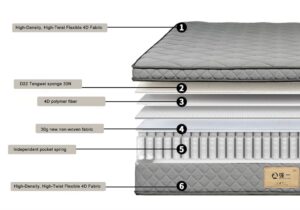
Pair them with comfy layers up top, like resilient foam or breathable 4D fabric. You get cushion without losing that adaptive backbone. Springs rebound strong too—tested for thousands of cycles.
Key Advantages of Independent Pocket Springs
- Independent Movement: Coils react only where needed, cutting motion transfer.
- Pressure Relief: Distributes weight evenly, easing hips, shoulders, lower back.
- Durability: High-quality steel holds shape long-term, no sagging.
- Zoned Support: Some designs firmer in the middle for lumbar boost.
Real Benefits for Back Pain Sufferers
Folks with back pain often rave about pocket spring setups. Medium-firm feel hits the sweet spot—supportive yet forgiving. Industry experience backs it: hybrids with pocket coils outperform plain foam for many with chronic aches.
One common win? Reduced morning stiffness. Proper alignment lets muscles relax fully. Less tossing means deeper sleep stages. Energy rebounds.
Data points to this too. Many report pain drops when switching to targeted support systems. Especially those with lumbar issues.
Picking the Ideal Ergonomic Mattress for Spinal Health
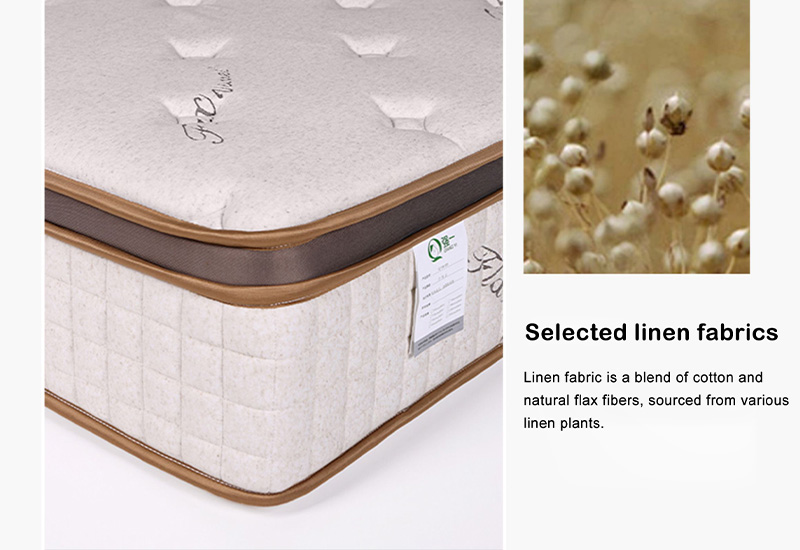
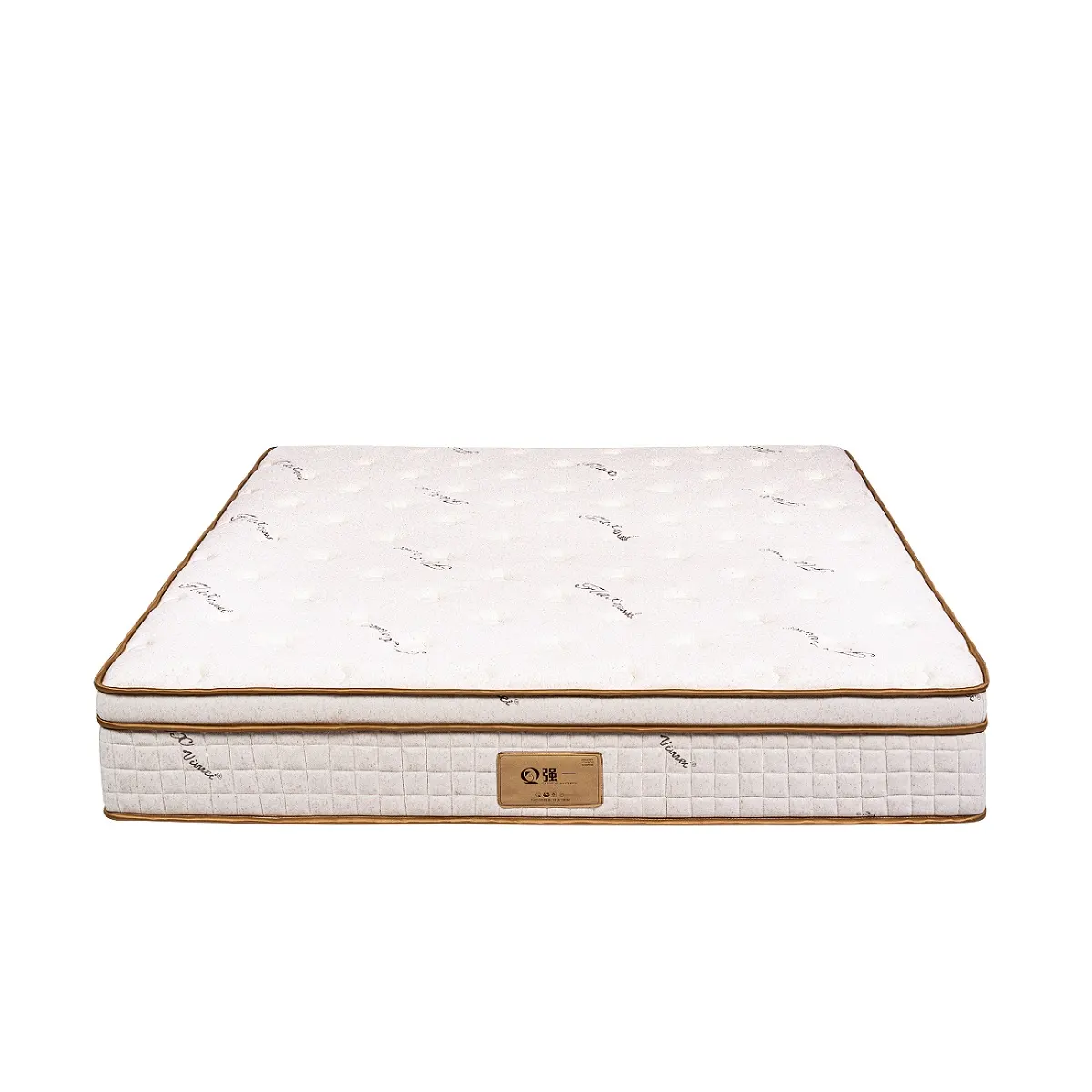
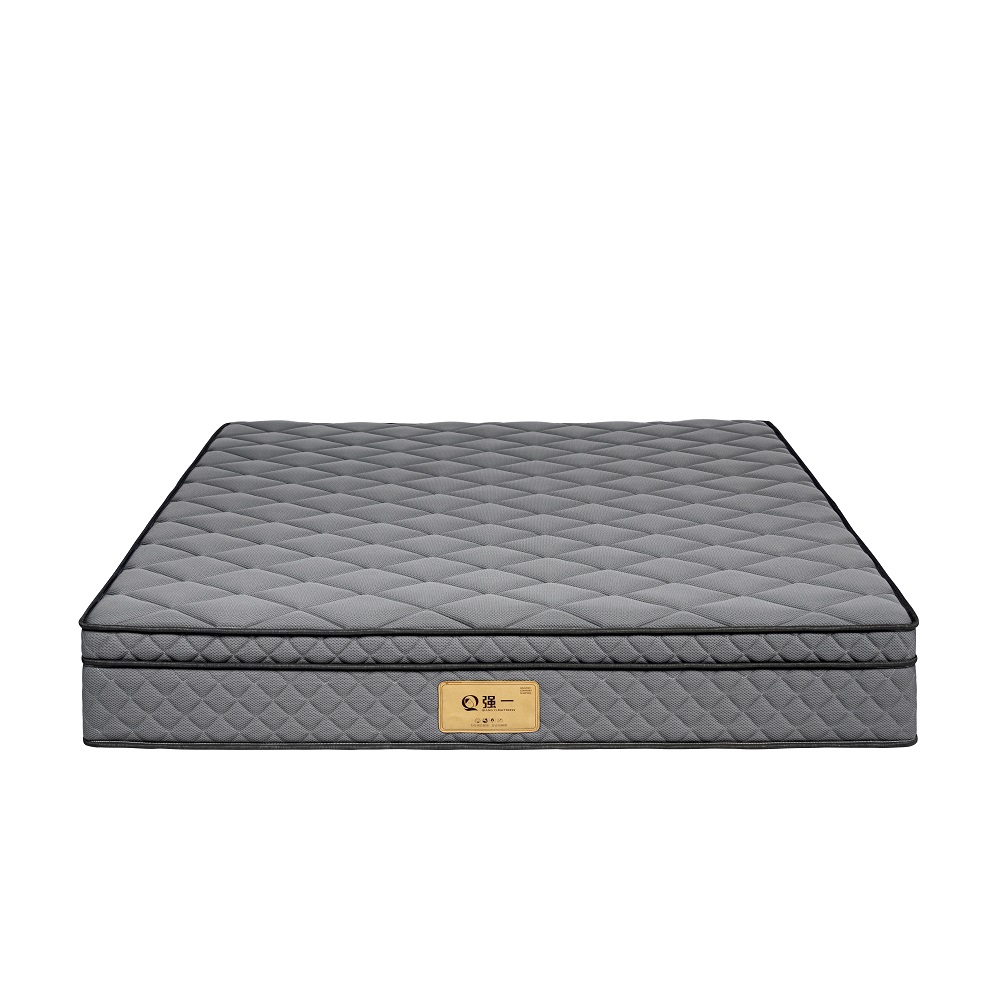
Look for quality pocket springs at the core. Premium steel, individually wrapped. Add breathable tops—like high-density 4D fabric that wicks moisture and circulates air.
Thickness matters. Around 30cm offers balanced depth. Sizes fit standard or custom needs. Medium firmness suits most, cradling curves without swallow-you sink.
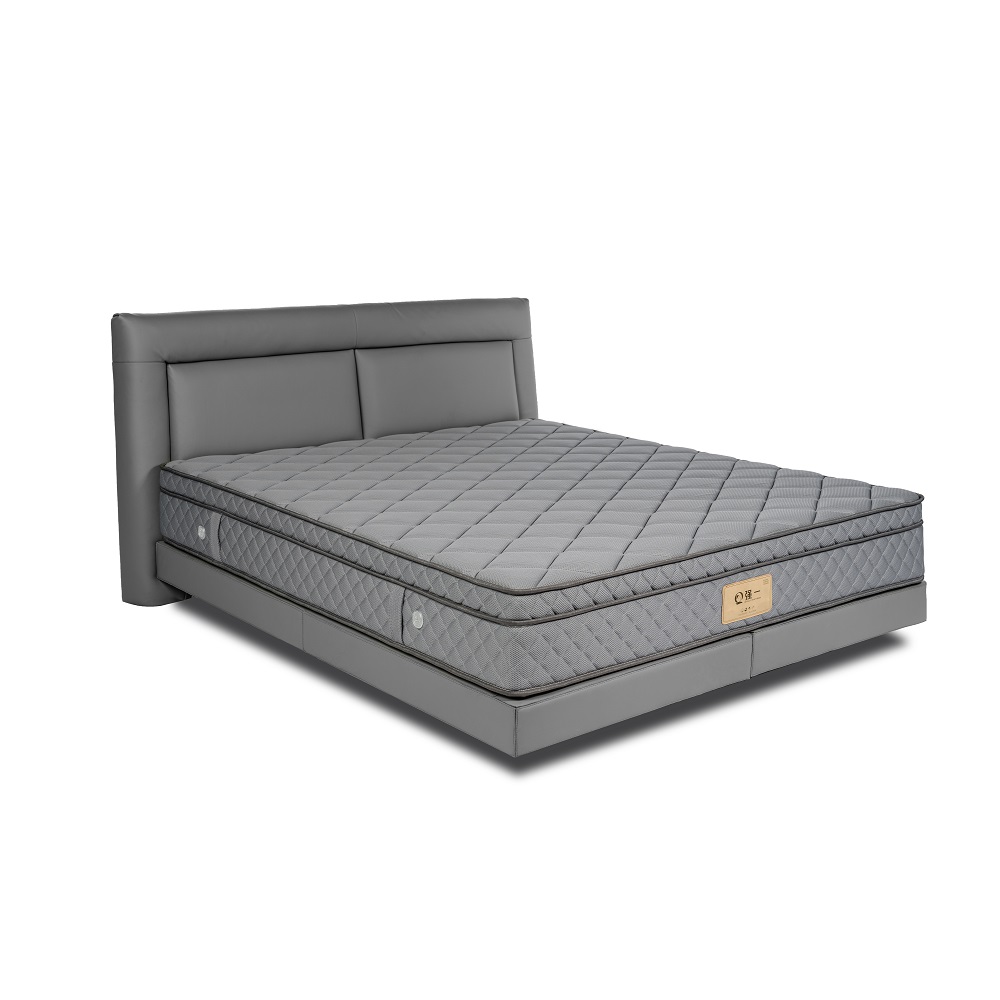
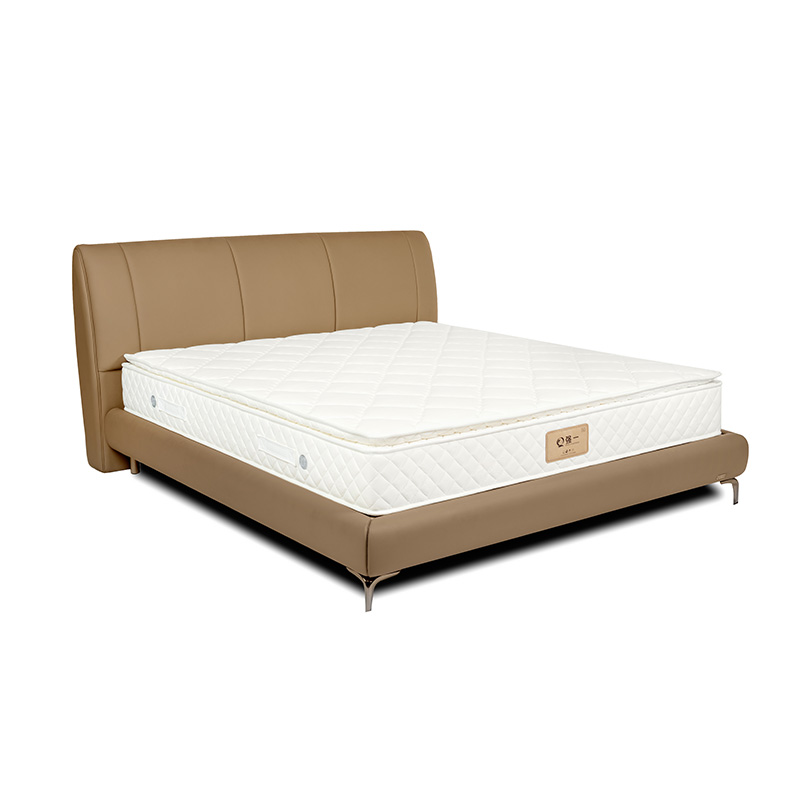
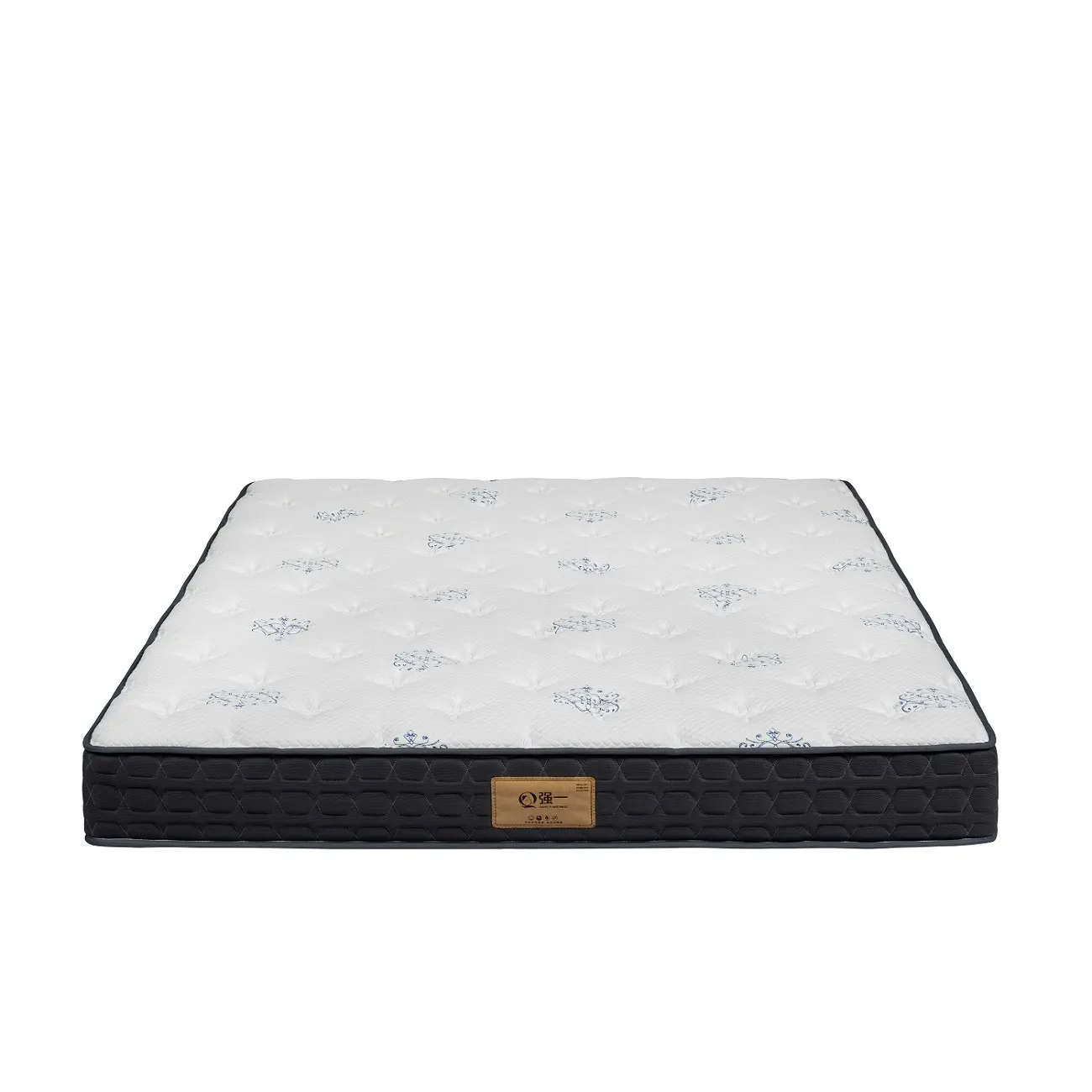
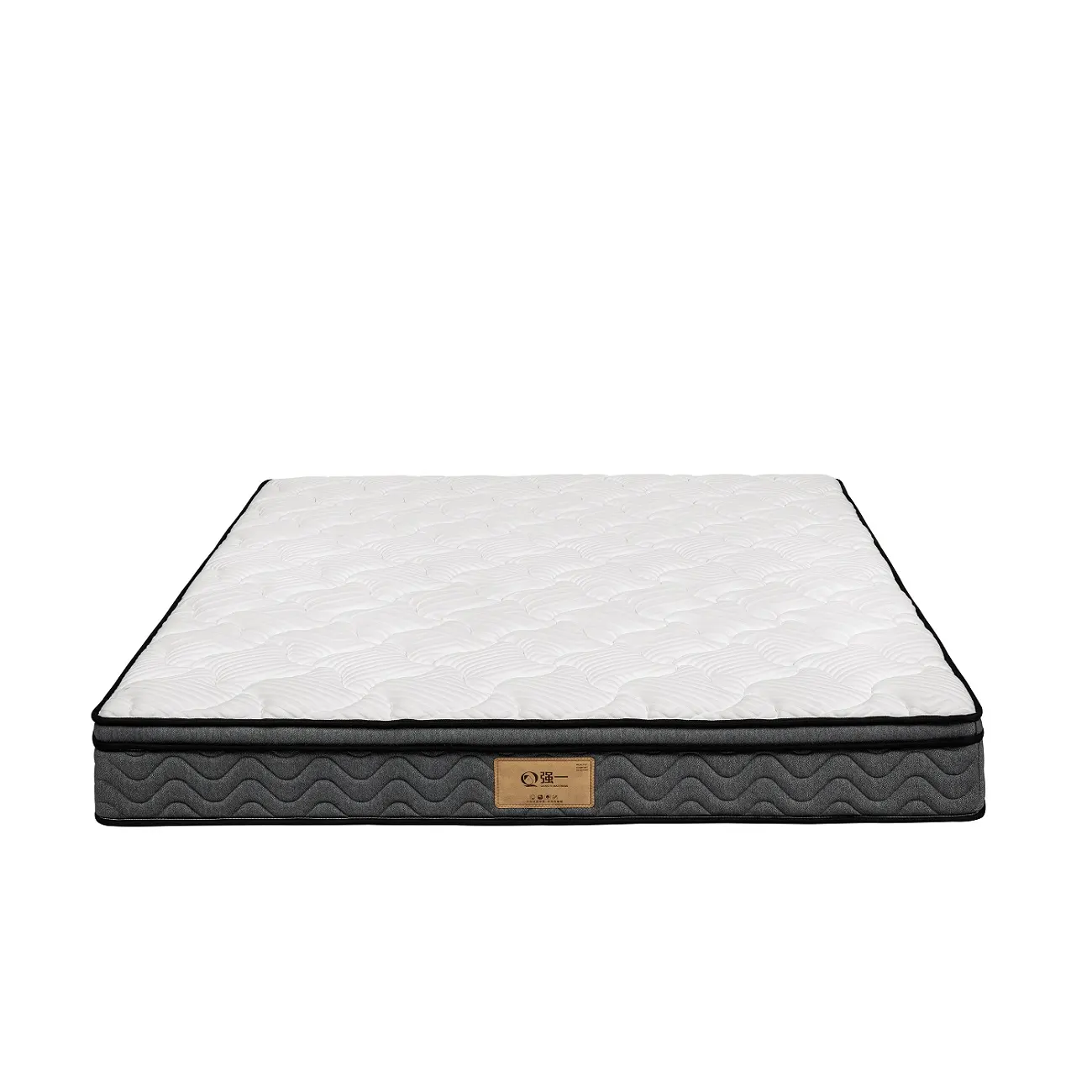
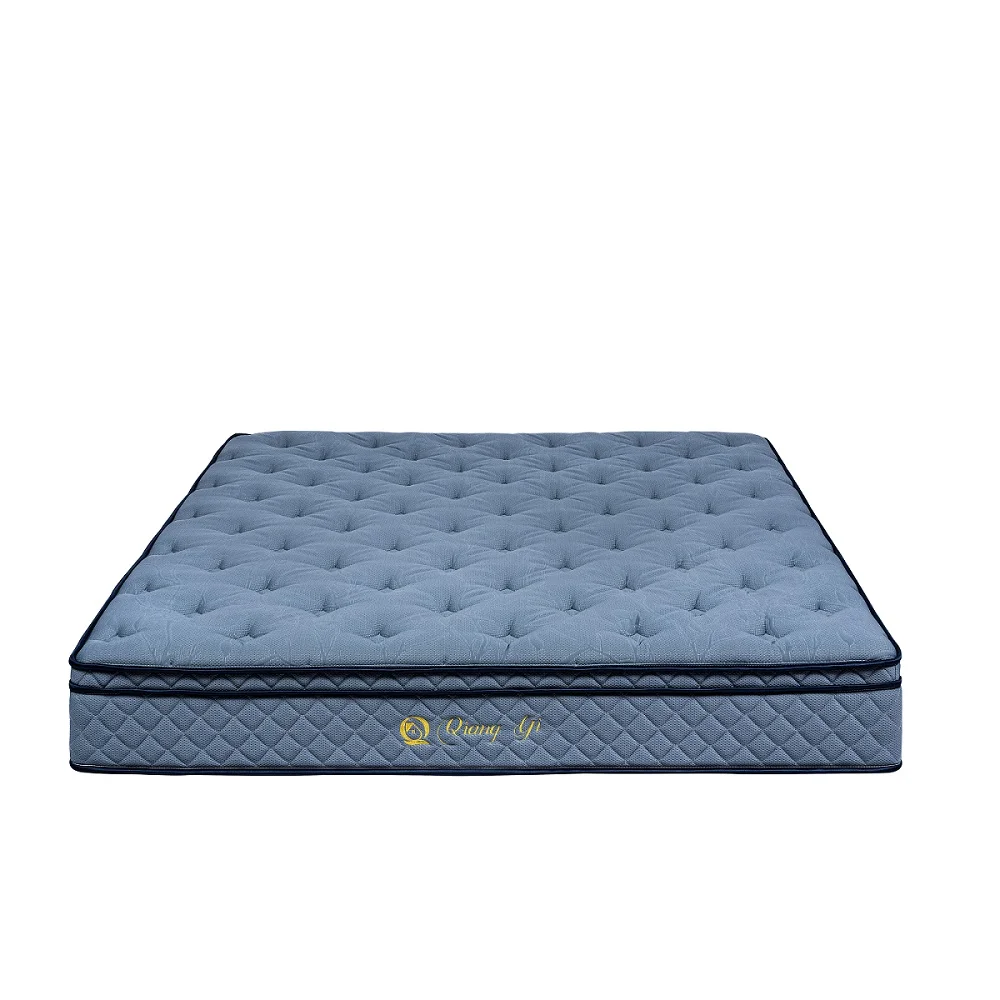
A standout combines ultra-smooth 4D fabric for skin-friendly touch, elastic air fibers for ventilation, and robust pocket springs for point-to-point backing. It aligns body curves naturally. Pressure spreads out. Sleep stays cool and dry.
About Qiangyi: Your Partner in Healthy Sleep Solutions
Qiangyi brings serious expertise to the table. With a state-of-the-art 30,000㎡ intelligent factory, the company delivers comprehensive, professional, efficient, and intelligent mattress production solutions. They handle everything from design to delivery, focusing on quality materials, rigorous testing, and innovative builds that prioritize real comfort and spinal health.
Conclusion
Ditching back pain starts with smart support. An ergonomic mattress built around pocket springs keeps your spine’s natural S-curve intact night after night. Precise adaptation relieves pressure points. Alignment improves. Pain fades, and you wake ready to go. Make this shift—your back will thank you.
Frequently Asked Questions (FAQs)
Can an ergonomic mattress really help with my back pain?
Yeah, big time. A good mattress for back pain with proper spinal support maintains natural curves, cuts pressure on sore spots, and lets muscles recover overnight. Many folks notice less ache in weeks.
How do pocket springs improve spinal support?
Each spring works on its own. They adjust to your body’s weight distribution. Heavier areas get more pushback, keeping everything level. That promotes better alignment and eases strain on the lower back.
What’s the best firmness for an ergonomic mattress?
Medium-firm often wins for most people. It cradles hips and shoulders while lifting the lumbar area. Great for side or back sleepers needing that balanced feel.
Are pocket spring mattresses good for all sleep positions?
Pretty much. Independents adapt well—firm for back sleepers, forgiving for sides. Stomach sleepers might need extra lumbar focus, but quality ones handle it.
How long do pocket springs last in a supportive mattress?
Top-grade ones, like those tested for 30,000 cycles, hold up 15 years or more. No quick sagging, so spinal support stays consistent.