


2nd April 2026
How Gel-Infused Memory Foam Solves the Overheating Problem in Hybrid Mattresses
-
 author
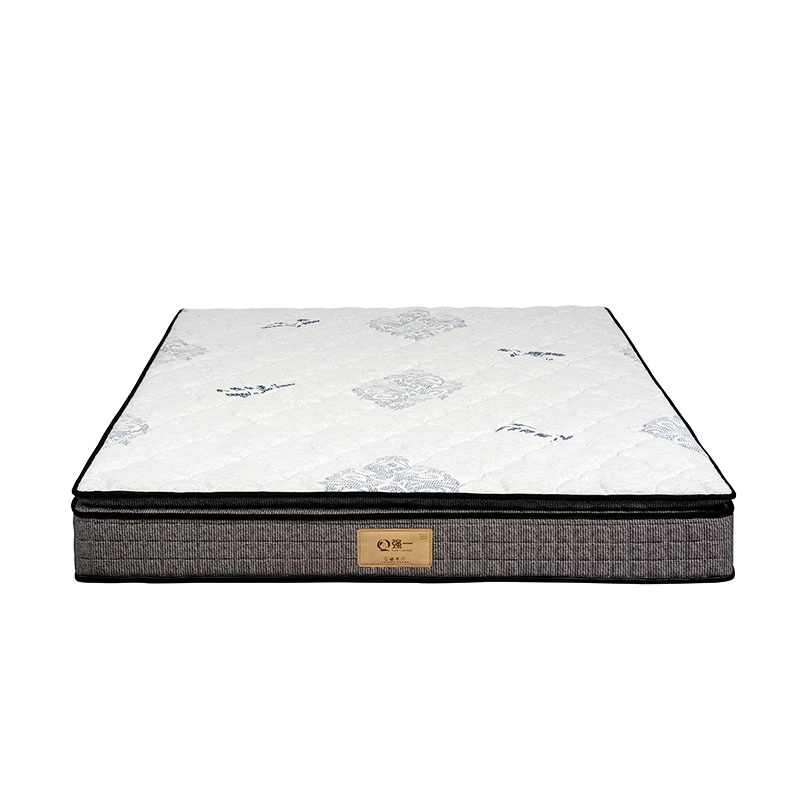
Hot sleepers know the struggle all too well. You climb into a nice hybrid bed—pocket springs for bounce, foam for cushion—and within an hour you’re kicking off covers, flipping the pillow, sweating through the night. Traditional memory foam gets blamed a lot. It hugs the body great. But it traps heat like a blanket in summer.
For brands selling to folks who run warm (think night sweats, menopause, bigger body types, or just hot climates), that overheating complaint kills reviews and spikes returns. The fix? Gel-infused memory foam done right. It pulls heat away instead of holding it close. When layered smartly in a hybrid, it turns a potential problem into a selling point: cool, supportive sleep that lasts all night.
As an OEM cooling gel memory foam mattress manufacturer, the goal is simple. Build hybrids that feel luxurious without the sauna effect. Here’s how gel infusion changes the game—and what buyers should look for when sourcing.
The Heat Trap in Standard Memory Foam Hybrids
Hybrid mattresses mix coils and foam for good reason. Springs give bounce and airflow. Foam adds contour and pressure relief. Sounds perfect on paper.
But classic memory foam reacts to body heat. It softens up, molds around you—then stays warm. Heat builds up layer by layer. Pocket springs underneath help some, but if the comfort layers trap warmth, the whole bed feels stuffy by 2 a.m.
Real talk from the field: many brands see 15-25% of returns tied to “too hot” feedback on foam-heavy hybrids. Customers expect that cloud-like sink from memory foam. They don’t expect to wake up damp and restless.
How Gel-Infused Memory Foam Actually Cools Things Down
Gel beads or gel swirls get mixed into the foam during manufacturing. The gel has higher thermal conductivity than plain polyurethane. It wicks heat away from your body faster.
In practice:
- Heat moves into the gel particles instead of pooling against your skin.
- The foam stays closer to room temperature longer—no slow build-up.
- Open-cell structures (especially 3D gel versions) let air move through easier.
Take a popular hybrid setup right now. Top comfort layer uses 3D gel memory foam. It rebounds slowly (3-5 seconds), contours without that stuck feeling, and keeps surface temps steady. Pair it with breathable covers and you get real cooling.
Lab tests often show 5-10°F cooler surface temps compared to non-gel foam after 30 minutes of use. That’s enough to stop most people from tossing and turning.
Building a Cooler Hybrid: Layers That Work Together
The magic happens when gel foam isn’t just slapped on top. It needs to team up with other elements.
Breathable Cover Fabrics
Start with something airy. Tencel nanofilament knits pull moisture away fast. They feel silky, stay dry, and add a light antibacterial touch. No heavy polyester that holds heat.
Gel Memory Foam Comfort Layer
This is the star. 3D gel memory foam gives soft support and promotes airflow. Constant-temperature gel prevents overheating. It adjusts without you noticing—no cold shock at first, no furnace later.
Natural Latex Transition
A layer of 92% natural latex adds bounce and natural breathability. Latex dissipates heat well. Plus, its open structure lets air flow down to the springs.
Pocket Spring Base
Independent coils isolate motion and allow vertical airflow. High-quality ones (No. 70 steel, quenched twice) hold shape for years—no sagging pockets that trap warmth.
Edge reinforcement keeps everything stable so cooling layers don’t compress unevenly.
A solid 24cm hybrid with this stack feels balanced. Side sleepers get pressure relief. Back sleepers get support. And nobody wakes up overheated.
Quick Comparison: Standard vs. Gel-Infused Hybrids
| Feature | Standard Foam Hybrid | Gel-Infused Cooling Hybrid |
| Comfort Layer | Basic memory foam | 3D Gel Memory Foam |
| Heat Dissipation | Low—traps body heat | High—gel pulls heat away |
| Surface Temp After 1 Hr | Rises 8-12°F | Stays near room temp (5-10°F cooler) |
| Rebound Feel | Slow, can feel sticky | Slow (3-5 sec) but breathable, no sink-in |
| Moisture Management | Average | Strong with Tencel + open cells |
| Long-Term Cooling | Fades as foam ages | Consistent—gel doesn’t degrade quickly |
Brands using the gel version report way fewer “it’s too hot” emails. Customers sleep deeper and wake up refreshed.
Common Mistakes When Sourcing Cooling Hybrids
Don’t get tripped up here:
- Thin gel layer. If it’s just a skim coat, cooling effect vanishes fast.
- No airflow underneath. Dense base foams block the springs’ ventilation.
- Cheap covers. Synthetic weaves turn the bed into a heat blanket.
- Skipping real testing. Ask for temp data or third-party reports—not just “cooling” claims.
Good partners offer samples so you can feel the difference yourself. They adjust gel concentration, foam density, or layer order to match your target customer.
Qiangyi: A Reliable OEM Partner for Cooling-Focused Mattress Solutions
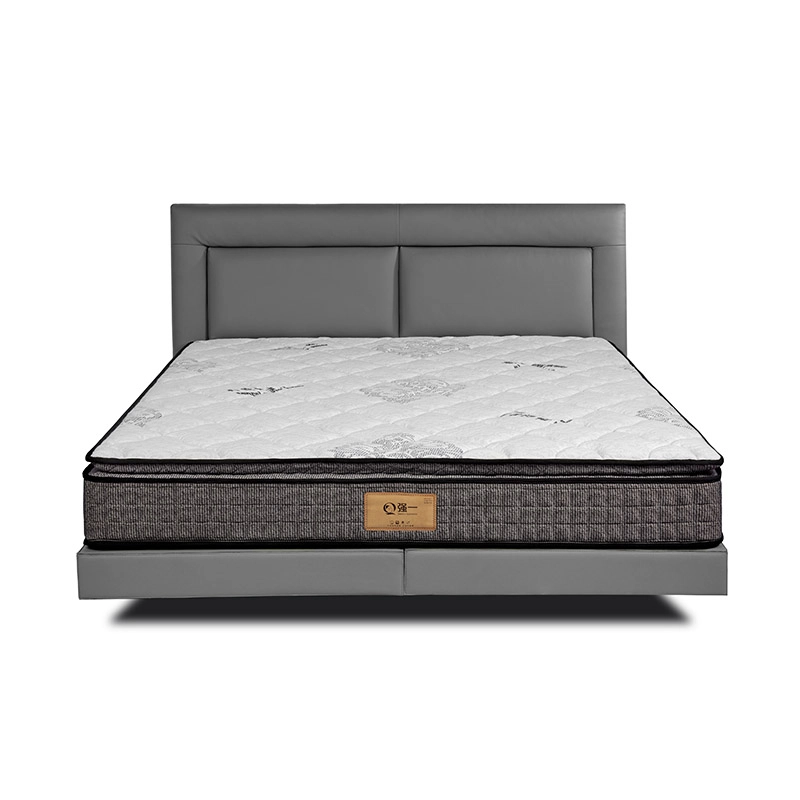
Before wrapping up, here’s a quick look at a supplier that gets this right. Qiangyi runs a 30,000㎡ smart factory in Foshan, China. They specialize in OEM and ODM work—taking your design from sketch to finished, rolled-and-boxed product.
They focus on comprehensive, professional, efficient, and intelligent production. Automated lines handle custom specs fast. You can tweak gel foam ratios, pick latex percentages, choose spring zones, or add specific fabrics. Everything aims at healthy, cool sleep: gel-infused layers for temperature control, natural latex for breathability, durable springs for support. They meet EN and ISO standards, export to the US, Europe, and beyond, and keep quality tight so your brand delivers consistent results.
Conclusion
Overheating doesn’t have to be the downside of hybrid mattresses anymore. Gel-infused memory foam—especially 3D versions—pulls heat away, keeps surfaces steady, and pairs beautifully with breathable latex and pocket springs. Brands that source these builds give customers the cool, comfy nights they’ve been missing. Returns drop. Reviews climb. And your line stands out in a sea of sweaty complaints.
If cool-sleep performance is on your roadmap, teaming up with an experienced cooling gel memory foam mattress manufacturer makes the path a lot smoother.
FAQs
What exactly makes gel-infused memory foam cooler than regular memory foam?
Gel particles conduct heat better. They draw warmth away from your body instead of letting it build up. In hybrids, 3D gel memory foam adds airflow channels too. That combo keeps the sleep surface noticeably cooler—often 5-10°F lower after an hour.
Is gel memory foam still supportive in a hybrid design?
Yes. Good 3D gel versions offer slow rebound (around 3-5 seconds) for that hugging feel. They contour to pressure points without bottoming out. Layered over pocket springs and natural latex, you get zoned support that adapts to side, back, or stomach sleepers.
How does a cooling gel memory foam mattress help with night sweats?
It wicks heat and moisture better. Paired with breathable Tencel covers and open-cell structures, the bed stays drier. Less trapped humidity means fewer wake-ups from feeling clammy—big win for hot sleepers or those dealing with menopause or warmer rooms.
Can I customize the gel level or cooling features as an OEM buyer?
Definitely. Reliable cooling gel memory foam mattress manufacturers let you adjust gel density, foam thickness, or add extra airflow elements like 4D fibers. Start with small runs to test, then scale once it hits your brand’s cool-sleep promise.
Does the cooling effect last over time, or does it wear out?
When built right—with quality gel infusion and durable layers—it holds up. Gel doesn’t break down quickly like some additives. Springs and latex keep airflow consistent for 10+ years. Look for partners who test compression and heat dissipation long-term.