


3rd April 2026
How to Source an Antibacterial & Anti-Mite Mattress for Allergy-Conscious Brands
-
 author
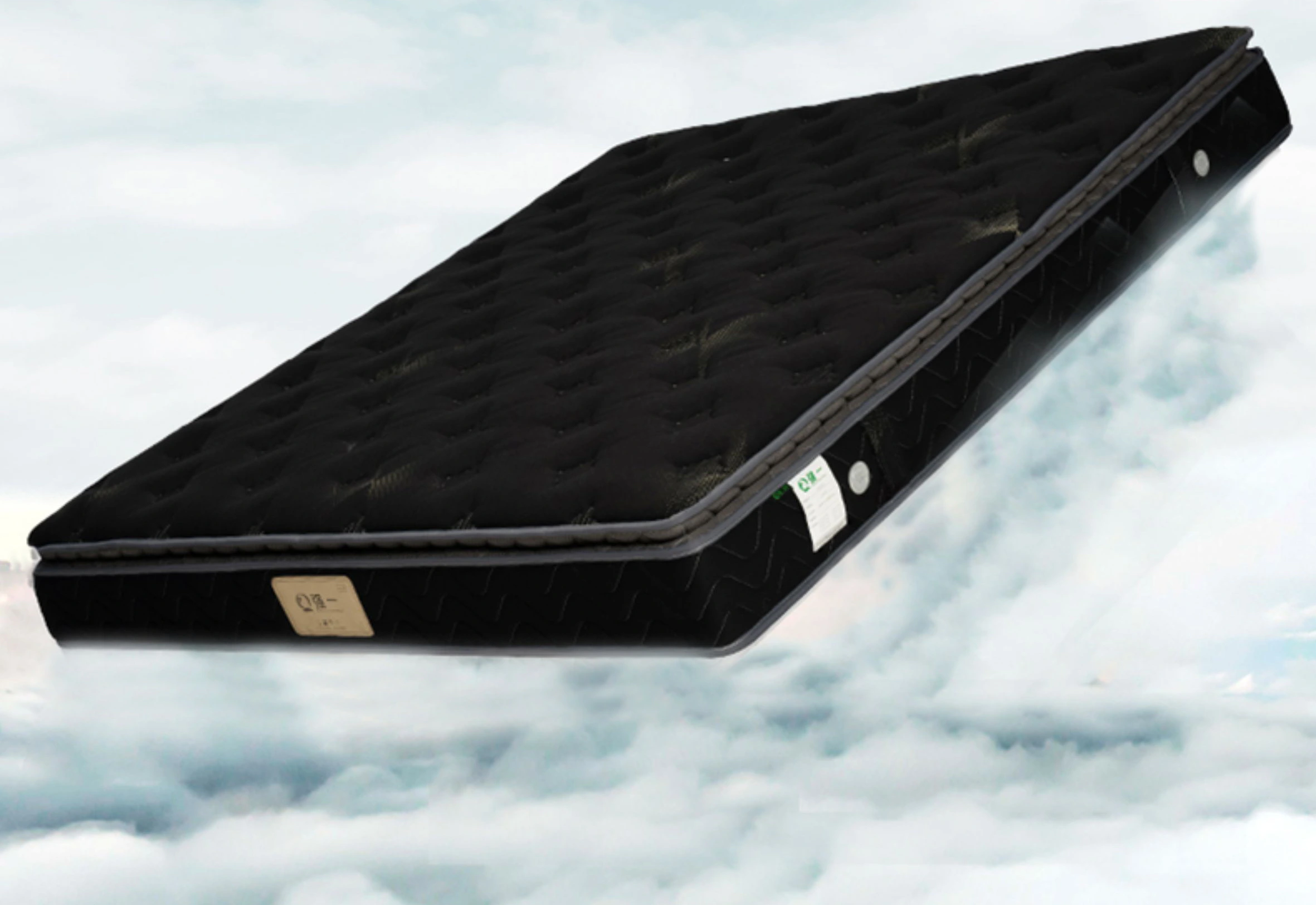
People with allergies don’t simply crave a soft bed. They really need one that pushes back hard against dust mites, germs, and all those tiny triggers that ruin a good night’s rest. Brands chasing this crowd—maybe parents shopping for kids who wheeze at night, hotels chasing that “hypoallergenic” tag, or online labels swearing by fresher sleep—depend heavily on the right factory partner.
Hunting for an antibacterial mattress isn’t just picking the first vendor flashing an “anti-mite” label on paper. It means locating a producer who weaves genuine defense into each level. They use dependable stuff, run real checks, and grow your private-label idea without skimping. Here’s a down-to-earth roadmap that actually works.
Why Antibacterial and Anti-Mite Features Matter More Than Ever
Imagine the scene. Someone with springtime allergies finally falls asleep on a brand-new bed. Then they wake up stuffed up. Why? Dust mites moved in overnight. Research keeps showing the same thing. Those critters adore warm, damp bedding. And guess what most beds offer? Exactly that cozy, humid environment.
More than 20% of grown-ups say dust mites bother them. That figure jumps even higher in homes with little ones or older folks.
A solid antibacterial & anti-mite mattress goes straight after the problem:
- It stops mites from sneaking in and multiplying.
- It holds back bacteria that turn sweat and dead skin into irritating bits.
- It leaves the sleeping surface feeling cleaner much longer. No more of that stale, moldy whiff that creeps into some foam beds after a while.
Brands that nail this stuff watch customers come back and leave five-star notes. The secret lies in components and build quality that produce clear, honest benefits—not empty hype.
Key Features to Demand from Your OEM Partner
When you’re sizing up factories, lock onto these non-negotiables for mattresses that genuinely help sensitive sleepers.
1. Multi-Layer Defense Against Allergens
Hunt for three-way shielding:
- Antibacterial top fabric— That Japanese-inspired knit material treated to push away germs and mites on its own. Tighter weaves keep allergens from digging deep.
- Natural latex core— Go after big ratios, say 92% from eco-friendly trees. The stuff carries natural proteins. Those proteins chase off more than 650 kinds of bacteria and hit around an 87% mite-block rate in serious lab runs.
- Support system that stays clean— Pocket springs wrapped one by one cut way down on dust compared with those old connected coils. Throw in airy foams. Now moisture has nowhere to hide.
2. Cooling and Moisture Management
Lots of allergy folks wake up sweaty at night. That dampness just feeds mold and mites. Gel memory foam pulls heat away nicely. It stays neutral—no icy shock when you first lie down, no sauna feel by the middle of the night. Layer on some breathable stuff, like 4D air channels or open-cell pads. Suddenly the bed wicks sweat instead of trapping it.
3. Durability That Holds Up to Real Life
Bargain springs droop after a year or two. That creates little valleys. Allergens love settling in those spots. Push for top-tier pocket springs. Make sure they survive at least 30,000 squeeze tests. Add sturdy border support so edges don’t cave. When you see a firm 15-year promise on the springs, that’s a green light. The maker believes in the product.
4. Certifications and Transparent Testing
Ask for outside lab paperwork on the anti-germ and anti-mite claims. Check that foams carry low VOC labels, stay free of formaldehyde, and meet global safety rules. Rolled-up vacuum packing helps keep everything spotless on the trip over.
A Real-World Example: Building a Premium Allergy-Focused Model
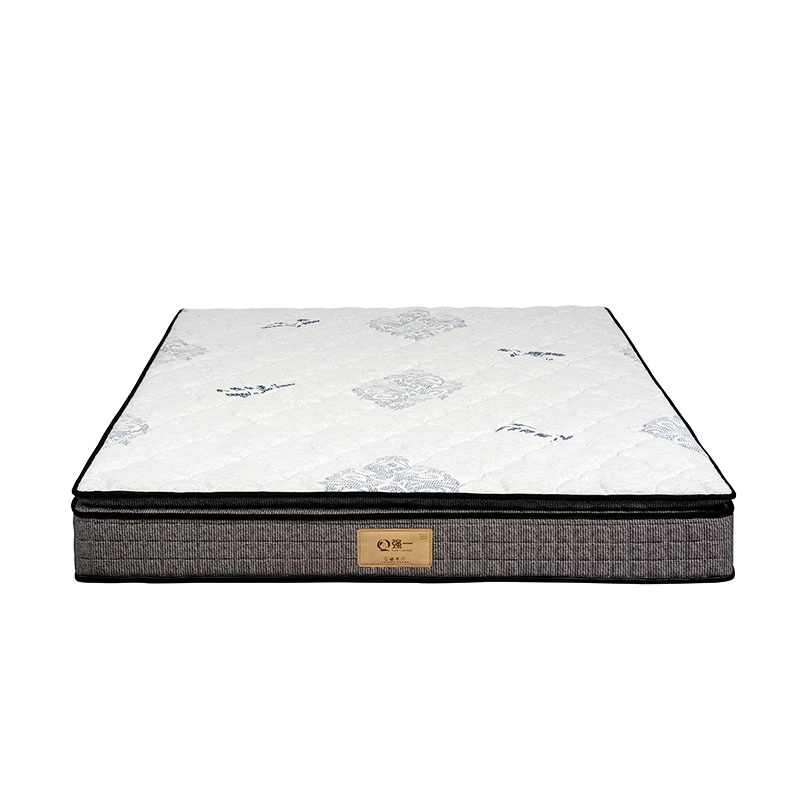
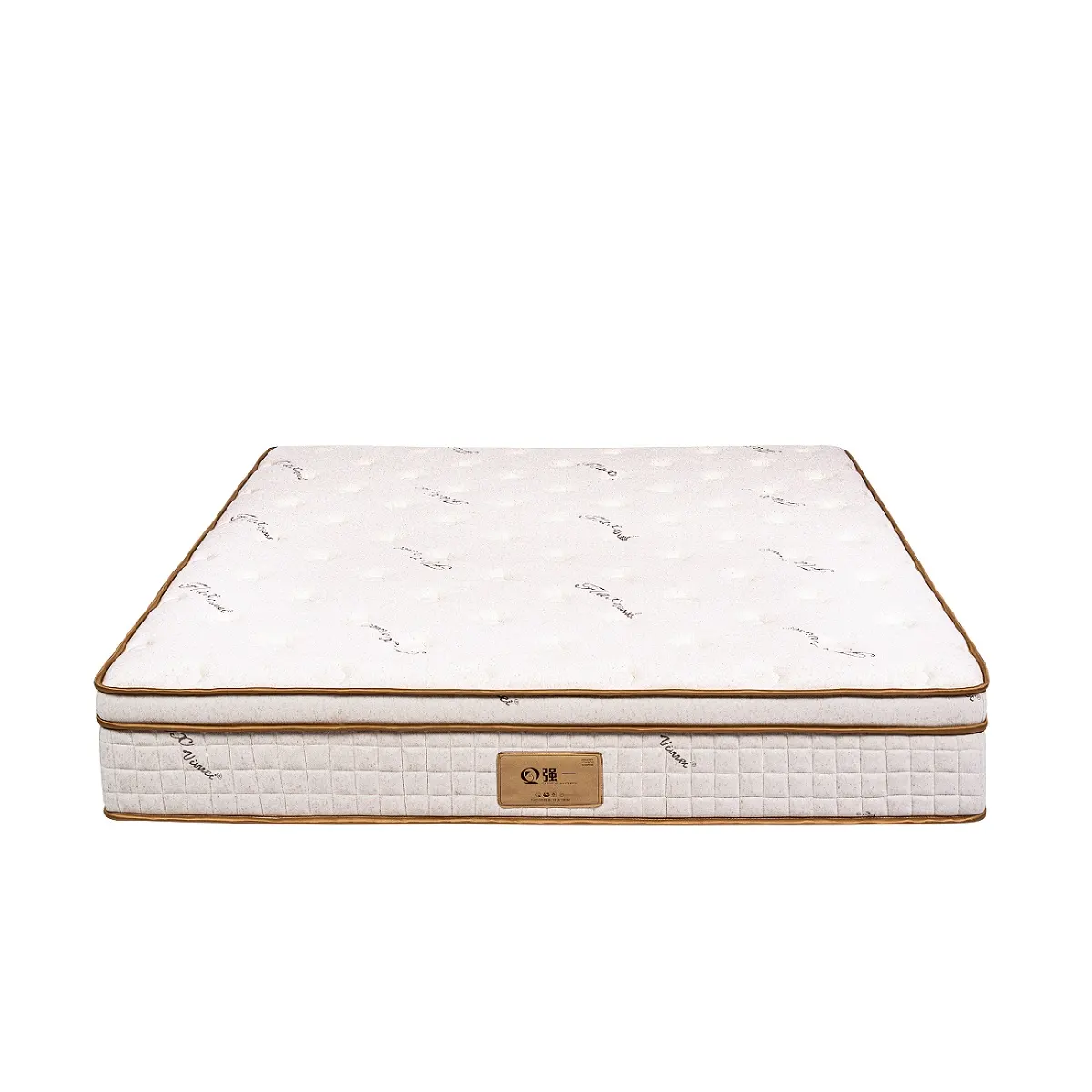
Right now plenty of brands lean toward a hybrid style. Picture a 20cm-thick bed. It starts with a gentle antibacterial knit cover. Next comes a comfort zone mixing gel memory foam for that body-hugging feel plus natural latex for lively support and cleanliness. Underneath sits a zoned pocket spring unit that props up the right places.
In everyday use this combo shines for side sleepers. They get nice contour without sinking so far that heat and allergens get locked in. Natural latex keeps bacteria in check all by itself—no nasty sprays required. The gel layer stops that sticky, sweaty sensation. Pocket springs cut motion transfer. Husbands and wives quit waking one another. Brands tell me returns from allergy buyers drop sharply after they move to setups like this one.
Here’s a quick side-by-side that shows the gap:
| Feature | Basic Mattresses | Premium Antibacterial Builds |
| Top Fabric | Standard polyester | High-density antibacterial knitted |
| Comfort Layer | Basic memory foam | Gel memory + 92% natural latex |
| Mite-Proof Rate | Minimal | Up to 87% (lab-tested) |
| Spring Durability | 10,000 cycles | 30,000+ cycles, 15-year guarantee |
| Cooling Tech | None or basic | Gel infusion + breathable airflow layers |
| Allergen Reduction | Low | Triple protection (fabric, latex, structure) |
Common Pitfalls to Avoid When Sourcing
Steer clear of these common mistakes:
- Leaning too hard on surface-treated covers. A few washes and the protection fades away.
- Choosing synthetic foam over natural latex to save cash. Fake stuff misses those built-in germ-fighting qualities.
- Overlooking small-order flexibility. Smart partners run trial batches of about 30 units so you can test the waters first.
- Accepting slow turnaround. Target 25–35 days once the design locks in. That way you hit important sales seasons on time.
Top factories blend tough internal checks—think spring twist tests, foam crush trials, fabric rub cycles—with open customization. Your brand idea shows up exactly the way you pictured it.
Qiangyi: A Reliable OEM Partner for Health-Focused Mattress Solutions
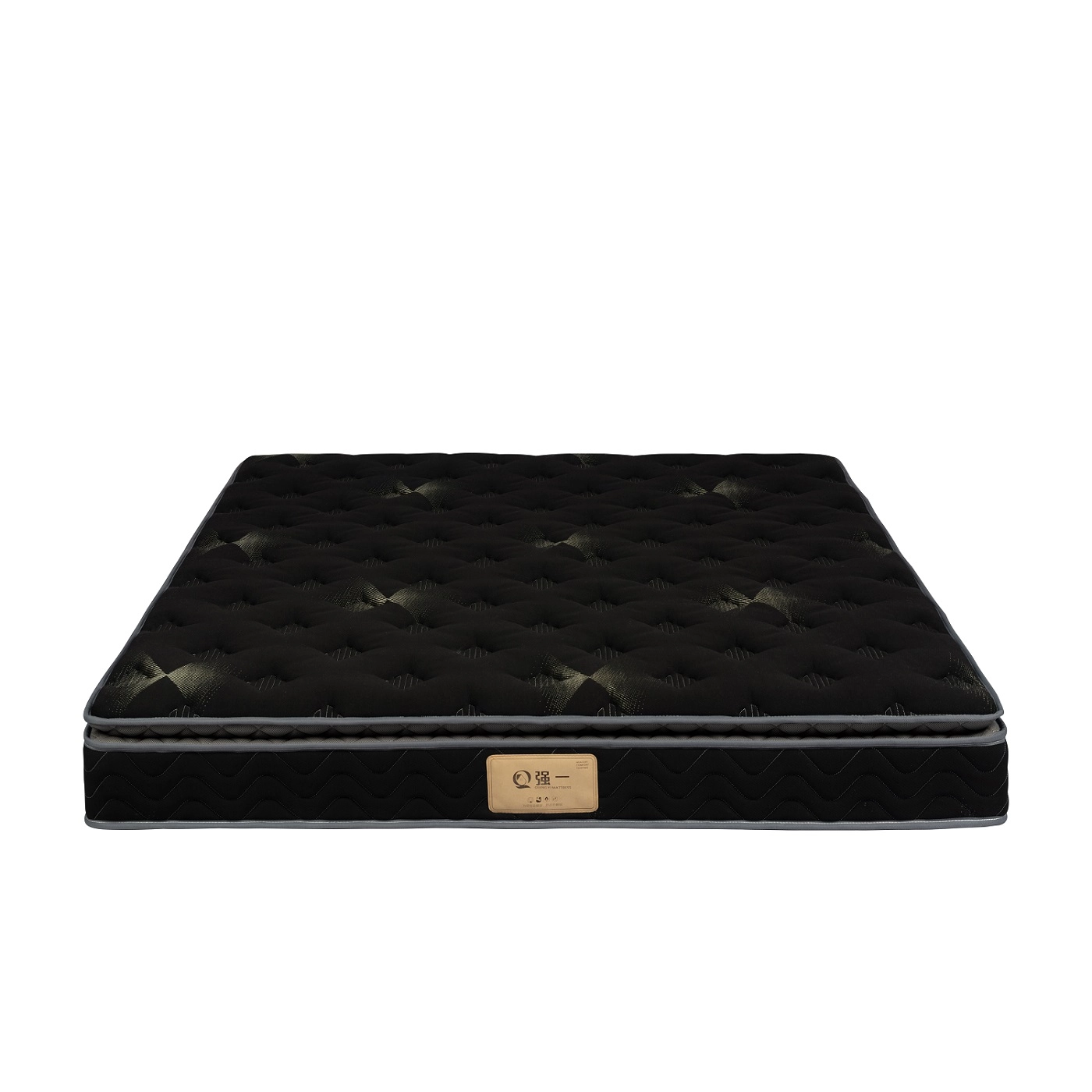
Before we close, let’s spotlight what a dependable supplier really looks like here. Qiangyi runs as a focused OEM antibacterial mattress manufacturer inside a big 30,000㎡ smart plant in Foshan, China. They pour energy into complete, skilled, fast, and clever production setups. They guide you from the first rough sketch all the way to mattresses rolled tight and boxed up, ready to ship.
Their modern automated equipment supports full OEM and ODM work. You can tweak firmness, pick exact materials, choose sizes, even design the packaging so it fits your brand perfectly. Every build puts healthy rest first—high ratios of natural latex, gel-infused foams, long-lasting pocket springs, plus those protective fabrics. Strict quality steps and worldwide standard approvals back it all. They ship regularly to the US, Europe, and many other places. Quick replies and on-schedule deliveries keep your stock moving smoothly.
Conclusion
Sourcing the right antibacterial & anti-mite mattress boils down to teaming up with a factory that sees allergen defense as basic construction—not some extra feature. Focus on layered protection, trusted natural ingredients like serious-grade latex, clever cooling tricks, and tough-as-nails strength. You hand allergy-aware shoppers the fresh, peaceful nights they crave. At the same time you carve out real advantage in a packed field. The rewards show up fast: lower return rates, happier reviews, and customers who spread the word.
Want to create something stronger? One good talk with a seasoned OEM partner can bring your plan to life quicker than you expect.
FAQs
What makes an antibacterial mattress truly effective for allergy sufferers?
It begins with three-layer guarding. An antibacterial top fabric stops mites cold. Natural latex—best at 92% or better—naturally pushes back bacteria and mites, hitting roughly 87% in lab proof. Then a breathable frame keeps dampness from building. As an OEM antibacterial mattress manufacturer, we build around these combined strengths instead of temporary surface fixes that wear off.
How important is natural latex in anti-mite mattress designs?
Huge. Good natural latex packs natural proteins. Those proteins block more than 650 bacteria kinds and give solid mite defense with zero extra chemicals. It brings spring, toughness, and air flow—everything needed for lasting allergen control in nicer beds.
Can I customize an antibacterial mattress for my brand’s specific needs?
Absolutely. Leading OEM antibacterial mattress manufacturers let you adjust sizes, firmness levels, layer mixes (gel memory foam plus latex, for instance), and even the box it ships in. MOQs that start near 30 units give you room to try the market before going big.
What should I look for in terms of durability and warranties?
Ask for pocket springs proven through 30,000+ cycles. Make sure edges stay reinforced so nothing sags. A 15-year warranty on the spring part is a strong sign. It proves the bed will last and stop allergens from piling up in weak areas.
How long does production and delivery typically take for custom orders?
Reliable partners usually ship in 25–35 days once you approve the design and send the deposit. Factories with smart automation keep schedules tight—even when you want specific antibacterial and anti-mite details dialed in.