


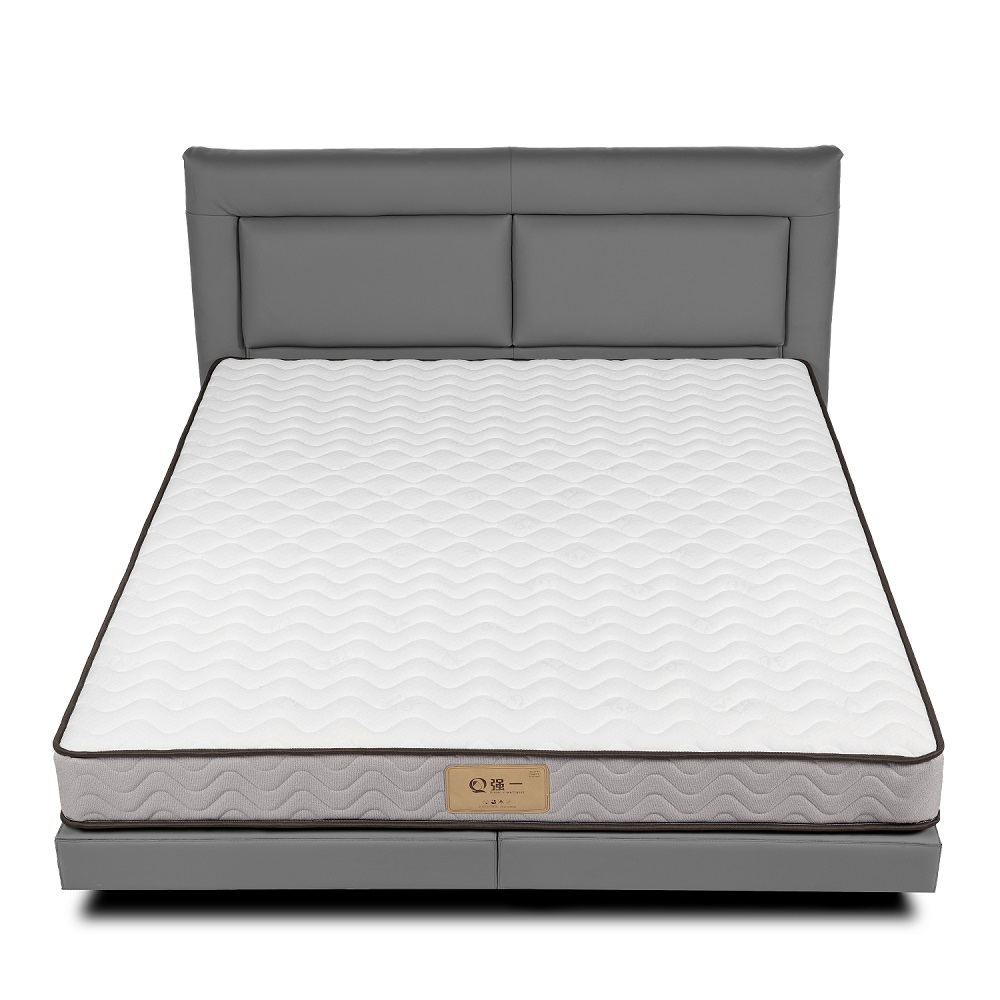
29th January 2026
The Blueprint A Step-by-Step Guide to Prototyping Your Custom Latex Mattress Line
-
 author
Thinking about launching your own mattress brand? Lots of folks jump in these days. Sleep stuff moves fast. A custom line built around natural latex? It grabs attention quick. That material gives a lively bounce. It breathes well. Plus, it feels clean and natural—big draws for buyers who want better rest without harsh chemicals.
I’ve seen plenty of these projects roll through production. The prototyping stage decides a lot. Cut corners there, and fixes cost a fortune later. Handle it smart, and you head to market feeling solid. This walkthrough covers the whole path—from rough idea to something you can actually test. It’s straight talk from factory experience. If natural latex is your pick for that springy, fresh comfort, here’s how the process really unfolds.
Step 1: Nail Down Your Concept and Market Fit
It all kicks off right here. Get this wrong, and the rest wobbles.
Take time to pin down your brand’s angle. Targeting small hotels that need tough, silent beds for extended stays? Or selling straight to folks who love green luxury? Jot it down. List the non-negotiables: lively bounce from natural latex, good airflow to stay cool, perhaps a medium-soft feel that works for most people.
Check some numbers too. Natural latex beds often fetch 20-40% more because they sell that pure, healthy vibe. In nicer hotels, guests score sleep satisfaction 15-25% higher with beds that resist heat and bugs. Let those facts shape your plan.
Brainstorm basic specs early:
- Target height: 24-28cm to feel upscale for hotel rooms.
- Firmness sweet spot: Medium to medium-soft, layered for zoned relief.
- Standout features: 92% natural latex core, built-in germ resistance from oak protein, open structure for air flow.
Start simple. One killer model beats a bunch of meh ones.
Step 2: Design the Build – Layer by Layer
Next, map out the mattress. Picture it as a stacked setup—each part pulls its weight.
Begin with the heart: natural latex. Shoot for high-purity stuff from Thailand—around 92% rubber content. It snaps back nicely. Doesn’t trap heat like some foams. Thickness of 6-10cm usually delivers great pressure relief.
Underneath, add pocket springs for backup. They hug the body shape. Kill motion so partners don’t wake each other. Pick sturdy steel—No. 70 gauge, heat-treated twice—for quiet, long life.
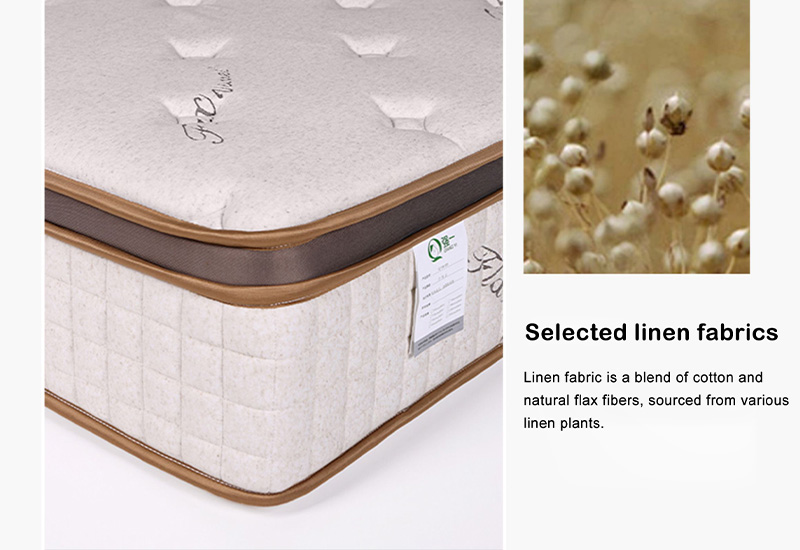
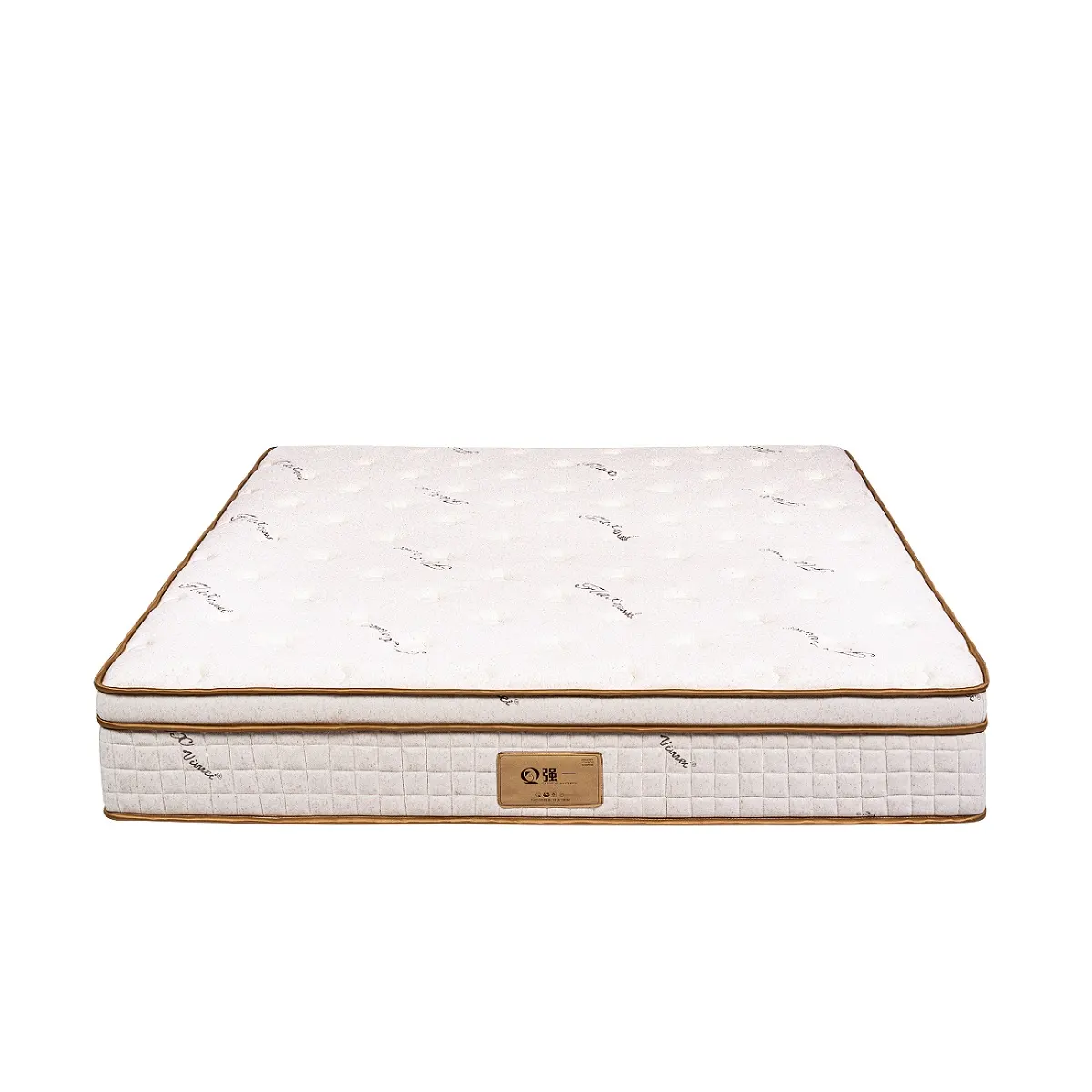
Finish with cozy top layers: soft cotton feel or airy 3D mesh to move heat away. Cap it with a gentle knitted cover—dense weave, skin-friendly, square-stitched for a neat, inviting look.
Sketch it rough. Send diagrams to your factory partner. Throw in edge guards so sides hold firm over time.
Real case: A hotel startup wanted no partner wake-ups. We stacked pocket springs under natural latex. Early tests showed almost zero motion bleed. Guests later called it “you never feel the other side move.”
Step 3: Source Materials and Request Samples
Never assume—grab pieces and touch them.
Ask for raw swatches. Natural latex arrives in thick slabs or blocks. Press it. Smell for pure rubber—no funky off-gases. Look for clean certs: no formaldehyde, low emissions.
Next, fabric bits. Rub them hard. Toss one in the wash to check fading or fuzz. Natural latex already fights over 650 bacteria types and hits high anti-mite scores in lab runs.
Make a quick mock stack. Pin layers together like a mini mattress. Lie on it if possible. This spots problems fast—too stiff latex, cover that holds heat.
Smart move: Get samples in a few densities. 75-85kg/m³ core balances support; softer top adds plush.
Step 4: Build the First Prototype
Now make it real.
Send locked-in details—exact sizes, layer sequence, target feel. Factories often start with one piece or a tiny batch (MOQ might hit 30, but trials bend lower).
Build takes 25-35 days after specs finalize. They slice latex precisely, wire springs, quilt the top, then roll and compress for shipping.
Unbox gently when it lands. Let it breathe flat for 24-72 hours to puff up fully. Inspect stitches, side strength, any zippers.
Climb on. Shift around. See how fast it bounces back. Recruit testers—different sizes and weights. Jot down pressure points, dips, or sounds.
One time: First version sagged a bit at edges. We beefed up perimeter foam next round. Problem gone. Dodged bigger issues later.
Step 5: Test Rigorously – Lab and Real-World
A prototype isn’t finished till proven.
Ship bits for lab runs: compression fatigue over 30,000 cycles (like years of nightly use), firmness hold, emission checks. Reliable partners handle these or use outside labs.
Then try it live. Set up a mock hotel room. Collect feedback over weeks. Track heat—natural latex sheds warmth fast.
Longevity facts: Strong builds endure 12-15 years in busy spots. If yours keeps its shape after heavy simulation, you’re set.
Tweak from findings. Adjust a layer height or spring setup. One or two rounds usually do it.
Step 6: Finalize and Scale Prep
Seal the design. Update drawings, material lists, labels.
Sort packaging: vacuum roll for easy transport. Build quality gates for bigger runs—spring placement, latex bond, seam strength.
You’re primed for samples or full rollout. A tight prototype drops returns and wins buyer trust.
About Qiangyi: Your Partner in Mattress Excellence
At Qiangyi, we’re a supplier dedicated to delivering comprehensive, professional, efficient, and intelligent mattress production solutions. Our 30,000㎡ smart factory in Guangdong runs advanced automated lines backed by strong R&D. We specialize in OEM/ODM, taking your ideas from sketches through sampling to global delivery. With a focus on natural latex, pocket spring hybrids, and hotel-grade durability, we meet EN and ISO standards—creating fresh, long-lasting beds that fit your brand perfectly.
Conclusion
Building a custom latex mattress line takes steady work, but stick to these steps and you’ll end up with something special. Natural latex delivers that lively feel and clean freshness that hotels and regular buyers keep wanting. Approach it carefully, and your brand gains a real edge—products that perform and keep people loyal. If you’re set to begin, teaming with the right partner makes the whole thing smoother.
FAQs
How long does it usually take to prototype a custom latex mattress?
Count on 4-8 weeks from start to first real prototype. Material waits and factory build (25-35 days post-specs) eat most of that time.
What makes natural latex a strong choice for the best hotel mattress?
Natural latex offers lively support, top-notch airflow, and built-in germ resistance. It stays cool, eases pressure points, and lasts in high-use spots—big reasons it often counts as the best hotel mattress for top comfort.
Can I start with just one prototype before committing to a full line?
Sure thing. Many factories do single-piece or small-trial runs to prove concepts. It lets you tweak before going big.
How important is testing during the prototyping phase?
Huge. Lab cycles (30,000 compressions) and actual sleep tests catch flaws early—sag, warmth buildup, noise—so your final best hotel mattress stays reliable.
What if I need to adjust firmness after the first prototype?
No big deal. Simple swaps—like changing latex density or adding a top layer—happen fast in the next version without restarting.