


24th April 2026
The Complete Hotel Mattress Purchasing Guide: From Bulk Ordering to Delivery and Installation
-
 author
Picture this. Your hotel renovation wraps up in three weeks. But the mattresses for 150 rooms are still stuck on some container ship halfway across the ocean. Guests start checking in anyway. Then the first reviews roll in mentioning lumpy spots or that weird chemical smell. Procurement folks know this headache all too well. One off batch, one delayed load, or one surprise fee at customs can blow the whole opening schedule to pieces.
That’s why getting the buying process right matters so much in the hotel business. Whether you run a cozy boutique spot or a large chain, picking the right hotel mattresses means juggling guest comfort, real durability, tough hygiene rules, and logistics that don’t fall apart. This guide takes you through the main steps. It helps you make smart calls without the usual drama.
Why Hotel Mattresses Demand Special Attention
Hotel guests expect a solid night’s rest. They don’t cut you the same slack they do at home. A bed that feels decent for a short stay can fall apart fast when hundreds of different people rotate through it every month. High traffic speeds up the wear and tear. It also means dealing with more sweat, spills, and stricter cleanliness needs.
Commercial hotel mattresses have to stand up to all that daily grind. At the same time they need to deliver that soft yet supportive feel that gets good reviews. Plus they must look exactly the same from one room to the next. No odd variations in softness or height that housekeeping notices right away.
Here’s how they differ from regular home beds:
- Durability tests that push way beyond normal household use. Think hundreds of compression cycles and rough abrasion checks.
- Built-in hygiene extras like anti-mite barriers, germ-fighting fabrics, and layers that move air and fight moisture.
- Standard sizes and firmness ratings that make swapping them out years later simple.
- Real cost-per-night calculations that include how long the mattress actually lasts — often 8 to 15 years in busy hotels.
When buyers skip these points, they end up replacing inventory sooner than expected. That eats budget faster than anyone wants.
Defining Your Hotel’s Mattress Needs
Start by nailing down exactly what your property needs. Walk the floors and talk to housekeeping about the most common gripes. Chat with the front desk team about what guests say regarding sleep. Then dig into your maintenance logs. See how often beds get flipped or repaired.
Key things to consider usually include:
- A lot of hotels settle on medium-firm because it suits most travelers.
- Size match. Kings, queens, and twins that line up with your existing rooms.
- Overall height. Around 10 to 14 inches so sheets tuck in neatly without constant tweaking.
- Extra features. Cooling covers for hot areas, sturdier edges for folks who sit on the side, or special layers for allergy-prone guests.
One mid-sized beach resort tried something new. They switched to mattresses with stronger airflow and better moisture handling. In just six months the number of sticky-night complaints dropped. Housekeeping also spent less time turning mattresses.
Key Features to Look for in Quality Hotel Mattresses
Focus on the build details that really hold up under constant use.
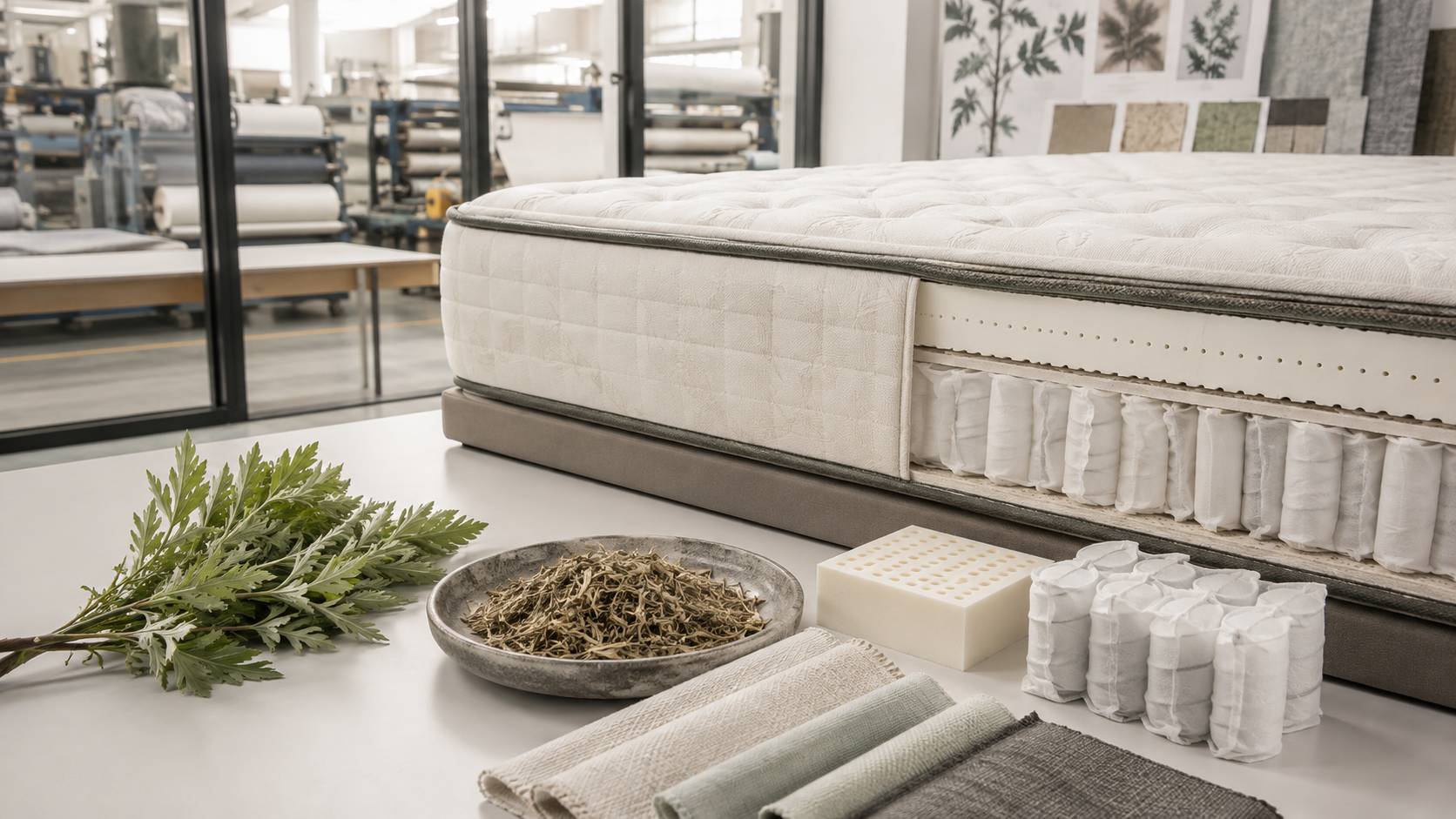
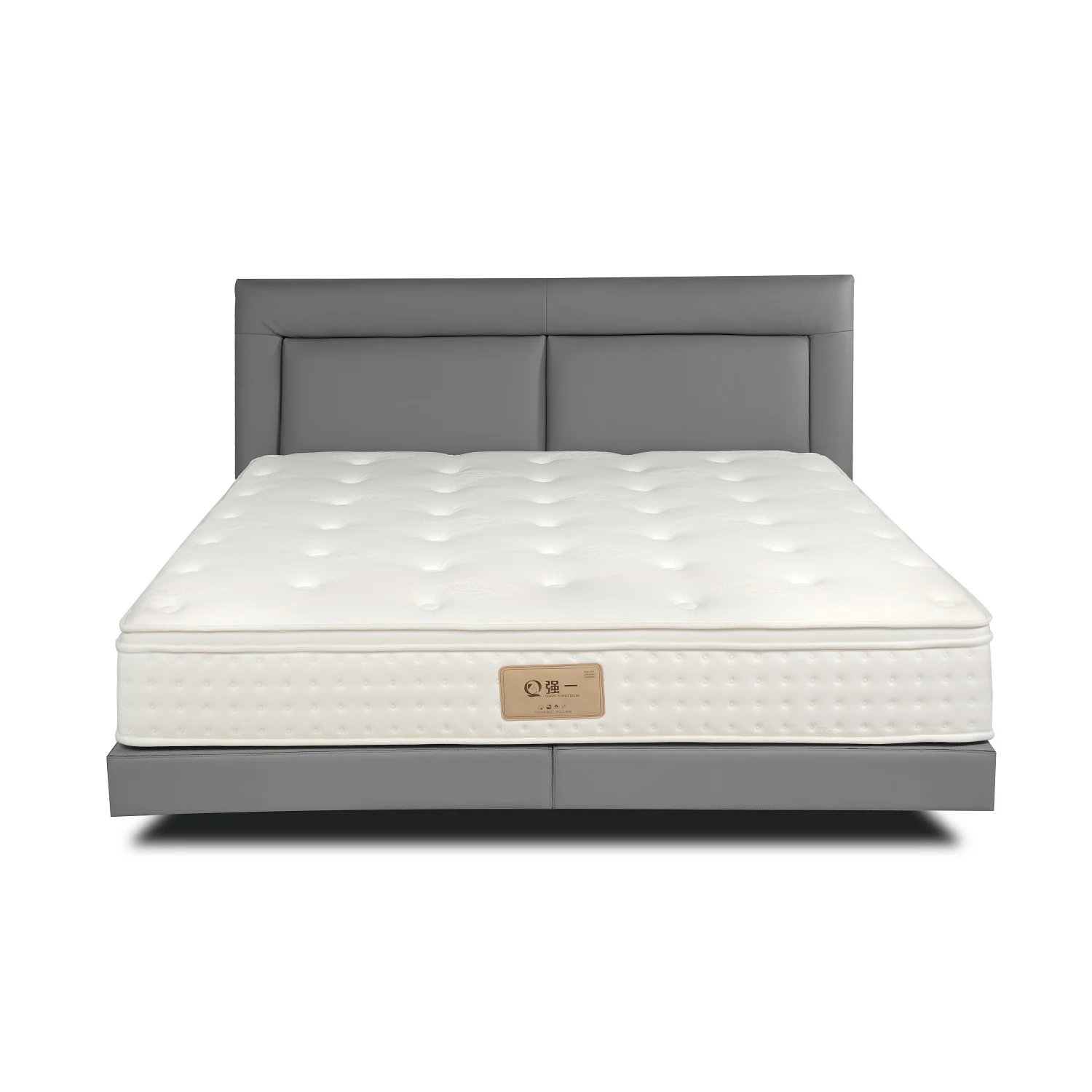
Support System Pocket spring setups really shine. Each coil works independently. They cut motion transfer when two people share the bed. They also give firm edge support so guests don’t roll off. Aim for high coil counts — 800-plus in a queen — for even weight spread.
Comfort Layers Natural latex bounces back nicely and brings its own germ-resistant qualities. Dense foams with 4D air channels keep things cooler and drier. Some versions add a plush top layer for that soft landing feeling. Yet the support underneath stays solid.
Hygiene and Freshness Copper-ion or plant-based fabrics actively fight bacteria. Knitted anti-mite covers from Japanese-style designs add another shield. Breathable 3D fibers or open vents stop heat buildup. Less heat means less moisture, which means fewer odors and mites.
Durability Extras Tough anti-pilling covers, reinforced sides, and materials without harsh chemicals help the bed stay fresh longer. Actual lab tests — like Martindale abrasion runs and repeated pressure cycles — show which ones last and which ones go flat too soon.
Try this simple check. Get samples. Let a few staff members of different sizes sleep on them for a week. Compare how they feel on day seven versus the first night.
The Bulk Ordering Process: What Actually Happens
Ordering in volume looks easy on paper. Reality can get messy fast. Smart buyers follow a steady sequence.
- Specification and SamplingLay out your requirements — sizes, firmness, fabric picks, and branding needs. Good suppliers often run small test batches, sometimes just 30 units per style. That lets you try them in real guest rooms before signing the big order.
- Contract DetailsLock in volume pricing, usual T/T payment terms, and exact quality specs. Add language about keeping color and height consistent across every piece in the shipment.
- Production TimelineAfter deposit and final sign-off, production normally runs 25 to 35 days. Custom or bigger runs may push toward the higher end. Fast-track options help when your renovation clock is ticking.
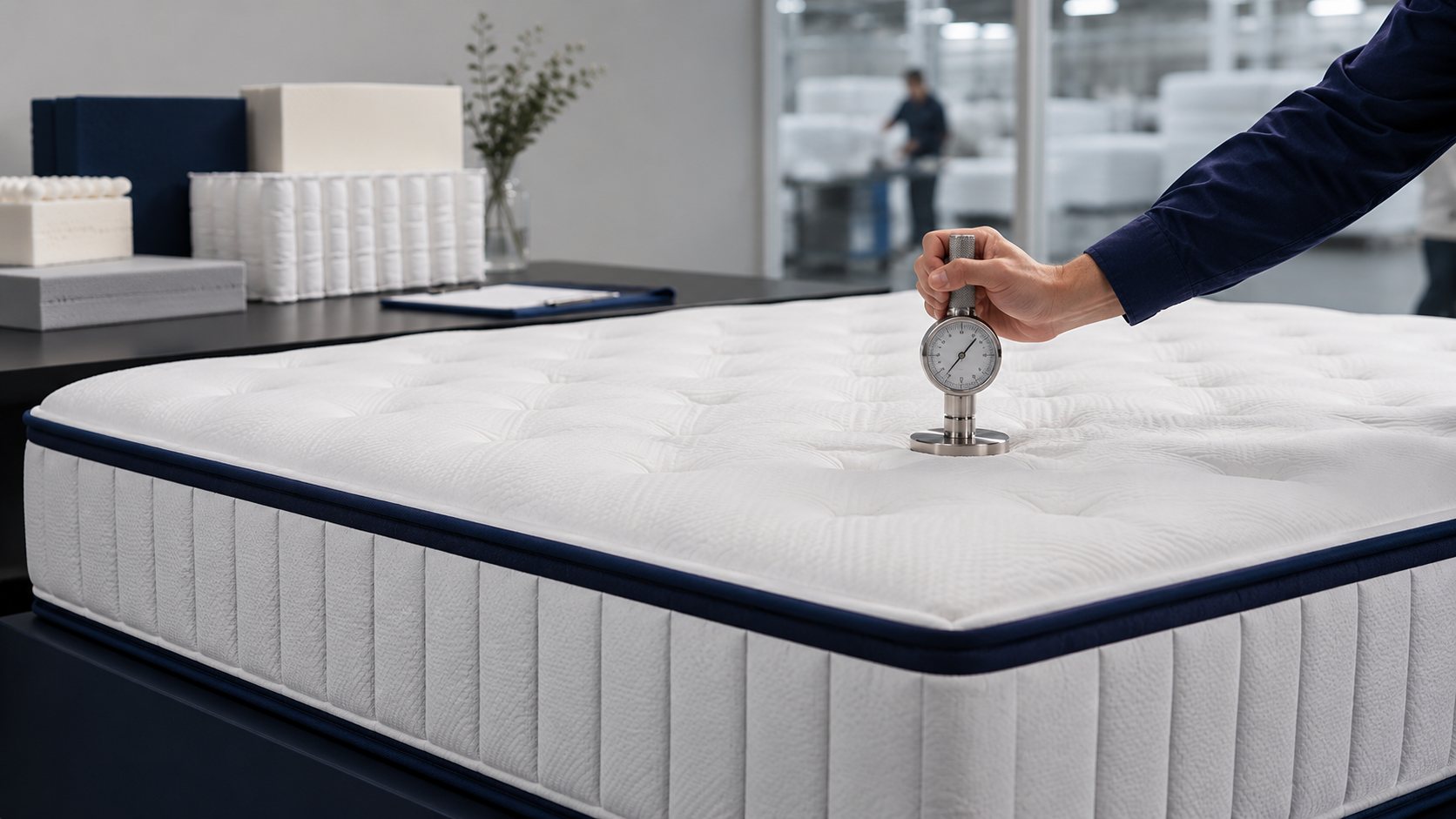
- Quality ChecksSolid factories test spring strength, foam hardness, compression, and fabric toughness. Every mattress should hit international safety marks.
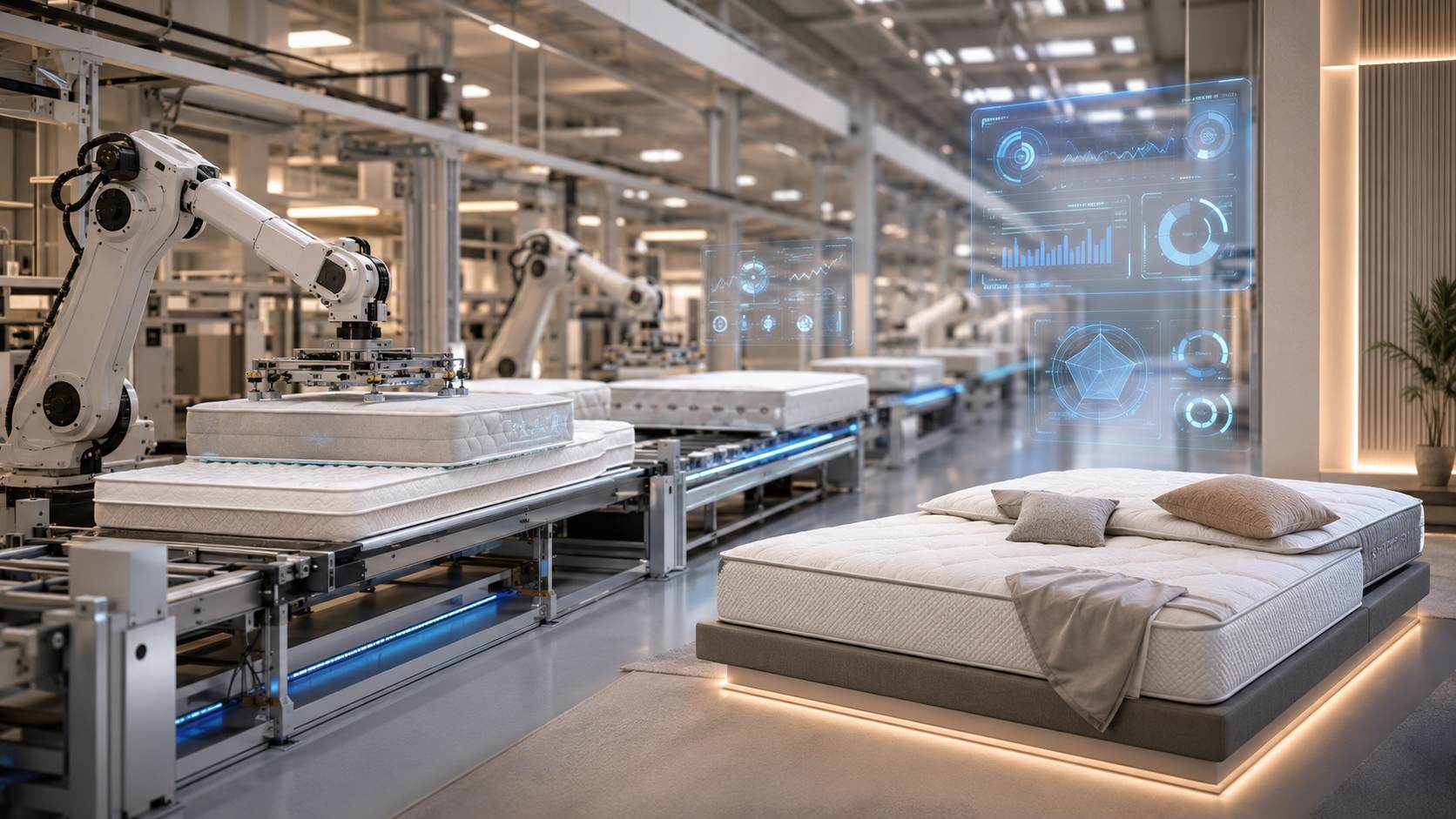
In one recent project the buyer stopped by the factory midway through. Seeing the automated equipment and steady testing stations built real confidence that every mattress would match the samples.
Logistics, Shipping, and Installation Challenges—and How to Solve Them
This section causes the most headaches. Mattresses take up space and weigh a lot. They also hate bad packing.
Packaging Options
- Vacuum-rolled and compressed versions load containers easier and shrink shipping space.
- Flat-packed ones for hotels that want no compression at all.
- Heavy protective wraps that guard against dirt and dampness during transit.
Shipping Methods Cross-border orders often run on FOB, CIF, or DDP terms. DDP takes care of duties and door delivery but usually costs extra. Domestic hauls work well with full truckloads when volume is high. Smaller top-up orders sometimes go less-than-truckload, though that adds handling steps.
Lead Time Realities Sea freight from Asia to the U.S. West Coast often takes 30 to 45 days plus customs time. Always add a two- to three-week cushion for port surprises. Reliable partners track shipments and send updates without being asked.
Installation on Site Unpacking, unrolling compressed units, and setting up hundreds of beds needs real crew power. Many teams put two people per floor to keep things moving. Plan a day or two for airing out if mattresses arrive rolled. Most bounce back to full shape in 24 to 72 hours in normal room conditions.
One chain handling 400 rooms across three sites avoided chaos by staggering deliveries to match their install teams’ pace.
Comparing Costs: What You’re Really Paying For
The listed price per piece counts. But the full picture over years tells more.
Break it down simply:
- Upfront purchase cost
- Shipping plus any duties
- Installation labor
- How long it actually lasts before sagging or complaints start
- Any future warranty headaches
A mattress that runs 15 to 20 percent higher at first but lasts three extra years often saves money overall. Fewer replacements and happier guests add up.
Volume pricing usually drops at certain quantity breaks. Ask suppliers to lay out the tiers so you can find the sweet spot for your project.
Choosing the Right Supplier for Peace of Mind
Don’t stop at price sheets. Visit the plant if you can. Or request clear production videos and outside test reports. Look for real experience with hotel clients. Hotels stress products in ways home users never do.
Good suppliers keep minimum orders flexible for trials. They answer design tweaks quickly. They stand behind the product afterward. They treat your brand details seriously — private labels, exact colors, whatever you need.
Qiangyi: A Reliable Partner for Hotel Mattress Solutions
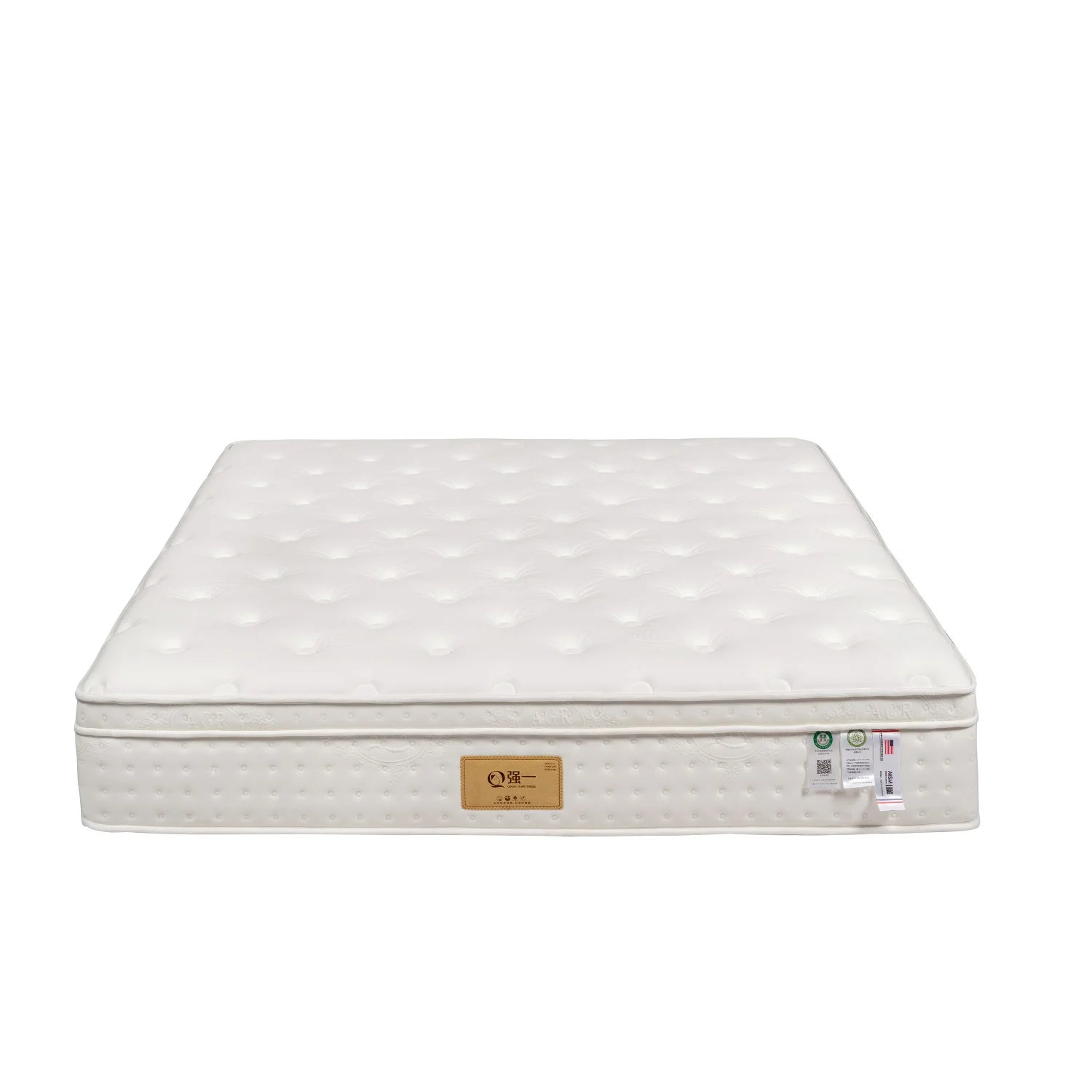
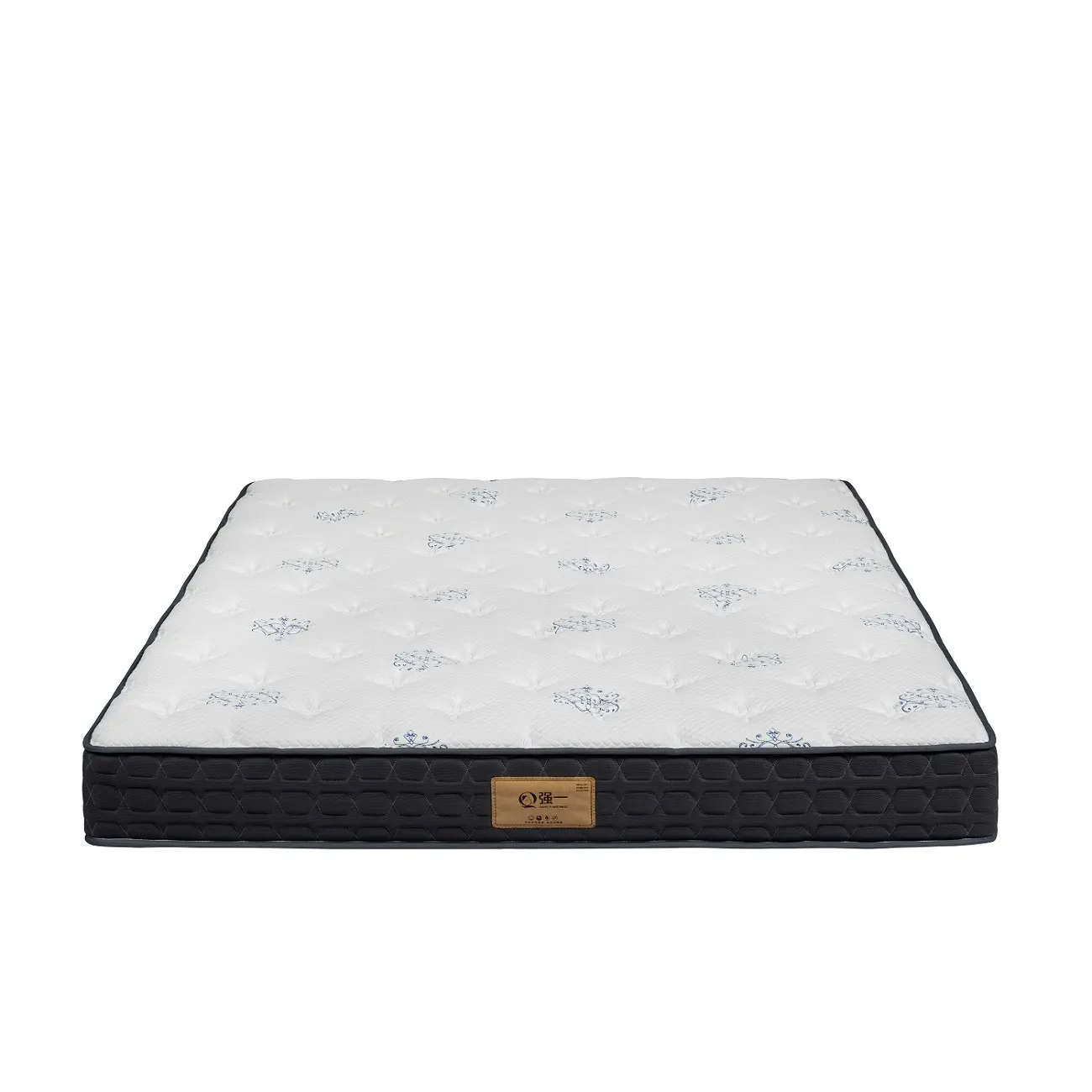
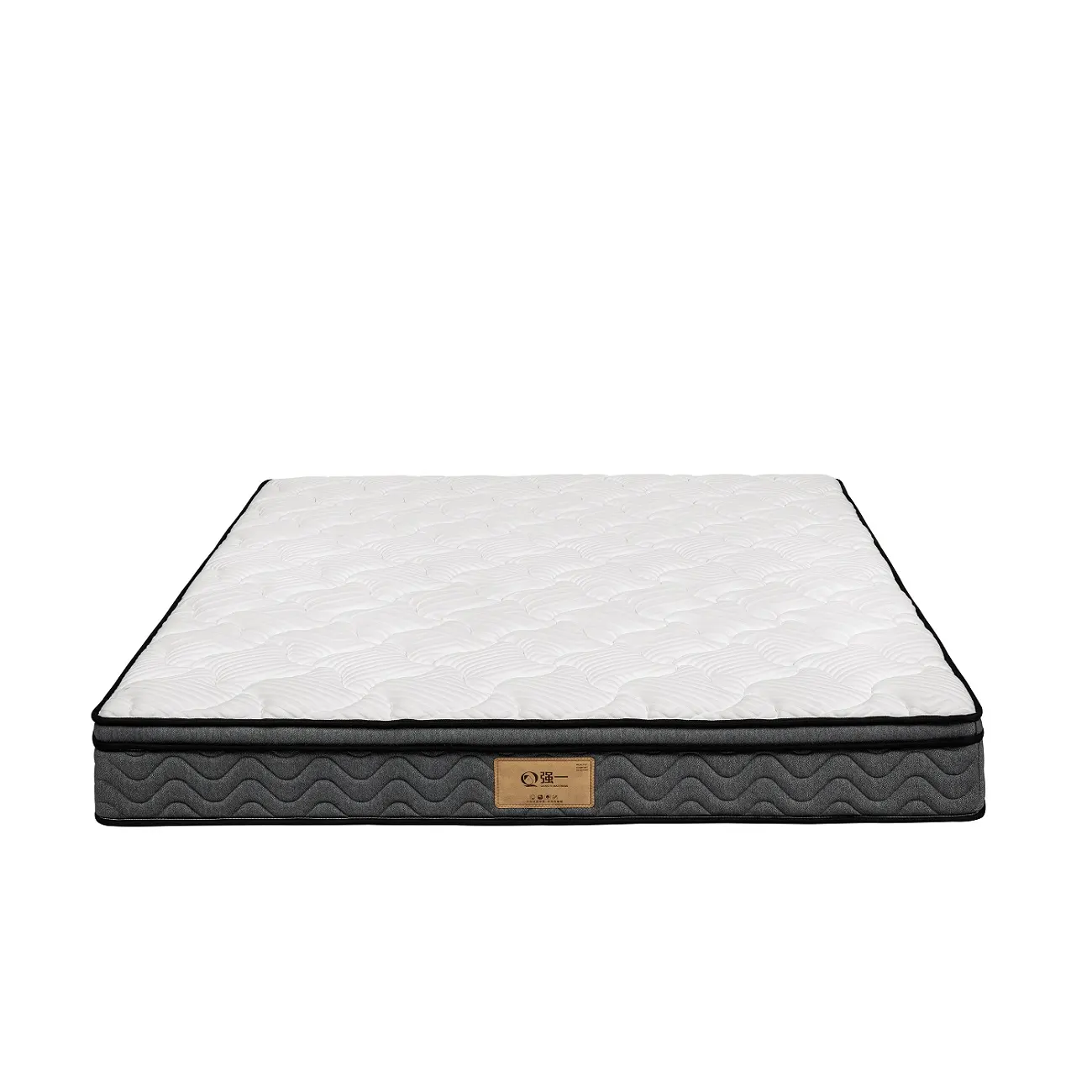
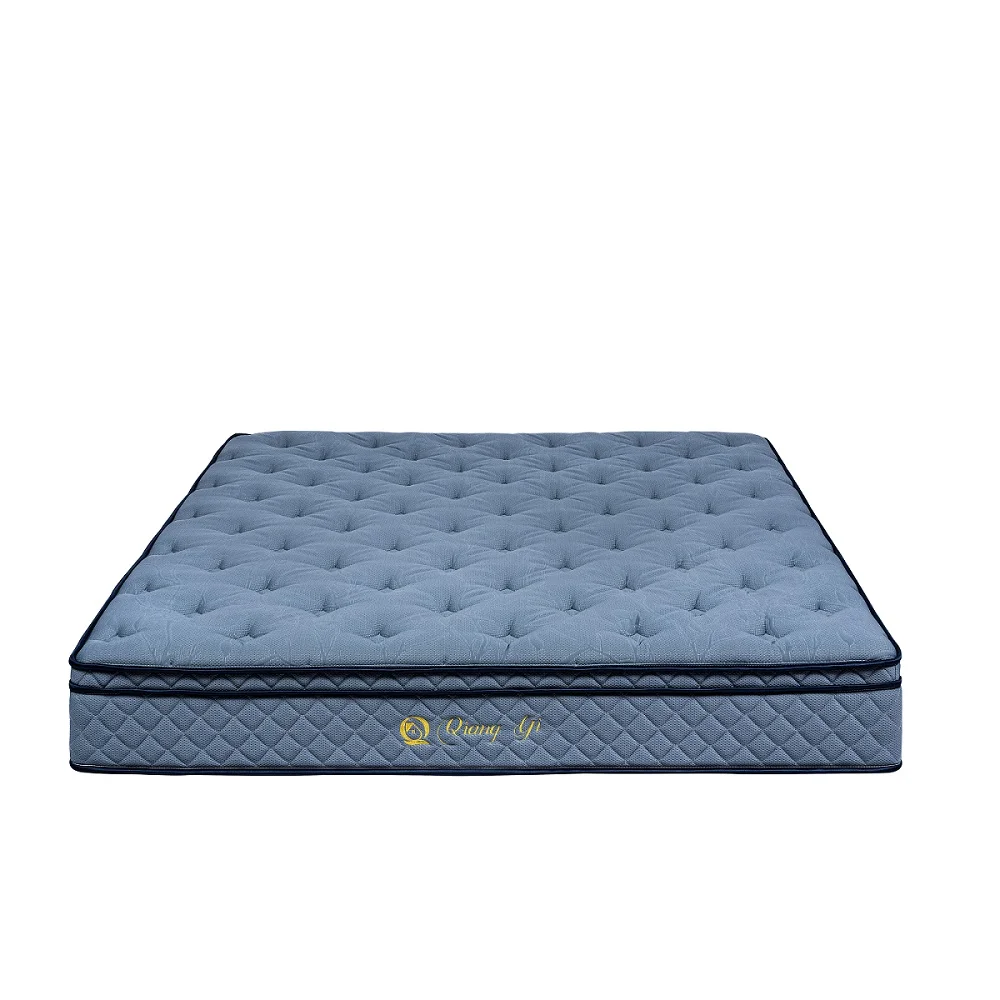
Qiangyi brings a fresh take on mattress making. They operate a 30,000㎡ smart production base in Foshan, China. The company focuses on OEM and ODM work for hospitality. Their facility runs advanced automated lines and smart systems. These keep quality steady even on big orders.
Drawing from the Qiangyi Group’s background since 2004 in related manufacturing, they made a major push into healthy sleep in 2024. The setup handles custom designs through full production runs. That includes pocket spring systems, natural latex layers, 4D airflow features, and antibacterial materials.
They’ve supplied international hotel brands and know what holds up night after night. Services include flexible order sizes, production windows of about 25–35 days, various packaging choices, and shipping from FOB to DDP. In-house testing covers durability, hardness, and safety. All of it helps buyers avoid nasty surprises during rollout.
Conclusion
Buying hotel mattresses in bulk doesn’t have to feel like a roll of the dice on quality, timing, or guest happiness. When you set clear specs, check construction closely, plan logistics with realistic padding, and pick a supplier who understands real hotel demands, things flow much smoother than most expect.
The payoff shows in stronger review scores, fewer service calls, and beds that still feel fresh years down the road. Put in the effort up front to get it right. You’ll sleep easier knowing your guests will too.
FAQs
What should I consider first when ordering hotel mattresses in bulk?
Start with your usual guest mix and room types. Medium-firm support with decent airflow tends to please most travelers. Think about your climate — cooling elements help more in warmer spots. Also go back through old maintenance records to spot any patterns with your current beds.
How do lead times and shipping work for large hotel mattress orders?
After final specs and deposit, production usually runs 25 to 35 days. International shipping adds another 30 to 45 days depending on route and method. Choose packaging — vacuum-rolled or flat — that fits your install schedule. Always leave buffer time for customs. Suppliers used to global work can recommend the best terms for your location.
Can I customize hotel mattresses for my specific brand or property needs?
Yes, you can. Quality manufacturers offer OEM and ODM services. These let you adjust firmness, fabrics, heights, and add special touches like extra germ-fighting layers. Small trial runs help confirm everything before you go big.
What steps ensure consistent quality across a big shipment of hotel mattresses?
Ask for complete test reports covering spring strength, foam compression, fabric wear, and safety standards. Many plants check at several stages during production. A quick site visit or live video during manufacturing gives extra confidence that every unit matches the sample.
How long should a good hotel mattress last under daily commercial use?
With solid build — good pocket springs, springy comfort layers, and reinforced edges — expect 8 to 15 years of reliable service before wear starts bothering guests. Regular rotation and protective covers can push that even further.