


11th September 2026
How Should Private-Label Brands Specify Mattress Firmness for Bulk Orders?
-
 author
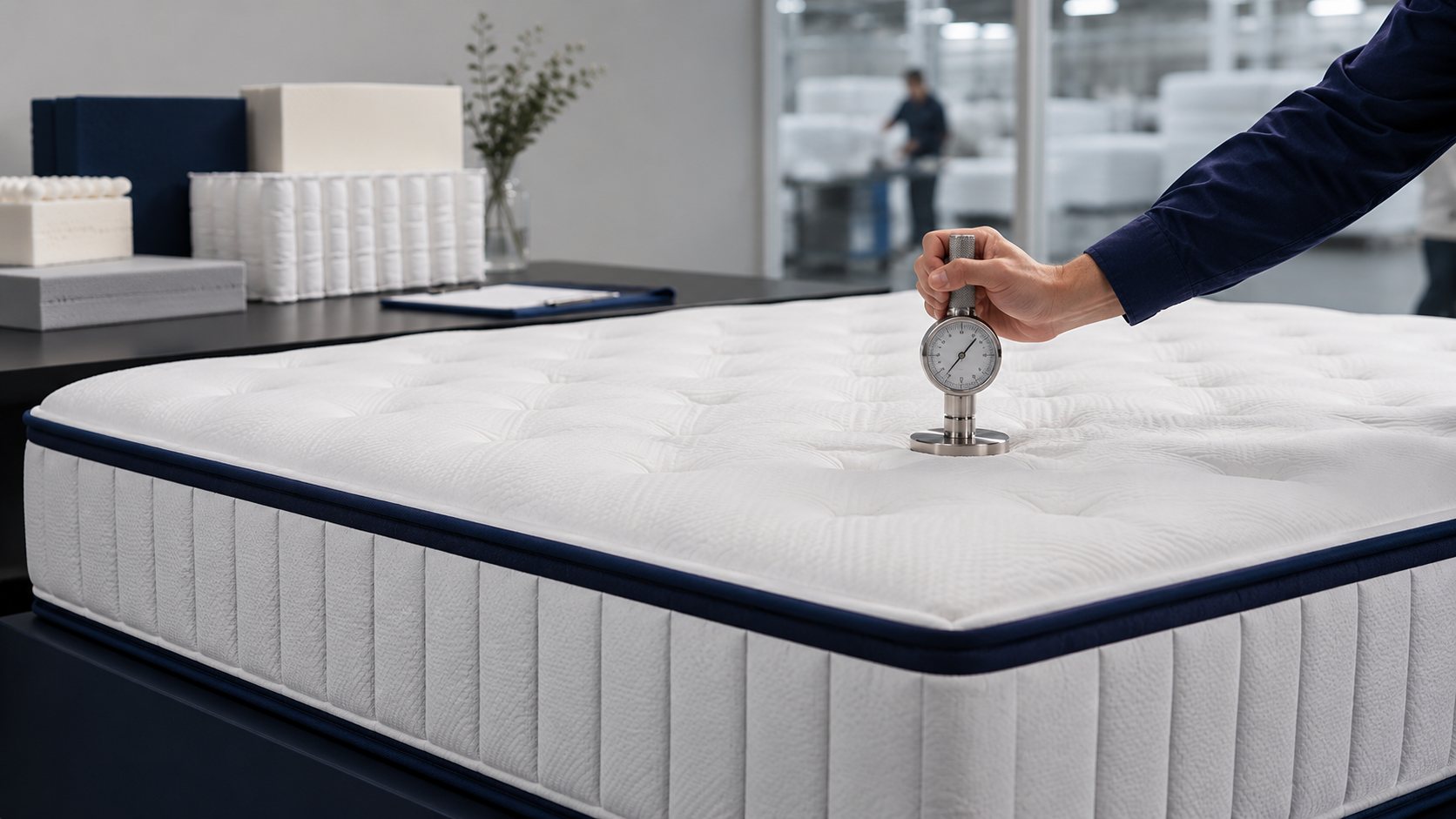
A private-label buyer cannot control mattress firmness by writing “medium firm” on a purchase order; the requirement has to connect an approved physical sample with material limits, test conditions and an acceptable finished-mattress range. Problems usually emerge after sampling, when a foam batch changes, quilting tension shifts or compressed units are judged before they have recovered. Because comfort is influenced by the complete construction and by the person evaluating it, no single adjective or component value can carry the specification. The following approach gives purchasing and quality teams a workable basis for sample approval, bulk inspection and technical discussions with a mattress factory.
Why Does the Same Firmness Label Produce Different Results?
During development, a sample is often evaluated in a quiet room by two or three people who already know the intended comfort direction. The bulk mattress reaches a different setting: a showroom, warehouse, hotel room or customer’s home. Those conditions expose differences that were easy to miss during a short sample review.
A Comfort Scale Has No Universal Reference
One brand may place a plush quilt over a supportive core and describe the result as medium firm. Another may reserve that label for a flatter surface with little initial sink. Both descriptions can make sense within their own collections, but they do not create a shared manufacturing standard.
Body weight complicates the comparison. A lighter tester mainly feels the cover and upper foam, whereas a heavier tester compresses further into the transition layers and spring system. Sleeping position, bed base and room temperature can change the impression again. An RFQ should therefore identify the intended user and test environment instead of assuming that every evaluator interprets a scale in the same way.
The Finished Feel Is a Chain Reaction
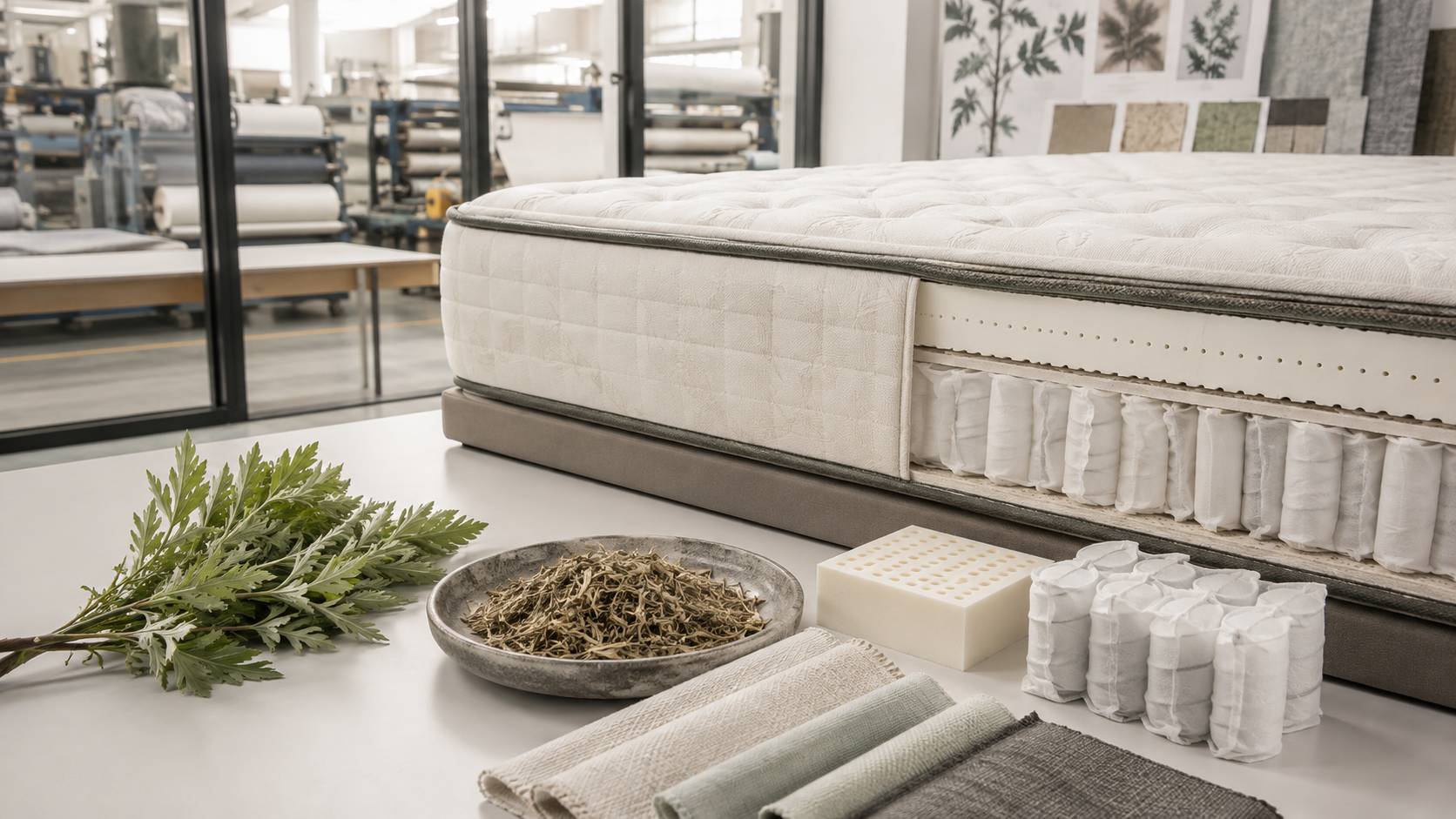
A mattress does not receive its firmness from one foam sheet. Quilt thickness affects the first few millimetres of compression. The comfort stack controls how steadily resistance develops, while the spring unit governs deeper support. Cover tension, edge construction and adhesive application may also influence the result.
This interaction explains why apparently minor substitutions can be noticeable. A replacement foam may have similar density and thickness yet rebound faster or resist indentation differently. The material change stays small on the construction sheet but becomes obvious once it is combined with the other layers.
What Technical Information Should Define the Target?
Component limits and finished-product testing answer different questions. Material data shows what the factory is allowed to build; a completed-mattress measurement shows whether those components still produce the approved response. Using only one side leaves a gap in control.
Separate Density, Hardness and Thickness
Foam density measures mass per unit volume. It can help with durability and material identification, but it does not state how firm the foam feels. Hardness or indentation-force testing addresses resistance under a defined procedure. Thickness determines how much of that response the sleeper experiences before reaching the next layer.
Latex, fiber pads and felt require identifiable grades and thickness tolerances as well. Spring records should cover construction, height, wire specification, zoning and perimeter treatment. Similar-looking models within a hybrid mattress category can respond differently because their upper layers engage the spring core at different depths.
| Control point | Information to record | Procurement use |
|---|---|---|
| Foam | Type, thickness, density and hardness method | Detects material or grade substitutions |
| Latex, fiber or felt | Approved grade and thickness range | Controls transition feel |
| Spring system | Height, wire, zoning and perimeter structure | Defines deeper support |
| Cover and quilting | Fabric construction and quilt specification | Stabilizes the initial surface response |
| Finished mattress | Load, position, conditioning and acceptance range | Confirms the complete build |
The table is not intended to turn comfort into a spreadsheet. Its value appears when a production unit differs from the approved sample: the quality team has several traceable variables to investigate instead of relying on memory.
Define the Finished Test Before Sampling Ends
A useful test instruction identifies the loading plate, applied force or displacement, dwell time, measurement position and conditioning period. If a destination-market method is required, the purchase agreement should include its name and edition rather than the general phrase “firmness test.”
Center testing may be sufficient for a simple, uniform construction. Zoned mattresses often need additional positions because the shoulder, lumbar and hip regions are intentionally different. The positions must be repeatable; “around the middle” is not precise enough for a supplier and buyer comparing separate reports.
How Can a Golden Sample Remain a Reliable Reference?
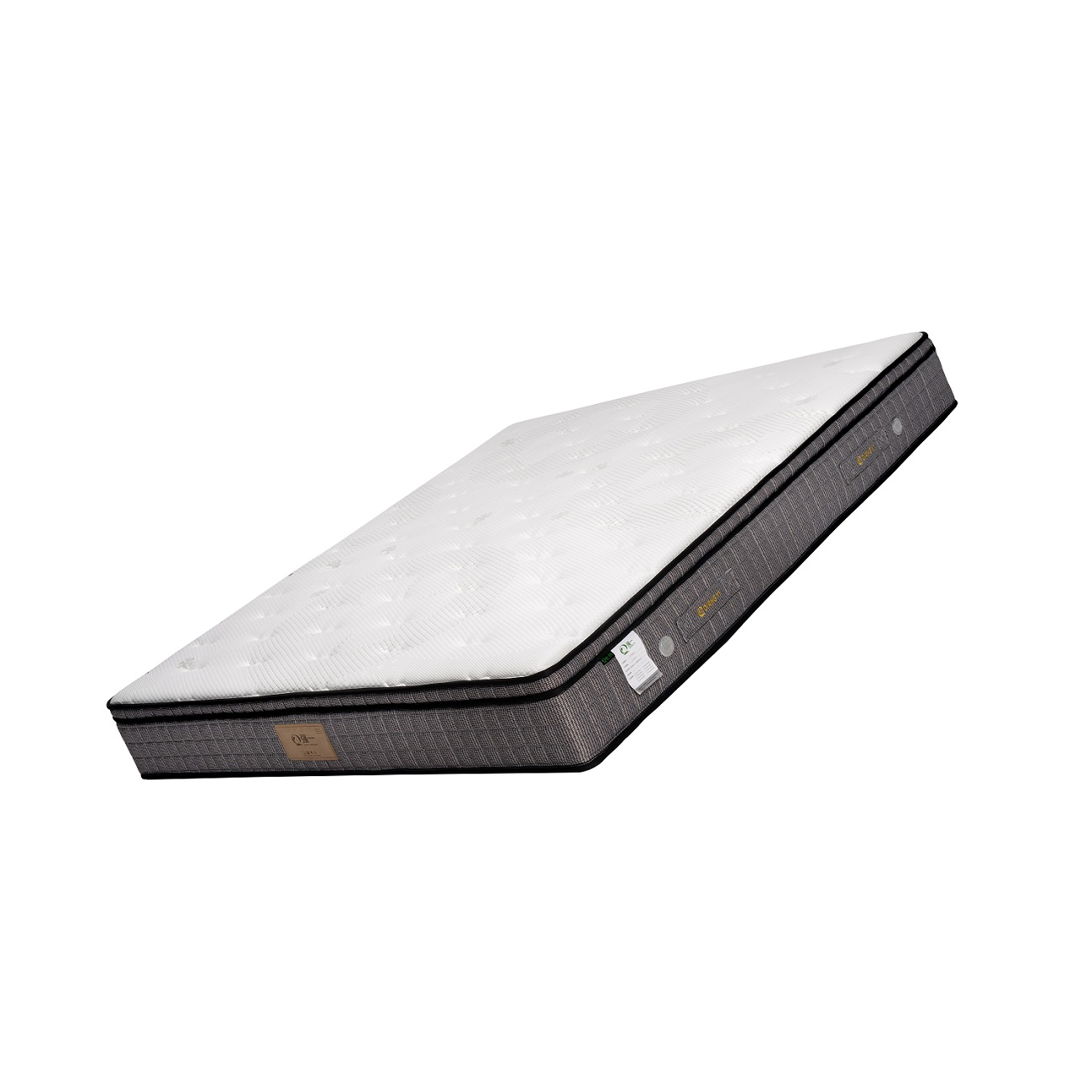
A golden sample is not simply the mattress that received the most favourable comments. It is a controlled production reference whose materials, assembly date, packing history and test results can be traced. Without that record, its feel may change while everyone continues to treat it as fixed.
Approve the Sample Under the Intended Delivery Conditions
For a flat-packed program, a rested development sample may represent the customer experience reasonably well. A rolled mattress needs a different review. It should undergo the planned compression process, remain packed for a realistic interval and recover for an agreed period before evaluation.
Room conditions and the supporting base should be recorded at the same time. Comparing a warm, fully recovered sample on a solid platform with a recently opened unit on flexible slats introduces more variables than the firmness test can explain.
A controlled custom mattress development process should assign a unique code to the approved sample. That identifier must match the construction sheet, signed approval date and test record. An unlabeled showroom sample should never become the contractual reference for a bulk order.
Keep Human Observations Specific
Human assessment remains useful because instruments do not describe every part of the sleep experience. Reviewers can comment on surface softness, transition support, ease of movement and the change from edge to center. Those comments are most useful when they remain separate from the measured result.
“Soft top, quick transition and stable center” gives a technician something to investigate. Averaging several impressions into “6.5 out of 10” may hide the exact feature that the buyer wants preserved.
Before approving the reference, confirm that:
- The materials correspond to the intended production specification.
- The sample code appears on every approval record.
- Packing and recovery conditions have been documented.
- Instrument readings and human observations remain separate.
- A protected reference will be available during bulk inspection.
Where Does Firmness Drift Enter Bulk Production?
Variation seldom appears as one dramatic failure. More often, results move gradually across the run because of material lots, cutting tolerances, quilting conditions or the time mattresses spend compressed before inspection. Sampling only the earliest units can miss that pattern.
Inspect Across Time Rather Than One Pallet
Inspection units should represent the beginning, middle and end of production as well as different material batches. When several mattresses come from the same pallet, they may confirm only that one short manufacturing period was consistent.
Quality teams should look at direction, not merely pass or fail. A sequence that moves steadily toward the soft limit may reveal an emerging process problem even when every measured unit still falls inside the formal range.
Finished-product tolerances must agree with the component tolerances. Requiring almost identical mattress readings while allowing broad variation in foam hardness or layer thickness is not realistic. The ranges should reflect measurement uncertainty, supplier capability and how sensitive the particular construction is to each variable.
What Should the Buyer Put in the RFQ and Quality Agreement?
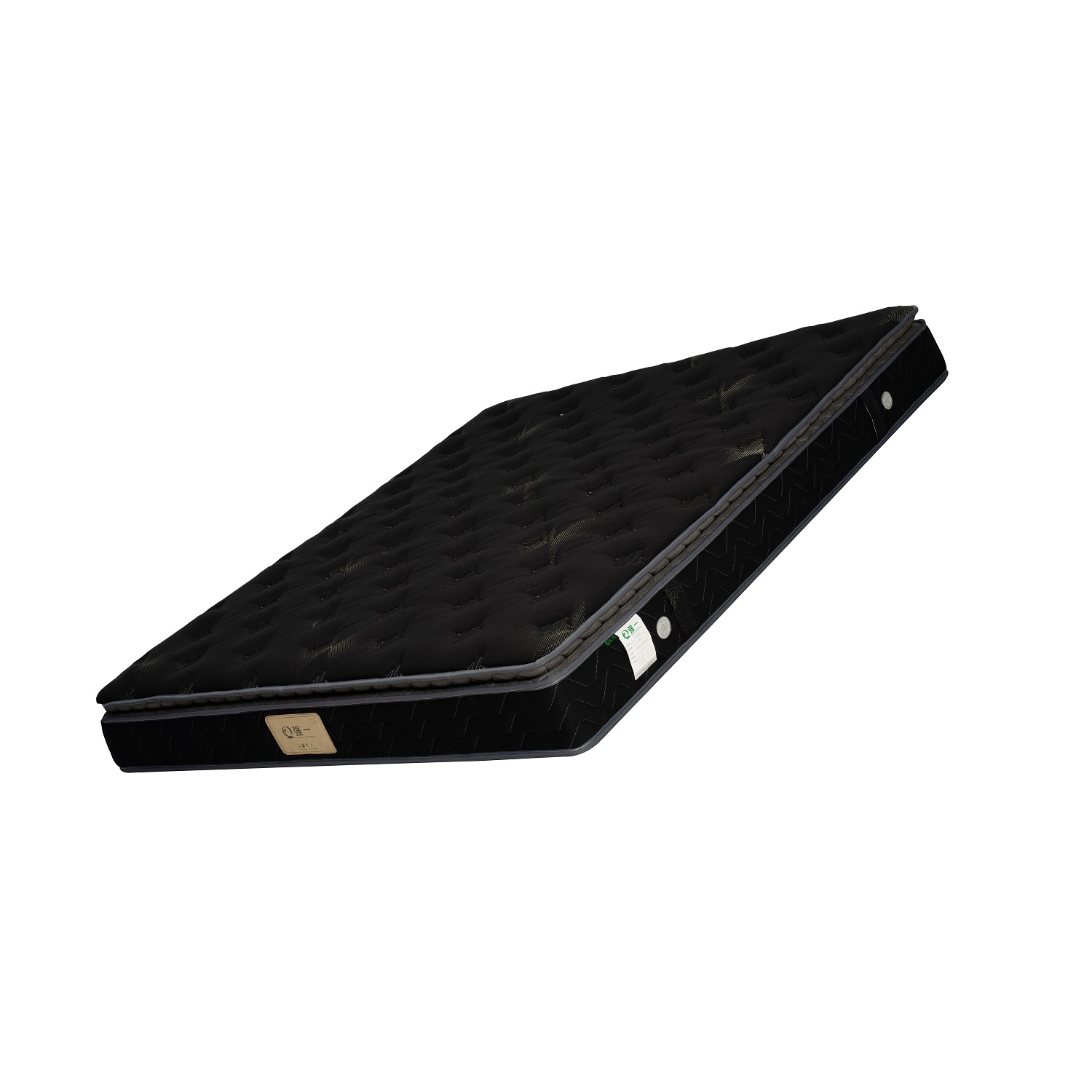
The RFQ should describe the commercial setting before it lists materials. Target country, sales channel, sleeper profile, bed base and packing route all affect how the product will be judged. An e-commerce program, for example, needs a recovery requirement that a showroom-only specification may never address.
Distinguish Locked Requirements from Proposed Alternatives
Finished dimensions, target height, cover and quilting direction, comfort-layer structure, spring system, edge design and packaging method belong in the controlled brief. The buyer should identify which materials cannot change and which alternatives may be sampled for cost, availability or performance reasons.
The OEM manufacturing workflow becomes easier to control when this distinction is settled before pricing. Otherwise, quotations may appear comparable while relying on different assumptions.
Close the Inspection Method Before the Purchase Order
The quality agreement should identify the reference sample, component tolerances, finished test, recovery period, sampling plan and response to an out-of-range result. It should also require written approval before a critical material or construction change.
A final document review should answer five practical questions: what is being measured, where it is measured, when after unpacking it is measured, what range is acceptable and who approves a deviation. If one answer is missing, the firmness requirement is still open to interpretation.
Professional Technical Support from Guangdong Qiangyi Intelligent Manufacturing Technology Co., Ltd.
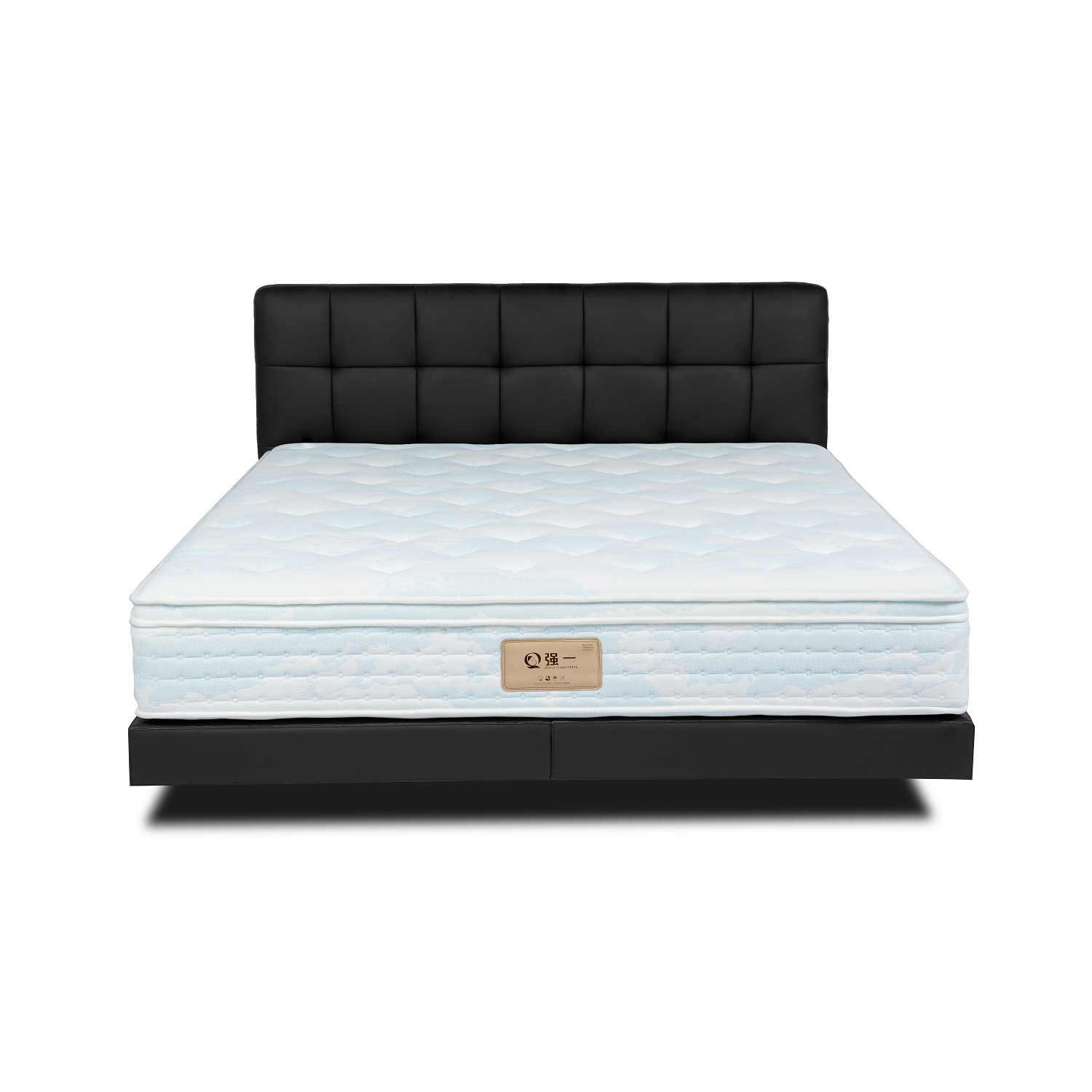
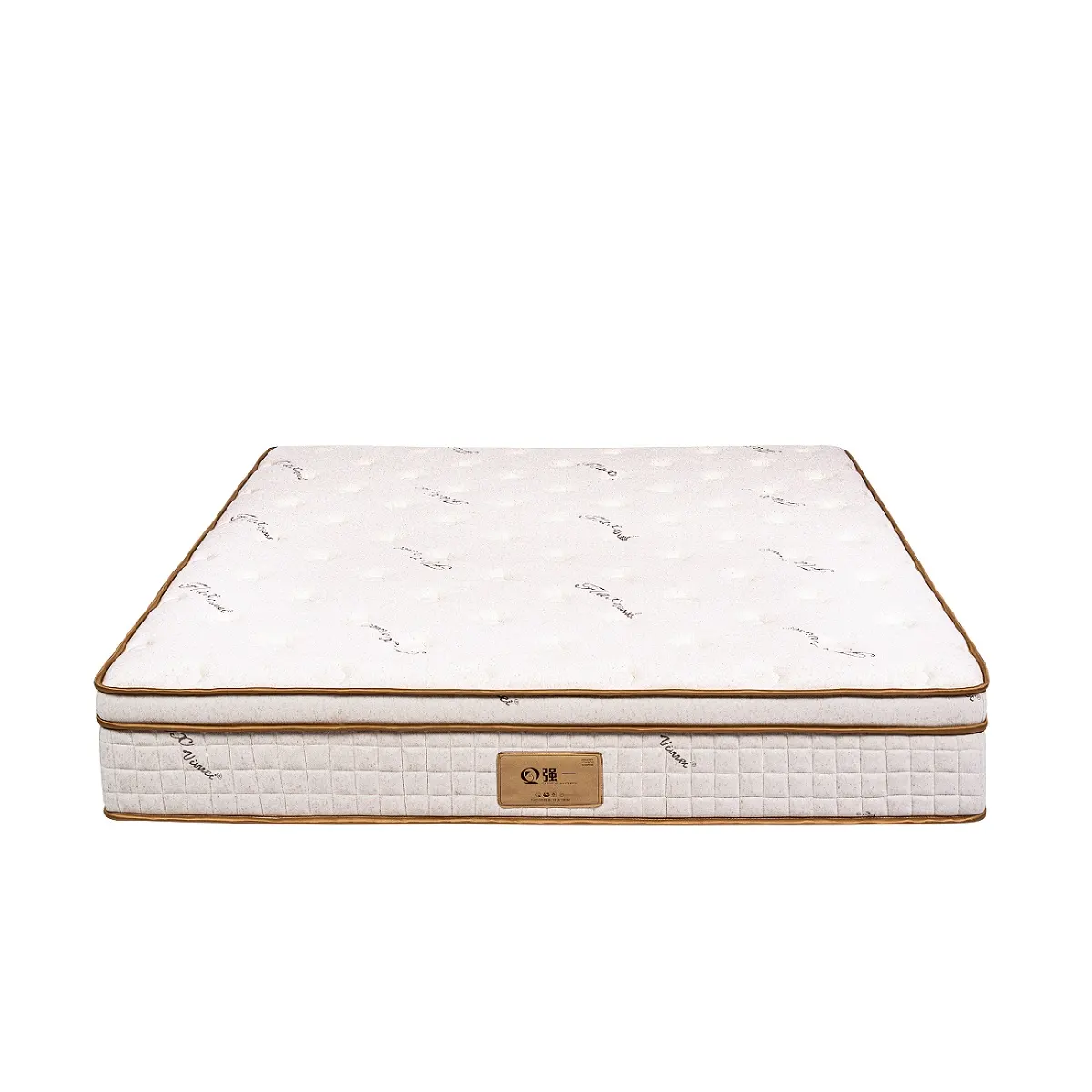
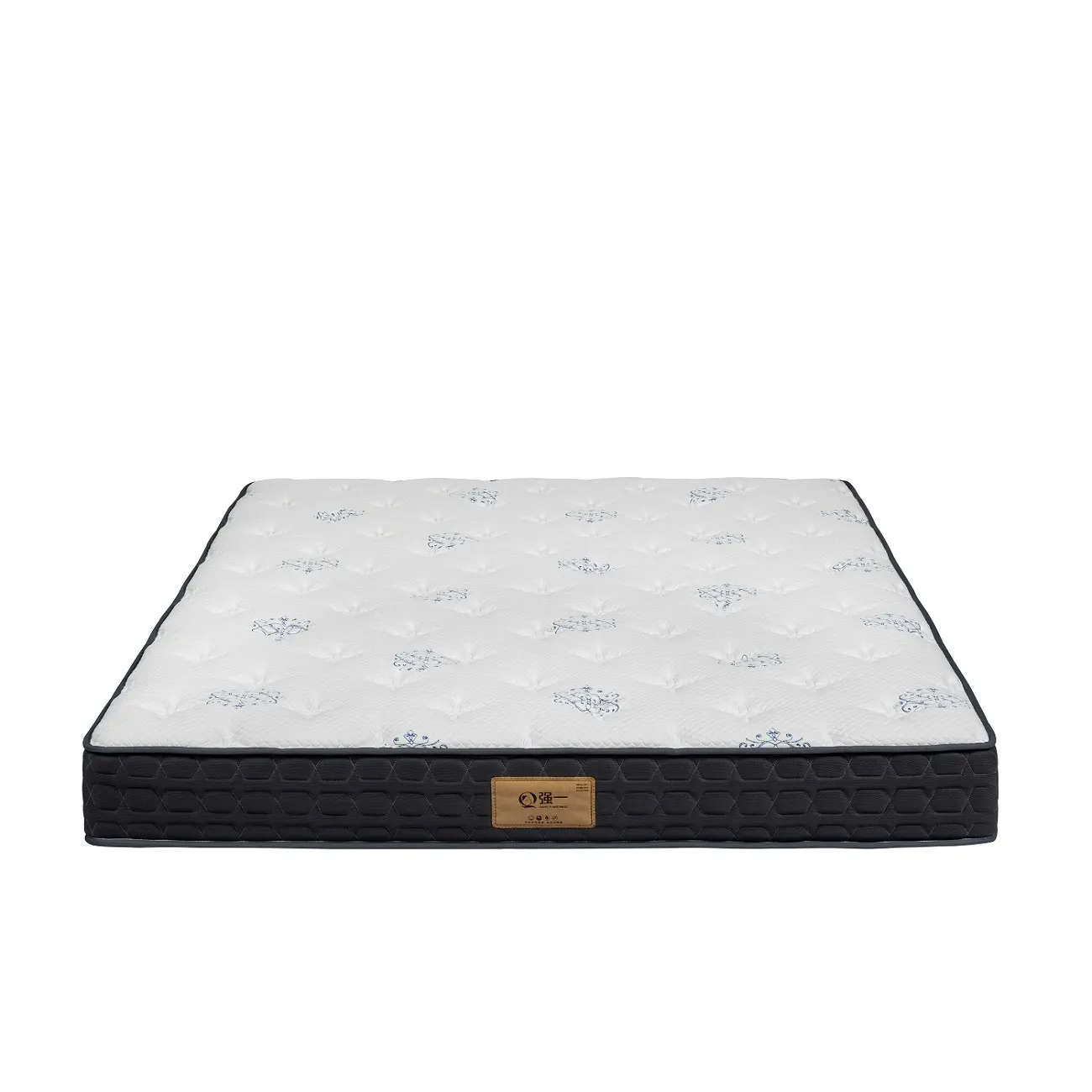
Guangdong Qiangyi Intelligent Manufacturing Technology Co., Ltd. develops and manufactures mattresses using fabric quilting, foam and latex comfort layers, pocket-spring units, assembly, inspection and compressed packing processes. For a firmness-controlled private-label program, its production team can prepare samples around a documented comfort reference and evaluate how layer specifications, quilting and packing affect the completed mattress. A buyer may use a medium-firm gel memory foam construction as a technical reference while retaining its own approved material codes, response range and recovery conditions. Bulk control should remain tied to the signed sample, measurable tolerances and agreed substitution procedure.
Conclusion
Mattress firmness becomes manageable when the buyer stops treating a retail label as a manufacturing instruction. The specification should connect the intended user and delivery conditions with component limits, a traceable golden sample and repeatable finished testing. Sampling across production time helps reveal drift before shipment, while written change control prevents quiet substitutions. Before issuing the purchase order, both parties should confirm the measurement positions, acceptable range, compression-recovery period and responsibility for approving any deviation.
FAQs
1. Can Foam Density Be Used as the Mattress Firmness Value?
No. Density identifies how much material exists within a given volume, whereas firmness describes resistance under a defined loading method. A dense foam may still have a soft indentation response, so procurement documents normally need both values.
2. Is a 1-to-10 Firmness Scale Suitable for Supplier Quotations?
It can support communication when the number is tied to an approved sample and stated test conditions. Used by itself, the scale is unreliable because different brands and factories work from different comfort references.
3. When Should a Rolled Mattress Be Tested After Opening?
The recovery interval should be agreed during sample approval and repeated during bulk inspection. Testing too early may capture temporary cover tension or incomplete foam recovery rather than the response the customer experiences after normal expansion.
4. Where Should Bulk Firmness Samples Be Taken from?
Units should represent different production times, material lots and packing groups. Collecting every sample from one pallet makes it difficult to identify gradual drift or variation introduced when a new material batch enters production.
5. Does the Golden Sample Need Its Own Test Record?
Yes. The record should identify its construction, sample code, assembly date, packing history, conditioning method and measured response. Without those details, normal aging or undocumented handling can weaken its value as a contractual reference.