


12th February 2026
Top 7 Health & Hygiene Benefits of Antibacterial Mattresses for Hotels and Healthcare
-
 author

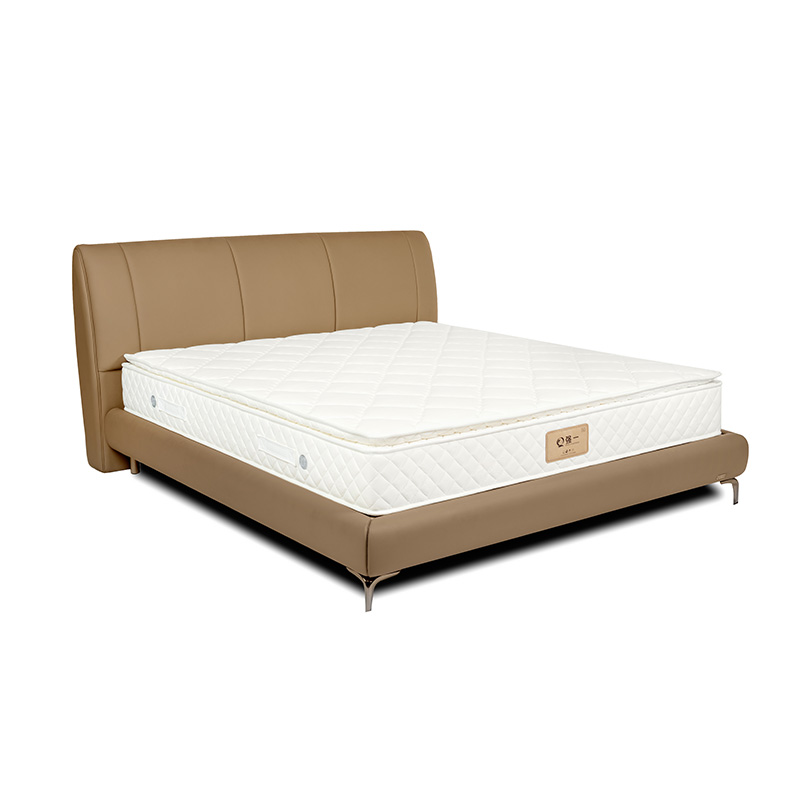
Running a hotel, hospital, or senior living community? You deal with constant turnover. Guests come and go. Patients need rest to heal. Residents deserve comfort day after day. One thing ties it all together: the mattress. A dirty one breeds trouble—odors, allergens, complaints. But switch to antibacterial pocket spring mattresses? That changes the game. These beds fight back against germs and mites naturally. They keep things fresh longer. In this post, we’ll break down the top seven health and hygiene perks. Real-world examples and solid numbers show why procurement teams in hospitality and healthcare keep turning to these options. Let’s get into it.
Why Hygiene Matters More Than Ever in These Settings
Hotels chase five-star reviews. One whiff of musty bedding kills a rating fast. Hospitals track infection rates closely. Senior facilities face strict health inspections. Dust mites and bacteria thrive in warm, moist spots like mattresses. They trigger allergies, asthma flares, skin issues. Studies show dust mite allergens build up quick without barriers. In hotels, poor hygiene leads to bad feedback. Guests mention “stale smell” or “itchy nights.” In healthcare, it risks cross-contamination. Antibacterial designs cut that risk. They use materials that resist growth. No harsh chemicals needed. Just smarter construction.
1. Natural Bacteria Inhibition That Lasts
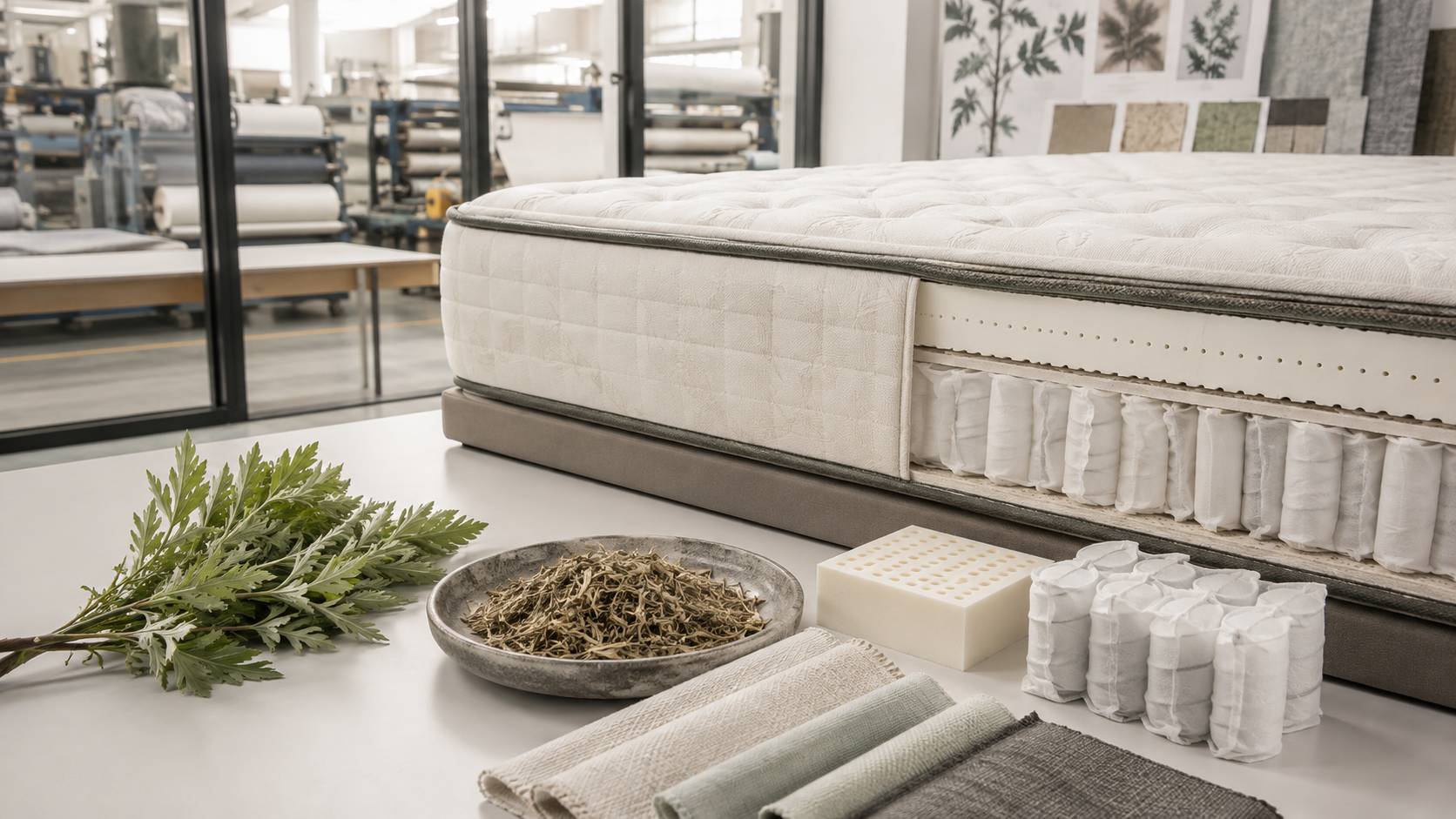
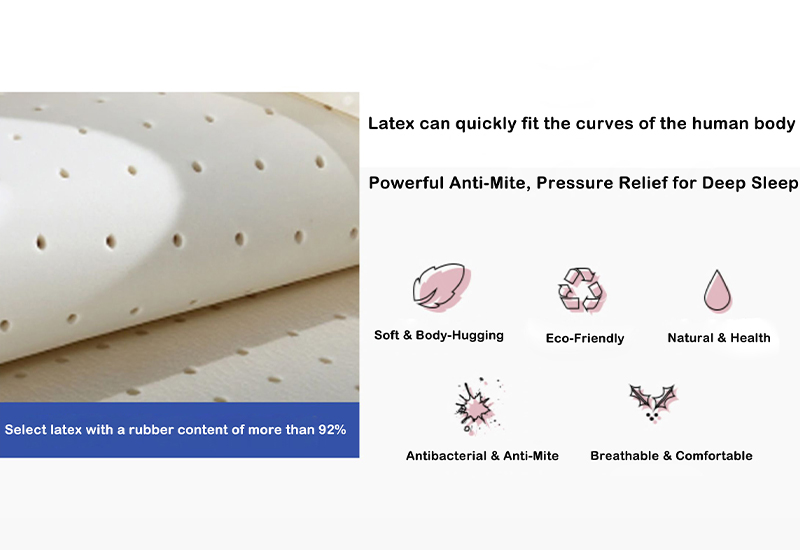
Picture a busy hotel during peak season. Beds get used nightly. Sweat, skin cells, moisture pile up. Regular mattresses turn into breeding grounds. Antibacterial pocket spring mattresses fight back differently. Many feature natural latex layers—over 90% pure in some models. This stuff packs oak proteins. They knock out over 650 bacteria types. No sprays. No fading protection. It works from day one through years of use.
Hotels report fewer odor complaints after switching. One chain saw guest comments on “fresh bedding” jump. In hospitals, it means less worry about microbial spread. Simple but powerful.
2. Strong Anti-Mite Protection
Dust mites love mattresses. They feed on dead skin. Their waste causes allergies. Tests show anti-mite rates hit 87% with high-purity natural latex. Mites struggle to survive. Fewer allergens float around.
In senior communities, residents with respiratory issues breathe easier. A facility manager shared how allergy meds dropped after new beds arrived. Hotels see similar wins—guests with sensitivities sleep better, leave better reviews. Real relief, not just claims.
3. Superior Breathability Keeps Things Dry
Moisture breeds trouble. Sweat soaks in. Mold starts. Antibacterial pocket spring mattresses use 3D air flow layers. Tiny vents push heat and damp out. Natural latex bounces back fast. Pocket springs let air move freely between coils.
In hot, humid areas, beds stay cooler. Guests wake refreshed. Healthcare spots note drier surfaces mean less bacterial growth. One study linked better airflow to lower mold risk. Practical for high-use environments.
4. Hypoallergenic Materials Reduce Reactions
Formaldehyde-free fabrics. No harsh glues. Hypoallergenic covers. These mattresses skip common irritants. Skin stays calm. Breathing stays clear.
For hotels hosting families with kids or allergy sufferers, it’s a big draw. Hospitals treating sensitive patients benefit too. Fewer rashes or coughs tied to bedding. Guests and patients notice the difference right away.
5. Zoned Support That Aids Recovery
Pocket springs work independently. They hug curves. Relieve pressure points. Spinal alignment improves. In healthcare, better support speeds healing. Patients rest deeper. Pain eases.
Hotels get fewer “too hard/soft” complaints. Seniors in care homes move less at night. Less disturbance means better sleep quality. Combine that with hygiene, and you’ve got a win-win.
6. Durability That Holds Up to Heavy Use
High-quality springs quench-treated for bounce. Edge reinforcement stops sagging. Non-woven fabrics tougher than standard. These beds last longer—often three times the durability in key layers.
Hotels cut replacement costs. Hospitals avoid frequent swaps in high-turnover wards. Senior facilities see consistent comfort year after year. Less downtime for maintenance. Budgets thank you.
7. Odor Control and Freshness Over Time
Bacteria cause smells. Mites add to it. Antibacterial features curb both. Natural inhibition plus airflow keep odors at bay. Beds smell neutral even after months.
Guests comment on “clean hotel smell.” In healthcare, staff notice fresher rooms. It builds trust. Repeat business follows.
Here’s a quick look at how these benefits stack up:
| Benefit | Key Feature | Impact on Hotels | Impact on Healthcare/Senior Care |
| Bacteria Inhibition | Natural latex proteins | Fewer odor complaints | Lower microbial risk |
| Anti-Mite | 87% inhibition rate | Allergy-friendly stays | Reduced respiratory issues |
| Breathability | 3D air circulation | Cooler, drier beds | Less moisture buildup |
| Hypoallergenic | 0 formaldehyde | Sensitive guest appeal | Safer for patients |
| Support | Pocket springs | Better reviews | Aids recovery |
| Durability | Reinforced edges | Cost savings | Long-term reliability |
| Odor Control | Natural resistance | Fresh perception | Staff and family approval |
Introducing Qiangyi as Your Trusted Supplier
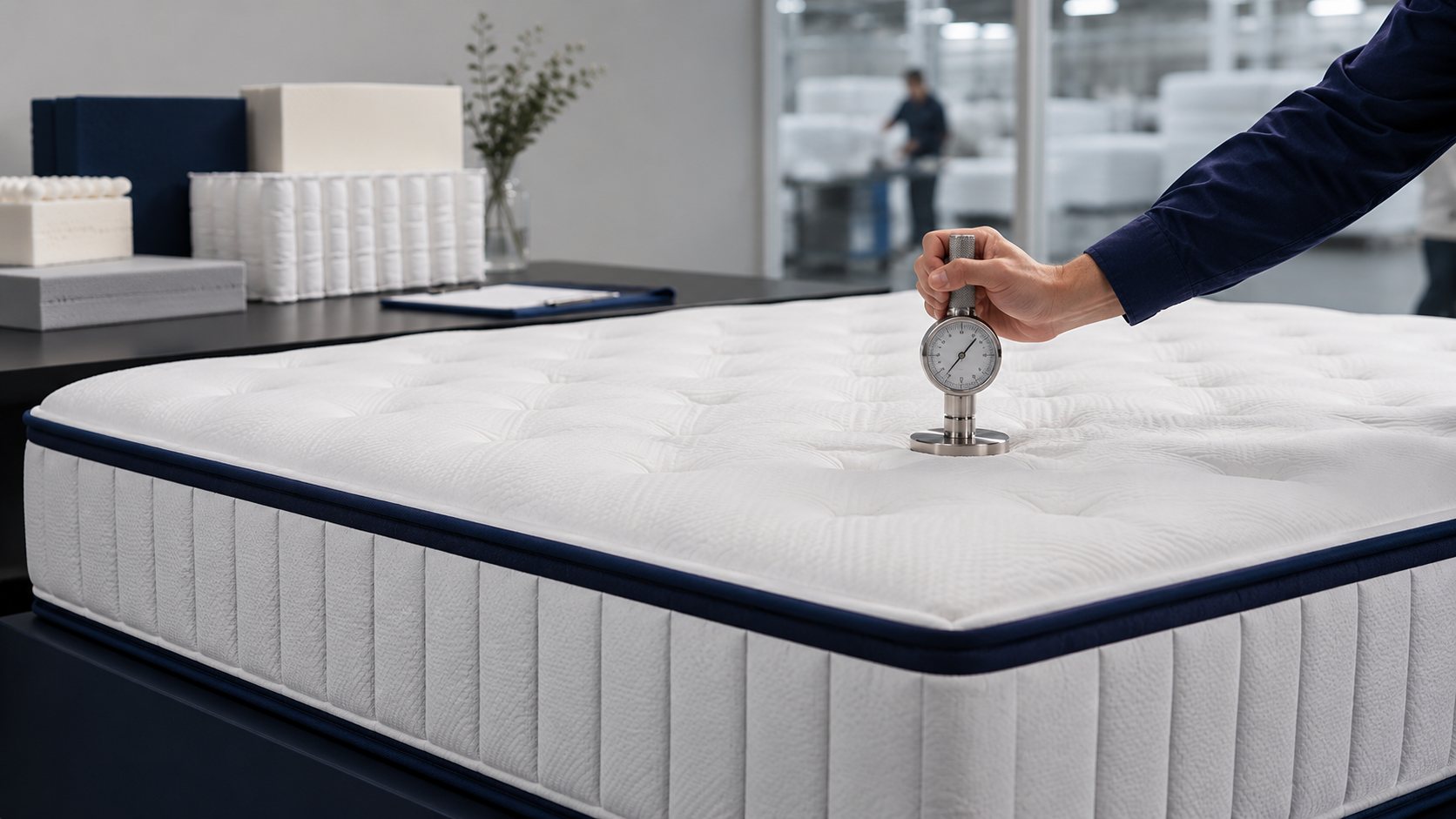
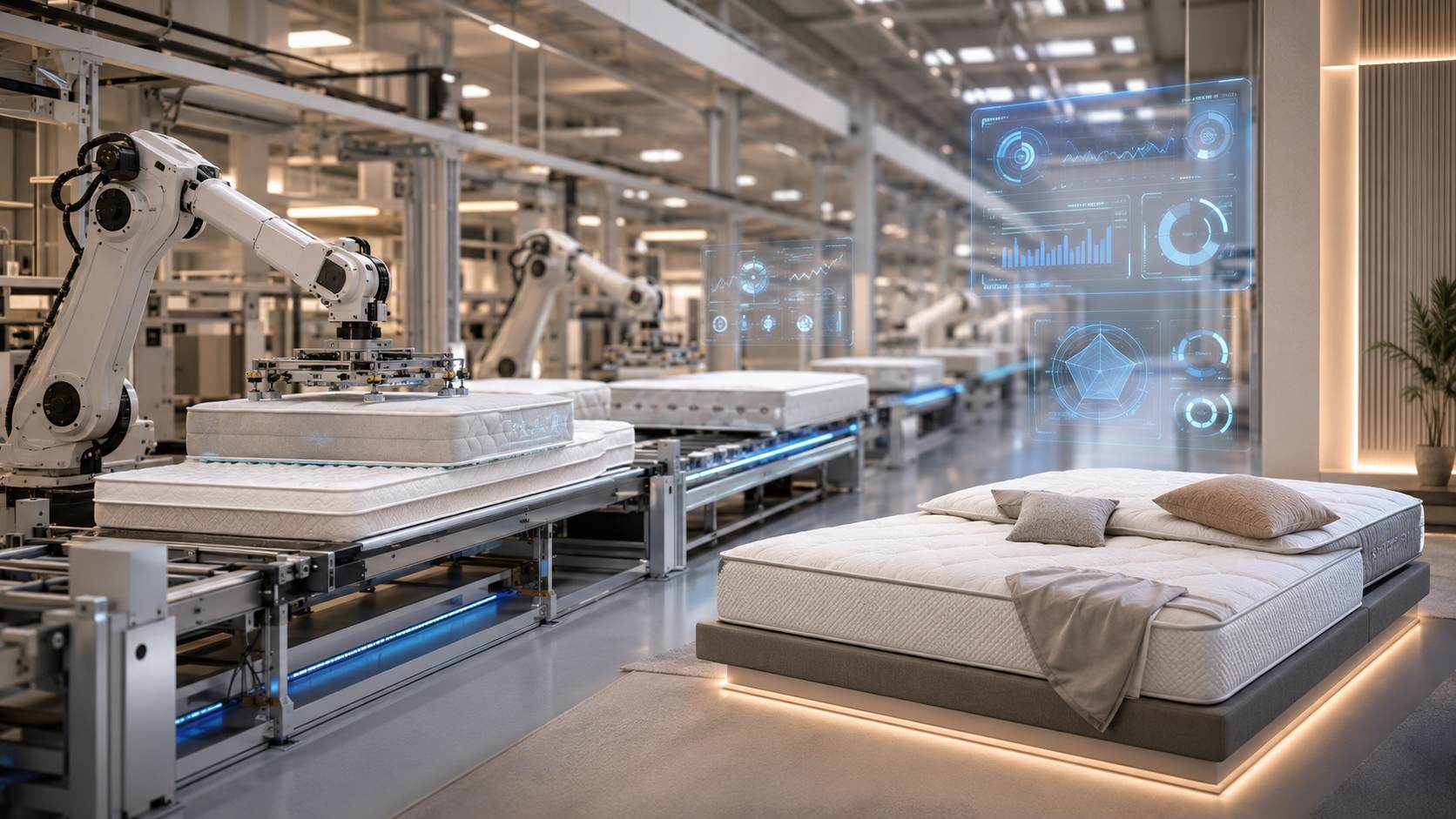
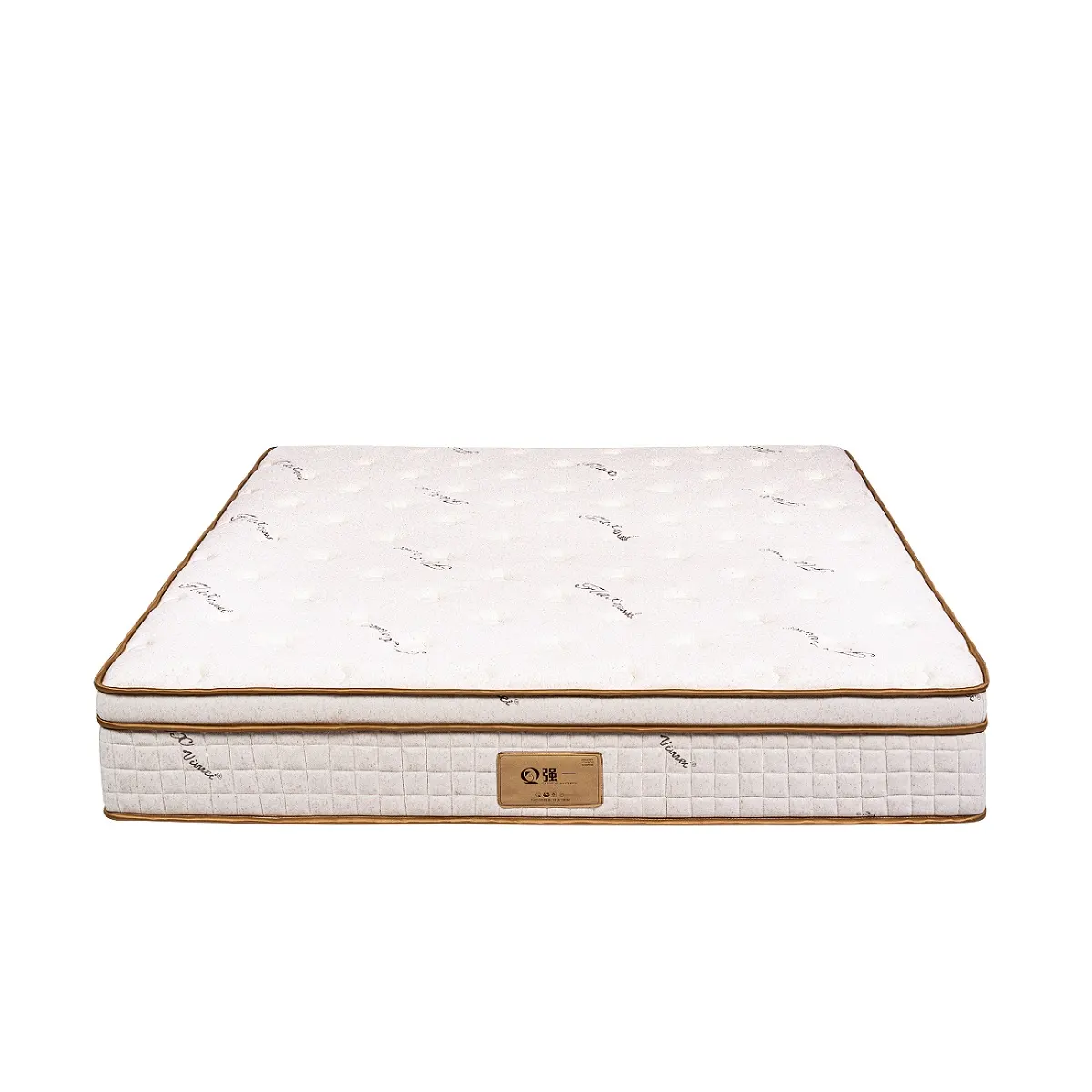
When you need reliable antibacterial pocket spring mattresses for bulk projects, Qiangyi stands ready. They’re a dedicated supplier focused on delivering complete, expert, fast, and smart mattress production solutions. Their 30,000-square-meter intelligent factory runs advanced automated lines. Annual output hits big numbers. They handle everything—design, samples, full runs—with strict checks for durability, hardness, and zero formaldehyde. Products meet EN and ISO global standards. They’ve partnered with well-known hotel brands to craft comfortable, healthy sleep setups. Quick communication, on-time delivery, solid after-sales. If you’re outfitting hotels, hospitals, or senior communities, Qiangyi makes the process straightforward and dependable.
Conclusion
Bottom line: antibacterial pocket spring mattresses bring real advantages to hotels, hospitals, and senior living. They tackle bacteria, mites, moisture, and allergens head-on. Guests rest better. Patients recover faster. Residents feel more at ease. Reviews climb. Health risks drop. Costs stabilize long-term. If hygiene ranks high on your priority list—and it should—these beds deliver. Time to consider an upgrade. Your guests, patients, and bottom line will thank you.
FAQs
What makes an antibacterial pocket spring mattress better for hotels than standard ones?
An antibacterial pocket spring mattress uses natural materials like high-purity latex to fight bacteria and mites naturally. Hotels see fewer complaints about odors or allergies, plus longer-lasting freshness that boosts guest satisfaction and repeat stays.
How does anti-mite design in pocket spring mattresses help healthcare facilities?
Anti-mite features, often reaching 87% effectiveness with natural latex, cut dust mite allergens sharply. In hospitals and senior care, this lowers respiratory flare-ups and skin irritations, creating safer, more comfortable environments for vulnerable people.
Are antibacterial pocket spring mattresses breathable enough for hot climates?
Yes, they feature 3D air circulation and breathable layers that push out heat and moisture. This keeps the sleep surface dry and cool, which is key for hotels in warm areas and healthcare spots where sweat can lead to hygiene issues.
Do these mattresses meet strict hygiene standards for hospitals?
Many antibacterial pocket spring mattresses go formaldehyde-free and hypoallergenic, hitting international EN and ISO standards. They help control bacteria and allergens, supporting infection prevention efforts in medical and senior care settings.
How long do the hygiene benefits last in an antibacterial pocket spring mattress?
The natural inhibition from materials like latex doesn’t wear off quickly. Combined with durable construction, benefits stick around for years—even in high-turnover spots like hotels—reducing replacement needs and keeping hygiene consistent.