


30th October 2026
Why Do Mattress Side Panels Bulge Even When the Sleep Surface Looks Flat?
-
 author
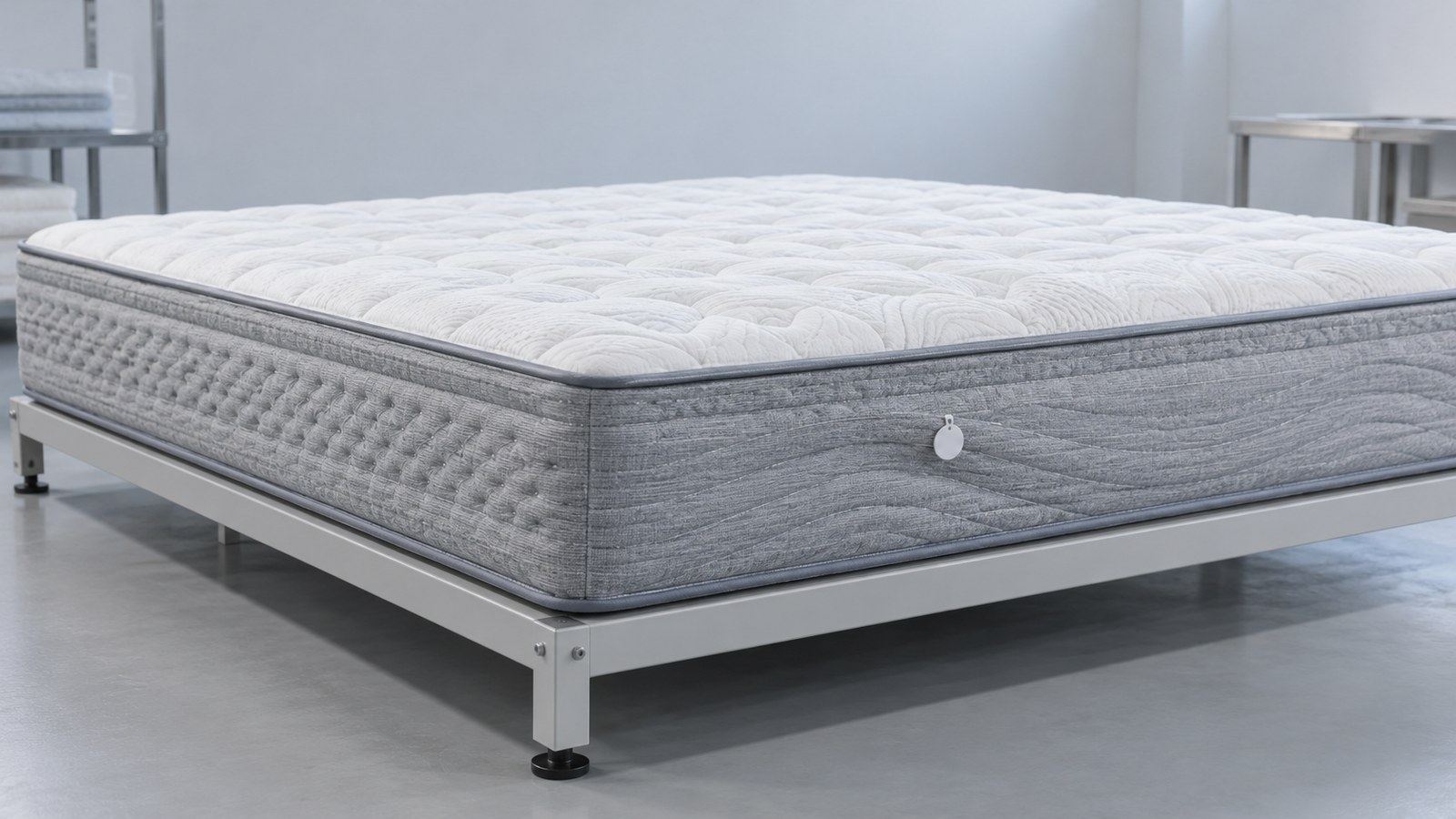
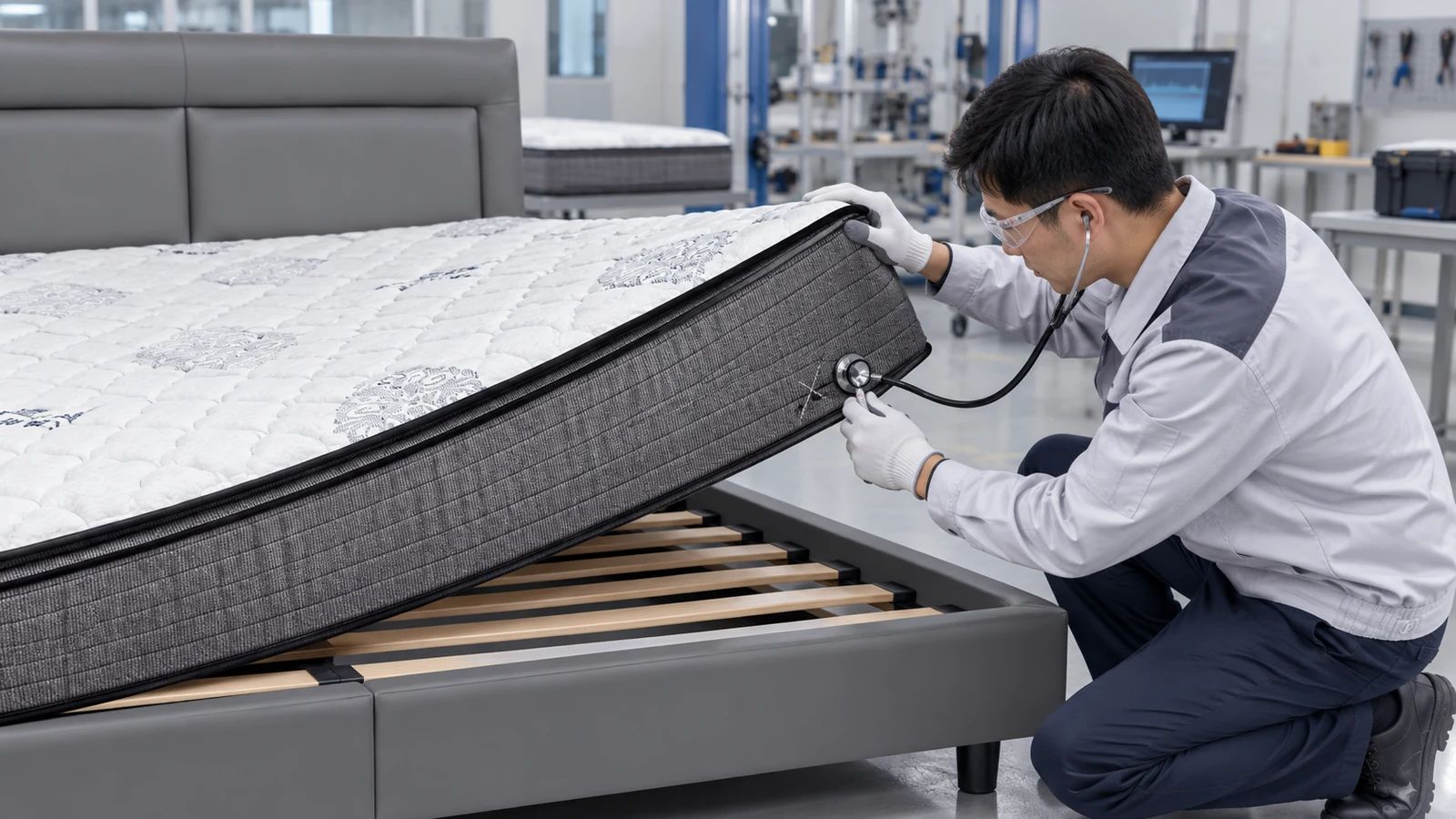
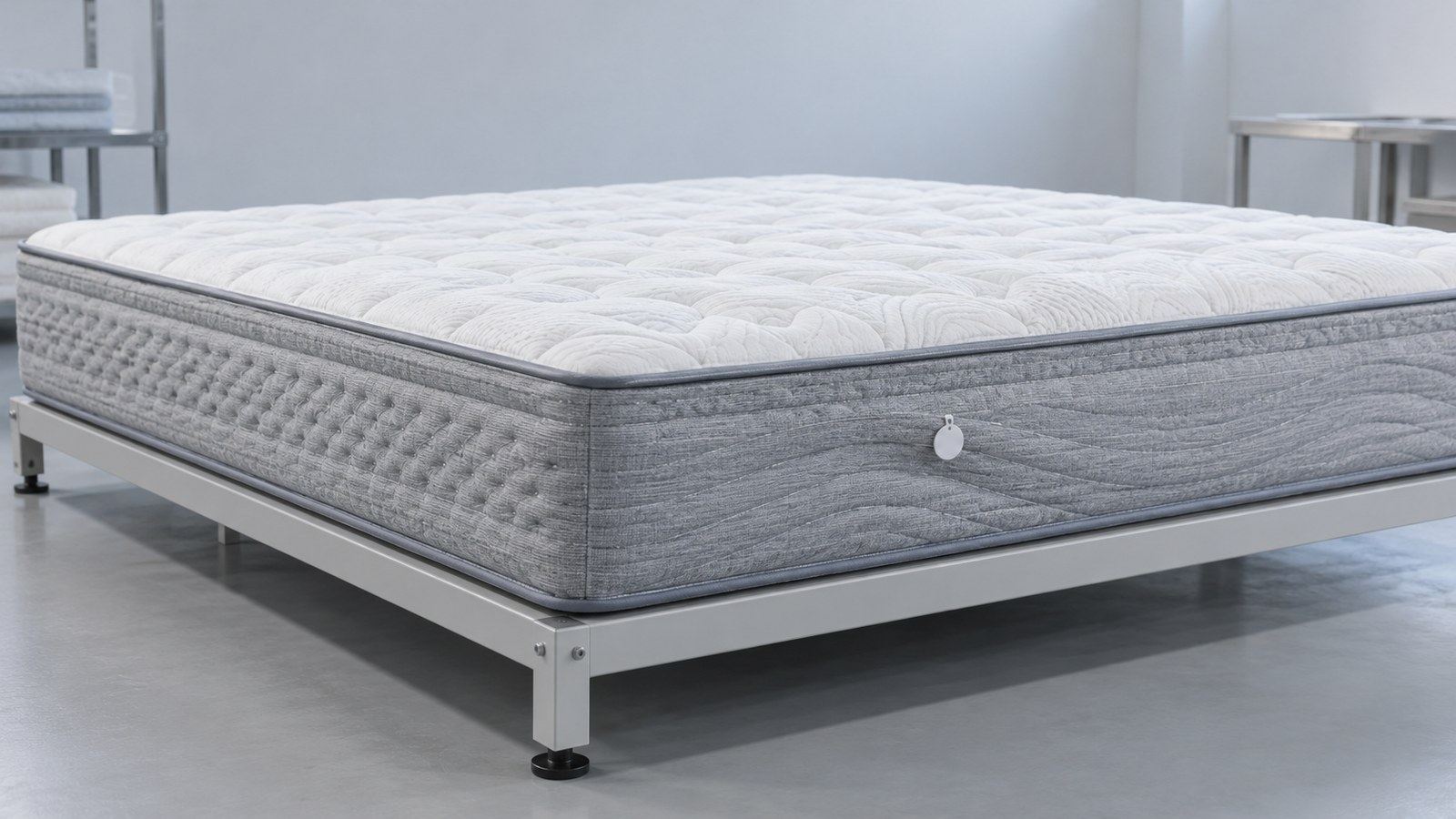
An inspector may see a level top and, just below it, a border that bows out. That mismatch has not yet earned the name “internal shift.” In many units the extra shape is cloth looking for room. Border fabric, quilt fill, foam and the edge build do not recover or stretch together. Slide an open hand across it before anybody opens the cover. A fold wandering toward a seam starts an appearance review. If it stays under one mark and the edge feels unusual too, look behind the cover.
Does the Full Area Travel Through the Fabric?
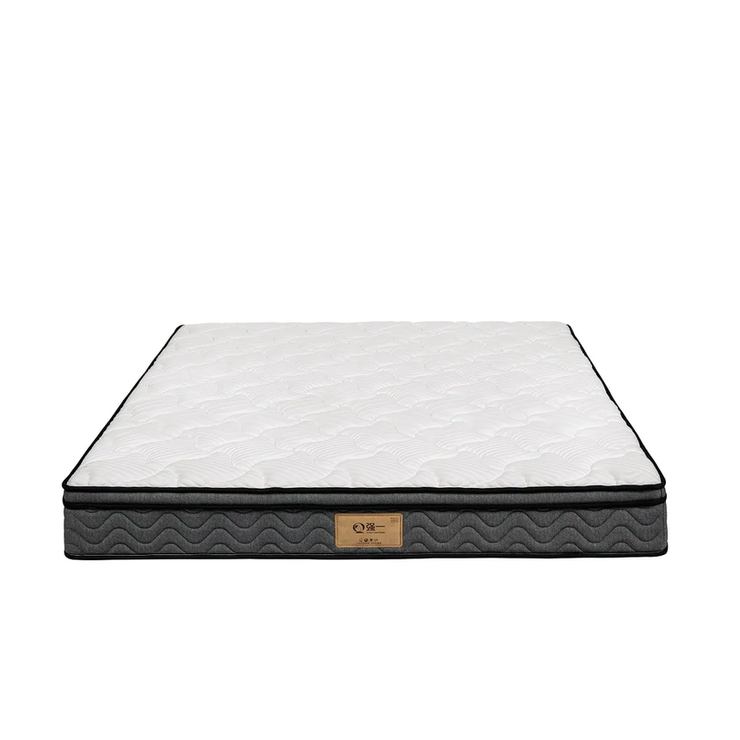
Do this while the bed is still unloaded. Keep it on the support where somebody first noticed the shape. A short strip of removable tape marks the centre; a straight photograph captures the entire border. Put a ruler in that wider view. Afterwards, walk round and look at the opposite side from a similar height.
Use an open hand
With the palm flat, ease the panel towards its closest corner. This isn’t cosmetic tidying. Watch the spare material. Maybe it runs along the tape, catches beneath a handle, then disappears at the vertical join. Remember that route. Something solid buried farther in would hardly wander after such a light touch.
Now let go. Does the same outline return under the tape? Is there a firm shape behind it? Write down what happened instead of settling on a cause. “Soft fold moved 8 cm toward corner” tells another inspector far more than “side bulge.”
Check the seam route
Follow both tape edges and any handles, labels or quilt lines crossing the area. Extra cloth often stops at one of these features because that is where its freedom changes. The feature may only be collecting slack; it has not automatically created a fault.
Take those pictures before pushing hard on the mattress top. A forceful press can pull the border smooth for a moment or push foam outward, and the original clue is gone.
Could Packaging Recovery Still Be Underway?
A freshly unrolled bed is sometimes untidy. Its top quilt may lift before the side relaxes, or the reverse. Corners make the mismatch easy to notice because several materials turn there and meet.
Time belongs in the record
Put two times in the notes: opening and photography. Leave the bed on the same support, in the same room, between views. A picture at ten minutes can sit beside one from tomorrow, provided nobody presents them as the same moment.
Follow this mattress’s approved recovery note. No recovery note in the file? Record “not supplied.” A handy figure recalled from another construction is not evidence for this one.
Load it the way the user did
Once the unloaded shape is recorded, repeat the ordinary movement that made it noticeable: perhaps edge sitting or getting up. Watch the panel while weight goes on and as it comes off. A loose wave may stretch flat and return somewhere else. A supported bump may keep the same centre.
Avoid a fist, knee or small hard tool. Those produce local loads that may never occur in service and can create a second mark beside the first.
What Would Shift Attention Behind the Cover?
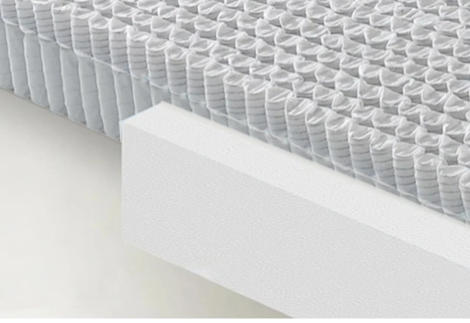
The outline becomes more interesting once another symptom turns up at the same place. The edge might sit high, give way early, or make the bed rock. Repeat that companion observation; it carries more weight than shape alone.
Make three nearby comparisons
Use broad pressure at three places: the tape, a nearby point and the mirror point across the mattress. Try to stand and reach in the same way. One place might feel firmer, sit higher or give more readily. Without a defined instrument and method, report those as comparisons. Hand feel does not become a number merely because the report needs one.
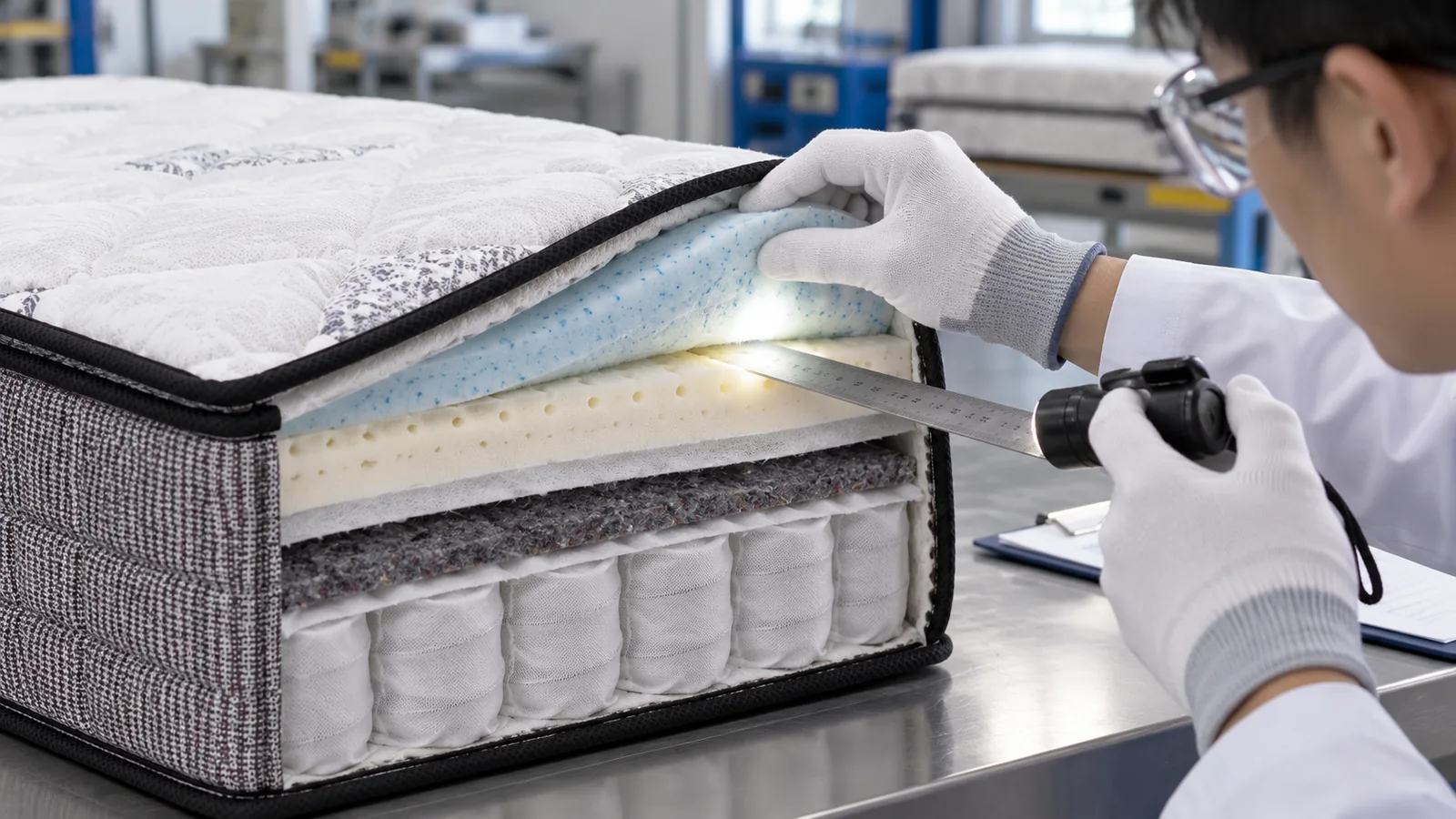
Now the search area is smaller: the perimeter. Review where the foam sits, how a joint closes, and how other border pieces meet the spring unit. None is convicted by the hand check.
Give the base its own check
A rail sitting proud, or a slat out of its holder, may lift only the side. Before turning the mattress, mark that place in the room. If the bulge turns as well, follow the mattress. If it remains beside the rail, inspect the base next.
Do not unzip or cut merely for a look. Releasing that tension erases the original border shape, so the same unit can no longer repeat the first check.
How Can an Appearance Limit Be Made Fair?
Two photographs can disagree without either inspector being careless. One person may crouch close to a newly unrolled bed; another may stand back from a recovered mattress. The viewing condition needs to be part of the specification.
Agree on what the camera sees
Set the support, orientation, recovery point, load state, viewing distance and lighting. Show the whole side as well as the close view. Where a visual limit matters, retain an approved sample or a reference image taken under the same setup.
Keep appearance and function on separate lines
One line can describe fabric fullness. Another can record edge height, firmness, noise, rocking or stability. Mixing them under “bulging” makes it difficult for sewing, assembly and quality teams to know what to repeat.
Review the checkpoint when the border fabric, quilt layout, panel cut, seam path, closing operation, edge build or packing method changes. Each can alter what the side looks like, but for a different reason.
Who Can Help Set a Border and Edge Check?
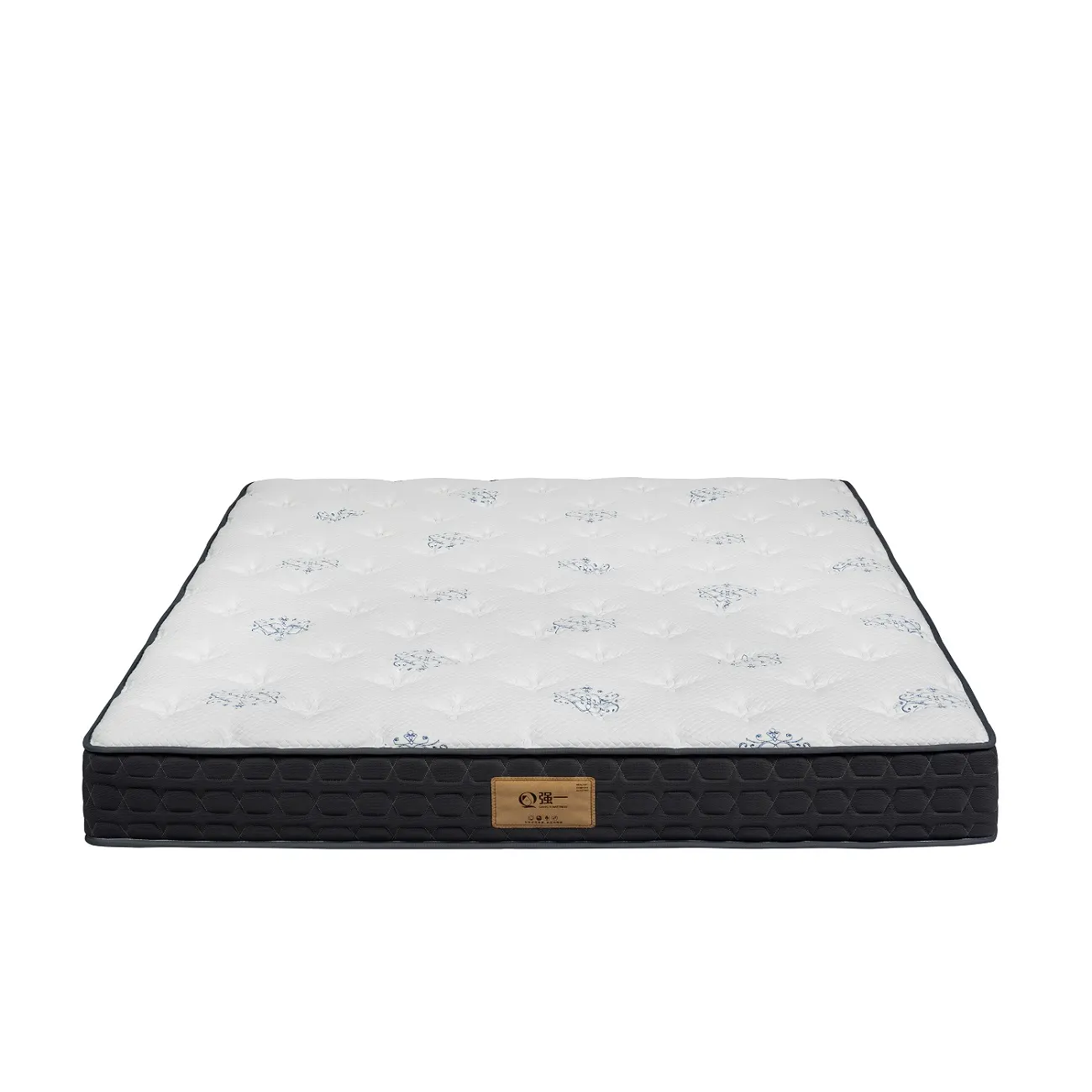
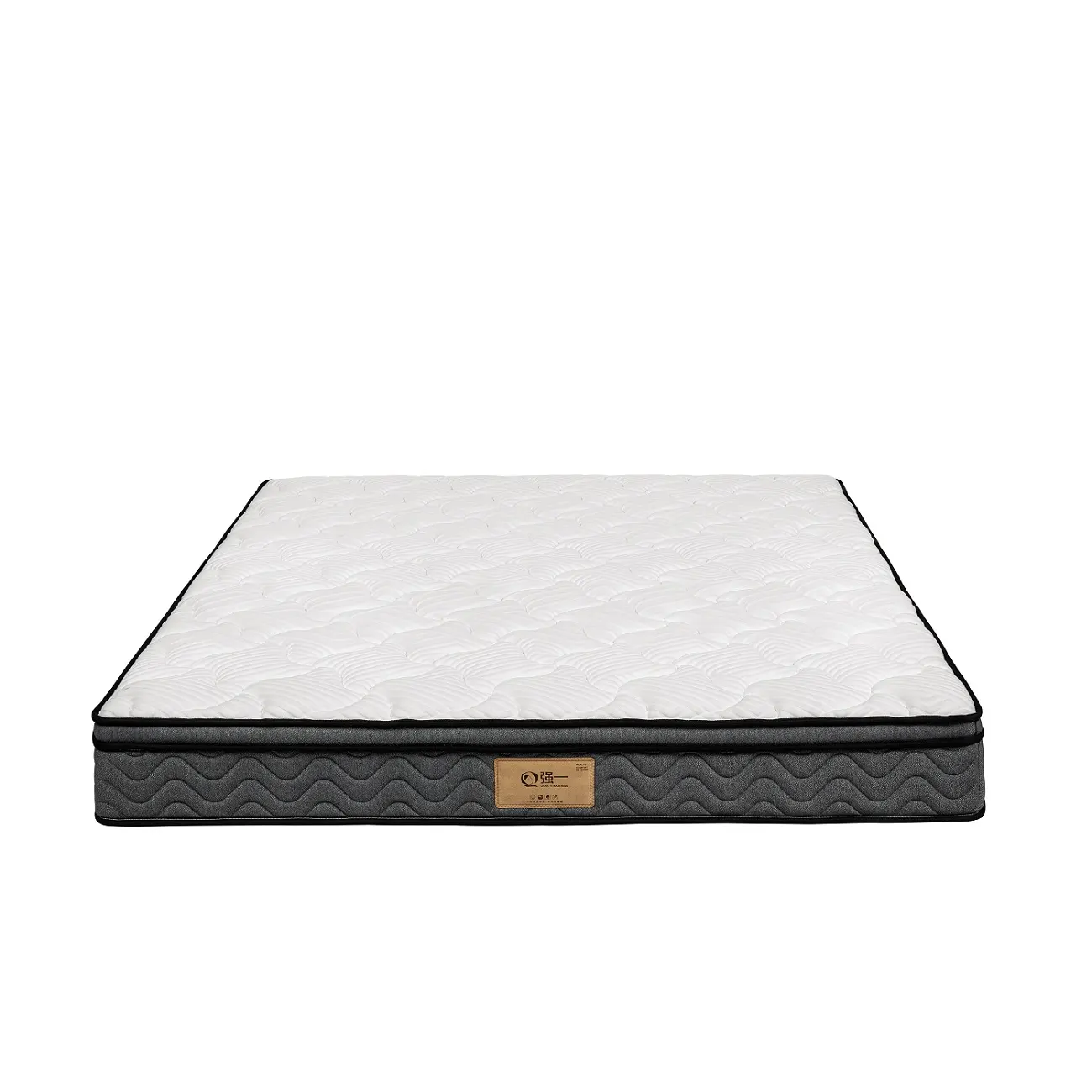
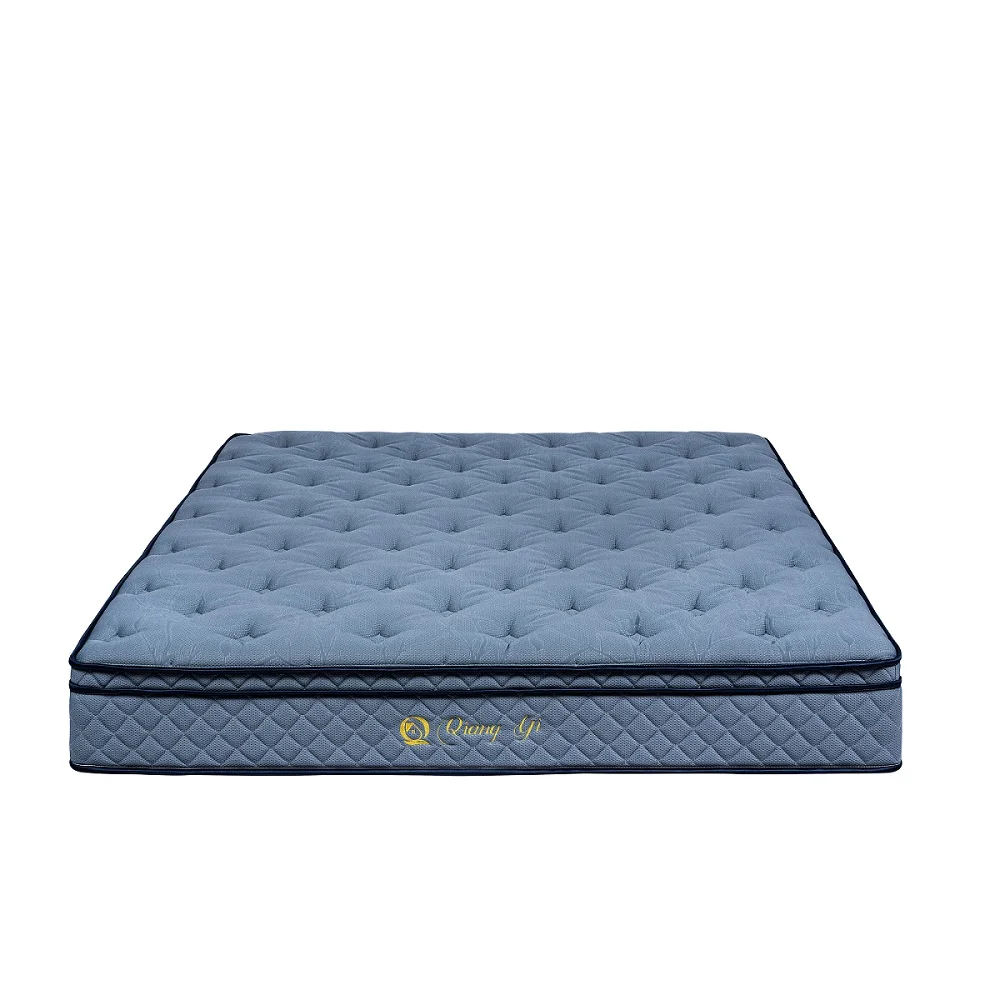
Guangdong Qiangyi Intelligent Manufacturing Technology Co., Ltd. manufactures foam, pocket-spring, hybrid, hotel and custom mattresses for OEM and ODM customers. Its hybrid mattress constructions and mattress quality inspections can inform a buyer’s own border and edge checkpoints. The service team can work from an approved sample, unpacking time, support, tape mark and matched views. “The side is swollen,” on its own, gives them very little to reproduce.
Conclusion
First ask whether the shape moves. If it slides through the cloth and the edge behaves like its neighbours, compare the appearance with the approved limit. If it stays centred and comes with a repeatable height or support difference, examine the perimeter build after ruling out the base. Package recovery also deserves its own timestamp. Take the level top as one observation. Treat the dramatic close-up the same way; neither supplies a cause.
FAQs
1. Can spare border cloth make a correctly built mattress look uneven?
Yes. Extra cut length or the way quilting and seams take up cloth may leave a wave that travels, even though the stack has stayed in place.
2. Should photographs be taken immediately or later?
Take an initial picture, then another at the approved recovery point. Label both times so they are not mistaken for identical conditions.
3. Is a firm bump evidence of damaged edge foam?
It marks a comparison point, nothing more. Check the base separately, then work through the perimeter pieces before naming a failure.
4. Which details help a supplier investigate?
Send the order and model references, package type, opening time, support and orientation. Add the marked location, one full-side image, one close image, and what happened at the neighbouring and opposite points.