


29th October 2026
Why Can Silver-Infused Mattress Fabric Discolor After Cleaning?
-
 author
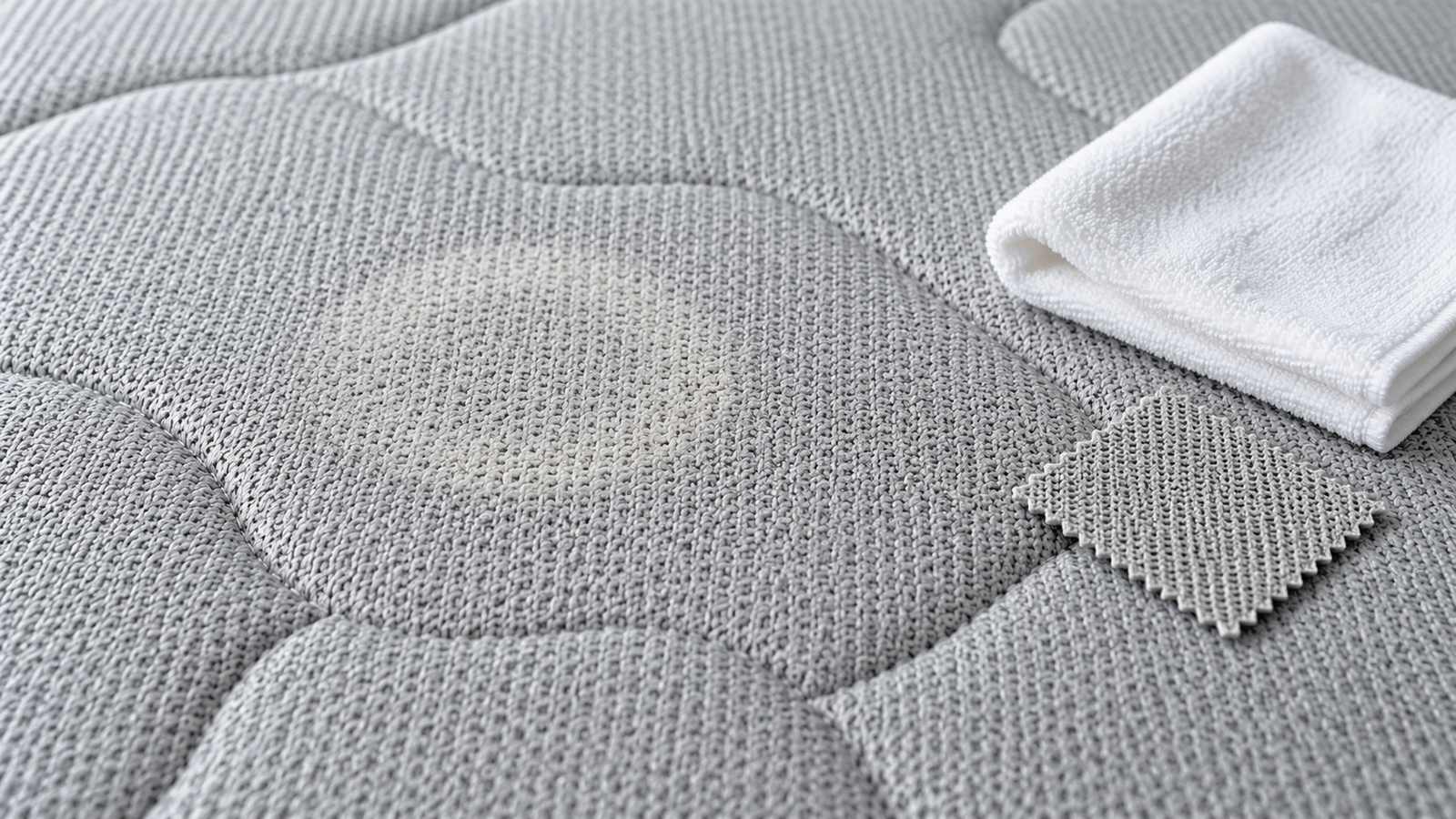
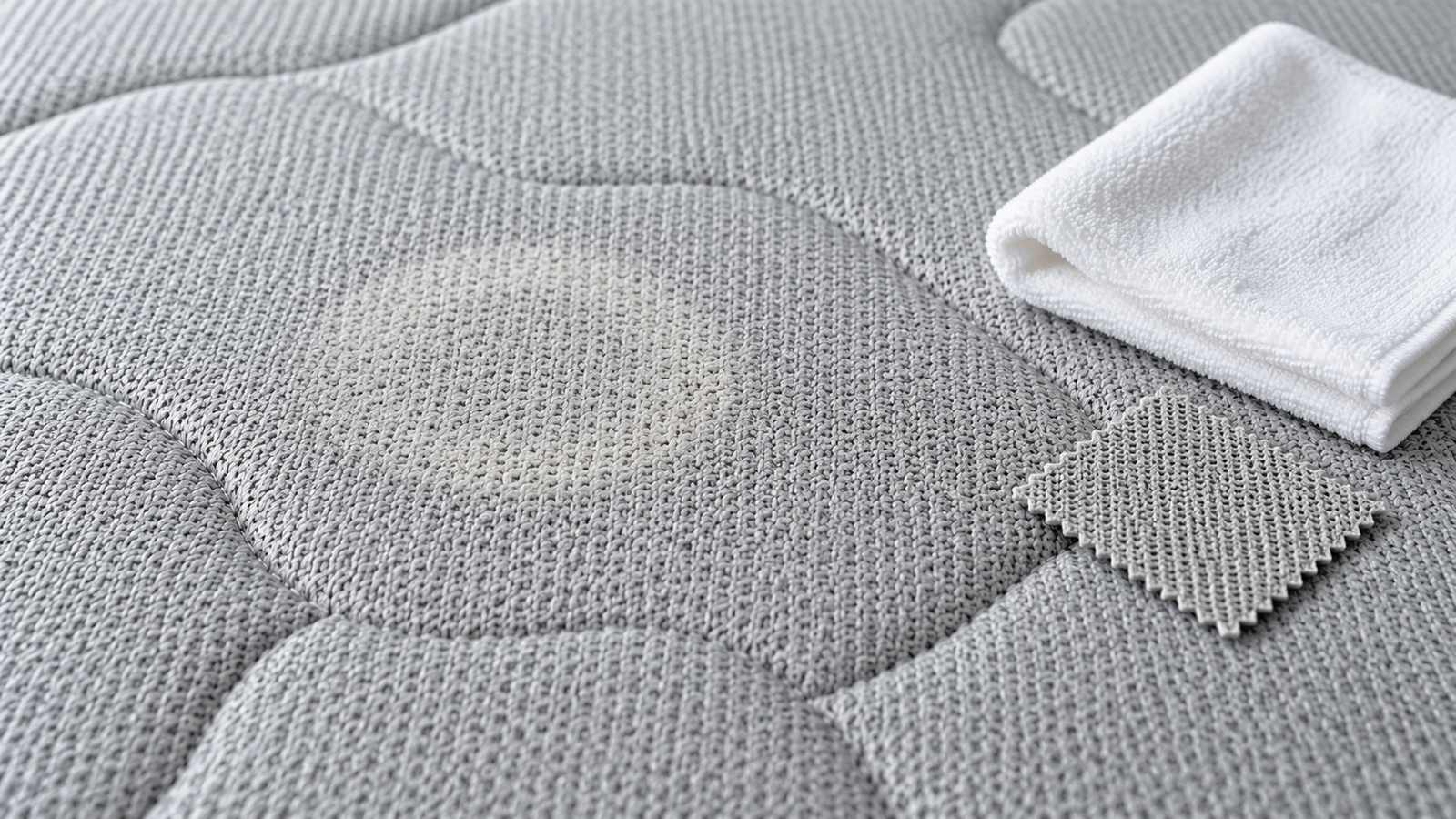
Dry now, the spot still has a pale rim. Silver gets blamed first because it appears in the cover description. That is too large a conclusion for a shade. Perhaps cleaner or lifted dirt stopped at the last wet edge. The knit could simply lie differently where it was brushed; moisture from the quilt could also have risen again. For the moment, use no more product. Record that first attempt, then view dry treated cloth beside dry untouched cloth. A visual mark is one question. Silver content or antibacterial performance is another.
What Was Used on the First Spot?
Keep the cleaner container and the cloth, sponge or brush. Do not “even out” the patch yet. The next treatment could cover the outline that shows how the first liquid moved.
Let the cleaner describe the job in sequence
Which product went into which water? Was anything measured? Follow with the tool used and the direction it travelled. The account also needs the waiting time, any rinse, the mattress position while drying, and when somebody first saw the mark. Do not leave out a former spill or fabric protector.
If the mixture was guessed rather than measured, write “mixed by eye.” There is no benefit in inventing a neat ratio later.
Photograph dry against dry
Let normal fabric share the photograph with the treated patch. Choose gentle light, aim squarely at the panel, and put a small scale in view. If the middle is damp, say “wet” on the record. Otherwise, the photograph invites a false comparison between wet and dry rayon.
Now shift the lamp across the bed. Does the patch switch from light to dark? Rubbing may have turned loops or surface fibres. That does not close the inquiry. It does, however, make texture the sensible next stop.
What Happened at the Last Wet Edge?
Look at the boundary before debating its colour. Does the line fade outward, shine, or copy the curve of the sponge? Also ask when it appeared. Was it visible during cleaning, or only several hours later?
Material may finish at the last wet edge
The spreading damp area can pick up detergent, minerals and loosened dirt on its way. Water evaporates at the outer edge; some of its load stays there. That is enough to leave a ring. More liquid may only relocate the line.
A white absorbent cloth may be part of an approved inspection, but stop after the planned pass. Ten extra rounds of blotting are ten more treatments, not a better view of the original one.
Look for a change made by the brush
Move a fingertip slowly from normal cloth into the spot. A new slickness, roughness or flatness points to surface disturbance. Side light can magnify what is only a small directional change in the knit.
This is why a patch can look pale from the foot of the bed and almost normal from the head. It is not a test for dye loss, and certainly not a test for the amount of silver present.
Moisture sometimes comes back
Face yarn does not stop the liquid. Thread, backing, quilt fill, foam and dirt underneath may become wet too. While the area dries, moisture and dissolved material can work upward again. Trace every outline if the mark fades and then comes back.
Do not reach for a hair dryer unless the cover’s approved care method allows heat. Otherwise the drying aid becomes another uncontrolled part of the event.
What Is Actually Known About QYM015?
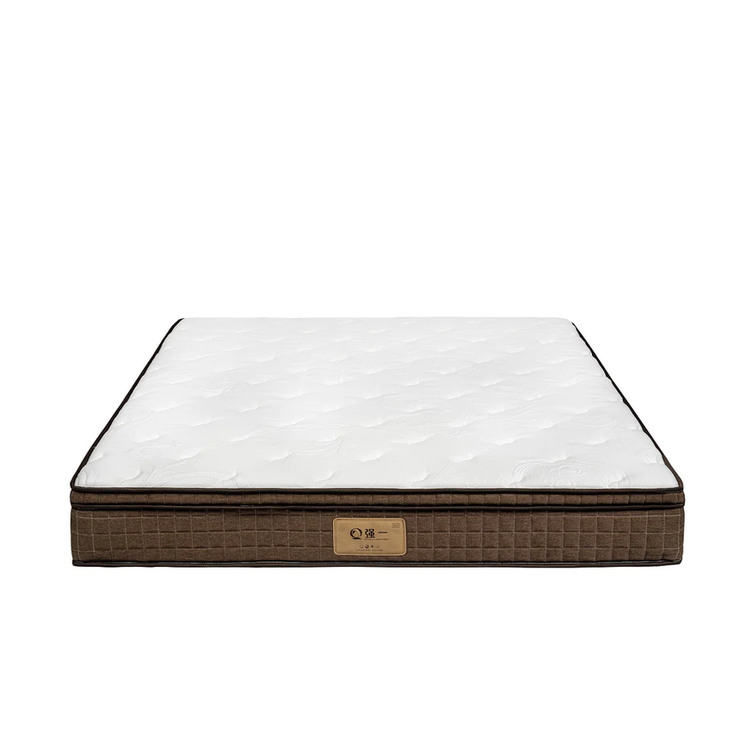
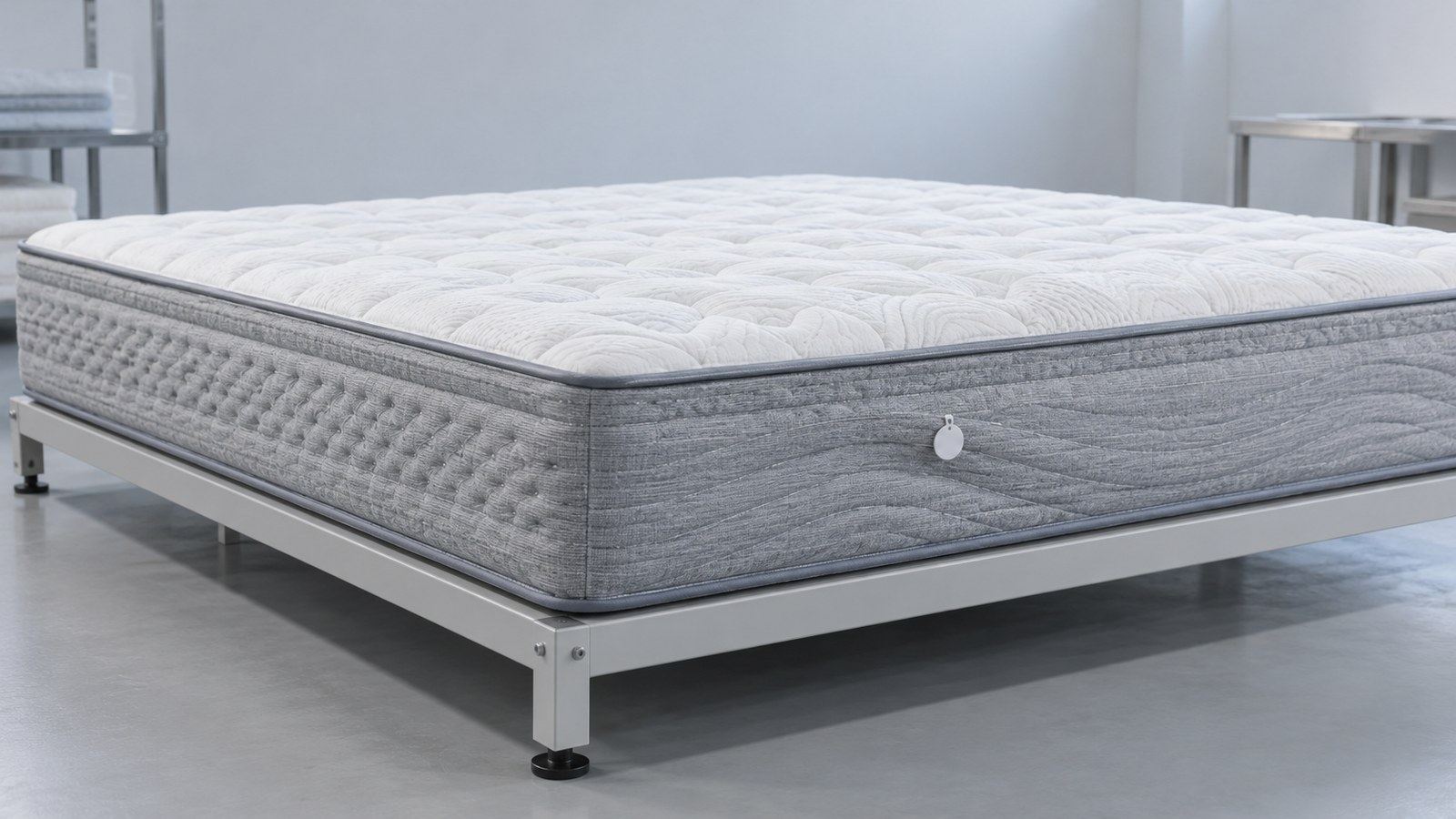
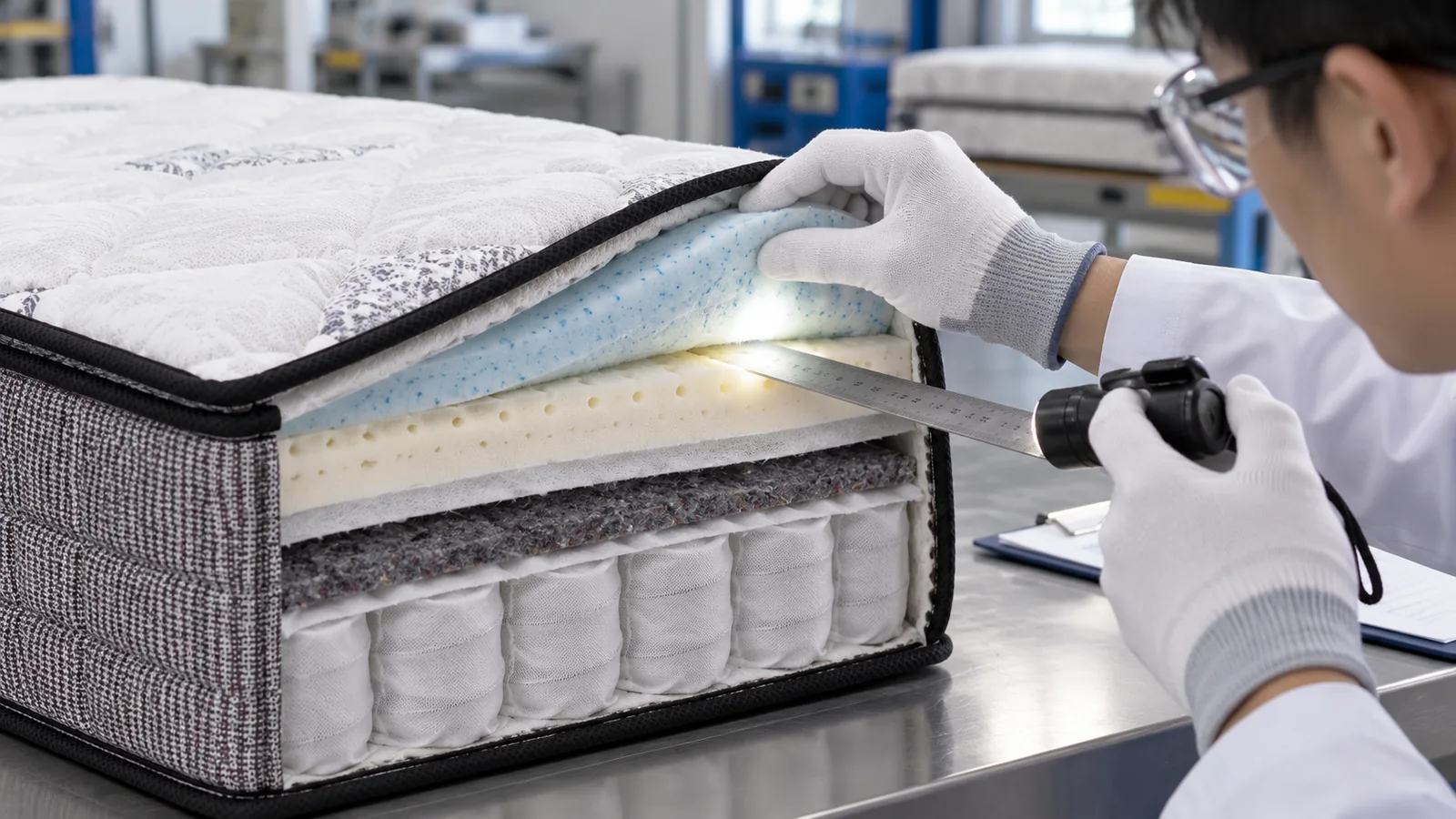
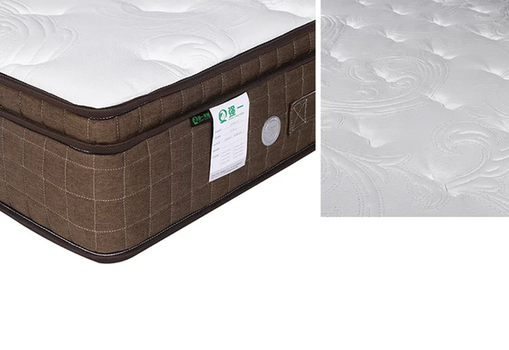
The public QYM015 page calls the cover silver-infused rayon fabric and elsewhere refers to silver threads. It also describes a breathable 4D layer and pocket-spring support. Those are product descriptions. They are not care instructions, and they leave technical details about the silver-bearing material unstated.
A shade is not a performance result
There is no reliable visual rule such as “gray means silver remains” or “yellow means silver is gone.” Color does not measure composition. It also cannot show whether an antibacterial property has changed.
If either question matters commercially, it needs a named method, a suitable sample and an acceptance rule. The treated patch may help identify where to sample, but its shade cannot replace the test.
The missing cleaning limits must stay missing
The page offers no detergent name or limits for pH, water heat, soaking, rinsing or heated drying. It also never says to wash the whole cover.
A care sheet from some other “silver textile” does not close the gap. Textiles can receive silver-related ingredients through fibre, yarn, a finish, a print, or other routes. This public description does not tell a buyer which route applies. Therefore it cannot justify importing a wash recipe meant for one.
Can a Small Trial Separate the Variables?
If production retained cloth from the lot, start there. Otherwise agree on a hidden part of the finished cover before conducting a trial. The complaint patch has already had one treatment; leave it out of the experiment.
Set aside cloth that nobody touches
Place the untouched piece beside a water-only control. A third piece may receive the proposed cleaner, but only if that trial is approved. Repeat the same tool, strokes, waiting time, rinse and drying position. This deliberate fussiness has a purpose: change two items and nobody knows which changed the result.
Identify the state of every sample – loose yardage, quilted material, or a finished cover under tension. The very same textile need not look identical in all three states.
Limit the conclusion to the evidence
After everything is dry, compare color under the agreed light, surface feel, residue, knit distortion and any permitted transfer. Perhaps the appearance is acceptable. Perhaps the method should be rejected. Sometimes the trial simply does not explain the original mark.
Checking an antibacterial claim is separate work. Arrange a suitable test when it is needed; a colour ranking cannot be promoted into a microbiology result.
Where Should a Buyer Verify This Cover’s Care Limit?
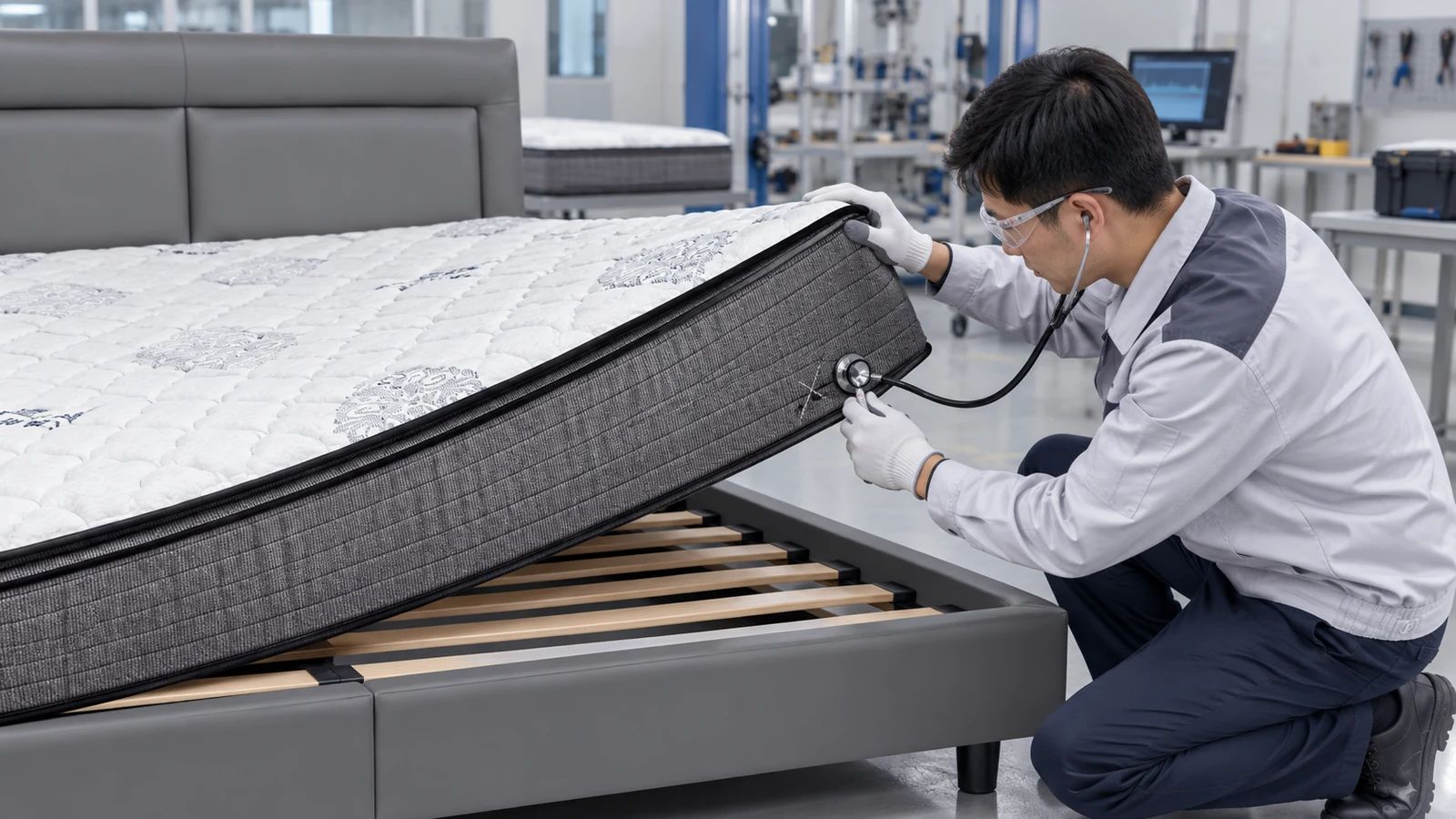
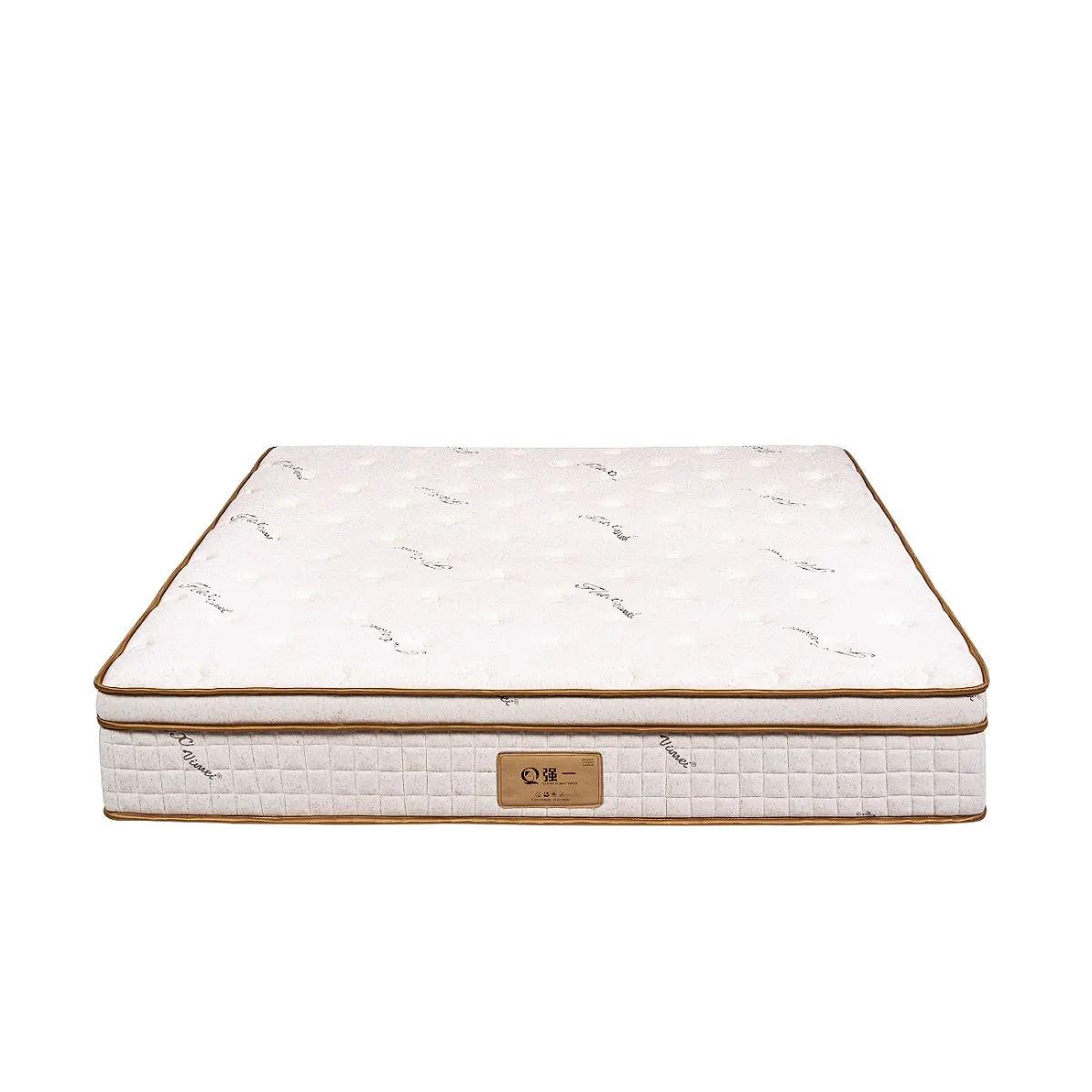
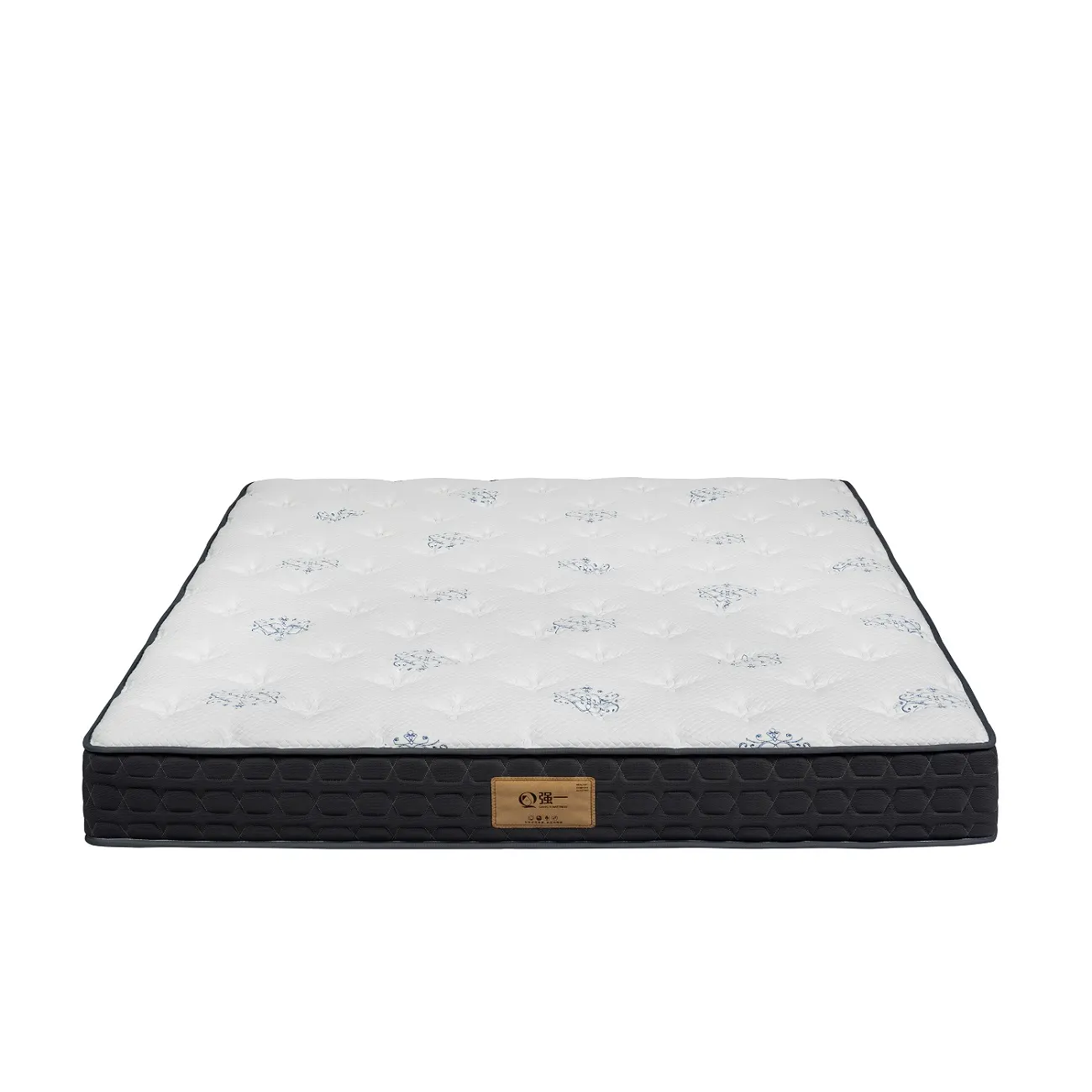
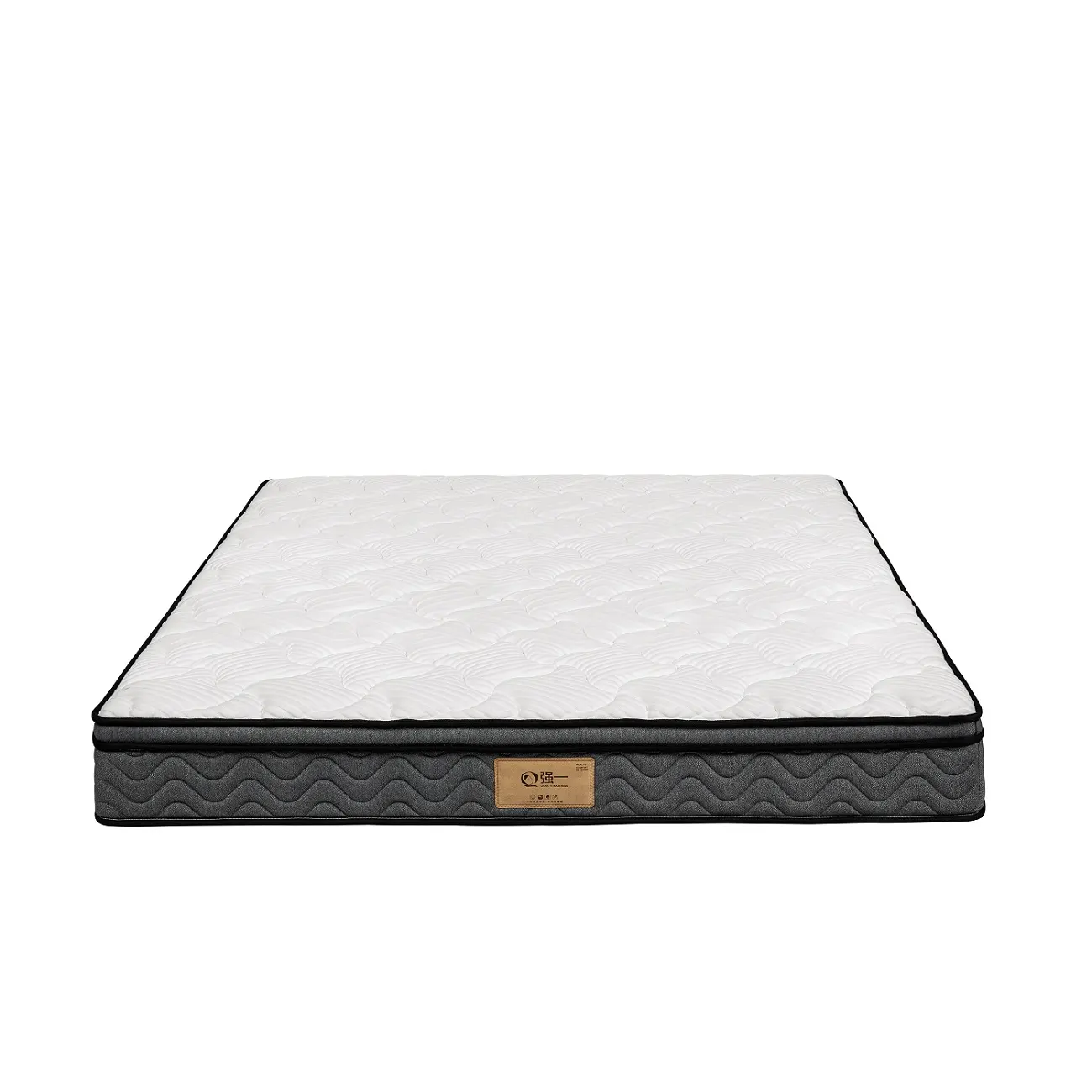
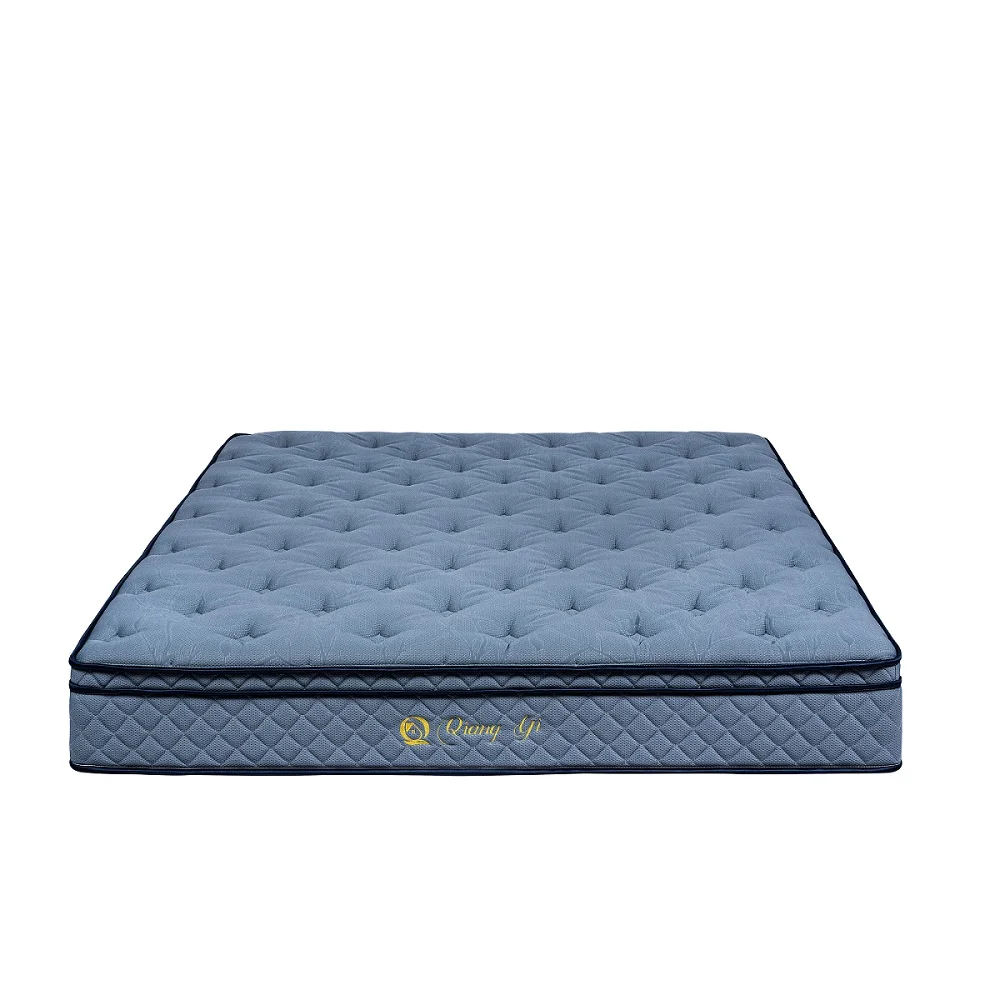
Guangdong Qiangyi Intelligent Manufacturing Technology Co., Ltd. includes QYM015 in the hybrid mattress range. Its description refers to silver-related rayon, a breathable 4D layer and pocket springs. It does not report the colour event considered in this article. The company’s quality assurance approach offers additional context for buyers. For a real incident, send the service team the cleaner label, lot details, treatment order, drying notes and controlled pictures. No conclusion drawn from colour can replace that record.
Conclusion
Leave the first mark alone. Residue may dry as a ring. A rubbed knit can look paler. Moisture underneath may bring the spot back. Compare it only when dry and follow the care method approved for this particular cover. Use direct tests for composition or antibacterial performance. A shade is not capable of answering either question.
FAQs
1. Does a gray or pale mark prove that silver was removed?
No. A shade cannot measure silver. The visible difference could instead be residue, displaced soil, abrasion, or an area that dried unevenly.
2. Is it safe to try a standard upholstery cleaner?
Only when it is included in the cover-specific approved method. Otherwise ask the supplier before applying it.
3. Why include a water-only control?
It shows whether wetting and handling change the fabric even without the cleaner being investigated.
4. What belongs in a supplier report?
Include the model, order and fabric lot if known, cleaner label, actual dilution, applicator, contact time, rubbing direction, rinse, drying conditions, photographs and approved control results.