


9th April 2026
How to Select the Best Hotel Mattress Supplier in China: A Buyer’s Guide for Hospitality Businesses
-
 author
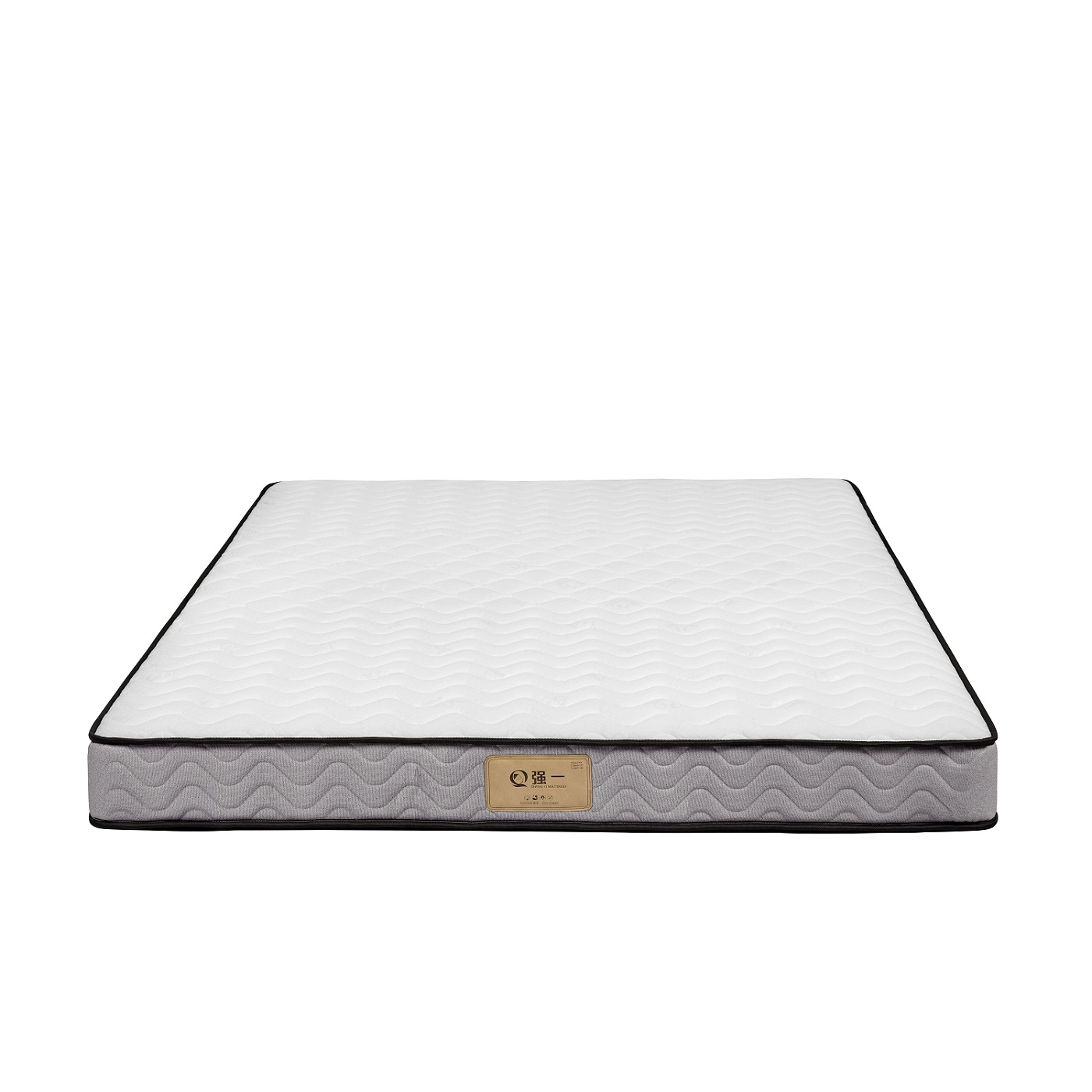
Running a hotel means your guests notice everything. But a bad night’s sleep? That can hurt your reviews quicker than almost anything else. A sagging mattress or one that holds in too much heat leaves people tossing and turning. So picking the right hotel mattress supplier in China makes a big difference for hospitality businesses. Whether you run a small boutique spot or manage a big chain, you want a partner that brings steady quality, tough durability, and features guests actually remember.
This guide takes you through the whole vetting process. We’ll look at factory checks, important certifications, minimum order sizes, and how much customization you can get. That helps you source smarter and skip expensive headaches later on.
Why Hotel Mattresses Demand Special Attention
Hotel mattresses go through much harder use than the ones people keep at home. Different guests every night, sometimes with fast room turnover. People expect that soft, sinking comfort, yet they also want firm support that holds up for years without dipping in the middle. Airflow and cleanliness matter a lot too. No one likes waking up sweaty or worrying about dust and allergens in a busy hotel room.
A good supplier gets all that. They make mattresses built for daily grind while still feeling high-end. Picture independent pocket springs that stop motion from traveling. Or extra layers that pull away moisture and naturally fight off bacteria. Little things like these turn an ordinary room into one guests talk about positively.
Key Factors to Evaluate When Choosing a Supplier
Begin with the obvious stuff: real experience serving hotels. The best partners have done this before and know exactly what high-occupancy properties need. Ask them about earlier jobs. How did their mattresses hold up after months of heavy use? What small changes did they make for hot or humid areas?
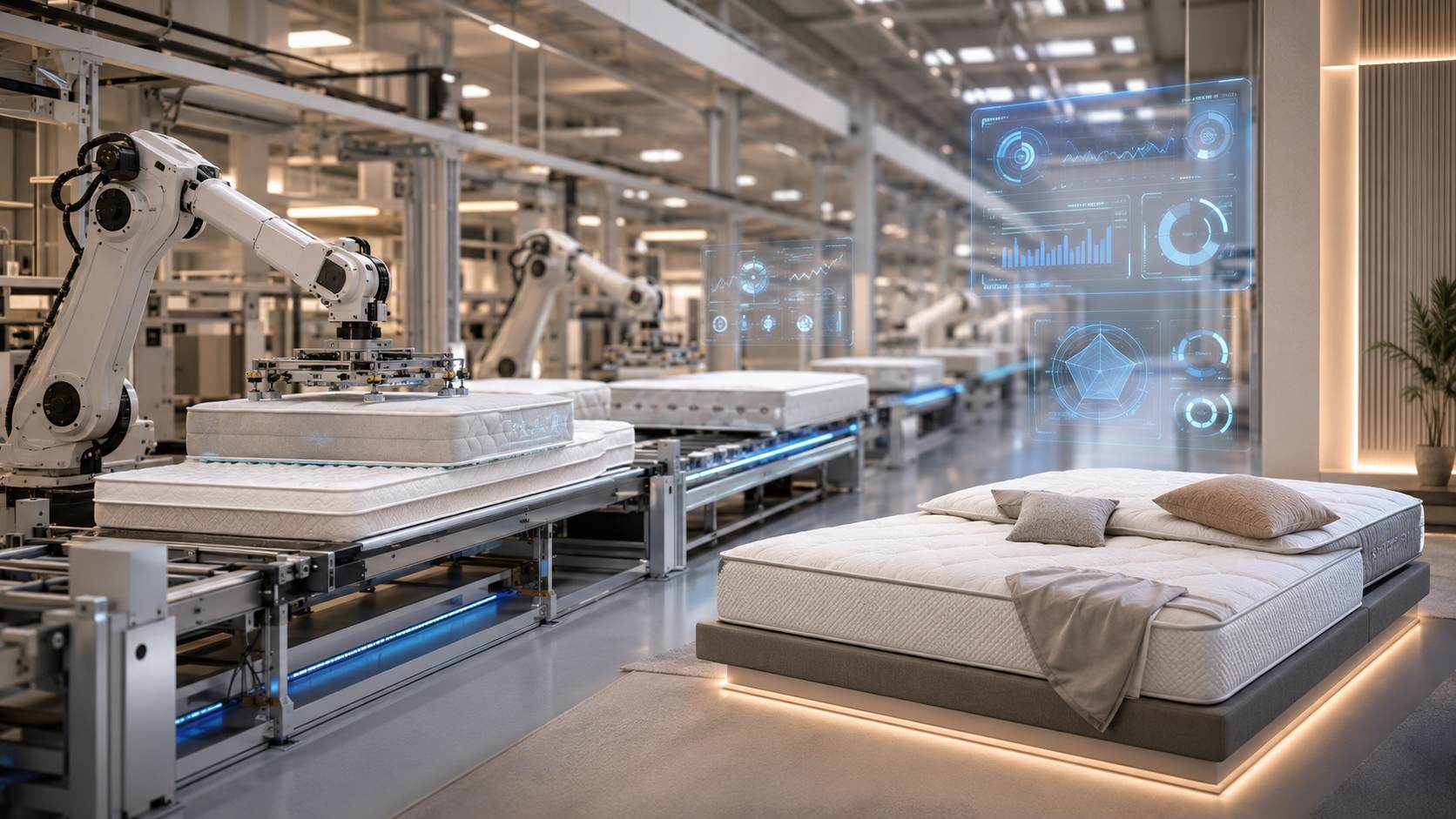
Then check their actual production setup. Modern plants around Foshan run automated lines that keep every piece feeling the same. Look for a facility close to 30,000 square meters with smart controls in place. That kind of size usually means they can handle bigger runs without losing attention to the small details.
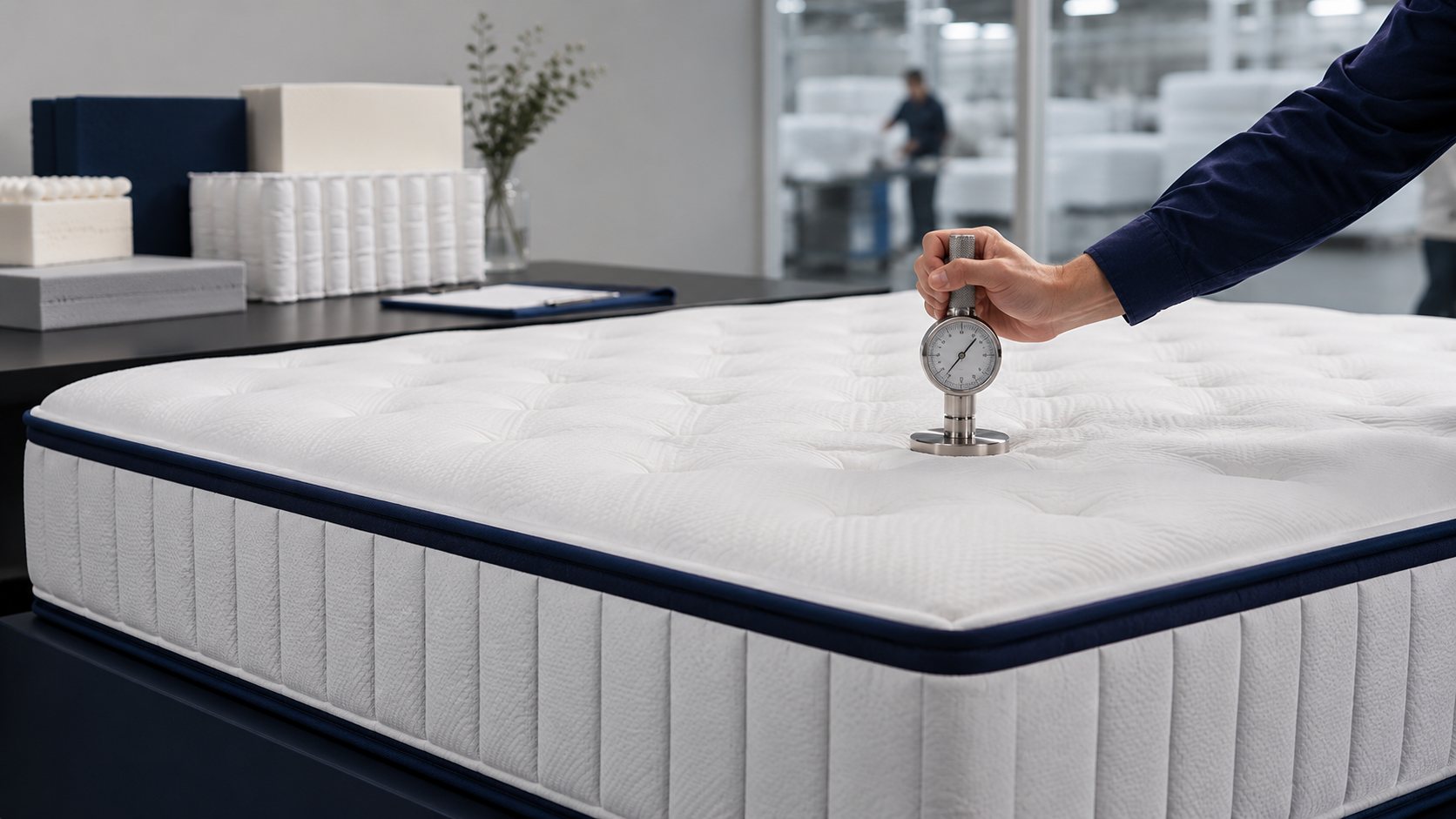
Factory audits matter more than you might think. Set up a visit yourself or bring in an outside inspector. Walk through the raw material area—fabrics and foams should stay clean and dry. Watch the line as springs go in and foam spreads evenly. Test the edges to see if they stay strong after repeated pressure. A straightforward supplier usually opens the doors wide because they trust their own work.
Certifications That Protect Your Guests and Your Reputation
Health and safety standards set the serious suppliers apart. CertiPUR-US on the foam layers, for example, shows the material skips harmful stuff like certain flame retardants or heavy metals. Guests rest easier knowing the mattress meets tight rules on emissions and content. A lot of buyers from the U.S. or Europe now expect this mark.
Other useful ones include ISO standards and EN tests for how well the mattress handles wear and keeps formaldehyde low. These go beyond just forms on paper. They prove the product passed real lab checks for squeezing, rubbing, and long-term use—often running 30,000 cycles or more on the springs.
For hotels, antibacterial and anti-mite touches bring extra peace of mind. Special fabrics or fibers help the surface stay clean and fresh even with constant guests coming through. Add strong breathable layers, and you hear fewer complaints about stuffy rooms or morning congestion.
Understanding MOQs and Lead Times
Minimum order quantities trip up plenty of new buyers. For regular hotel mattress styles, many factories start at around 30 to 50 pieces per size or color variation. That works nicely when you’re testing a new property or doing a small refresh. Custom designs often need more—sometimes a whole container—to cover the setup costs fairly.
Be honest about your project size from the start. A flexible supplier might bend a bit for trial runs, even if the per-unit price sits a little higher. Lead times usually fall between 25 and 35 days once you pay the deposit and approve the final design. Rush orders for bigger batches can sometimes move quicker if you get priority on the schedule.
Don’t forget packaging. Vacuum-compressed and rolled versions cut down on shipping space and costs. That helps a ton when you ship to several locations at once.
Customization Capabilities for Your Brand
Most hospitality buyers skip plain off-the-shelf options. You need mattresses that match your exact firmness level, overall height, and even the cover fabric so everything ties together with your room style.
Strong OEM/ODM services make the difference here. With OEM, they build straight to your drawings and specs, including your own logo. ODM lets them suggest smart tweaks, like improving airflow in a 4D air fiber layer without pushing costs too high.
Here’s a real scenario: One mid-sized hotel group wanted medium-firm feel plus extra edge support so guests wouldn’t roll off the side. The supplier adjusted the pocket spring arrangement and added a bit more reinforcing foam. Nothing too crazy. In the end, maintenance calls dropped and online ratings climbed.
Always ask for samples early. Lie down on them yourself. Roll around a bit, sit right on the edge, and see how fast the shape bounces back. Hold your hand on the surface for a few minutes to feel if heat builds up.
What Makes a Breathable Antibacterial Mattress Stand Out
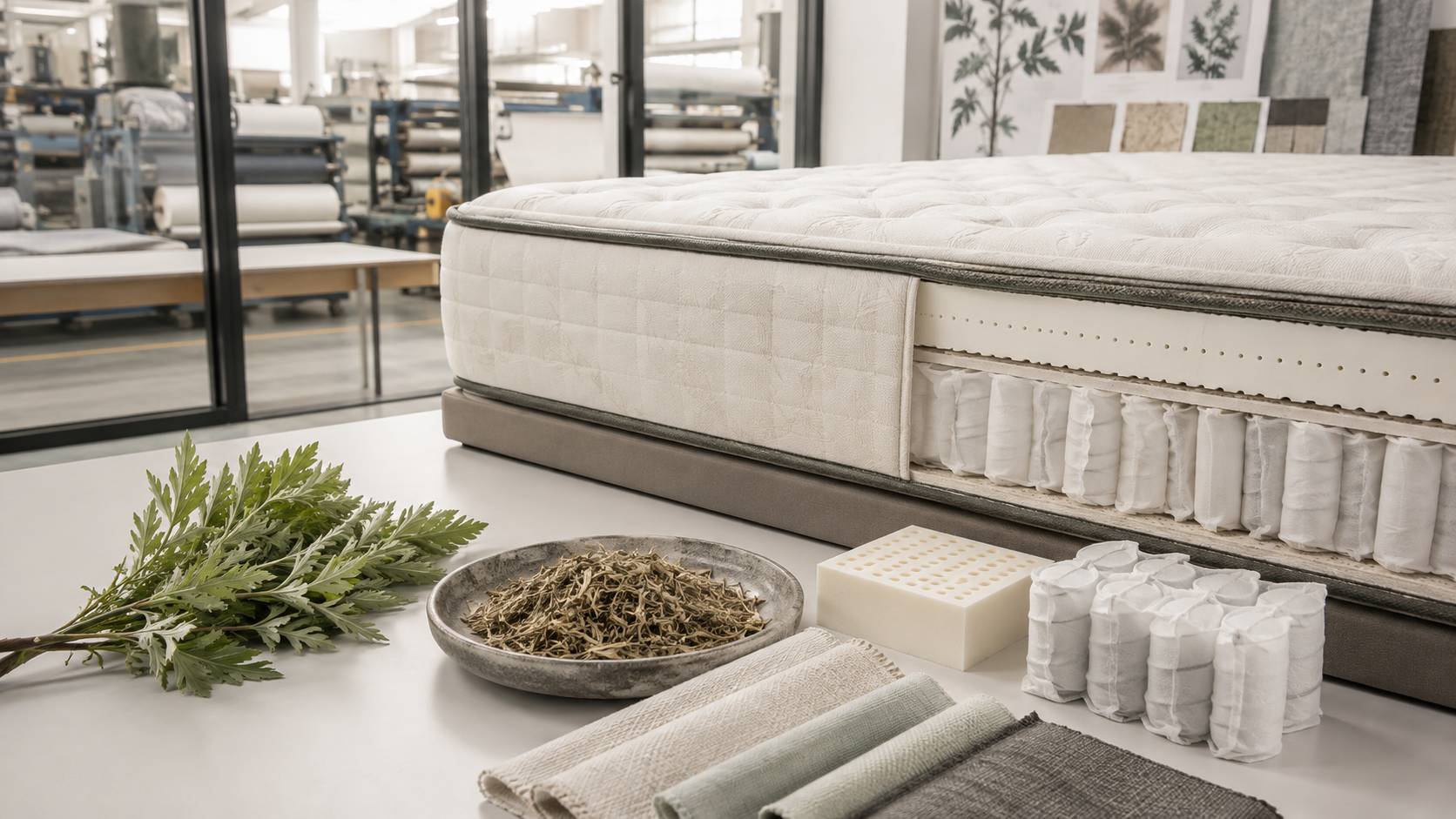
These days, a breathable antibacterial mattress fixes several headaches all at once. Consider a model with 4D air fiber layers—those hollow polymer bits that trap roughly 90 percent air. Air moves freely through them, carrying moisture away so the top stays dry and cooler, even during busy summer months or in sticky climates.
Layer that with soft cloud-feel foam that hugs the body nicely and independent pocket springs from solid high-grade steel. Each spring works on its own, so one person shifting around doesn’t wake up their partner. The antibacterial side comes from natural elements or special fibers that hold back bacteria and dust mites. Perfect for places that welcome families or folks sensitive to allergies.
Durability shows up in the fine points. Springs often carry 15-year guarantees after serious testing. Thick non-woven wraps last three times longer than basic ones. Knitted covers feel plush yet resist pilling after repeated washing and guest use.
Hotels that pick these kinds of mattresses notice real wins: housekeeping spends less time on upkeep, and guest scores tied to sleep quality keep rising.
Introducing Qiangyi as Your Reliable Partner
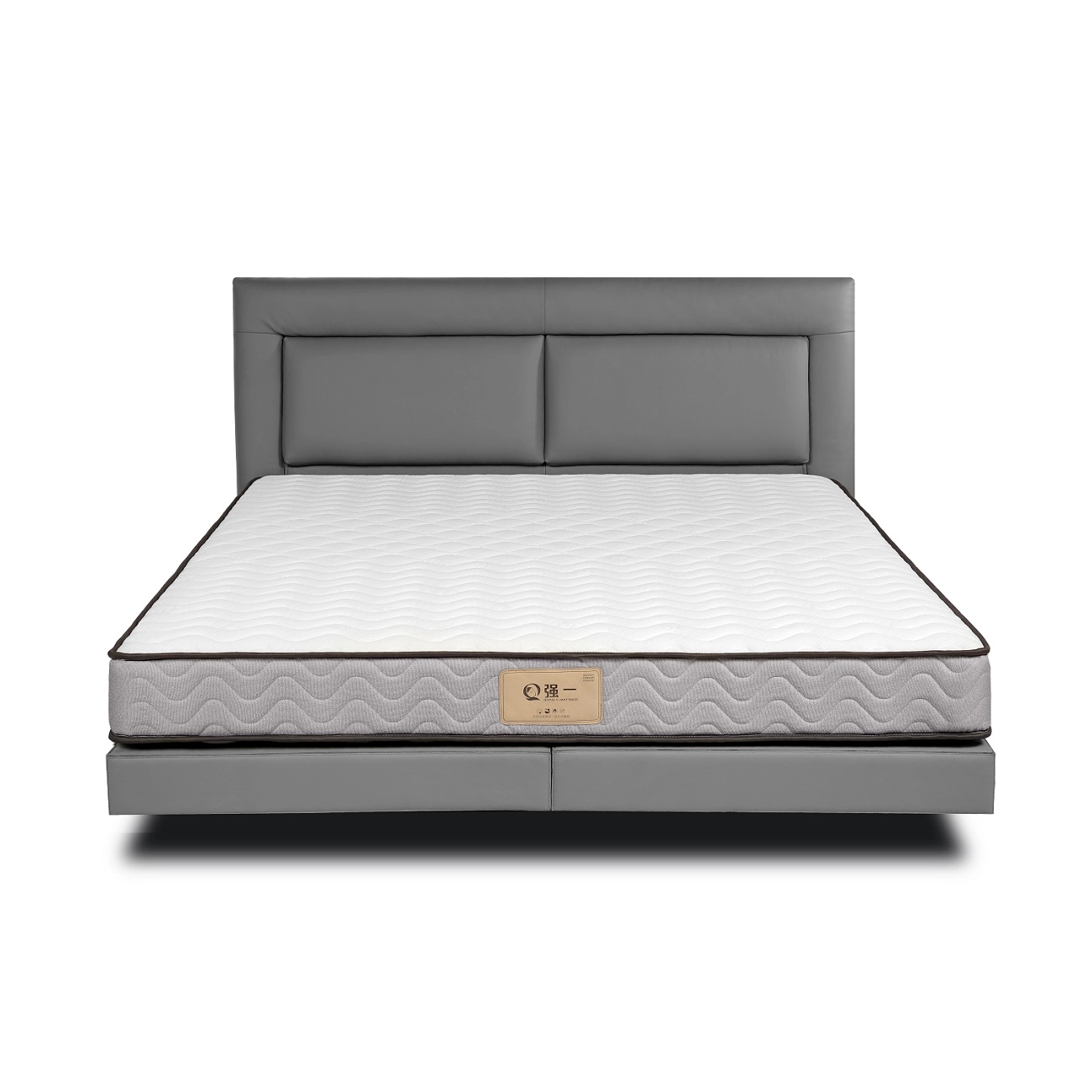
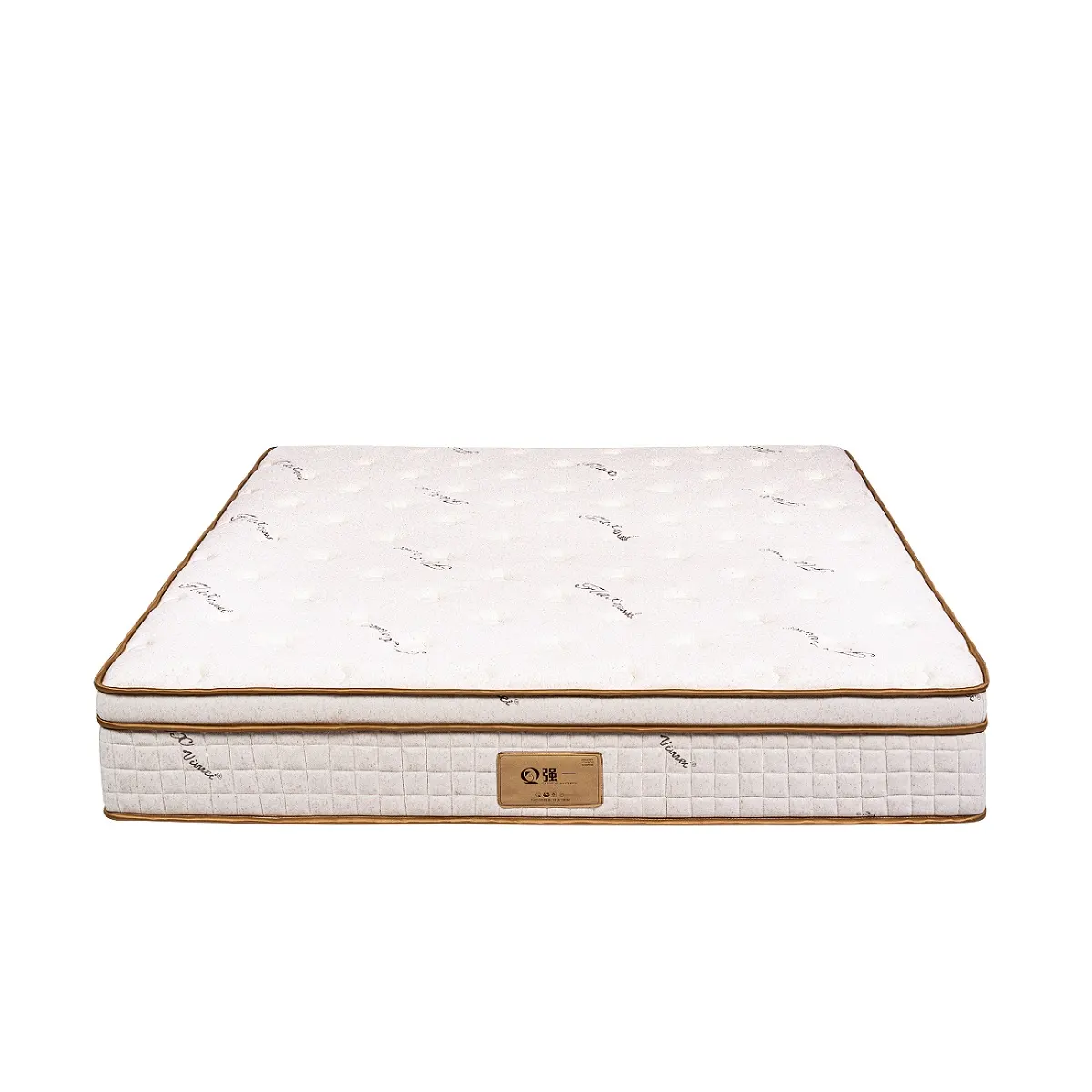
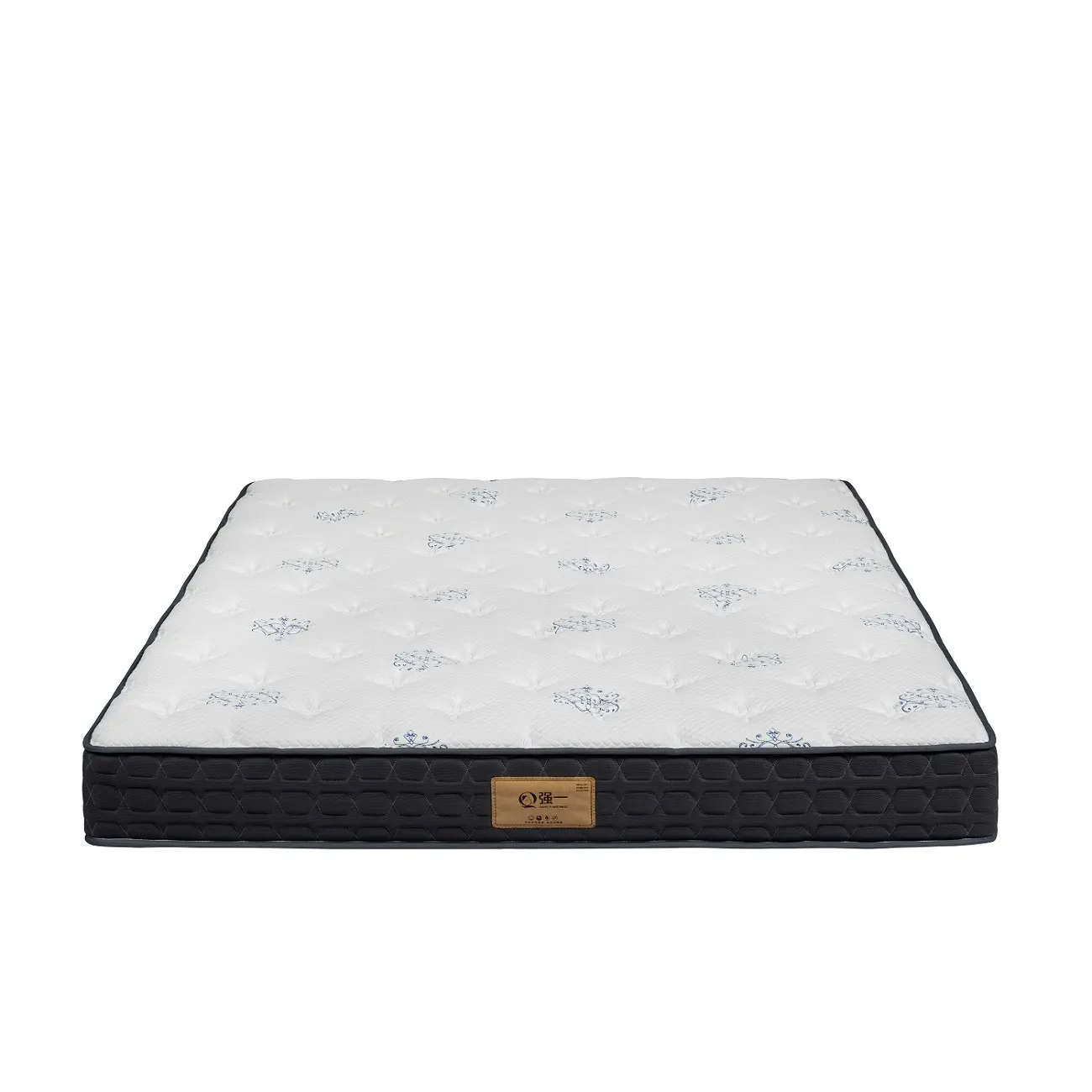
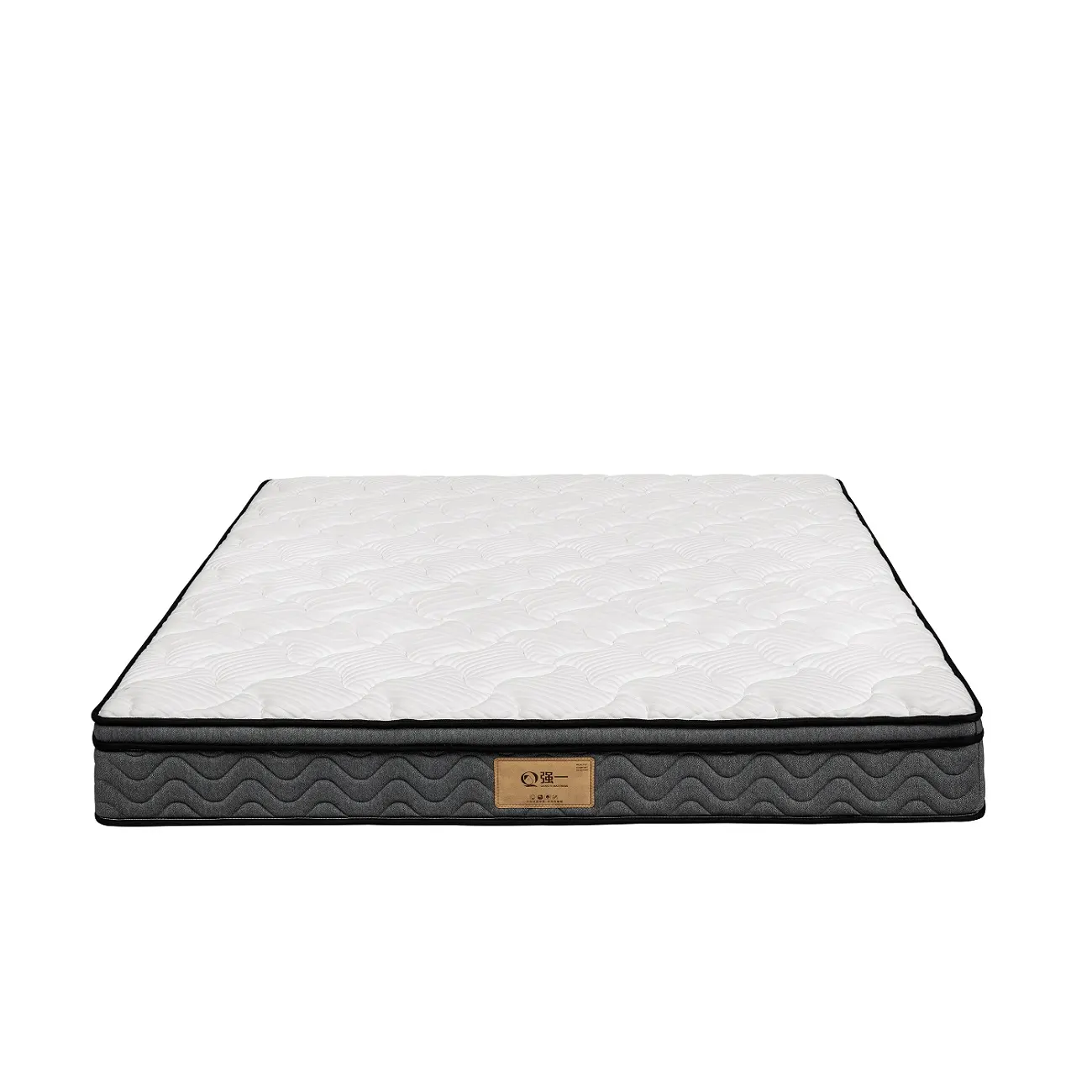
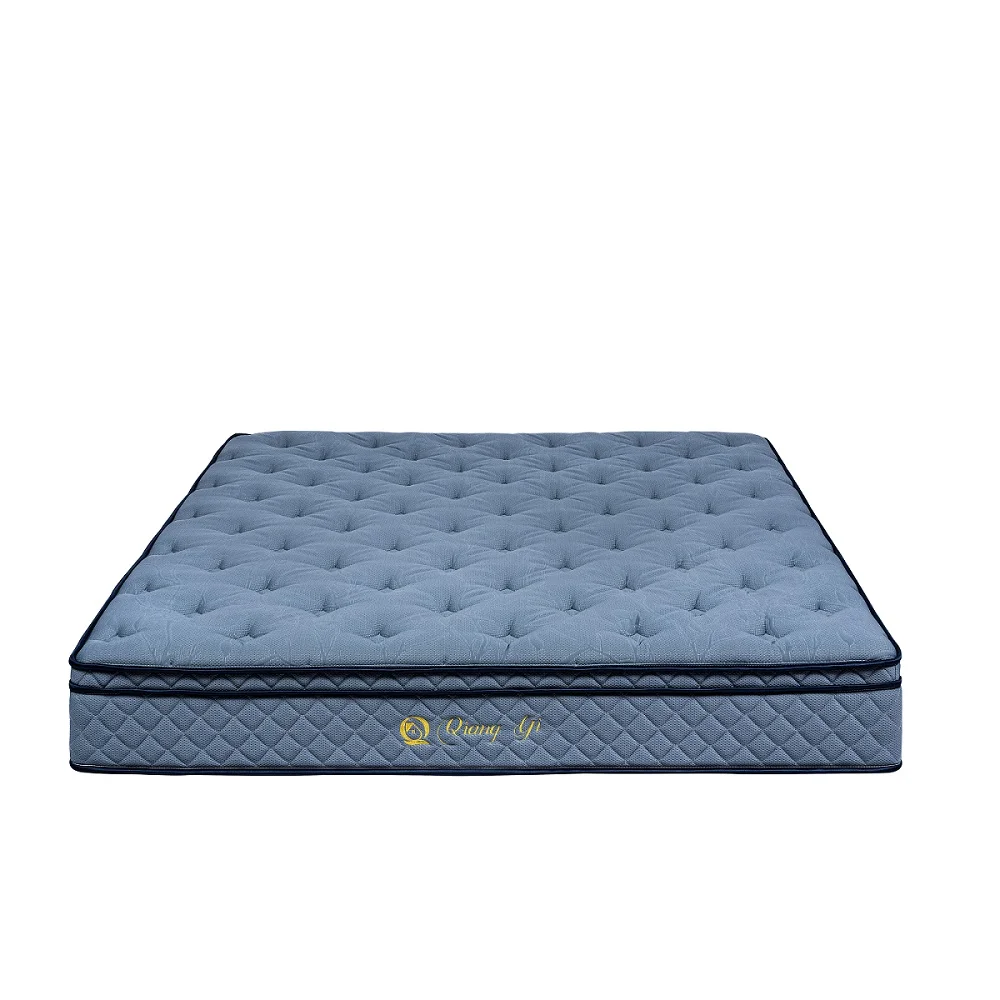
Qiangyi works as a supplier that focuses hard on giving customers full, professional, quick, and smart mattress production solutions. They run a 30,000㎡ Industry 4.0 plant in Foshan, Guangdong. The company draws on years of know-how from its parent group, which started in high-quality materials back in the early 2000s. They handle complete one-stop OEM and ODM work aimed at hospitality clients worldwide, covering design samples all the way through big production runs and shipping.
Their hotel mattresses put real performance first—strong pocket spring systems, clever 4D airflow tech, and antibacterial touches that help create cleaner, more comfortable stays for guests. In-house tests check spring wear, foam firmness, and material safety against international rules. Production stays flexible for different order sizes. Buyers who want an open, dependable partner that cares about steady quality and timely delivery often find Qiangyi fits the bill nicely for growing their hospitality projects.
Conclusion
Picking the right hotel mattress supplier in China boils down to juggling solid quality, good customization options, and day-to-day reliability. Spend time walking through facilities, checking certifications, and trying samples under conditions close to actual hotel life. Look for partners who really understand airflow, cleanliness, and how long a mattress needs to last. Those details build guest loyalty and keep your costs in check over time.
The work pays off when rooms earn great feedback for comfort and when your mattresses keep doing their job season after season.
FAQs
What should I look for in a breathable antibacterial mattress for my hotel?
Focus on layers like 4D air fiber that move air well and control moisture. Combine them with natural or special antibacterial elements. These keep the surface feeling fresher and cooler under heavy daily use. They also cut down on allergens and cut guest complaints about feeling too warm or waking up stuffy.
How do MOQs work when ordering hotel mattresses from a Chinese supplier?
Standard MOQs often sit between 30 and 50 pieces for regular models, so you can start small or test new markets. Custom work may need bigger volumes to keep things efficient. Talk about your project early—many suppliers stay flexible for hotels that are opening new spots or doing renovations.
Why are factory audits important when sourcing hotel mattresses?
Audits let you see exactly how materials get stored, how springs and foam come together, and whether checks happen at every step. They catch small problems—like weak edge support or fabric that wears out fast—before full production starts. That saves you from returns or upset guests later.
Can a supplier customize firmness and size for different hotel room types?
Yes, solid OEM and ODM skills let them tweak firmness, thickness, and exact dimensions to fit king, queen, or twin beds. You can also match cover fabrics and packaging to your overall brand look, so every room feels put together and comfortable.
What certifications matter most for hotel mattresses sold internationally?
Pay attention to CertiPUR-US for the foam parts because it covers chemical safety. Add ISO and EN standards that test durability and keep emissions low. These give both you and your guests confidence and help meet buying rules in important markets.