


13th August 2026
What Mattress Buyers Expect from Chinese Manufacturers in 2026
-
 author

In 2026, mattress buyers are looking past showroom samples and low unit prices. They want a supplier that can turn a commercial idea into a repeatable specification, document every critical layer, and keep that construction stable through scale-up and repeat orders. The practical questions come first: Will a compressed mattress recover to the approved height? Can the factory explain foam density, spring structure, fabric weight, and tolerance? Are test records tied to the model being purchased? A capable Chinese mattress manufacturer should answer before production, not after a complaint.
Can the Manufacturer Turn a Product Idea into a Controlled Specification?
A request for a medium-firm hybrid or budget foam mattress is useful commercially but too loose for manufacturing. Buyers now expect a written construction that connects comfort, price, shipping method, and target market.
Which Details Should Be Settled Before Sampling?
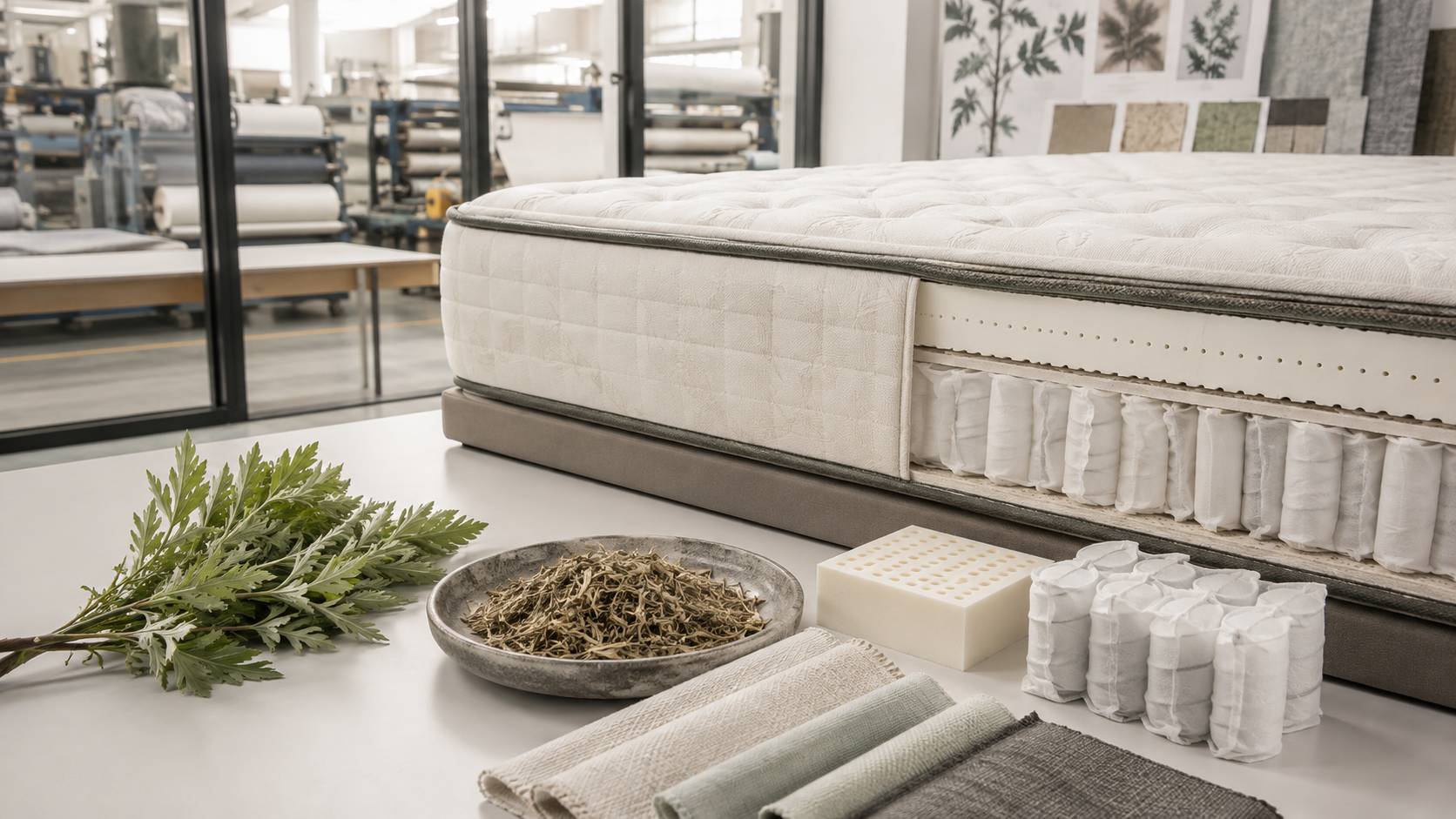
The specification should identify cover fabric, quilting materials, comfort-layer thickness, foam type, density, hardness range, spring unit, wire gauge, edge structure, adhesive method, total height, and dimensional tolerance. For a hybrid, coil count alone is insufficient; coil diameter, zoning, turns, and border design also affect the result.
Ask which sample elements are adjustable and which changes require new testing or pricing. A softer top layer may improve first contact but also change packed size, recovery, and edge behavior.
How Should Comfort Be Recorded for Repeat Production?
Terms such as plush and firm vary by market and by person. Pair the approved physical sample with measurable construction data and an agreed comparison method. A sealed reference sample or signed layer sheet should carry the final model code.
Without that record, a repeat order placed months later may be rebuilt from email comments or currently available materials. Small differences then accumulate across foam, quilting, and cover tension.
What Evidence Should Support Durability, Safety, and Material Claims?
Buyers expect proof that matches the finished mattress, not a folder of unrelated certificates. A fabric report does not validate the complete build, and a foam data sheet does not show recovery after rolling or repeated loading.
Which Tests Help Buyers Compare Performance?
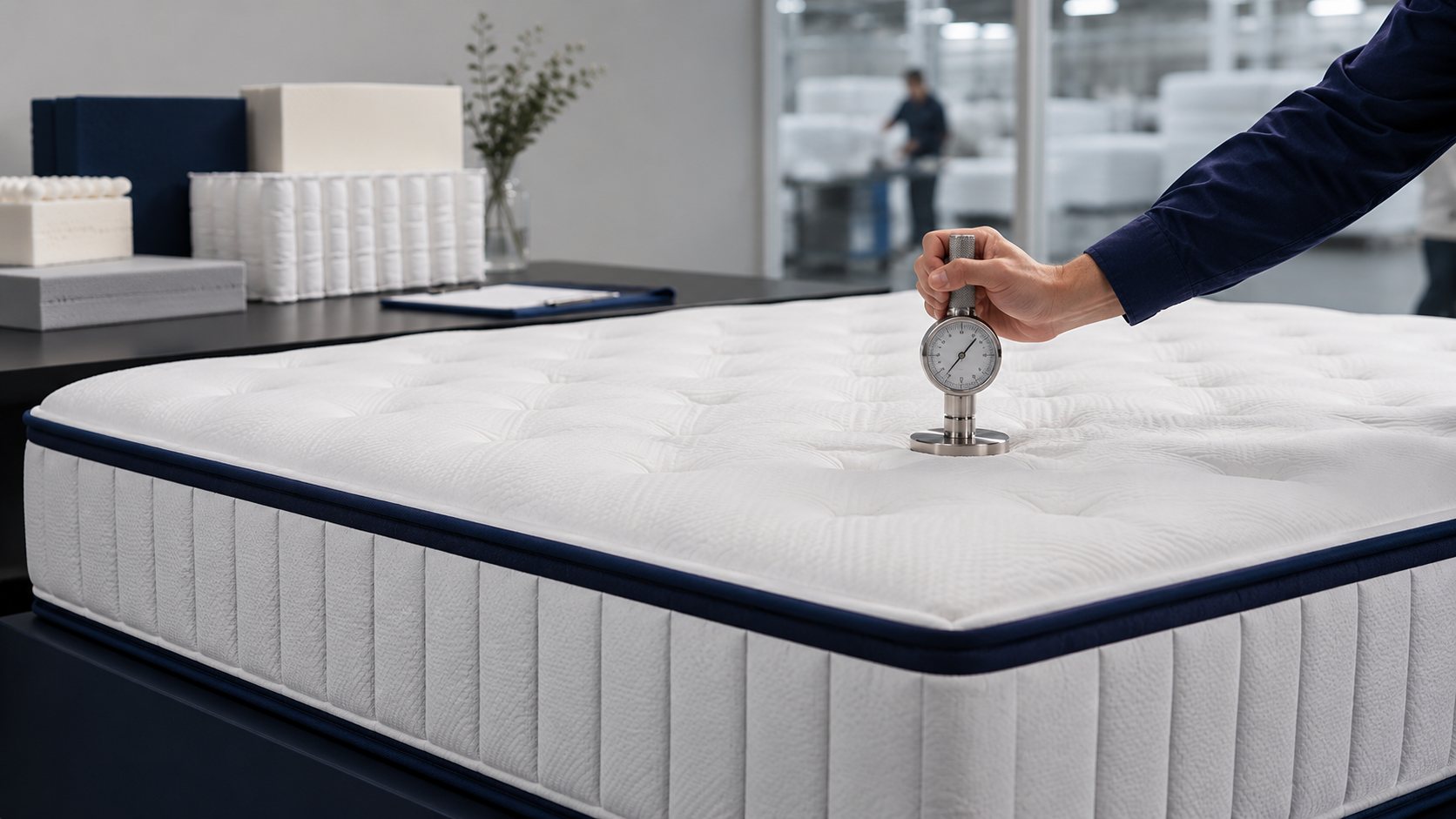
ISO 23769:2021 covers methods for evaluating mattress durability, height loss, and hardness. Foam assessment may consider density, compression behavior, resilience, airflow, tear strength, and fatigue. ISO 24975:2026 also sets measurement methods and recommended tolerances for mattress and bed dimensions, making fit a defined requirement rather than a nominal label.
The buyer should ask what was tested, when it was made, and whether the tested construction matches the order. A report for a similar model is background information, not proof for a new layer stack.
How Should Destination-Market Compliance Be Handled?
For the United States, mattresses and mattress sets are subject to federal flammability requirements under 16 C.F.R. parts 1632 and 1633, covering smoldering ignition and open-flame performance. Certification and recordkeeping should connect to the applicable product and manufacturing information.
For any market, confirm labeling, test scope, model grouping, responsible parties, and document retention before the purchase order. Safety, chemical, labeling, and product-document requirements should shape the approval plan from the beginning.
How Should Customization, MOQ, and Compression Be Managed?
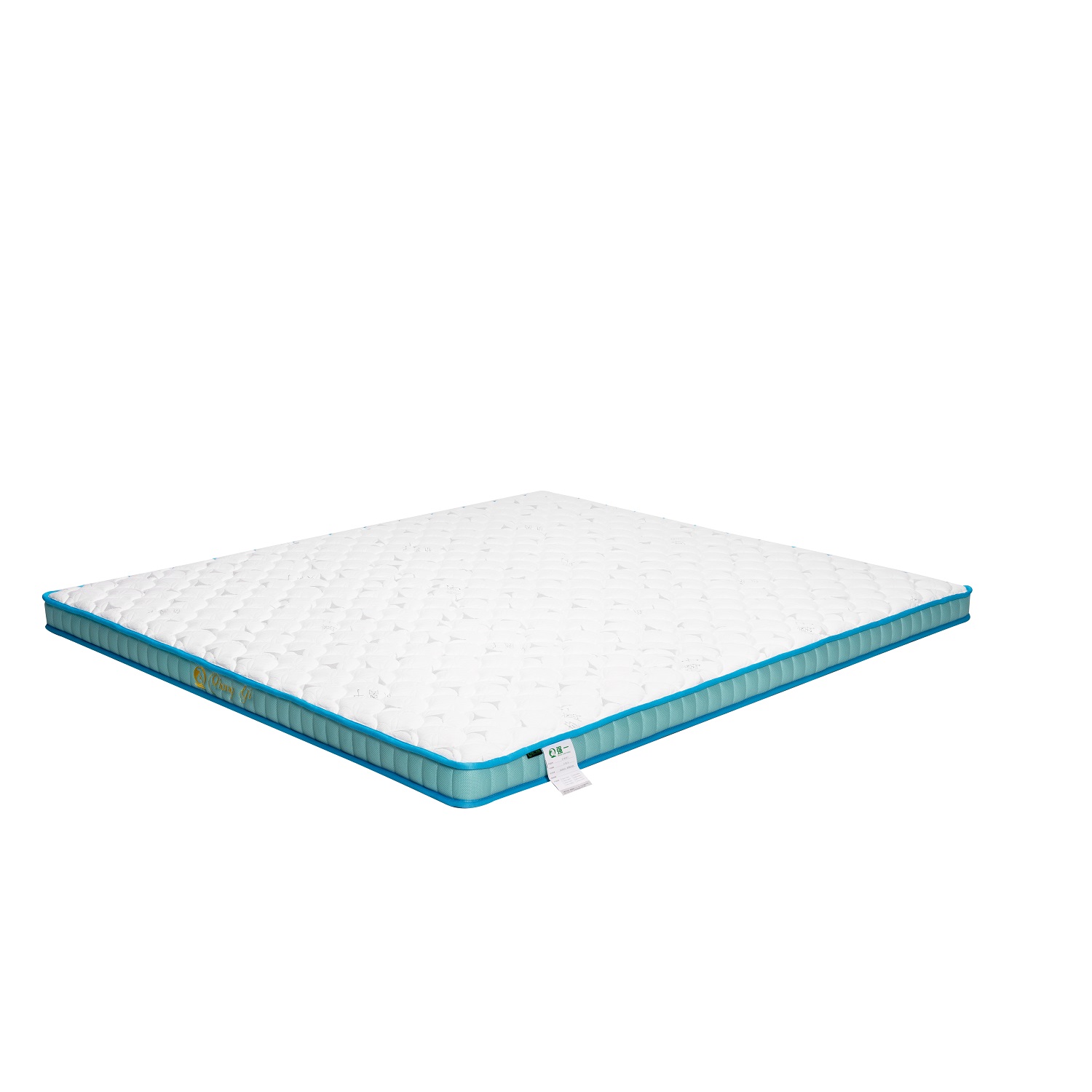
Customization adds value when it creates a distinct product. It becomes expensive when every size, firmness, fabric, carton, and label is treated as a separate program without a volume plan.
Where Can a Factory Stay Flexible Without Losing Control?
A practical range may use one spring core with several comfort-layer options, or one foam construction with different covers and firmness levels. Controlled platforms reduce material variation and simplify testing, costing, and replenishment.
MOQ should be discussed by component. Fabric knitting, quilting, printed cartons, labels, foam cutting, and spring production can each have a different economic batch size. A low finished-product MOQ may still leave unused packaging or custom material.
What Should Be Checked Before Approving Roll-Packed Models?
Compression and rolling reduce freight volume but introduce recovery risks. Define maximum compression time, unpacking instructions, recovery period, final height tolerance, odor expectations, corner shape, and acceptable surface marks.
The trial should use production-intent foam, springs, fabric, bag, carton, and machine settings. Check carton strength, seal integrity, packed dimensions, and loading pattern as well as the mattress itself.
Which Factory Controls Protect Repeat-Order Consistency?
A mattress can drift because foam density changes, springs come from another source, quilting tension shifts, or an operator substitutes a similar-looking fabric. Repeatability depends on controls that catch those differences before packing.
What Should Incoming and In-Process Inspection Cover?
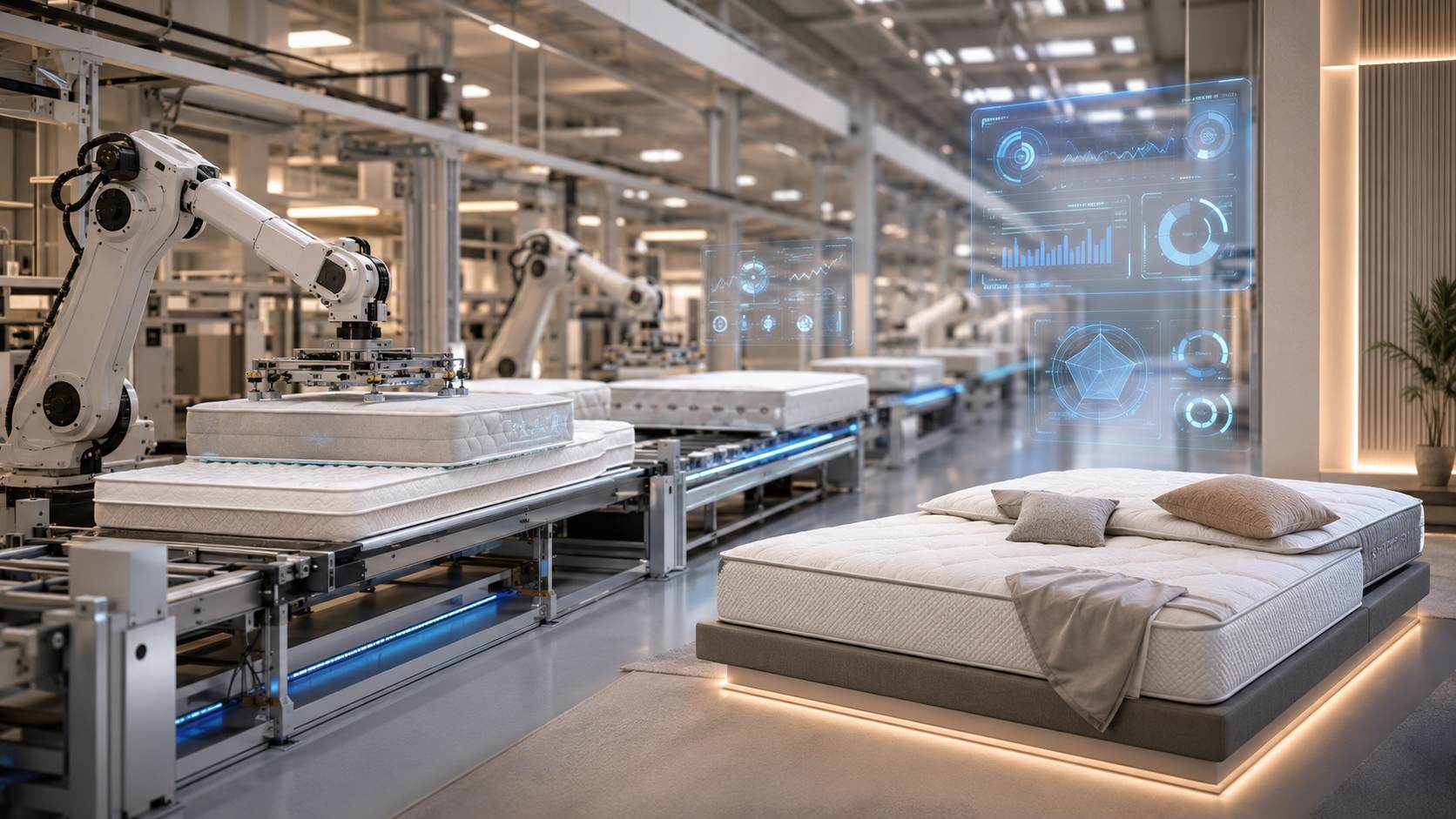
Incoming checks should verify fabric weight and appearance, foam identity and dimensions, spring-unit size, wire specification, adhesive, labels, and packaging. During production, control cutting, layer sequence, glue coverage, quilting pattern, border assembly, finished height, appearance, and packed size.
Inspection should follow the construction risk. Foam mattresses need close checks on layer thickness and density; pocket-spring models may require more attention to spring alignment, edge support, and layer bonding.
How Should Samples and Traceability Be Used?
The approved sample should have a model code, date, layer sheet, component references, and signed acceptance record. Production lots need batch identification linking finished mattresses to key materials and inspection results.
Retained samples help, but records matter more. A complaint should be compared with the approved specification and production data, not debated only through descriptions of feel, smell, or appearance.
What Separates a Dependable Supplier from a Low Quotation?
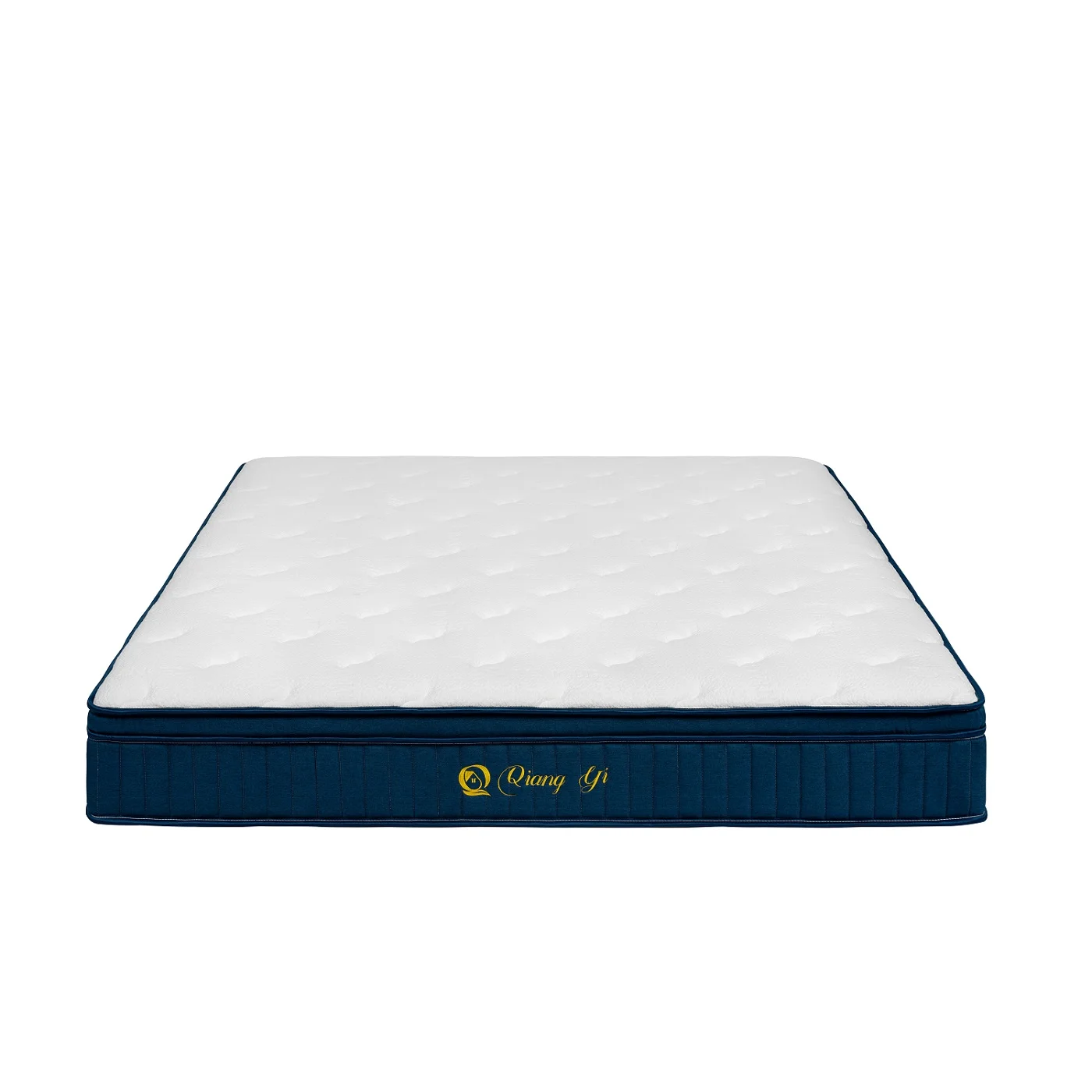
Price matters, but a dependable supplier reduces the unknowns carried by the buyer. The difference often appears before sampling, in the detail and limits written into the quotation.
What Should a Technically Useful Quotation Include?
The quotation should identify layer construction, material grades, dimensions, tolerance, firmness basis, packaging method, carton size, loading assumptions, MOQ, lead time, testing responsibility, and exclusions.
Descriptions such as high-density foam or premium fabric are not sufficient without measurable values. Vague wording leaves room for substitution and makes comparisons between factories unreliable.
How Should Communication and Change Control Work?
The buyer needs one controlled approval file and a clear contact for technical, quality, and commercial decisions. Changes to foam, fabric, spring unit, adhesive, quilting, fire barrier, carton, or compression settings should require written review.
Complaint handling should begin with the model, batch, unpacking date, photographs, measurements, and storage conditions. Precise questions are more useful than an immediate, unsupported explanation.
How Can a Mattress Manufacturer Support Overseas Buyers?
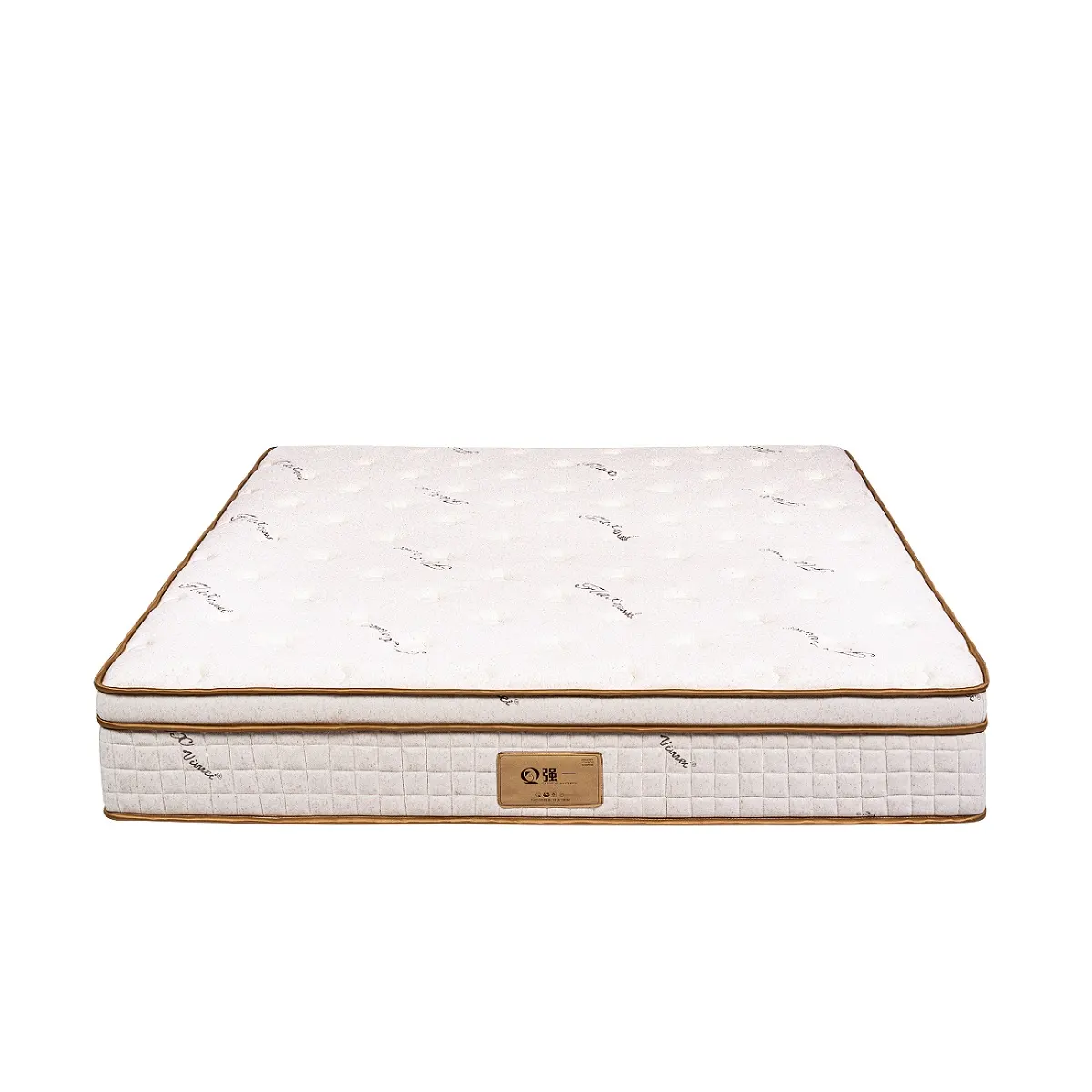
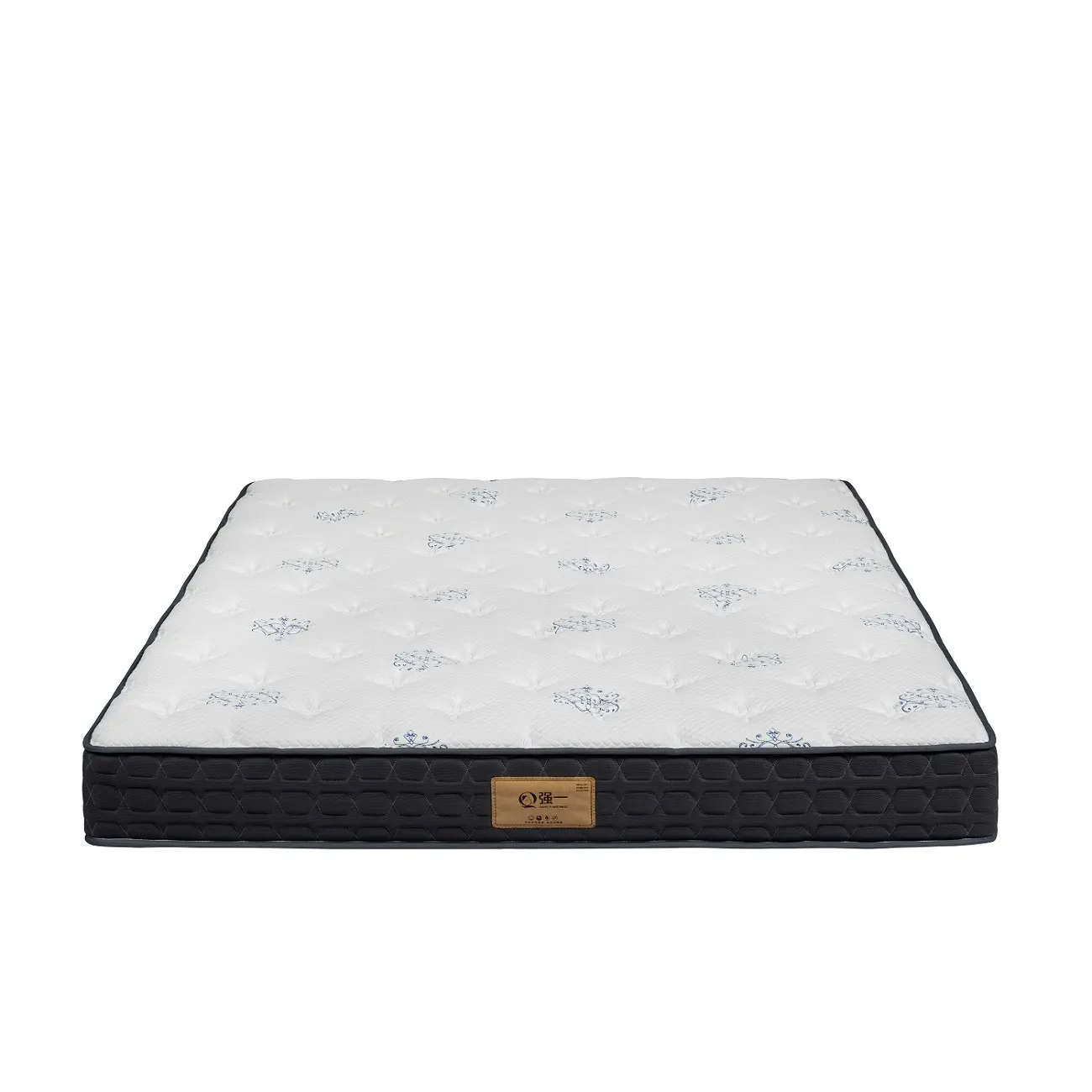
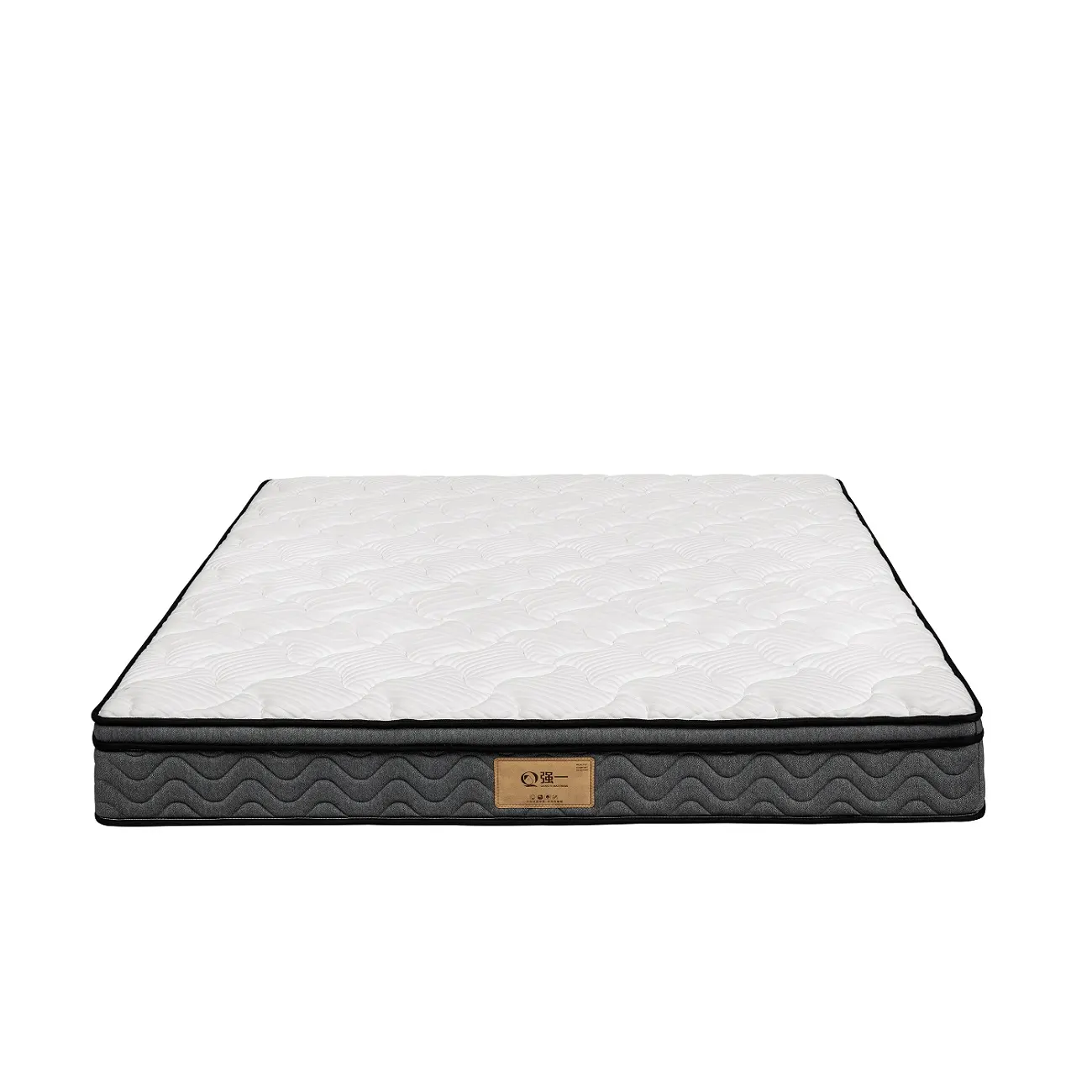
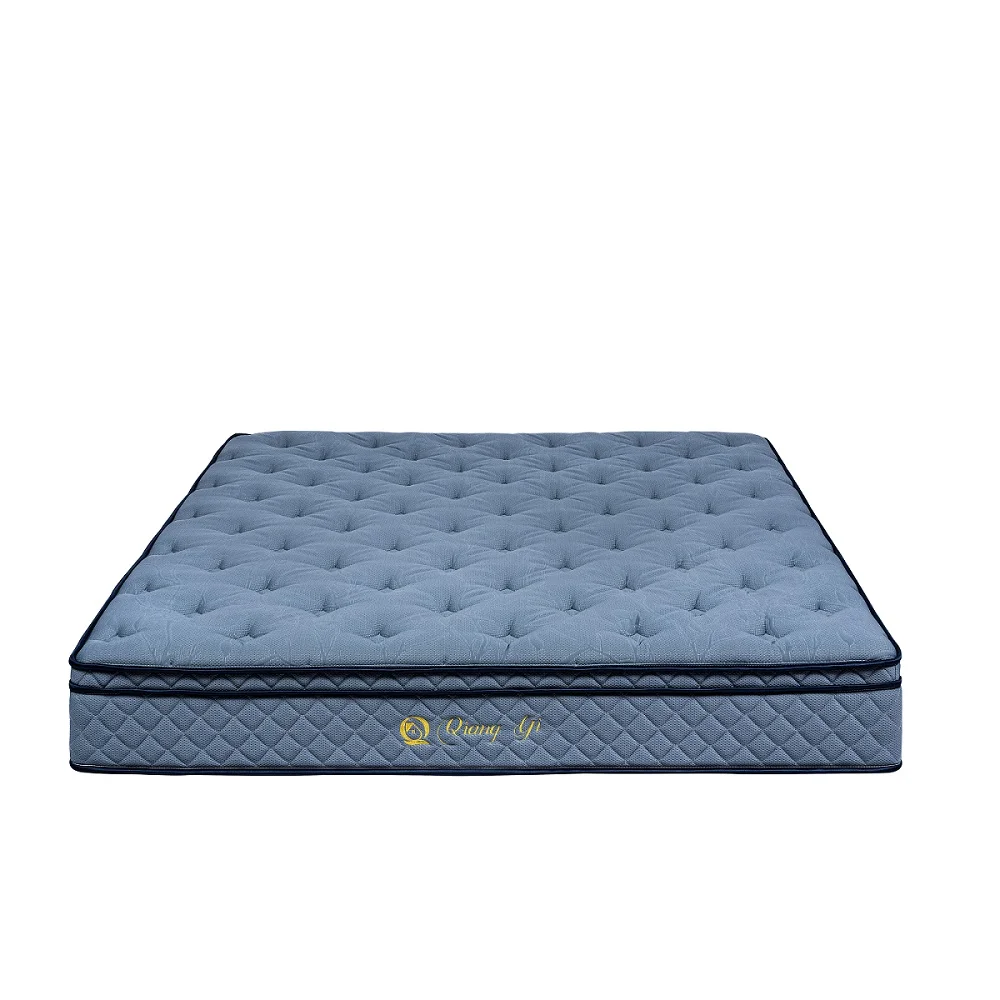
Guangdong Qiangyi Intelligent Manufacturing Technology Co., Ltd. manufactures mattresses for private-label, wholesale, hospitality, retail, and project-based purchasing. Buyers can provide the target market, mattress type, size range, firmness, layer concept, cover preference, packaging method, order quantity, and cost target. Project review can then define foam specifications, spring construction, quilting, edge support, finished dimensions, compression requirements, labeling, testing, and carton details. Before mass production, both parties should approve the physical sample, signed layer sheet, measurable tolerances, packaging trial, inspection plan, batch identification, and change-notification process. These records give procurement and receiving teams a practical basis for comparing production with the approved model.
Conclusion
What mattress buyers expect from Chinese manufacturers in 2026 is clear: precise specifications, relevant test evidence, controlled customization, reliable compression recovery, and documented repeatability. A convincing sample matters, but the approval system behind it matters more. Buyers should compare factories by how well they define materials, tolerances, testing, packaging, traceability, and changes. The stronger supplier removes ambiguity before production and can explain what will remain consistent on the next order.
FAQs
1. What Should Buyers Ask a Chinese Mattress Manufacturer First?
Ask for the proposed construction, material specifications, firmness basis, dimensional tolerance, packaging method, MOQ, lead time, test plan, and change-control process before comparing unit prices.
2. How Can Buyers Verify Mattress Foam Quality?
Request foam type, density, hardness range, thickness, supplier traceability, and relevant test data. Compare production samples with the approved construction after normal recovery and conditioning.
3. What Should Be Tested on a Compressed Mattress?
Check packed dimensions, bag and carton integrity, recovery time, final height, corner shape, surface condition, odor, firmness, and performance after the intended maximum compression period.
4. Why Do Repeat Mattress Orders Sometimes Feel Different?
Common causes include foam variation, substituted fabric, changed spring units, quilting tension, adhesive coverage, layer thickness, compression settings, or an approval file without measurable limits.
5. Which Documents Should Overseas Mattress Buyers Request?
Request the approved specification, layer sheet, drawings, relevant test reports, labeling files, inspection criteria, batch records, packing details, and written notification requirements for material or process changes.