


14th August 2026
Why New Mattress Odors Happen and How Low-Emission Materials Are Changing Sleep Products in 2026
-
 author
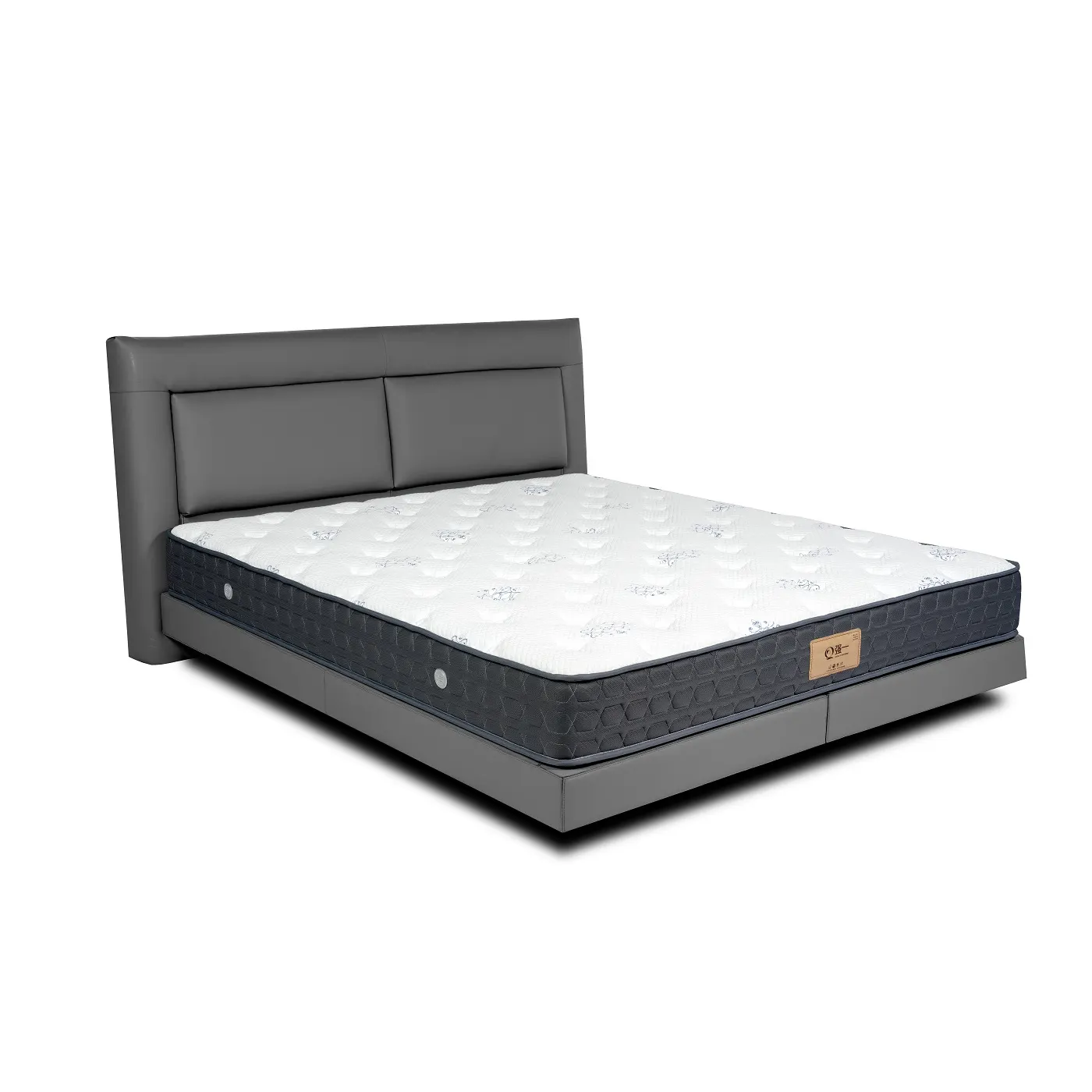
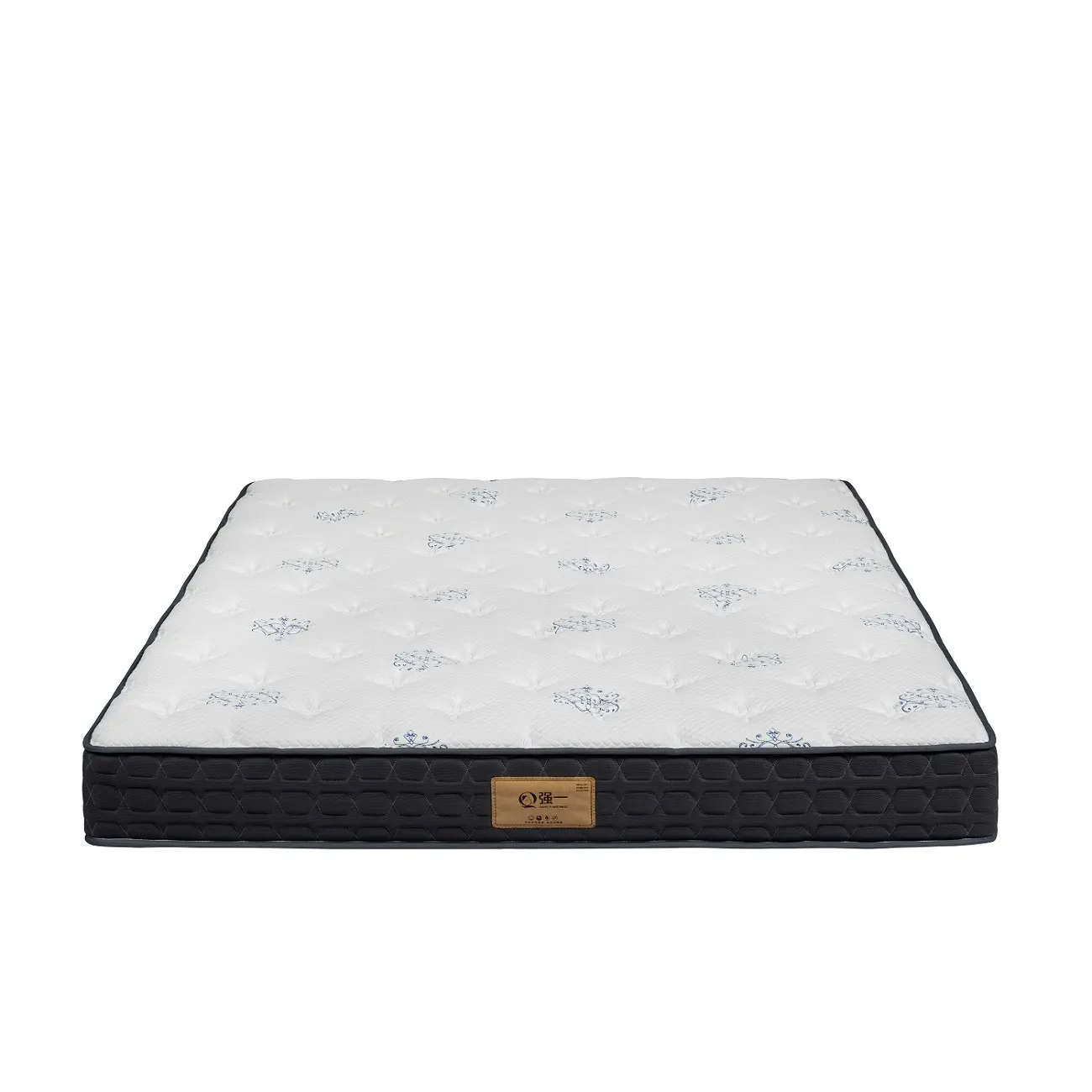
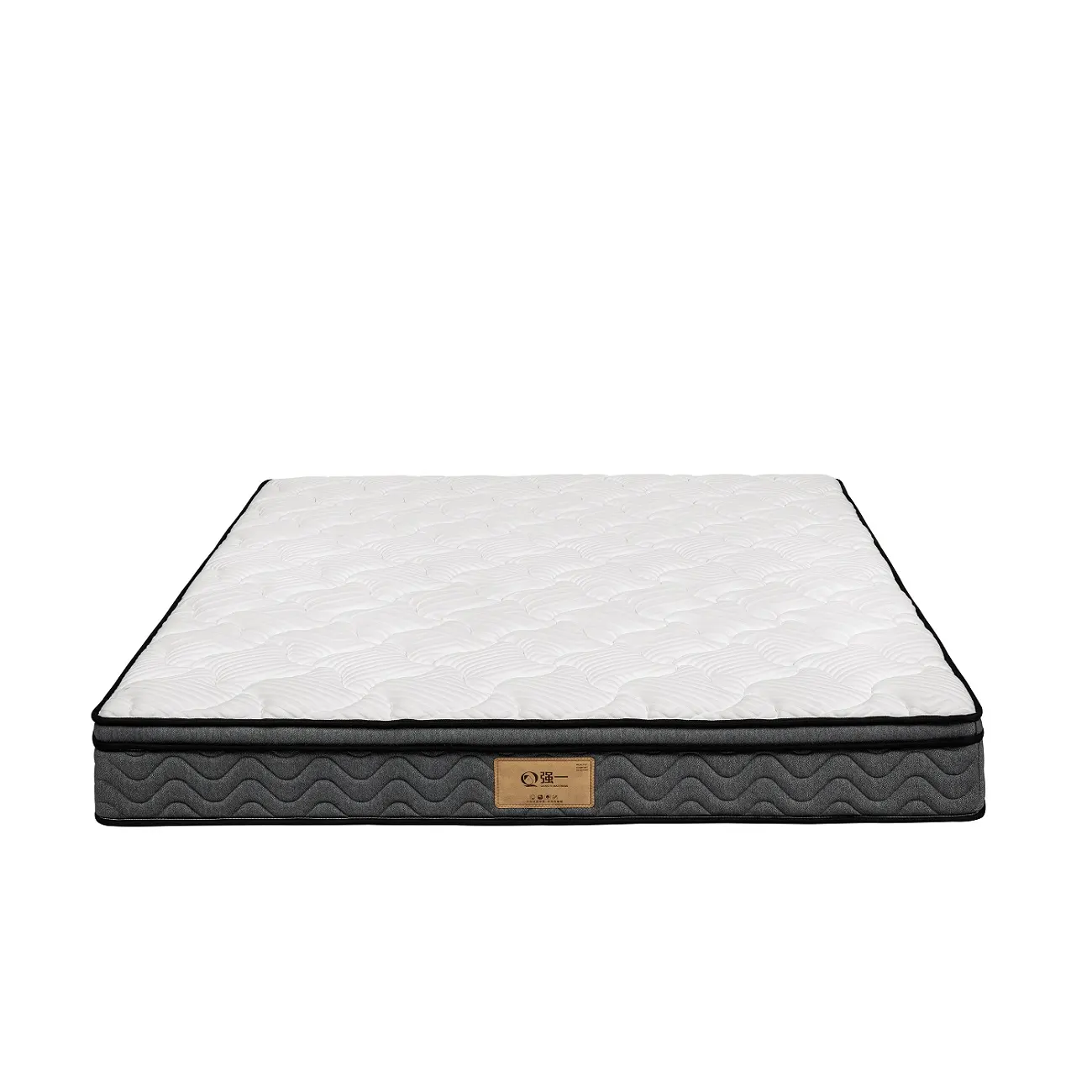
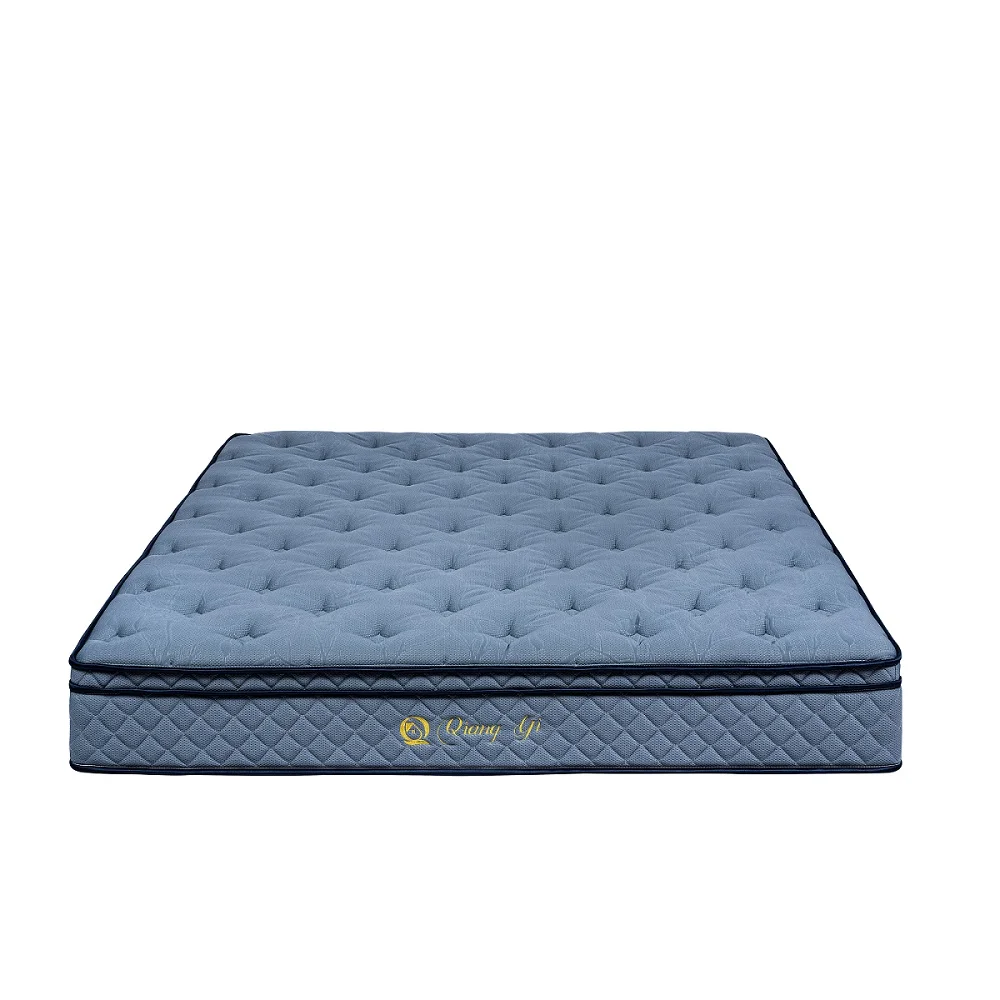
The first thing that a customer buys a compressed mattress and opens it on the floor may notice is not a pleasant or unpleasant firmer or a nice cover. The smell that comes from the product can be caused by the composition of the foam, adhesives, textiles, packaging film, and concentrated inside the bag. This unpleasant odor is quickly eliminated during the first use and disappearance after unfolding, but the buyer should know what causes it and how the product was tested to ensure safety and quality. At the same time, in the context of 2026, reducing the smell of a new mattress is a serious issue of selection of materials and technological process, not a call to extract the smell in the air of the room where the product has been unfolded on the floor.
Why Does a New Mattress Produce a Noticeable Odor?
A mattress contains several manufactured materials assembled shortly before compression and packing. Each layer may release small amounts of volatile compounds, and sealing the finished product in plastic limits ventilation before delivery.
Does the Smell Always Come From Foam?
Foam is an obvious suspect because it occupies much of the mattress volume, but it is only one possible source. Adhesive, quilting fiber, backing cloth, printed fabric, fire-barrier components, plastic packaging, and inks can contribute their own odors.
Opening the bag releases compounds that accumulated while the mattress was compressed. A product packed soon after assembly may smell stronger than the same construction after additional factory airing. Heat during storage can also make the initial odor more noticeable.
Does a Strong Smell Prove That a Mattress Has High Emissions?
Not necessarily. Odor intensity and chemical emissions are related in some cases, but they are not interchangeable measurements. Some compounds are noticeable at low concentrations, while others may have little obvious smell. The EPA also notes that VOC terminology and product labels do not necessarily account for every organic compound relevant to indoor air.
For procurement, “low odor” is therefore too vague as an acceptance criterion. Buyers need a defined material specification, an agreed conditioning method, and relevant emissions information where the market or customer requires it.
Which Mattress Materials Have the Greatest Effect on Odor?
The complete layer stack matters. A foam sample may have little odor on its own, yet the finished mattress can smell different after lamination, sewing, rolling, and weeks inside a carton.
How Do Foam Formulation and Processing Affect the Result?
Foam odor can vary with raw-material selection, formulation, curing, storage, density, thickness, and cutting schedule. A thick comfort layer may retain process-related odor longer than a thin sheet because less of its interior is exposed to air.
Production timing deserves attention. Cutting, laminating, compressing, and bagging foam in quick succession leaves little opportunity for ventilation. Buyers should ask how long foam rests before assembly and how finished mattresses are conditioned before packing.
What Role Do Adhesives, Fabrics, and Fire Barriers Play?
Adhesives join foam layers, edge structures, quilting assemblies, and support components. The amount applied, curing behavior, and bonding method affect both odor and production consistency. Over-application can create concentrated areas that take longer to air out.
Textile finishes, printing, backing materials, and packaging film should be reviewed as well. Fire-barrier construction cannot be changed casually: mattresses sold in the United States are subject to federal smoldering and open-flame requirements under 16 C.F.R. parts 1632 and 1633. Material substitutions must preserve the approved safety construction and supporting records.
How Are Low-Emission Materials Changing Mattress Design?
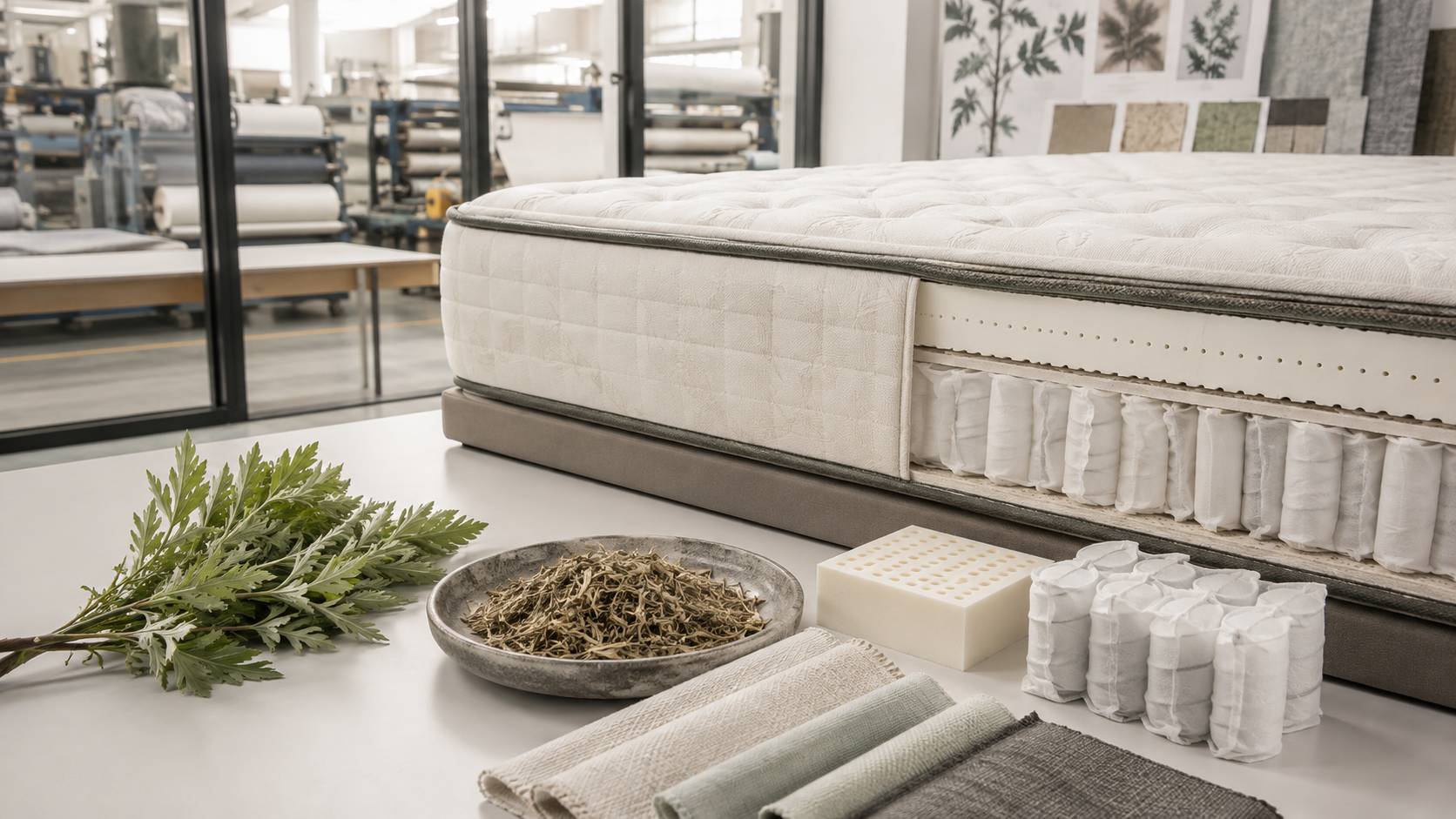
Low-emission design does not mean choosing one “green” component and leaving the rest unchanged. It requires reviewing the foam, adhesive, textile, barrier system, packaging, and production sequence as one assembly.
What Does Low-Emission Material Selection Actually Involve?
Buyers can specify the foams, adhesives, textiles, or other finished products that have been certified by emission programs or have passed laboratory chamber tests. Emissions certification programs, such as UL GREENGUARD, have requirements and standards for chemicals emissions; therefore, a gold level of performance has stricter limitations and specifications for sensitive environments
The scope of the certificate is important too; thus, a verification report for one grade of foam does not necessarily apply to another foam, mattress, or any combination of materials. The buyers should find the model, materials, location, date of testing, and whether it is a component or an end-product.
What Trade-Offs Appear When Materials Are Changed?
A lower-emission adhesive may have a different open time, spray pattern, bond strength, or curing requirement. Changing foam chemistry can alter feel, resilience, compression recovery, or cost. A fabric finish selected for lower odor may behave differently during quilting or cleaning.
Those effects are manageable when identified during development. They become expensive when a material is replaced after the comfort sample, packaging test, or flammability construction has already been approved.
What Should Buyers Test Before Approving a Low-Odor Mattress?
A quick smell check beside the production line is not enough. Odor perception changes with room size, ventilation, temperature, sample age, and the individual evaluator.
How Should an Odor Review Be Structured?
Use production-intent mattresses, packaging, and compression settings. Record the assembly date, packing date, compression duration, storage temperature, unpacking time, room conditions, and evaluation intervals.
The panel should describe odor character and intensity rather than writing only “pass” or “fail.” Check the mattress immediately after opening and again after defined ventilation periods. Comparing several units helps separate a batch issue from one unusual sample.
Which Additional Checks Belong in the Approval Plan?
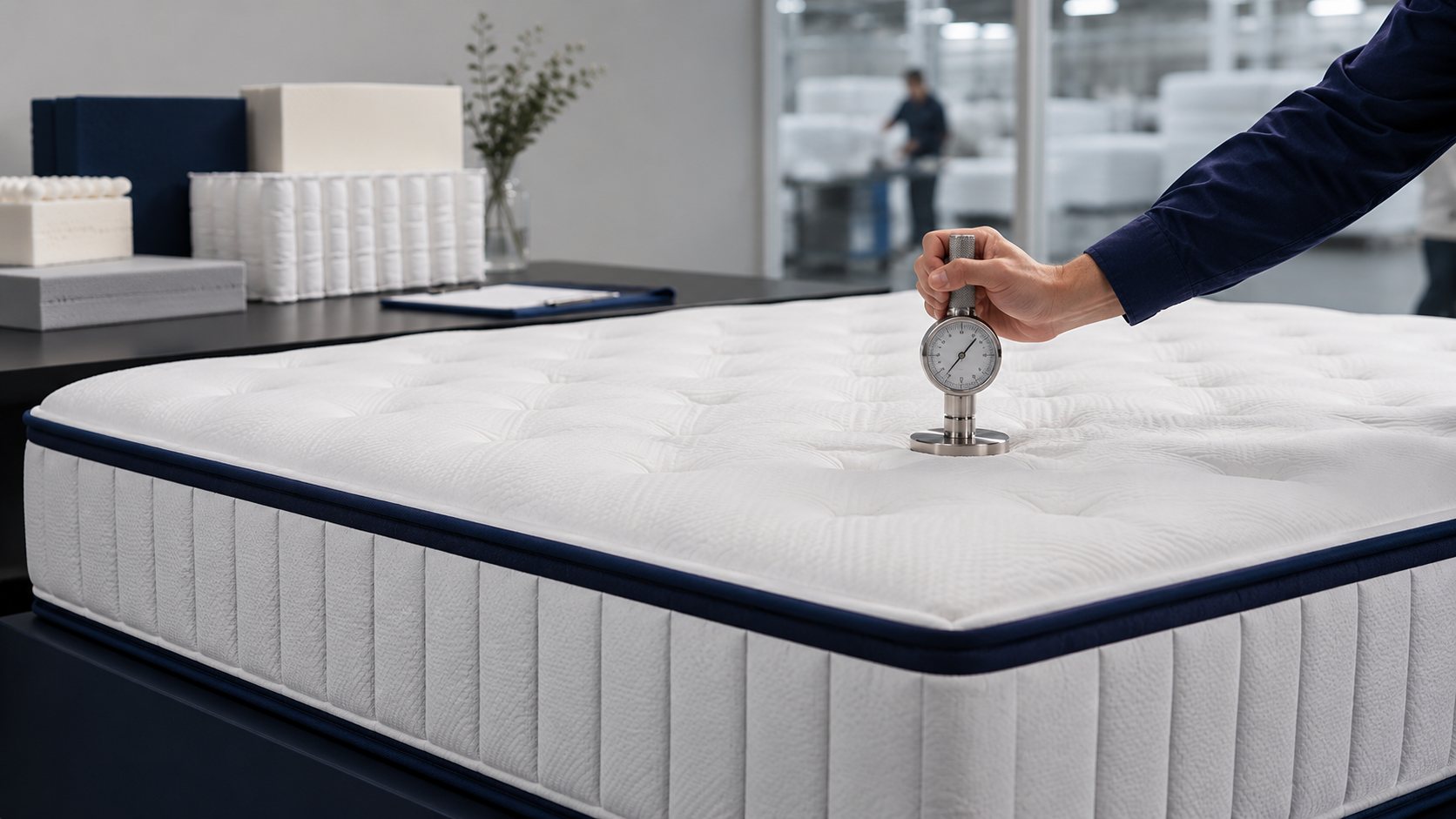
Odor review should sit beside emissions documentation, physical inspection, firmness, dimensions, recovery, adhesion, appearance, and packaging performance. A lower-odor material is not useful if the mattress delaminates, fails to recover, or no longer meets market requirements.
The EPA identifies VOCs as one category of indoor-air pollutants and recommends source control and ventilation as important indoor-air-quality considerations. For mattress buyers, source control begins with documented materials and repeatable manufacturing—not with relying solely on the consumer to air out the product.
How Can Factories Control Odor During Production and Shipping?
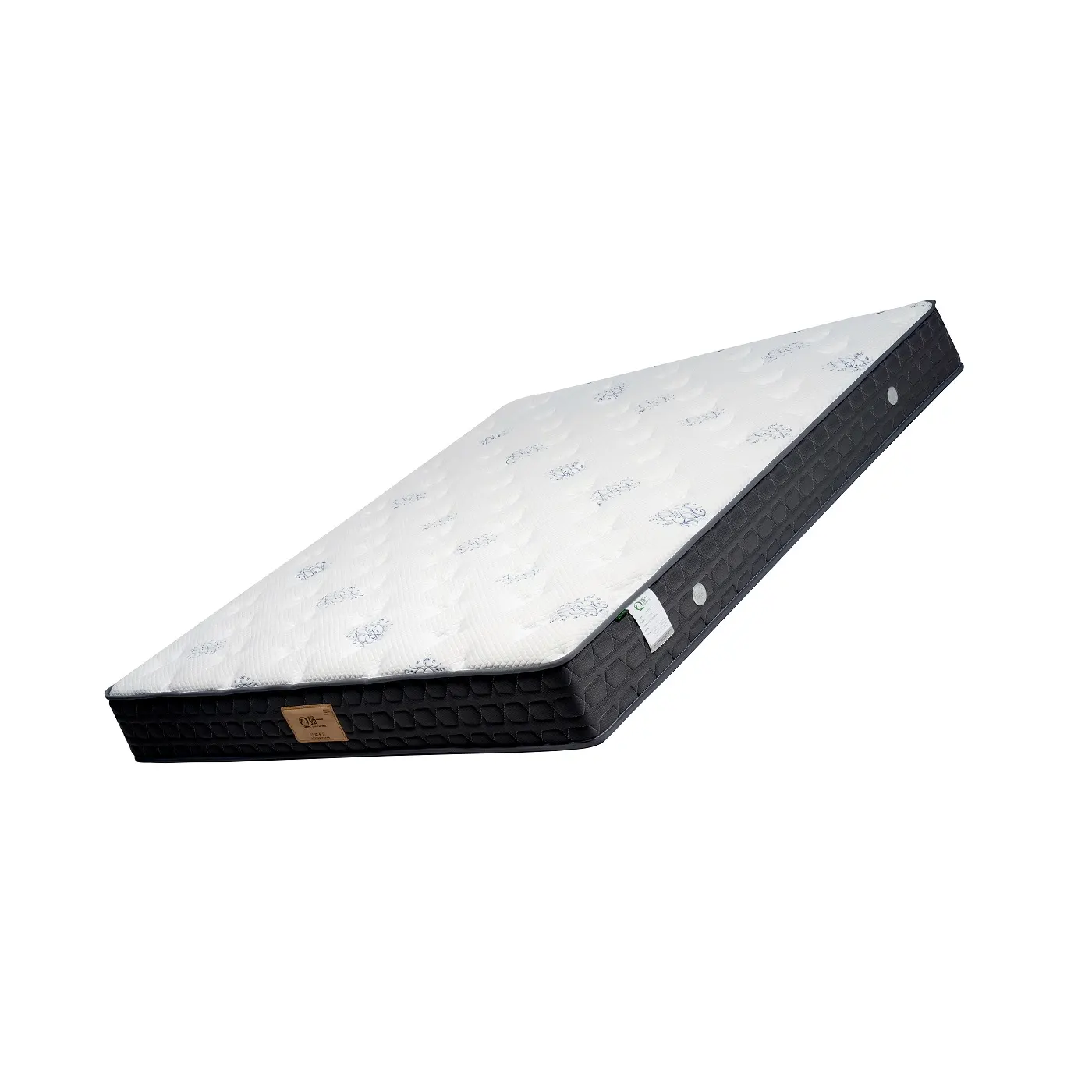
Even an approved material set can produce inconsistent results if the factory changes adhesive quantity, shortens conditioning time, or packs mattresses while materials are still warm.
Which Production Steps Need Closer Control?
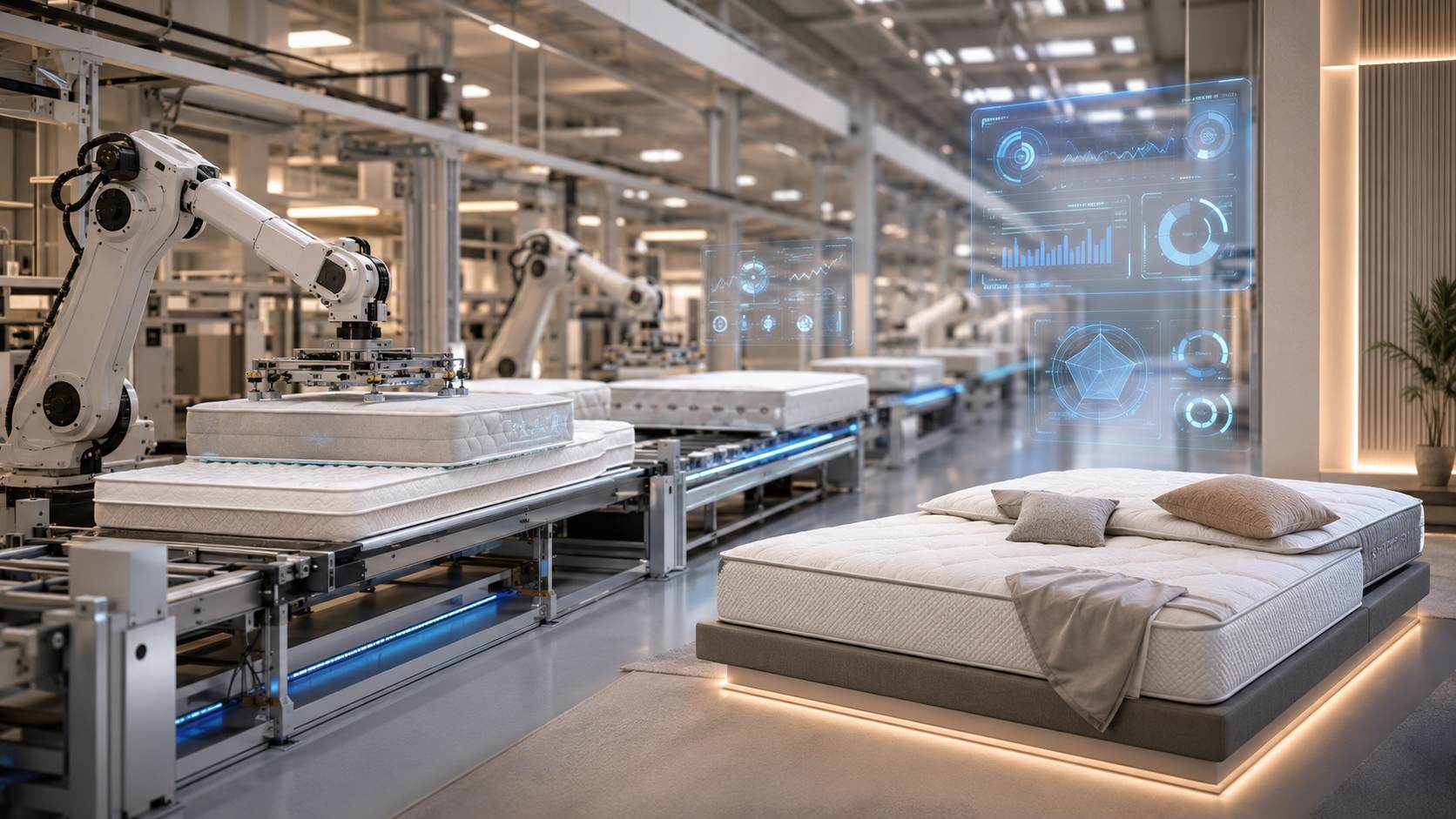
Incoming inspection should verify foam identity, adhesive grade, fabric, backing, barrier material, and packaging film. During assembly, the factory should control adhesive coverage, lamination, curing time, component sequence, and finished-product conditioning.
Housekeeping also matters. Contaminated spray equipment, mixed adhesive grades, solvent-based cleaning residues, or poorly ventilated storage can introduce odors not found during sample approval. Batch records should connect finished mattresses with the main material lots.
How Do Compression and Warehousing Affect Customer Experience?
Roll packing traps air and concentrates odors inside the bag. Longer storage, warm containers, and limited ventilation can make the first opening more noticeable even when the underlying construction has not changed.
Packing trials should therefore reflect realistic shipping time. After unpacking, buyers should check odor, height recovery, corner shape, surface appearance, and layer adhesion. Carton instructions should state a reasonable unpacking and ventilation process without using that guidance to excuse uncontrolled material variation.
How Can a Mattress Manufacturer Support Low-Emission Product Development?
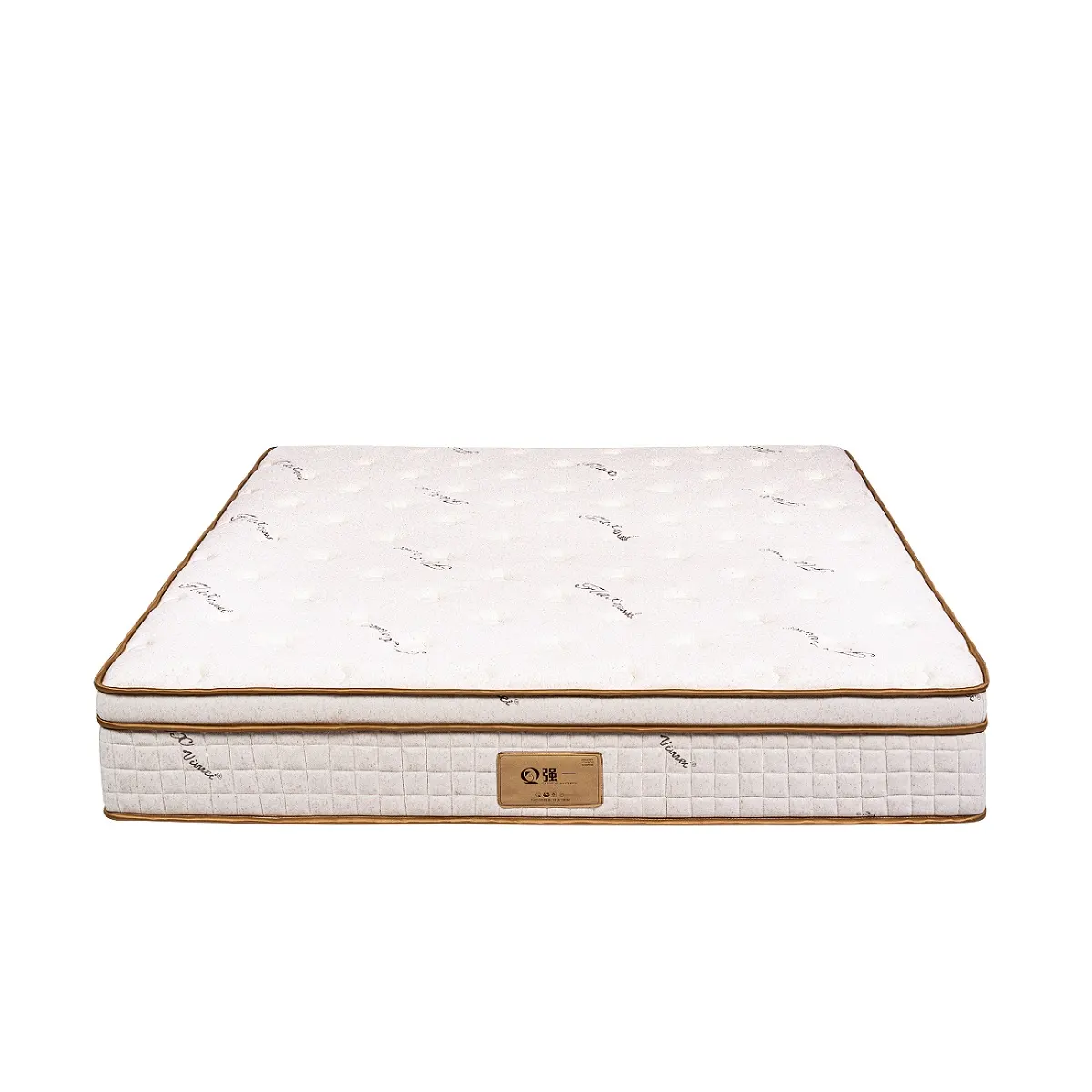
Guangdong Qiangyi Intelligent Manufacturing Technology Co., Ltd. manufactures foam, spring, and hybrid mattresses for private-label, wholesale, hospitality, and retail programs. Buyers can provide the target market, layer structure, firmness, odor expectations, emissions-document needs, packaging method, compression period, and order volume. Project review can then define foam grades, adhesive application, textiles, fire-barrier construction, conditioning time, packaging film, and inspection criteria. Before production, both parties should approve the physical sample, signed layer specification, material references, odor-evaluation method, packaging trial, traceability requirements, and change-notification process. These controls give receiving teams a practical basis for comparing shipments with the product originally approved.
Conclusion
New mattress odors can come from several layers and processes, so reducing them requires more than changing the foam. Low-emission mattress materials, controlled adhesive use, adequate conditioning, verified packaging, and clear supplier records all influence the opening experience. Buyers should distinguish odor from measured emissions, confirm the scope of supporting documents, and test production-intent mattresses after realistic storage. In 2026, the stronger product is the one whose materials and process remain controlled from sampling through repeat orders.
FAQs
1. How Long Does New Mattress Odor Usually Last?
The duration depends on materials, packaging time, storage temperature, room ventilation, and mattress thickness. Buyers should define evaluation intervals during testing instead of promising one universal airing period.
2. Does a Mattress With No Smell Automatically Have Low VOC Emissions?
No. Odor perception does not measure every emitted compound. Low-emission claims should be supported by applicable documentation or testing tied to the actual material or finished mattress.
3. Which Mattress Components Can Cause Off-Gassing Odor?
Possible sources include foam, adhesive, textile finishes, backing cloth, fire-barrier materials, printing inks, and plastic packaging. The finished assembly should be evaluated rather than blaming one component automatically.
4. Can Roll Packing Make New Mattress Odors Stronger?
Roll packing can concentrate odors because the mattress remains compressed inside sealed plastic. Storage duration and temperature may influence the odor noticed immediately after the bag is opened.
5. What Should Buyers Request From a Low-Emission Mattress Supplier?
Request the layer specification, material identification, relevant emissions documents, odor-evaluation method, conditioning time, packaging trial, production traceability, inspection criteria, retained samples, and written change-notification requirements.