


3rd September 2026
What Makes a Mattress Cover Feel Premium? A Buyer’s Guide to Knitted, Woven and Jacquard Fabrics
-
 author
Put a dozen mattress fabrics on a sourcing table and the softest swatch will usually get attention first. That is understandable. It is also where some purchasing mistakes begin.A cover that feels impressive in the hand can stretch out of shape during quilting. Another may look rich under showroom lighting but feel stiff once it is pulled over foam and springs. Premium quality is not one feature. It is the point where touch, appearance, durability and production behavior meet.
What Are Buyers Actually Comparing When They Choose Cover Fabric?
Knitted, woven and jacquard are often presented as competing fabric types, although the terms do not describe the same thing. Knitted and woven refer to construction. Jacquard refers to the way a pattern is formed.
Knitted Fabric: Softness with a Trade-Off
A knitted cover is built from interlocking loops. It tends to stretch more easily and follow the shape of deep quilting, which helps create the cushioned surface associated with many foam, latex and hybrid mattresses.
That flexibility needs control. A knit with weak recovery may become loose around the quilting or hold wrinkles after compression. Pull the swatch across its width and length, release it, and watch what happens. Slow or uneven recovery is worth questioning.
Woven and Jacquard Fabrics: Structure and Visual Depth
Woven fabric crosses warp and weft yarns, giving it a more stable and tailored character. It can work particularly well on borders and bases. Used on a plush top panel, however, a dense weave may feel less forgiving than the layers below it.
Jacquard is different. The pattern is made within the textile rather than printed over the surface. It may be knitted or woven. A striking jacquard can improve shelf presentation, but the pattern says nothing about pilling, airflow or strength. Those still need to be checked.
Why Does One Cover Feel More Expensive Than Another?
People read quality through small signals: the way the surface catches light, how it moves under a palm, whether the quilting springs back, and whether the pattern feels deliberate rather than busy.
Yarn Choice Changes More Than Softness
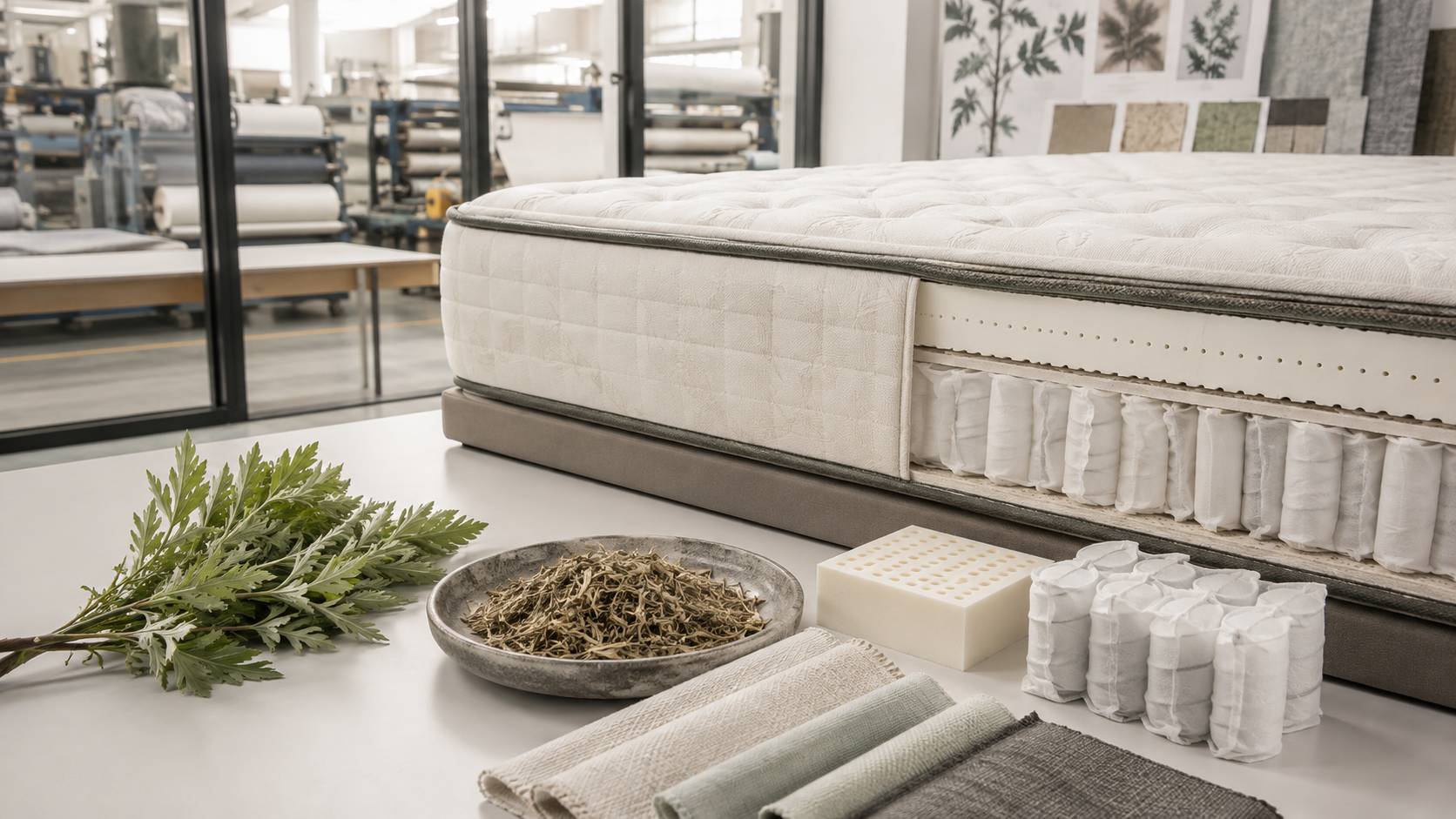
Cotton can bring a familiar, dry touch. Rayon often adds smoothness and drape. Polyester is frequently used for resilience and consistency. Blends allow a mill to adjust feel, appearance and cost, but percentages on a specification sheet cannot tell the whole story.
Yarn size, loop density and finishing can make two fabrics with the same composition feel unrelated. This is why fabric selection should involve physical samples, not only supplier descriptions.
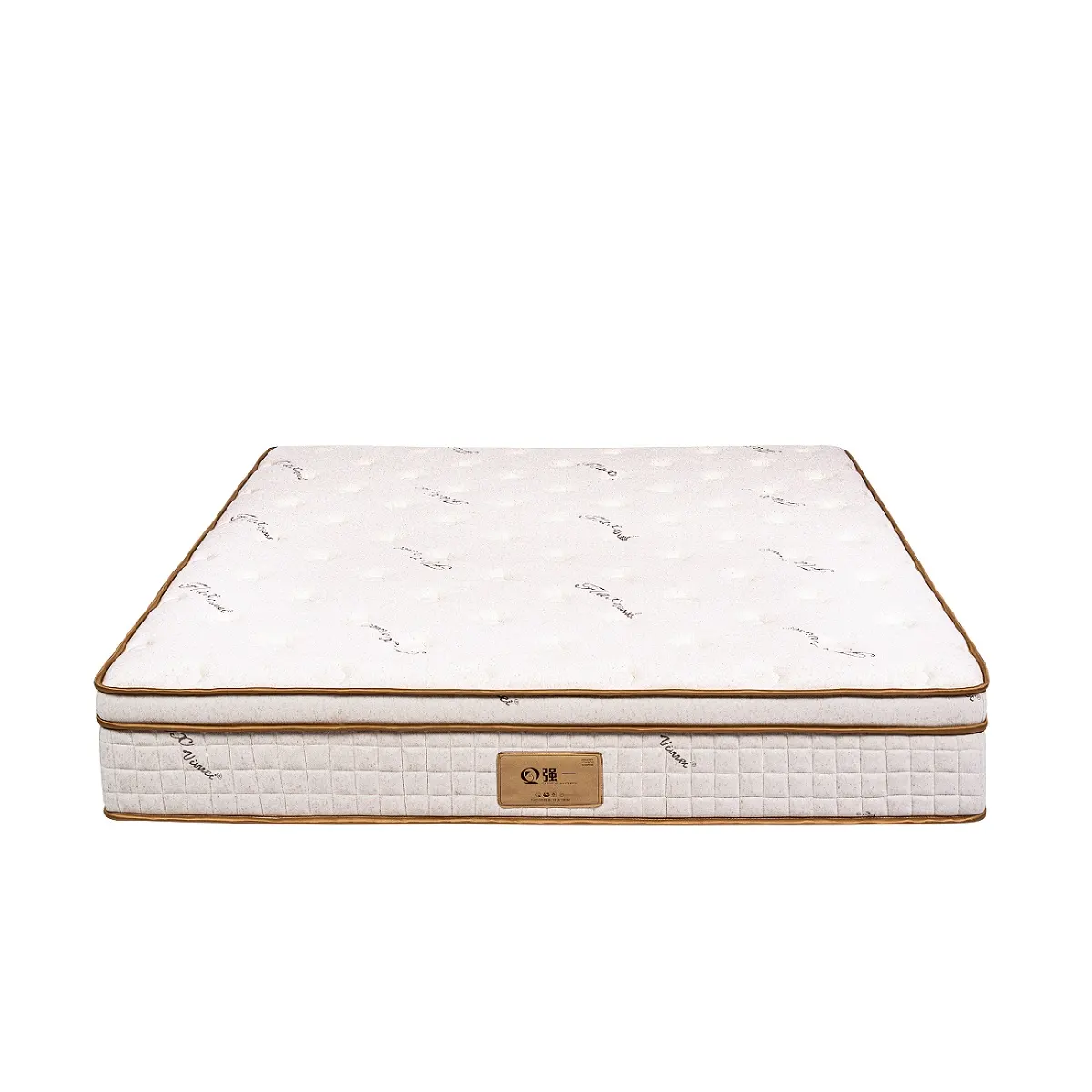
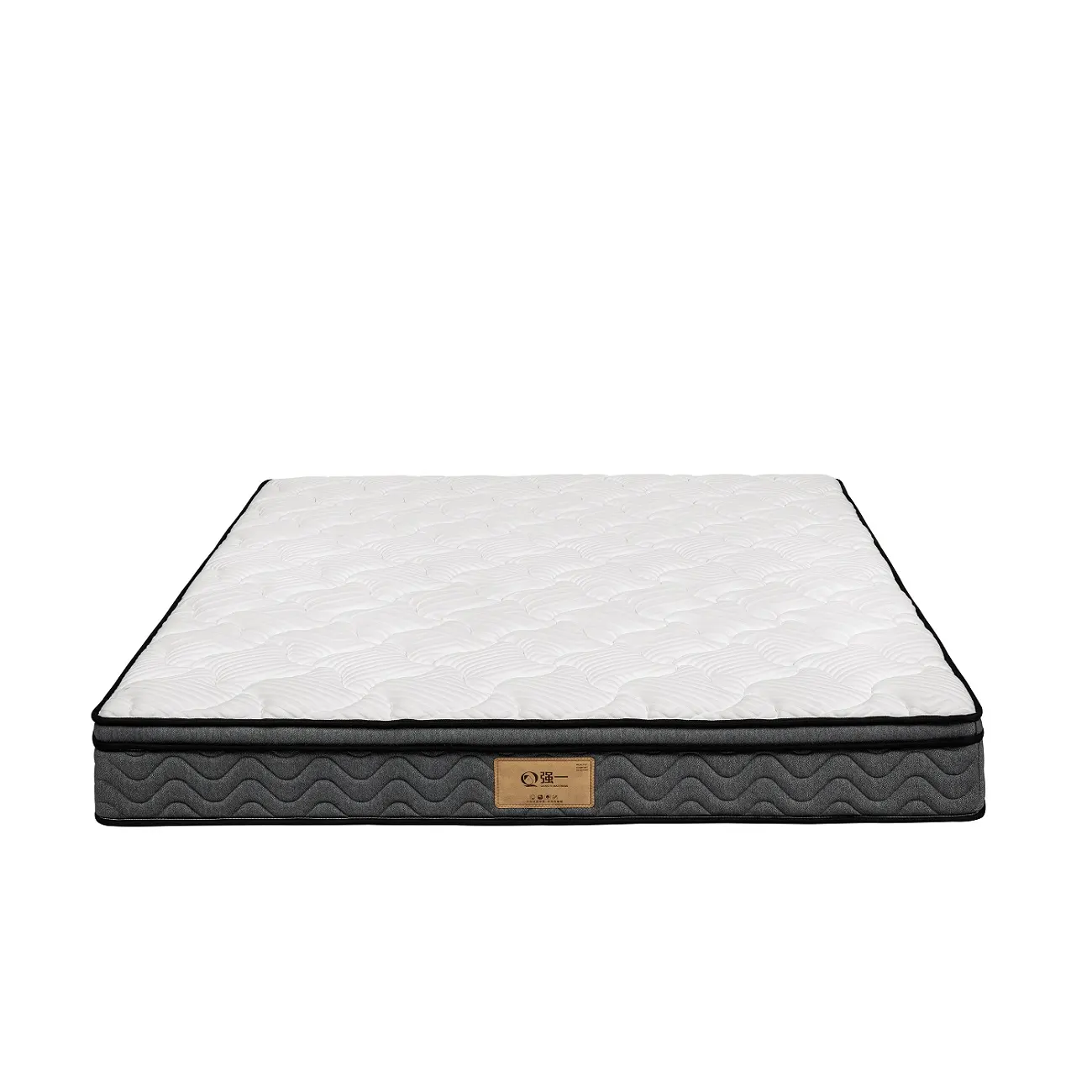
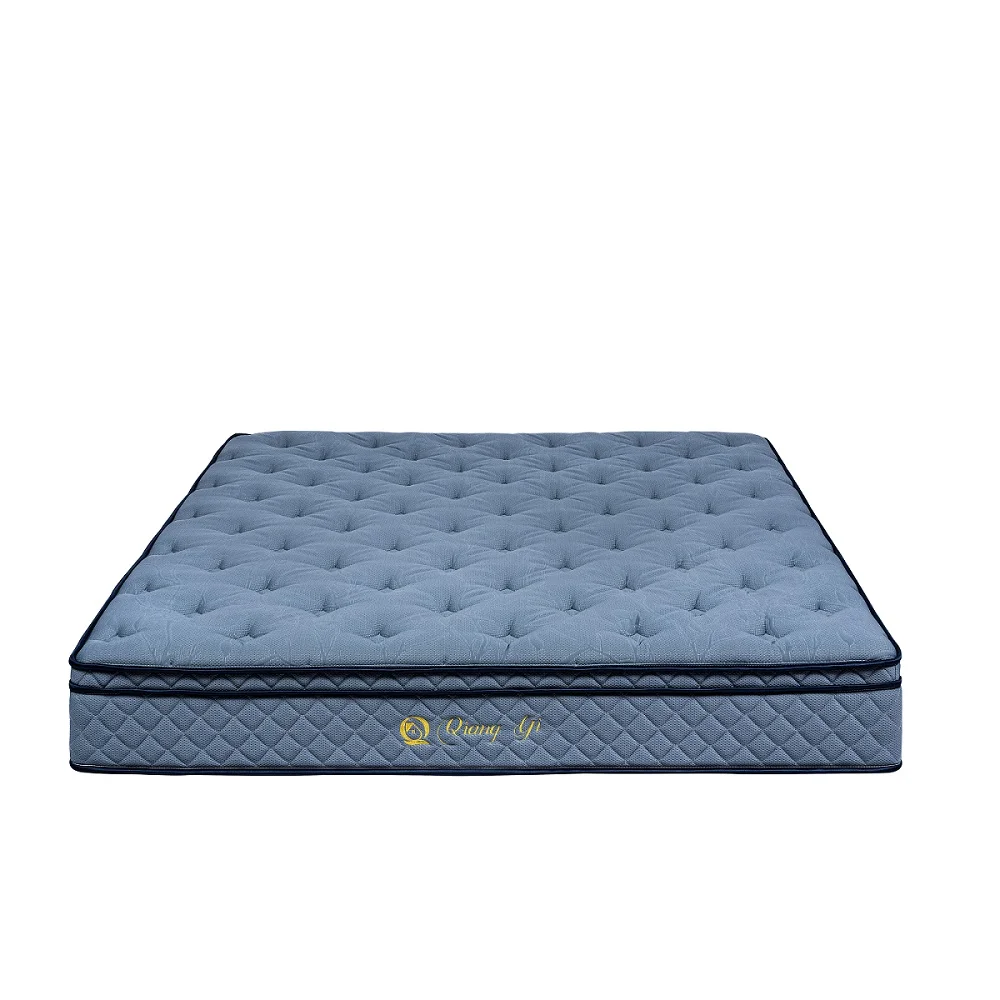
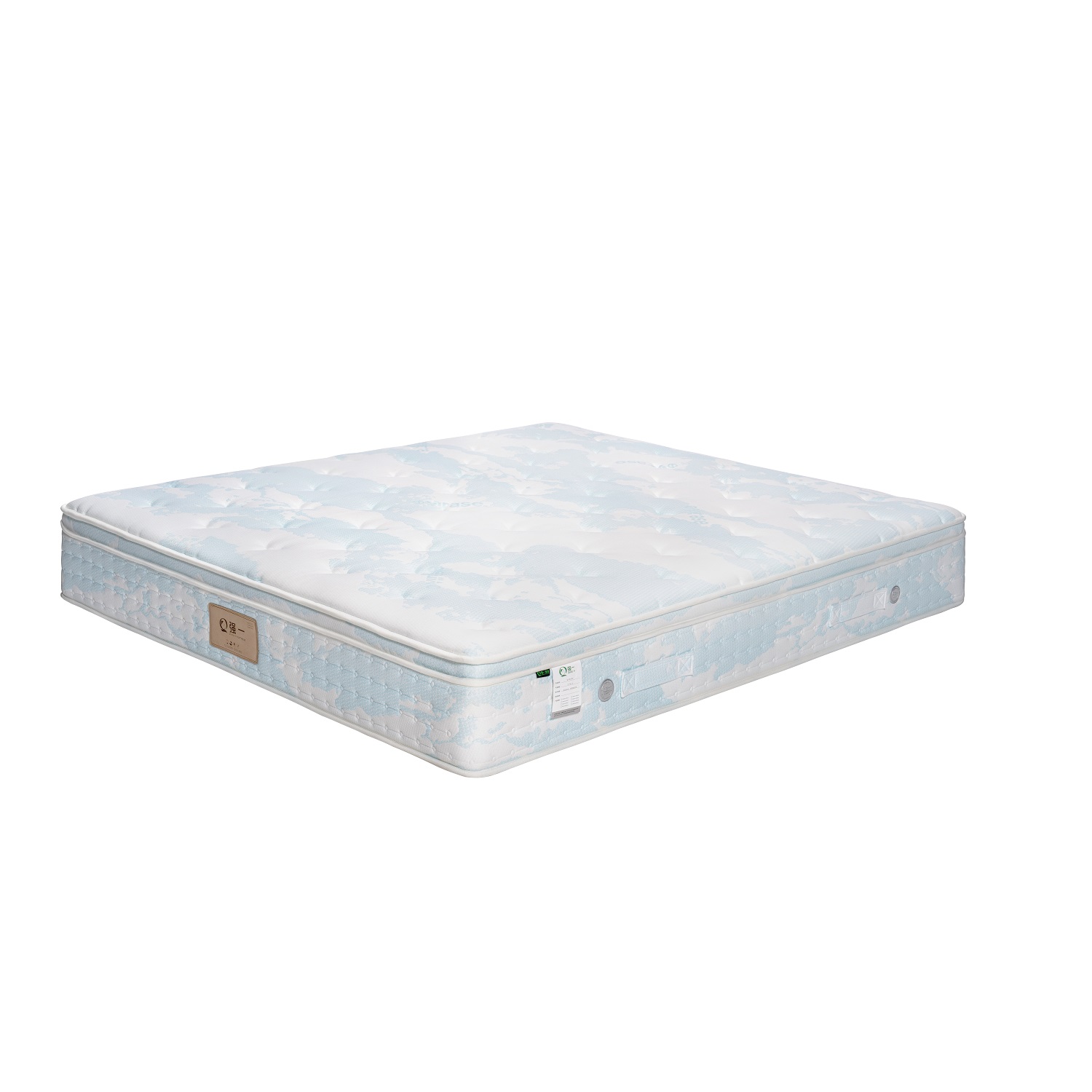
A soft knitted mattress cover offers a useful reference for seeing how patterned fabric works after quilting and assembly. The point is to examine the finished surface, not to copy a product name into the article or brief.
A Small Swatch Can Hide Expensive Problems
Swatches arrive flat, clean and carefully cut. A mattress panel is larger, sewn under tension and interrupted by quilting lines. That difference matters.
An oversized motif may land awkwardly at the corners. A fine pattern may disappear into deep quilting. Stretch can pull a geometric design off-center. Ask for a complete top panel before approving the fabric, then view it from the foot and both sides of the mattress—not only from above.
What Belongs in a Useful Fabric Specification?
“Luxury knitted jacquard” sounds appealing, but it cannot be inspected. Two suppliers can use that phrase for fabrics with different weights, fibers, stretch and backing.
Replace Marketing Words with Identifiable Details
The specification should record composition, finished weight, usable width, color reference, pattern repeat, construction and backing. Stretch and recovery need to be considered in both directions. Pilling, abrasion, strength and colorfastness requirements should reflect the intended market and use.
Weight deserves context. A heavier cover may feel substantial, yet it can also be rigid or slow to recover. A lighter knit with stable yarns may create a better finished surface.
Claims such as cooling, antibacterial or odor-resistant require separate support. A report for a similar fabric does not establish the performance of the material in the order.
Packing Is Part of the Fabric Decision
Roll packing is an excellent reality check. Open a packed mattress after the agreed storage period and inspect the corners, tape edge and deepest quilted areas. If the internal layers recover but the cover remains creased, the problem may lie in the fabric, backing or sewing tension.
How Can a Buyer Judge the Sample Without Overcomplicating It?
A laboratory report answers a narrow question under controlled conditions. A finished sample answers another: will the mattress look and feel right when it reaches a customer?
Start with the Failures Customers Will Notice
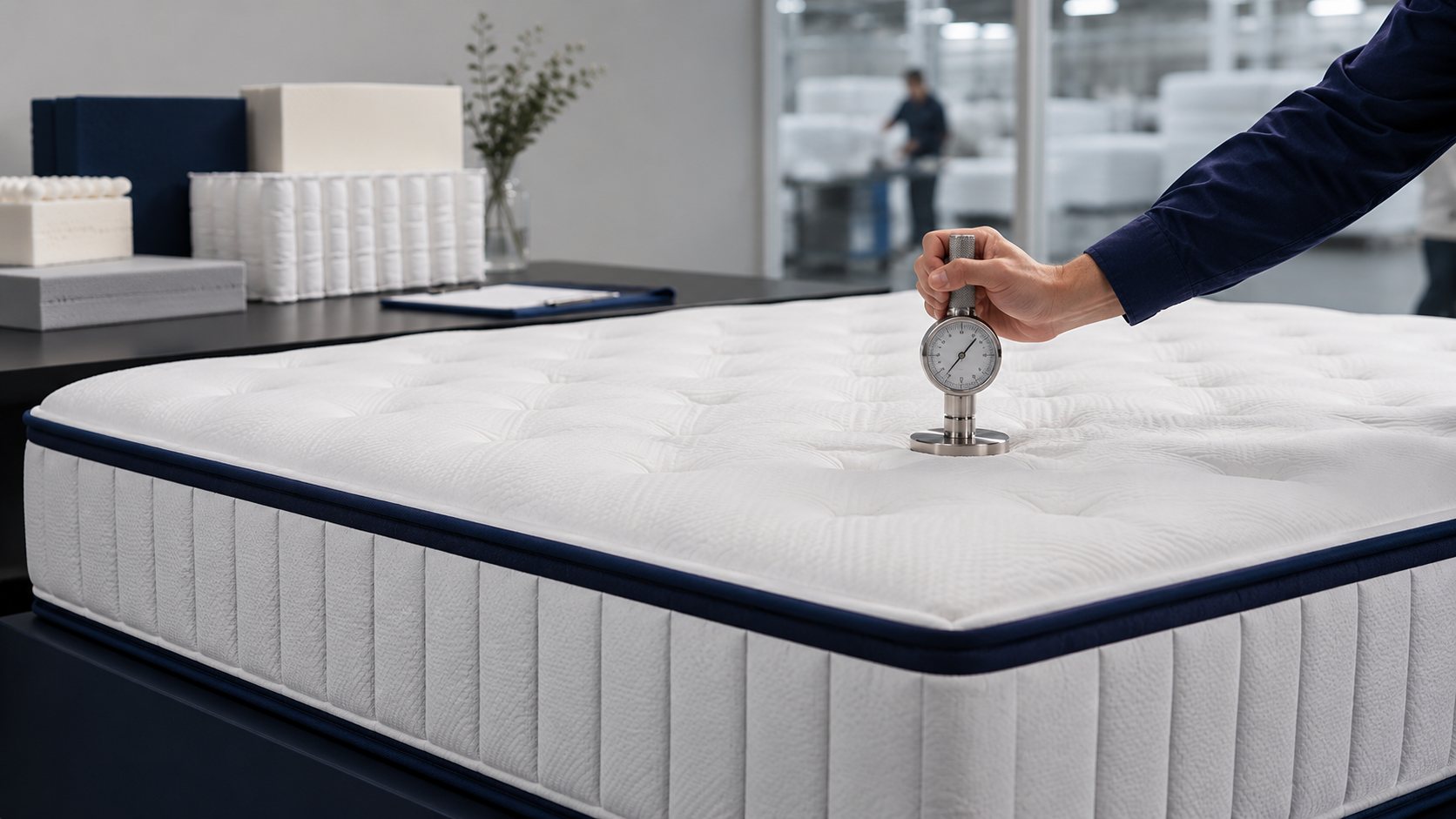
Rub the surface with a dry hand and then with a piece of common bedding fabric. Look for loose fibers and early fuzzing. Press firmly into the quilting and check whether the panel returns without rippling. Sit near the edge and see whether the cover shifts over the comfort layers.
Next, inspect shade consistency, seams, corners and pattern alignment in daylight. Factory lighting can hide differences that become obvious in a bedroom or showroom.
Formal testing may cover pilling, abrasion, bursting or tensile strength, colorfastness, dimensional stability and air permeability. The report must identify the same fabric code, weight, backing and finish used on the approved mattress.
Keep the Sample That Was Actually Approved
Once the cover passes review, retain a sealed golden sample. Bulk inspection can then compare production units with both the written specification and the physical reference.
If the two disagree, the issue can be identified before shipment rather than after customer complaints appear.
How Can Brands Keep the Cover Consistent on Repeat Orders?
The first shipment is rarely the hardest one. Problems often appear later, when a mill changes yarn, backing or dye while keeping the old fabric code.
Put Change Control into the Purchase Agreement
Record the approved mill, fabric code, composition, weight range, color standard, construction, pattern, backing, finish and tolerances. Changes to yarn source, dye, treatment, backing or production location should require written approval and a new sample.
Brands developing an exclusive surface can use the guide to customizing a mattress collection when preparing the brief.
Ask How the Factory Controls Fabric Before Quilting
A practical factory conversation is simple: How are rolls labeled? Who checks shade? What happens when one roll stretches differently? How are defects recorded?
When working through a custom mattress development service, approve the complete mattress—not only the fabric—and attach its inspection points to the order. That gives production and quality teams something specific to follow.
Which Manufacturer Can Support Custom Mattress Cover Development?
Guangdong Qiangyi Intelligent Manufacturing Technology Co., Ltd. supports OEM/ODM mattress programs for wholesale, retail, private-label and hospitality buyers. Available cover directions include knitted, jacquard, cotton-blend, rayon, linen-blend, cooling and other functional fabrics used with foam, latex, air-fiber and pocket-spring constructions. Buyers can provide the intended market, preferred hand feel, composition, color, pattern, quilting style, mattress height, firmness and packing method for development. Before production, both sides should approve the complete sample and record the fabric code, tolerances, test requirements, inspection method and rules governing material substitutions.
Conclusion
Knitted fabric often feels softer, while woven fabric brings greater structure. Jacquard can add depth to either one, but a decorative pattern cannot establish quality by itself. The safest decision comes from reviewing a complete mattress after quilting and compression. Once the right cover is found, its composition, weight, recovery, color, backing and change controls need to be written down. That is what makes a premium impression repeatable rather than accidental.
FAQs
1. Is knitted fabric better than woven fabric for a mattress cover?
Not always. Knitted fabric generally offers more softness and stretch, while woven fabric provides greater stability. The suitable choice depends on quilting, mattress construction, packing and product positioning.
2. Is jacquard a knitted or woven fabric?
It can be either. Jacquard describes how the pattern is produced, not the basic fabric structure. Buyers should confirm whether a jacquard cover is knitted or woven.
3. Does a heavier mattress cover feel more premium?
Not necessarily. Weight can add substance, but yarn quality, recovery, breathability and finishing also matter. A heavy, rigid cover may feel less comfortable than a stable lighter knit.
4. What mattress fabric tests are useful for buyers?
Common checks include pilling, abrasion, strength, colorfastness, dimensional stability and air permeability. Results should cover the exact fabric code, backing and finish intended for production.
5. Is a fabric swatch enough for final approval?
No. A complete mattress shows how the cover responds to quilting, corners, seams, internal layers, compression and recovery. These issues cannot be judged reliably from a small flat swatch.