


4th September 2026
How AI and Smart Manufacturing Are Transforming Mattress Production
-
 author
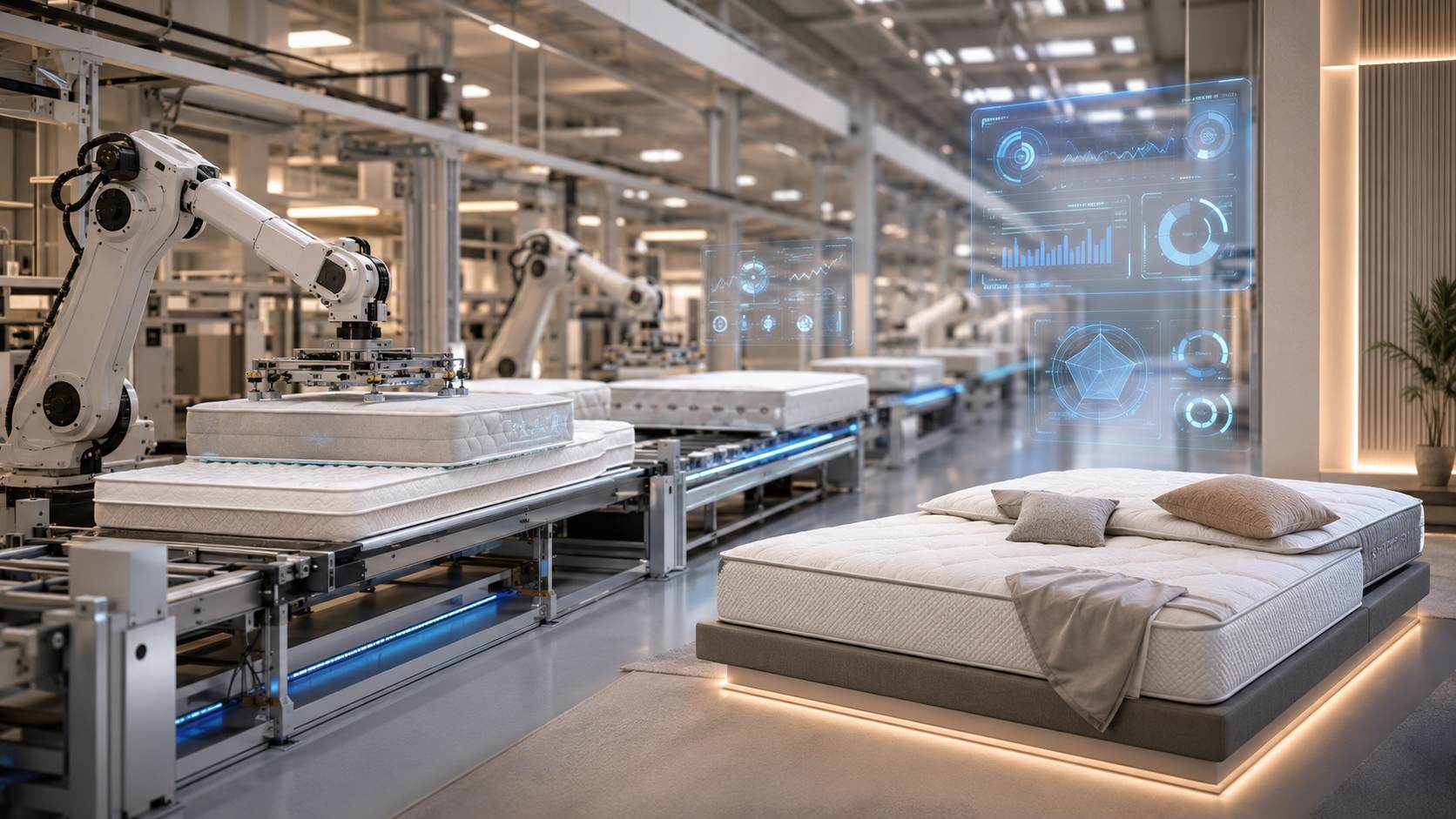
In a mattress factory, small variations have a habit of traveling. A foam sheet cut a few millimeters too wide can shift the border. Uneven quilting tension may wrinkle the top panel. The mattress can still leave the line, yet look or feel different from the approved sample. This is where smart manufacturing has practical value. AI, connected equipment and digital production records can make variations easier to find and correct. They do not remove the need for trained operators. They give those operators better information and give buyers a clearer way to judge consistency.
Where Does Smart Manufacturing Change the Production Line?
“Smart factory” is often used as a broad sales phrase. On the factory floor, it should describe specific connections between order data, equipment settings, inspections and production records.
From Order Sheet to Machine Instruction
A custom order may define mattress size, height, fabric, quilting pattern, foam structure, firmness, spring unit, label and packing method. When those details are copied manually between departments, the risk of using an old specification increases.
A digital workflow can assign one version of the specification to a batch and send the relevant information to cutting, quilting, assembly and packing stations. Barcode or QR identification then helps operators confirm that the material and instruction belong to the same order.
This is particularly useful when a factory handles several private-label programs at once. The benefit is not faster typing. It is fewer opportunities for an outdated file to re-enter production.
Connected Equipment Creates Useful Production Data
Computer-controlled cutting and quilting equipment can record selected programs, dimensions and operating status. Packing equipment may capture compression settings or batch information. These records help supervisors see whether a deviation began with material, setup or machine behavior.
What Can AI Inspect Better Than Traditional Sampling?
Traditional inspection usually examines a portion of production. AI-assisted vision can review more units for visible defects, provided the cameras, lighting and defect rules are properly set up.
Vision Systems Can Find Repeating Surface Defects
A camera system may be trained to flag broken threads, skipped stitches, quilting misalignment, fabric stains, label errors or unusual border shapes. It works especially well when the defect has a consistent visual pattern.
AI inspection becomes more valuable when results are traced back to the material roll, quilting program, workstation and production time. Ten similar seam defects from one period may point to a setup issue rather than ten unrelated mistakes.
Physical Performance Still Requires Real Testing
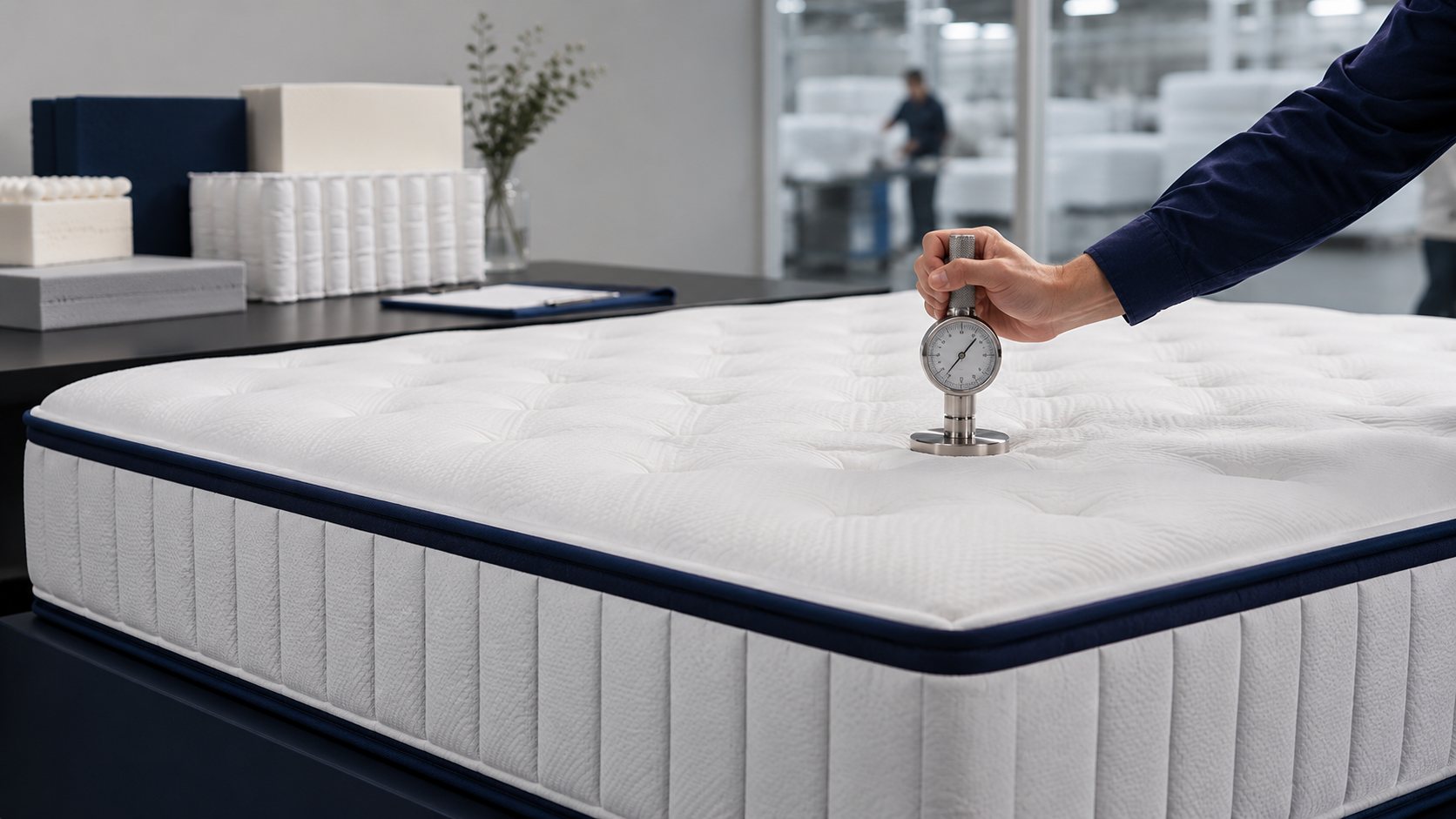
A camera cannot confirm foam density, firmness, compression recovery or spring fatigue. Those properties require material certificates, measurements and physical tests.
The same applies to comfort. Pressure mapping and repeat-load data can support product development, but software cannot decide how every customer will perceive firmness. Pilot samples and human evaluation remain necessary, particularly for a new hybrid mattress construction.
The strongest quality system combines automated surface checks with manual inspection and laboratory testing. Each method covers a different kind of risk.
How Does Digital Traceability Help Mattress Buyers?
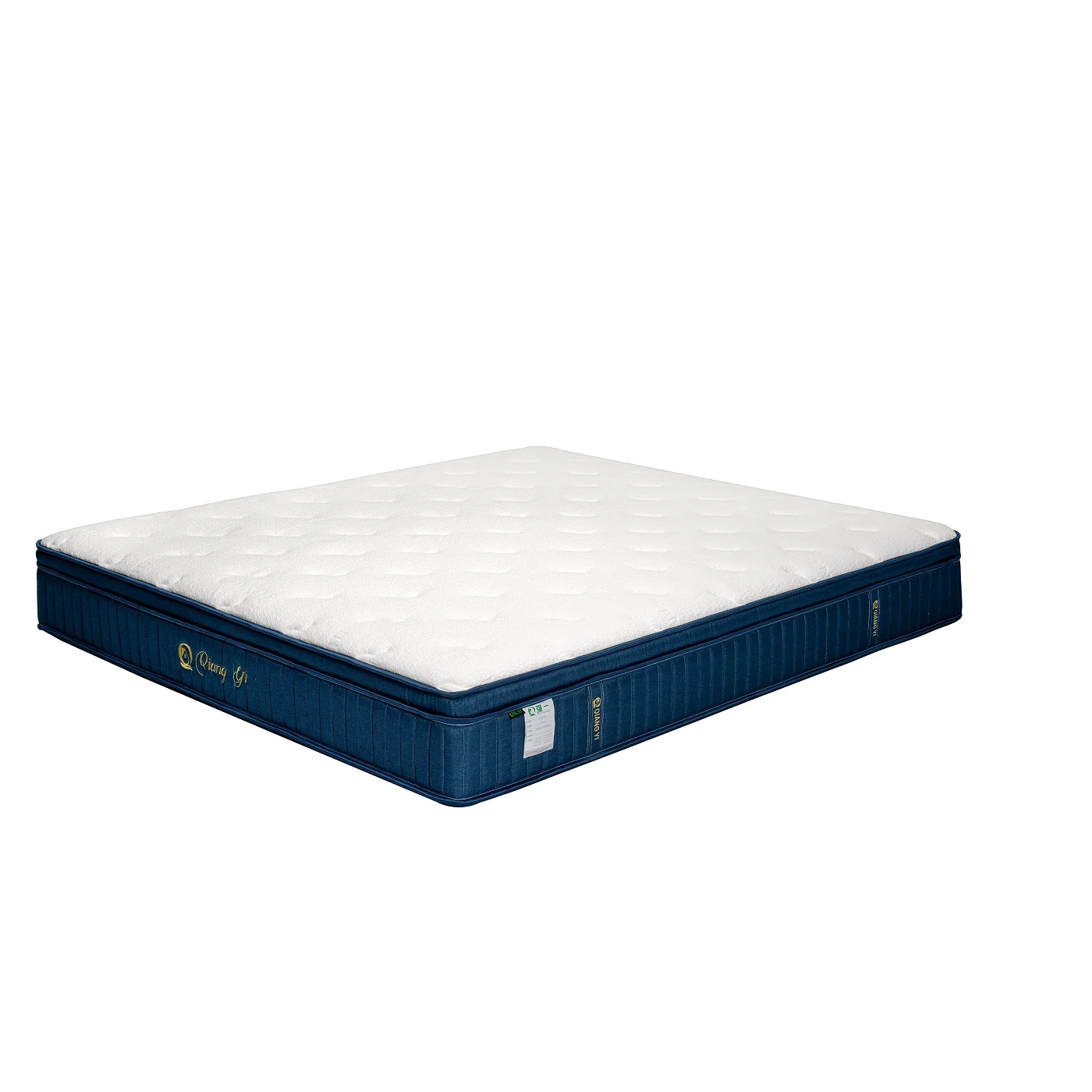
Traceability becomes important when a complaint, inspection failure or repeat-order difference appears. Without production records, the discussion often turns into guesswork.
A Batch Record Connects Materials with Finished Mattresses
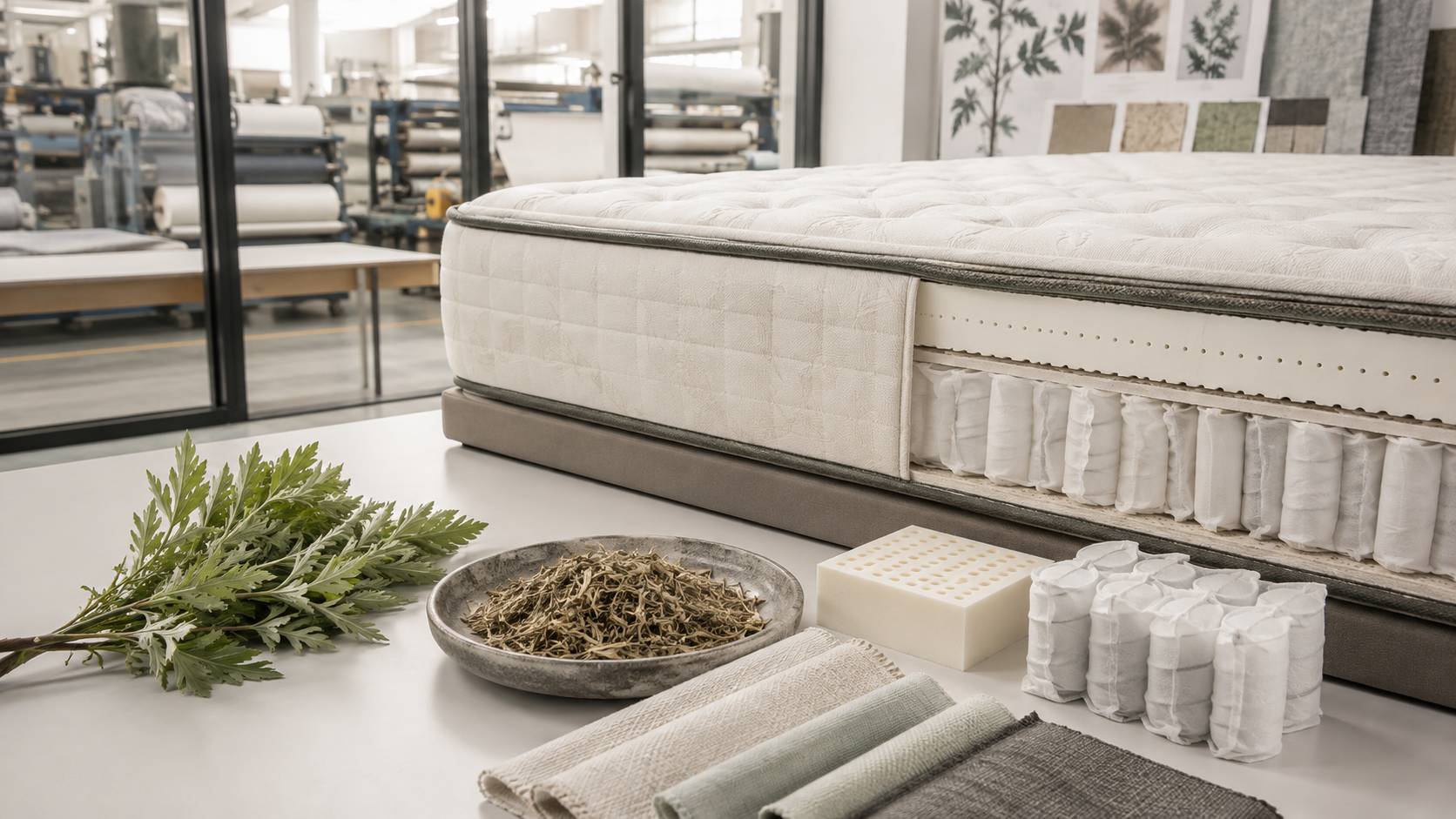
A useful digital record may connect the finished unit with its fabric lot, foam batch, spring unit, adhesive, production date, operator and inspection result. Buyers do not necessarily need access to every internal screen. They do need confidence that the factory can retrieve the record when an issue occurs.
For example, if several mattresses recover slowly after roll packing, batch data can show whether they share the same foam or compression period. The factory can then isolate the affected production instead of treating every shipment as suspect.
Change Control Becomes Easier to Verify
Private-label buyers often approve one sample and receive later orders months apart. During that time, a component supplier may change. Digital revision control can record when a new fabric, foam or adhesive was proposed, tested and approved.
It cannot prevent an unauthorized substitution by itself. The purchasing, warehouse and production teams must follow the same material code. A useful supplier review therefore checks both the software record and the physical flow of materials.
Can Smart Manufacturing Improve Custom Orders and Lead Times?
Automation can shorten certain steps, but promising faster delivery for every custom order would be misleading. Sampling, material availability and buyer approval often control the schedule more than machine speed.
Flexible Production Starts with Controlled Specifications
Digital recipes make it easier to switch between sizes, quilting designs and layer structures without relying entirely on memory. This helps a factory manage smaller batches or several market variants on one production line.
The specification must still be complete. A system cannot resolve vague terms such as “premium foam” or “medium comfort.” Density, firmness, thickness, dimensions, tolerances and approved materials need to be recorded before production begins.
Brands using a custom mattress development service should ask how sample revisions move into the final production file. The last approved change should not remain in an email while the factory system runs an earlier version.
Planning Tools Help, but Materials Set Real Limits
AI-assisted planning can compare order priorities, machine availability and expected completion times. It may help reduce idle periods or warn that one station is becoming a bottleneck.
Yet no schedule model can compensate for late fabric, rejected foam or delayed buyer approval. A reliable factory reports these constraints honestly instead of presenting automation as a guarantee. Buyers can use the guide to evaluating mattress manufacturers to prepare broader questions about specifications, testing and traceability.
What Should Buyers Check During a Smart Factory Audit?
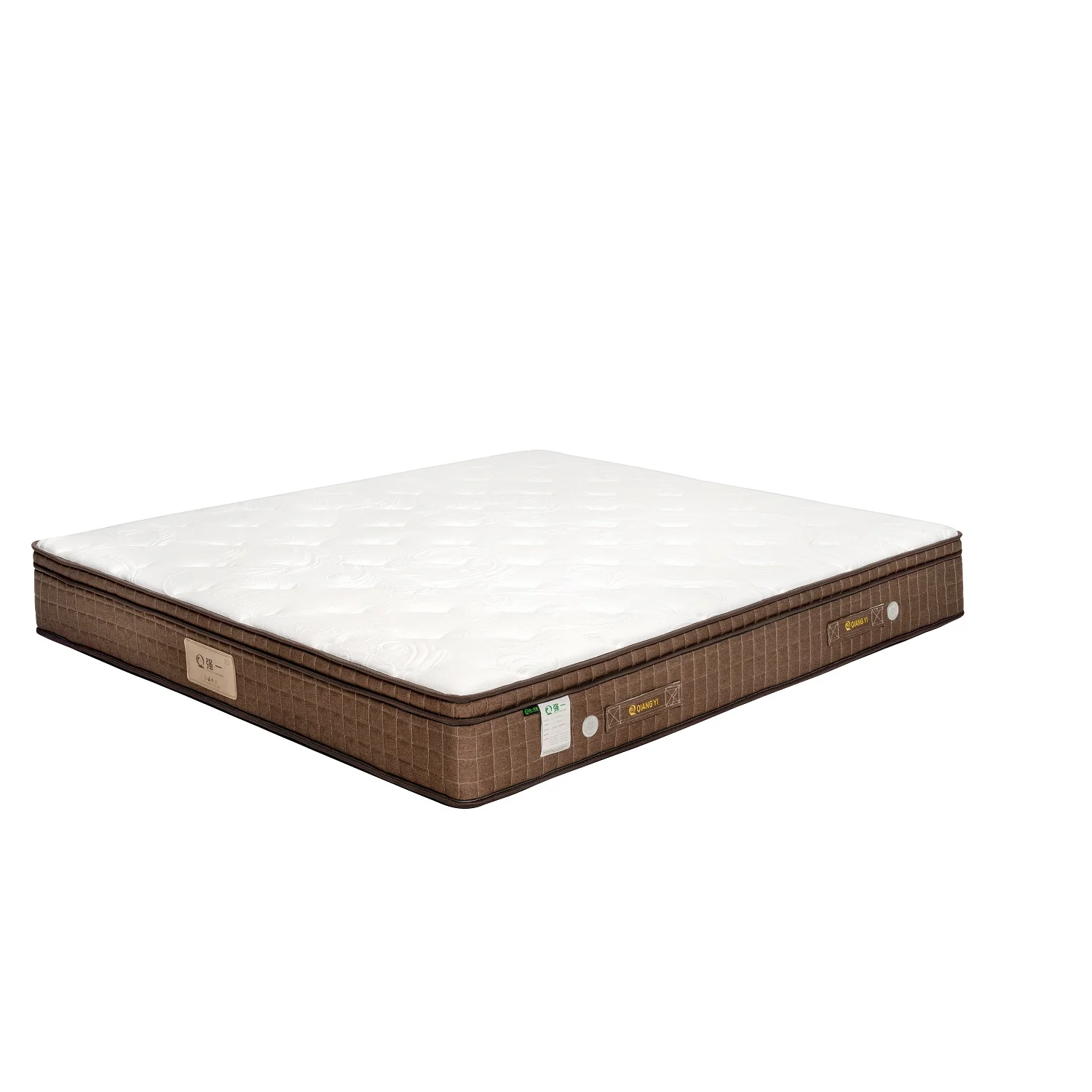
Screens, robots and dashboards can make a factory tour impressive. The useful question is whether they influence routine decisions and leave evidence behind.
Follow One Order Instead of Watching a Demonstration
Choose an actual order and trace it from specification release to finished inspection. Ask how the current revision is identified, how materials are matched, which settings are recorded and what happens when an inspection fails.
Then choose one recent defect. Can the team retrieve the batch, identify the likely cause and show the corrective action? This reveals more than a prepared equipment demonstration.
Ask Who Owns the Data and the Decision
Technology needs clear responsibility. Someone must maintain equipment settings, review alarms, approve specification changes and close corrective actions. If everyone can change a production file, digital control may be weaker than the paper process it replaced.
Before placing a bulk order, buyers should agree on the golden sample, specification revision, inspection plan, traceability fields and notification process for material changes. Smart manufacturing is most useful when it supports these purchasing controls rather than replacing them.
Which Manufacturer Can Support Digitally Controlled Mattress Production?
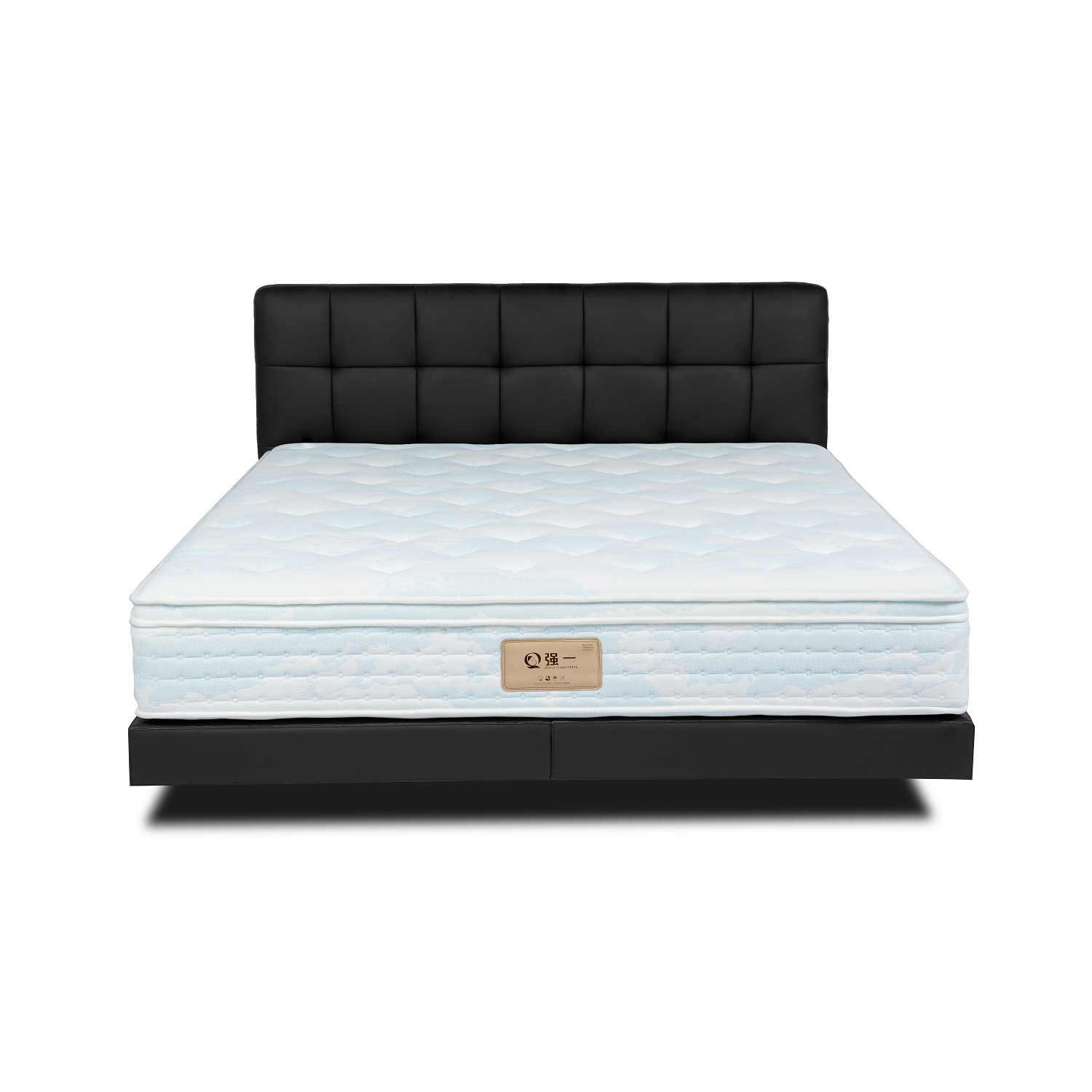
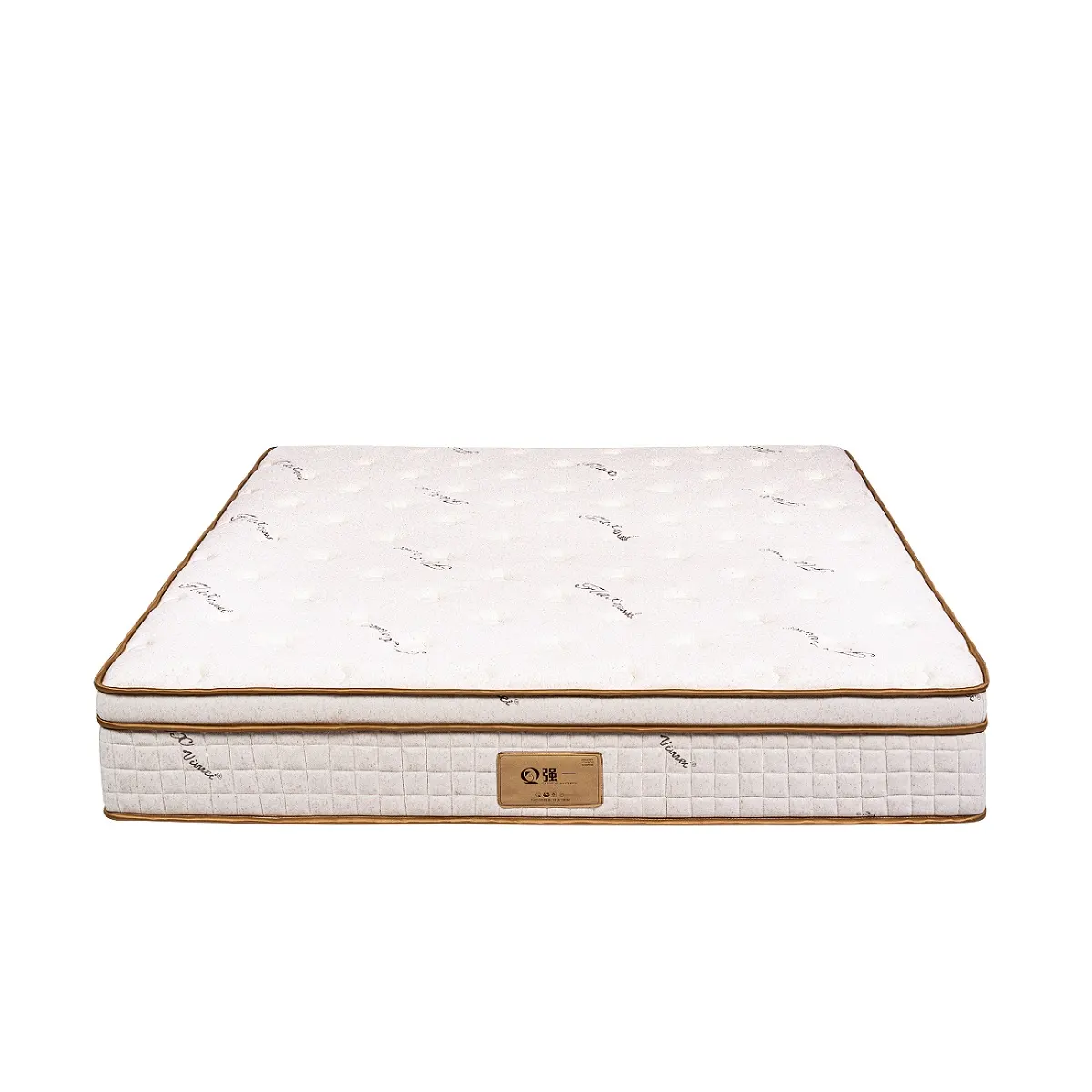
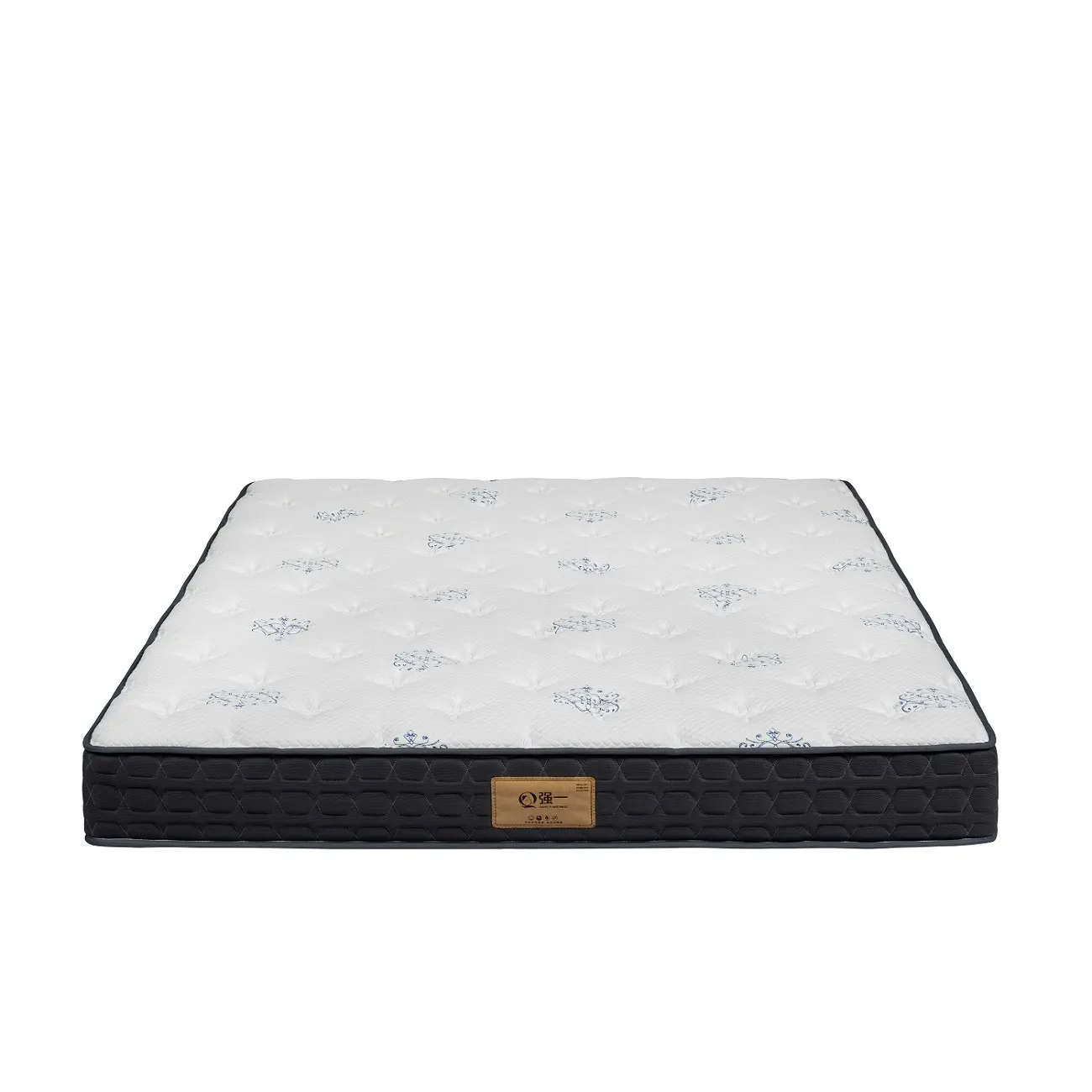
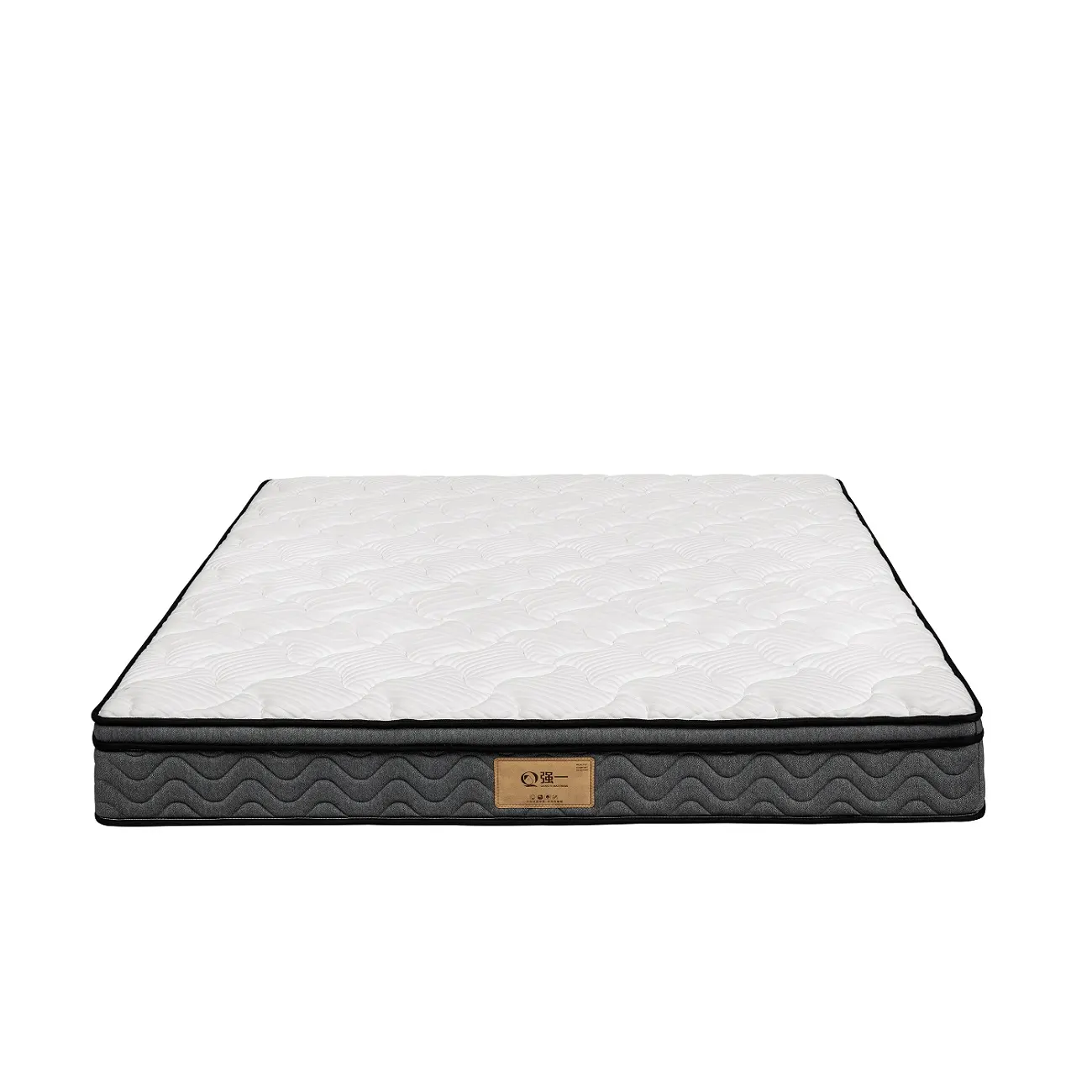
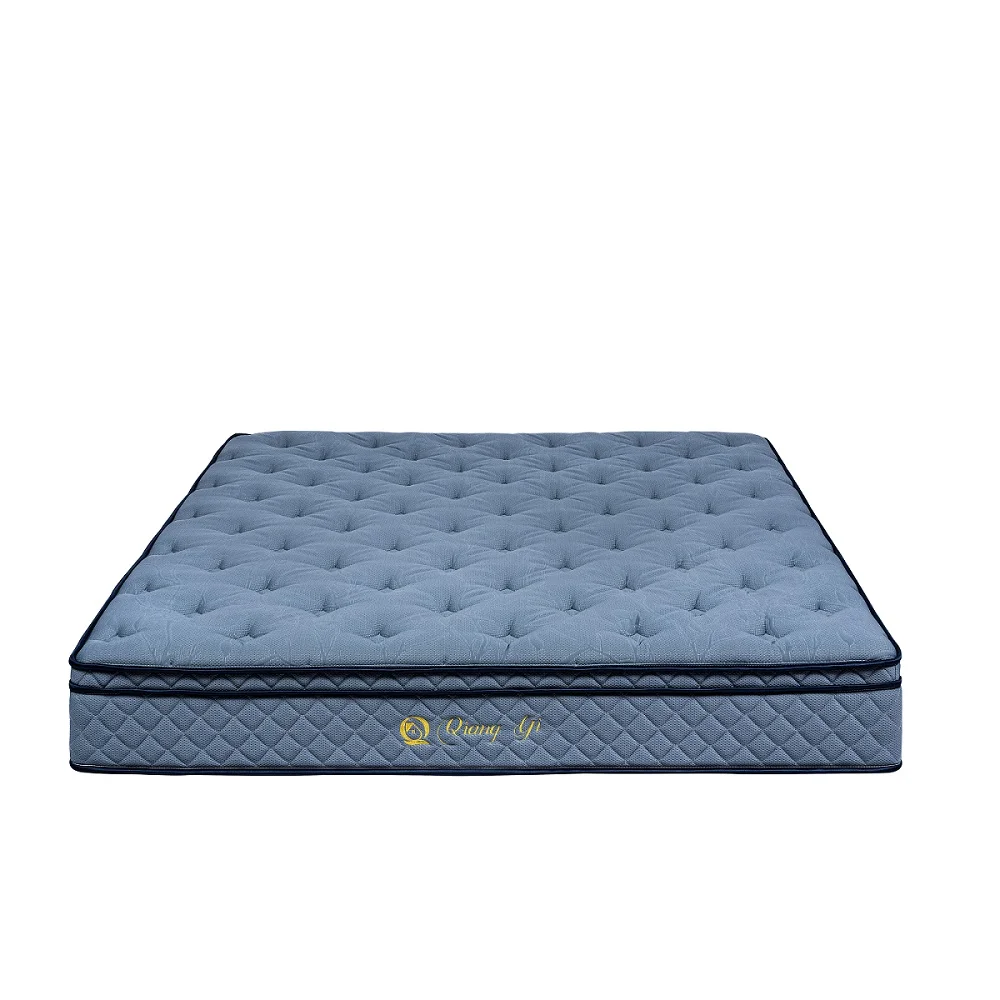
Guangdong Qiangyi Intelligent Manufacturing Technology Co., Ltd. supports OEM/ODM mattress programs for wholesale, retail, private-label and hospitality buyers. Its manufacturing scope covers fabric quilting, foam and latex layers, pocket-spring structures, assembly, inspection and compressed packing. Buyers can provide the intended construction, dimensions, firmness, cover, layer specifications, labeling, packaging and destination requirements for development. Before bulk production, both parties should approve a complete sample and record the material codes, tolerances, inspection points and change-control rules. Digital production tools are most valuable when these approved requirements remain connected to material handling, manufacturing records and final quality checks.
Conclusion
AI and smart manufacturing can make mattress production more traceable, repeatable and responsive, but equipment alone does not create quality. Buyers should look for connected specifications, identifiable batches, useful inspection data and clear responsibility when a deviation occurs. During a factory review, follow one real order and one real defect through the system. That approach shows whether digital tools support daily production—or serve mainly as decoration during a tour.
FAQs
1. How is AI used in mattress manufacturing?
AI can support visual defect detection, production planning and analysis of quality records. It works alongside machine controls, traceability systems, physical testing and experienced production staff.
2. Can AI inspect mattress firmness and comfort?
Not by appearance alone. Firmness, recovery and durability require measurements or physical tests. Comfort also needs sample evaluation because different sleepers may perceive the same construction differently.
3. Does factory automation guarantee consistent mattress quality?
No. Consistency also depends on material control, equipment calibration, approved specifications, trained operators and corrective action. Automation helps only when these elements are connected and maintained.
4. What production data should mattress buyers request?
Buyers may request batch identification, material records, specification revisions, inspection results and change approvals. The appropriate level of detail depends on the order, market and agreed quality plan.
5. What should buyers examine during a smart factory audit?
Trace one real order from specification to inspection. Check material identification, revision control, recorded machine settings, defect handling, data ownership and backup procedures rather than judging equipment appearance alone.