



29th September 2026
How Should Mattress Brands Define Comfort Layers for Different Sleep Experiences?
-
 author

When a mattress brand prepares a new product, the comfort layer is usually one of the first areas that requires adjustment during development. A buyer may want a softer surface, a retailer may need a clearer difference between product levels, or a private-label customer may be looking for a more competitive construction. In these situations, the decision is rarely about adding another material name to the specification sheet. The real challenge is creating a mattress that delivers the expected sleeping feeling, fits the target market, and remains consistent after moving from the first sample to repeated production.
Comfort Layer Decisions Often Start Before Material Selection
Many mattress projects begin with a simple request: make the product feel different from the current model. However, “different” can mean several things depending on the market.
A retail customer may expect a more noticeable first impression when lying on the mattress. A hotel buyer may prefer a balanced feeling that suits many types of sleepers. A distributor may need a product that fills a specific price position without overlapping with existing items.
Before selecting foam, latex, fiber, or other cushioning materials, brands need to understand what role the mattress will play.
The same material can support different product directions
During product development, buyers sometimes focus too much on the material itself.
A memory foam layer may be selected because it is associated with pressure relief. A breathable fabric may be selected because the market is interested in temperature comfort. However, the final mattress experience is created by the entire structure.
The thickness of the comfort layer, the support system underneath, the quilting method, and the relationship between different materials all influence the result.
A material choice is only the beginning of the design process.
A new layer should solve a real product problem
One common situation during development is adding materials without clearly defining the reason.
A mattress may become taller, more expensive, and more complicated to manufacture, but customers may not notice a meaningful improvement.
Before adding another comfort component, product teams usually need to ask:
- Will the sleeper feel the difference?
- Does the change create a new market position?
- Does it improve comfort or only increase specifications?
- Can the factory maintain the same result in future orders?
These questions help prevent unnecessary complexity.
Turning Customer Expectations Into a Practical Mattress Structure
After defining the target experience, brands can begin evaluating how different comfort structures support that goal.
A pressure-relief mattress, a responsive mattress, and a breathable mattress may all require different approaches.
Pressure relief requires the right balance between cushioning and support
Many customers associate comfort with a softer surface that adapts to the body. This is one reason memory foam is widely used in mattress development.
However, a softer surface is not always a better solution.
During sample evaluation, buyers often discover that increasing the thickness of a comfort layer changes more than expected. The mattress may become softer, but it may also respond more slowly or feel less suitable for customers who prefer easier movement.
The goal is not maximum softness. It is finding the balance that matches the intended sleeper group.
Responsive products need controlled recovery
Some customers prefer a mattress that allows easier movement instead of a deeper contouring feeling.
For these products, brands may consider materials with faster recovery characteristics. The challenge is maintaining enough cushioning while keeping the surface responsive.
A mattress that recovers quickly but lacks comfort may feel too firm. A mattress with excessive cushioning may lose the responsive feeling customers expect.
This balance usually becomes clear during physical sample testing.
Breathable comfort comes from the complete construction
In warmer regions, many buyers pay attention to airflow and moisture management.
However, comfort temperature is rarely controlled by one material. The cover, quilting, internal structure, and comfort layers work together.
A breathable product is usually the result of several design choices rather than one special component.
Why Do Good Mattress Samples Sometimes Change During Production?
The first approved sample represents the product concept, but maintaining that feeling during mass production is another challenge.
Many OEM buyers pay close attention to this stage because small changes can affect customer experience.
The sample and specification need to work together
A physical sample shows the actual feeling, but it cannot replace technical documentation.
For long-term production, buyers usually need to confirm:
| Item | Details to Control |
|---|---|
| Comfort materials | Exact material specifications |
| Thickness | Approved tolerance range |
| Layer sequence | Correct construction order |
| Firmness | Reference standard |
| Dimensions | Production requirements |
| Sample | Approved physical reference |
Without these details, future production may gradually move away from the original product.
Small changes can influence the final feeling
Some production adjustments appear minor but can affect comfort.
Examples include:
- Different foam density
- Changed layer thickness
- Alternative fabric structure
- Different quilting tension
- Material substitutions
A supplier may consider two materials similar, but the finished mattress may not feel identical.
For this reason, changes should be reviewed against the original product purpose before entering production.
Building Different Product Positions Through Comfort Structure
Comfort layers also help brands organize their mattress collections.
A clear product range usually depends on each model having a recognizable role.
Entry-level models focus on reliable performance
Entry-level products normally require a practical balance between comfort and cost.
The construction needs to remain stable, easy to produce, and suitable for larger order quantities.
Mid-range models need a noticeable upgrade
Mid-range mattresses often compete through improved sleeping experience rather than simply adding more materials.
A better comfort balance, upgraded surface feeling, or more suitable layer combination can create a stronger difference.
Customers do not always need more components. They need a reason to choose one model over another.
Premium models require consistency as well as features
Premium products often include upgraded materials or customized designs, but consistency remains important.
A mattress that performs well in one showroom sample but changes between production batches can create problems for both brands and customers.
The product experience needs to remain stable after launch.
Need Help Turning Comfort Layer Concepts Into Production-Ready Mattresses?
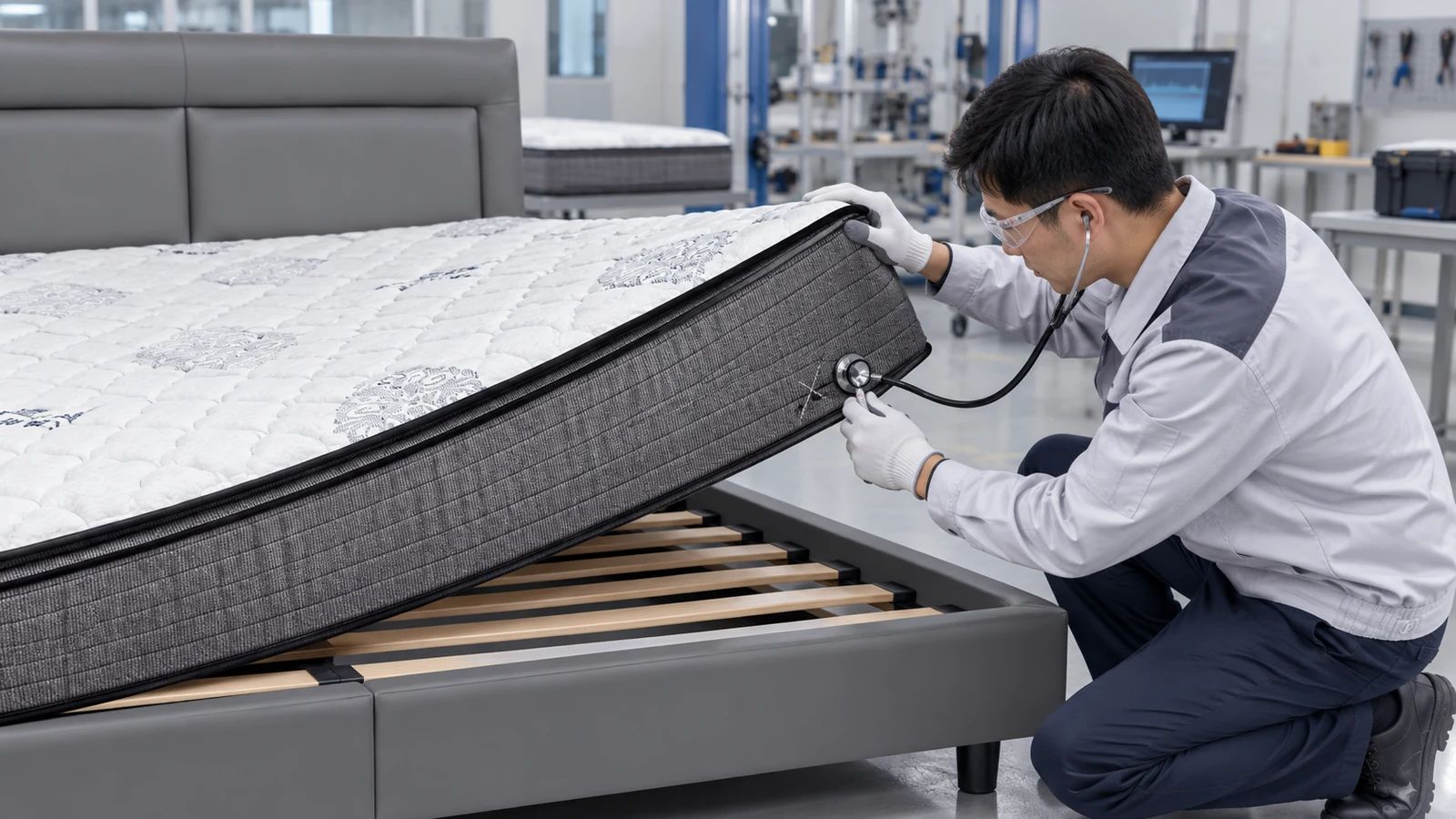
Guangdong Qiangyi Intelligent Manufacturing Technology Co., Ltd. works with mattress brands, distributors, retailers, and private-label buyers developing mattress products for different market requirements. Through its OEM mattress service, buyers can define mattress structures, materials, dimensions, branding, and packaging before production. The company also provides different solutions through its mattress product range and supports production consistency through its quality assurance process, including checks related to materials, firmness, spring systems, edge compression, and packaging. For brands developing new mattress products, the practical value of comfort layer design is creating a structure that matches customer expectations while remaining stable during repeat manufacturing.
Conclusion
Comfort layer design is not simply a decision about which material to use. It is a process of connecting customer expectations, product positioning, manufacturing requirements, and long-term consistency.
The most effective mattress structures are usually not the most complicated ones. They are the designs where each layer has a clear purpose and contributes to a recognizable sleeping experience. By defining the target feeling before finalizing materials, brands can reduce unnecessary development changes and create products that remain consistent after launch.
FAQs
1. Why does a mattress sample often need several adjustments before approval?
Because the final sleeping experience depends on the complete construction. Changes in thickness, material combination, or support structure can affect how the finished mattress feels.
2. Can the same comfort material create different mattress experiences?
Yes. The final feeling can change depending on material specifications, layer position, support system, cover, and quilting structure.
3. Does adding more comfort layers always make a mattress better?
No. Additional layers may increase cost and production difficulty. Each layer should provide a clear improvement that customers can recognize.
4. What should OEM buyers confirm before starting mass production?
Buyers should confirm material specifications, layer structure, dimensions, firmness requirements, approved samples, and quality standards.
5. Why should mattress brands keep an approved reference sample?
Because the reference sample helps manufacturers and buyers compare future production and reduce differences caused by material or process changes.