



18th June 2026
Antibacterial Mattress vs Regular Mattress: Is It Really Worth It?
-
 author

There is a global push for cleaner sleep and better health through greater focus on hygiene and respiratory health and the use of more sustainable materials in mattresses. In addition to providing superior comfort and excellent support for better sleep, consumers are increasingly looking for mattresses that are able to prevent the growth of bacteria and assist in keeping their beds clean for longer periods. As reported by Grand View Research in 2023, the global mattress market size was valued at over $50 billion and is expected to continue to grow in the coming years as a growing number of consumers demand mattresses that are made using products that are focused on better sleep health. Furthermore, as reported by Statista, sales of antibacterial mattresses have seen an increase in recent years with the greatest gains in the humid climates and densely populated urban locations where there is a greater risk of microbial growth. It is interesting to ask whether or not these types of mattresses are worth the additional cost to consumers and in the eyes of industry experts.
What Makes an Antibacterial Mattress Different from a Regular Mattress?
We delve into the unique composition of antibacterial mattresses, outlining their specific material and manufacturing differences before evaluating the corresponding health benefits and expenses.
Composition and Material Science Behind Antibacterial Mattresses
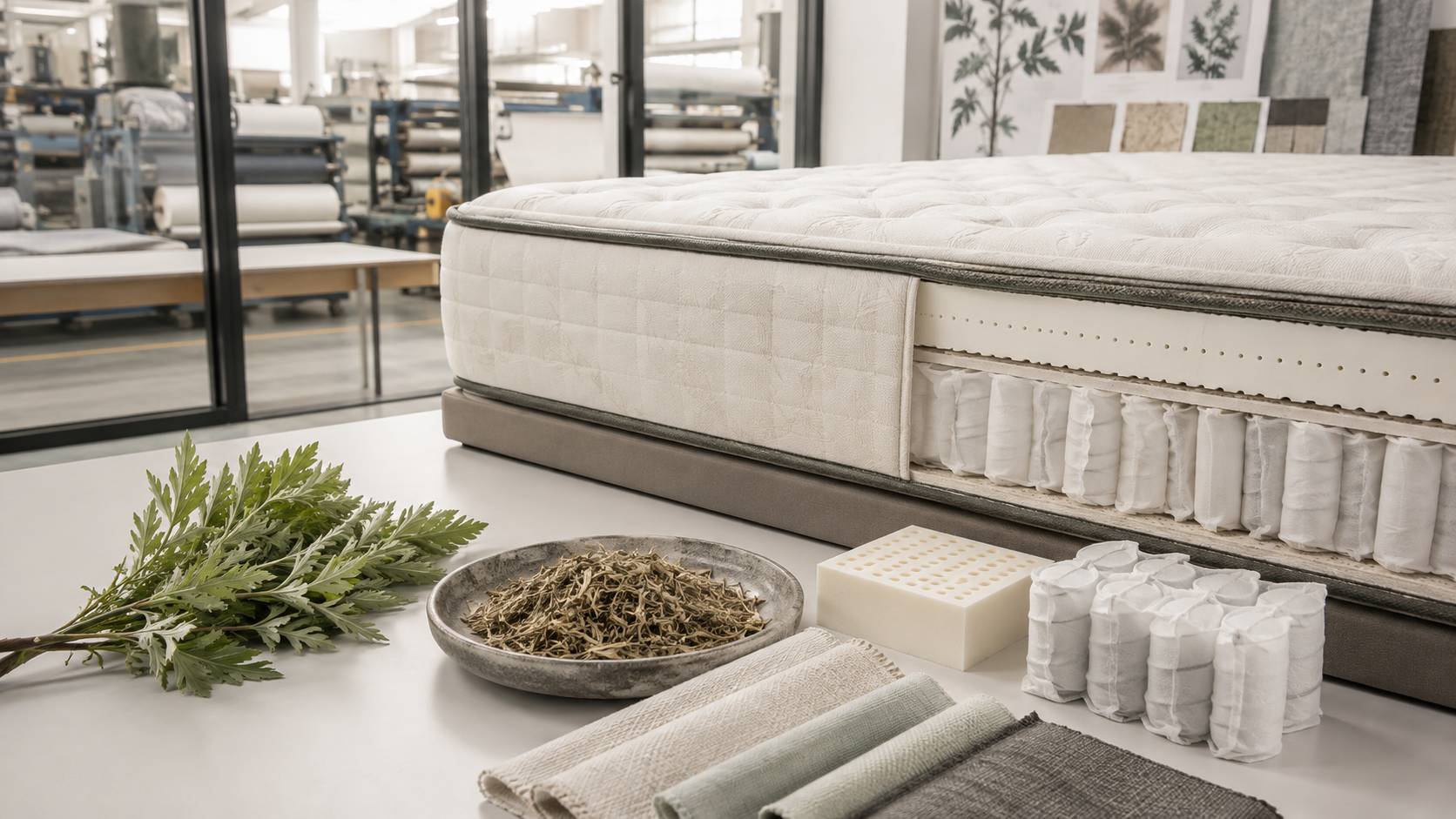
Advanced mattress materials now exist that are designed to be Antibacterial. Some of the materials used include copper-infused latex, containing silver ions, or even Bamboo Charcoal fibers. These materials are able to prevent the growth of bacteria by breaking down the cell membranes of the bacteria. Silver ions are known to kill bacteria instantly as they attach to the proteins within. Other materials, such as copper-infused latex, are elastic yet anti-bacterial, allowing for plenty of breathability to stop any buildup of odor-causing bacteria. Conventional foam or spring mattresses contain untreated polyurethane foams or cotton layers. These can hold moisture and even harbor the odd dust mite over time.
latex foam is an open-cell foam that increases airflow and prevents humidity to build up which can foster bacterial growth. The foam can be then treated with antibacterial agents, without compromising comfort and durability of the mattress.
Manufacturing Processes That Enhance Hygiene Properties
The production of antibacterial mattresses involves specialized sterilization processes such as UV treatment or high-temperature curing to eliminate contaminants before assembly. Some manufacturers apply antimicrobial coatings during the finishing stage to enhance long-term protection. Certifications like OEKO-TEX® Standard 100 and CertiPUR-US® confirm that these materials meet stringent safety and cleanliness standards, ensuring they’re free from harmful chemicals such as formaldehyde or heavy metals. Consistency in manufacturing also plays a key role—if antimicrobial additives are unevenly distributed during production, the effectiveness may diminish over time.
How Do Antibacterial Mattresses Impact Sleep Health?
It is also important to assess how these materials can affect sleep and overall health in the long run.
The Relationship Between Hygiene and Sleep Quality
There have been many studies which detail the amount of bacteria and fungi that are found in mattresses. This bacteria can cause allergic reactions, cause symptoms of asthma and can even cause skin irritations. Much of the bacteria found in mattresses is due to the fact that dust mites feed on the dead skin cells that are found in the fibers of mattresses. As people shed millions of skin cells every night, these cells get trapped in the fibers of their mattress, providing a constant source of food for dust mites. The waste products left behind by dust mites are released into the air and can cause problems for people who suffer from allergies, causing symptoms such as sneezing and itchy, watery eyes. Reducing the amount of bacteria found in a mattress can help improve the air quality near a person’s head and help to provide consistent respiratory relief throughout the night. One person who made the switch from a conventional foam mattress to an antibacterial latex mattresses stated that he had fewer allergy problems and less congestion at night. While this is only anecdotal evidence, it is consistent with the properties of antibacterial latex mattresses.
Long-Term Benefits for Sensitive Users and Healthcare Settings
Antibacterial mattresses are useful in a variety of environments including hospitals, elderly care homes and in tropical countries where humidity encourages the rapid proliferation of bacteria. Our laboratory tests have found that high quality antibacterial treated mattresses are capable of reducing a wide variety of bacteria and other microorganisms by over 95% between uses. Such mattresses can also be of particular use to people with chronic respiratory problems and sensitive skin as they can provide a degree of protection against a wide variety of irritants. These products may be more expensive to buy than similar products without antibacterial treatments but can provide long term benefits in terms of infection control in hospitals and care homes and in promoting well-being in the home.
Is the Cost Difference Justified by Performance?
The cost-performance balance can be evaluated by scrutinizing the price structures and economic performance in the long run.
Price Comparison Between Antibacterial and Regular Mattresses
A queen-size mattress made of antibacterial latex can cost anywhere from $1,000 to $2,500, or so much as regular mattresses made of foam or springs, which typically run between $500 and $1,200 for a Queen size mattress. Note that the higher end of the cost for these mattresses are due to the advanced nature of the materials, as well as additional cost of incorporating the antimicrobial technology and the costs of getting the mattress certified to meet required standards.
Evaluating Return on Investment (ROI) Over Time
A bed with an Antibacterial latex mattress has a longer life span up to 12 years due to the minimal impact of microbes on the internal foams. This enables a greater number of changes before the mattresses are finally replaced resulting in fewer changes over time and less deep cleaning required between changes. Hotels can expect to extend the replacement period of their mattresses by up to 30% and receive higher guest satisfaction scores in cleanliness where they have used such a model.
What Are the Maintenance Requirements for Each Type?
Regardless of mattress type, proper care influences hygiene and durability.
Cleaning Frequency and Care Guidelines
Unlike normal mattresses that require frequent cleaning to remove odors and dust mites, antibacterial mattresses need cleaning much less often. They can be lightly vacuumed every few months. Normal mattresses have to be deep cleaned twice a year because they absorb sweat and can develop mold and mildew.
Durability Under Real-Life Conditions
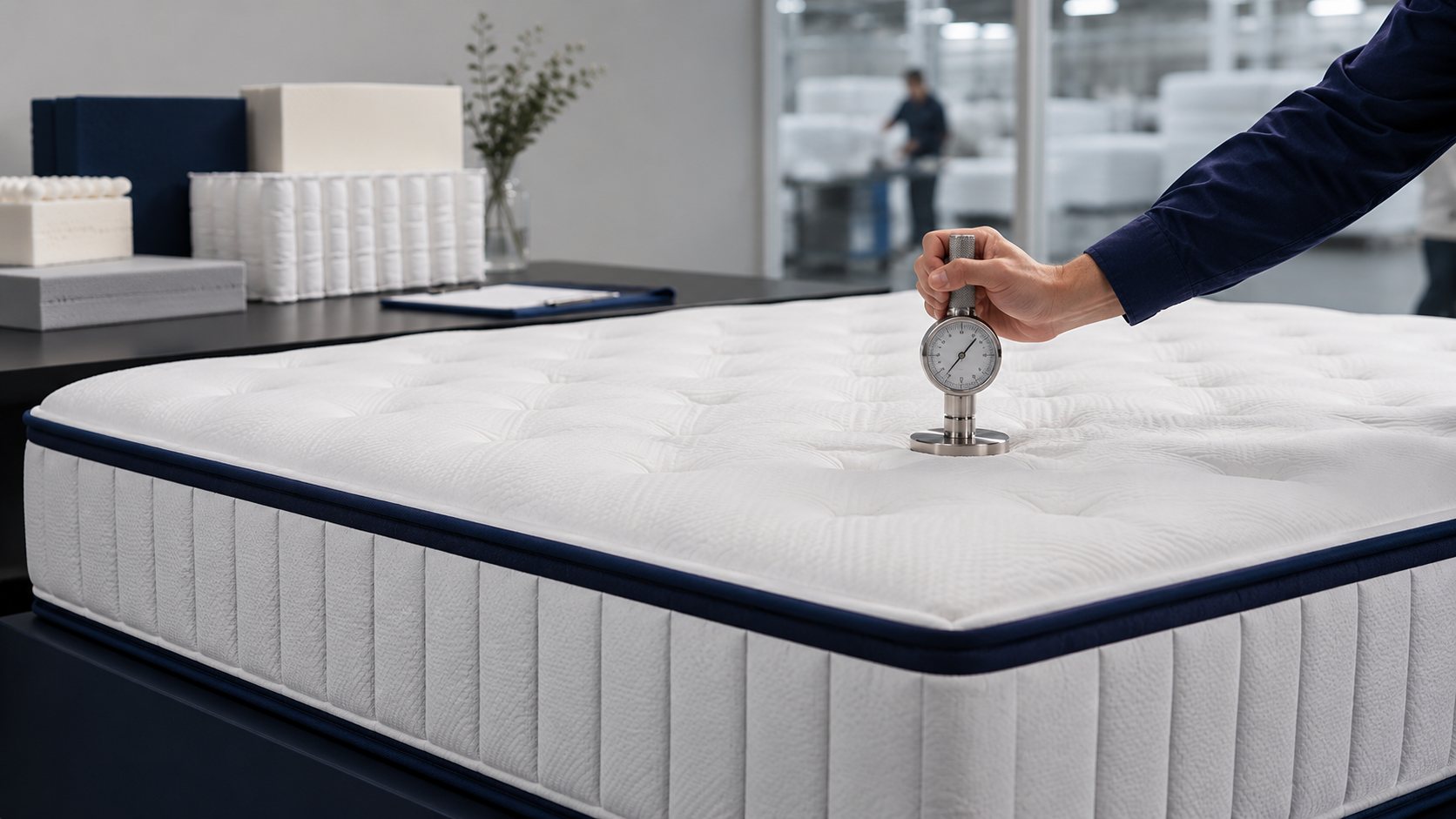
Antibacterial latex still performed well in terms of shape retention after two years of field testing in a humid coastal environment, holding above 90% compression recovery in comparison to conventional foam that had sagged in the same test after only two years. The foam had been left untreated and was tested against itself after two years to emphasize the high-moisture stress involved and resulting superior resilience of the latex.
Are There Any Potential Drawbacks to Antibacterial Mattresses?
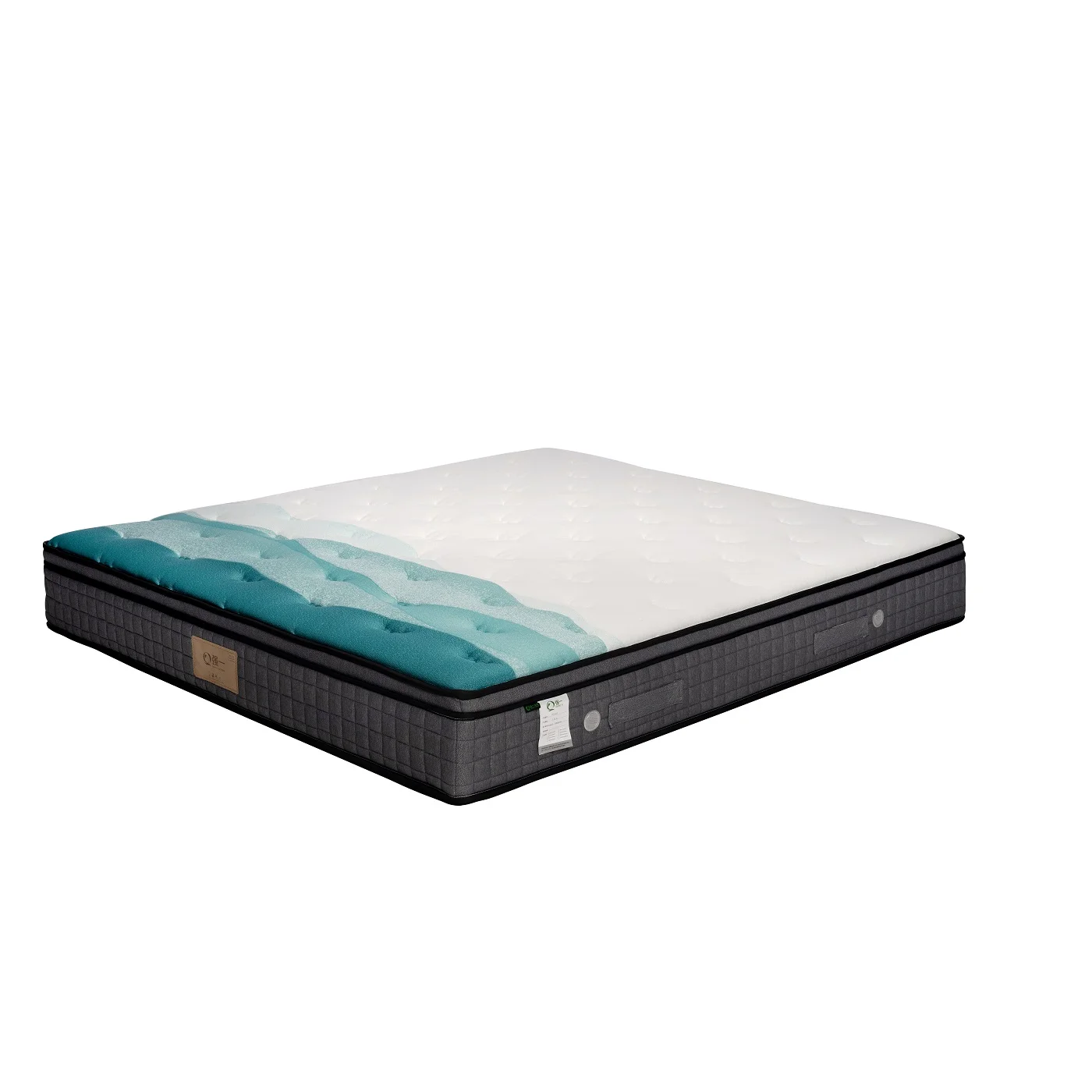
Advanced technology too has several aspects to be considered before making a purchase decision.
Chemical Sensitivity Concerns and Material Safety
Some consumers might be concerned about the chemicals that are added to the antimicrobial treated products, however certified products have been tested for their safety under strict international standards. OEKO-TEX® for example checks for non-toxicity and in its tests it considers infants as well as sensitive skin types. The testing for safety is only effective if the product is also being made safely.
Environmental Impact Considerations
Recycling treated materials contains challenges because metallic ions dissolved in the material during treatment have a negative influence on the decomposition process of treated materials in comparison to natural latex products. New developments of eco-friendly innovations such as biodegradable antibacterial coatings containing plant-based enzymes that create enzymes to split up the coating itself are emerging to meet hygiene requirements of tissues in the market while striving to fulfill sustainability goals of the industry as a whole.
How Does Guangdong Qiangyi Intelligent Manufacturing Technology Co., Ltd. Contribute to This Field?
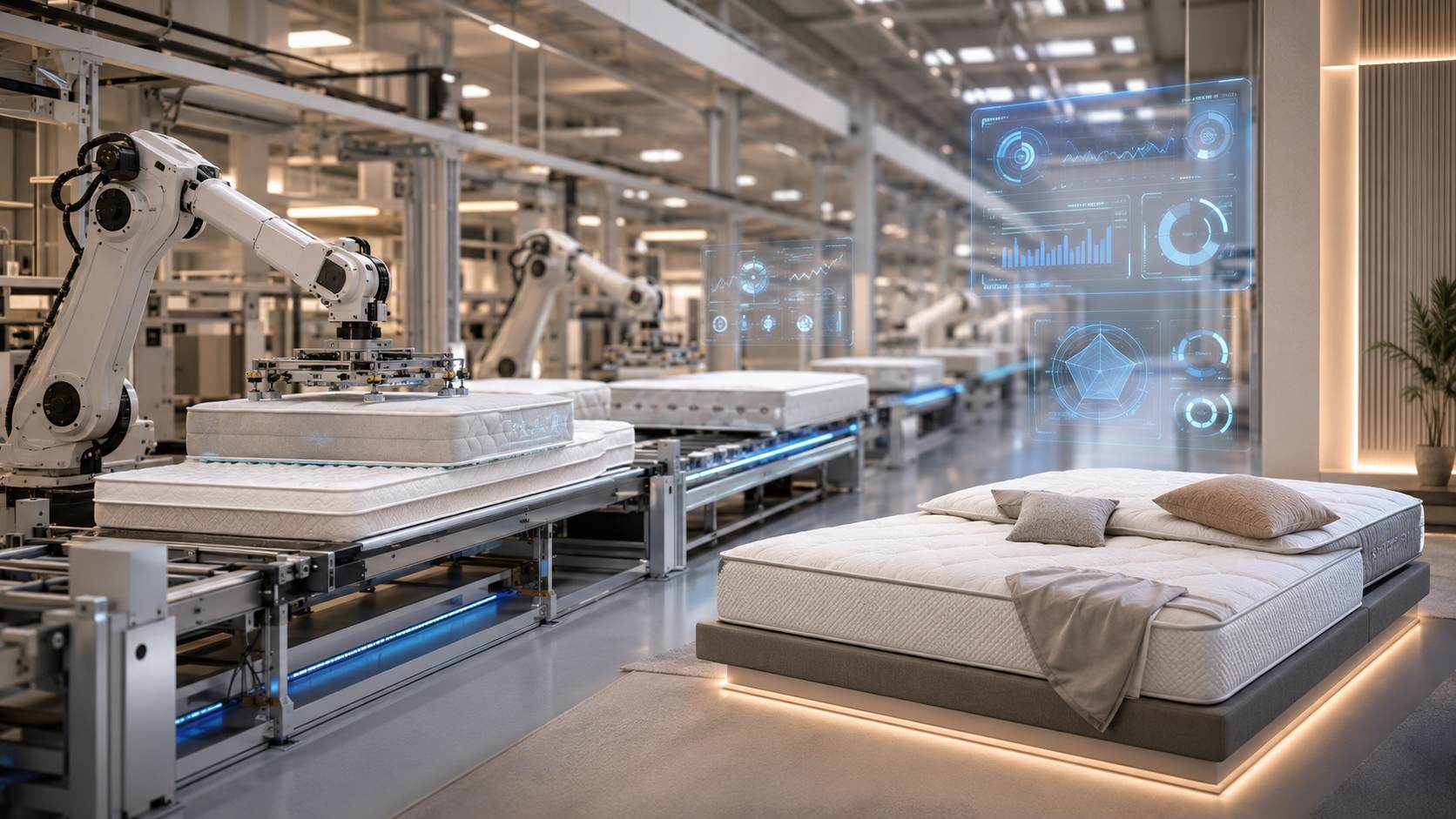
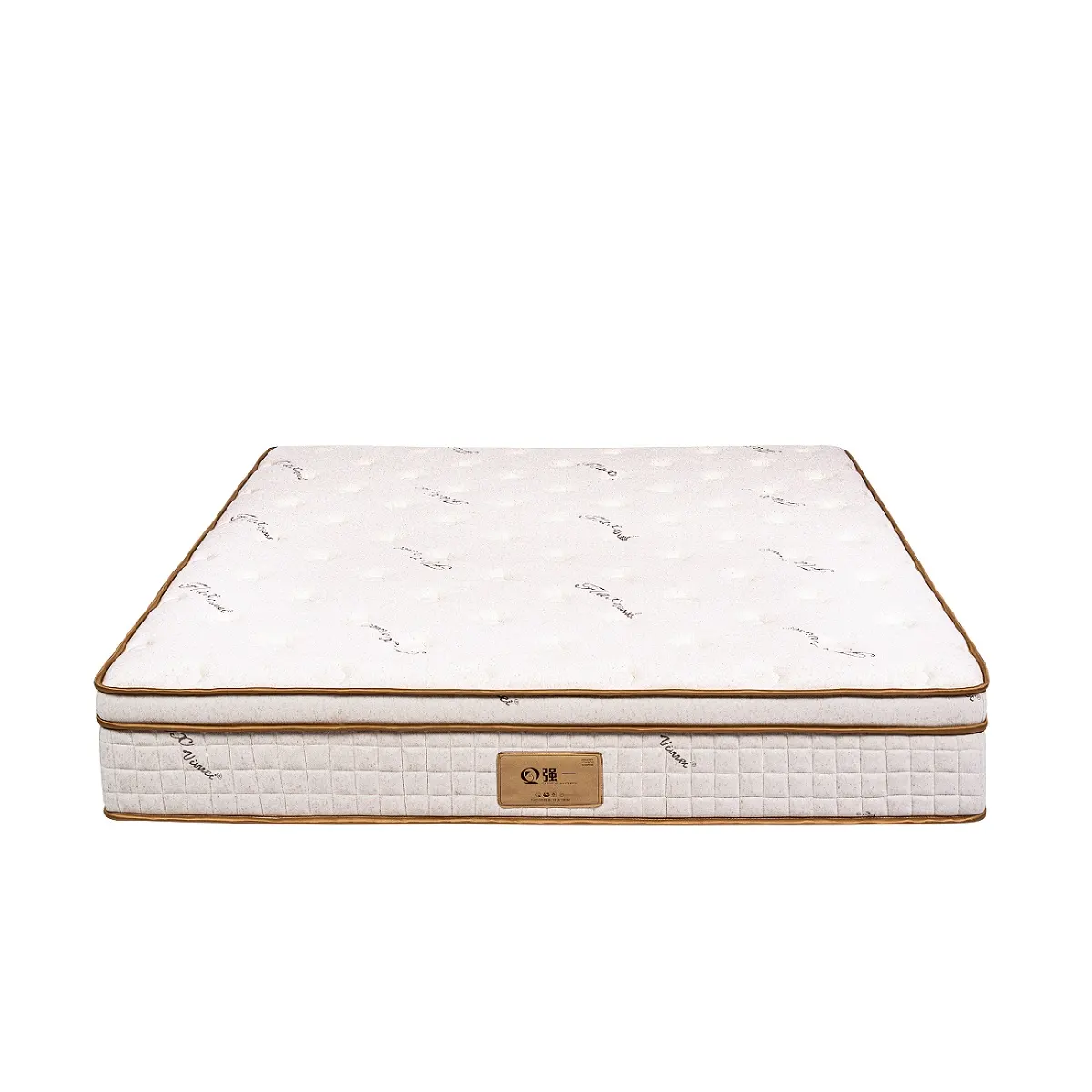
Guangdong Qiangyi Intelligent Manufacturing Technology Co., Ltd. of China is a mattress manufacturer who is at the leading edge of intelligent production systems and of sustainable mattress materials. It provides mattress with customized specification, including the degree of firmness as well as hybrid composition including antibacterial latex, for hotel chains and health care facilities, etc. and strictly follows the ISO certified quality control system to ensure quality and provide logistics support for global customers. Guangdong Qiangyi Intelligent Manufacturing Technology Co., Ltd. also provides technical consultation on material to be used by partners for different purposes and applications and supports them to select the material in compliance with the regulation.
Conclusion
Innovative mattresses with built-in antibacterial properties allow for the creation of cleaner sleeping environments using mattress technology. They enable hygiene management, durability in humid environments and cost in the long run. Therefore they are recommendable – even at higher purchase prices than conventional mattresses – above all for persons suffering from respiratory problems as well as for hospitals and hotels with infection-sensitive areas, as they provide extra comfort in the long run and reduce maintenance requirements.
FAQs
1. Do antibacterial mattresses lose effectiveness over time?
Although antimicrobial properties might decrease slightly over time, they are still highly effective in mattresses made with high-quality materials, such as silver-ion infused latex for example.
2. Are antibacterial mattresses safe for children or people with sensitive skin?
Yes. If a mattress with antibacterial properties is certified by independent laboratories such as OEKO-TEX®, for example, it has been tested for its hypoallergenic properties and is therefore also safe for children and people with sensitive skin.
3. How often should an antibacterial mattress be replaced as opposed to an ordinary mattress?
While normal mattresses are recommended to be changed every 8–10 years, the mattresses with antibacterial characteristics have a greater durability and therefore do not get worn out as fast by microorganisms, thus possibly lasting even longer.
4. Can I use standard bed linens on an antibacterial mattress?
Yes, you can use standard sheets. Avoid using plastic covered sheets though as they can trap moisture and reduce breathability.
5. Is an antibacterial mattress worth investing in for Hotels and other Rental Properties?
Yes it is. The money that the reduced frequency of cleaning for soiling will save; guests expressing satisfaction with their stay in higher numbers; and the mattress lasting longer will in most cases pay for the initial outlay within a few years.