



26th June 2026
Best Mattress for Kids: What Parents Should Look for in Support, Safety and Breathability
-
 author

The quality of a child’s sleep directly affects growth, cognitive development, and emotional well-being. According to a 2023 report by the Sleep Foundation, children aged 6–13 require between 9–11 hours of uninterrupted sleep each night to support healthy physical and mental development. Choosing the right mattress for kids goes beyond comfort—it’s about ensuring proper spinal alignment, using safe materials, and maintaining breathable construction that prevents overheating. Parents and bedding professionals alike must evaluate how support systems, safety certifications, and material choices such as cotton mattresses contribute to restorative sleep and long-term health outcomes.
What Type of Mattress Support Is Suitable for Children?
Choosing the right amount of support will help keep your child’s spine aligned but allow for their natural sleep movements.
The Role of Firmness in Spinal Development
For children who are still growing, a medium-firm mattress is best. The pediatric studies in orthopedics reveal that very soft mattresses can actually cause the spine to become crooked, resulting in the child slumping or becoming permanently stooped over time. A supportive mattress is also a precaution against future back problems in the adolescent years.
Material Composition and Structural Integrity
High-density foam or hybrid coil systems can ensure excellent distribution of the body’s weight and can withstand sinking. Natural latex mixed with cotton layers create an excellent mixture of softness and of great resistance. Reinforced edge is particularly suited for active sleepers. It prevents them from falling during the night should they sleep near the edge of the bed.
Durability and Cost Considerations
When choosing a mattress for kids to sleep on, parents are faced with the question of longevity vs. cost. A good quality mattress made with long lasting materials such as a dense foam core or natural latex will last longer and save you money in the long run. Additionally, a mattress with removable covers can extend the life of the mattress, as spills and accidents can be cleaned quickly to prevent damage to the mattress. This is particularly important in a household with kids and pets.
How Important Is Safety Certification in Kids’ Mattresses?
Children’s safety is of great importance due to their sensitivity towards chemicals and allergens found in bedding materials.
Non-Toxic Materials and Chemical-Free Production
Many foam mattresses carry certifications such as CertiPUR-US® or OEKO-TEX® Standard 100. These certifications test mattresses for low emission of volatile organic compounds (VOCs) and ban the use of toxic chemicals such as formaldehyde and phthalates. Children are especially sensitive to respiratory irritation caused by these chemicals, so non-toxic mattresses are important for healthy indoor air.
Fire Resistance Standards Without Harmful Additives
State-of-the-art fire barriers made from natural wool or from silica are compliant with U.S. CFR 1633 flame barrier performance requirements. They are protected from fire without the use of any flame retardants that can pollute the air when a fire occurs. They are safe and comfortable!
Allergy Prevention Through Material Selection
Organic cotton nap covers are naturally hypoallergenic and exclude dust mites which can trigger asthma and allergies. Nap covers for daycare environments can be removed and washed as needed in order to maintain the cleanliness of the shared space.
How Does Breathability Affect Sleep Quality in Children?
Controlling temperature is key to inducing deep sleep, during which growth hormone is released.
Temperature Regulation During Sleep Cycles
Overheating can even interrupt your REM periods during sleep to help with memory and with tissue repair. Mattresses with open-cell foam or made with cotton ticking such as cotton mattress ticking enable good airflow through the cover of the mattress to enable a stable temperature throughout the night even in tropical destinations.
Moisture Control and Hygiene Benefits
Moisture-wicking fabrics help keep moisture away from skin to prevent odor and irritation causing bacteria growth. Studies conducted by the National Sleep Council have found that children get better quality sleep when they use bedding that is ventilated compared to non-ventilated bedding made of regular fabrics.
Are Cotton Mattresses a Reliable Option for Kids?
The natural materials used in cotton mattresses as well as the sustainable profile of this type of mattress make it attractive for many consumers.
Advantages of Cotton as a Natural Fiber
Cotton mattresses are loved for their softness, breathability, and high moisture absorbency – all features that ensure a cool sleeping surface. Because cotton is biodegradable, cotton mattresses do not contain any synthetic additives, unlike most polyurethane foams. Also, they are the perfect option for the eco-aware parent.
Maintenance and Longevity Factors
To stop dips forming in the filling after long periods of time, it’s a good idea to regularly flip the cotton around in the sack. Any stains can be cleaned with a mild detergent and water, in the spot where the stain has occurred, making sure not to degrade the fibers elasticity.
Comparing Cotton Mattresses With Hybrid Alternatives
While a hybrid mattress with coil support may be too firm for an orthopedic mattress, cotton mattresses offer excellent ventilation. This is particularly important for residents living in humid climates or children with sensitive skin who suffer from eczema. Parents who prioritize ventilation and a breathable mattress over support often choose a cotton mattress.
What Should Parents Evaluate Before Purchasing?
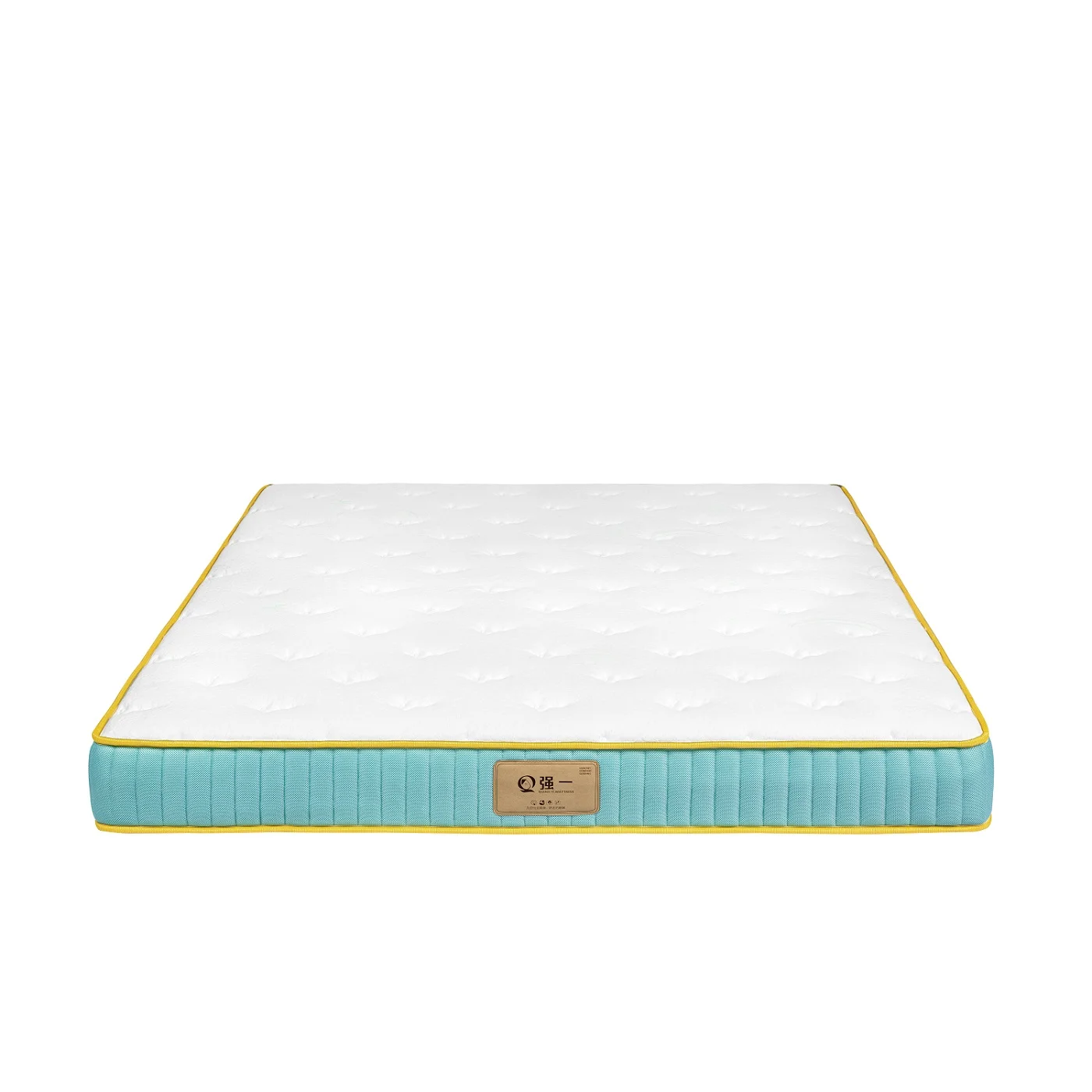
There are several practical factors which determine long-term satisfaction of product use, apart from the perceived comfort during the very first use.
Size Adaptability for Growing Children
Using a Twin or Twin XL size mattress allows for growth without the need for a new mattress for a few years. Also, some modular mattress systems can be adjusted with the internal layers as the child grows. So, there is no need to change the entire mattress from one developmental stage to another.
Budget vs Performance Trade-Offs
While higher quality models are typically more expensive up front, the ROI is greater due to the model’s durability and less maintenance required over the years. Additionally, a warranty that covers sagging and/or defects adds value to the total ownership cost.
Real-Life Application Example
When a family changed their child’s synthetic foam mattress to a breathable cotton-latex hybrid mattress they noted improvements in comfort metrics in terms of thermoregulation for rest after only two weeks. Pediatric consultants were able to monitor this using wearable trackers and reported a 40% decrease in the child’s night sweats.
Why Partner With a Reliable Mattress Manufacturer Matters?
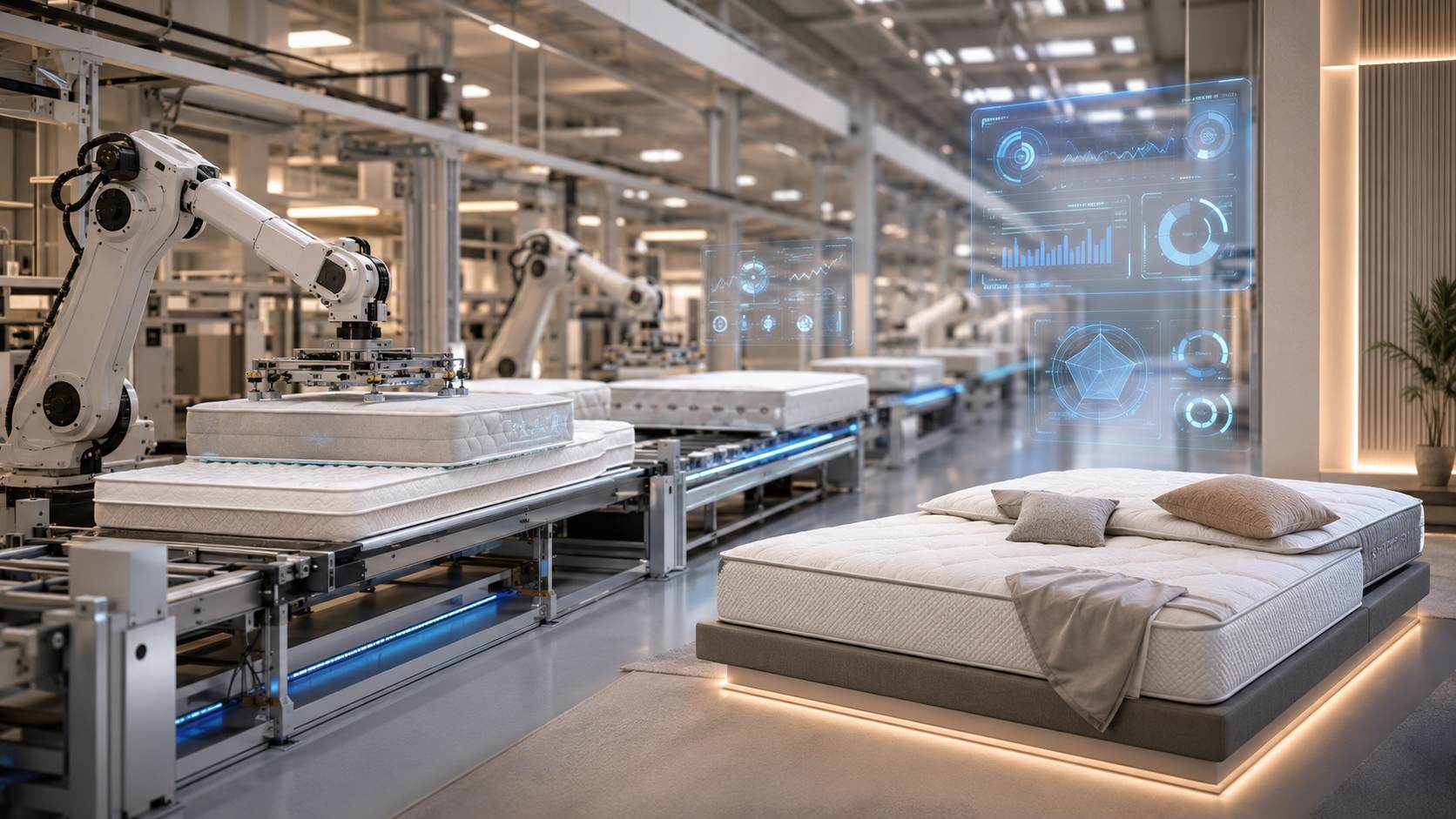
Quality Suppliers enable us to deliver products made with health in mind in a consistent manner. Quality suppliers such as Guangdong Qiangyi Intelligent Manufacturing Technology Co., Ltd. carry out quality controlled processes from start to finish to produce high quality bedding products. They are one of the leading bedding manufacturers with precise manufacturing processes in place. They are able to offer OEM/ODM services to provide institutional customers with custom-made mattresses featuring specific firmnesses or made with eco-friendly materials including organic cotton blends. They are also able to provide after-sales technical consultation to assist with maintenance of the products to maximize product lifespan while running an eco-friendly business in institutions including schools and hospitals.
Conclusion
Choosing the best mattress for your kids is a combination of science behind the ergonomics of sleep and the practical aspects of choosing a mattress that will be comfortable for your kids in the short term and will last for years to come. We look at factors such as comfort, safety certifications, heat, durability and cost. Research has shown that having a quality sleep surface can improve a child’s ability to concentrate and manage their emotions as they get older. We hope that by researching the best mattress for kids, parents can make an informed decision that will aid their child’s comfort in the short term and their overall development in the long term.
FAQs
1. How often does a child’s mattress need to be changed?
Every 6–8 years depending on usage. The mattress will need to be changed more often in the case of a fast growing child and at the start of the space restricted phase where it would be too expensive to change for a bigger size straight away.
2. Memory foam mattresses can be safe for young children?
We are looking for a mattress that is certified low-VOC and very firm, so that there is little chance of excessive sinking into the mattress. Softer foams have the potential to cause suffocation of a toddler under 3 years of age.
3. Can organic cotton mattresses prevent allergies?
No, but they can prevent a lot of other things. Organic cotton mattresses resist dust mites very well, and do not contain any chemicals that can be irritants, but are still in need of periodic cleaning in order to maintain their hypoallergenic characteristics.
4. What is the ideal room temperature when using breathable mattresses?
Ideally, room temperature should be maintained at 68–72°F (20–22°C) in order to fully unlock the air flow features of breathable bedding systems.
5. A good mattress could improve academic performance indirectly?
As pediatric research has shown, high quality sleep is needed for focus, for memory retention, and for moods that support learning. The American Academy of Pediatrics conducts research and study on sleep and children.