


27th August 2026
Copper-Ion vs Silver-Ion Mattress Fabrics: Which Antimicrobial Technology Should Brands Choose?
-
 author
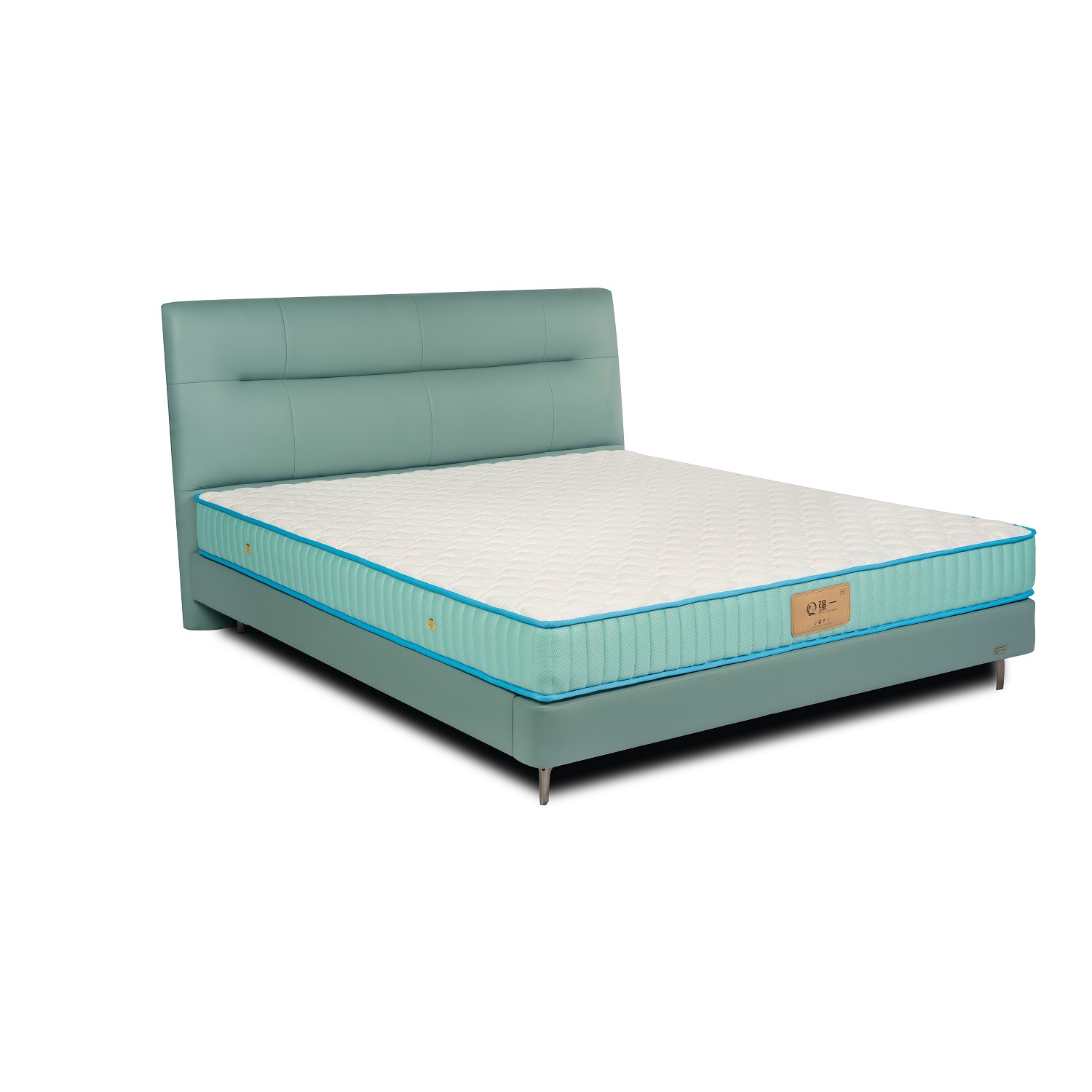
Both copper-ion and silver-ion types of the fabric can be used for the antimicrobial mattress concept. However, it is not possible to say that one of the options is better than another. On the one hand, copper-ion variants can be used for technically positioned products, making them more advantageous. On the other hand, silver-ion can be a better choice for high-end collections with a clear emphasis on comfort and material’s appearance. Brands should not decide based only on the metal name or an antibacterial percentage in a brochure. The treatment method, textile construction, test conditions, physical durability, mattress structure, and target customer all affect whether the technology is commercially suitable.
Which Antimicrobial Fabric Fits the Brand’s Market Position?
The first question is not whether copper or silver sounds more advanced. It is which technology supports the intended customer, comfort profile, price point, and product story.
When Should Brands Consider Copper-Ion Fabric?
Copper-ion fabric is worth considering for brands developing performance-led latex or hybrid mattresses. Copper-based compounds may be incorporated into fibers or applied as textile finishes to help inhibit bacterial growth.
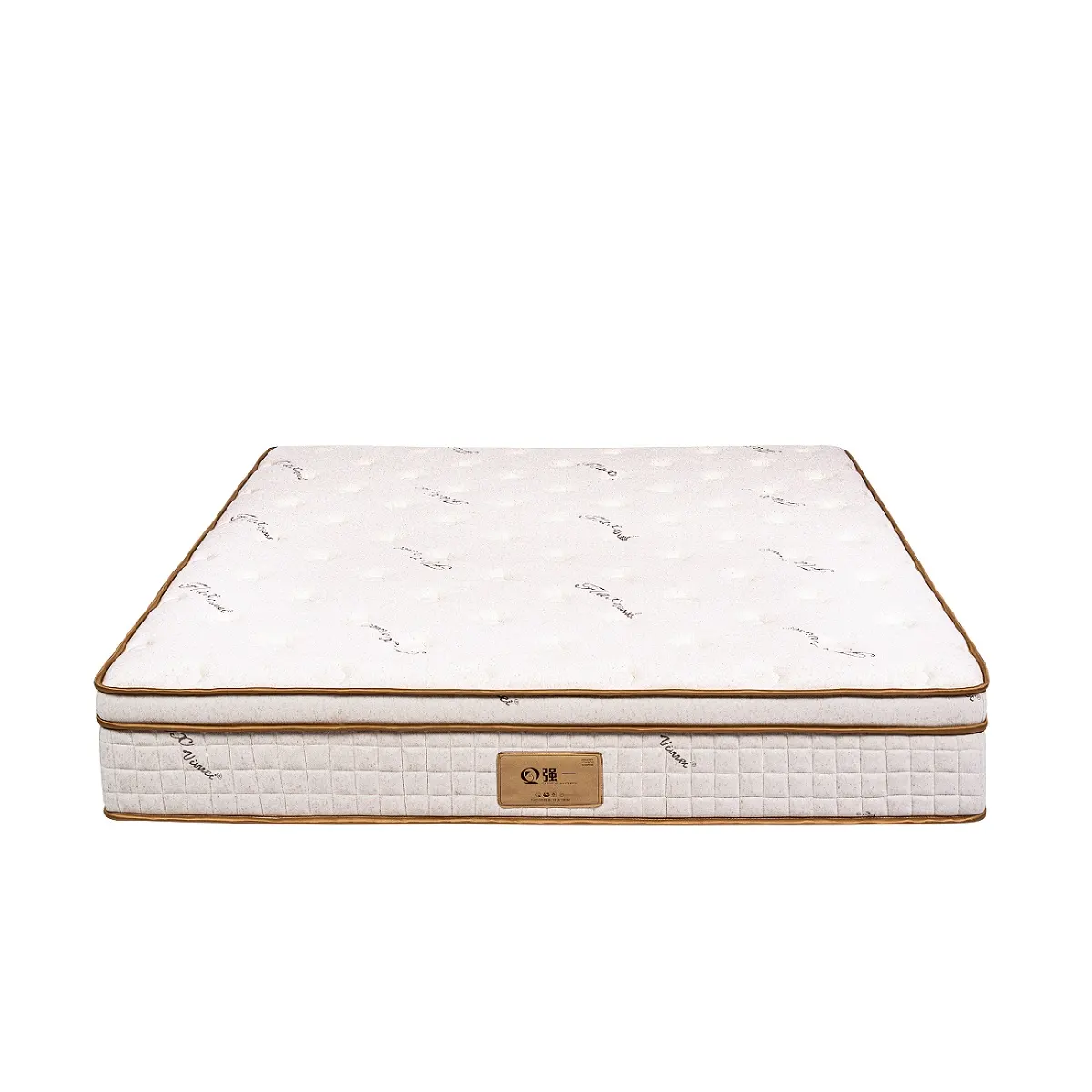
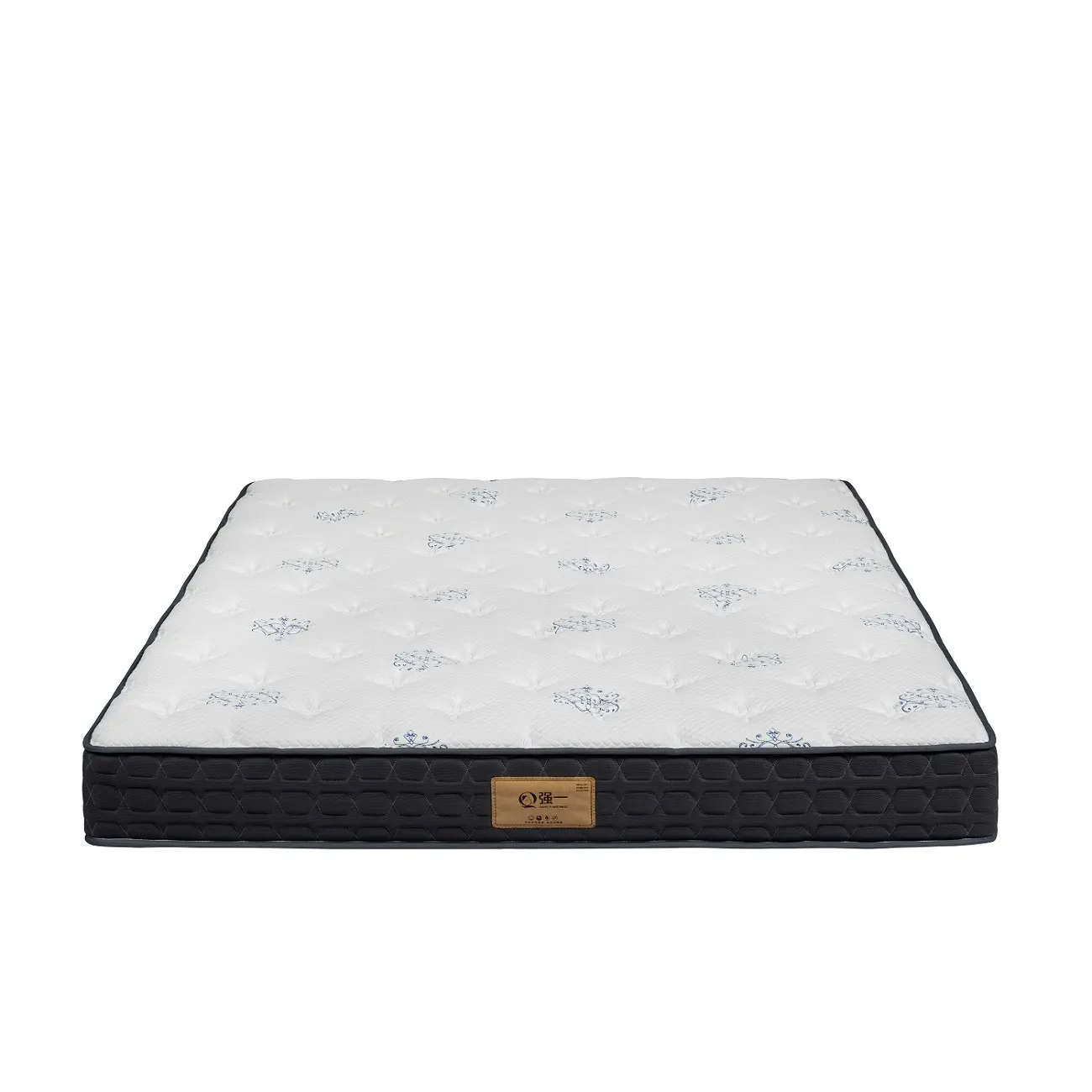
The QYM008 Copper-Ion Antibacterial Latex Mattress shows this direction. It combines copper-ion knitted fabric with 92% natural latex, D22 foam, D2650 high-resilience foam, and independent pocket springs.
Its 18 cm, medium-to-firm construction suits brands targeting supportive and hygiene-conscious sleep products. However, the copper-ion cover should be treated as one part of the mattress—not a substitute for ventilation, material stability, or structural support.
When Is Silver-Ion Fabric More Suitable?
Silver-ion fabric often fits premium comfort ranges. Silver can be introduced through infused rayon, embedded fibers, visible yarns, or applied finishes. Depending on the textile construction, it may also create a distinctive surface appearance.
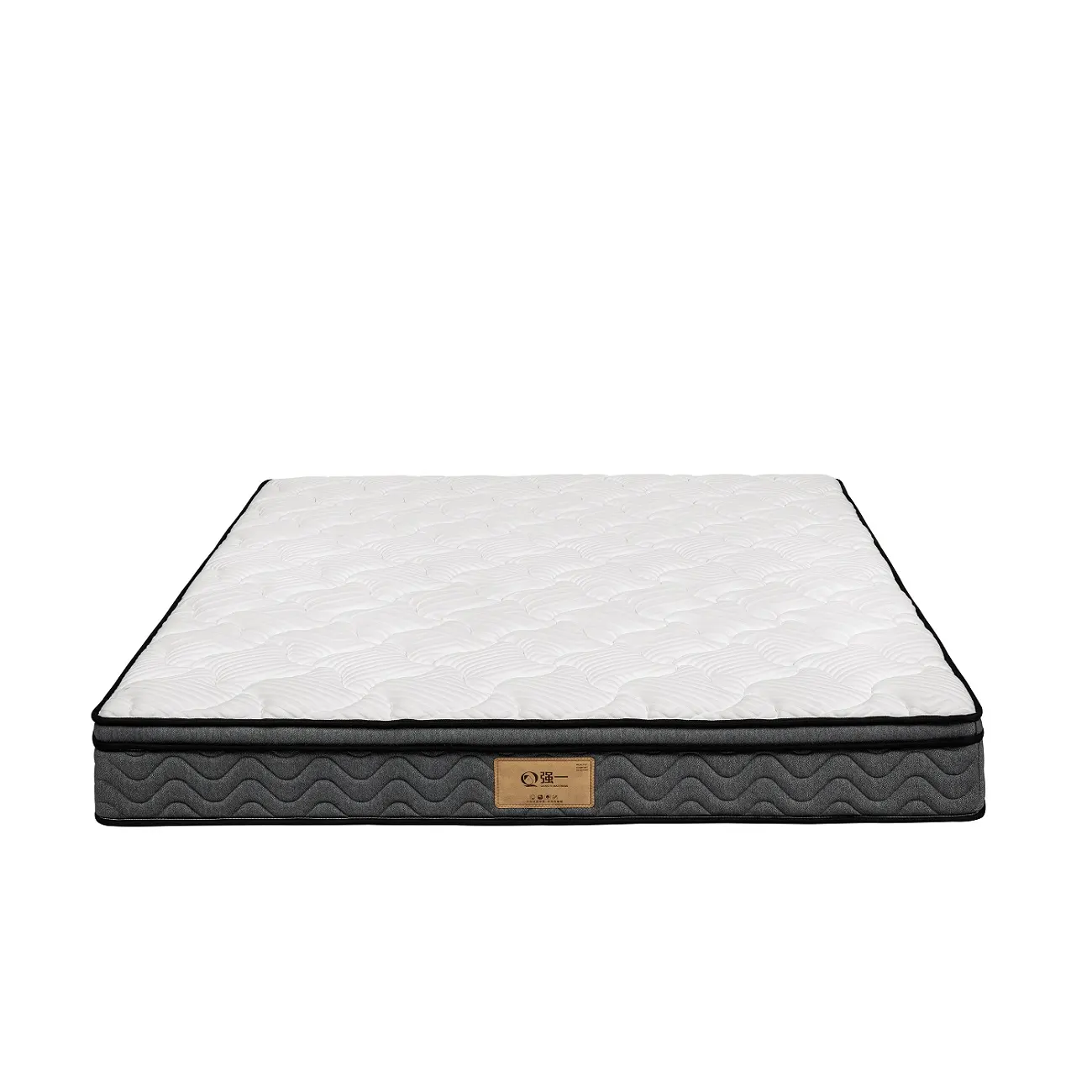
The QYM015 Silver-Infused Antibacterial Pocket Spring Mattress uses silver-infused rayon fabric, D22 foam, 4D polymer fiber, and pocket springs. Its 25 cm profile and moderate-to-soft feel address a different market from the firmer QYM008.
Visible silver thread can support merchandising, but it does not prove antibacterial performance. Buyers still need a report for the exact production fabric.
How Do Copper-Ion and Silver-Ion Technologies Differ?
Both technologies rely on interactions between metal ions and microorganisms. Their finished performance depends on the active substance, concentration, incorporation method, textile structure, and conditions of use.
Why Does the Incorporation Method Matter?
Antimicrobial agents can be embedded during fiber production, incorporated into yarn, or applied as a surface treatment. These methods may differ in wash resistance, abrasion durability, manufacturing cost, and repeat-order consistency.
Buyers should ask suppliers to identify:
- The antimicrobial agent and incorporation method
- The base fiber and complete fabric composition
- Whether the treatment is embedded or surface-applied
- Fabric weight, width, color, and knitting structure
- Any cleaning or handling restrictions
- How the fabric is identified during incoming inspection
An embedded treatment may resist surface wear better than some topical finishes, but durability must still be verified. The treatment method alone does not guarantee lasting performance.
What Commercial Differences Should Buyers Compare?
Copper-ion fabrics frequently support a technical product story, particularly in firmer latex or hybrid mattresses. Silver-ion fabrics may be easier to position in softer premium products where fabric appearance and hand feel influence retail presentation.
These are not fixed rules. Either technology can be used in different mattress types if its cost, comfort, appearance, durability, and test results fit the brand’s specification.
What Test Evidence Should Buyers Request?
An antibacterial percentage has little procurement value without the method, organism, control material, and test conditions behind it. Buyers should request the complete laboratory report rather than a cropped certificate.
Which Antibacterial Test Methods Are Relevant?
ISO 20743:2021 and AATCC TM100 are recognized quantitative methods for evaluating antibacterial activity in textiles. A useful report should identify:
- The exact fabric code and fiber composition
- Tested microorganisms
- Initial and final bacterial counts
- Contact time and incubation conditions
- Untreated control material
- Calculation method and result
- Laboratory name and report date
- Test standard and version
Brands must also separate antibacterial, bacteriostatic, antifungal, anti-mite, and odor-control claims. A result for one bacterium does not automatically support every hygiene-related marketing statement.
Should the Fabric Be Tested After Aging or Abrasion?
Yes. Mattress ticking experiences repeated friction, heat, humidity, body contact, and housekeeping activity. These conditions may affect both antimicrobial performance and fabric appearance.
Buyers have to take into consideration the testing performed at a conditioned state, after abrasion or after aging. Physical tests such as pilling, bursting strength, seam performance, color fastness and dimensional stability are necessary.
A fabric that resists bacteria, but pills and stretches would still lead to complaints and returns.
How Should the Fabric Match the Mattress Construction?
The cover is the most visible component, but it does not control mattress performance alone. Hygiene, heat, moisture, odor, and comfort are affected by every layer beneath it.
Which Materials Support an Antimicrobial Cover?
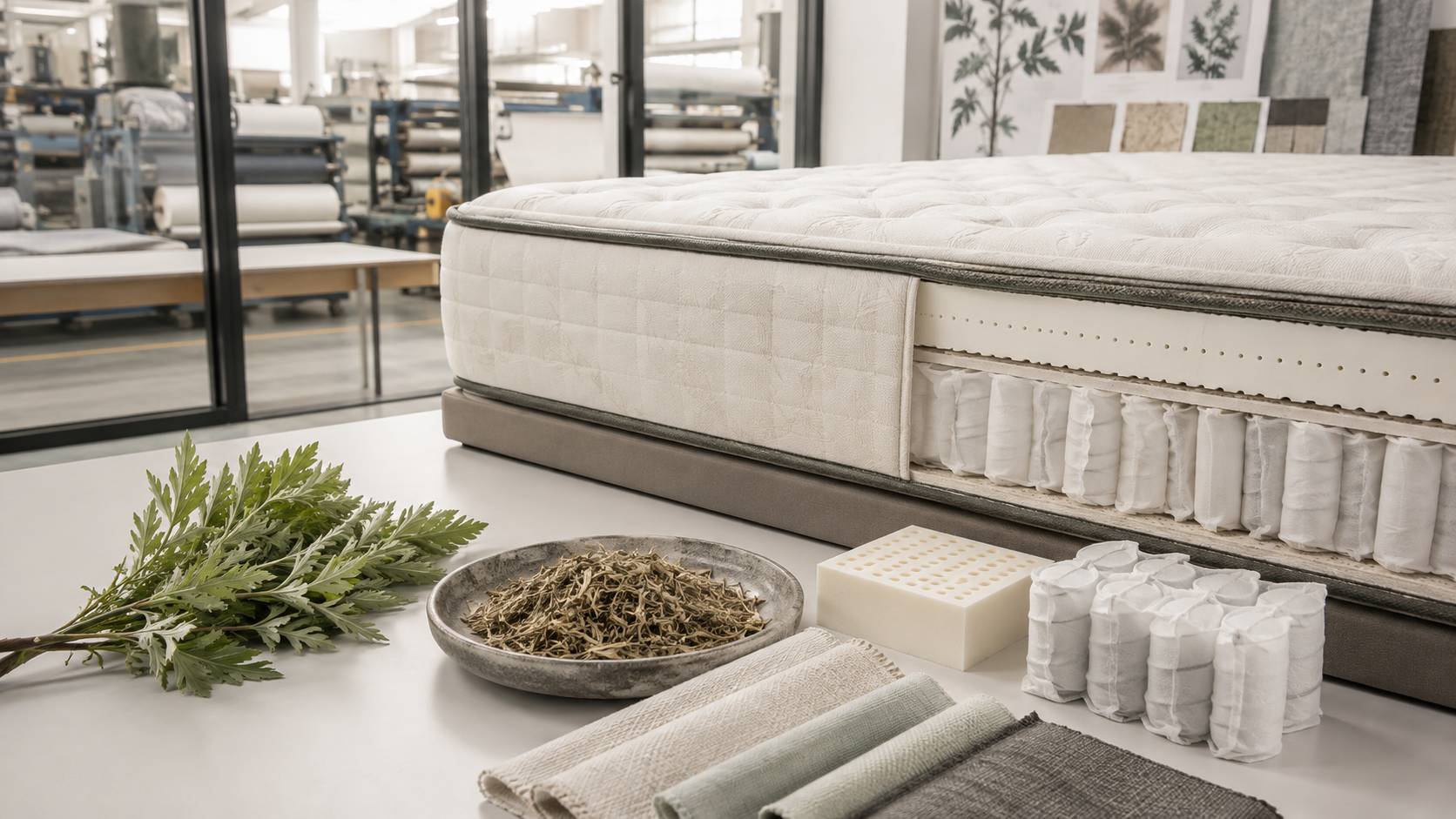
Copper-ion or silver-ion ticking can be combined with perforated latex, open-cell foam, breathable fiber, and pocket springs to create a more effective airflow path.
Brands can compare possible constructions in the latex mattress collection and hybrid mattress collection.
For foam and latex layers, specify material type, density, firmness, thickness, and compression recovery. For spring units, document the spring type, wire specification, coil height, pocket material, zoning, and edge reinforcement.
Which Construction Problems Can Undermine the Concept?
Poor ventilation can allow heat and moisture to accumulate beneath an antimicrobial cover. Inconsistent foam may change firmness between batches, while unsuitable adhesives can create odor or layer movement.
No cover treatment can compensate for collapsed edges, noisy springs, uneven quilting, weak seams, or slow recovery after roll packing. These defects usually influence customer satisfaction more directly than the type of antimicrobial metal used.
What Should Brands Check Before Bulk Production?
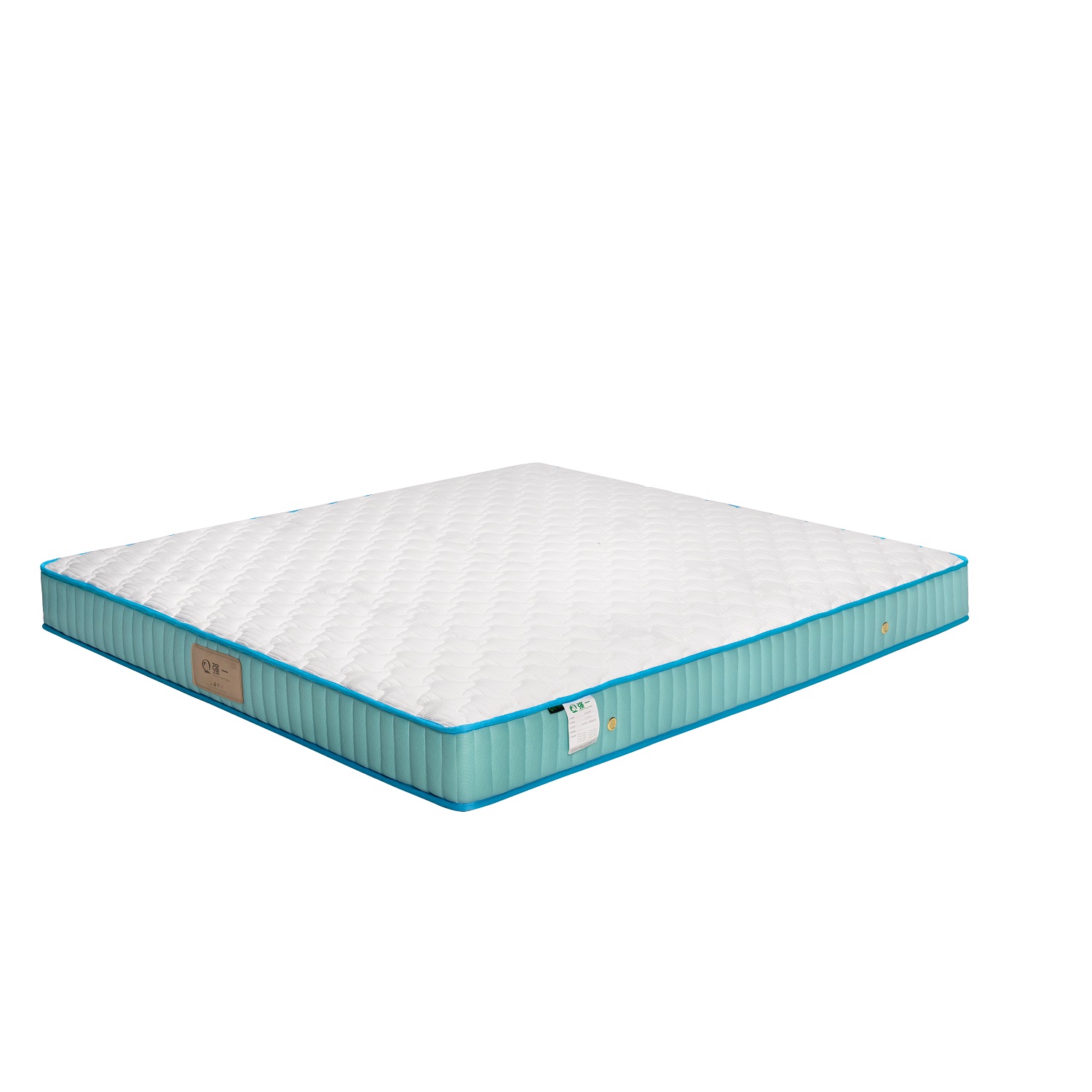
The final decision should be based on controlled sample comparison. Where possible, copper-ion and silver-ion prototypes should use similar dimensions and support structures so that unrelated construction differences do not distort the result.
What Belongs in the Approved Specification?
The purchase specification should record the fabric code, fiber blend, weight tolerance, color, width, knitting pattern, treatment method, test standard, and required performance.
It should also define:
- Mattress dimensions and height tolerance
- Foam density, firmness, and thickness
- Latex type and declared content
- Spring and edge-support construction
- Quilting and seam requirements
- Packing method and compression period
- Labeling and destination requirements
- Golden sample and substitution controls
The guide to sourcing antibacterial and anti-mite mattresses offers additional questions for supplier discussions.
How Should Buyers Approve the Production Sample?
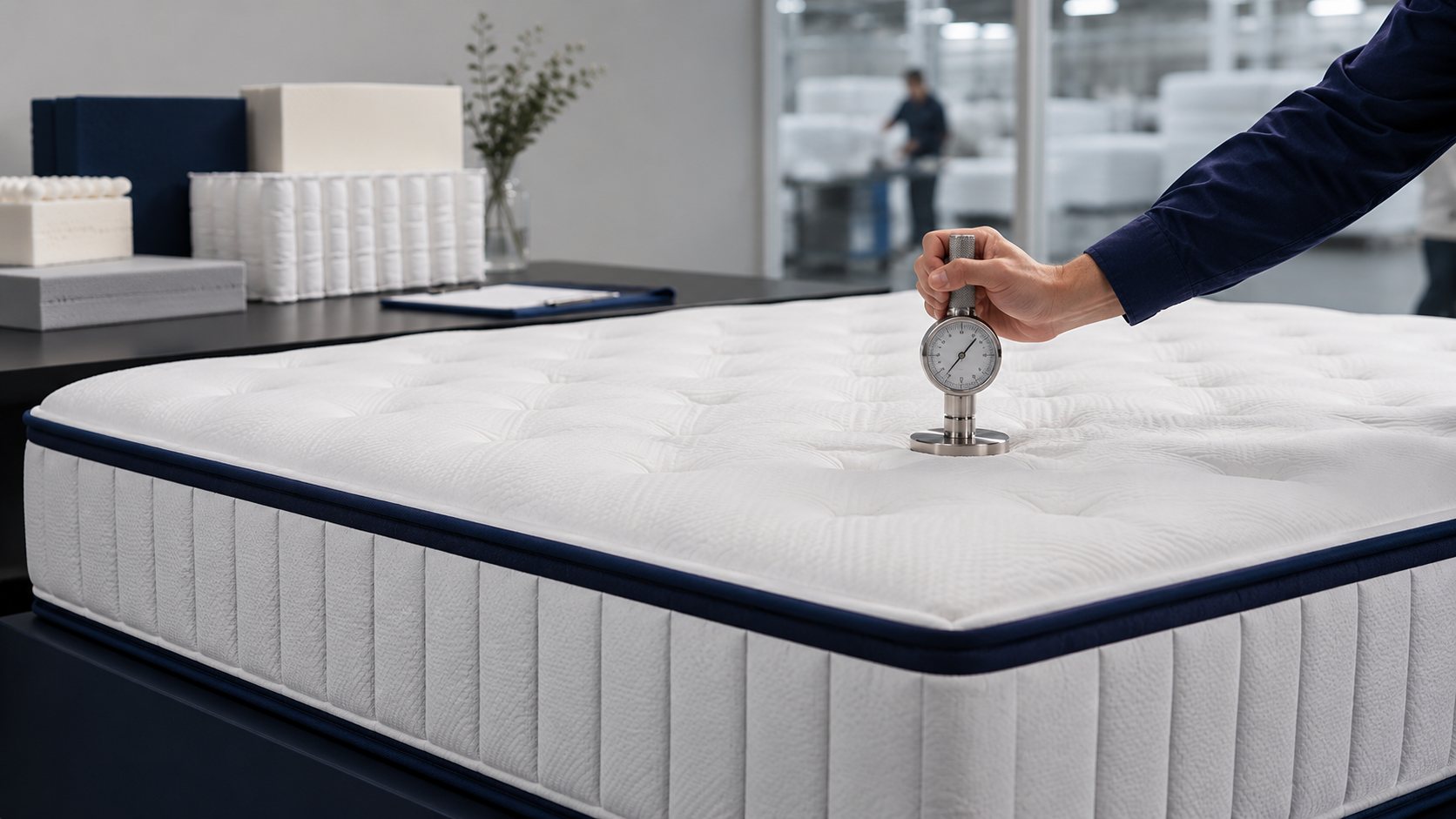
Inspection of a representative piece of the finished mattress as produced, not an approved fabric swatch, is appropriate for control over odor, hand, pilling, stitching, cover fit, layer fit, firmness, edge retention, motion off-set and unpackaged recovery.
The supplier should also have procedures for control of fabric identities and prevention of unauthorized substitutions with regard to ticking, treatments, foams, latexes, springs, and adhesives which are subject to change of such items without written approval.
Which Manufacturer Can Support Antimicrobial Mattress Development?
Guangdong Qiangyi Intelligent Manufacturing Technology Co., Ltd. is an OEM/ODM supplier serving wholesale, retail, private-label, and hospitality mattress projects.The company offers copper-ion and silver-infused fabrics, latex, high-resilience foam, 4D air fiber, and independent pocket springs for its mattresses. The company provides customers with the opportunity to order a sample of the material, indicate the size, level of firmness, design of the cover, internal structure, packing, and quantity, and the address of delivery. Its mattress development support can cover material combinations, structure selection, labeling, compressed packaging, and repeat-order specifications. Before bulk production, buyers should approve a representative sample and document the fabric identity, tolerances, inspection criteria, and substitution controls.
Conclusion
Copper-ion fabric is worth considering for technically differentiated, firmer latex or hybrid mattresses, while silver-ion fabric often fits softer premium ranges. The final choice should depend on verified antibacterial performance, physical durability, construction compatibility, customer profile, and target cost. Brands should compare representative substrates, obtain complete ISO 20743 or AATCC TM100 testing reports, and specify all requirements in the technical specification to make sure that the antimicrobial composition is not overly generalized.
FAQs
1. Is copper-ion mattress fabric better than silver-ion fabric?
Not universally. Copper-ion fabric may support technical positioning, while silver-ion fabric may suit premium comfort ranges. Test evidence, physical durability, mattress construction, cost, and customer profile should determine the choice.
2. Which test should buyers request for antimicrobial mattress fabric?
Buyers can request quantitative testing under ISO 20743:2021 or AATCC TM100. The report should identify the exact textile, organisms, control sample, contact conditions, calculations, and laboratory results.
3. Does visible silver thread prove antibacterial performance?
No. Visible silver yarn may support product appearance, but it does not verify antibacterial activity. Buyers still need material identification and quantitative testing covering the exact production fabric.
4. Can antimicrobial performance decrease during mattress use?
Yes. Abrasion, humidity, contamination, cleaning, and aging may affect the textile. Brands should consider durability-conditioned testing instead of relying only on results obtained from unused fabric.
5. Should brands test the fabric or the complete mattress?
Both are valuable. Fabric testing evaluates the treated textile, while finished-mattress inspection reveals cover fit, ventilation, odor, pilling, stitching, firmness, and compatibility with the underlying layers.