


8th May 2026
How to Vet a Home Mattress Manufacturer in China: Pocket Spring & Breathable Fabric Sourcing Checklist 2026
-
 author

Sourcing a home mattress from China can feel like a gamble if you don’t know what to look for. One bad batch and you end up with returns, unhappy customers, and damaged trust. Smart B2B buyers treat supplier vetting as a core skill. They dig into pocket spring quality, fabric breathability, and how the whole production line actually runs.
This checklist walks you through the key steps. It focuses on what really matters when you’re evaluating pocket spring suppliers and breathable mattress options for the home market in 2026.
Why Vetting Matters More Than Ever
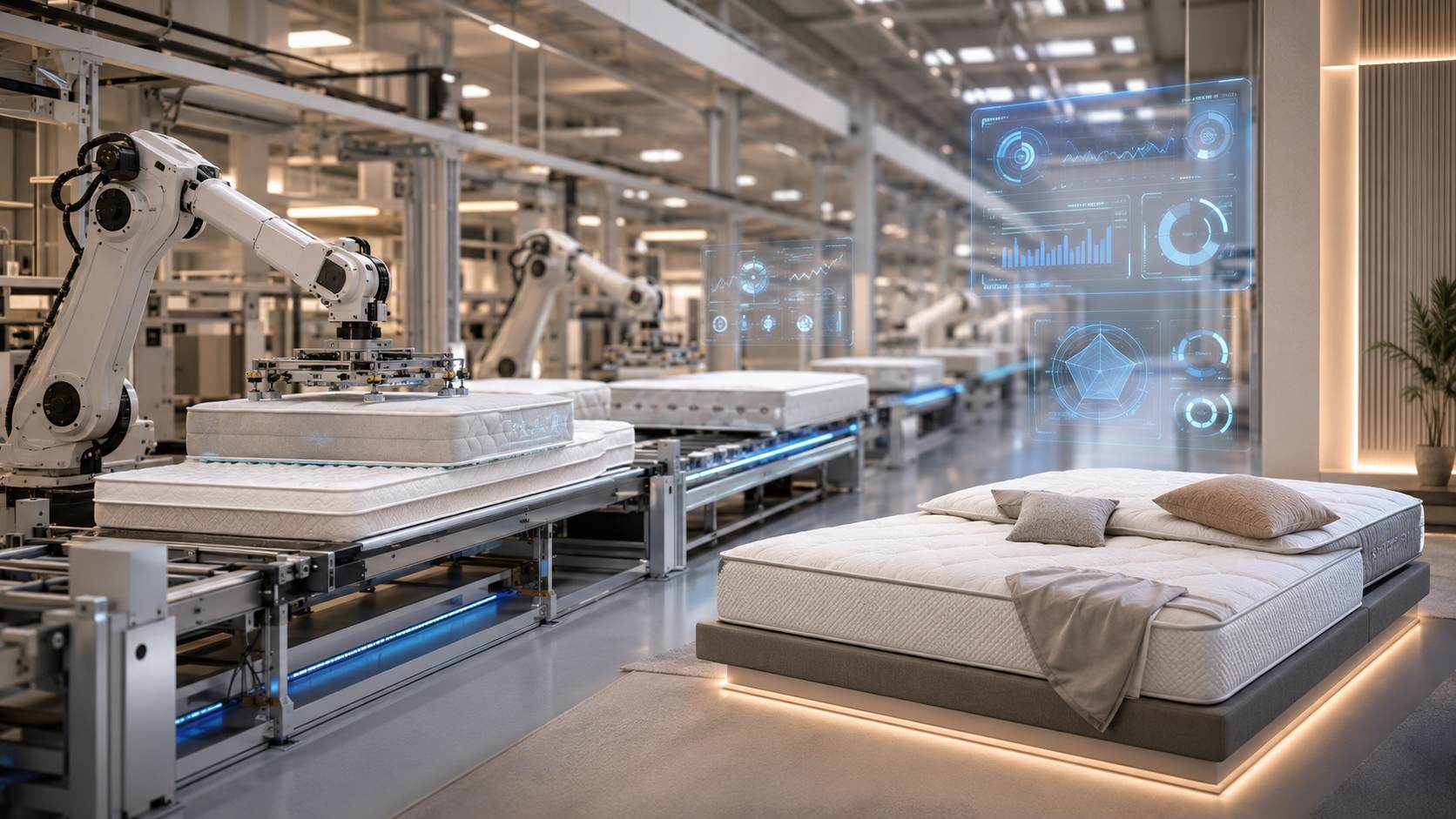
Competition in the mattress space keeps growing. Many suppliers run two separate lines. One handles standard SKUs for fast turnaround. The other focuses on custom OEM and ODM work for brands that want something unique. The factories that handle both well usually invest in modern equipment. They combine automated quilting, digital cutting, edge reinforcement, and vacuum compression systems. That setup helps keep quality consistent even when orders get big.
Buyers who skip the details often regret it later. A mattress that feels great in the sample can sag or off-gas after a few months in someone’s home. That’s why checking edge stitching, pocket spring durability, and VOC levels during sampling makes all the difference.
Sample Evaluation Checklist
When the samples arrive, don’t just lie on them for five minutes. Go deeper.
- Edge seam integrity: Flip the mattress and press hard along the sides. Good edge reinforcement with high-density foam stops that sinking or rolling-off feeling. Look for tight, even stitching that won’t pull apart over time.
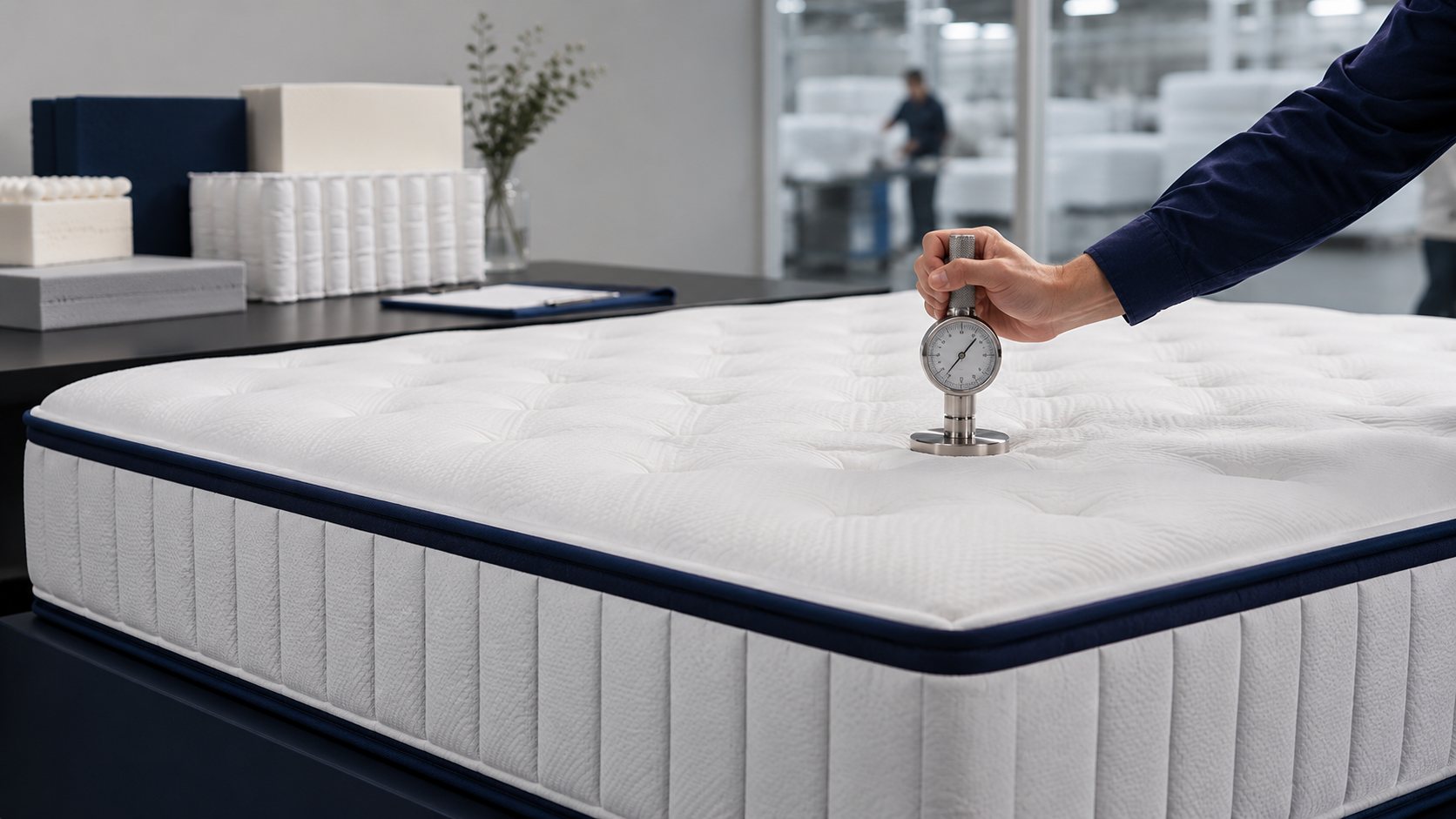
- Pocket spring durability: Press each zone separately. Quality independent coils should bounce back quietly and maintain support. Cheap springs often make noise or lose shape after repeated pressure. Ask for fatigue test results — anything passing 30,000 cycles is a solid sign.
- VOC levels: Smell is only part of the story. Request recent lab reports for volatile organic compounds. Lower emissions matter for bedrooms where people spend hours every night. Factories that test regularly and share results tend to have cleaner processes overall.
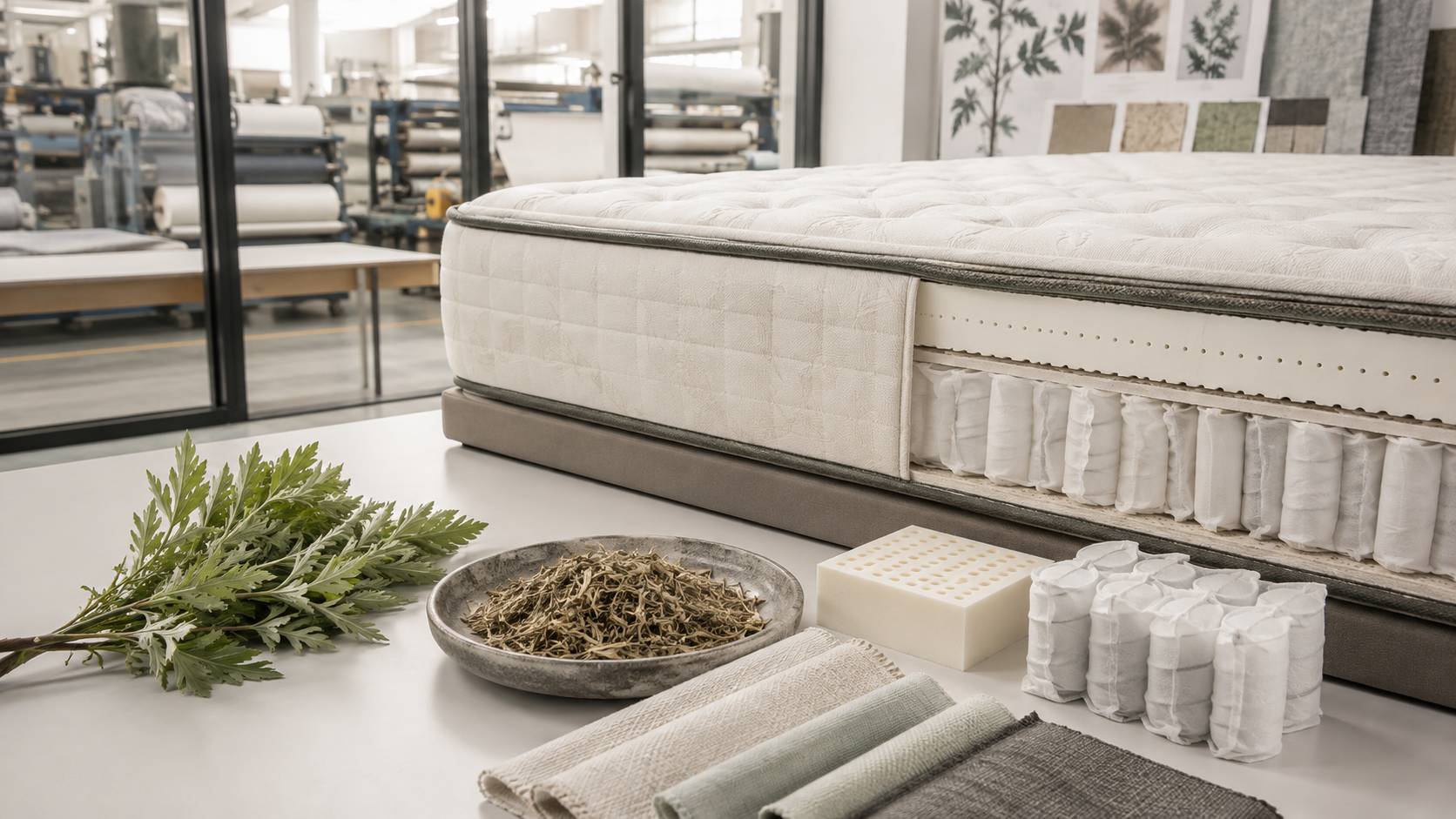
Real buyers I know always cut open a corner of the sample (with permission) to inspect the internal layers. They check how the non-woven fabric wraps the springs and whether the breathable top fabric connects properly to the support system.
Certifications and Operational Red Flags
Paperwork still counts. Look for a solid mix of CE, SGS, BSCI, and ISO certifications. These show the factory follows basic international rules on quality, social responsibility, and safety.
Response time tells you a lot too. A reliable partner answers detailed technical questions within 24 hours and sends clear photos or videos from the production floor. On-time delivery rates above 90% on confirmed orders usually mean they have good capacity planning.
Minimum order quantities vary. Some factories push large runs for standard items. Others offer smaller trial orders to build trust. The best ones combine both — they let you test the waters without committing to a full container right away.
Production Line Strength
Modern lines make a real difference. Automated quilting keeps the top fabric consistent across every unit. Digital cutting reduces waste and improves precision on custom sizes. Strong edge reinforcement prevents that common “edge collapse” complaint from customers. Vacuum compression packaging helps with shipping costs and makes the mattress easier for end users to handle at home.
Factories that run these systems together usually deliver closer to spec on big B2B orders. They avoid the drift you sometimes see when manual processes dominate.
A Practical Example: The Breathable Bird-Eye Fabric Spring Mattress
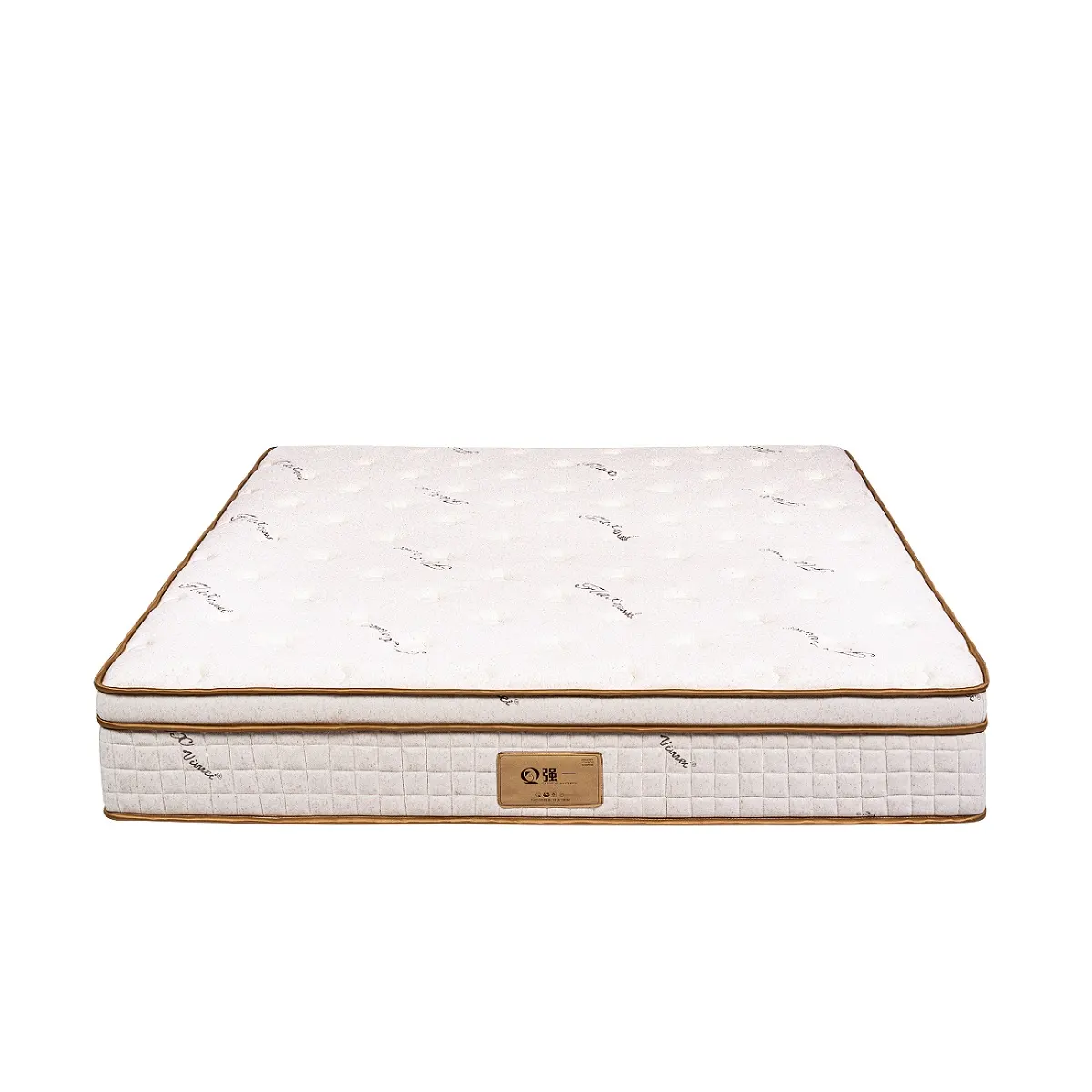
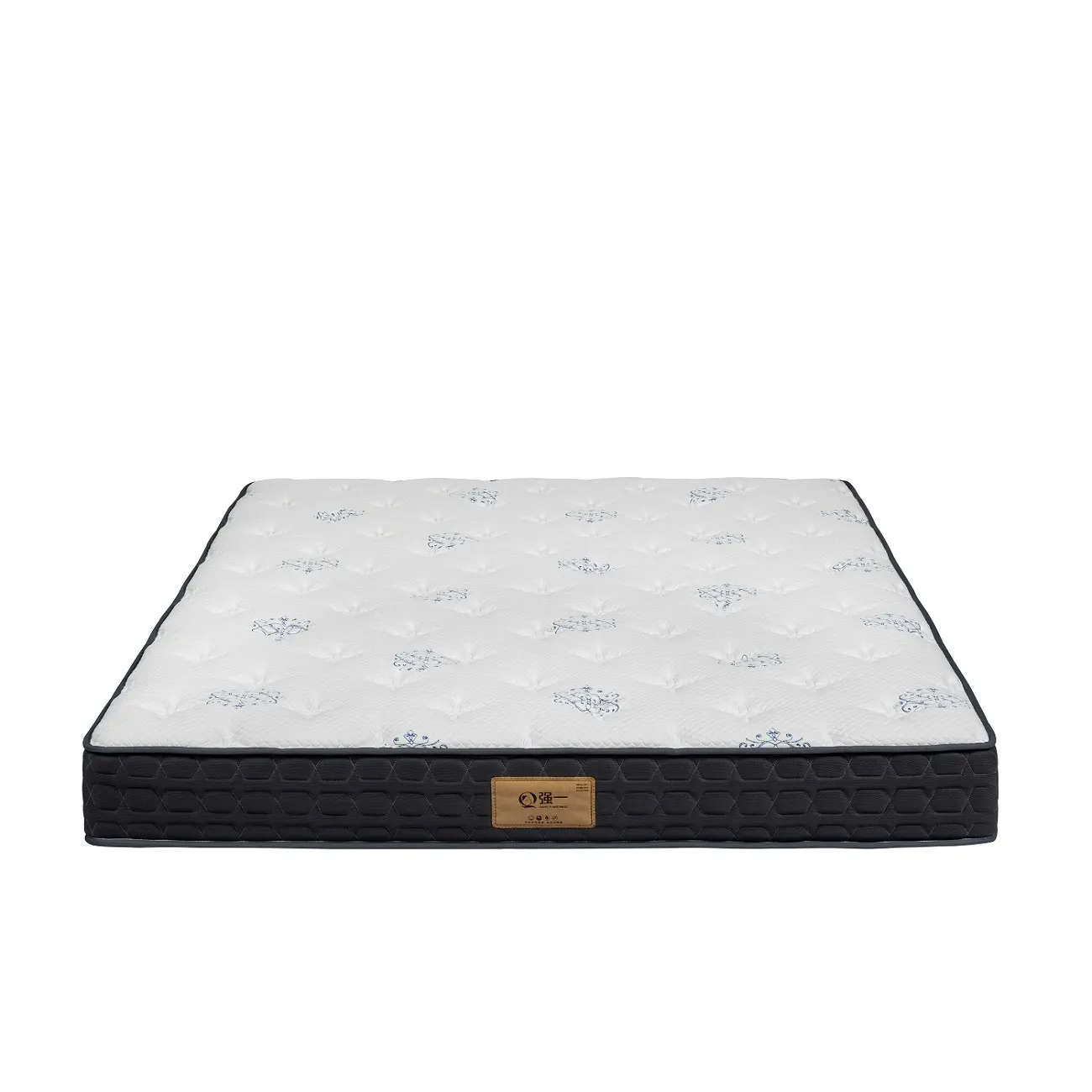
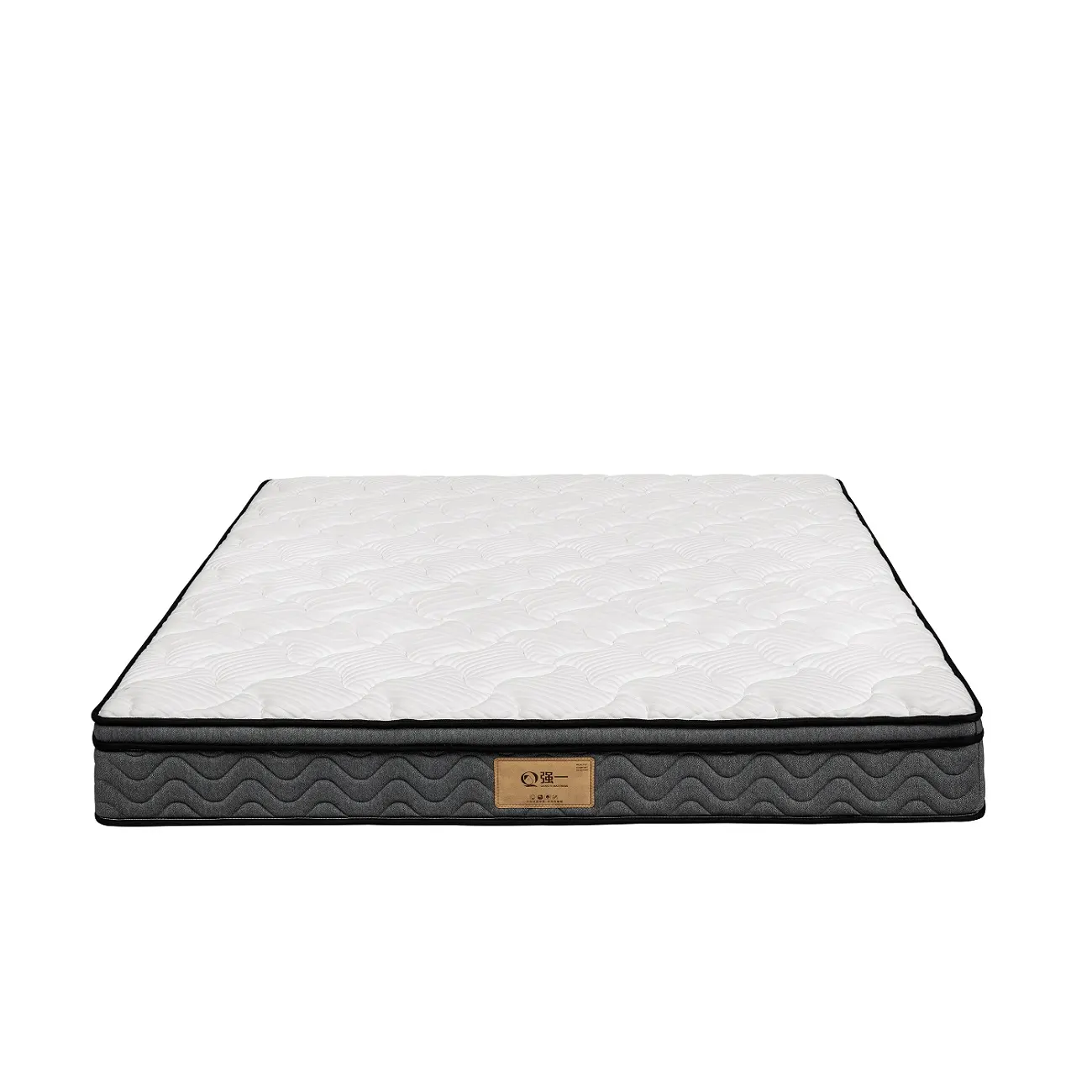
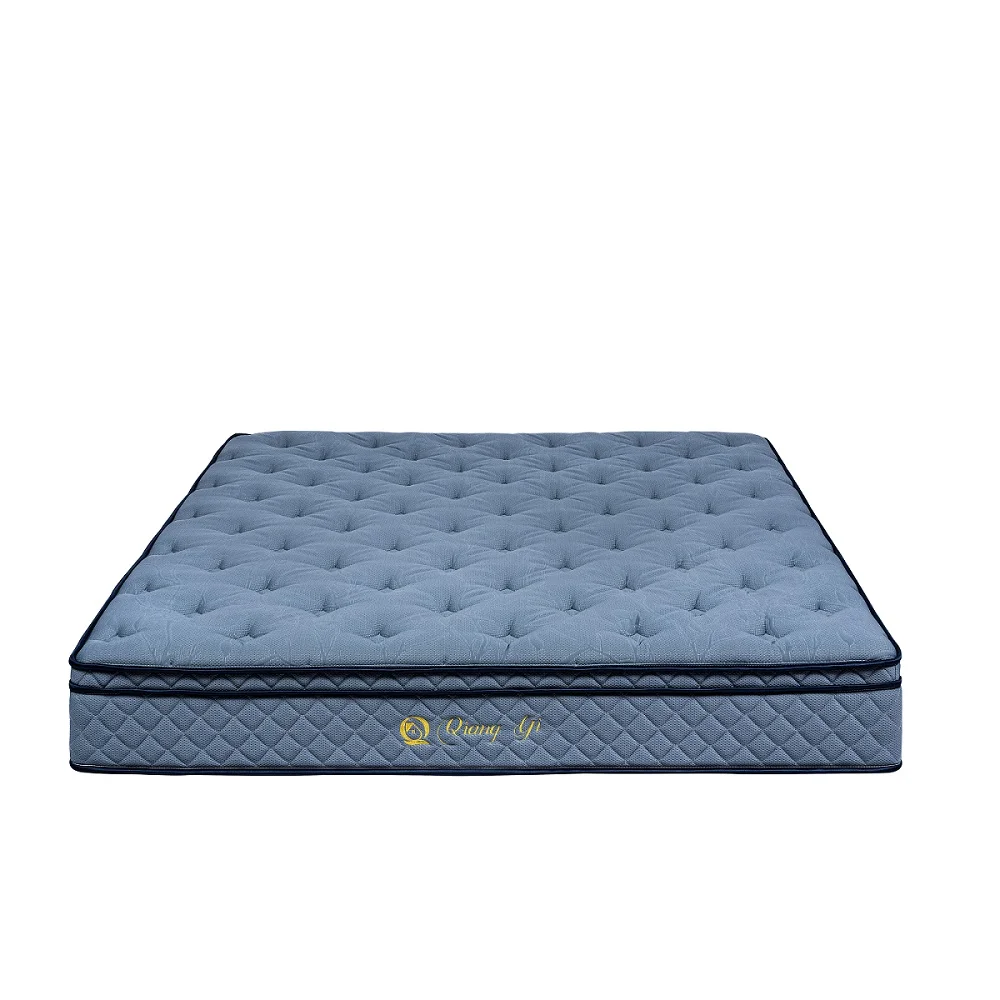
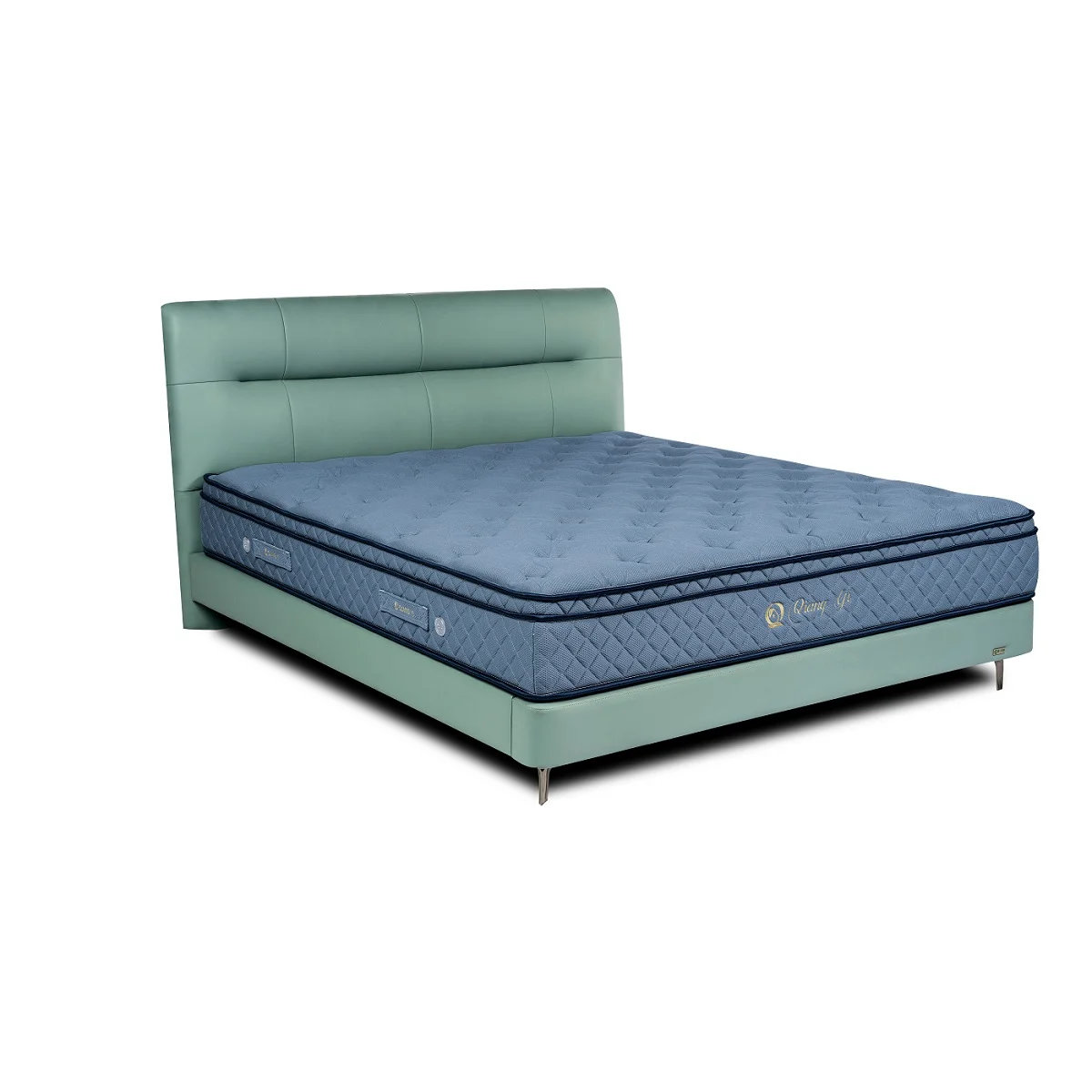
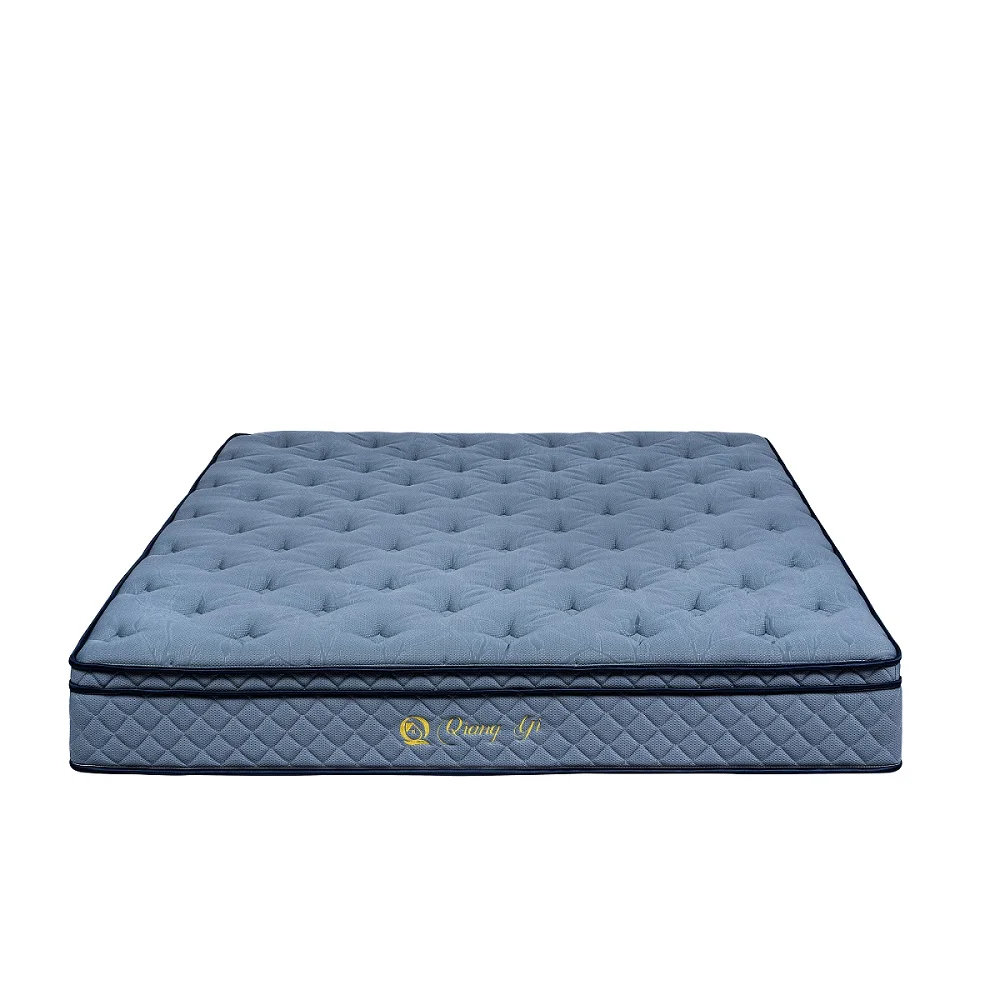
Take the QYM023 Breathable Bird-Eye Fabric Spring Mattress. It uses a knitted bird-eye fabric on top with tiny square micro-holes that help sweat evaporate fast and keep the surface dry. Underneath sits a 4D airflow fiber layer that moves heat and moisture away from the body. The support comes from individually wrapped pocket springs made with high-resilience steel. These coils stay quiet because each one sits in its own fabric pocket, cutting down on motion transfer and noise during the night.
Edge foam reinforcement adds stability so the sides don’t sag or create that falling-off sensation. The whole design aims for cool, dry, supportive sleep that works well for couples or anyone who runs hot at night. Many buyers like that it comes vacuum compressed and rolled, which makes delivery and setup straightforward for home use.
This type of home mattress shows how breathable fabric and quality pocket springs can come together for everyday comfort without fancy extras.
Building Your Full Procurement Checklist
Here’s what experienced sourcing managers usually track:
- Request recent third-party test reports for VOCs, formaldehyde, and durability.
- Compare total landed cost — include freight, duties, and potential quality rework.
- Start with a small paid sample order before scaling up.
- Visit or schedule a video audit during actual production runs.
- Lock clear quality specs and penalty terms into the contract.
Do this upfront and you cut the risk of nasty surprises later.
Introducing Qiangyi as a Supplier
Many B2B buyers take time to review established players in the mattress space. Qiangyi stands as a supplier committed to providing customers with comprehensive, professional, efficient, and intelligent mattress production solutions. With over 15 years of accumulated manufacturing experience through its group background and a modern 30,000-square-meter facility, the company offers flexible production that ranges from standard samples to fully custom OEM and ODM orders.
Their lines support a wide range of home mattress needs while meeting strict international standards. The QYM023 model, for instance, features edge sponge reinforcement that helps prevent sagging and that sinking-side feel. It pairs this with silent independent pocket springs for quieter sleep when two people share the bed. Qiangyi focuses on consistent quality and reliable project handling for brands shipping to markets in the US, Europe, and beyond.
Conclusion
Vetting a home mattress manufacturer in China comes down to looking past the sales pitch and checking the details that actually affect end users. Focus on edge construction, pocket spring performance, breathable fabrics, and real production capabilities. Factories that combine modern equipment with transparent processes usually deliver more consistent results across small trial orders and large runs alike.
Take your time with samples and audits. The effort pays off in fewer returns, happier customers, and smoother long-term partnerships. In the end, a reliable supplier becomes an extension of your own brand.
FAQs
What should I check first when vetting a mattress manufacturer in China?
Start with sample quality. Press the edges hard to test reinforcement and listen for spring noise. Also ask for recent VOC test reports to make sure the home mattress meets indoor air quality expectations.
How important is edge reinforcement in a pocket spring supplier audit?
It matters quite a bit for long-term durability. Good edge foam or reinforced borders stop sagging and that rolling-off feeling many customers complain about after a year or two of regular use.
Can I start with small orders when sourcing breathable mattress options?
Yes. Many solid suppliers offer smaller MOQ trial runs so you can test quality and fit before committing to bigger volumes. This approach helps reduce risk on new designs or fabric choices.
What certifications matter most for OEM mattress compliance in 2026?
Look for a good mix of ISO, BSCI, SGS, and CE marks. They show the factory follows basic quality, safety, and social standards that many retailers and platforms require for home mattress imports.
How do breathable fabrics affect home mattress performance?
Fabrics like bird-eye knit with good airflow help wick away moisture and keep the sleep surface cooler and drier. This makes a noticeable difference for hot sleepers or humid climates and can improve overall comfort night after night.