


28th May 2026
Spine Support and Mattress Design: Evaluating Firmness for Growing Children
-
 author
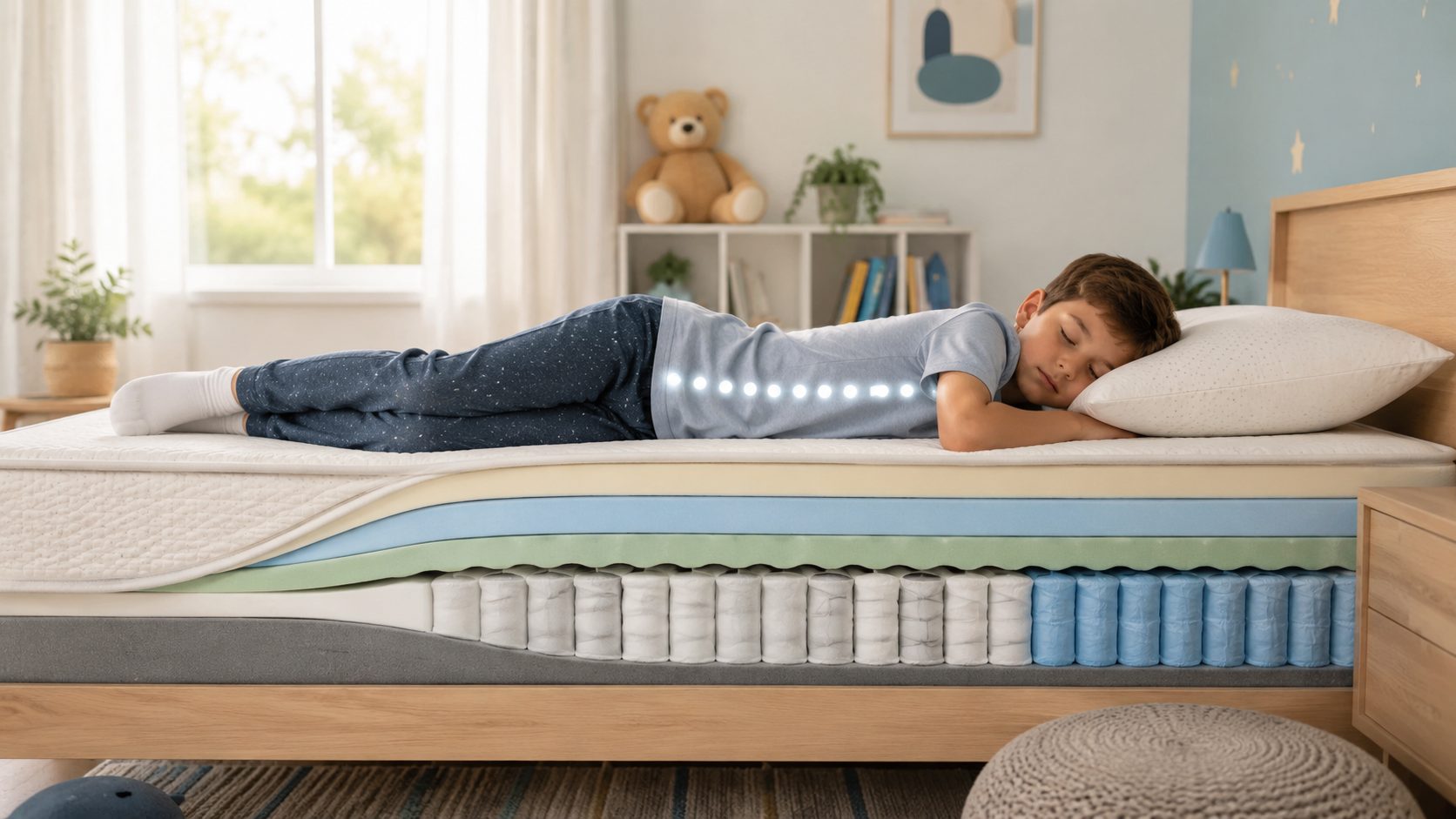
A child’s spine is continually changing as they grow up. By supporting the correct spinal position, children can develop healthy muscles and a healthy skeleton. The correct spinal position supports a child’s posture, enabling them to maintain right muscle coordination and enabling their organs to function correctly. Incorrect spinal position can cause children to feel discomfort or tiredness and can also lead to long term posture problems that could remain with them into adulthood. A child’s spine maintains its natural position of curvature while they are at rest on a mattress. Importantly, a child needs the best firm children’s mattress to ensure that they have even pressure distribution on their mattress as well as the correct support for their spine.
The Role of Spinal Alignment During Growth
During growth phases, spinal alignment affects not only comfort but also skeletal formation. A mattress that provides balanced firmness helps sustain the natural S-shaped curvature of the spine. Too much rigidity may cause pressure points around the shoulders and hips, while excessive softness can lead to sagging and misalignment. Therefore, parents should prioritize mattresses that maintain equilibrium between firmness and contouring response to safeguard their child’s developing back.
Physiological Factors Affecting Spine Health
As children grow, factors such as bone density, muscle tone, and body weight evolve rapidly. These physiological changes alter how pressure is distributed across the mattress surface. An adaptive mattress design—one that combines firmness with flexibility—accommodates these shifts effectively. Sleep position also plays a vital role; side sleepers need more cushioning at the shoulders and hips, while back sleepers benefit from firmer lumbar support to maintain neutral alignment.
How Should Mattress Firmness Be Evaluated for Pediatric Needs?
When selecting the appropriate firmness for a mattress, it is important to take into account the physical make-up of the mattress as well as how children’s bodies specifically react to different levels of firmness.
Defining Firmness Levels in Mattresses
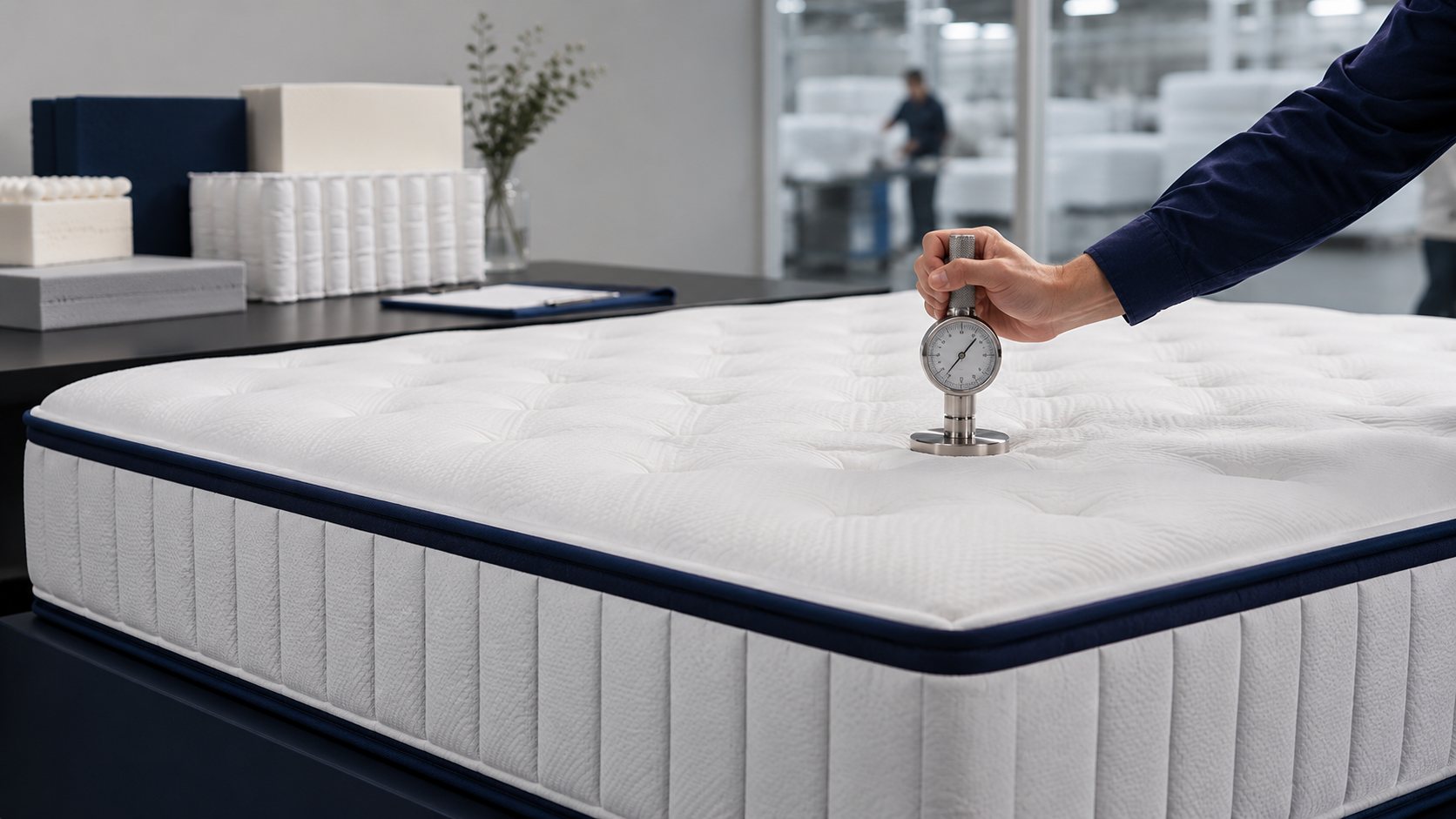
Indention Load Deflection (ILD) is the most common way to measure mattress firmness. It determines the amount of force required to press into a material. Higher numbers indicate a firmer feeling when compressed, while lower numbers indicate a softer feeling. In addition to ILD, a material’s density can have a large impact on how a material compresses. Memory foam, latex, and hybrid models have different ways in which they compress. Since children weigh less than adults, they perceive firmness in a different way. What an adult might consider to be medium-firm may feel very firm to a child.
Determining Optimal Firmness for Spine Support
Most research shows that medium-firm mattresses are best for children as they support the spine in a neutral position with no localized pressure points. Mattresses that are too hard can restrict movement on the mattress and cause discomfort at pressure points such as shoulders and knees. Mattresses that are too soft allow for too much sinking into the mattress of the torso which can cause children to be in an improper sleeping posture throughout the night.
Which Materials and Technologies Influence Mattress Performance?
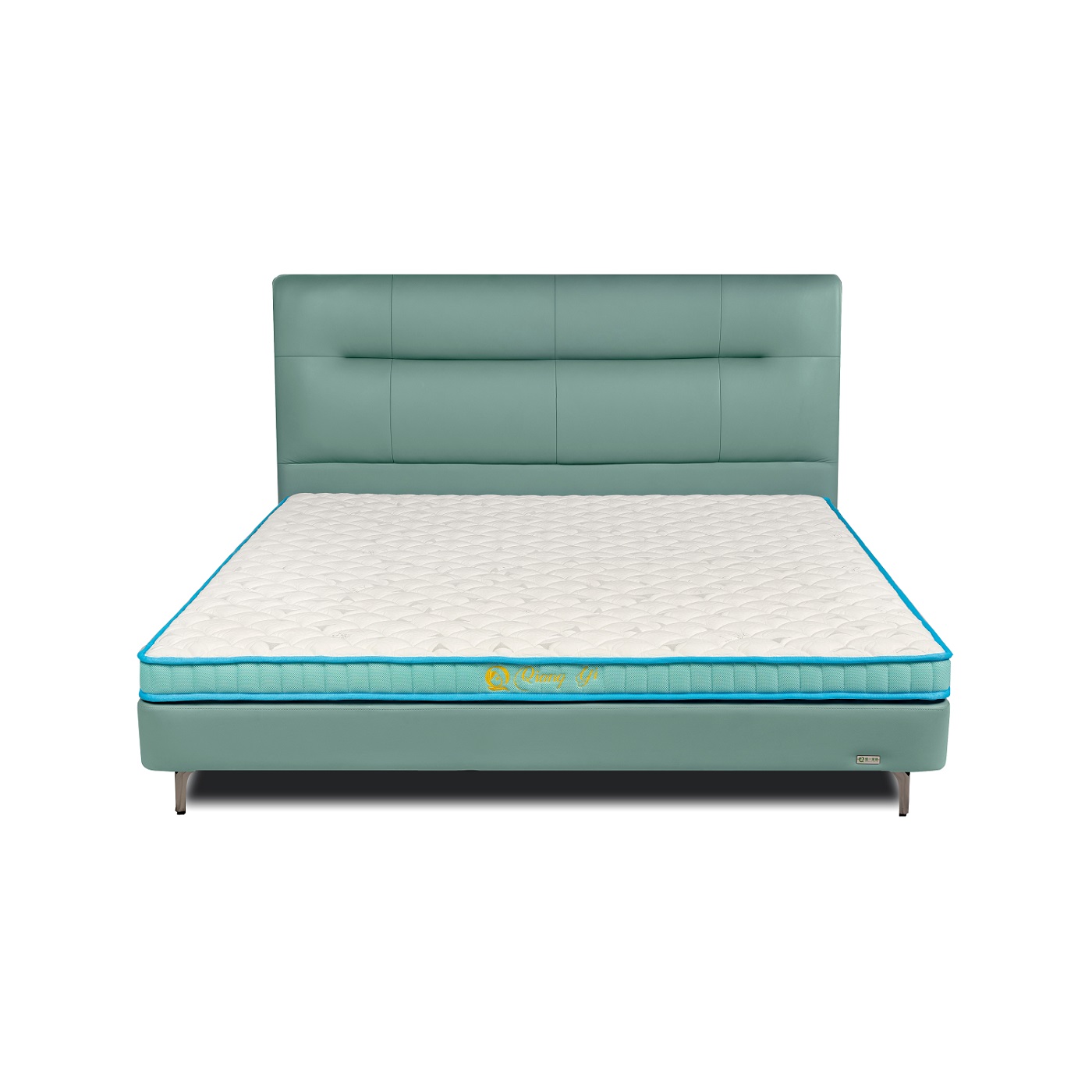
The materials in a mattress can determine the overall comfort, durability and heat of the mattress. These factors are critical when choosing a mattress for children who require a supportive mattress to ensure proper development and growth.
Foam-Based Designs for Adaptive Support
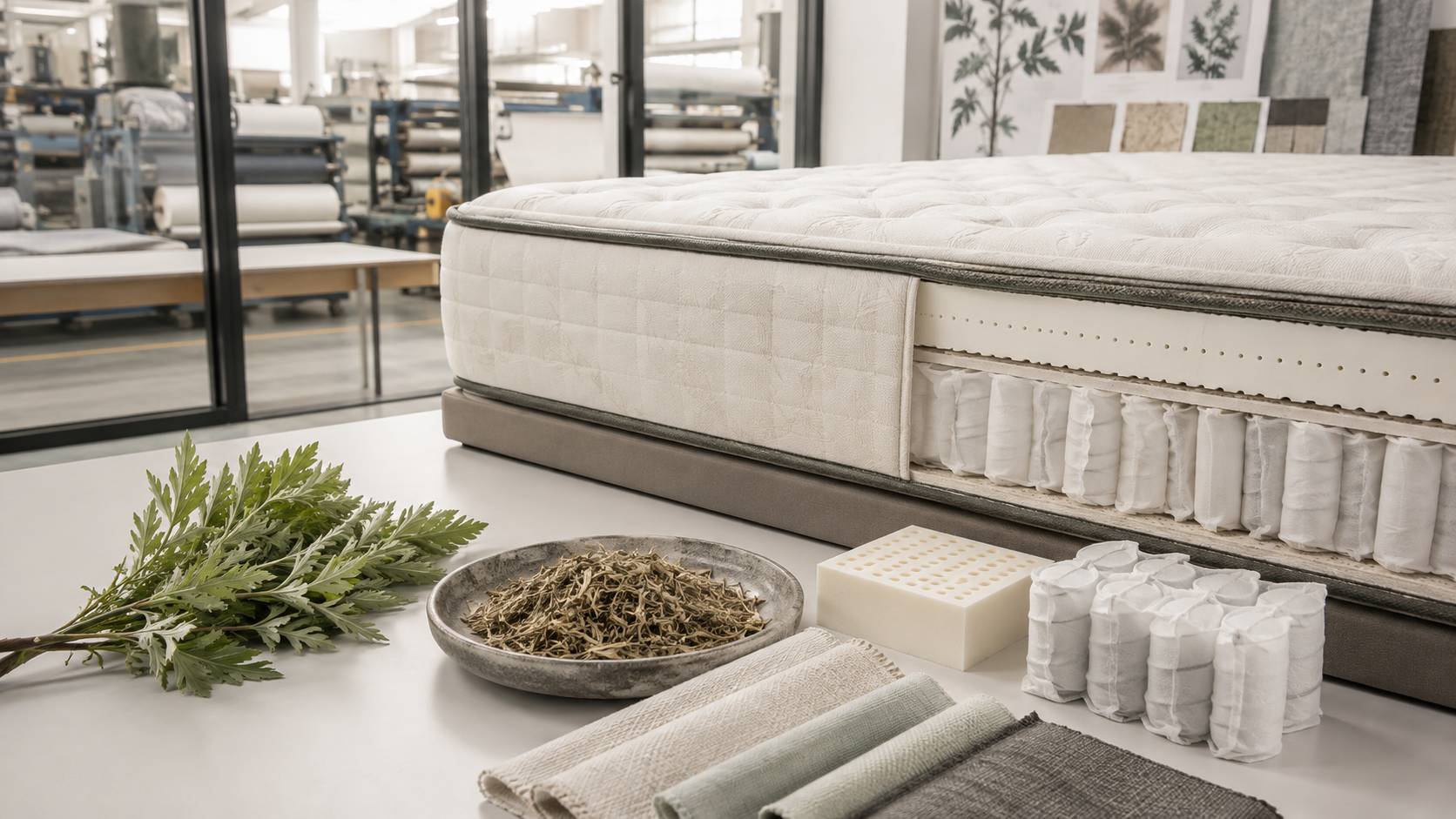
High-density foam designs like those found in beds transfer an individual’s weight evenly across the surface of the bed, resisting permanent indentation. High-density Memory Foam versions of these designs conform more specifically to an individual’s shape and the corresponding pressure points of said individual; however, it is of the utmost importance to utilize additional ventilation, or to incorporate elements of gel into the design in order to dissipate heat. Open-cell foam provides an air-filled structure to the core of a foam design which allows for greater airflow and retention of physical characteristics that define ‘resilience’ and resist deformation.
Latex and Hybrid Constructions for Balanced Comfort
Natural latex provides elasticity which allows for natural spinal motion. While children are prone to move around alot in their sleep a hybrid mattress that contains pocketed coils and foam or latex is best as it has excellent response time as well as great contour and stability. A zoned coil mattress also offers great ergonomic support as it has different amounts of tension on the shoulders, hips and lower back area.
Why Are Breathability and Thermal Regulation Essential?
Thermal regulation has an impact on children’s sleep. It determines the depth of their sleep, and as already stated, during deep sleep stages growth hormone is released, essential for the growth of children. As a result, over heating will adversely affect sleep.
Importance of Airflow in Pediatric Sleep Environments
Proper ventilation in bedding products prevents heat from building up in layers and prevents moisture from accumulating and fostering the growth of microorganisms. Hygienic breathable materials ensure consistent comfort throughout the seasons. A well-ventilated mattress ensures the continuity of restorative sleep phases.
Material Innovations Enhancing Breathability
Modern advancements include gel-infused foams designed to dissipate heat more efficiently than traditional polyurethane foams. Organic cotton or bamboo fabric covers promote natural air circulation at the surface level without compromising softness. Additionally, phase-change materials regulate temperature dynamically by absorbing excess thermal energy when body heat rises.
How Do Ergonomic Design Principles Shape Child Mattress Engineering?
All layers of ergonomic engineering are designed to work together to support a neutral spine and to allow for full range of human activity while at rest.
Contour Mapping and Pressure Relief Zones
Using pressure mapping technology we can clearly see where the most stress is placed on the mattress and where additional support is required. This is exactly where we apply targeted reinforcement, using zoned layering and varying the density of the individual zones to ensure the perfect amount of support for each area. It is also essential that the mattress is able to respond to movement of the sleeper, and that the layers do not become unstable. This is particularly important for a young restless sleeper, and is achieved by our dynamic response layers.
Durability and Structural Integrity Over Time
The mattress retains consistent firmness levels ensuring adequate support to the spine through all growth phases. Edge reinforcement prevents the mattress dipping at the perimeter thereby ensuring full use of the mattress at all times. Extremely rigorous endurance testing is undertaken to confirm the mattress’s ability to withstand compression fatigue and permanent deformation over extended periods of time.
What Are Practical Guidelines for Selecting a Supportive Mattress for Children?
When selecting the best mattress for a child to support their spine, there are certain technical criteria that need to be evaluated by both parents and health care professionals.
Assessment Criteria for Parents and Professionals
For a child’s mattress, having CertiPUR-US certified foams guarantees that they are made with non-toxic foam that does not contain any chemicals that can be bad for their health. Dual-sided mattresses with different firmness levels allow the mattress to grow with the child as their weight increases. Testing how a mattress will respond to different sleeping positions helps determine if a mattress is able to provide adequate ergonomic support for all positions that a child may sleep in.
Maintenance Practices for Long-Term Performance
Flipping your mattress on a regular basis will help distribute wear to all parts of the mattress and prevent sagging or indentations in certain areas. Using a breathable mattress protector will help keep your mattress clean without sacrificing airflow. As your child grows taller and heavier, periodic checks on the mattress will help to ensure it continues to provide the support your child needs.
Why Choose Guangdong Qiangyi Intelligent Manufacturing Technology Co., Ltd.?
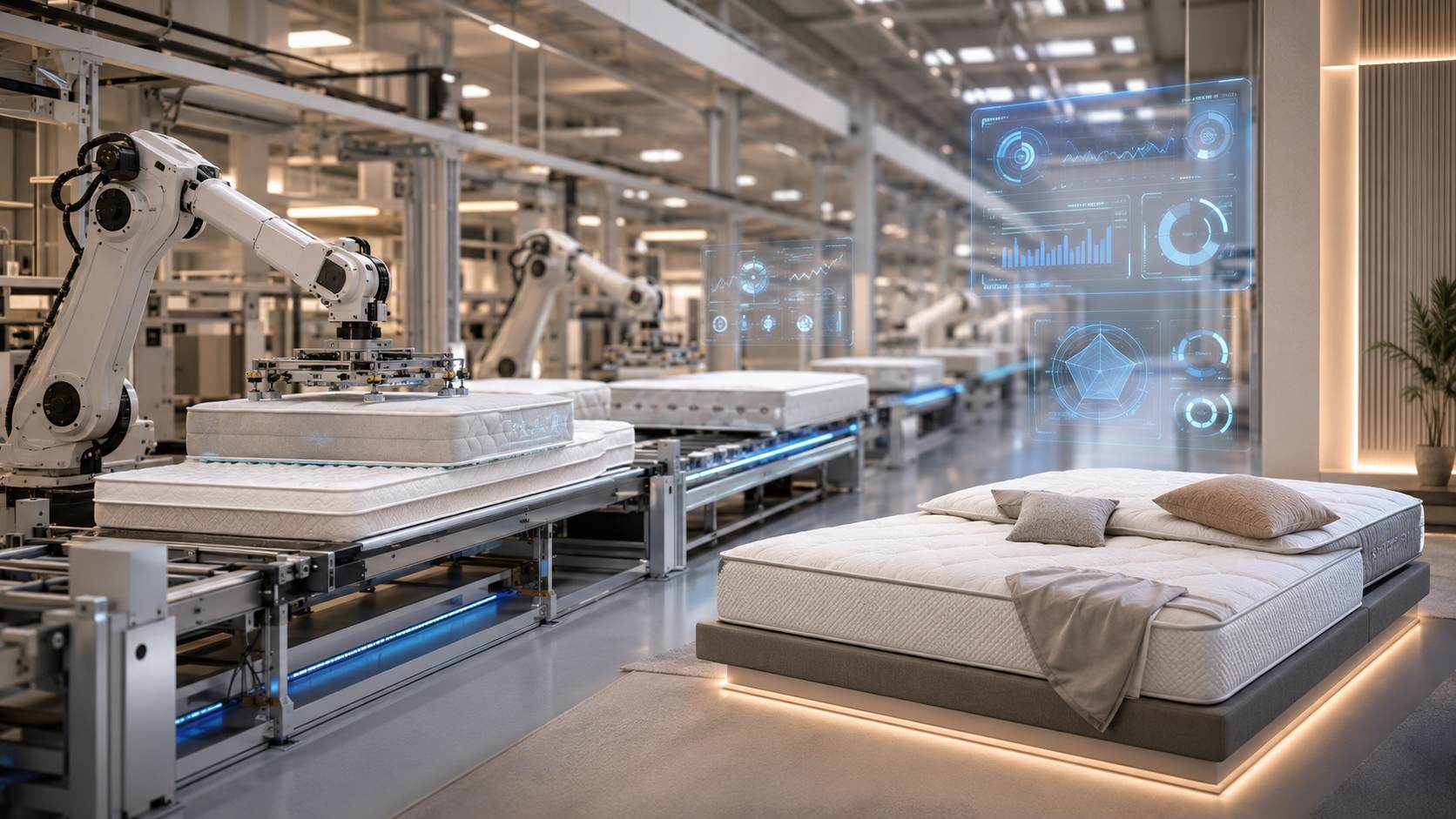
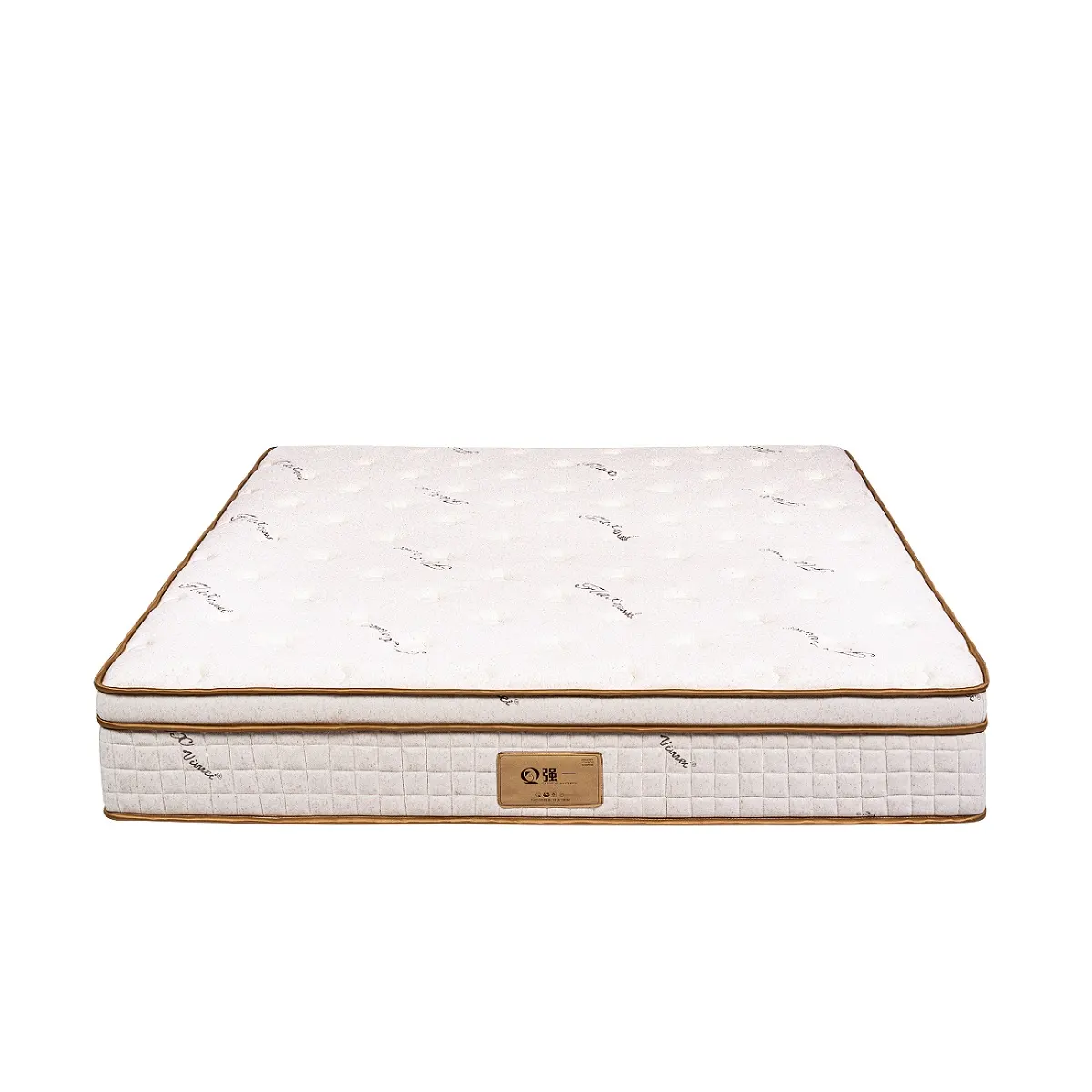
Guangdong Qiangyi Intelligent Manufacturing Technology Co., Ltd. of China is a professional mattress manufacturer. By integrating research with intelligent manufacturing, the company incorporates advanced ergonomics into its production of foam, latex and hybrid mattresses. The firmness of its mattresses can be precisely controlled to ensure the greatest comfort and to provide the best support for the child’s spine. This makes them particularly suitable for pediatric use. The company has a focus on safety approvals and on eco-friendly materials. Thus, it is the ideal business partner for families who look for high-quality mattresses in the long term, which are not only very comfortable but are also based on scientific designs.
Conclusion
Choosing the best firm mattress for your growing children requires an examination of spinal biomechanics, mattress materials, breathability, and mattress durability. The best mattress provides the right amount of support and cushioning, and promotes the adequate flow of air through the mattress, night after night. The best mattress for kids is one that provides comfort immediately and supports their developing joints and spine for long-term orthopedic health.
FAQs
1. What is the best mattress firmness to support the spine of a child?
Children benefit from medium-firm mattresses that offer the right amount of spinal alignment, while also featuring sufficient flexibility and appropriate body contour for the child’s light weight and smaller body.
2. How often should you flip / rotate children’s mattresses for optimal wear?
We recommend every 3 months to ensure even wear across all areas of the mattress and maintain optimal support and comfort for your child.
3. Are breathable mattress covers important for pediatric mattresses?
Yes, breathable mattress covers are important for helping to keep a child’s mattress cool and clean. Organic cotton and bamboo are 2 of the most breathable cover materials available and are a great way to create a sleep environment that is healthy for your child.