



25th June 2026
The Definitive Guide to Buying Your Next Mattress
-
 author

The mattress market has developed into a highly specialized market for precision engineered sleep systems. In addition to high-quality products that provide a good night’s sleep and are also long-lasting, the mattresses must also be price-competitive. According to a 2023 report by Statista, the global mattress market already exceeded 50 billion US dollars and will continue to grow stably in the coming years. In this guide, hotel owners, purchasing managers from the hotel industry as well as product developers and retailers will find an overview of relevant technical aspects of mattresses, production requirements as well as criteria for suppliers.
What Factors Should Be Considered Before Purchasing a Mattress?
Choosing the best mattress for you requires more than just deciding between soft or firm. When searching for the right mattress, you should look into the material science, the durability statistics, and how it will fit your body to ensure the best sleep possible.
Material Composition and Structural Design
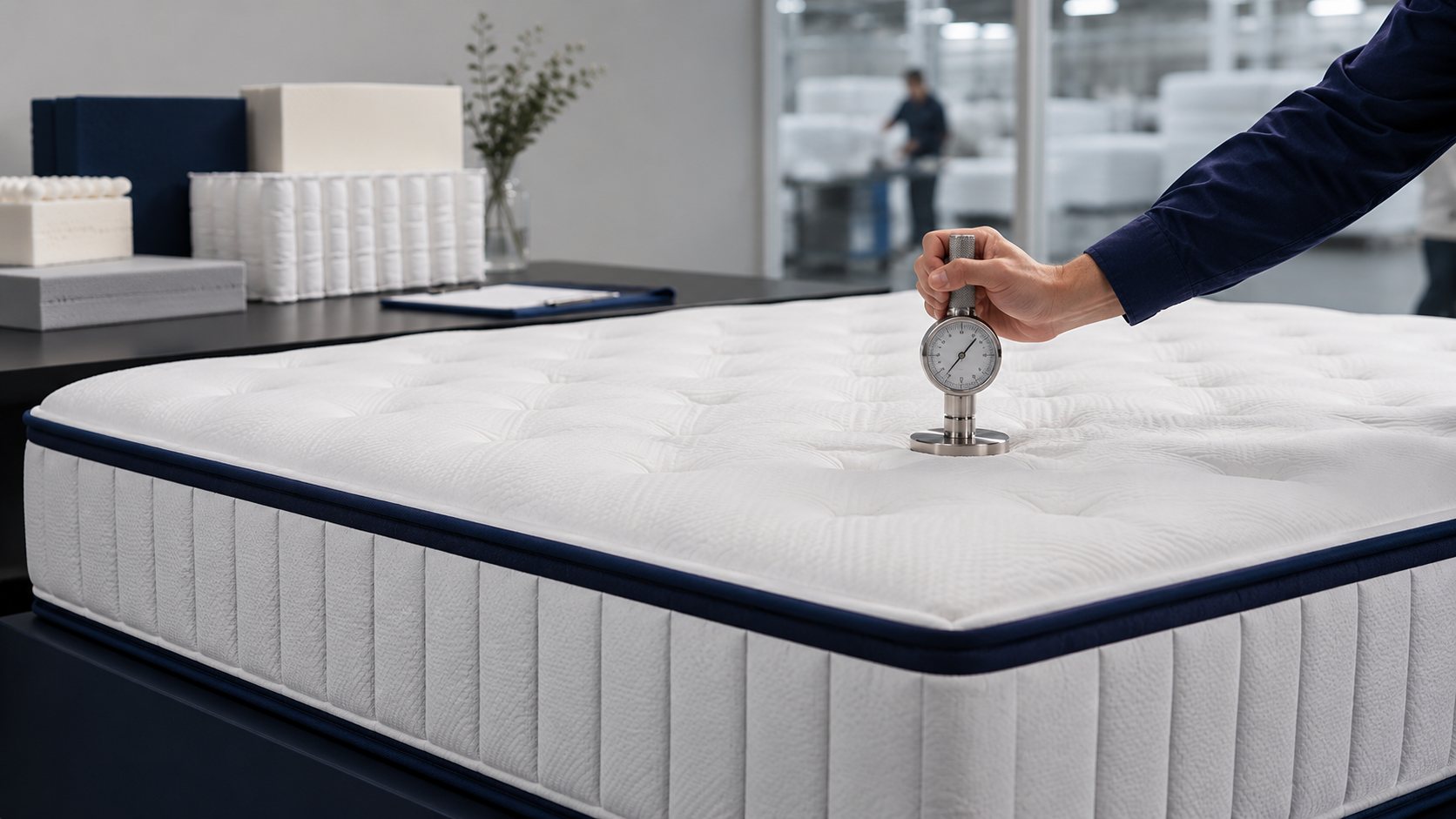
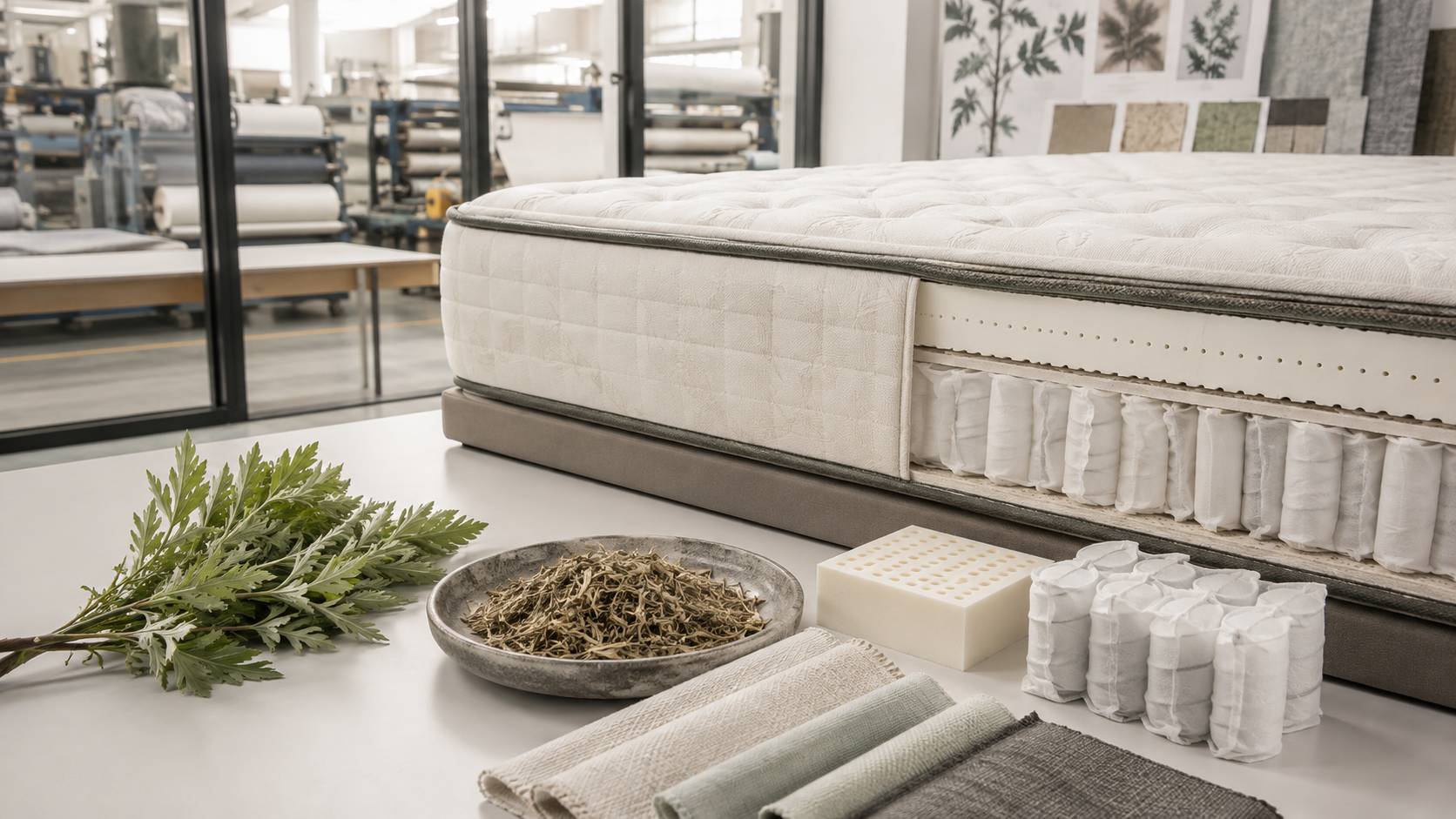
While Memory foam mattresses are famous for their contouring capability, they have a tendency to retain heat. In comparison to that, latex mattresses have better air flow and feel very flexible naturally, but cost more. Then there are the Hybrid Mattress models, combining the best of spring coils with layers of foam. Such a bed offers great bounce, and the highest level of pressure relief. Classic Innerspring Mattress Models also have their fan base, and in most cases they are cheaper. When comparing different types of mattresses one must also take into account the mattress density (measured in pounds per cubic foot), as well as the ILD of the mattress. ILD is the indicator of mattress’s firmness. Because this parameter can change even from one production batch to another, it’s very important. For example, a commercial mattress will benefit from having more air flow channels or even perforated cores in order to maintain comfortable temperature for long period of time of occupancy.
Durability and Longevity Metrics
Durability is an important factor of the lifecycle value of a mattress. The compression set test according to ASTM D3574 examines the recovery of a material, which has been loaded repeatedly. According to test reports of independent labs, memory foam mattresses are supposed to last for about 7-9 years, hybrid mattresses even up to 12 years, provided that they are regularly turned. The warranty period granted by a manufacturer is an indicator of the manufacturer’s confidence and of the quality of the used materials as well as of the bonding technology. The longer the warranty period, the better the used materials and/or the bonding technology are in preventing a mattress from sagging.
Ergonomic Performance and Comfort Levels
Ergonomic testing is often conducted using pressure mapping to highlight areas where the user is receiving adequate support against through various zones, such as the shoulders, hips and lumbar region. Testing with sleep centers and associated studies have identified that the ideal spinal alignment for sleepers varies greatly depending on body weight, supporting the use of multi-zone layer designs that can cater to a wide variety of different body types. Such products are also suitable for use on adjustable bases, providing users with medical conditions or otherwise, added comfort and high perceived value in professional applications.
How Do Manufacturing Processes Influence Mattress Quality?
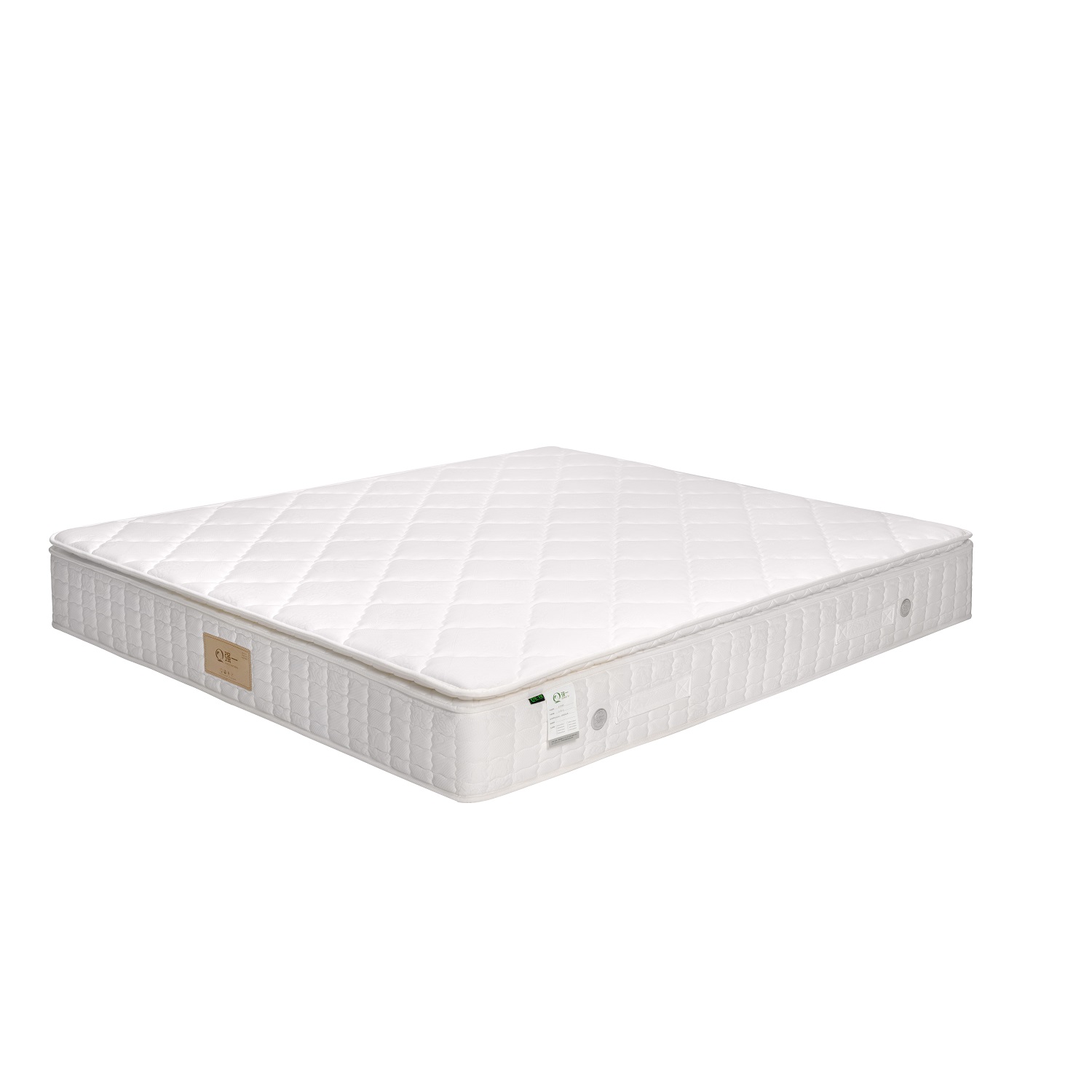
In order to ensure that a modern mattress factory is able to produce products of consistent quality while also ensuring safety, and allowing for increased production levels, the technology used will play a large part in production.
Role of Raw Material Sourcing
By tracing the supply chains for foams, textiles and coils, we can avoid any contamination and any decrease in performance. The foam production complies with low VOC emissions and is certified by CertiPUR-US. The textile production complies with human-ecological requirements and is certified by OEKO-TEX® Standard 100. This is especially important for countries that require an environmental responsible production process for export.
Importance of Production Technology in Mattress Factories
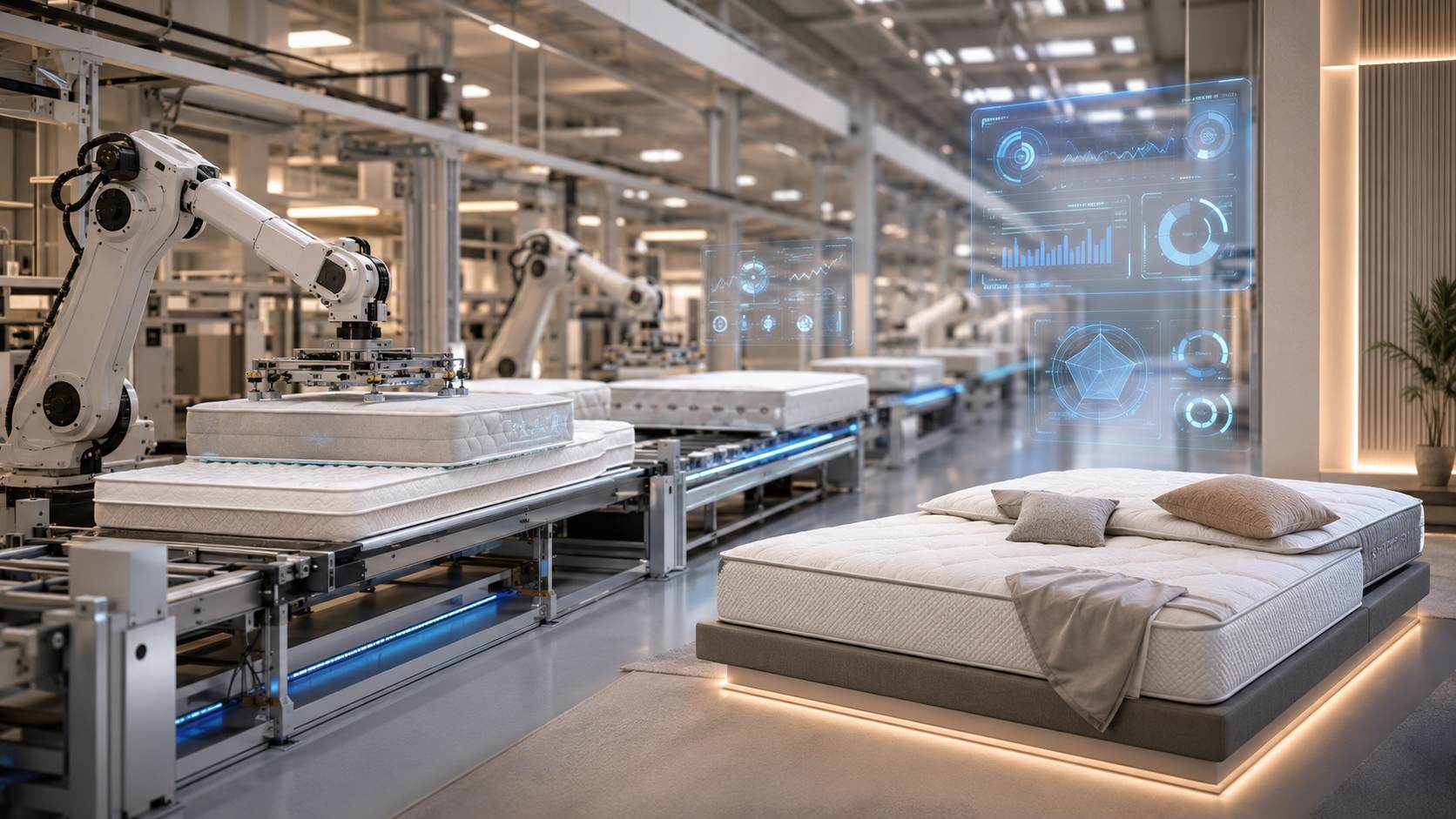
To start off, Precision engineering is produced with the use of CNC cutting systems to cut the foam blocks to precise tolerance without any variation of density. The use of automated quilting machines for the surface panels allows for constant stitch tension. This prevents any distortion of the seam when packaging in compression. Finally, the use of robotic assembly lines to produce the final product, minimizes human error. Especially when producing thousands of the same product and under extreme time pressure to meet a deadline, the last thing you need is human inconsistency.
Quality Control and Testing Protocols
High-end manufacturers conduct cyclic fatigue tests for example mimicking years of nightly use to check for loss of height or for loss of firmness. Even if in most countries still mandatory, burn resistance according to CFR 1633 only has to be proven in controlled test situations. Corresponding test reports provide information on the so-called flame spread rate. It is important to keep all components on batch level traceable, i.e. coil gage, foil thickness, adhesive types etc. must be checked against the required regulatory values.
How Can Professionals Evaluate the Cost-to-Benefit Ratio?
Procurement teams must weigh upfront pricing against long-term operational savings derived from lower defect rates or extended replacement intervals.
Price vs. Performance Analysis
Pricing of wholesale mattresses varies by region due to differences in labor costs as well as access to raw materials. Calculating return on investment for mattresses also includes decreased warranty claims for durable mattresses that have been built with high-density foams. These mattresses are often better than cheaper alternative mattresses in the long run.
Logistics and Maintenance Considerations
Packaging innovations for mattresses, for example roll-packing, can save up to 40% of the freight volume to all destinations in the world and thus lower the landed costs. In addition also the modular design of the mattresses can be easily disassembled for recycling purposes, which is a key feature for more and more eco-sensitive independent hotel groups, who are looking for sustainability certifications.
What Are the Emerging Trends in Mattress Design and Consumer Demand?
The innovations in the mattress market are driven by the broader trends in the industry to become more sustainable, to offer more personalization and to optimize comfort by using data.
Sustainability and Eco-Friendly Materials
Bio-based foams that are made from soy or castor oil derivatives have been introduced to the market by manufacturers. These bioplastics are highly durable and offer a great alternative to petroleum-based materials. In addition, there is an increasing demand for hotel supply products with recyclable covers, such as polyester blends made from post-consumer waste, which are favored by consumers. These products match the ESG goals of companies within the hotel procurement department.
Customization and Modular Systems
Hotels such as boutique hotels are taking note of the trend for customizable firmness zones within mattresses. Modular mattresses also have the advantage of allowing for partial replacement as opposed to having to replace the entire unit. One resort chain was able to decrease their replacement costs by 30% when using interchangeable topper modules in all of their rooms as opposed to full mattresses.
How to Choose a Reliable Mattress Supplier?
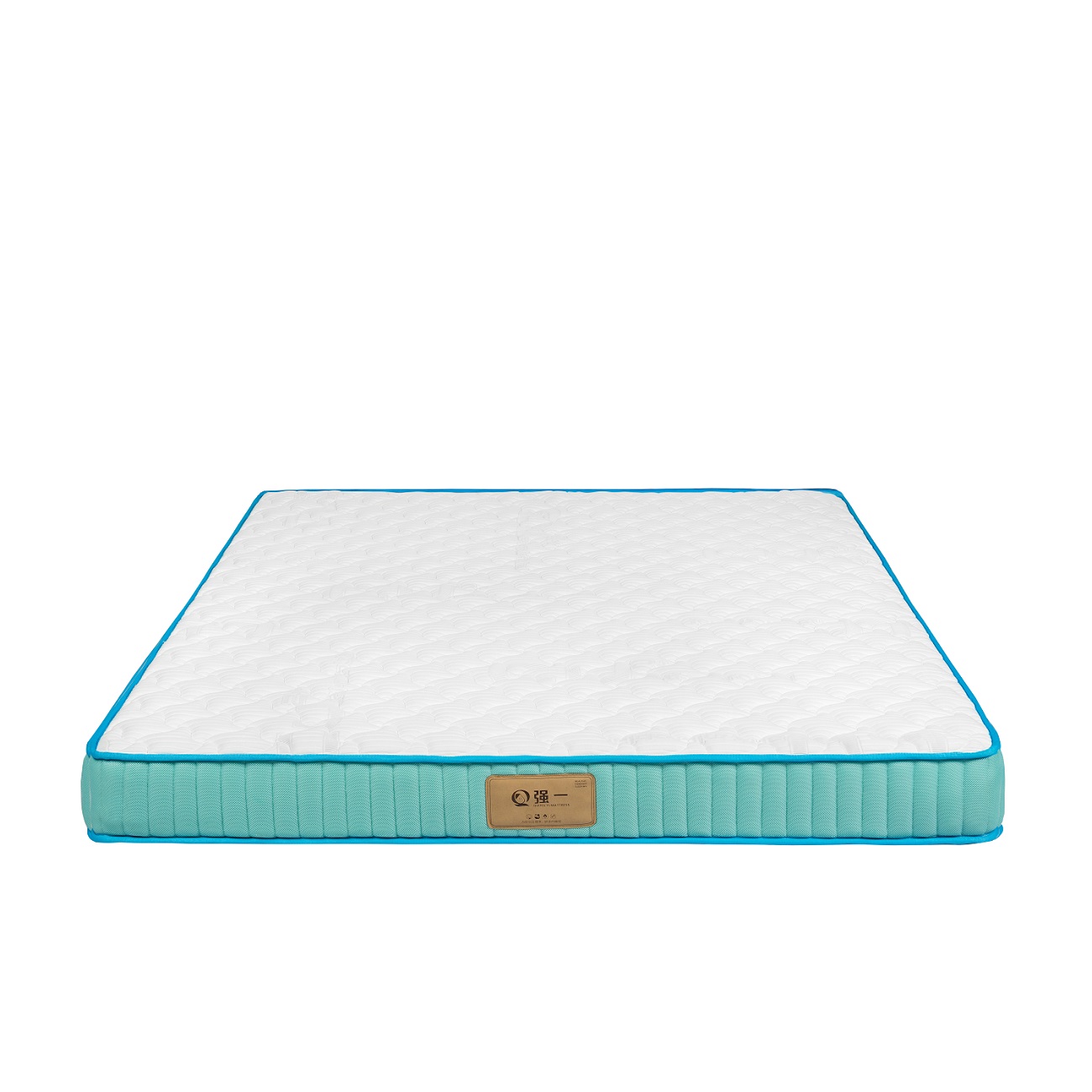
Supplier reliability is more important than product specifications in terms of affecting a project’s timeline and the overall procurement efficiency.
Key Evaluation Criteria for Mattress Manufacturers
When checking production capacity against sales volume during peak periods, buyers also should look at the lead time in order to check whether the company under audit is able to develop and test new products. Factories which spend money on new foam and ergonomic testing equipment tend to deliver a steady stream of new products to service the branding strategy of their key clients.
Importance of Transparent Communication Channels
Transparent communication fosters trust throughout development cycles. Sharing technical documentation such as density certificates or flammability test outcomes prevents costly misunderstandings later in mass production phases. Collaborative prototype sessions between buyer engineers and supplier technicians frequently yield optimized configurations faster than isolated design revisions.
Who Is Guangdong Qiangyi Intelligent Manufacturing Technology Co., Ltd.?
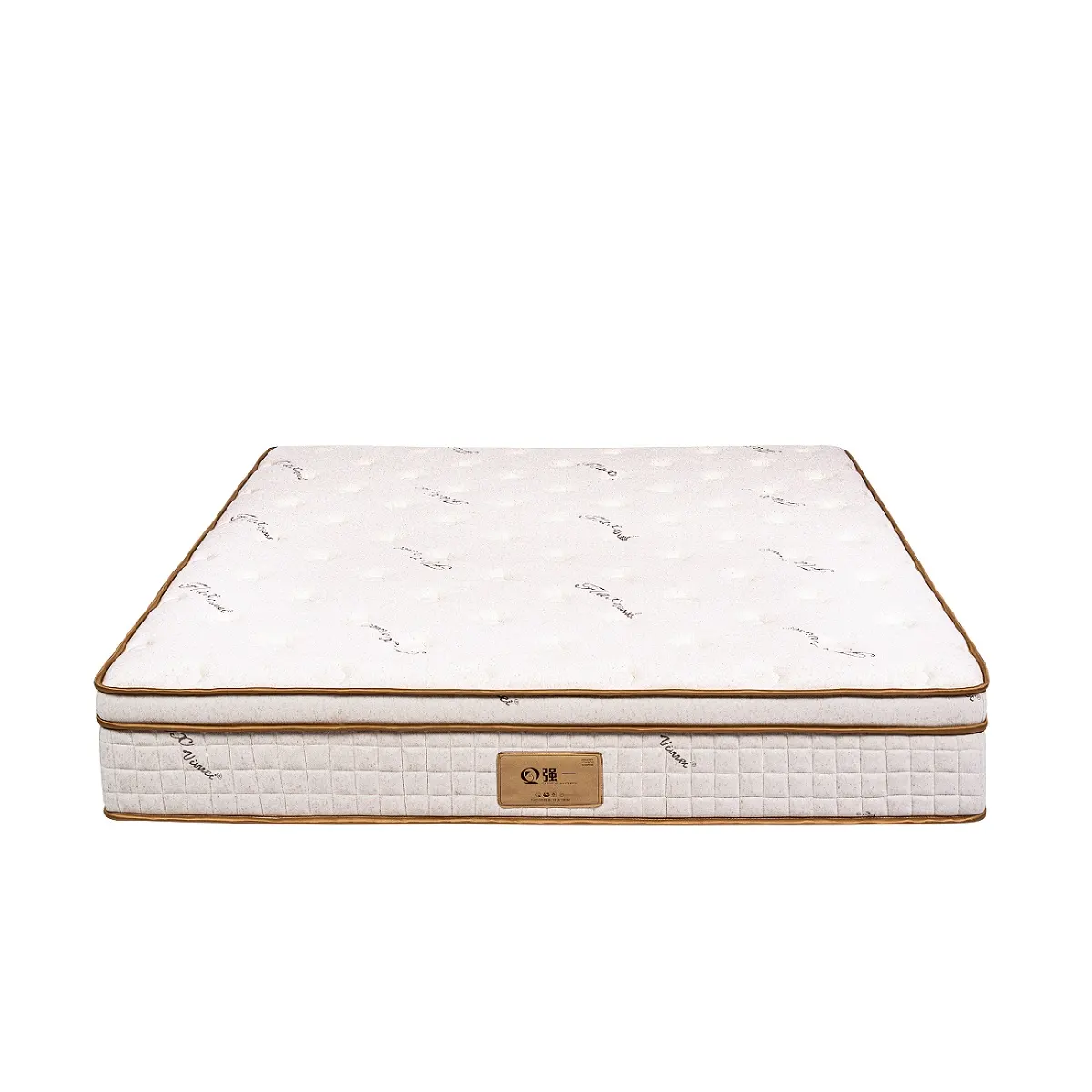
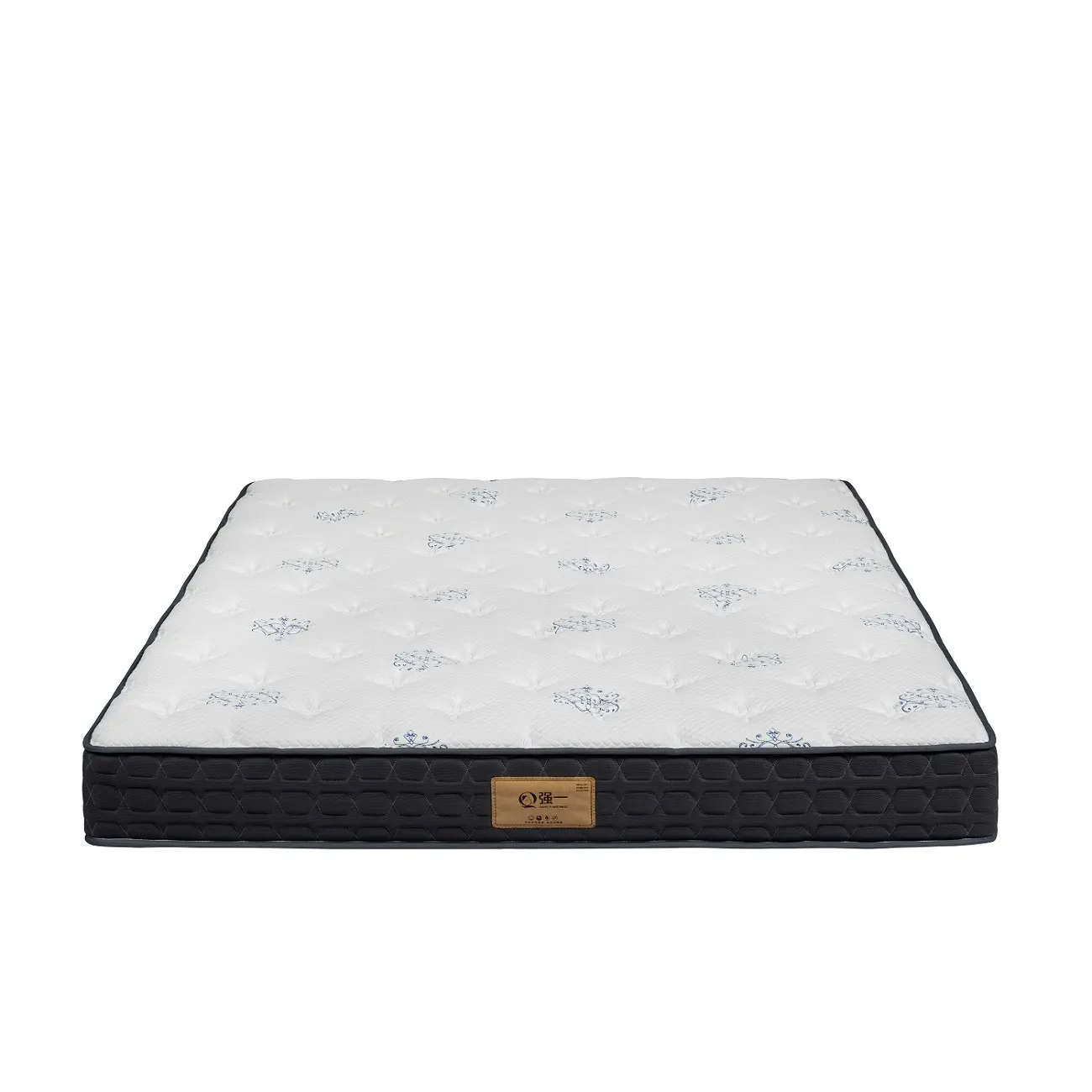
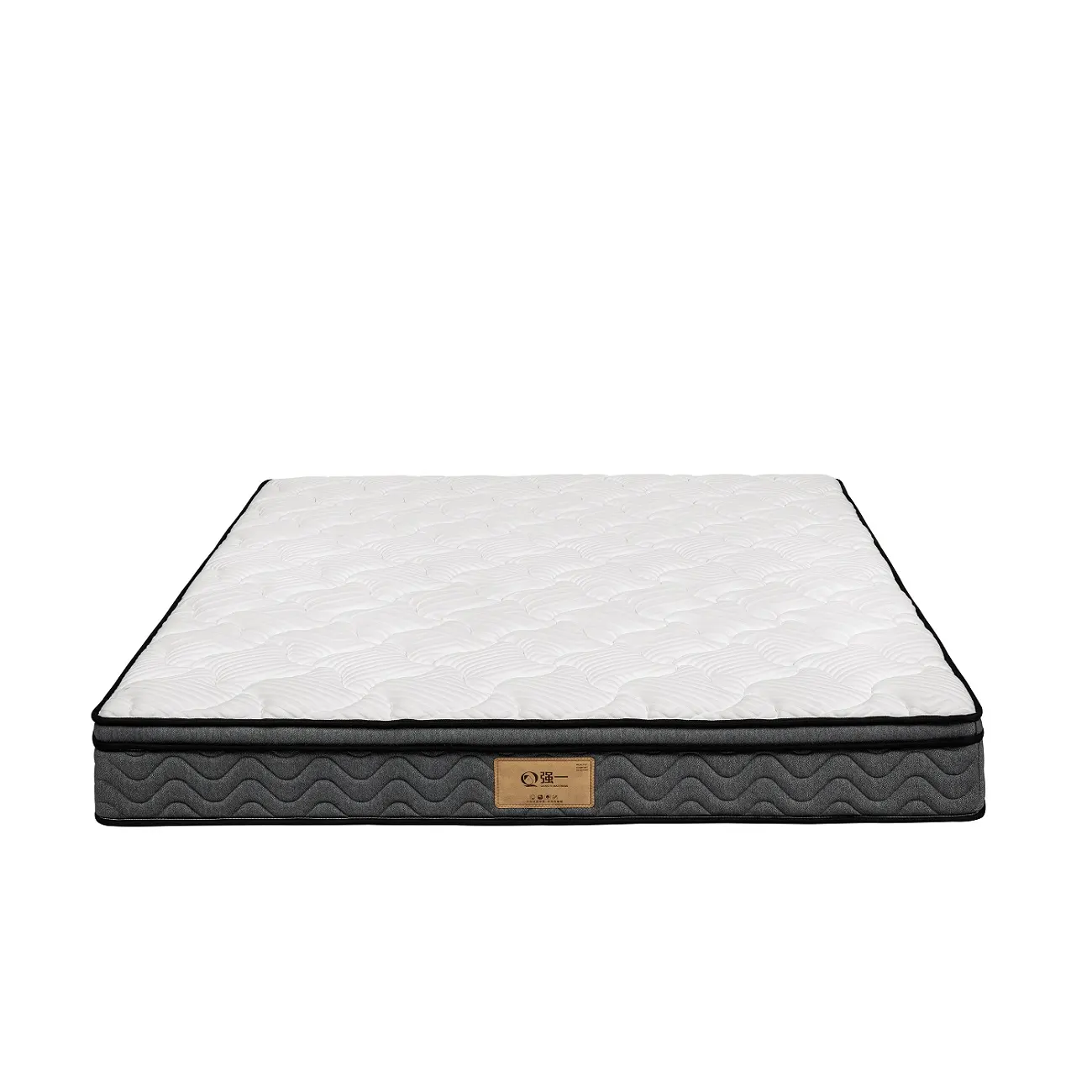
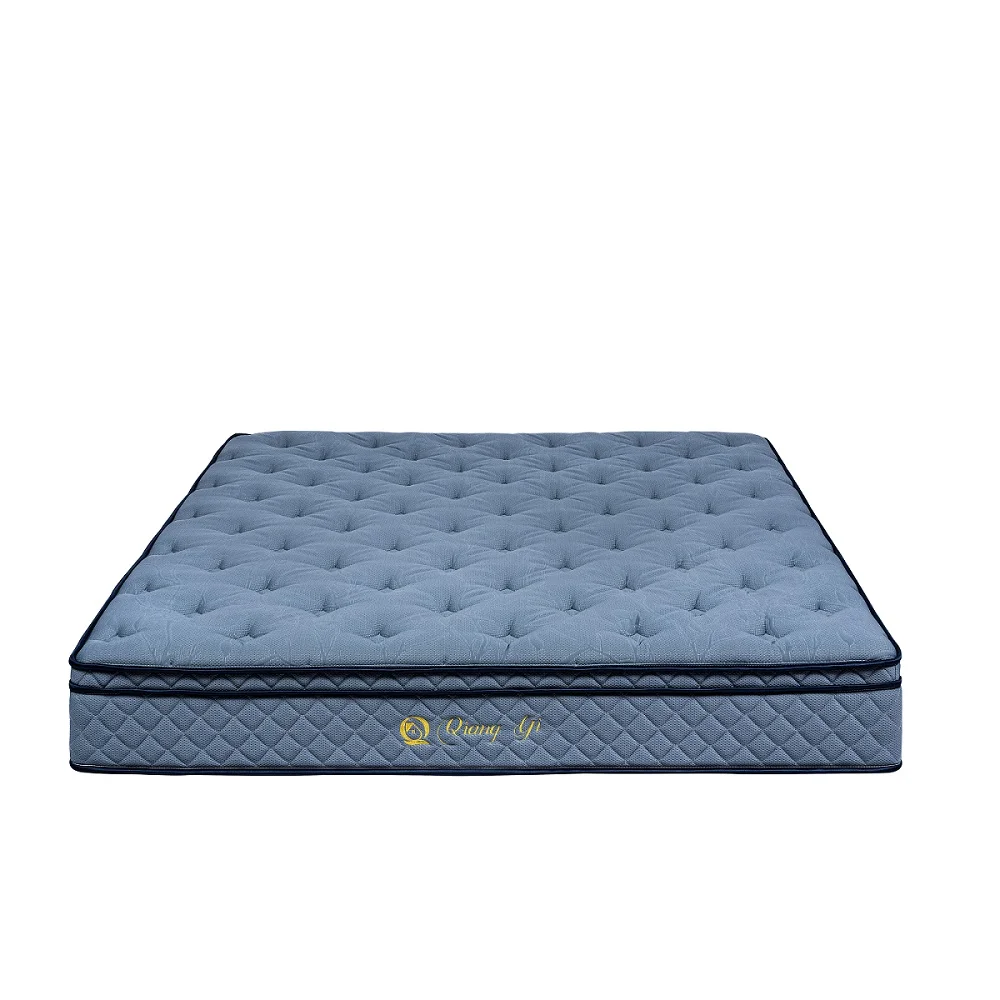
The production of industrial-grade bedclothes has become more sophisticated with time. Guangdong Qiangyi Intelligent Manufacturing Technology Co., Ltd. from China is one of the many companies that specialize in high-end mattress production using a combination of automated processes and manual skills of craftspeople in a modern mattress factory. CNC foam cutting, robotic fabrication and accurate tracing of materials are all practices that are in line with international standards and methods previously discussed in this section. The OEM/ODM services provided by the company are suitable for professional clients who design custom-made mattresses with specific density configurations or hybrid constructions. The different stages of production, including prototype design, are tested in the company’s laboratories to ensure that the products meet the desired level of ergonomics in line with the clients’ brand identities.
Conclusion
Buying the right mattress is more than just a matter of how it feels on your skin. It also requires an analysis of the key figures for the mattress’s composition, durability, ergonomics as well as the supplier’s transparency. Companies that integrate these criteria into their procurement process can achieve significant advantages in terms of the products’ lifecycle costs and customer satisfaction. In the course of technological progress in manufacturing, in which more and more processes are becoming increasingly automated, in future business partnerships that are based on same technical criteria will be the only ones to be successful in the highly competitive mattress market.
FAQs
1. How long do memory foam mattresses last compared to hybrid mattresses?
On average, memory foam mattresses will last approximately 7-9 years. Hybrid mattresses on the other hand can last up to 10-12 years due to the coil support in these mattresses.
2. How important are certifications like CertiPUR-US when purchasing mattresses?
These certifications confirm that any foam used in the mattress does not contain ozone depleters, heavy metals, etc. The mattress industry has established some professional standards regarding chemical safety and certifications like CertiPUR-US are a good place to start when looking for a safe mattress.
3. How does Custom Firmness affect Production Time?
If custom density formulas or even a layered design is chosen it could add another 1 – 2 weeks on to production time but is generally worth it as it receives better reviews post-installation.
4. What are the logistics factors that influence the total landed cost of mattresses imported?
The efficiency of the freight volume (e.g. roll-packing), port tariffs as well as local warehousing fees influence the total landed cost in addition to the unit price.
5. Why are some suppliers focusing on setting up robotic assembly lines in their factories?
Automation ensures consistency when processing in large batches and this is very important for processing thousands of identical articles for commercial customers such as hotels or retailers.