


17th July 2026
How the EU Digital Product Passport (DPP) Will Change Mattress Manufacturing and Export
-
 author


In order to do business with mattresses in international trade, not only the information on the product, the sustainability requirements as well as the transparency of the supply chain are becoming more important. For manufacturers, for exporters, for importers as well as for distributors active on the market for mattress export Europe projects are being launched. These need to be set up in such a way that in addition to information on the comfort and quality of the mattresses also the required and available documentation, the traceability of the materials as well as production records and environmental information is prepared. The Digital Product Passport furniture concept is already influencing the way in which manufacturers are dealing with product information as well as with the communication with customers, and in which manner they are preparing themselves for the future requirements with regard to compliance.
Why is the Digital Product Passport becoming important for mattress manufacturers?
The Digital Product Passport is part of the EU’s overall approach to making product information more transparent and enable the sharing of sustainability information. For mattress producers this also means that the way in which product information is collected, stored and distributed along the supply chain will change.
How could Digital Product Passport furniture requirements affect mattresses?
The Digital Product Passport contains key information of a product regarding the materials used, sustainability and the product life cycle. The requirements for the specific details to be provided in the passport will be stipulated in the future delegated acts. The attention for the furniture related products is increasing within the EU sustainability initiatives.
For mattress manufacturers, this means product information management may become more important. Buyers may need clearer records about foam materials, fabrics, spring systems, manufacturing processes, and recycling-related information.
Why should exporters prepare before regulations become mandatory?
Many international buyers need documentation before they place their large orders. By the time regulations become mandatory, it will be too late and buyers will have to deal with the changed situation, possibly with less than ideal suppliers, lacking crucial data and with difficulty to make adjustments to their production flow.
Manufacturers preparing to launch a mattress export Europe project should analyze their internal processes, such as:
- Material records.
- Supplier documentation.
- Production information.
- Packaging details.
- Quality inspection records.
A structured data system supports companies to handle customer requests for sustainability information quickly and competently.
How will EU mattress regulations influence product development and export decisions?
When doing business with the European mattress market certain requirements have to be met, e.g. concerning safety of products, chemical contents, labeling and consumer’s expectations. Thus already in the design phase of a product for exportation has to be considered the question of compliance with the respective regulations.
What product information should mattress exporters prepare?
In addition to appearance and comfort experienced buyers will generally review more information than that. Some of the information that they may require can include.
- Foam type and density.
- Fabric composition.
- Spring structure.
- Fire safety information.
- Material suppliers.
- Production location.
- Packaging method.
- Quality inspection procedures.
Importers can better evaluate products and avoid communication errors when purchasing with correct documentation.
How can manufacturers balance sustainability and mattress performance?
Sustainability requirements should not supersede basic performance criteria for mattresses. Appropriate support, acceptable durability, acceptable comfort and acceptable structural stability are still the fundamental requirements for mattresses.
For example, changing the material to make it more recyclable may affect the firmness and weight of the product. It can also have an impact on production costs and the processes involved in making the product. The manufacturer must then evaluate the environmental goals against the product performance.
What mattress materials should buyers evaluate for European markets?
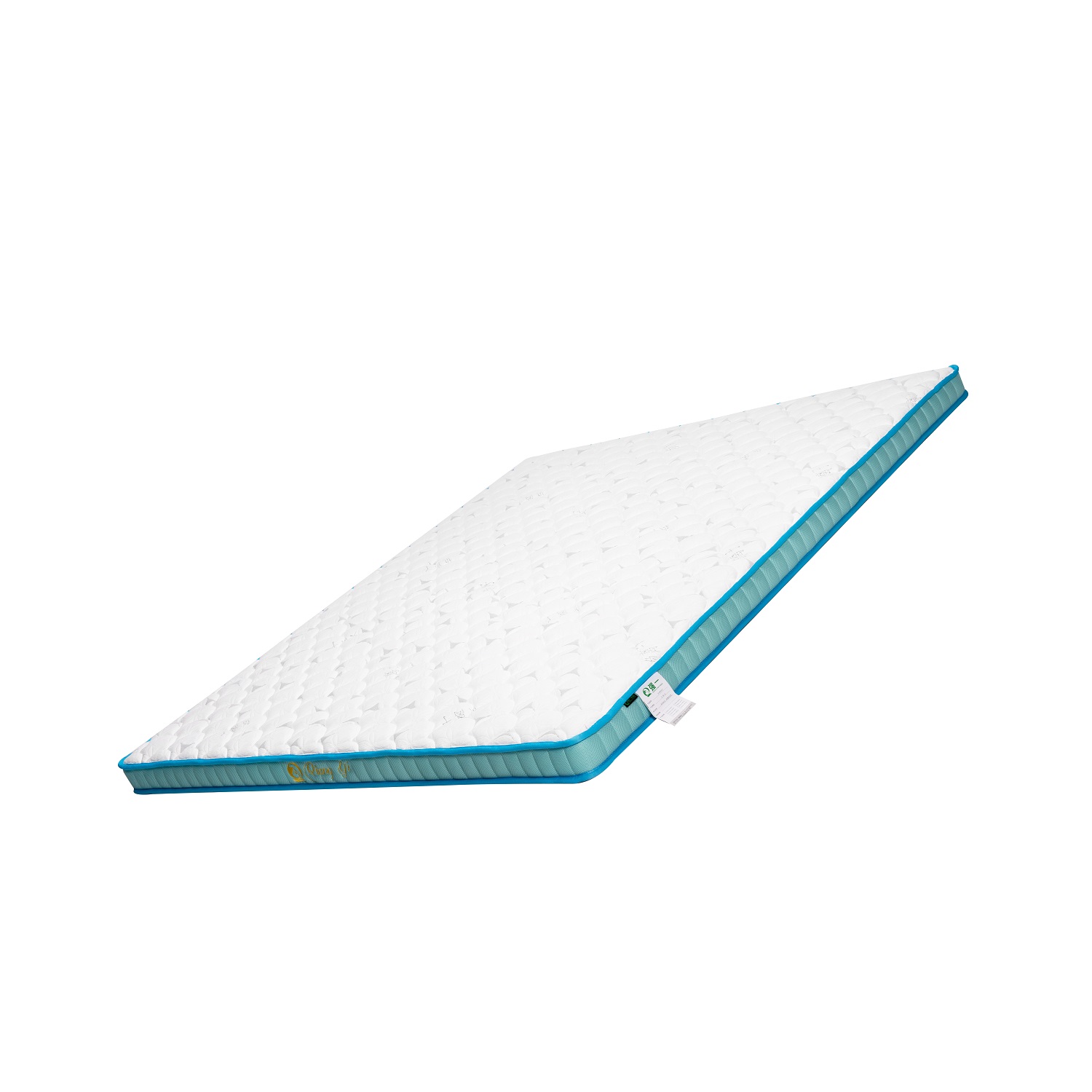
The choice of materials affects several key factors relating to the comfort, durability, cost of production and sustainability documentation of a product.
How do foam, latex, and spring systems affect mattress selection?
Different mattress structures provide different performance characteristics.
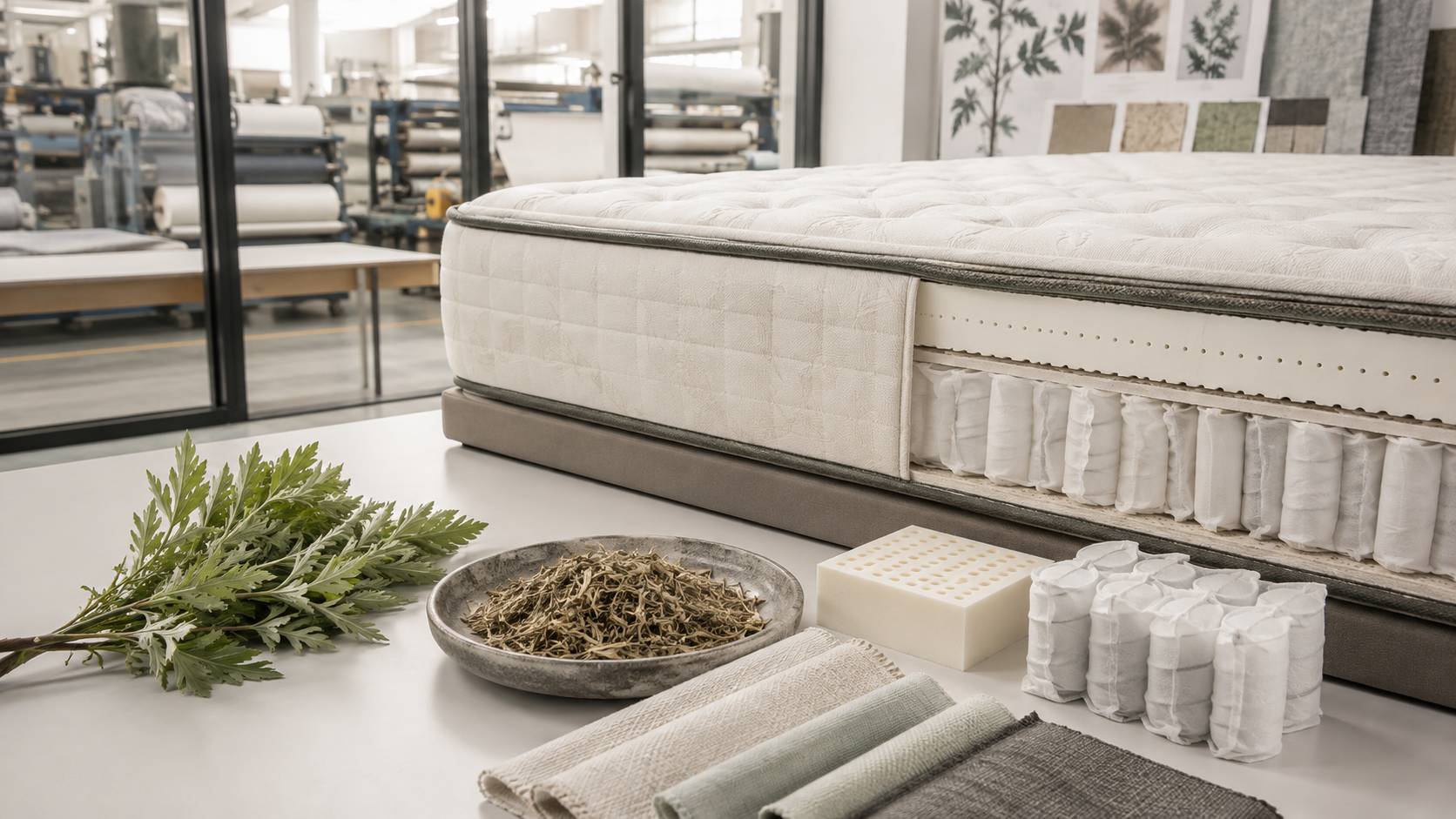
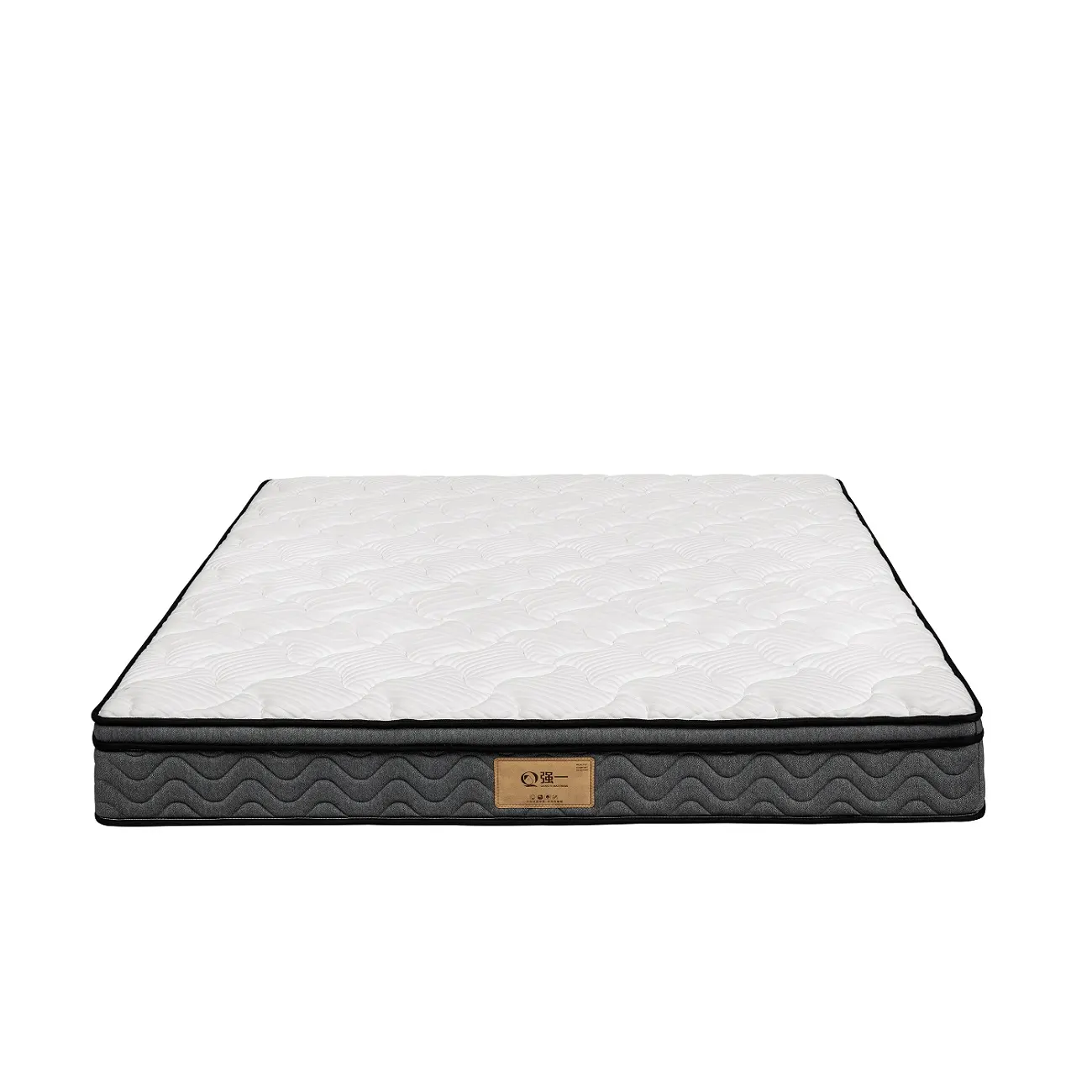
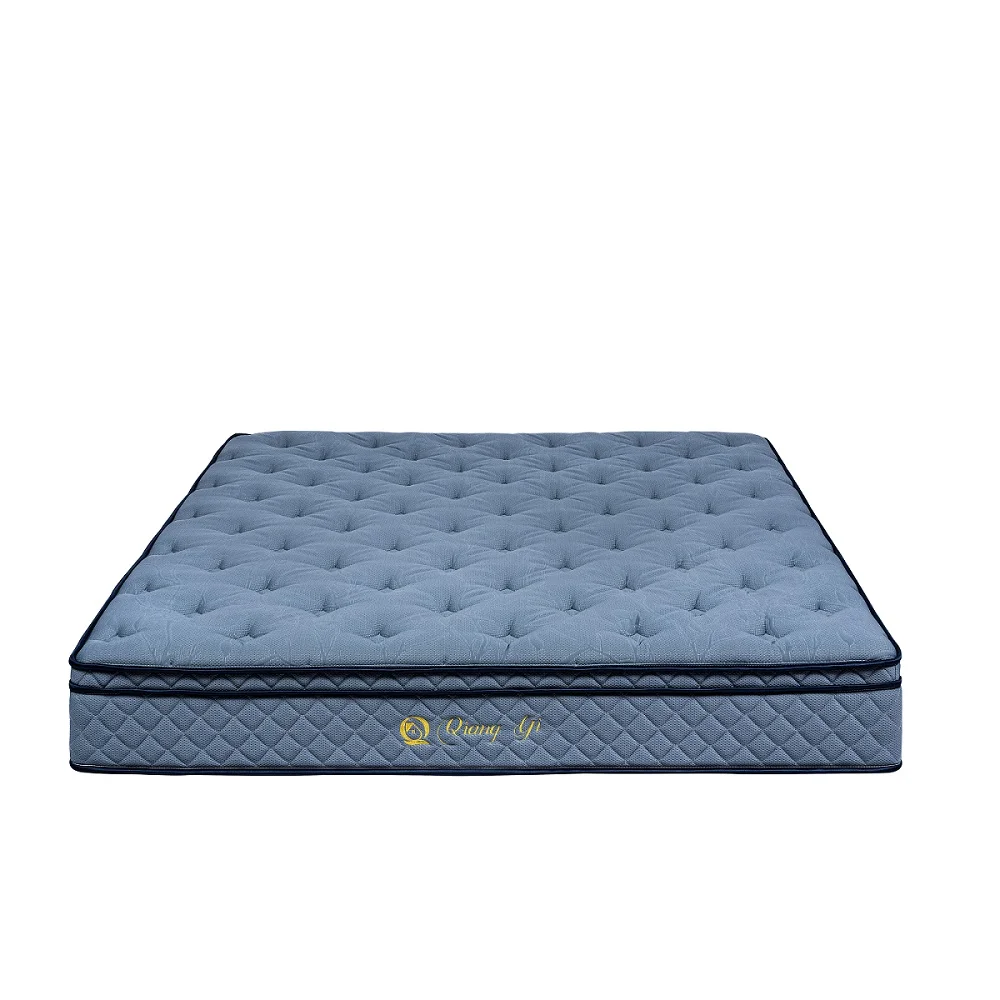
The quality of a Foam mattress depends on the density, the resilience and the compression of the foam. Latex mattresses are mostly judged on the composition of the materials, the elasticity and the processing. Spring mattresses are judged on the structure of the springs, the support system and the durability.
The structure also affects the exporters in terms of shipping weight, packaging and use of warehouse space.
Why is material traceability becoming more important?
As information on sustainability becomes more important, manufacturers need to have a clearer view of the origin of the materials they use as well as the production process of their products.
A traceable supply chain may help buyers review:
- Material sources.
- Supplier documentation.
- Production batches.
- Quality records.
- Packaging information.
When a company is preparing Digital Product Passport data for furniture, it can become important for supplier management if the material information is properly arranged.
How can mattress manufacturers prepare for EU mattress regulations?
Preparation for production involves several departments such as product design, purchasing, production and quality.
What steps should manufacturers take before exporting to Europe?
A practical preparation process includes:
Step 1: Review the existing product information and material list.
Step 2: Identify documentation missing on materials and production.
Step 3: Improve supplier information collection.
Step 4: Standardize product specifications.
Step 5: Create the digital files for your business requirements that can be updated if any changes occur.
Reducing delay for customer requests for additional information in manufacturing process.
What quality checks should exporters strengthen?
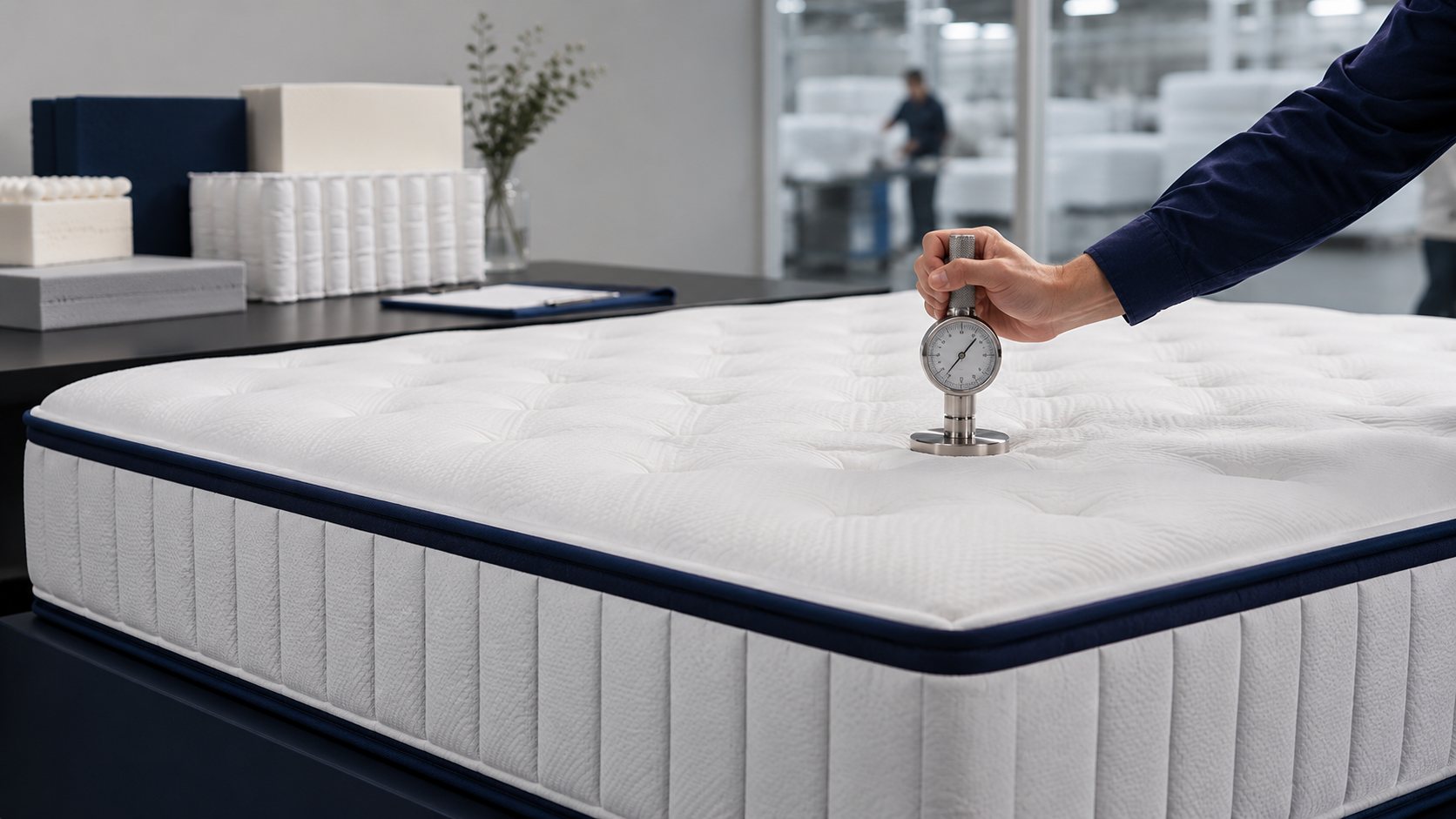
When conducting mattress quality control it is important to check both the performance of the product and the consistency of production.
Important inspection areas include:
- Mattress dimensions.
- Material consistency.
- Stitching quality.
- Packaging condition.
- Label accuracy.
- Compression and recovery performance.
Supplier with clear inspection procedures can provide better information to international buyers.
How do packaging and logistics affect mattress export Europe projects?
Exporting mattresses has its special challenges, because as products they are large, sensitive and very expensive to transport.
Why is packaging important for exported mattresses?
Export mattresses are often shipped in the compressed or rolled form to make best use of the shipping space. It is very important for the packaging design to hold the mattress in good shape during the shipping and to enable the mattress to return to its original shape immediately after unpacking.
Buyers should evaluate:
- Packaging materials.
- Compression limits.
- Storage time.
- Moisture protection.
- Transportation conditions.
How you package your mattress could affect its shape and appearance once unpacked. Also the customer experience.
How can exporters reduce delivery risks?
Before large shipments, buyers and suppliers should confirm:
- Product specifications.
- Packing methods.
- Container loading plans.
- Delivery schedules.
- Inspection requirements.
Clear communication can help to avoid misunderstandings among manufacturers, logistics providers and importers.
How should buyers evaluate mattress suppliers for European projects?
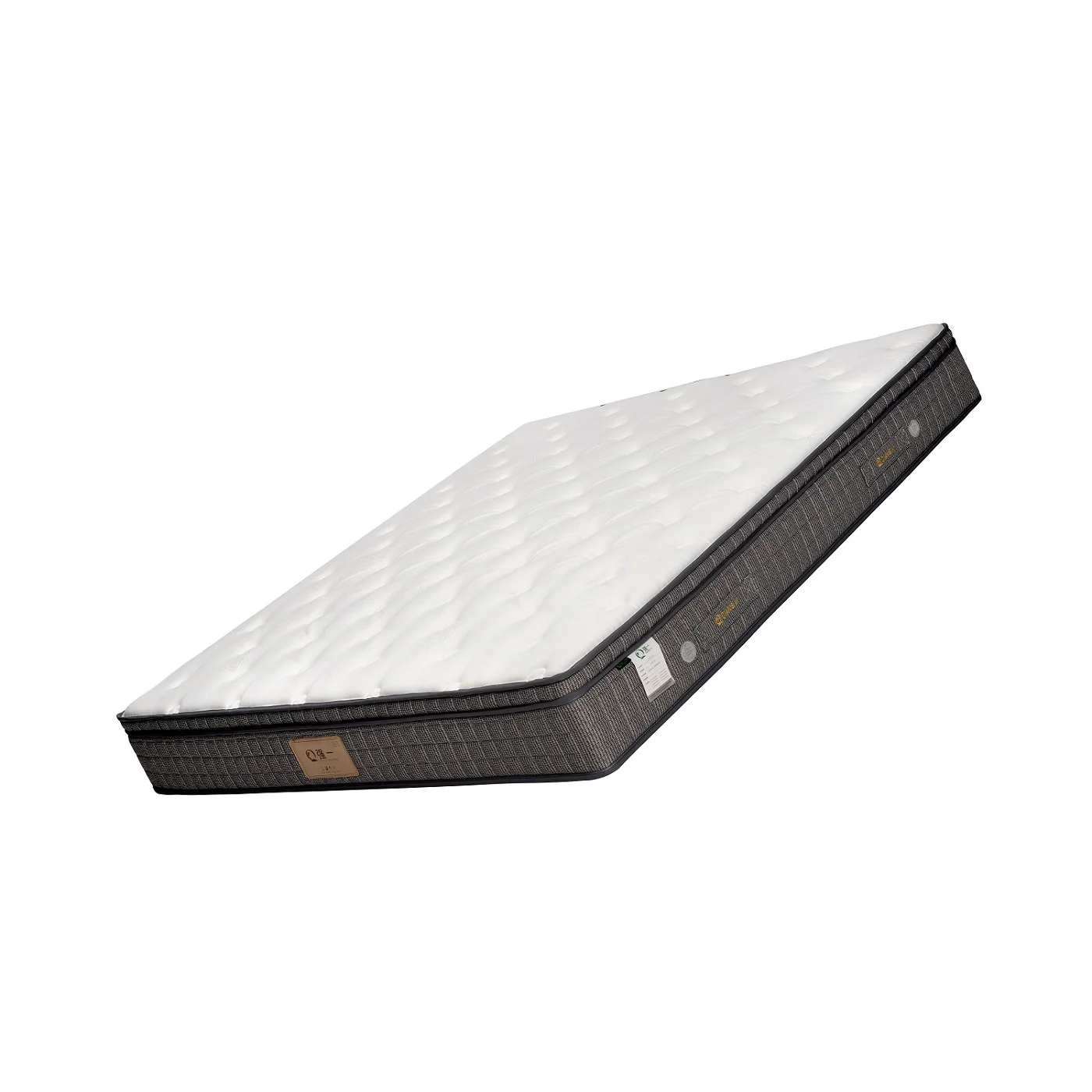
Supplier selection influences product quality, the ability to document it, and cooperation in the long term.
What should a mattress supplier checklist include?
Before cooperation, buyers should review:
- Production capability.
- Material documentation.
- Customization options.
- MOQ requirements.
- Lead time.
- Quality control process.
- Packaging solutions.
- After-sales support.
Other factors that buyers use to compare suppliers are not related to the price of the products they sell.
Why do documentation and communication matter?
Product information management is becoming increasingly important for European buyers. When buying in the long term, it is easier to cooperate with suppliers who can provide accurate product specifications and production records.
A supplier needs to inform us of options on customization as well as let us know when we approve a sample, start production, and what quality he is looking for.
Which supplier can support mattress manufacturing and export requirements?
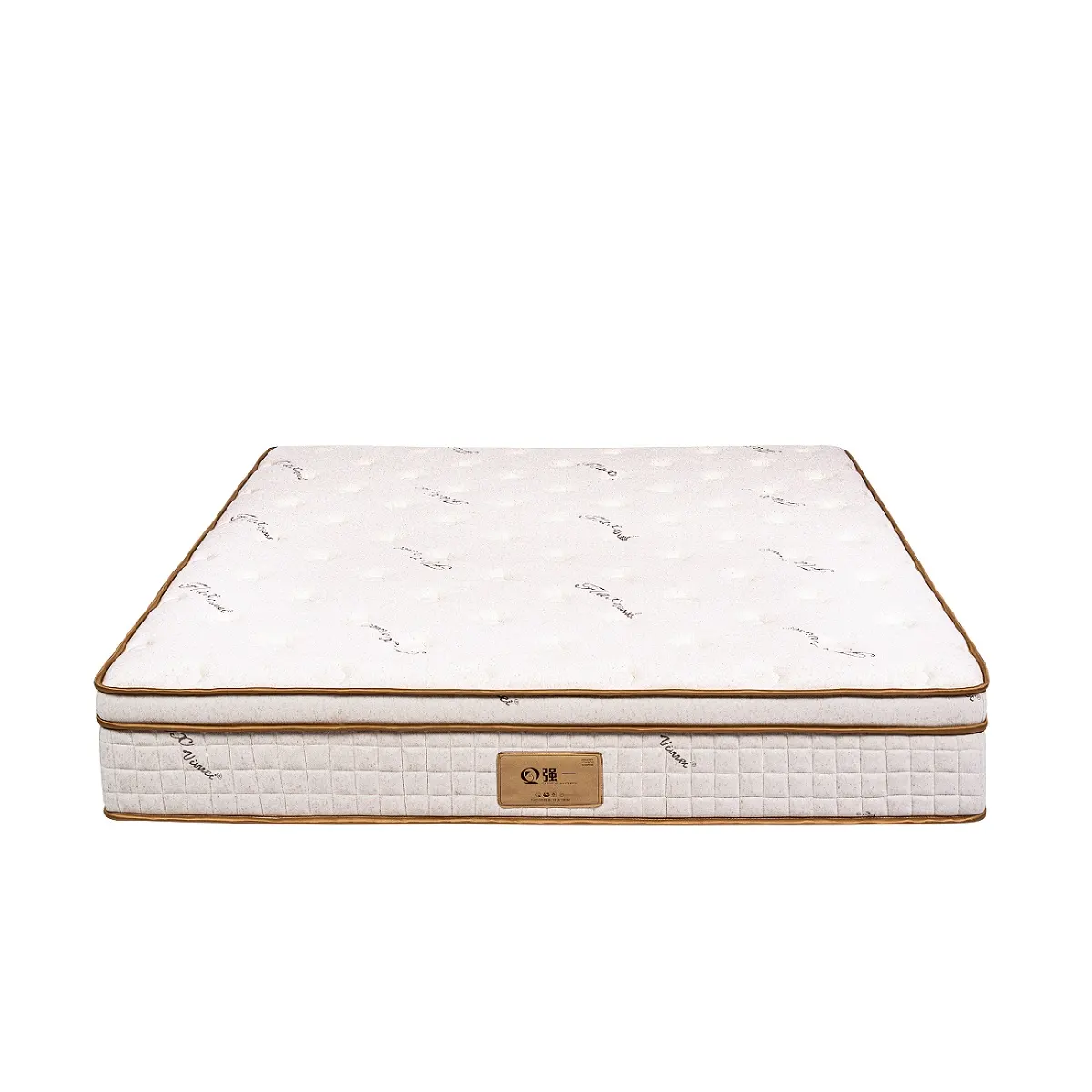
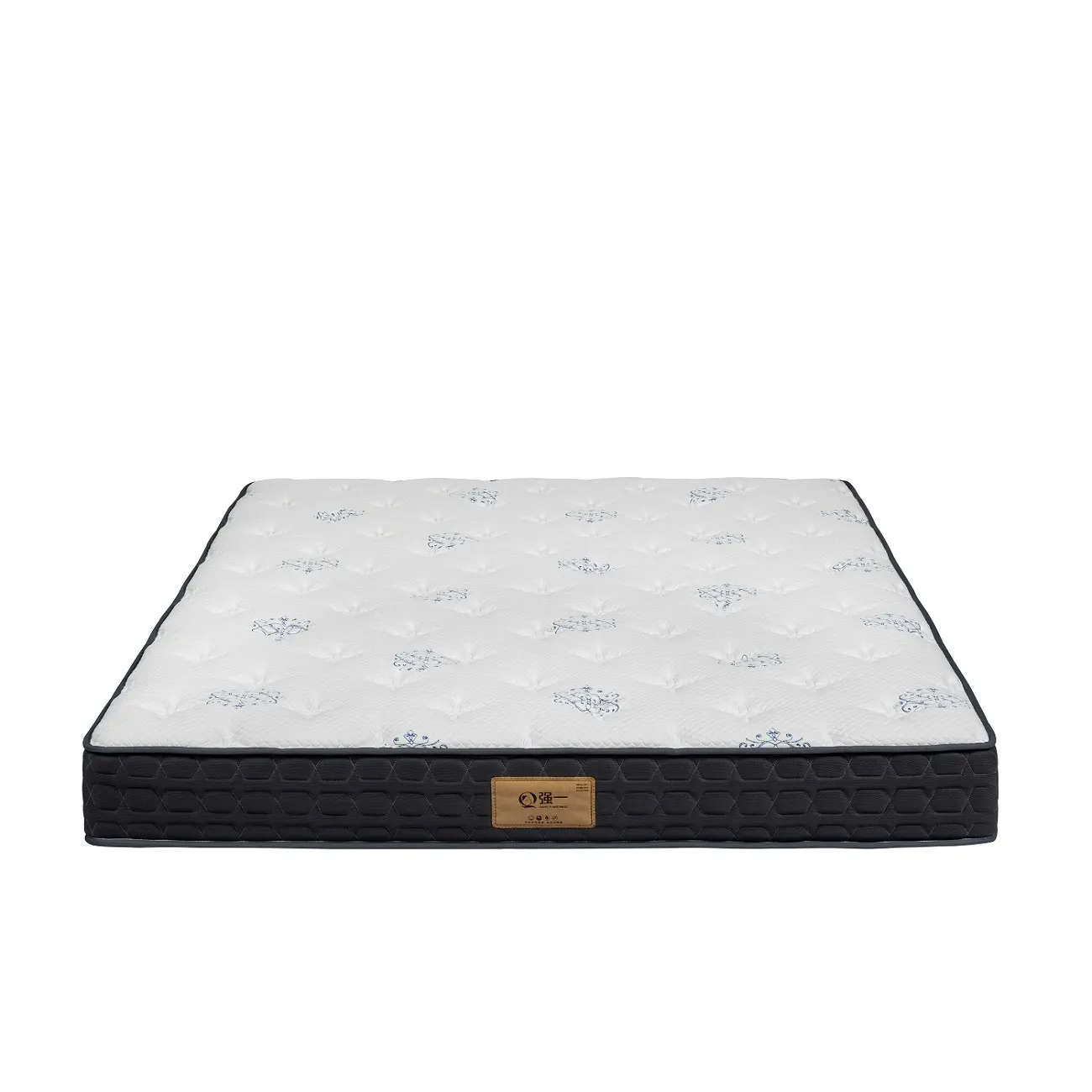
Guangdong Qiangyi Intelligent Manufacturing Technology Co., Ltd. supplier for mattress production for buyers looking for mattress manufacturer/supplier for mattress production and related services to support buyer’s mattress project. For buyer who is developing mattress export Europe project, the way how buyer works with supplier would be discussing on product details, materials, packaging and how to place order. Even so, buyer still need to compare on mattress design, technical data sheet, mattress price, shipping terms and other post sales services with supplier before making decision on which supplier to collaborate with.
Conclusion
The Digital Product Passport furniture concept could influence the way mattress manufacturers manage information of their products and communicate with potential buyers in Europe. Companies that are preparing for the mattress export Europe projects should pay attention to several aspects, such as material traceability, documentation, quality control and supplier coordination. Requirements for EU mattresses concern product characteristics as well as the product’s lifecycle. By setting up a solid data management a company can reduce future potential risks that are connected with changes in requirements for compliance. As with any other project also for the international mattress supply chain it is important to evaluate the suppliers thoroughly in order to build a reliable network of mattress suppliers.
FAQs
1. What is the Digital Product Passport for furniture products?
The Digital Product Passport is a product information system, which is meant to provide transparency regarding the materials used for a product, its sustainability features and information related to the product’s lifecycle.
2. Will the Digital Product Passport immediately apply to all mattresses?
The requirements are based on the EU regulations, including future product-specific requirements. Manufacturers should keep an eye on updates and set up the product information systems in good time.
3. What documents should mattress exporters prepare for Europe?
Preparation of relevant information such as details of the product, specifications, quality documents, packaging details etc. required by the buyer.
4. How can mattress manufacturers improve EU export readiness?
To increase their readiness, manufacturers must organize their material records, secure their quality, better communicate with suppliers and prepare digital product information.
5. What should buyers check before choosing a mattress supplier?
Buyers should review product structure, materials, customization ability, quality control, documentation support, MOQ, lead time, packaging, and after-sales service.