


10th July 2026
How to Choose the Best Home Mattress for Better Sleep
-
 author

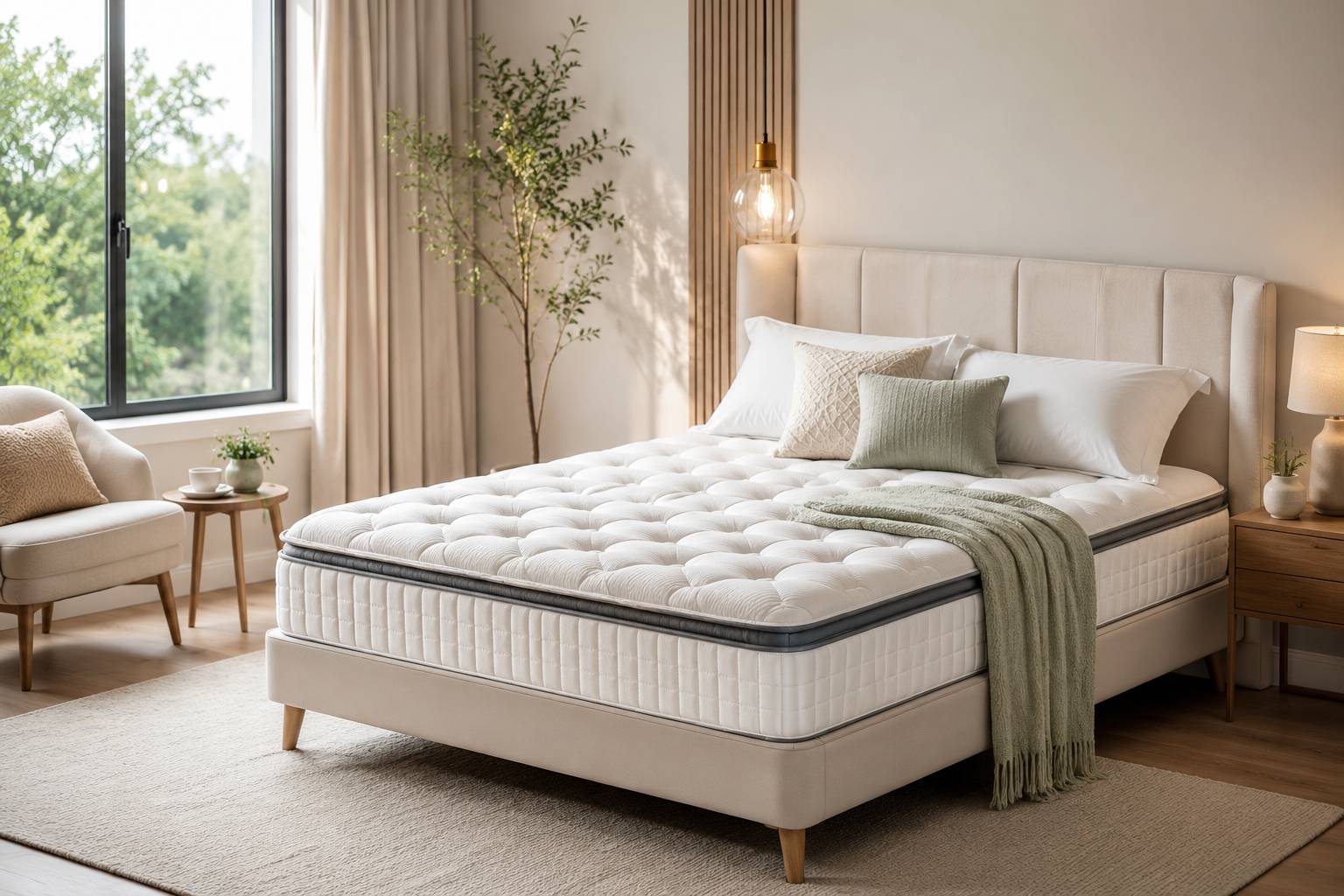
When it comes to selecting a Mattress for home buyers, retailers, hotel buyers, and Mattress manufacturers, there are many factors to consider beyond softness and price. A poor quality Mattress can create pressure to return the product, generate complaints regarding comfort, lead to problems with delivery and in the long term provide poor value for money. The best home mattress is one that matches the following criteria: sleep position, body type, room where mattress will sit, level of support required, packaging required and price the buyer wants to pay. Sleep is a serious health matter and the CDC states that adults 18-60 require at least 7 hours of quality sleep each night. So selecting the right mattress is not just about finding a great show room product, it must also enable quality, consistent sleep.
How should sleep position guide mattress selection?
The sleep position of buyers is perhaps the first thing they should be thinking about when trying to find the best mattress for their personal needs. A mattress that feels just right for one sleeper may be too hard for another or even too soft for them to get a good night’s sleep. A great deal of this can be attributed to how the pressure points are distributed and the degree to which the spine is aligned whether a person sleeps on their side, back or stomach.
Why do side sleepers need pressure relief?
Side sleepers typically experience the most pressure on their shoulders and hips. A very firm mattress could even cause pressure discomfort, and a very soft mattress would allow for too much sink into the mattress.
Side sleepers generally look at mattresses with foam comfort layers, pillow tops, pocket coil systems and medium soft to medium mattress feels. The ultimate goal is to get adequate pressure relief without sacrificing support.
Why do back and stomach sleepers need firmer support?
For back sleepers, they require support through their lower back. For stomach sleepers, they require a firmer mattress to prevent excessive sinkage in the hip area.
At first a soft mattress can feel very comfortable, but within a few minutes it can become very unsupportive. To check a mattress out you need to stay on it for long enough to feel whether your spine is in a neutral position and if you find it easy to turn over.
Which mattress structure fits different buyer needs?
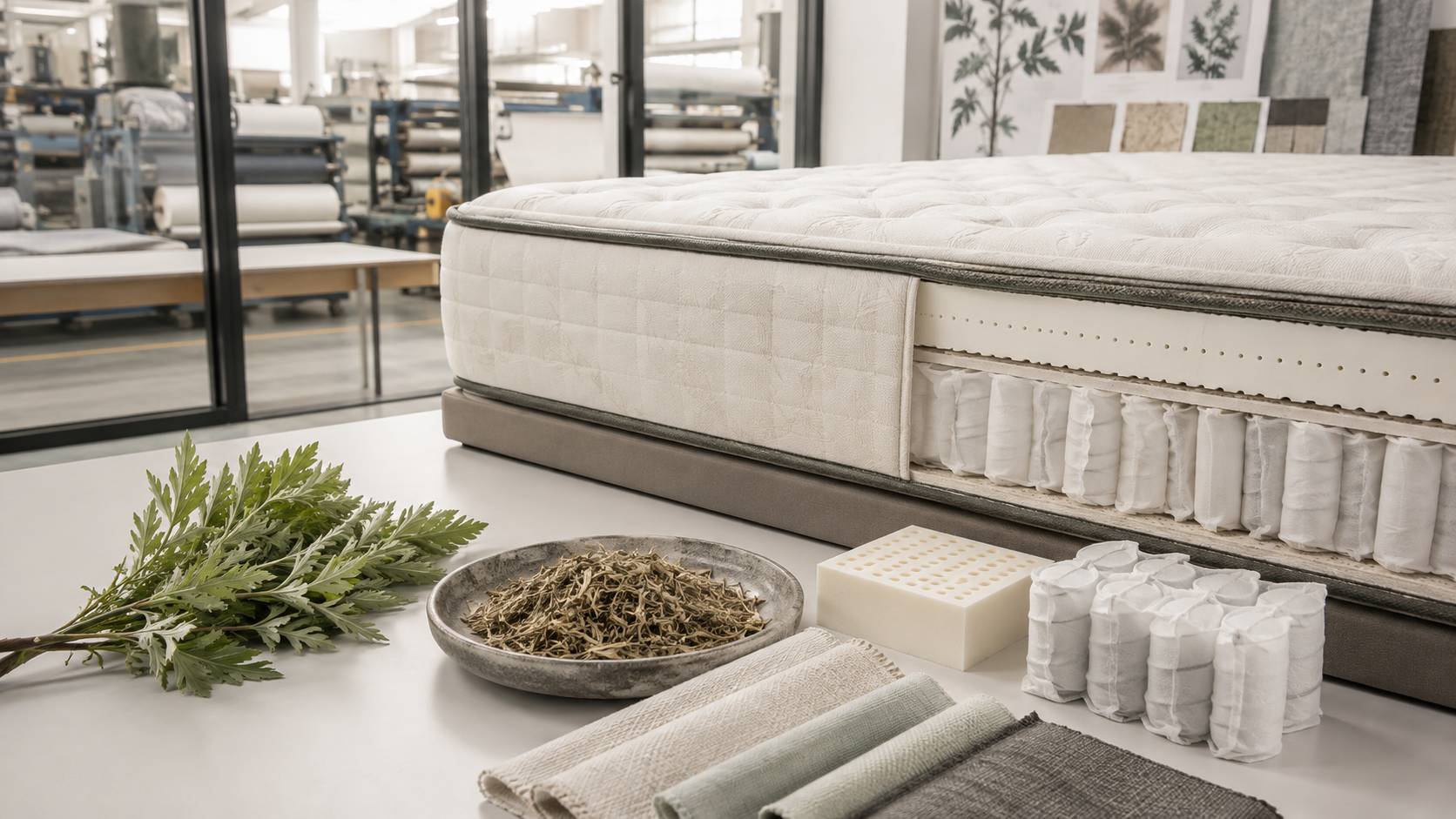
A mattress’ inner construction has much to do with a mattress’ support, motion isolation, breathability, durability, and even value for money. Therefore, buyers should also compare the inside of a mattress, not just the outer cover or design.
How do foam, spring, and hybrid mattresses compare?
Foam mattresses offer great pressure relief through contouring and good motion isolation. Innerspring mattresses tend to have more bounce and better airflow than their foam counterparts. Hybrid mattresses combine the best of both worlds by offering spring support and combining it with layers of foam, latex, or other materials that provide added comfort.
| Mattress type | Practical advantage | Buyer risk to check |
|---|---|---|
| Foam | Pressure relief, motion control | Heat retention, edge support |
| Spring | Airflow, bounce, familiar feel | Motion transfer, noise |
| Hybrid | Balanced comfort and support | Higher cost, heavier weight |
| Latex | Resilience, breathable feel | Price, firmness preference |
What should buyers check beyond mattress type?
To make informed purchasing decisions, customers should look into the following elements of a mattress: the density of the foam, the spring type, the coil count logic, edge support, the quilting, the cover fabric, the thickness and the firmness rating of the mattress. Also, how does the mattress come rolled up and will it come back to that state once it is unpacked. A product name does not guarantee a product’s ability to provide comfort and support to its users.
For B2B sample approvals we require Firmness, Fabric, Seams, Recovery of Compression, Smell, Box / Carton, Labels to be approved.
How can buyers balance comfort, durability, and cost?
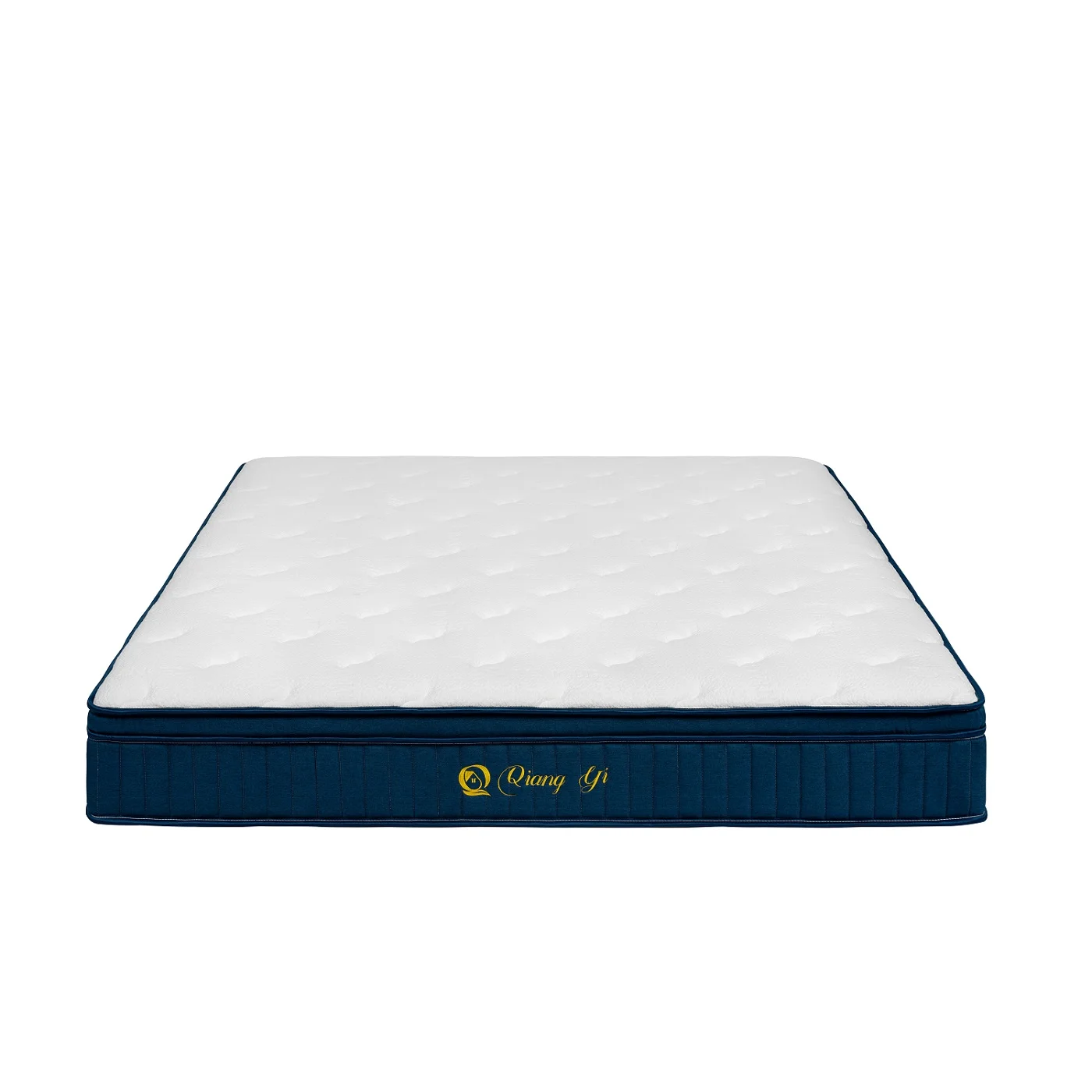
The best mattress is not always the most expensive model. It is the model that fits the buyer’s use case and delivers predictable comfort over time.
Which details affect long-term comfort?
Comfort of a mattress is usually determined by the complete construction. A thick mattress made of high quality components can look very premium but suffer from poor performing core foam and edge support. Also a very firm mattress can last longer but might be too hard for some sleepers who need more pressure relief.
Buyers should compare comfort layers, support core, edge design, cover breathability, and whether the mattress works with the intended bed base.
How should buyers think about lifecycle value?
Lifecycle value = Purchase cost + Delivery cost + Return risk + Warranty + Replacement timing. A cheap mattress might be ok for a temporary house, a hotel, a short-term apartment project or a long-term house – would require better design and packaging though.
Before confirming an order, B2B buyers should also be aware of MOQ, lead time, private-label options, spare fabric available for future production, the roll-pack dimensions, and after-sales support.
What safety and compliance details should not be ignored?
As mattresses are consumer products, safety/labeling is a critical aspect to consider during the sourcing process. Market requirements may vary but should NOT be an afterthought for buyers.
What should U.S. buyers know about flammability?
The U.S. Consumer Product Safety Commission identifies the federal regulations addressing mattress fire performance as 16 CFR part 1632 relating to smoldering ignition and 16 CFR part 1633 relating to open-flame mattress flammability. These rules were established to reduce the number of fatalities and injuries resulting from mattress fires.
Documents from previous mattress imports should correspond with the actual mattress construction for Importers and Brand Owners. Changing cover fabrics, foams, barrier materials or thicknesses can have significant implications regarding relevance of prior test support.
What should buyers know about textile labeling?
The Federal Trade Commission outlines several federal requirements for the labeling of products made of textiles and wool, including requirements for the label to state the fiber content, country of origin and the identity of the manufacturer or other business entity responsible for the product.
For mattress sourcing, buyers should confirm care labels, law labels where applicable, fiber content statements, carton marks, and product information before shipment. A supplier declaration is useful, but it is not the same as market-specific legal review.
How should buyers test a mattress before placing a larger order?
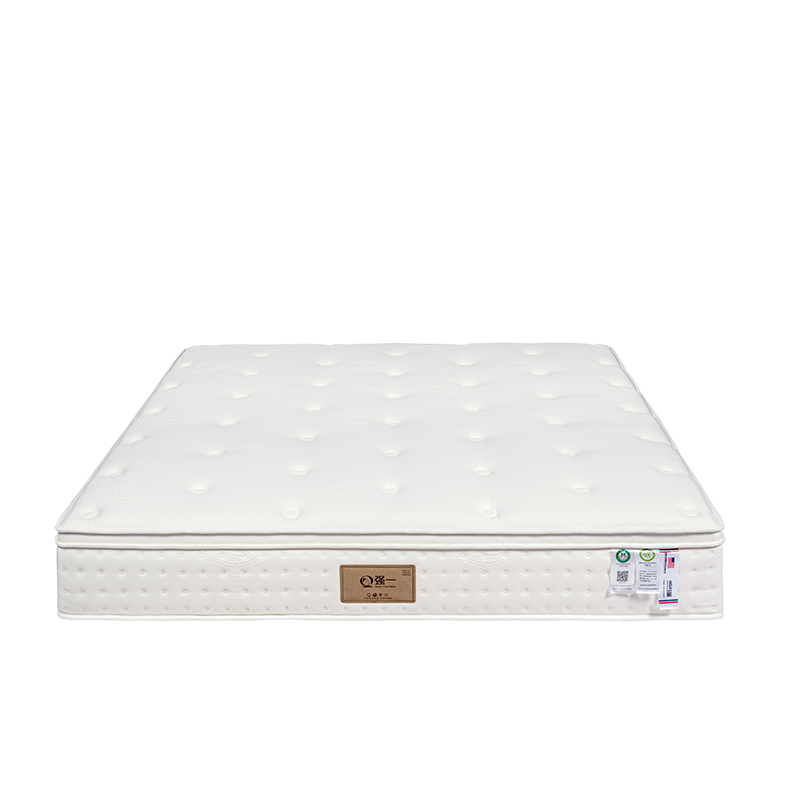
In order to mitigate risks of mass production for a buyer, it is advisable to carry out sample testing. In the end, a few photos and some product descriptions from a catalog are not enough.
What should be checked during sample review?
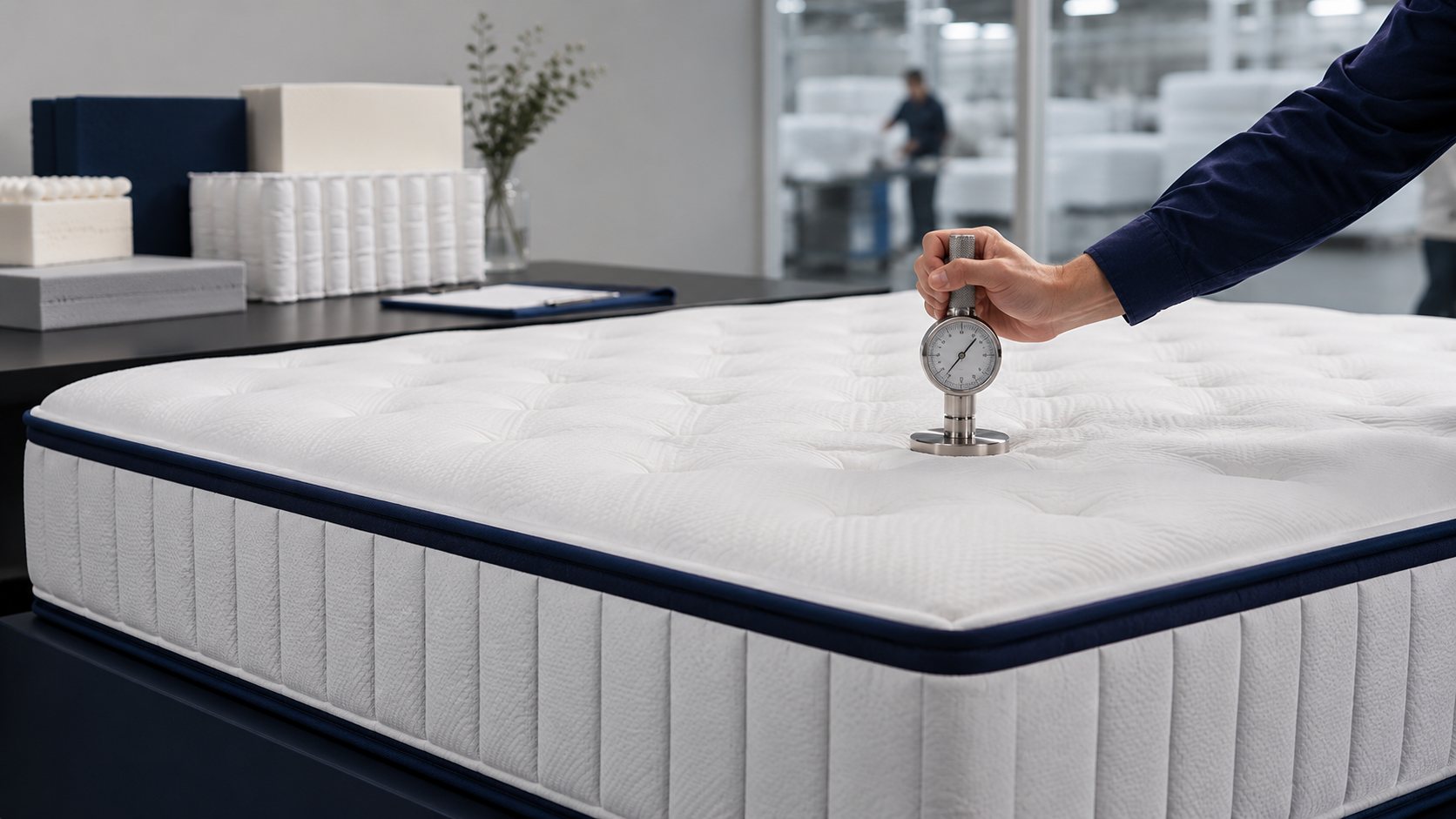
Buyers should check firmness, bounce, motion transfer, edge support, cover feel, stitching, zipper quality where applicable, odor, compression recovery, and whether the final height matches the specification.
If the mattress is roll packed, buyers should confirm recovery time and carton condition after shipping simulation. Poor recovery can lead to customer complaints even when the internal design looks good on paper.
What should a practical buyer checklist include?
A useful checklist may include:
- Confirm mattress size, height, firmness, and structure
- Review foam density, spring type, fabric, and quilting
- Check edge support, breathability, and motion isolation
- Confirm packaging, roll-pack recovery, and carton strength
- Request relevant safety, labeling, and material documents
- Clarify MOQ, lead time, warranty terms and return policy for defective goods.
This process allows potential buyers to compare different models of cars in a more realistic sense than simply comparing their price tags.
Who can support buyers looking for reliable mattress sourcing?
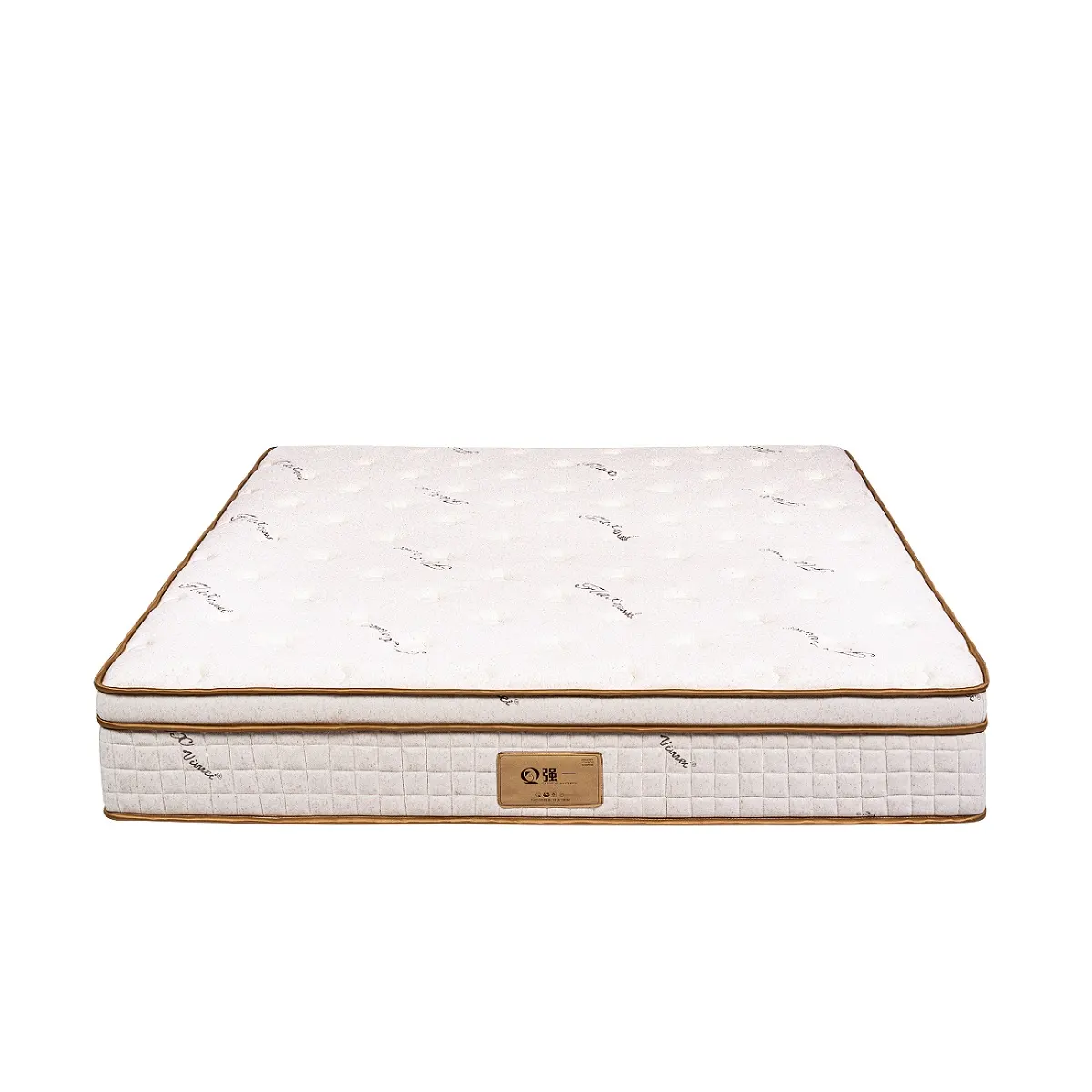
Guangdong Qiangyi Intelligent Manufacturing Technology Co., Ltd. is a Chinese OEM and ODM mattress manufacturer who offers customized mattresses to brands, retailers, hotels and project buyers. On the public website of Guangdong Qiangyi Intelligent Manufacturing Technology Co., Ltd., the manufacturer provides information about the offered mattress products as well as the manufacturing support which the company offers to its customers regarding design, production, roll packaging and more. For buyers searching for the best mattress or the best home mattress, such a supplier can be a good starting point for discussions about the structure of the mattress, the degree of firmness, the used fabrics, the packaging and more. However, it is advisable to compare several suppliers including the presented manufacturer by comparing samples, specifications, safety documents, labeling, prices, delivery terms and service.
Conclusion
Choosing the best mattress for your home requires more than just testing the softness of the mattress for a few minutes. There are many factors that you need to compare between different mattresses such as how you sleep, the structure of the mattress, the support of the mattress, the comfort layers of the mattress, how breathable the mattress is, how the mattress arrives at your home, what safety documents the manufacturer provides and what after-sales terms the manufacturer provides. There are many different types of mattresses such as foam, spring, hybrid and latex mattresses, and each type of mattress can be suitable for different users and budgets. When you are purchasing mattresses for B2B sourcing, it is also very important to review the sample and to check the documentation of the mattress as well as the design and the price of the mattress. Carefully choosing a mattress can help to reduce complaints and to bring the best sleep comfort and the best value to the long term use of the product.
FAQs
1. What is the best mattress for most home users?
There is no single best mattress for all consumers. Buyers need to consider several factors including their sleep position, preferred firmness, required support, required pressure relief, a mattress’s ability to breathe, and budget.
2. How do I choose mattress firmness?
There are also general guidelines for different sleeping positions: side sleepers usually prefer lots of pressure relief, back and stomach sleepers usually prefer more support, and then there is body weight and personal preference to consider.
3. Are hybrid mattresses better than foam mattresses?
No. Hybrid mattresses may offer more of a balance between support and breathability. Foam mattresses on the other hand are better for hugging the body and for keeping motion to a minimum.
4. What documents should B2B mattress buyers request?
Buyers may request material specifications, safety documents, labeling details, packaging information, test support, warranty terms, and sample approval records.
5. Why is packaging important for mattress sourcing?
Packaging affects 5 key aspects: delivery damage, roll-pack recovery, storage efficiency, carton strength and customer satisfaction when unpacked.