


24th July 2026
What Global Mattress Brands Are Launching in 2026—and What Buyers Can Learn
-
 author


A mattress buyer looking at the market in 2026 is facing a different situation from a few years ago. Customers are no longer comparing products only by thickness, price, or basic comfort descriptions. They are asking about materials, temperature control, sleeping position support, durability, and even how the product is packaged and delivered. For mattress brands, distributors, and hotel procurement teams, following mattress industry trends is useful because new product launches often reveal where customer expectations are moving. However, turning a market trend into a successful product still depends on material selection, manufacturing control, and supplier cooperation.
What mattress design trends 2026 are changing product development?
Recent innovations in mattress design are moving in the direction of combining several functions in one mattress, going beyond adding more layers. A main focus is on how the individual components of a mattress function.
Why are hybrid mattresses receiving more attention?
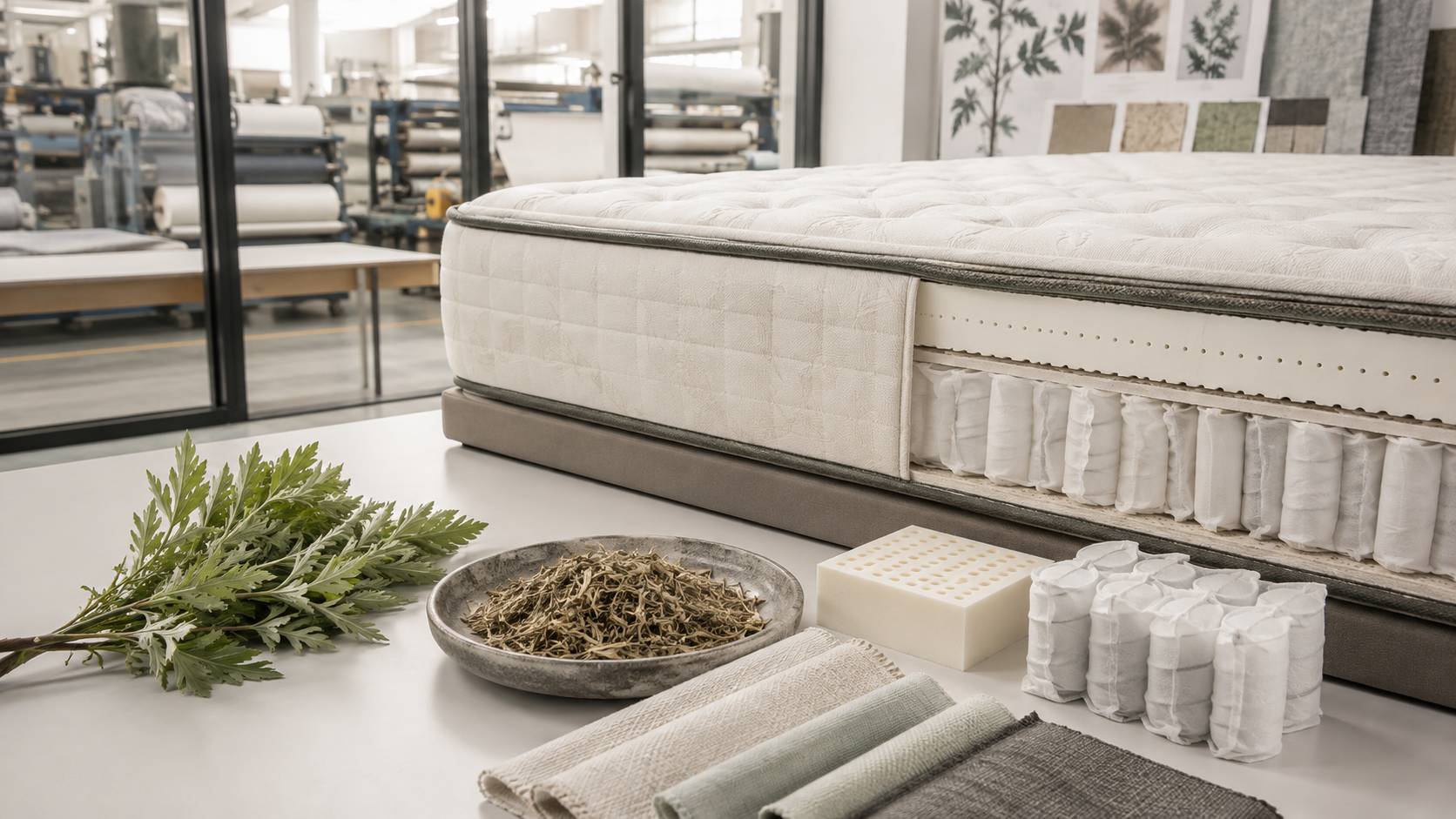
Hybrid construction is one of the primary focuses in the development of modern mattresses. The various properties of different materials can be combined effectively in a mattress. Hybrid mattresses mostly consist of pocket springs, foam, latex and special fabrics.
The trend is based off of practical application. The springs in a mattress offer support as well as air flow, and the foam layers in the mattress offer pressure relief and comfort. The overall sleeping experience provided by a mattress depends on how these two components are combined.
However from a buyer perspective it doesn’t matter how many components a mattress is made up of. What matters most is that the end design of the mattress is suitable for the intended market. Thus a hotel mattress could be designed quite differently to a premium retail product.
How are brands adjusting comfort options?
What used to be a single mattress firmness is no longer sufficient to cater to all different sleeping preferences. As customer preferences continue to shift, more and more mattress brands are launching different mattress models and even different versions of the same mattress. These different models are often tailored to specific sleeping habits, different body types and needs, and even fit within different price points.
Suppliers will also be affected. More variations of products will require more planning for the production, more material control and better inventory management.
For companies launching new mattress collections flexibility in manufacturing is becoming a crucial criterion when selecting a supplier.
What can mattress buyers learn from major brand launches?
Large mattress brands often influence market expectations. Their product decisions can provide useful references for companies planning their own collections
What does the Tempur-Pedic new mattress strategy show?
Material-based comfort is at the core of Tempur-Pedic’s new approach to introducing a new mattress to the market. As a company famous for its innovative foam technology, the brand has managed to create strong links between the material a customer feels when testing out a mattress and the brand identity itself.
From a manufacturers’ and buyers’ perspective, using memory foam is not enough. Many companies can obtain similar types of memory foam, but there are several critical factors that go into the final product. For example, the key to memory foam is its density, and then there is the layering, the cover, and finally how consistently a company can produce the product.
Success with mattresses is rarely based on single components but rather on a number of minor decisions.
What can buyers learn from Saatva mattress innovation?
Saatva mattress innovation demonstrates how a traditional product category can be presented differently through design choices and customer experience.
For B2B buyers, this is a reminder that a mattress does not exist separately from its sales process. Packaging, product information, delivery method, and after-sales support can influence how customers view the product.
A supplier helping a brand develop mattresses needs to consider these practical details, not only the internal structure.
Why is Purple mattress technology discussed by the industry?
The Purple mattress technology has generated a lot of attention while trying to revolutionize mattresses, by introducing new type of material and way to distribute pressure.
The main lesson here is differentiation. In a market crowded with a lot of mattresses, the main reason why customers will choose one mattress over another is because of the reasons that differentiate that mattress from the others. This can be based on the materials used in the mattress, the design of the mattress, the comfort features of the mattress, or even the fact that the company is targeting a different market or customer.
How should buyers compare mattress materials before launching products?
Key factors that determine the material for your garment are comfort, cost, manufacturing difficulty and long-term performance. Take the time to research these factors at the beginning of your production so that any problems are picked up early on and can be rectified before production begins.
Which mattress materials need closer evaluation?
| Material | Points Buyers Usually Check |
| Memory foam | Density, softness, recovery, heat management |
| Latex | Elasticity, durability, material source |
| Pocket springs | Coil design, support, movement control |
| Fabric cover | Feel, breathability, appearance |
| Support foam | Structural stability and service life |
No single material can serve all markets. For example, a luxury mattress brand would typically focus on the use of premium materials, whereas a hotel project would focus on the durability of a material and the ultimate cost of replacement.
Why are samples important before bulk orders?
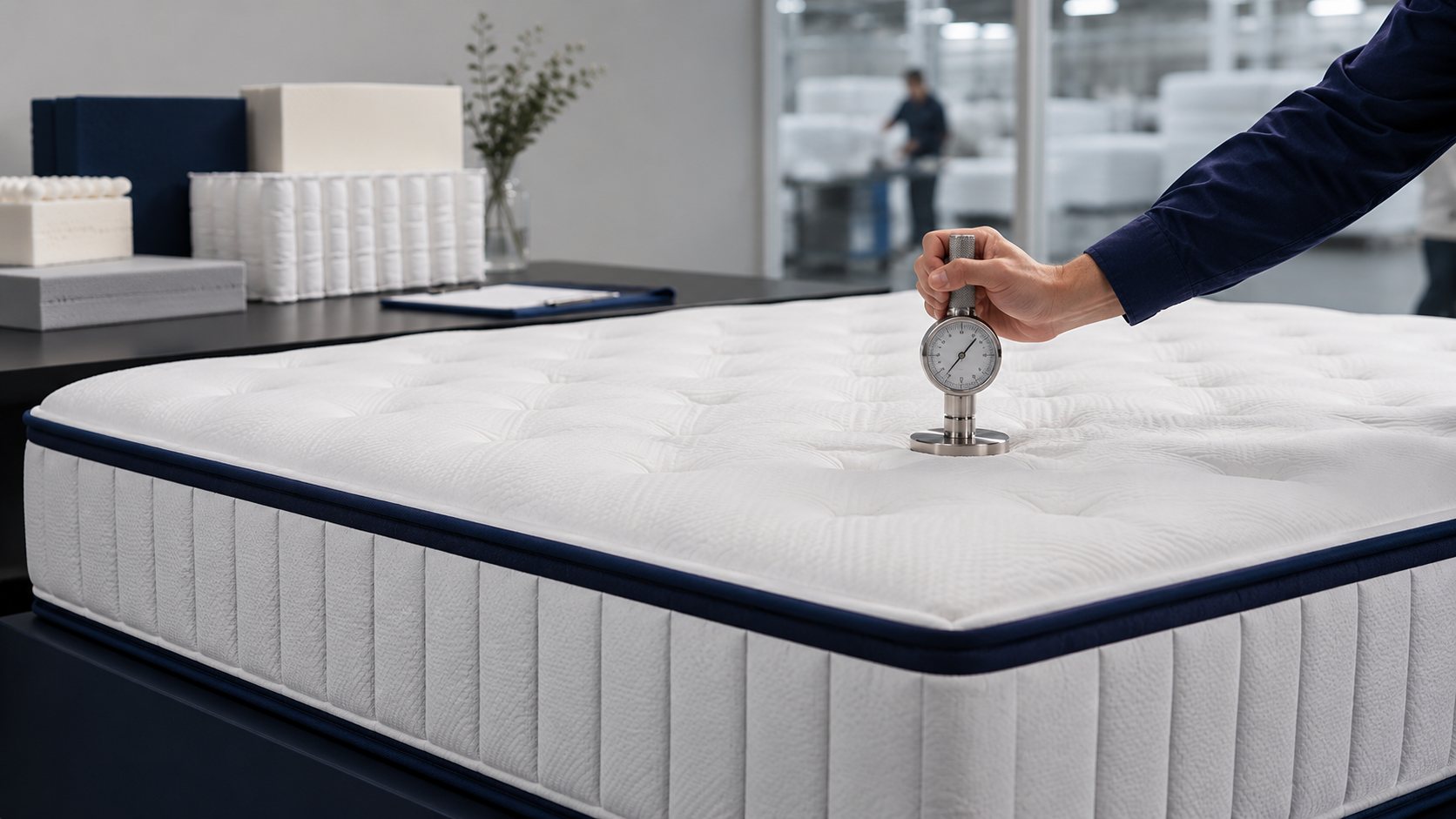
A mattress specification contains information about the materials used. However, a mattress specification does not contain enough information to determine the comfort of a mattress.
The process of evaluating samples usually involves assessing the firmness and surface feel of uppers and outers, as well as the quality of stitching, appearance and packaging condition. For private label business, it is vital to identify even smallest differences which can affect customer experience afterwards.
A reliable supplier should also be able to explain possible limitations instead of only showing product advantages
What should companies consider when entering different mattress markets?
One mattress design may perform differently in different retail channels and by different consumers.
How do hotel mattress requirements differ from retail brand?
Most buyers purchasing hotel furnishings anticipate long-term usage. They are concerned with the durability of products, the maintenance / cleaning of same as well as the planning for replacement parts and stable supplies.
Retail brands focus on customer preferences, appearance, the product story and online presentation.
A manufacturer serving both markets would benefit from an understanding of the differing priorities for each market and from this information make recommendations regarding product structures.
How do packaging and transportation affect mattress selection?
For international purchases packaging is part of the product decision.
Mattress roll packing can be a cost effective and space saving way to ship your mattresses. However, not all mattress designs are suited for being compressed for shipping. It is very important to test for recovery as well as to find the best packing and storage method for your specific mattress design.
Shipping conditions, storage time, and handling methods should be discussed before production.
How can buyers evaluate mattress suppliers for new product development?
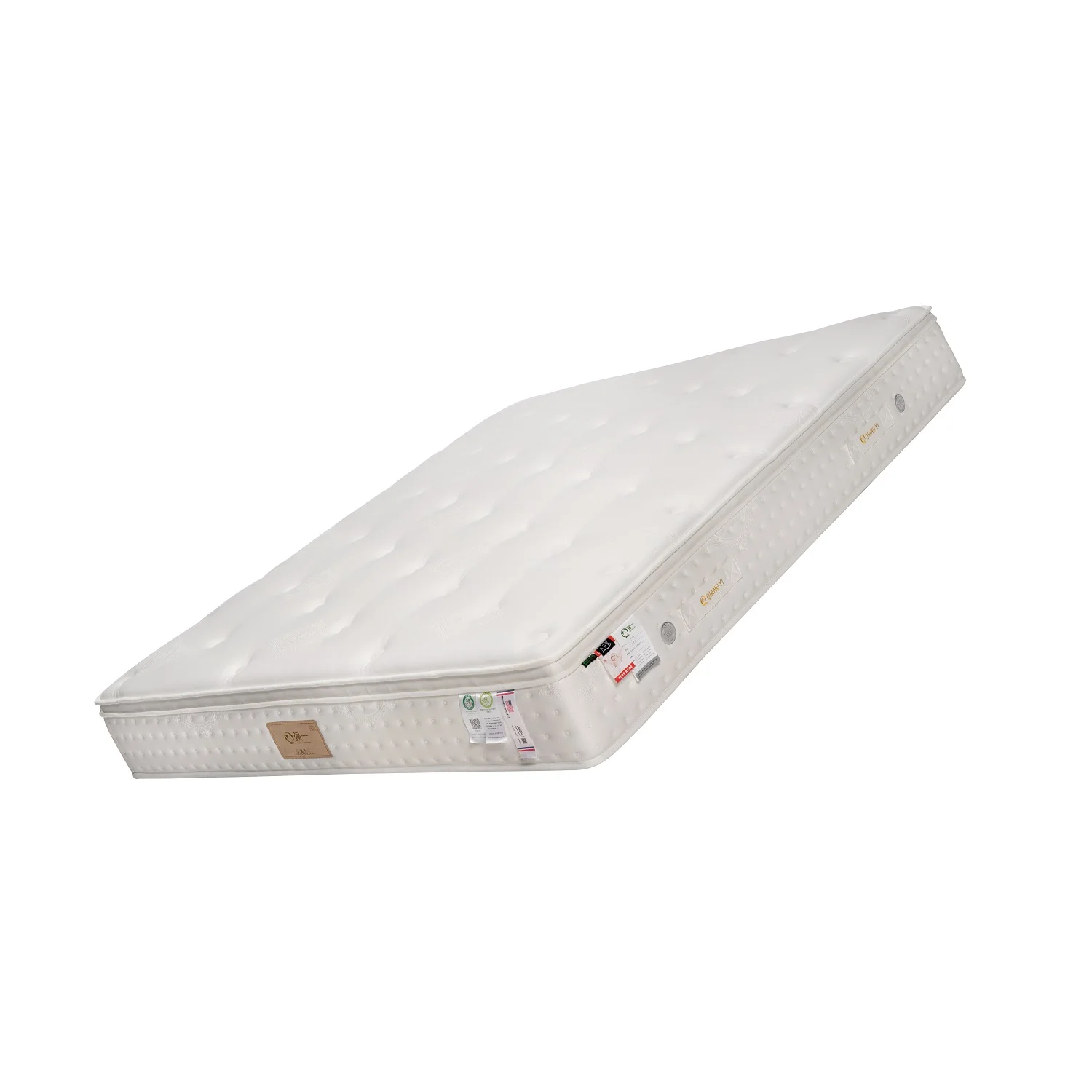
For many products, selecting a supplier is where the practicality of a concept is revealed and put into production.
What should buyers review before working with a manufacturer?
Before cooperation, companies usually check:
- Material specifications;
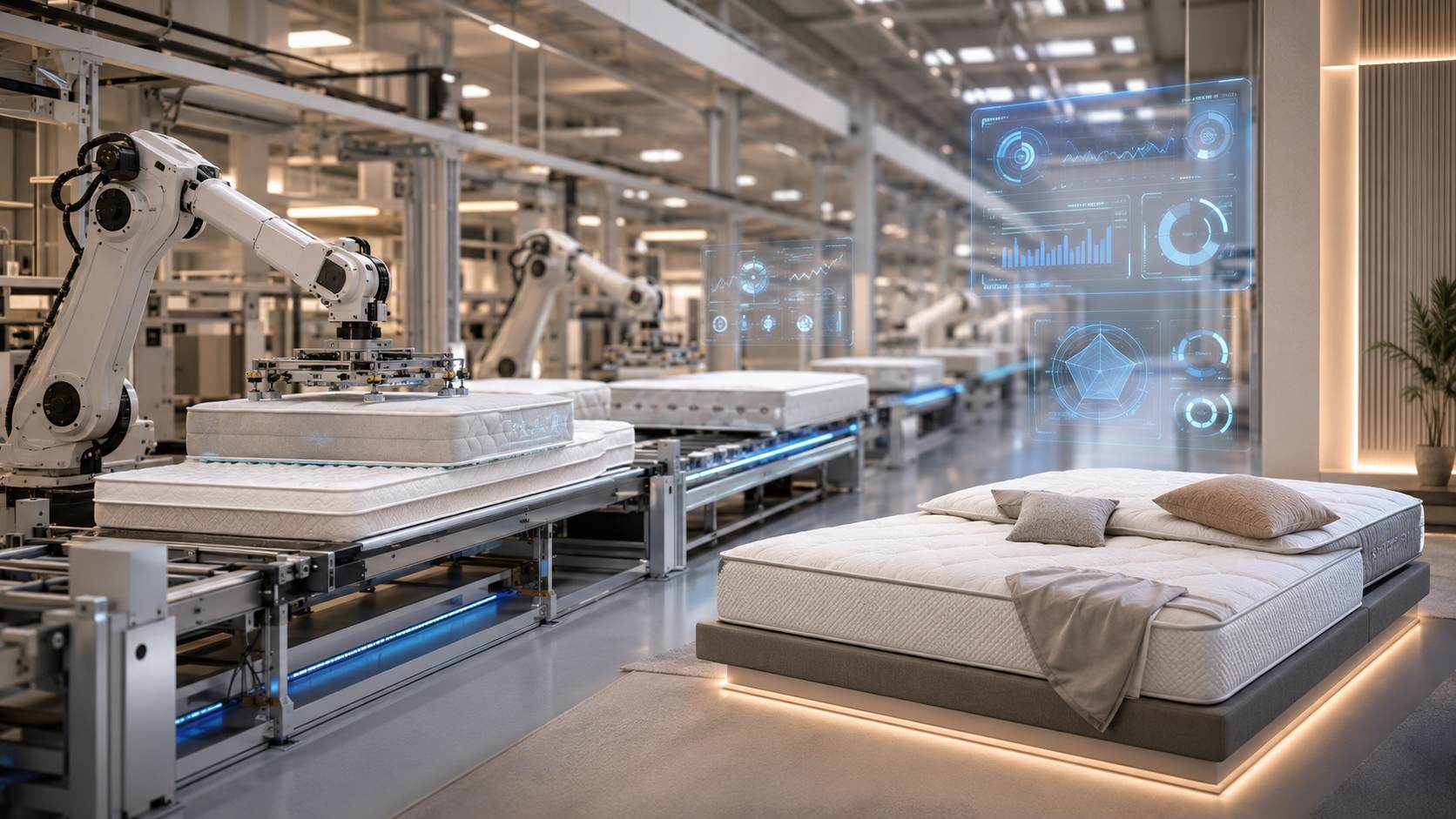
- Production capability;
- Sample development process;
- Quality inspection methods;
- Lead time;
- Packaging options;
- Communication process.
Price is not the only criteria for selecting suppliers. Although the price quote was low, maintaining consistency during mass production could be a problem with this supplier.
Why does customization capability matter?
Many mattress brands require different sizes, different cover materials, different labels, different levels of comfort, or different packaging requirements.
Early communication helps both sides understand what can be adjusted, what may increase costs, and how long development may take.
How can Guangdong Qiangyi Intelligent Manufacturing Technology Co., Ltd. support mattress buyers?
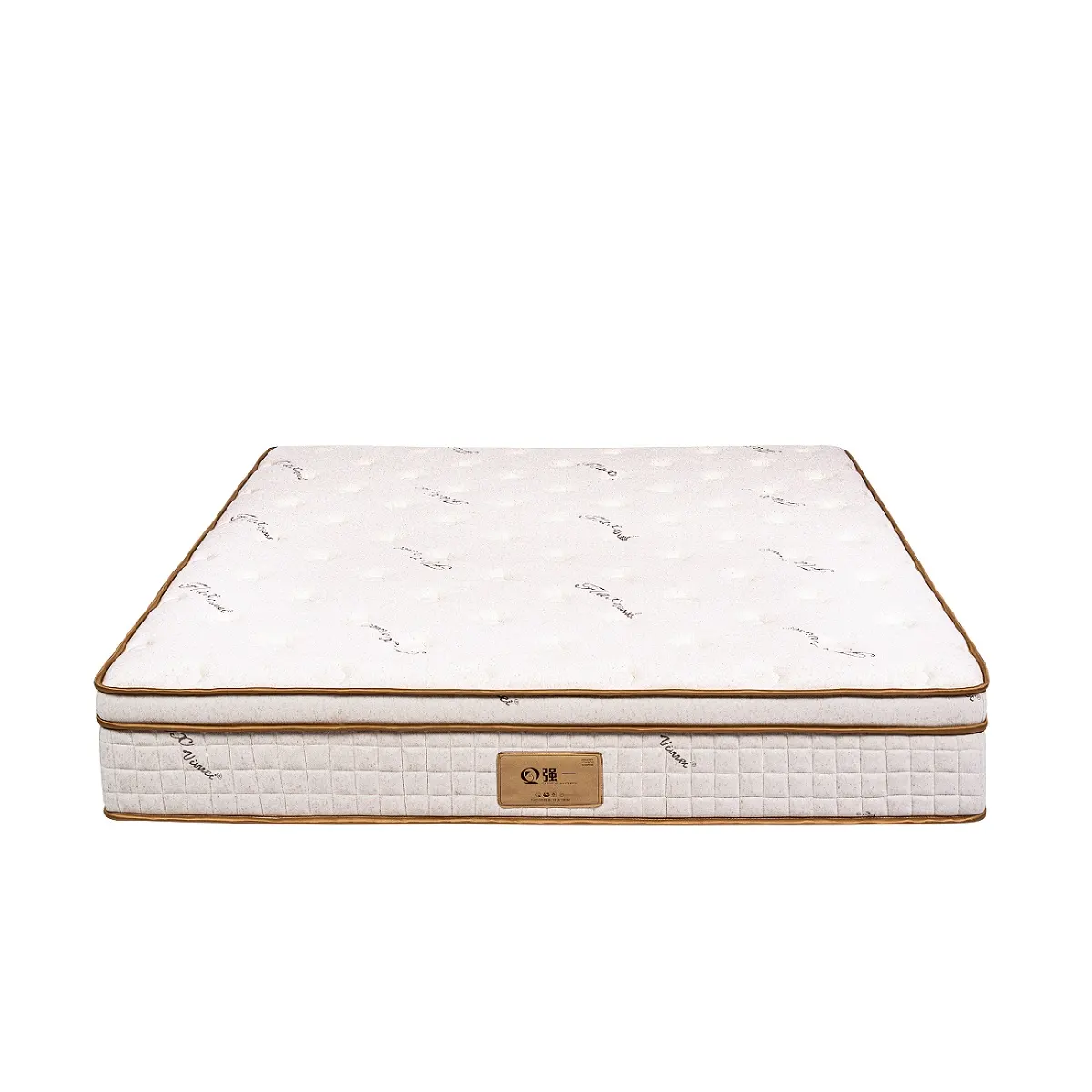
Guangdong Qiangyi Intelligent Manufacturing Technology Co., Ltd. is supplier of mattress manufacturing solutions for brands, for distributors and for project buyers. As mattreses manufacturer, we support our customers for the development of their mattress as well as for the customization of their mattress and for the manufacturing and the production follow up of their mattress. For new mattress products, we can discuss about the materials, the structure of the mattress, the making of samples, the packaging of the mattress as well as the delivery of the mattress to the customers.
Conclusion
The mattress market 2026 will be characterized by more individuality regarding design and hybrid constructions, as well as an increasing difference between products. Customers pay more and more attention to the materials, the comfort and the total using experience of mattresses. Well-known players on the market, such as Tempur-Pedic, Saatva and Purple, create market value by their specific designs and their positioning on the market. However, the buyer has to find a balance between his desires and the production possibilities of suppliers. Therefore it is important to select the right suppliers for new products of mattresses.
FAQs
1. What are the main mattress industry trends in 2026?
The current trends in the mattress market include hybrid models, individualized comfort, material development, and a focus on the entire sleep experience.
2. What can buyers learn from the Tempur-Pedic new mattress strategy?
Tempur-Pedic’ new mattress strategy provides interesting insights on how the materials of a new mattress as well as the positioning of the product on the market can affect the way customers perceive a product.
3. How does Saatva mattress innovation affect mattress development?
Saatva mattress innovation demonstrates how product design, customer experience and delivery can be orchestrated to build a mattress brand.
4. Why does Purple mattress technology attract attention?
Purple mattress technology shows how unique material concepts can help brands create a different comfort experience.
5. What should buyers check before choosing a mattress supplier?
Check materials, samples, production capacity, quality control, packaging, shipping terms and communication support before you start cooperating with suppliers.