


30th July 2026
Sustainable Mattresses: How ESG and Carbon Reduction Are Influencing Buyer Decisions
-
 author

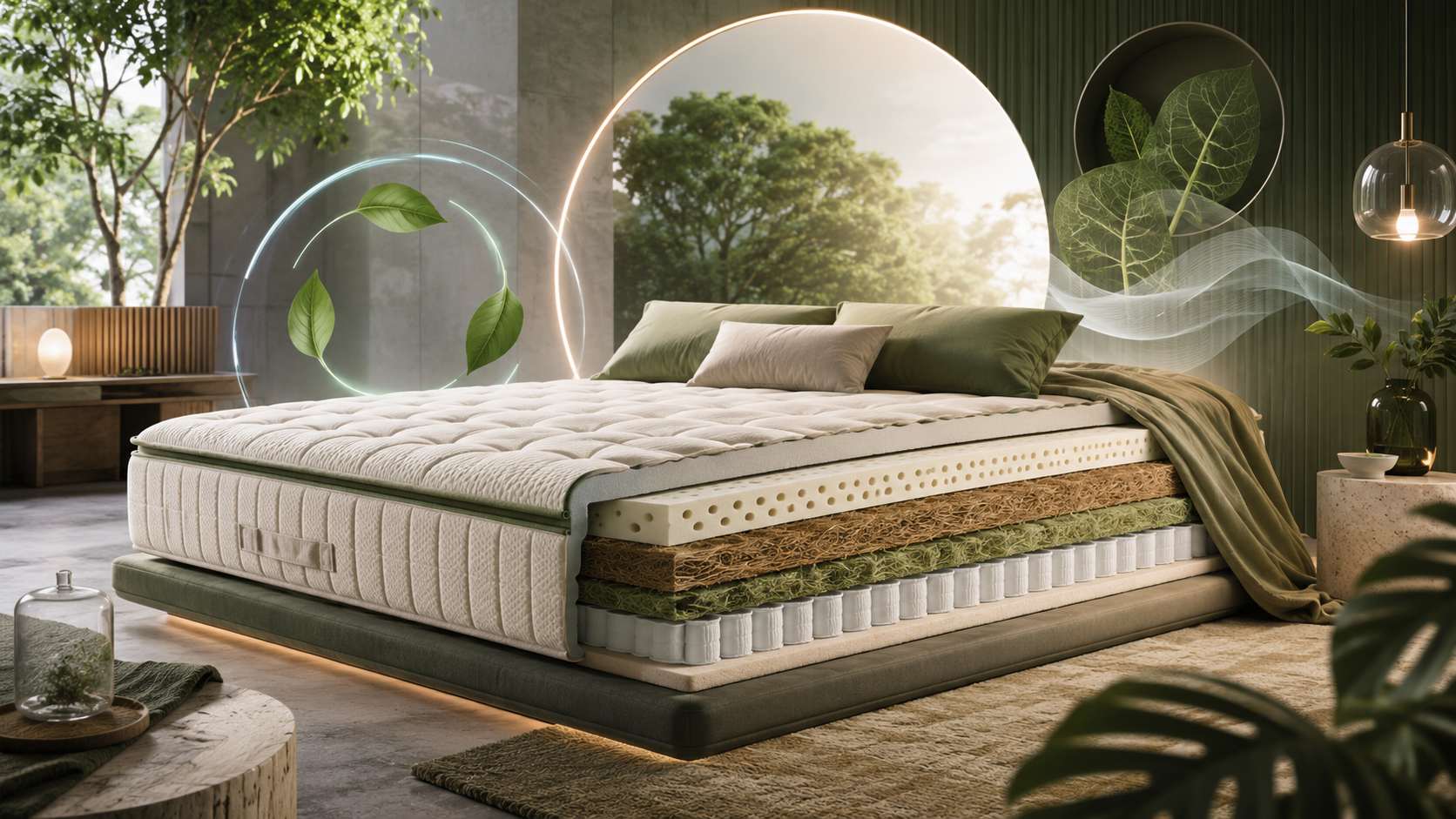
Eco-friendly mattresses are gaining significance for mattress manufacturers, retailers, and purchasing departments because they are now required to harmonize between performance of their products and ecological objectives. When examining potential mattress vendors, buyers take into account ESG demands, efforts to minimize carbon emissions, material types, processes of manufacture, and the whole life cycle of the product. Nonetheless, sustainability should not be measured by means of promotions alone. Professional buyers should first assess manufacturing materials, manufacturing methods, durability of the mattress, as well as transparency and feasibility of the vendor’s production.
Why are buyers paying more attention to sustainable mattresses?
For a long time, the mattress market paid attention only to aspects like relaxation, utility, and resistance. Today, however, environmental issues play a big role in the assessment of buyers, since sustainability requirements are increasingly being incorporated into the design and production processes.
How do ESG requirements influence mattress purchasing decisions?
ESG considerations push firms to consider how their goods are designed, produced, and maintained all through the lifecycle of a product. This means that individuals purchasing mattresses must do more than simply think about the final product. They must also think about the sources of materials used in mattress production, the efficiency of the production process, waste management practices, and the supplier involved.
When considering sustainable mattresses, buyers might assess:
| Evaluation Factor | Buyer Consideration |
|---|---|
| Material selection | Whether materials support sustainability goals |
| Manufacturing process | How production efficiency and waste are managed |
| Product durability | Whether longer service life reduces replacement frequency |
| Supplier transparency | Whether product information is clearly provided |
| Packaging methods | Whether unnecessary material waste is reduced |
Sustainability requirements vary between markets and companies, so buyers should define their own priorities before selecting products.
Why does carbon reduction matter in mattress manufacturing?
Carbon reduction refers to the decreasing emissions created during production, process and handling of the product and the whole supply chain.
As for mattress companies and brands, carbon reduction can mean such activities as making the manufacturing process more efficient, choosing appropriate materials and ensuring that excess waste is avoided.
Consequently, consumer should pay attention to what exactly each supplier does and not just take for granted that all companies claiming sustainability make the same contribution to the environment.
How should buyers evaluate sustainable mattress materials?
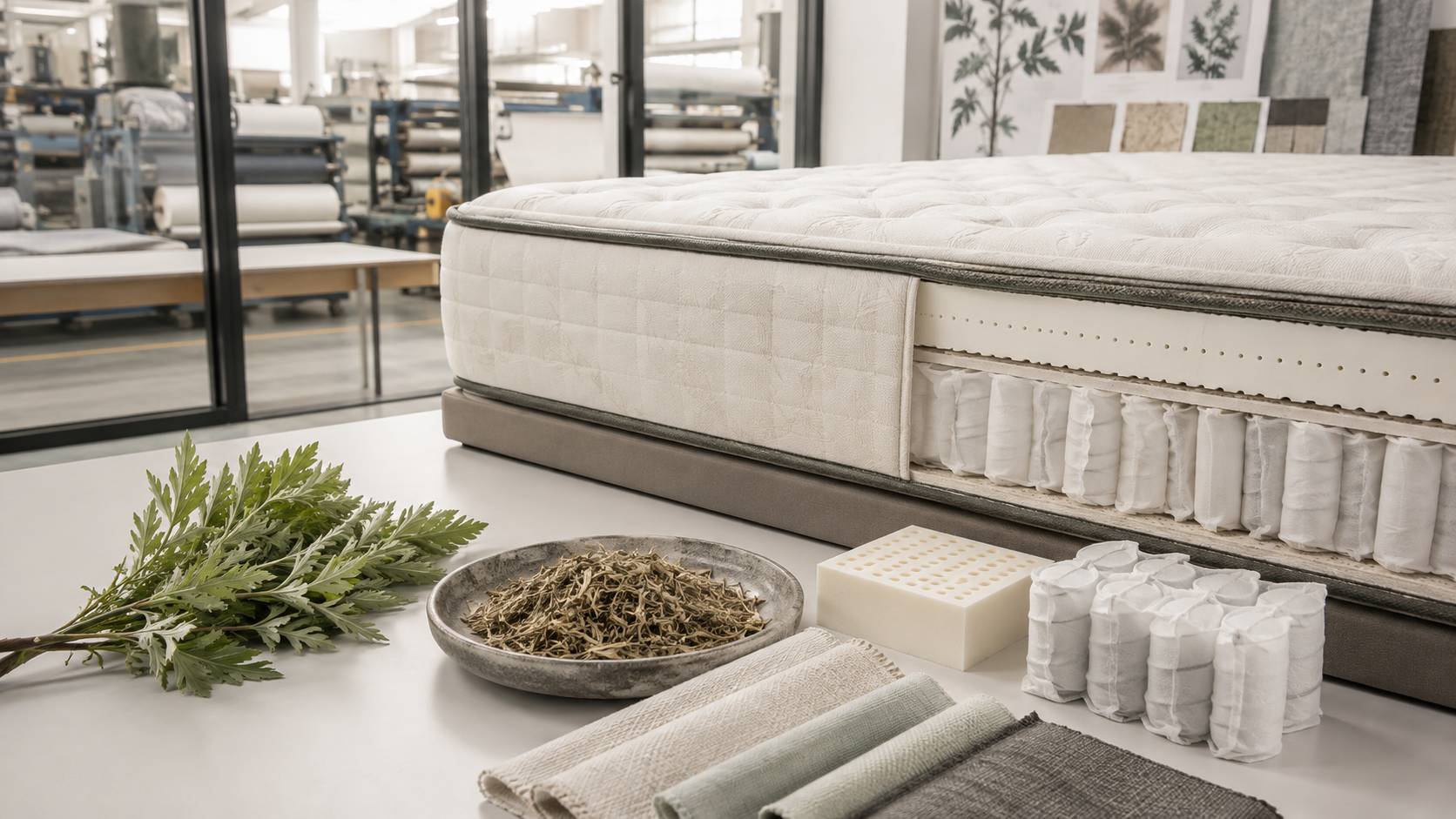
Material selection is one of the most important parts of sustainable mattress development. Different materials have different characteristics related to comfort, durability, processing requirements, and environmental considerations.
What material factors should mattress buyers review?
Professional buyers usually evaluate mattress materials based on both product performance and sustainability requirements.
Important factors include:
- Material structure;
- Density;
- Thickness;
- Breathability;
- Compression recovery;
- Layer compatibility.
A mattress is usually made from multiple layers, and each layer contributes to the final sleeping experience. A sustainable mattress design needs to maintain balance between environmental goals and practical performance.
How does layer compatibility affect sustainable mattress quality?
Today’s mattresses are usually made from multiple materials that provide both comfort and firmness. However, the materials must also be complementary to achieve the desired result.
Incompatibility of mattress layers can negatively influence compression recovery, stability, and longevity of the product. Therefore, you should consider not only the materials used in each layer of the mattress but also relationships among those materials.
From the customer perspective, understanding the whole structure of the mattress makes it easier to avoid problems with the performance.
What manufacturing factors should buyers consider when sourcing sustainable mattresses?
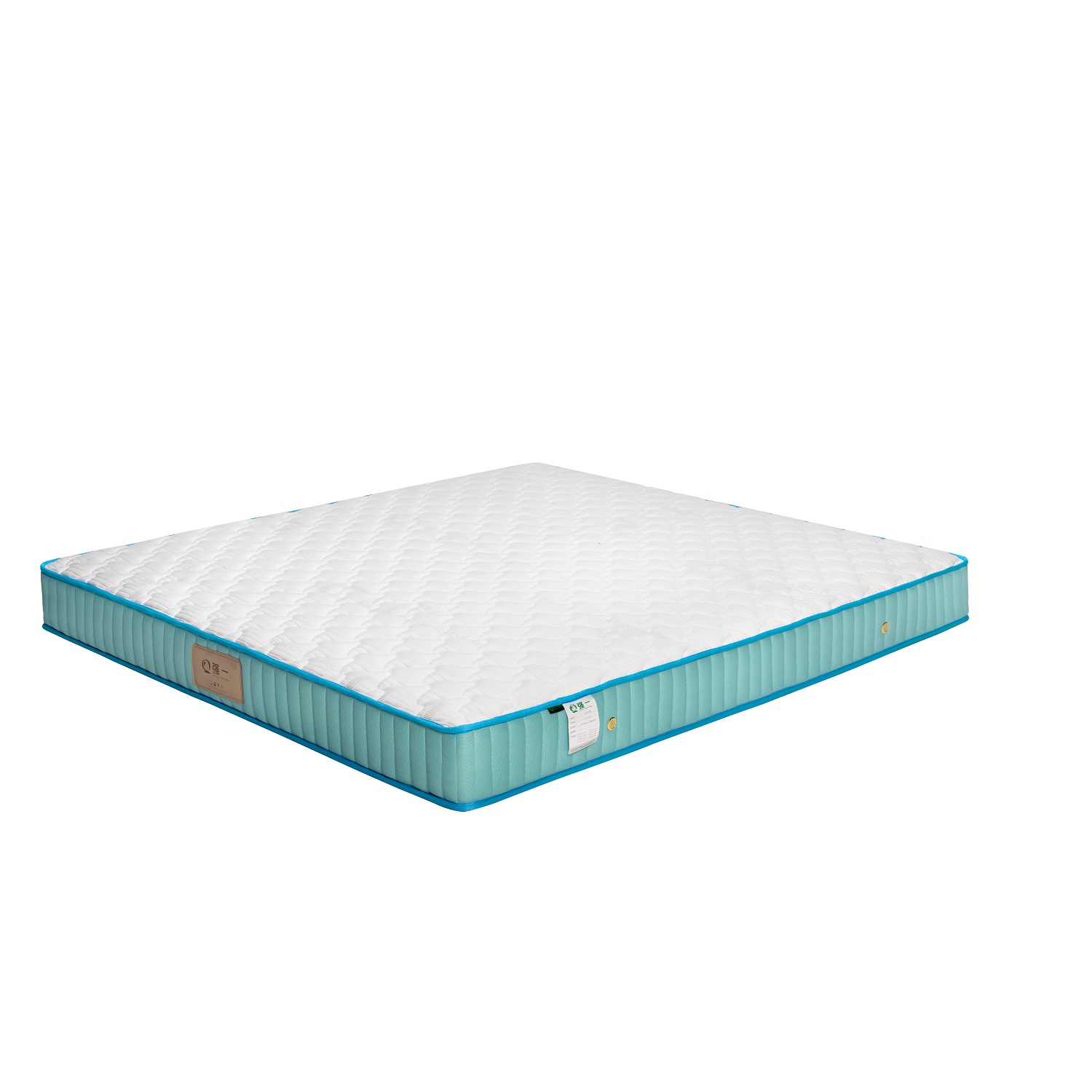
Sustainability is not only related to materials. Manufacturing processes also influence product quality, consistency, and resource efficiency.
How does production control affect sustainable mattress performance?
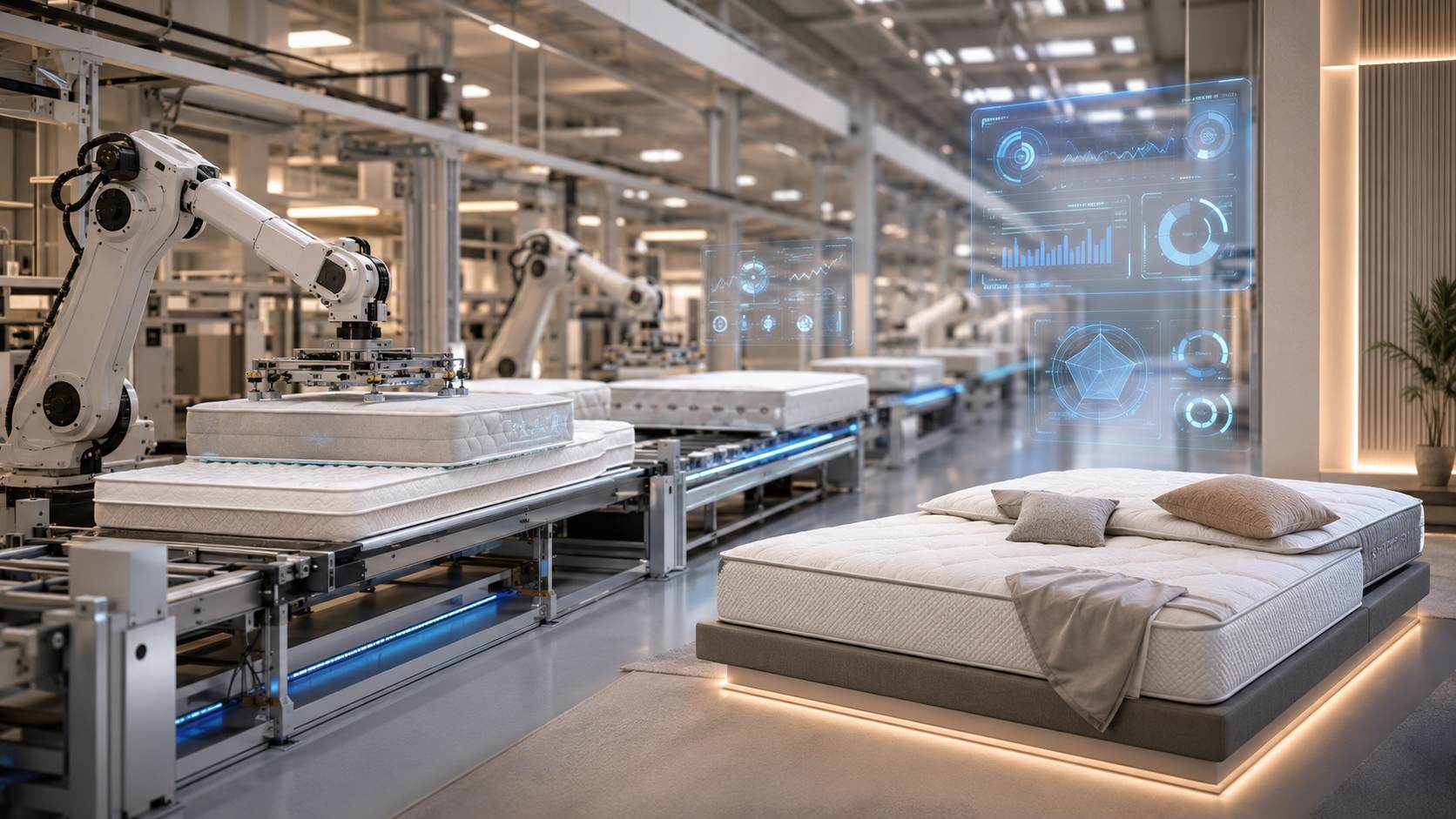
A reliable manufacturing process helps maintain consistent mattress specifications between production batches. This is important for brands and retailers that need stable product quality across repeated orders.
Buyers should consider:
| Manufacturing Area | Why It Matters |
|---|---|
| Production equipment | Influences manufacturing consistency |
| Quality inspection | Helps identify product issues |
| Material handling | Supports stable product performance |
| Process control | Reduces unnecessary variation |
| Packaging preparation | Supports safer transportation |
A supplier’s manufacturing capability should match the buyer’s expected order volume and product requirements.
Why should buyers evaluate mattress durability?
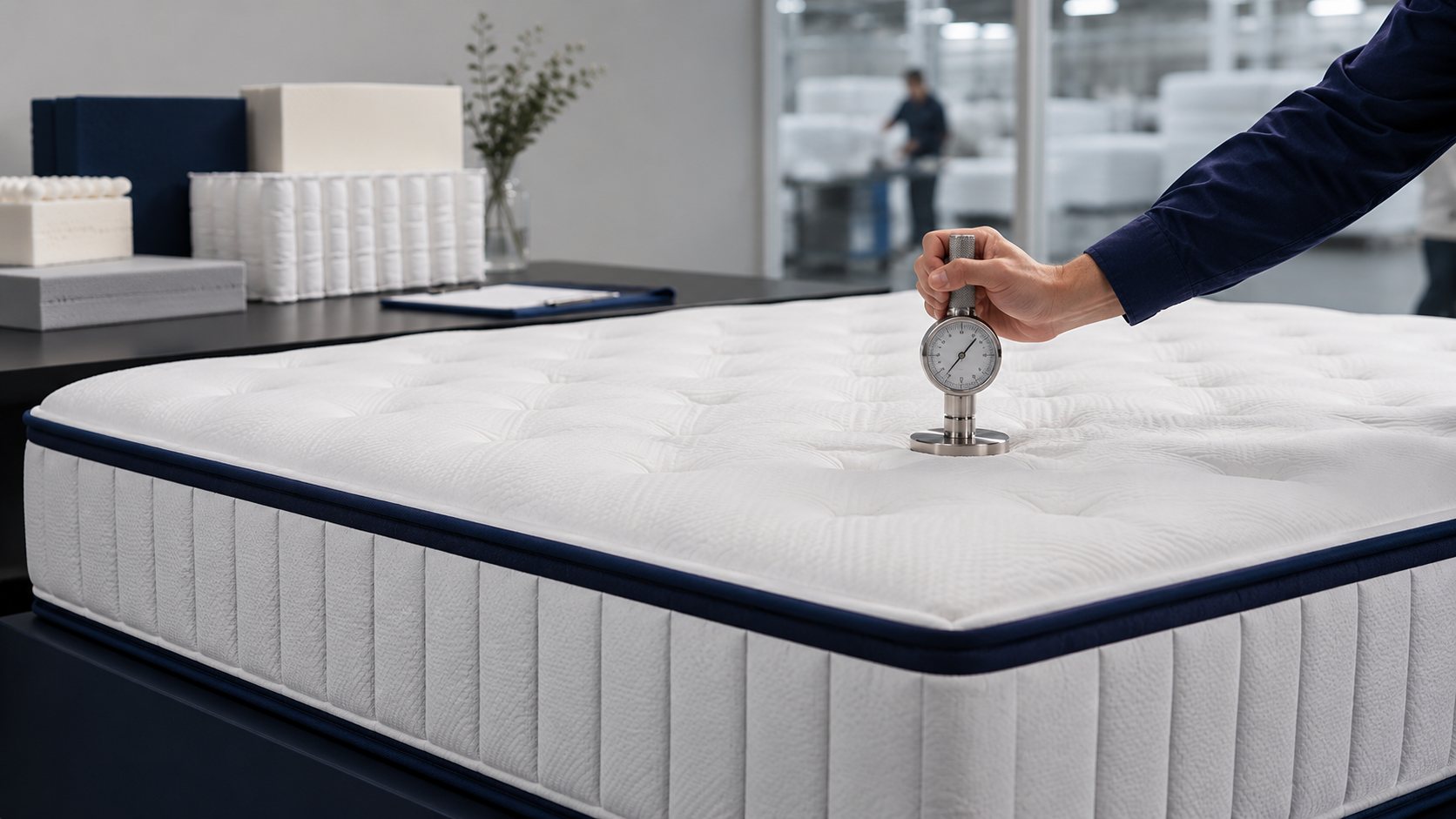
Durability plays a significant role in sustainability-oriented product development. A mattress that does a good job for a longer duration may require less frequent replacement.
In discussing durability, the parameters of material recovery, stability, and long-term comfort should be analyzed.
Nevertheless, durability is dependent on the design of a product, material combination, quality of manufacturing, and usage. Customers have to obtain technical information and samples for new solutions in mattress development.
How can buyers verify sustainability claims from mattress suppliers?
As sustainability becomes more important, buyers need reliable information when comparing suppliers.
What documents and information should buyers request?
Before purchasing sustainable mattresses, buyers may request information related to:
- Material specifications;
- Product structure;
- Manufacturing processes;
- Quality inspection procedures;
- Packaging details.
Clear documentation allows buyers to compare suppliers more effectively and avoid making decisions based only on general sustainability statements.
Why is supplier transparency important for ESG-focused buyers?
Supplier transparency enables companies to comprehend the process behind product production. In the case of enterprises with ESG objectives, partnership with suppliers requires clear communication regarding materials, processes, and product standards.
A supplier should be able to provide concrete production information instead of merely talking about the ecological aspects.
How should brands choose a sustainable mattress supplier?
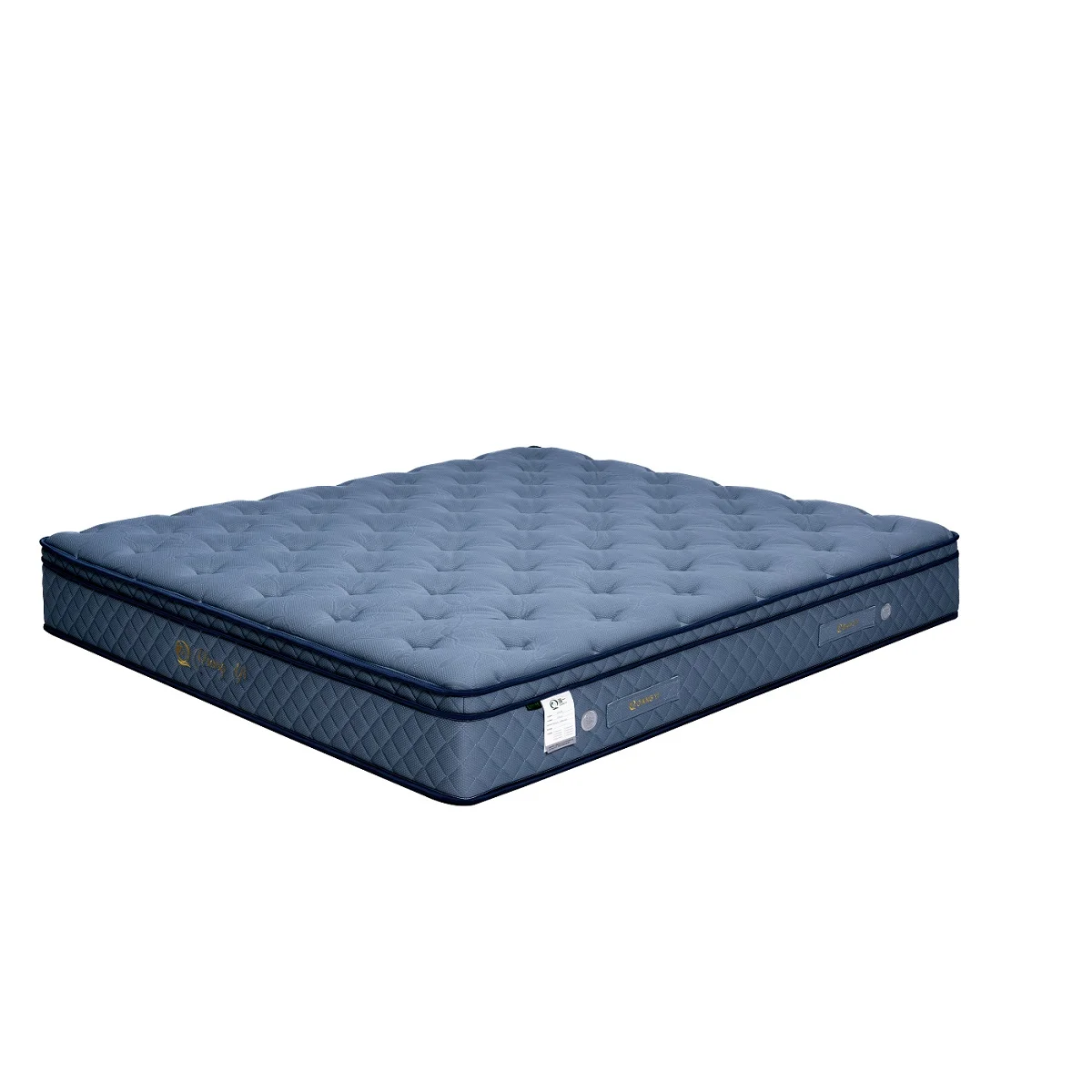
Supplier evaluation is an important step because sustainable product development requires cooperation between buyers and manufacturers.
What should buyers check before selecting a mattress manufacturer?
A professional supplier evaluation may include:
- Manufacturing capability;
- Product customization support;
- Quality control procedures;
- Technical communication;
- Production capacity;
- Delivery management.
The right supplier should understand both mattress manufacturing requirements and buyer expectations.
How do procurement teams reduce risks when sourcing sustainable mattresses?
Procurement teams can reduce purchasing risks by confirming specifications before production, reviewing samples, and maintaining clear communication throughout the order process.
Important questions include:
- Does the supplier understand the required mattress structure?
- Can the supplier maintain consistent quality?
- Are materials and specifications clearly documented?
- Can production schedules meet business requirements?
Careful evaluation helps buyers make more informed sourcing decisions.
How can Guangdong Qiangyi Intelligent Manufacturing Technology Co., Ltd. support sustainable mattress projects?
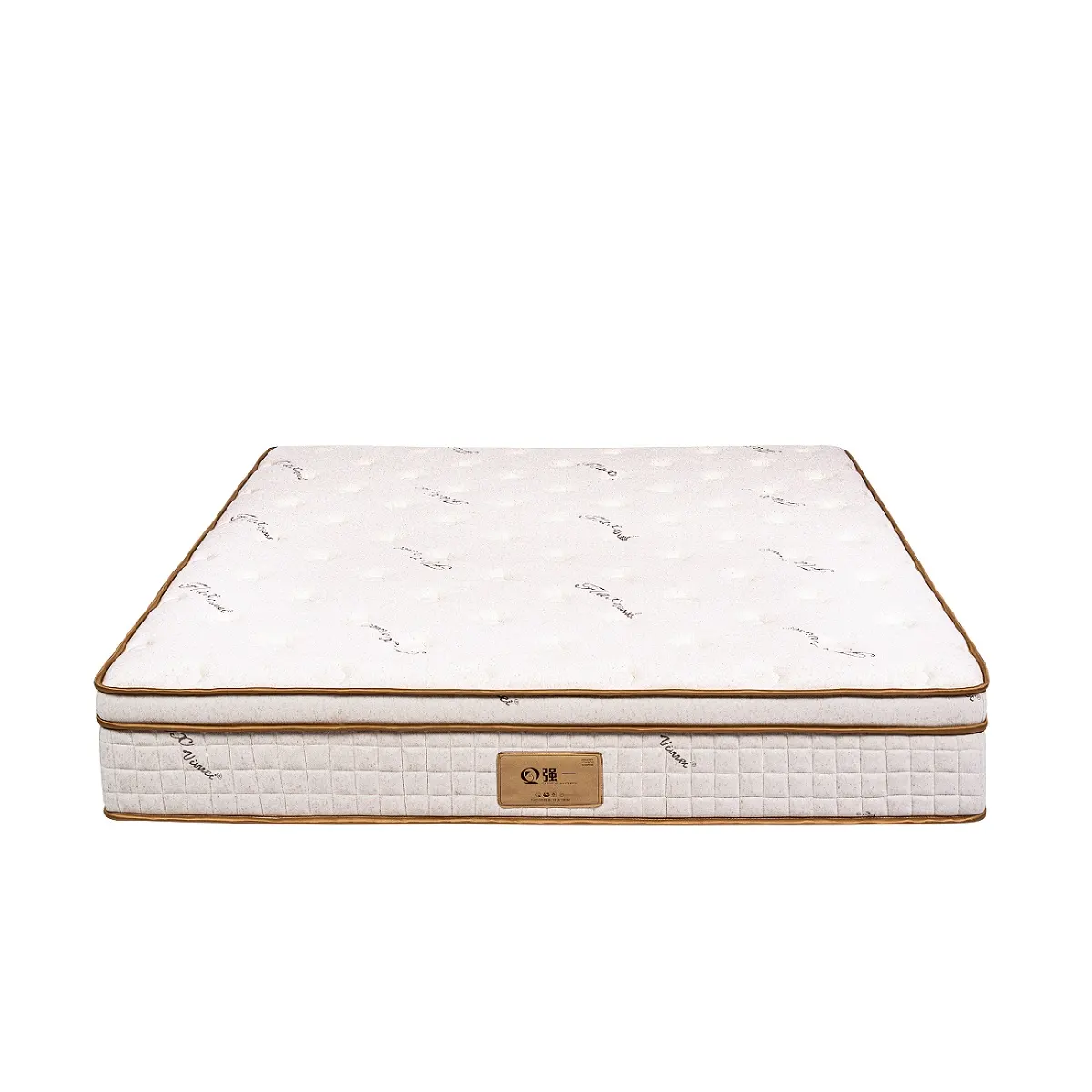
Guangdong Qiangyi Intelligent Manufacturing Technology Co., Ltd. provides solutions for mattress production to clients who want to place mattress orders and receive adequate technological support. The company assists in product communication, mattress specifications, manufacturing planning, and analysis of project specification. For mattress brands, retailers, and buyers, cooperation may concern fabric choice, technical specifications, customization needs, and delivery system. However, the customer has still to compare specifications, documentation, prices, delivery options, and service.
Conclusion
Sustainable mattresses are gaining significance among buyers assessing future product strategies and supply chain needs. The purchasing process involves a number of factors such as ESG parameters, green goals, choice of materials, production, transparency of suppliers, among others. At the same time, sustainability has to be considered with practical aspects such as comfort, durability, quality control, or production capabilities. Buyers who closely examine materials, manufacturing processes, and supplier support are able to mitigate sourcing risks and produce mattresses that are much more promising.
FAQs
1. What makes a mattress sustainable?
A sustainable mattress is usually evaluated through factors such as material selection, manufacturing processes, durability, packaging considerations, and supplier practices. The specific requirements depend on the buyer’s sustainability goals.
2. How does ESG affect mattress purchasing decisions?
ESG influences mattress purchasing by encouraging buyers to consider environmental impact, manufacturing practices, supplier transparency, and product lifecycle factors.
3. What should buyers check when selecting sustainable mattress materials?
Buyers should review material structure, density, thickness, breathability, compression recovery, and compatibility between different mattress layers.
4. How can I evaluate a sustainable mattress supplier?
Buyers should evaluate manufacturing capability, quality control procedures, product documentation, customization support, communication efficiency, and delivery reliability.
5. Are sustainable mattresses more difficult to manufacture?
Sustainable mattress production may require additional consideration of materials, processes, and product design. The difficulty depends on the selected materials, manufacturing requirements, and supplier capabilities.