


7th August 2026
Natural Latex vs Synthetic Latex Mattress: What Should Buyers Know Before Choosing?
-
 author


A comparison between a natural latex vs synthetic latex mattress is not that simple just choosing one for being more natural or artificial; it depends on the polymer from which they are obtained, their different resistance, durability, cost, smell, and other characteristics; however, it is also common to find mattresses that have mixed latex, with both natural and artificial rubber.
The truth is that for distributors, hotels, retailers, and those who want to purchase their own brand of mattress, the relevant differences between latex foams are whether they will be more comfortable, higher quality, last longer, and most importantly, meet the needs of their specific market at a good price.
How do natural and synthetic latex differ at the material level?
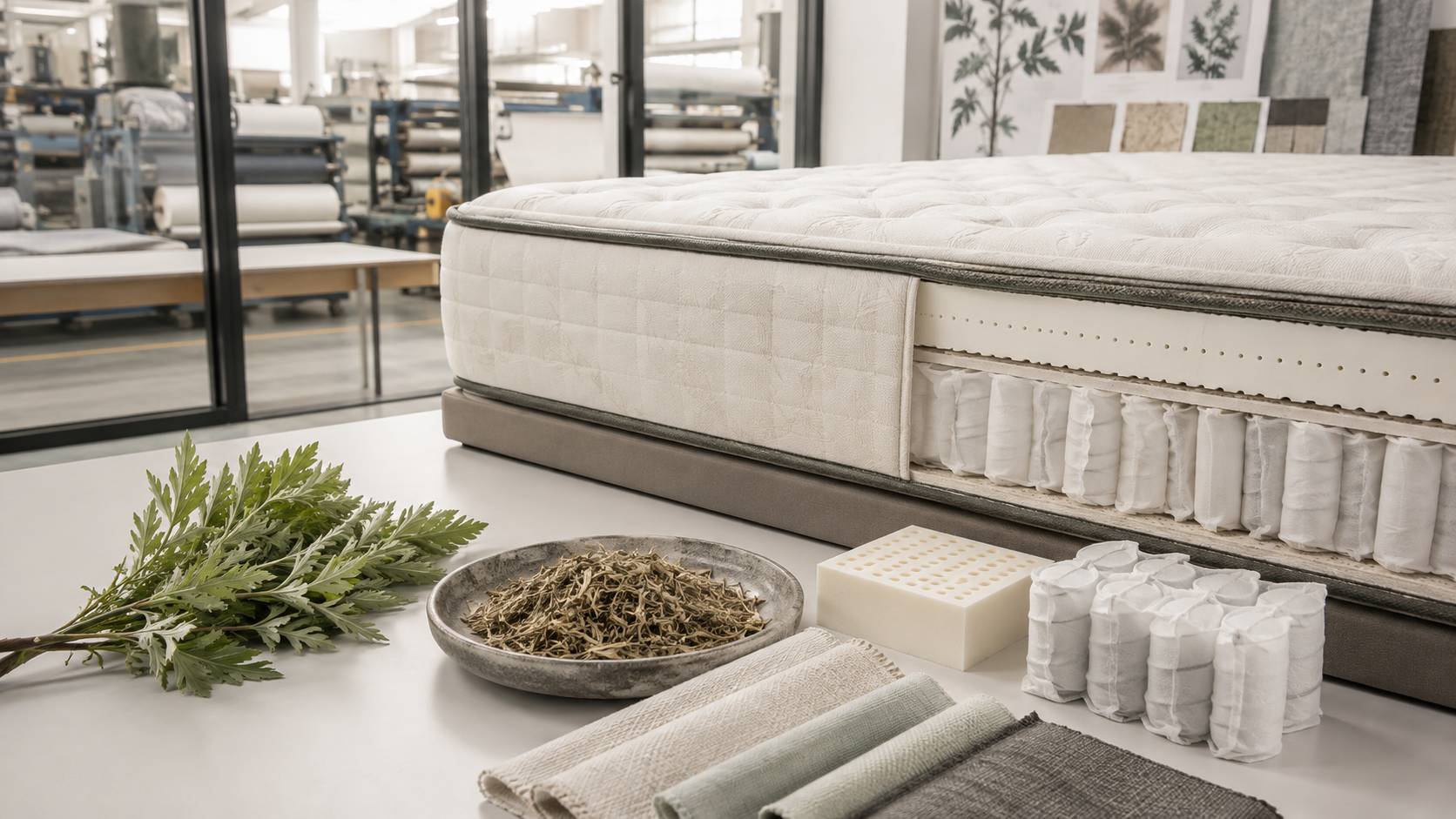
Natural latex foam is mostly made from rubber tree latex, while synthetic latex foam is mainly made of styrene-butadiene rubber. The two materials can be blown into foam, molded, washed, dried, and finished into mattress cores or comfort layers, but they are not identical.
What does the polymer source change?
Natural rubber is characterized by its elasticity and “give.” It tends to return to its original shape right after being pressed on. Synthetic rubber is easier to control in its production process, therefore, has a more affordable price.
Both terms actually define the material of the mattress layer rather the quality, density, curing technology, washing process, pore size, perforation pattern, and overall construction of the layers are more important. It’s possible that the quality of the natural rubber was lower than the quality of synthetics or a blend of two in some specific mattress layers.
Why are blended latex products common?
Blended latex helps balance resilience, production consistency, cost, and processing behavior. The ratio should be stated clearly because “latex mattress” does not reveal how much natural or synthetic rubber is present.
Purchasing documents should distinguish natural latex content from total latex foam content. Claims such as “100% latex” may describe the foam category rather than 100% natural rubber. Buyers should request a material declaration for the exact model.
How do the two materials compare in comfort, support, and durability?
Latex mattresses are generally associated with buoyant support rather than the slow, deep contour of many viscoelastic foams. Natural and synthetic formulations can still feel different when density, firmness, and construction are similar.
Which material offers stronger resilience?
Natural latex typically offers a more responsive feel. Synthetic latex is not as springy (depending on the mix), but a combination of the two can offer a middle ground.
The feel of the comfort of the mattress is only seen in the final product. Variations in cover tightness, quilting, bonding agents, zoning, and the support core itself will drastically effect the overall feel. A thinner latex comfort layer on top of a firm core will act much different than a latex mattress with similar surface firmness with the same latex throughout the layers.
What affects long-term shape retention?
Durability is determined by the polymer’s nature, density, cure, resistance to oxidation, compression set, and ventilation. The effects of heat, humidity, the weight they must support, and the frequency with which they are used are also determining factors for how much a layer can soften or indent over time.
Latex is commonly used in the production of natural latex products due to their ability to resist deformation and quickly return to their original state after the removal of pressure. However, synthetic latex may also exhibit high durability if the polymer density and other factors are correctly selected. When choosing products, attention should be paid not to the fact that latex does not age, but to the specific characteristics of compression and aging for the selected material.
Which latex mattress type suits different markets and applications?
A premium retail collection, hospitality project, and entry-level online mattress do not have the same material or pricing requirements. The suitable construction depends on the customer profile and sales channel.
When is natural latex worth considering?
Natural latex is a good choice for premium positioning, increased comfort, and a higher percentage of plant-based content. This material can be used in all-latex products, as well as hybrids and comfort layers where latex is a significant comfort-giving component.
The main drawbacks include higher material costs compared to alternatives, potential variations in color or scent from batch to batch, and possible customer concerns about latex-specific sensitivities. These factors should be considered when introducing products with natural latex to a particular market.
When can synthetic or blended latex be practical?
Synthetic latex can be a good solution in the case of low, middle, and high budget options, high-density programs, or if a uniform formula is required. If you need a combination of natural rubber properties, production reliability, and cost-effectiveness, paying attention to blends is a good idea.
Foams made of latex are usually produced with an open-cell structure, which allows for a high level of airflow. Nevertheless, the breathability of latex mattresses is always highly dependent on the covers, additional constructions, temperature, and the surrounding air. Therefore, one should not try to compare one particular property of latex mattresses against all products based on their composition.
What quality risks should buyers inspect before approving latex foam?
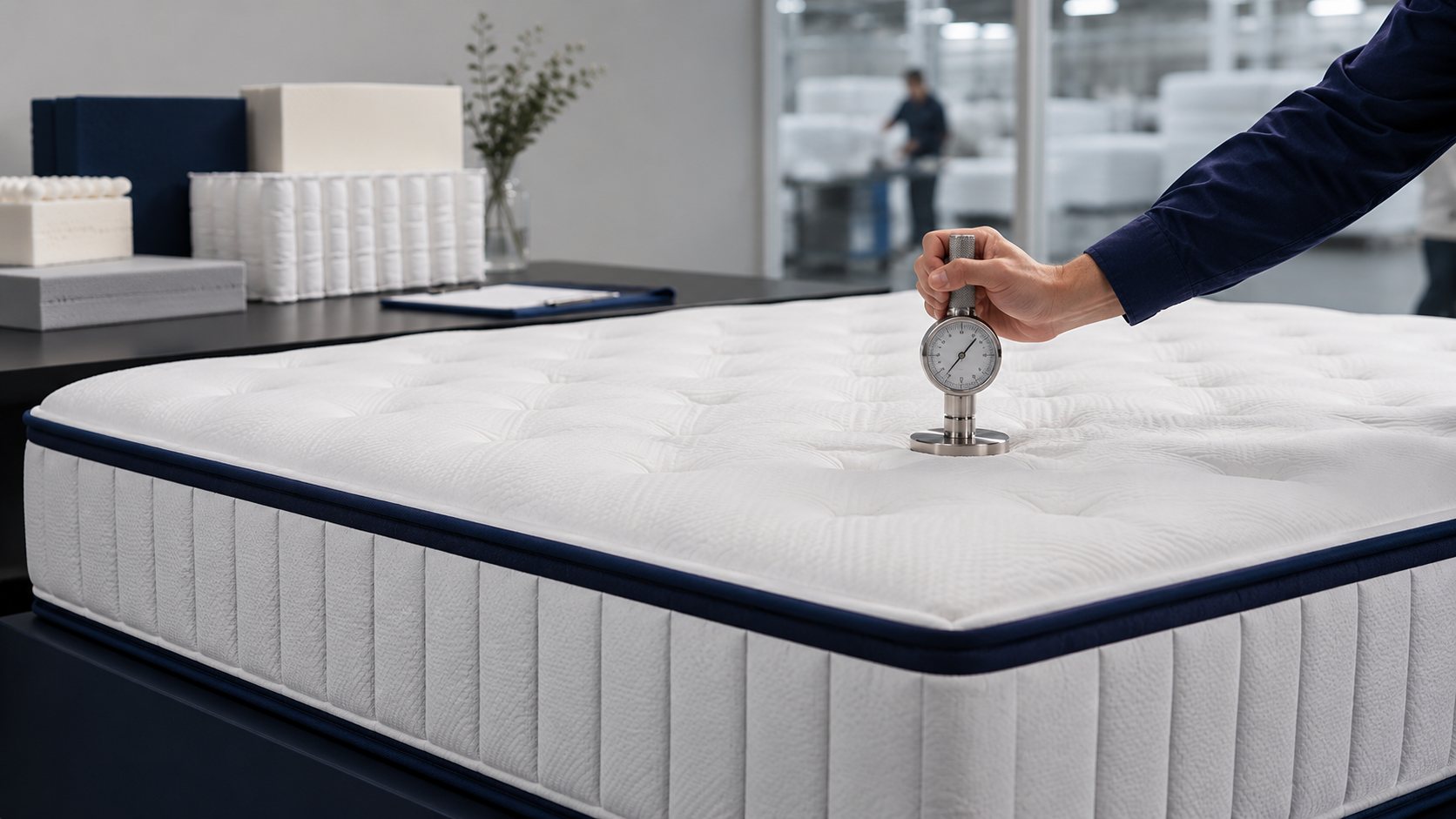
Latex foam can appear uniform while hiding problems related to curing, washing, density variation, or dimensional control. Sample approval should include physical testing and measurements across several positions in the sheet or core.
Which defects indicate poor processing?
Concerns include surface tears, voids, uneven cells, sticky areas, strong residual odor, discoloration, edge weakness, and inconsistent firmness. Molded perforations should remain clean and aligned. Thickness and density need checks at multiple points.
Insufficient washing may leave residues that affect odor or aging. Overcuring or poor temperature control can make foam brittle. In layered mattresses, an unsuitable adhesive may harden, separate, or restrict flexibility.
Which tests provide useful purchasing evidence?
Buyers commonly review density, indentation force or load deflection, compression set, tensile strength, elongation, tear resistance, and accelerated aging. Reports should identify the method, sample thickness, conditioning, and measurement units.
Finished mattresses also need checks for dimensions, layer alignment, cover fit, edge behavior, repeated compression, odor, packaging recovery, and visual defects. Compressed products should be assessed after realistic storage and recovery time.
How should buyers compare natural latex vs synthetic latex mattress suppliers?
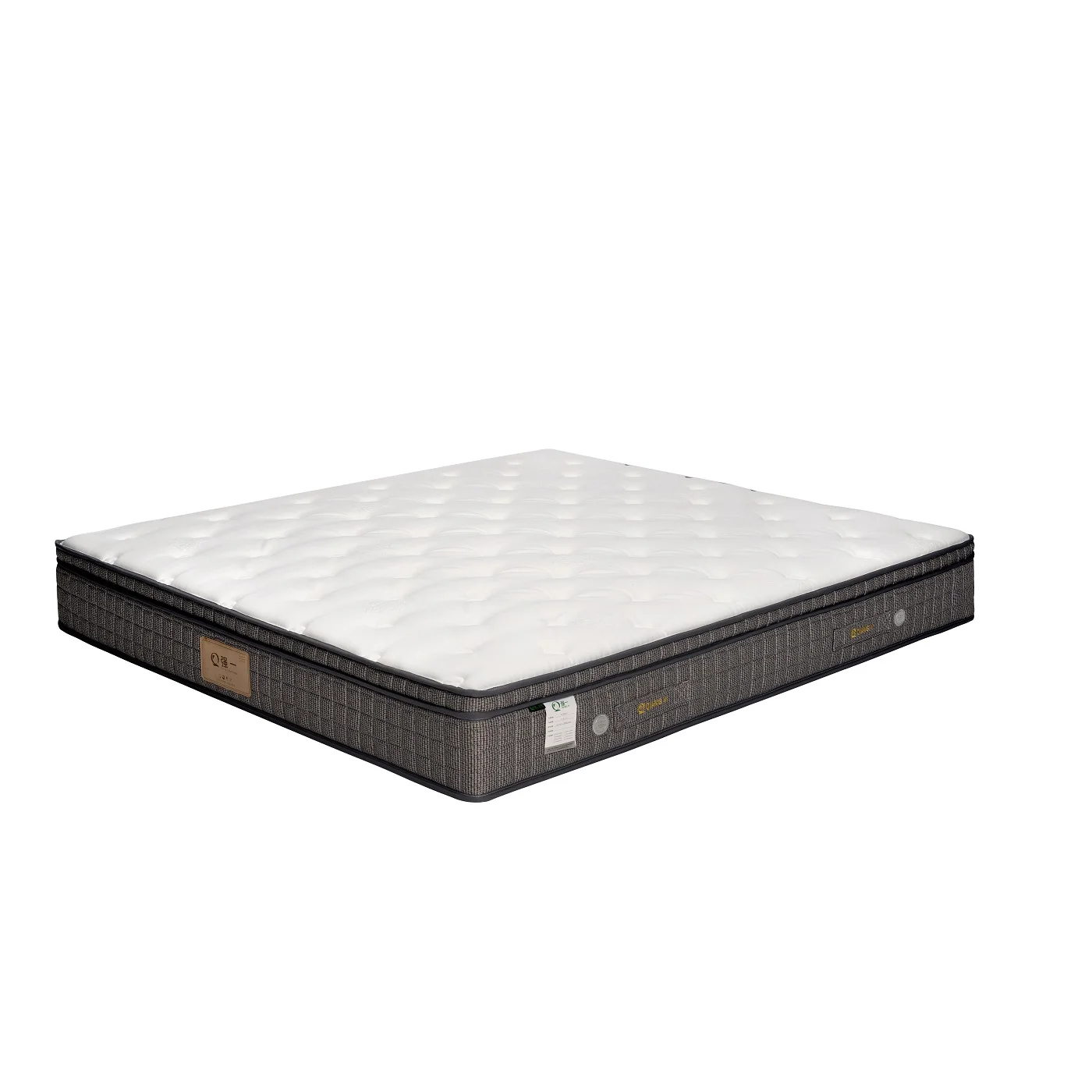
A supplier should connect foam composition with the finished mattress specification. Terms such as “premium latex” or “high-density latex” are not useful unless grade, density, firmness, thickness, and construction are defined.
What should appear in the specification?
The purchasing file should specify the content of natural and synthetic rubber (if applicable), the foam process, the density and firmness range, the thickness of each layer, the size and shape, the perforation pattern, the color, the odor, the adhesive, the cover construction, and the packaging.
In addition, buyers should indicate whether the core is Dunlop or Talalay processed or another method, as the process can affect the cellular structure of the foam and, therefore, the comfort of the finished product. The name of the process should not be substituted for physical testing.
How can repeat-order variation be controlled?
Approve a physical sample, drawing, bill of materials, firmness range, density range, and inspection checklist before production. Retained foam and finished-mattress samples support later comparison.
Suppliers should notify buyers before changes to latex ratio, compound formula, curing process, foam source, adhesive, cover fabric, or compression packaging. Batch traceability and defined complaint procedures help separate manufacturing variation from storage, transport, foundation, or user-related issues.
How can a mattress manufacturer support latex mattress development?
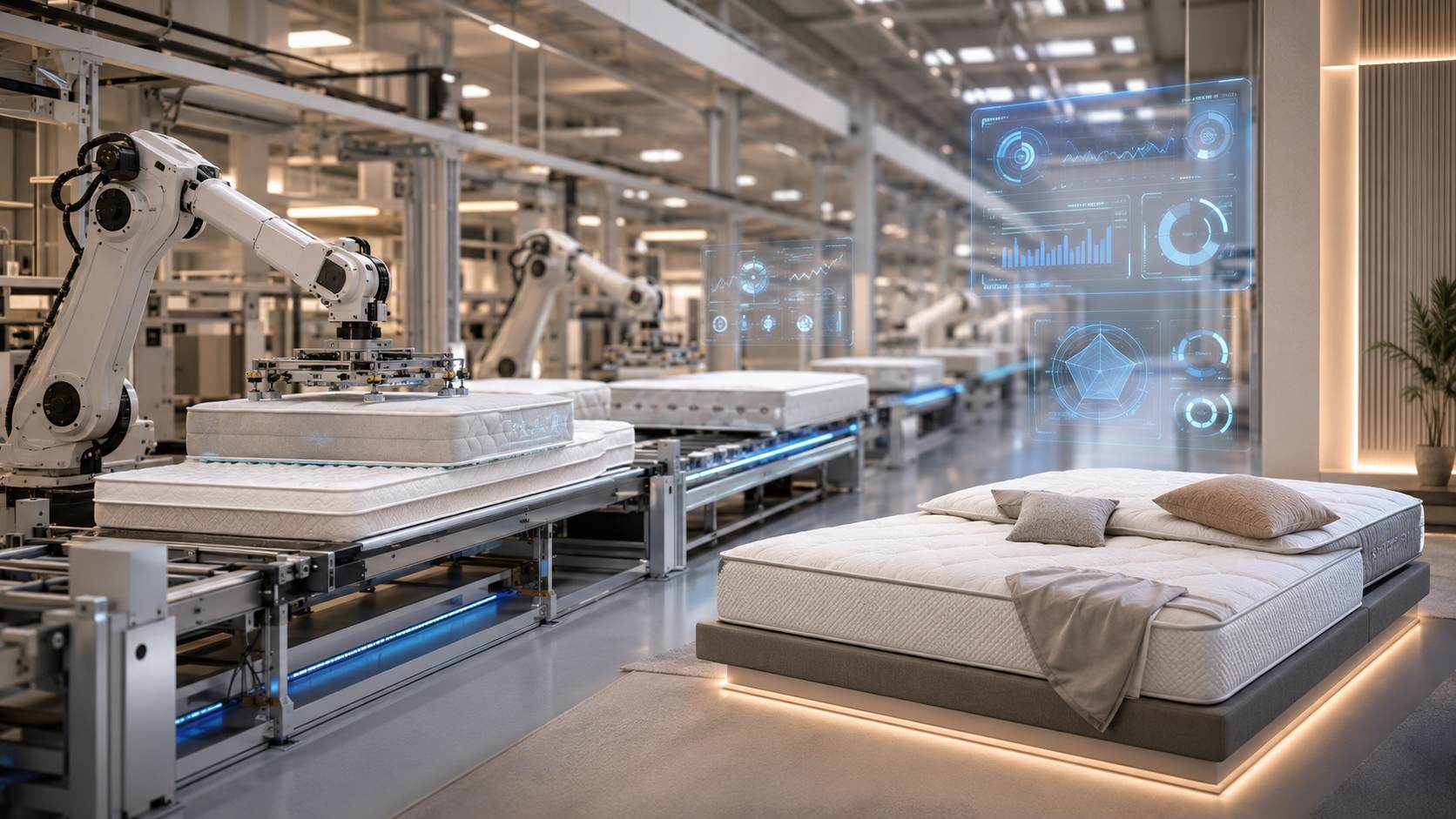
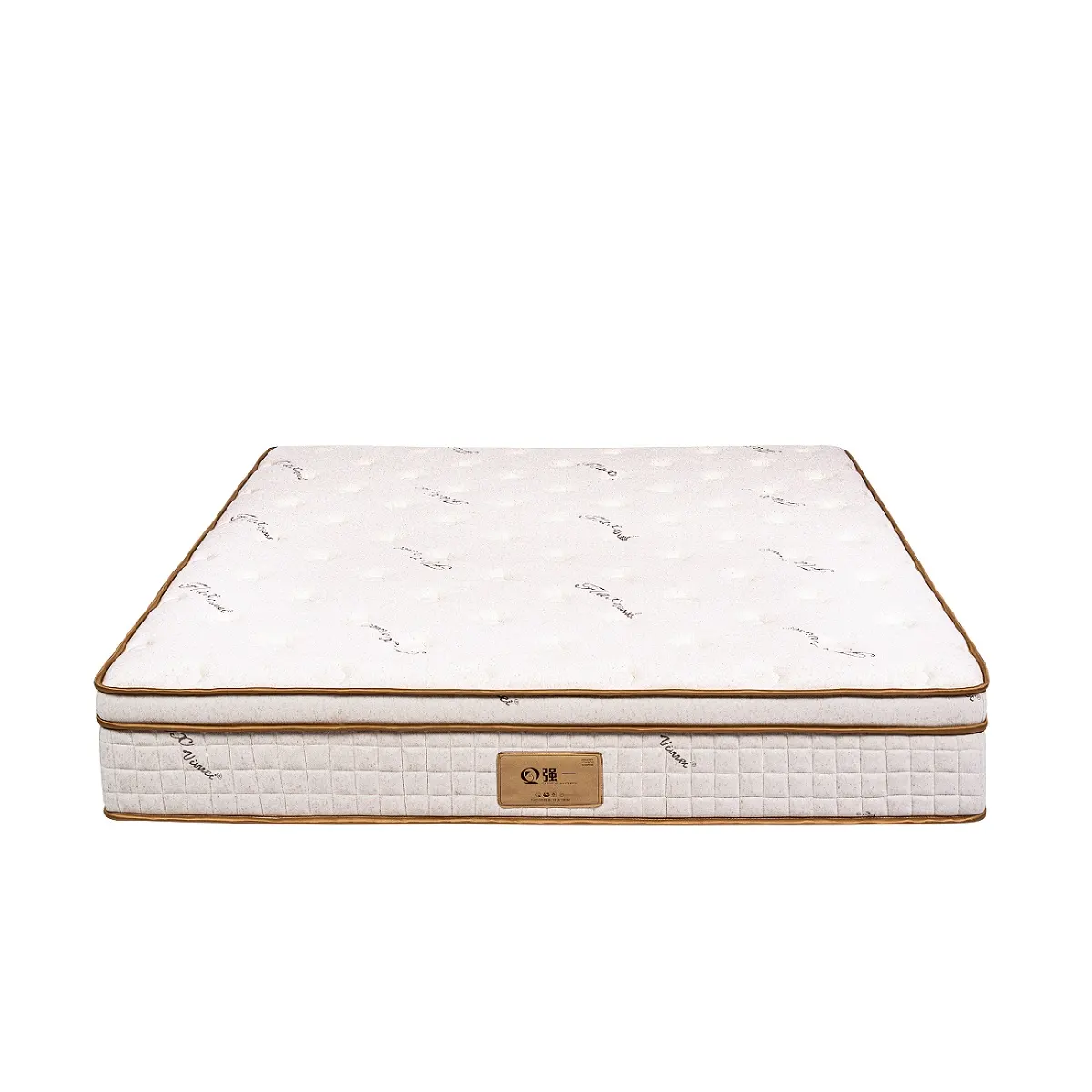
Guangdong Qiangyi Intelligent Manufacturing Technology Co., Ltd. produces for wholesale, retail, hotel, and private label. Specify the firmness, height, latex type, layer count, support system design, cover material, packing, quantity, and destination when you select a sample. Test the target density, firmness, size, and layer alignment, smell, cover fit, compression, and final comfort. A proper quote must disclose approved construction, materials, packing, lead time, inspection rules, and change-notification terms. Let us mutually approve the drawing, BOM, sample, requirements, and labels before you place an order to make future repeats easier since they will be based on the same mattress construction.
Conclusion
The decision between natural latex and synthetic latex for a mattress is based on materials, resilience, density, processing, climate, construction, and price. Latex made from natural materials can provide more responsiveness and appeal to those who are seeking to invest in a high-end product, but latex from synthetic sources or a combination of natural and synthetic resources can provide value and consistency. It is essential for the buyer to ensure the accuracy of the information regarding the materials used in a certain product, analyze the results and behavior of each type of mattress, and assess their own requirements and opportunities to make the most reasonable choice.
FAQs
1. Is a natural latex mattress always more durable than synthetic latex?
Not always. Durability depends on rubber quality, density, curing, compression set, heat, moisture, and mattress construction. Buyers should compare test data for the exact foam and finished product.
2. What is the main difference in a natural latex vs synthetic latex mattress?
Natural latex mainly uses rubber-tree latex, while synthetic latex commonly uses styrene-butadiene rubber. They can differ in resilience, cost, consistency, odor, aging behavior, and marketing position.
3. Is blended latex a suitable option for wholesale mattress programs?
Yes. Blended latex can balance resilience, production consistency, and cost. Buyers should confirm the specific natural-to-synthetic ratio, density, firmness, test method, and repeat-order formulation controls.
4. What should buyers test in a latex mattress sample?
Check density, firmness, dimensions, compression recovery, odor, surface defects, layer bonding, cover fit, edge behavior, packaging recovery, and comfort after the mattress reaches its full shape.
5. Does latex mattress density determine firmness?
No. Density and firmness are related but not interchangeable. Two foams with similar density can feel different because of formulation, cell structure, perforation pattern, curing, and test conditions.