


6th August 2026
Why Cooling Sleep Has Become a Major Trend in the Global Mattress Market
-
 author

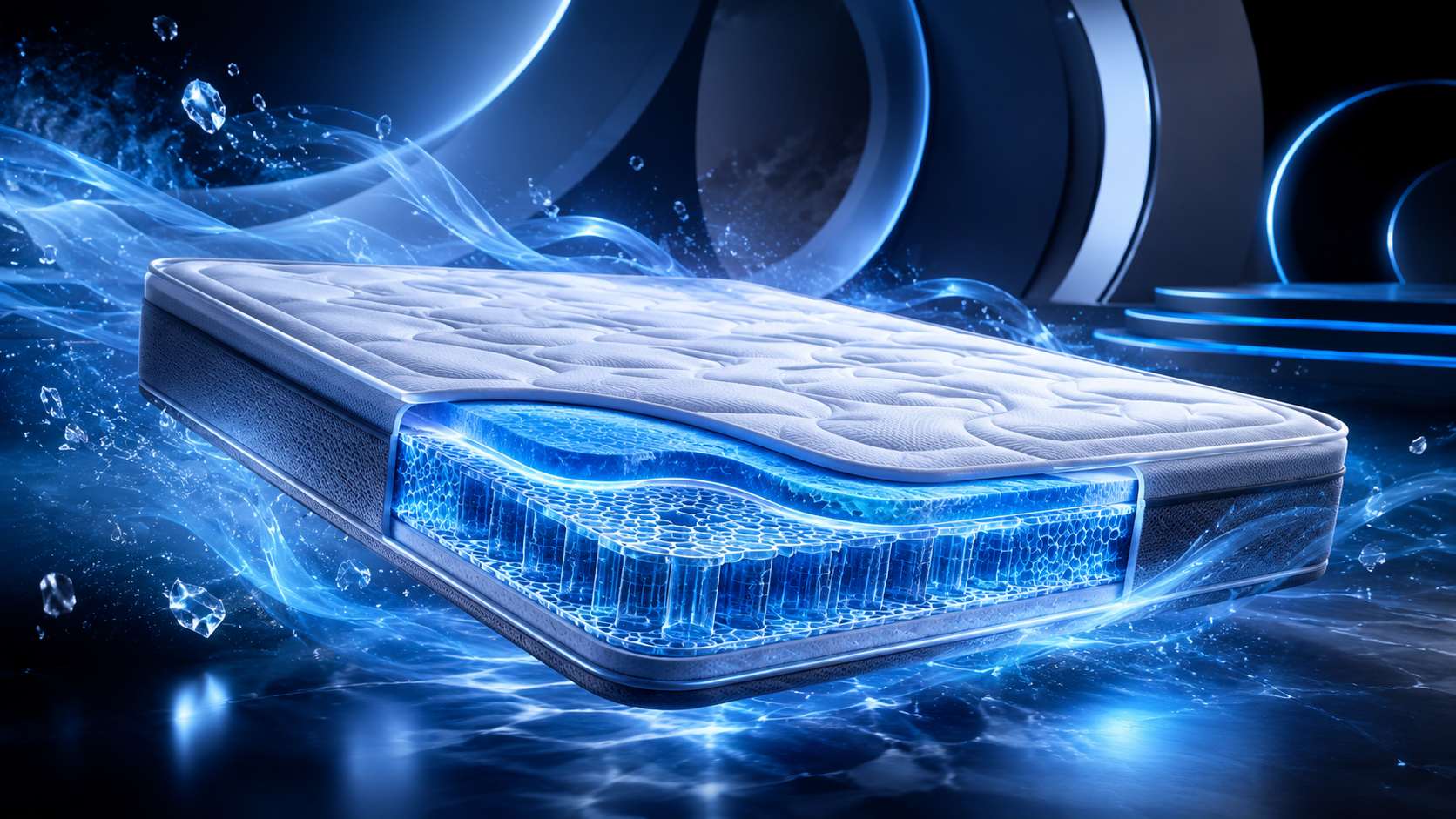
Cooling features have evolved from a niche selling point to a central requirement in the mattress design process. In its pursuit of a consistently comfortable night’s sleep, the consumer has become more aware of heat retention, night sweats, fabric breathability, and the overall sleeping climate well after the initial sinking-in period. Hot weather, heated bedrooms, thicker comfort layers made of foams, and heightened interest in an enhanced sleep environment have forced manufacturers to engineer their products at the fabric, foam cellulation, channeling, and support system levels. The challenge for the consumer is to identify which mattress offers the most value in terms of cooling performance over unsubstantiated surface-level claims.
Why has cooling sleep become an important mattress buying criterion?
Temperature discomfort can interrupt sleep even when the mattress provides suitable support. A sleeper transfers heat and moisture into the bed throughout the night. If the upper layers trap both, the surface may feel warm, damp, or slow to recover after a change in position.
Why do modern comfort layers sometimes retain more heat?
The formation of a large number of foam layers close to the body reduces the space in which air moves. In addition, some foams are characterized by low resilience, due to which the flow of warm air is slowed down.
Mattress protector, fitted sheet, blankets, and the level of room humidity, are several more factors affecting temperature. Thus, when choosing a mattress, it is crucial to consider not only its properties but also the characteristics of the whole sleep system.
Why does cooling matter across different sales channels?
Online customers cannot test a mattress for several hours before buying, so temperature-related claims influence product comparison. Retail stores use cooling covers and breathable materials to create an immediate tactile difference. Hotels may prioritize moisture management and faster surface recovery between guests.
The sales value varies by market. Cooling features are more relevant in warm regions, humid climates, densely occupied rooms, and product categories using thick comfort layers. In cooler areas, buyers may place greater emphasis on pressure relief or insulation.
How do cooling mattress materials manage heat and moisture?
A mattress does not actively cool the body unless it contains a powered system. Most cooling constructions work by moving heat away from the contact area, allowing air to circulate, spreading moisture, or reducing the amount of heat stored near the surface.
Which cover materials affect the first contact with the mattress?
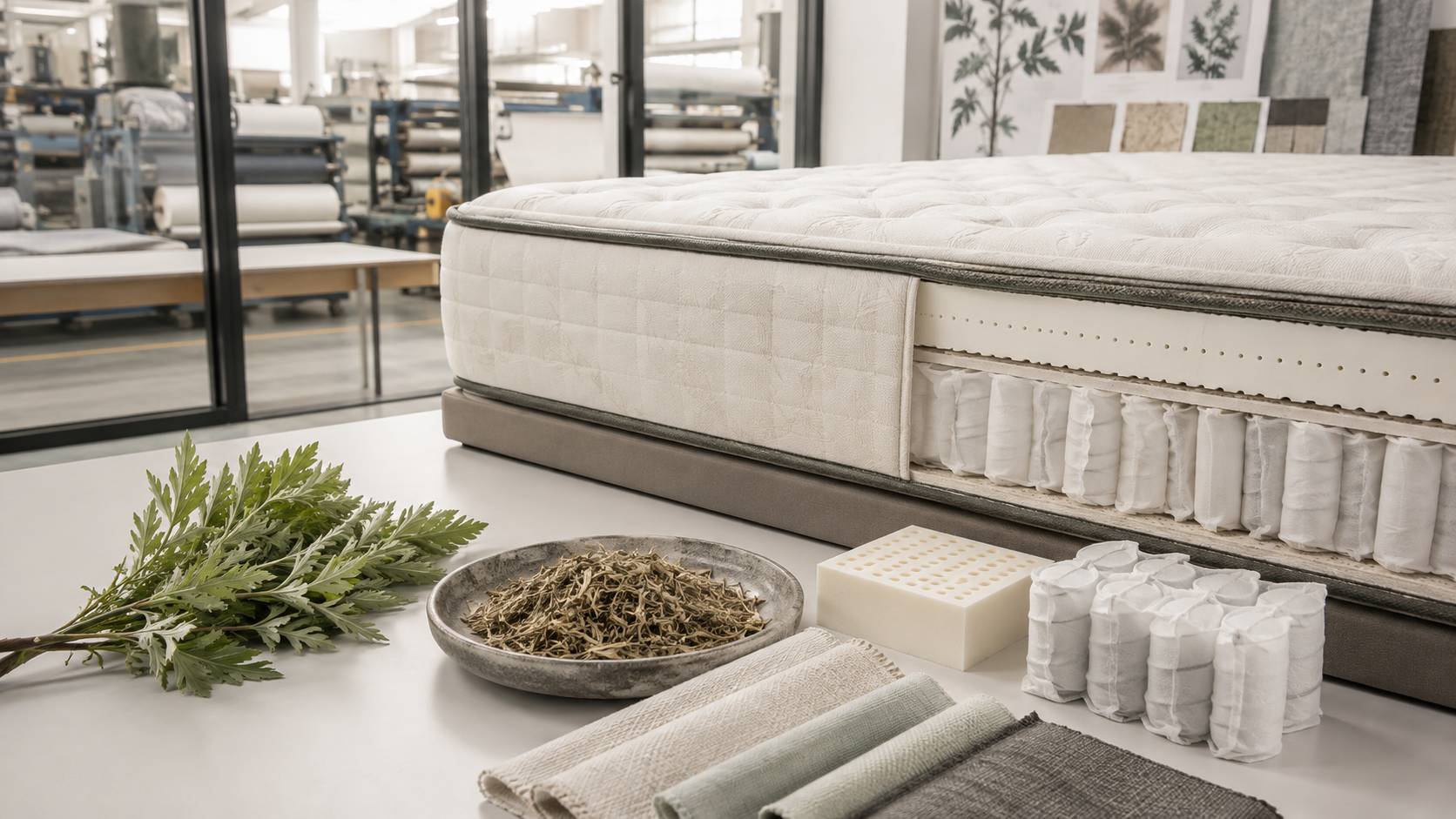
Knitted covers can be made from open construction, moisture-absorbing yarns, mineral-containing yarns, polyethylene fibers, and special materials that absorb heat from the body. Some fabrics feel cool to the touch due to rapid heat transfer from the skin into the material. However, once the temperature of the fabric and the skin becomes equal, the cooling effect will be perceived less actively.
In addition, moisture plays a significant role in thermoregulation; it can allow the evaporation process to occur over a greater surface area. Nevertheless, the effectiveness of moisture transfer depends on the humidity of the room and the air circulation. It is therefore wrong to expect that a fabric with a particular breathability feature will be equally effective if its reverse side is blocked by a thick and dense layer.
How do foam, latex, and spring structures influence airflow?
Unlike the closed-cell structure of polyurethane foam, open-cell foam allows for greater airflow inside the material, but cell size has little influence on cooling performance. The foam’s density, thickness, softness, and response to compression also play a role in regulating temperature. The presence of gel particles or infused gel material can affect thermal conductivity, but consumers should be aware that visible gel in a product may not necessarily contribute to long-term cooling performance and should seek evidence supporting the specific construction method used.
Perforated latex can combine elastic support with ventilation pathways. Pocket springs create larger internal air spaces, especially when the border and comfort layers do not block circulation. Hybrid mattresses often use this open support core while controlling heat buildup in the upper foam package.
Which cooling mattress construction suits different applications?
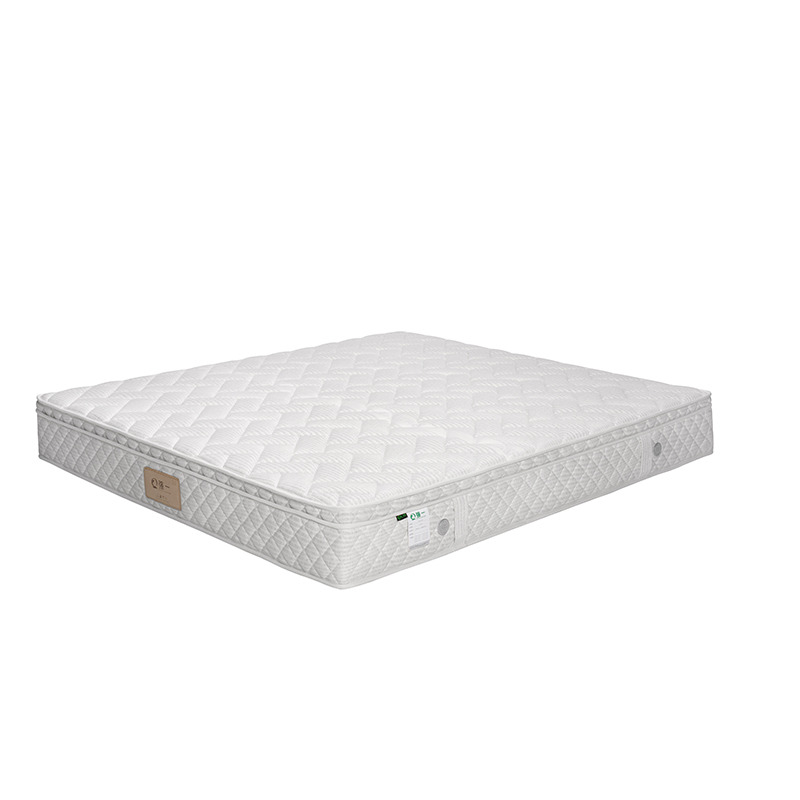
A useful cooling specification should match the sleeper, climate, price tier, mattress height, and expected service life. Adding every available cooling feature can increase cost without improving the finished product proportionally.
What should retailers consider for consumer mattresses?
Side sleepers often need thicker pressure-relief layers, which can increase body contact and heat retention. The design may need softer open-cell foam, ventilated latex, a breathable cover, or a spring core to balance comfort and airflow.
Back and stomach sleepers may use thinner comfort layers, reducing heat storage near the surface. Heavier sleepers also compress foam more deeply, so airflow tests performed without realistic loading may overstate performance. Buyers should review firmness, body-contact area, layer thickness, and cooling construction together.
What matters in hospitality and high-use environments?
Hotel mattresses face repeated occupancy, varied sleeper preferences, protective covers, and room temperatures that may change throughout the year. Durable airflow paths and moisture-handling fabrics may be more practical than a delicate surface treatment that loses effect after cleaning or extended use.
Hospitality buyers should also check edge support, cover cleanability, odor, fire-related requirements, and replacement consistency. A cooling layer cannot compensate for early body impressions or unstable foam. Long-term shape retention remains part of thermal comfort because compressed areas hold the sleeper more closely.
What performance limits and quality risks should buyers test?
Cooling claims are difficult to compare when suppliers use different methods or test only one material. A fabric sample, foam block, and complete mattress can produce very different results.
Which cooling claims require closer examination?
“Cool-touch” usually describes the immediate sensation when skin first contacts a material. “Breathable” may refer to air permeability, but it does not explain performance under compression. “Temperature regulating” can cover several mechanisms and should be supported by a defined test.
Phase-change materials can store and release heat within a specified temperature range, but the amount of heat that they can store is limited by the size of the sample, the location of the sample, and the ability of the sample to be recharged. Beyond a certain point, additional thermal regulation requires enhanced air circulation and other considerations in the design of the mattress. Test claims should include details about what was tested, the conditions of the test, and the time frame of the test.
How should complete mattresses be inspected?
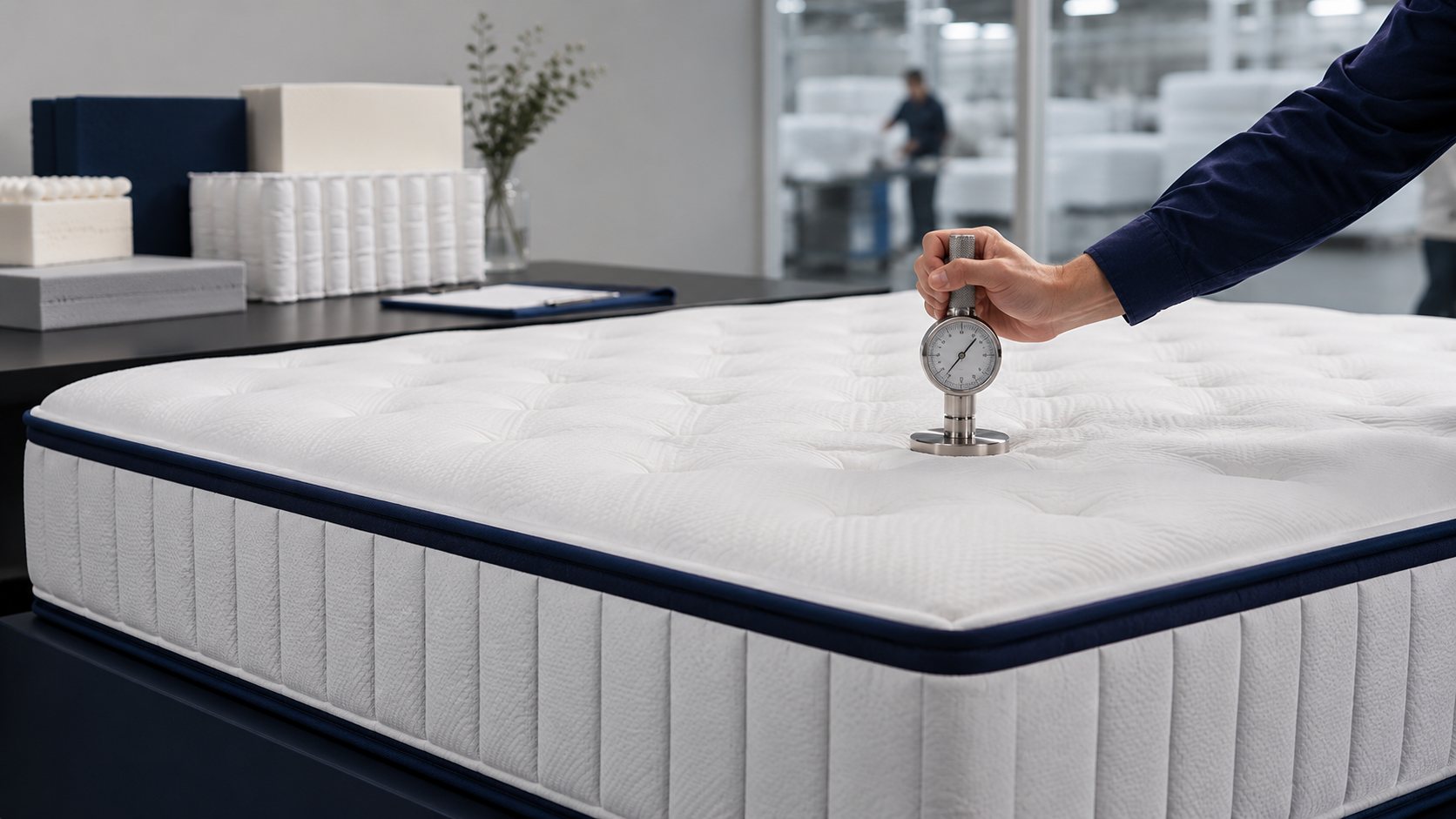
Evaluation should include surface temperature change, heat dissipation after pressure is removed, moisture handling, airflow under load, and comfort after extended use. Samples can be conditioned in warm and humid environments before testing.
Quality teams should also inspect foam density, firmness, compression recovery, layer thickness, adhesive coverage, perforation alignment, cover tension, and quilting consistency. Excessive adhesive can block airflow between layers. Misaligned ventilation holes or tightly sealed borders may reduce the effect of an open internal structure.
Repeated compression and aging tests help determine whether the cooling construction remains functional after the materials soften. Covers should be checked for pilling, shrinkage, delamination, and changes in surface feel after cleaning where removable designs are used.
How should buyers compare cooling mattress suppliers and specifications?
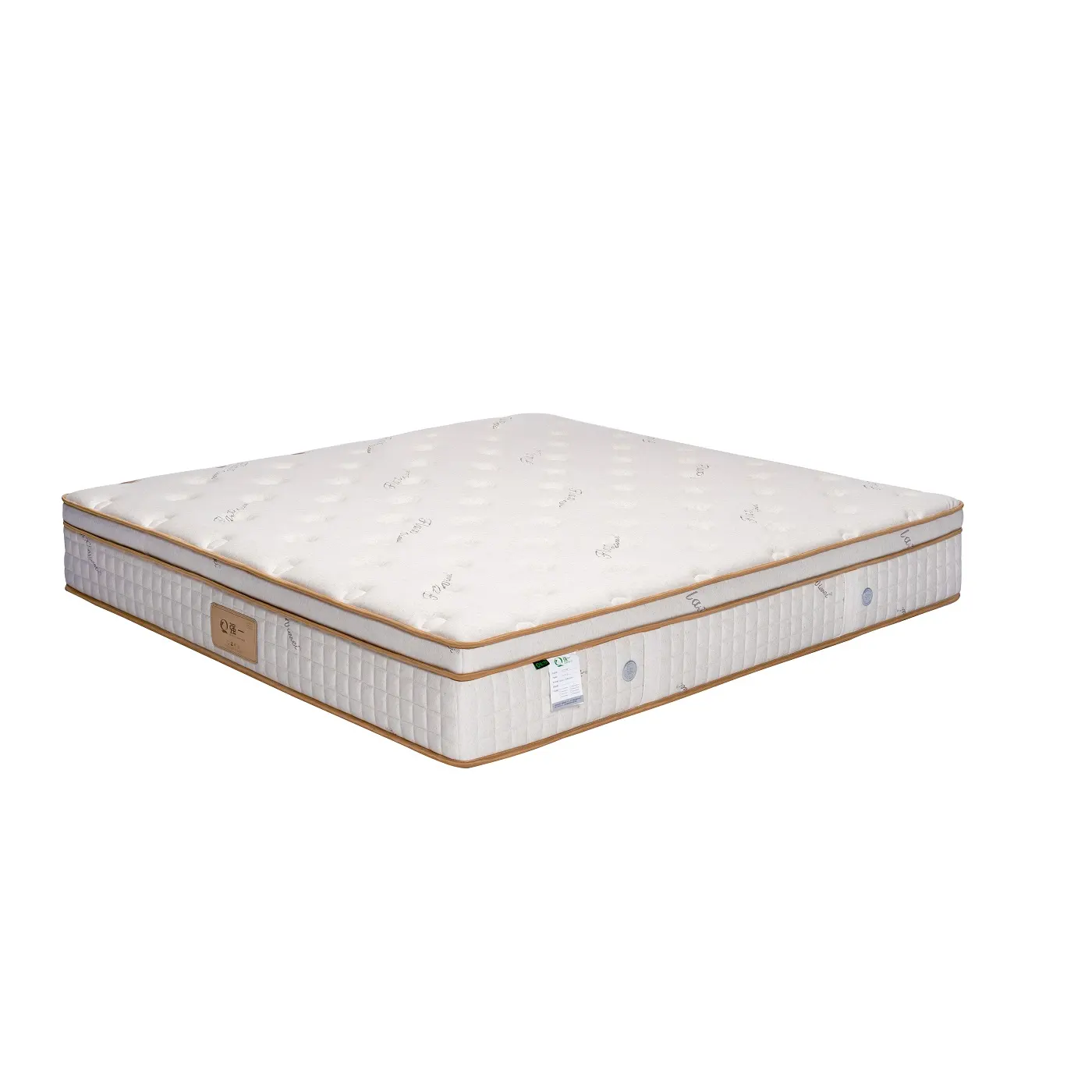
A supplier comparison should begin with the complete bill of materials. Broad descriptions such as “cooling foam” or “ice fabric” do not identify the mechanism, composition, thickness, or expected duration of the effect.
Which documents support a sound purchasing decision?
The specification should state cover construction, yarn or treatment type, quilting layers, foam type, density, firmness, thickness, perforation pattern, spring structure, adhesive method, border design, and packaging. Cooling-related test reports should correspond to the proposed material and finished mattress wherever possible.
Buyers should ask whether the cooling effect is based on thermal conductivity, phase-change behavior, airflow, moisture transport, or a combination. The supplier should also explain limitations. A material that performs well in dry conditions may behave differently in high humidity.
How can repeat-order variation be controlled?
Approved samples, drawings, firmness ranges, density ranges, cover swatches, and inspection criteria should be retained before production. Changes to foam source, fabric yarn, coating, adhesive, quilting weight, perforation, or spring construction may alter both comfort and temperature behavior.
Compressed mattresses require an additional check. Long storage periods can affect foam recovery, cover tension, and layer alignment. Buyers should define maximum compression time, recovery procedure, carton protection, and inspection timing after unpacking.
How can a mattress manufacturer support cooling sleep product development?
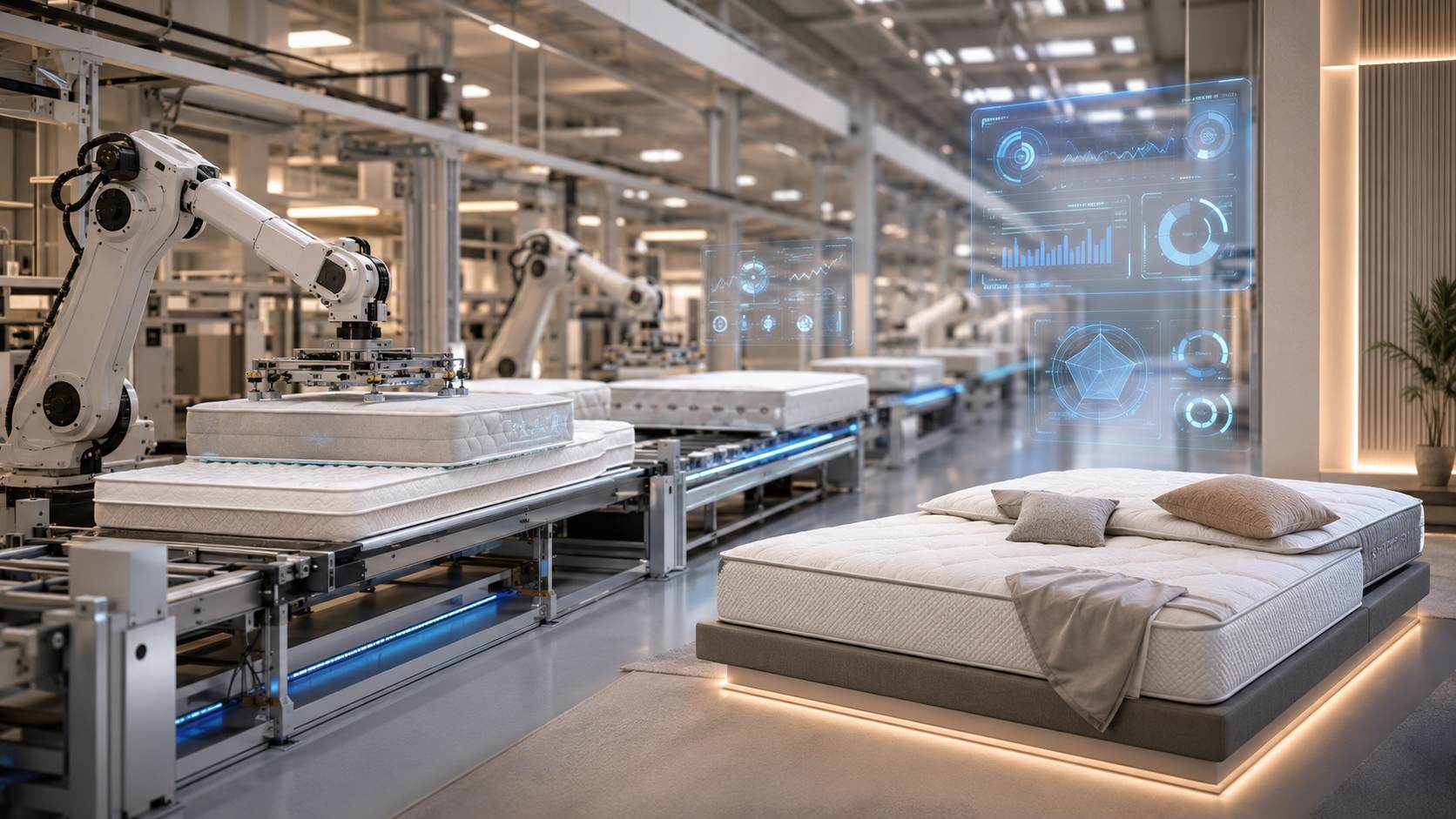
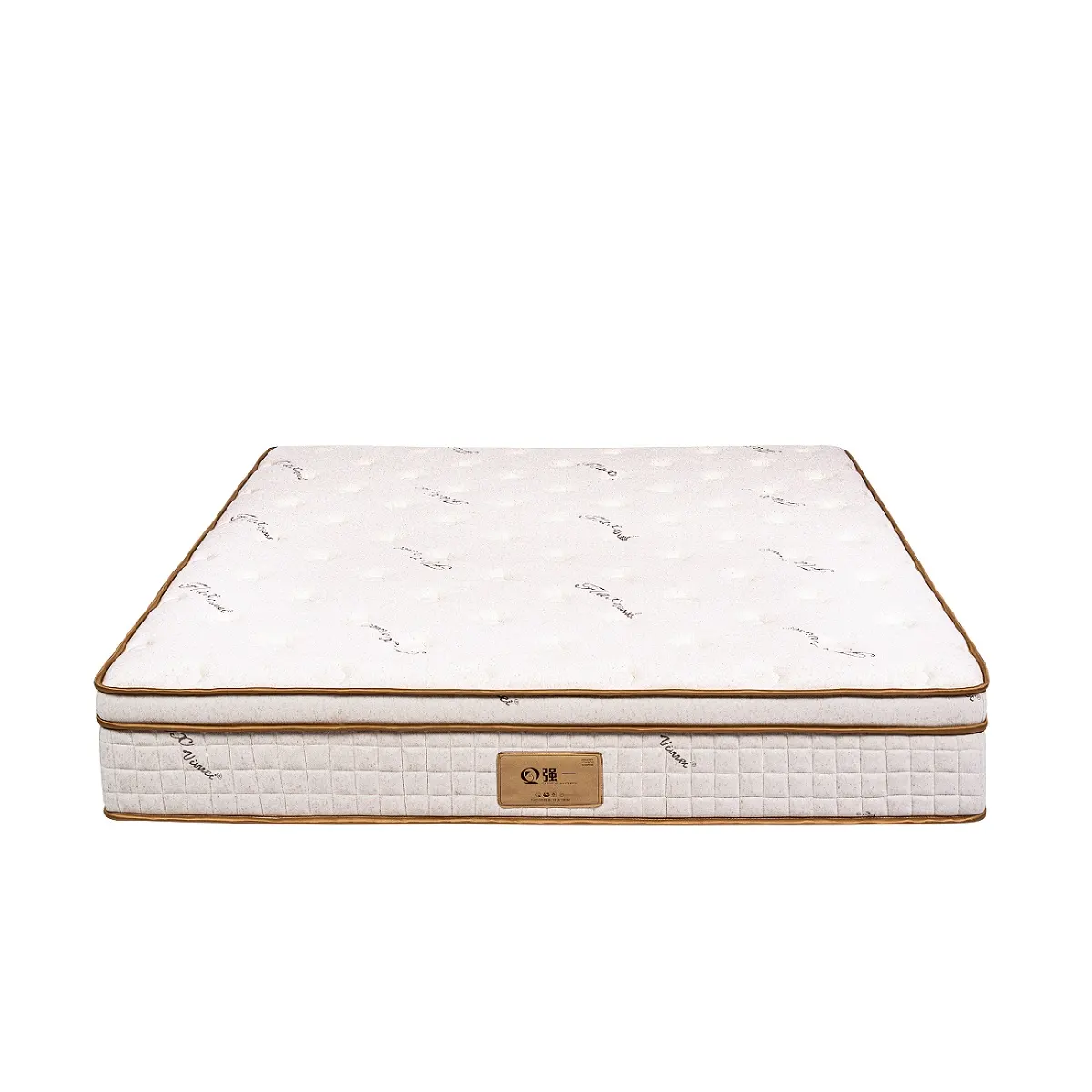
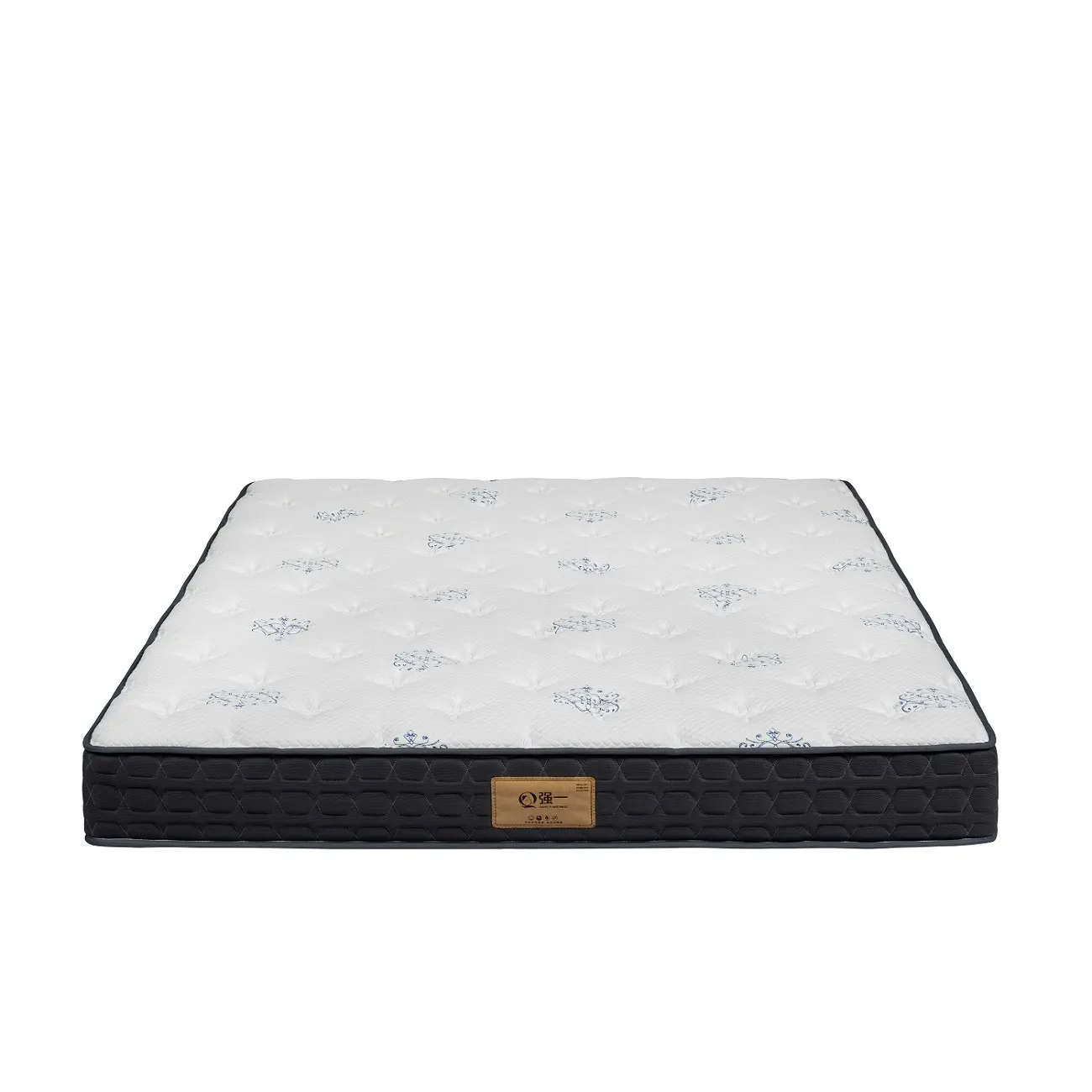
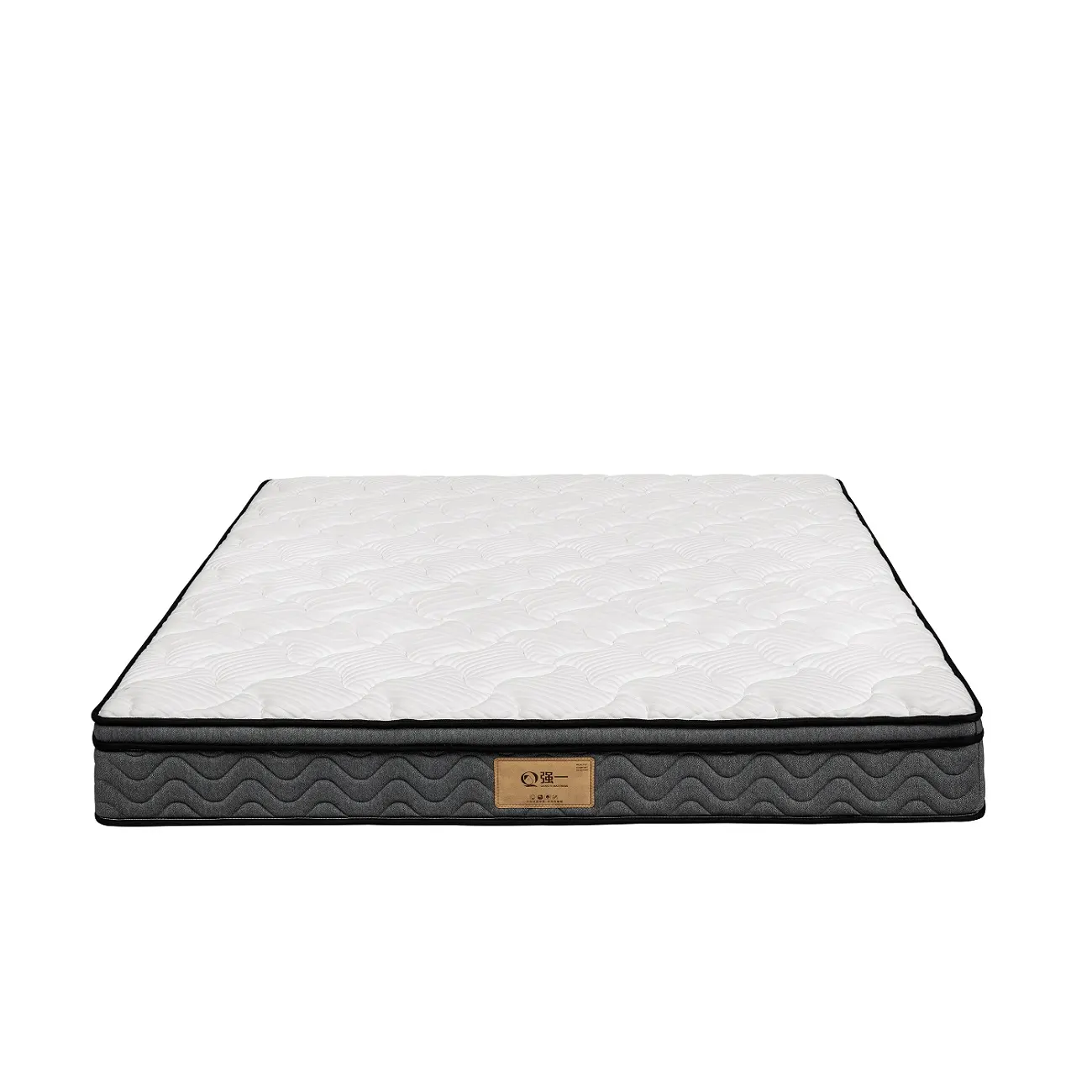
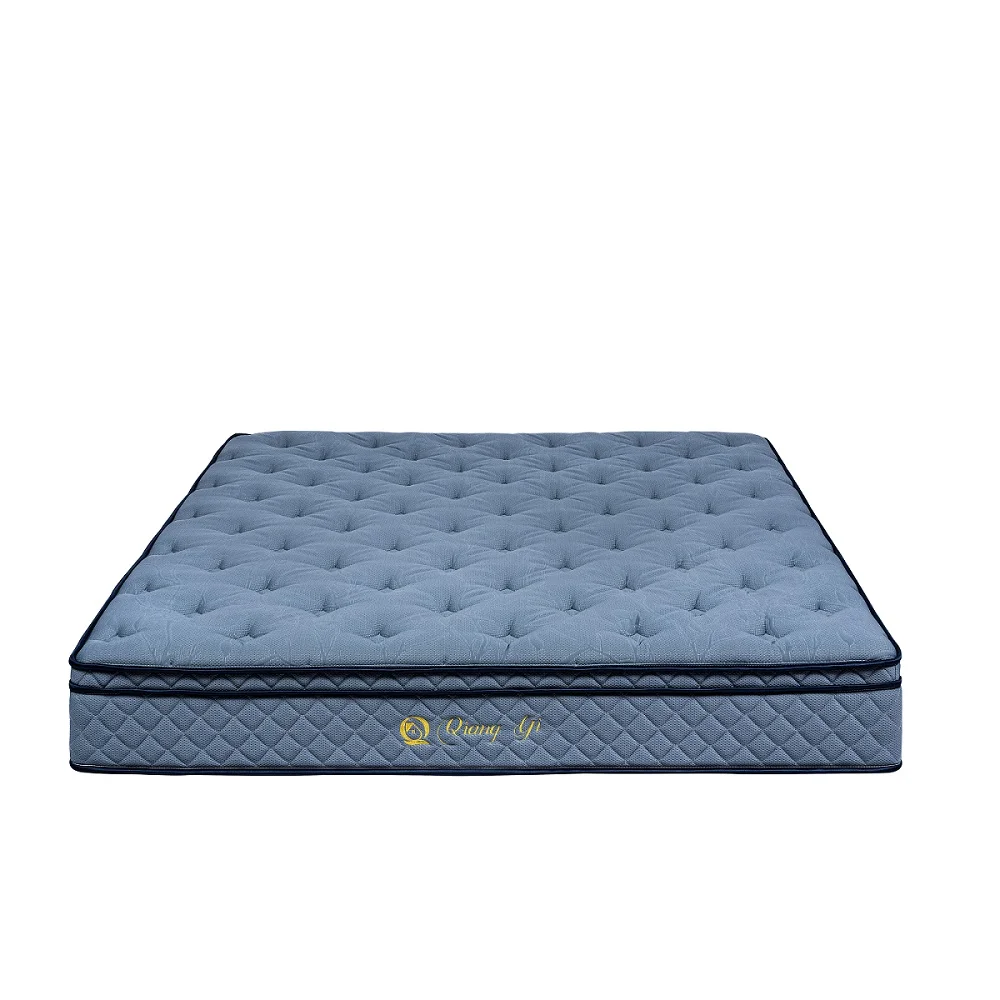
The Guangdong Qiangyi Intelligent Manufacturing Technology Co., Ltd. produces its mattresses for wholesale, retail, hospitality, and private-label sales. The company welcomes orders in which a client specifies the desired firmness and mattress height, climate, sleeper profile, cover design, foam grades, spring systems, packaging, quantity, and destination. The samples need testing to examine the surface’s appearance and feel, breathability, density, firmness, layer arrangement, compressibility, cover fit, and ability to withstand continuous use without excessive heat retention. In turn, each quotation should provide information about materials, layers’ thickness, packaging, lead time, tests, and inspection items. It is also necessary to approve the drawing, bill of materials, sample, labels, acceptance criteria, and change notification before manufacturing begins.
Conclusion
Cooling has become a sought-after attribute in mattresses due to consumers’ growing awareness of the importance of temperature regulation in addition to the traditional criteria of support and pressure point relief. Advanced options include moisture-wicking covers, cool-touch fibers, open-cell foams, perforated latex, ventilated coils, and phase-change crystals, but these features rarely perform consistently under different conditions or combinations. Buyers are advised to test specific product configurations using actual sleeping conditions including temperatures, humidity, bedding materials, and the effects of prolonged use while isolating specific variables between subsequent trials.
FAQs
1. What makes a cooling mattress feel cooler at night?
Cooling sleep performance may come from heat-conductive covers, moisture transport, open-cell foam, perforated latex, ventilation channels, or spring airflow. The complete mattress and bedding system determine the final result.
2. Does gel foam always improve mattress cooling?
No. Gel may change heat absorption or distribution, but performance depends on gel content, foam structure, thickness, body pressure, room temperature, and surrounding layers. Finished-mattress testing is necessary.
3. Are spring mattresses cooler than all-foam mattresses?
Spring cores usually provide more internal open space, but thick foam layers and sealed borders can restrict airflow. Cover materials, comfort-layer design, humidity, and bedding remain important.
4. What should buyers test in a cooling mattress sample?
Check extended surface temperature, moisture handling, airflow under load, foam recovery, firmness, layer bonding, cover breathability, compressed-package recovery, and performance after heat, humidity, and repeated compression.
5. How should cooling sleep claims be verified?
Buyers should request the test method, sample construction, temperature, humidity, loading conditions, duration, and measured property. Claims based only on a fabric swatch may not represent the finished mattress.