10th September 2026
Mugwort in Mattresses: What Is It and Why Is This Traditional Botanical Material Returning to Modern Bedding?
-
 author
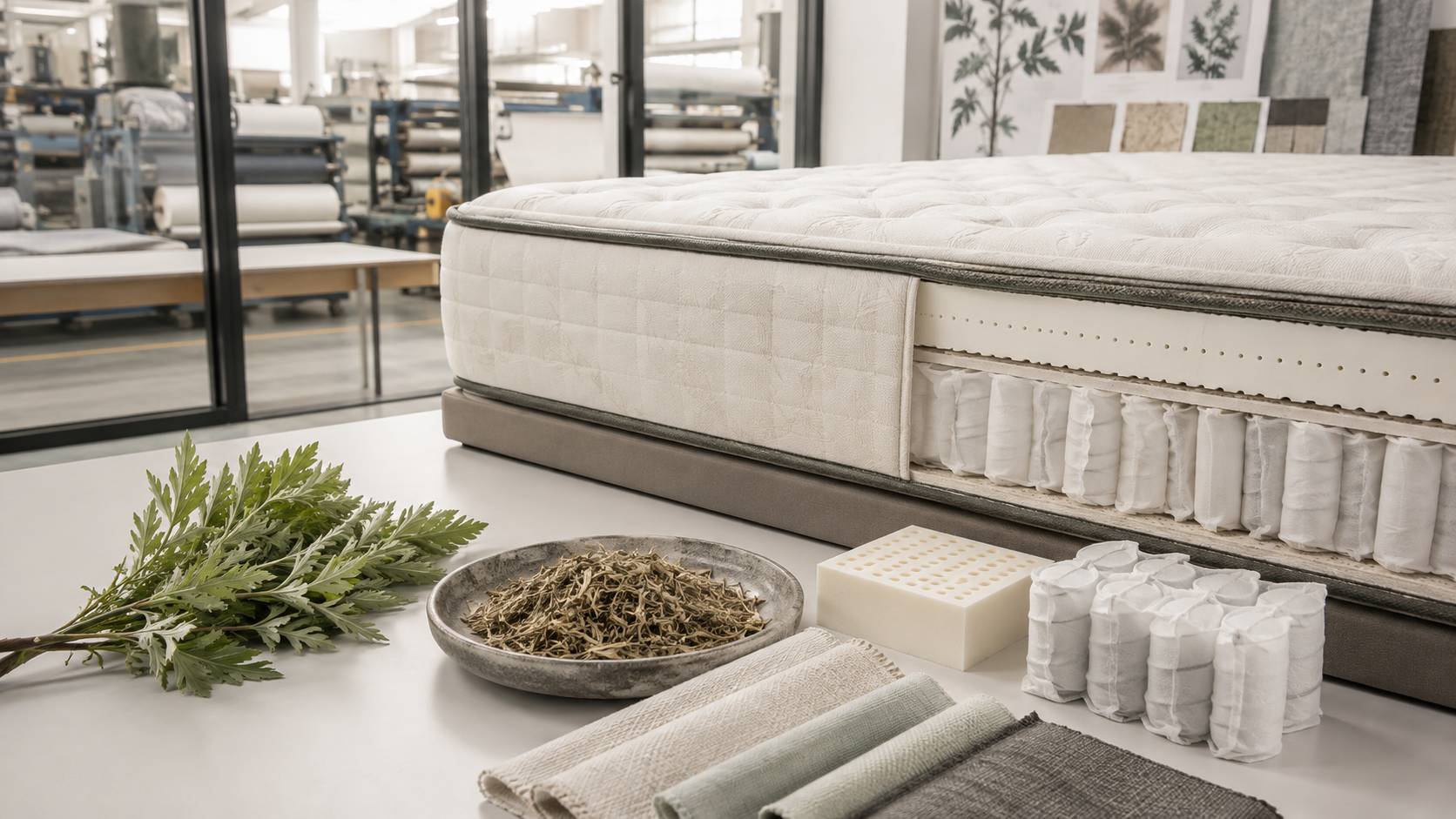
Mugwort in mattresses usually refers to mugwort-derived material incorporated into the cover fabric or another textile component, not loose herbs placed directly inside the bed. Its return reflects growing interest in botanical materials, distinctive fabric stories and sleep products that feel less generic, yet the term itself reveals little about composition or performance. A purchasing manager still needs to establish how the mugwort is processed, where it sits in the construction, whether any claimed function survives manufacturing and how batch consistency will be controlled. This article explains the material forms, evidence, testing and specification details that matter before a mugwort mattress enters sampling or bulk production.
Why Is Mugwort Returning to Modern Mattress Development?
Mugwort has a long history in traditional household and botanical applications, which gives it an identity consumers already recognize in several Asian markets. Modern mattress development is bringing that story into engineered textiles rather than simply repeating an old bedding practice.
Botanical Materials Give Brands a Different Design Language
Many mattress ranges now use similar combinations of knitted covers, foam, latex and pocket springs. A mugwort fabric gives product teams another way to create a distinct surface concept without changing the entire support system. Its muted botanical association can also influence fabric color, pattern, hand feel and packaging direction.
For a B2B buyer, however, market recognition is not the same as technical value. The purchasing brief should separate the design story from measurable requirements such as composition, weight, pilling resistance, colorfastness, breathability and dimensional stability.
Textile Processing Makes Traditional Materials Easier to Manufacture
Traditional plant material is irregular, carries a natural odor and may vary between harvests. Mattress production requires something more controlled. Mills may process a botanical source into a fiber component, extract, powder, masterbatch or finishing treatment before incorporating it into fabric.
Each route behaves differently during spinning, weaving, dyeing, finishing and repeated cleaning. The return of mugwort therefore depends less on placing a herb in a mattress and more on whether textile processing can turn it into a repeatable industrial input.
How Can Mugwort Be Incorporated into a Mattress?
The phrase “mugwort fabric” can describe several constructions. Buyers should not assume that two suppliers using the same term are offering the same material, concentration or durability.
Where Is the Botanical Component Located?
In one fabric, mugwort-derived content may be blended into a regenerated or synthetic fiber before yarn production. In another, it may be applied as a surface finish after weaving or knitting. A decorative botanical pattern, meanwhile, may contain no mugwort-derived material at all.
These differences change what can be verified and how long the material may remain present. Fiber-level incorporation may behave differently from a surface treatment exposed to abrasion, moisture and repeated contact. The supplier should identify the location rather than relying on a general botanical description.
| Possible material route | Information the buyer needs | Main sourcing concern |
|---|---|---|
| Fiber or yarn incorporation | Fiber type, blend percentage and production method | Whether the declared content is traceable |
| Fabric finishing treatment | Applied chemistry, add-on level and curing process | Whether the treatment remains after use |
| Botanical powder or masterbatch | Carrier material, particle control and dispersion | Whether batches remain uniform |
| Visual botanical design | Print or jacquard specification | Whether the design is being confused with functional content |
The table helps buyers frame the first supplier discussion. It does not prove that one route performs better; it shows which documents, tests and process controls are relevant to each route.
How Does the Cover Work with the Rest of the Mattress?
A mugwort textile remains only one part of the sleep surface. Quilting, backing, foam, latex, fiber pads and the support core still control most of the mattress feel. Stretch, recovery and air permeability also depend on the complete cover construction.
Buyers comparing the material with other options in a home mattress category should approve the fabric on a finished sample. A swatch cannot reveal pattern distortion, quilting tension, corner fit or changes after compression packing.
What Evidence Should Buyers Request for Mugwort Claims?
Botanical wording can easily move beyond what the material documentation supports. A technically sound RFQ asks the supplier to prove identity first, then provide separate evidence for each performance claim.
Can the Supplier Identify the Actual Material?
The material declaration should state the botanical component, carrier fiber, overall textile composition, fabric code and manufacturing route. If the fabric contains a proprietary mugwort-derived ingredient, the buyer may also request a technical data sheet and supplier traceability record.
A statement such as “herbal fabric” is insufficient because it does not identify the plant, incorporation method or quantity. Documentation must refer to the exact production fabric rather than a similar material shown during early sampling.
Are Antibacterial and Anti-Mite Claims Supported Separately?
Antibacterial, anti-mite, odor-control and moisture-management claims describe different properties. One laboratory result cannot automatically substantiate all of them. The report should identify the test method, organism or evaluation target, sample code, conditioning procedure and result.
Testing also needs to reflect the final material. A result for a concentrated additive does not demonstrate the performance of a finished woven cover containing that additive at a lower level.
Does the Evidence Cover Durability?
Initial performance may decline after abrasion, humidity exposure or cleaning. When a brand intends to make a lasting functional claim, it should ask whether testing was completed only on new fabric or again after an agreed durability treatment.
This question matters particularly when the mugwort component is applied through finishing. Surface treatments may face different retention risks from material incorporated earlier in fiber or yarn production.
Which Performance Risks Matter During Sampling and Bulk Production?
A botanical fabric still has to survive ordinary mattress manufacturing. Procurement teams should evaluate it as a textile first and examine the botanical story only after basic production and durability requirements are satisfied.
Odor, Shade and Surface Feel Can Vary
Some buyers expect a noticeable herbal aroma; others require almost no odor after unpacking. Neither expectation should be left unstated. The approval process should record acceptable odor intensity after the mattress has recovered from packing.
Natural-source inputs may also create shade or appearance variation. If the fabric has a pale botanical color, the buyer should establish a color reference and viewing conditions. Hand feel, rough fibers and visible particles deserve attention because a material that appears attractive in a catalog may feel unsuitable after quilting.
Compression Packing Can Expose Hidden Problems
Roll packing places the cover, quilting and border under sustained tension. After opening, inspect the surface for wrinkles, shade changes, delamination and uneven recovery. The botanical component should not distract from these ordinary but commercially important checks.
A latex mattress structure may recover differently from a foam-only construction even when both use the same cover. Packing approval therefore belongs to the complete mattress rather than the textile alone.
What Should a Mugwort Mattress RFQ and Approval Record Include?
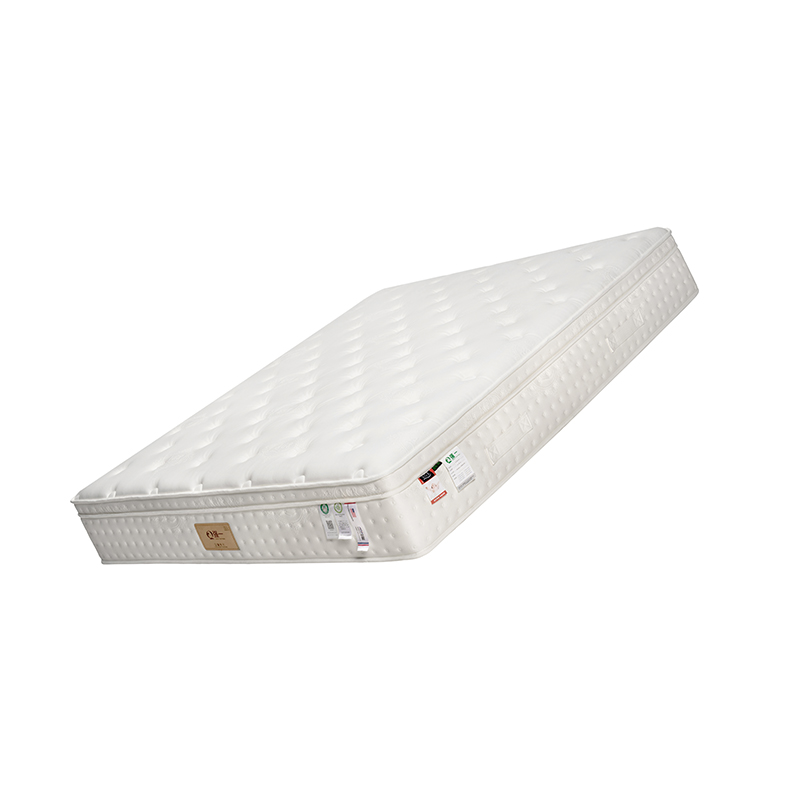
A usable specification must tell the factory which features are essential, which claims will appear in the market and how the buyer will determine whether production matches the approved sample.
Which Textile Details Need to Be Locked?
Record the fabric code, structure, fiber composition, finished weight, width, color, pattern, backing and botanical incorporation method. Add performance requirements for pilling, abrasion, colorfastness, dimensional stability and air permeability where they affect the destination market.
The RFQ should also state whether botanical odor is expected, tolerated or restricted. If a treatment or ingredient changes, written approval and a new sample should be required even when the replacement fabric looks similar.
How Should the Complete Mattress Be Approved?
Sampling should follow the intended layer construction, quilting design, firmness, dimensions and packing method. A hybrid mattress configuration can be useful when buyers need to assess how the botanical cover works with latex, foam and pocket springs rather than evaluating the textile in isolation.
- Before releasing a purchase order, confirm:
- The tested fabric code matches the production material.
- Every functional claim has relevant evidence.
- Odor, color and hand-feel limits are recorded.
- The complete mattress has passed packing and recovery review.
Material or treatment substitutions require approval.Professional Technical Support from Guangdong Qiangyi Intelligent Manufacturing Technology Co., Ltd.
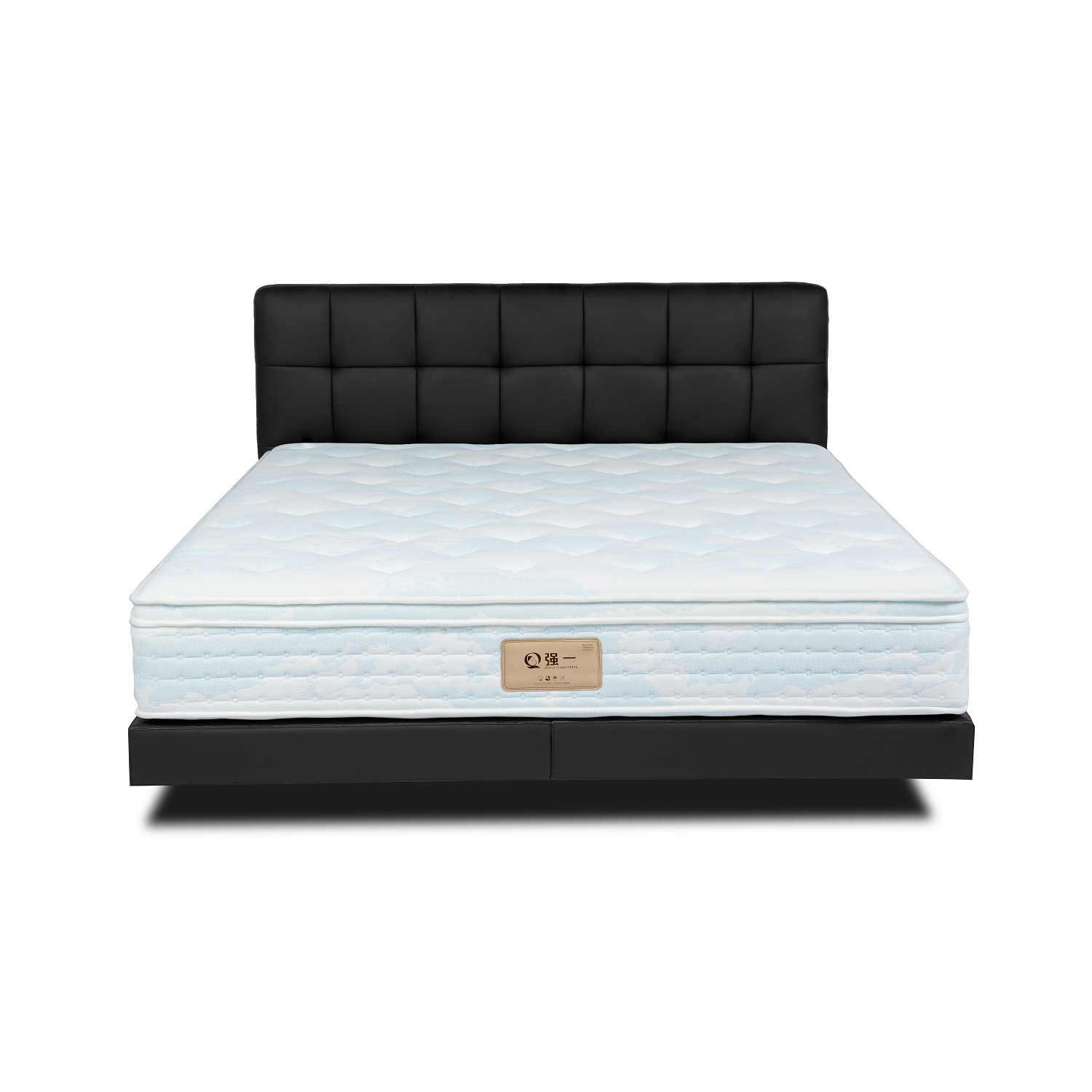
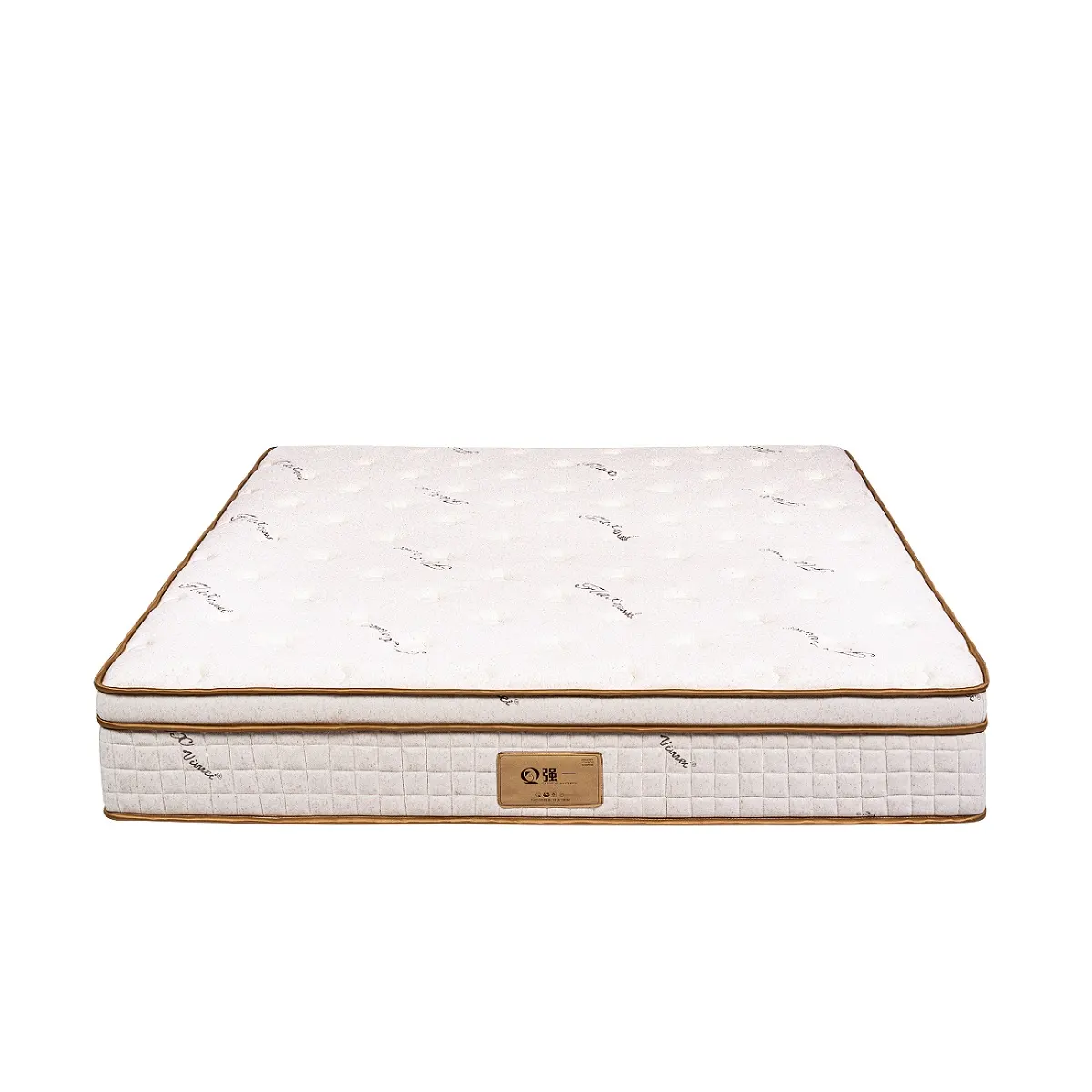
Guangdong Qiangyi Intelligent Manufacturing Technology Co., Ltd. supports OEM and ODM mattress development using woven and knitted covers, foam, latex, fiber layers, pocket-spring units, quilting, assembly and compressed packing. Its project knowledge includes a medium-firm mugwort and latex construction with woven fabric, a 2 cm latex layer, 0.8 cm 3D cotton, a 3 cm mini spring comfort layer and an independent pocket-spring support system. Through its custom mattress development service, buyers can define fabric composition, botanical-material evidence, quilting, firmness, packaging and inspection requirements before approving a production sample. Any antibacterial or anti-mite wording should remain tied to applicable test documentation.
Conclusion
Mugwort is returning to modern bedding because textile processing allows a traditional botanical material to become part of a contemporary mattress cover and product story. Its commercial value depends on more than heritage: buyers must verify the material form, textile composition, claim evidence, odor, durability and compatibility with quilting and compression packing. The next step is to approve a complete mattress, retain the exact fabric code and require written control over any change in botanical input, carrier fiber or finishing process.
FAQs
1. Does a Mugwort Mattress Contain Loose Dried Herbs?
Usually not. Commercial mugwort mattresses more commonly use mugwort-derived content in a fiber, yarn, fabric treatment or other controlled textile form. Buyers should request the exact incorporation method instead of assuming the mattress contains loose plants.
2. Can Mugwort Fabric Be Marketed as Antibacterial?
Only when the exact finished fabric has relevant supporting evidence. The report should identify the test method, sample code, organism or target, conditioning procedure and result rather than relying on a general ingredient claim.
3. Does Mugwort Change Mattress Firmness?
The botanical component itself may have limited influence, but the carrier fiber, fabric construction, backing and quilting can change surface response. Firmness should therefore be approved on the complete mattress rather than predicted from the mugwort content.
4. What Should Buyers Check for Mugwort Fabric Odor?
Buyers should assess odor after manufacturing, compression storage and the agreed recovery period. The approval record should state whether a botanical aroma is required, acceptable within a range or expected to be nearly absent.
5. Is a Fabric Swatch Enough to Approve a Mugwort Mattress?
No. A swatch cannot show quilting behaviour, corner tension, layer interaction or recovery after roll packing. Final approval should use a production-representative mattress made with the intended botanical fabric and complete internal construction.