


24th September 2026
How Should Hotels Evaluate Mattress Lifespan Before Planning Bulk Replacement?
-
 author

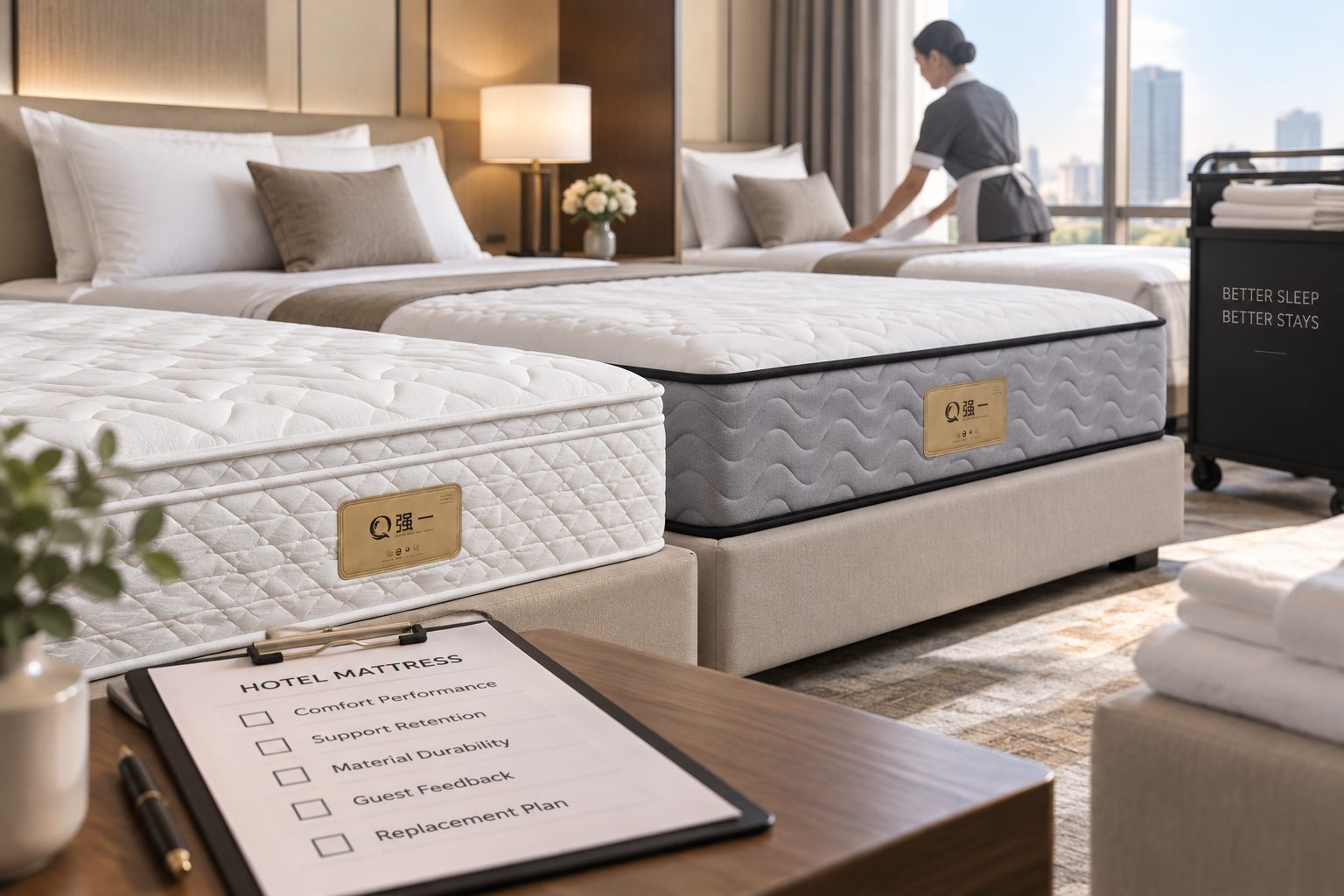
A hotel rarely discovers that its mattresses need replacing all at once. The problem usually arrives in fragments.
Housekeeping notices that several edges feel softer. A room inspector finds a permanent dip. Guests begin mentioning noise or uneven support in one part of the property. None of these signs looks dramatic by itself, but together they can mark the start of a replacement cycle.
For that reason, hotel mattress lifespan is more useful as an operating question than as a fixed number of years. The right time to replace a mattress depends on how heavily the room is used, how the mattress has changed, and whether it still matches the standard the hotel intended to provide.
What Makes One Hotel Mattress Wear Faster Than Another?
Two mattresses installed on the same day may not age in the same way.
Room type, occupancy, guest behavior, cleaning routines, and the construction itself can all change the rate of wear.
Room use creates uneven stress
A high-occupancy room obviously accumulates more use, but sleep time is only part of the load.
Guests sit on the edge while dressing, working, or checking a phone. Housekeeping repeatedly lifts corners and handles the mattress during bed making. Protectors and linens are removed and replaced again and again.
Those small actions concentrate stress around the perimeter and upper surface.
That is why edge condition, quilting, seams, and recovery can begin changing before the whole mattress looks worn.
Components do not age at the same speed
Foam may soften while the cover still looks clean. Quilting can flatten before the support core changes noticeably. In another room, the center may lose support even though there is little visible surface damage.
That makes a single visual inspection unreliable.
A better review separates appearance, comfort, support, edge behavior, and noise rather than placing everything under one “condition” score.
What Are the First Signs That Replacement May Be Needed?
Hotels do not need to wait for an obvious sag.
Earlier changes are often easier to catch when inspectors compare mattresses rather than judging each room in isolation.
Look for differences from the original condition
Check the middle of the bed and then the perimeter. Apply pressure and watch how the surface comes back. Turn or shift weight and listen for sounds that were not present before.
Permanent impressions are easy to spot, but they are not the only warning sign.
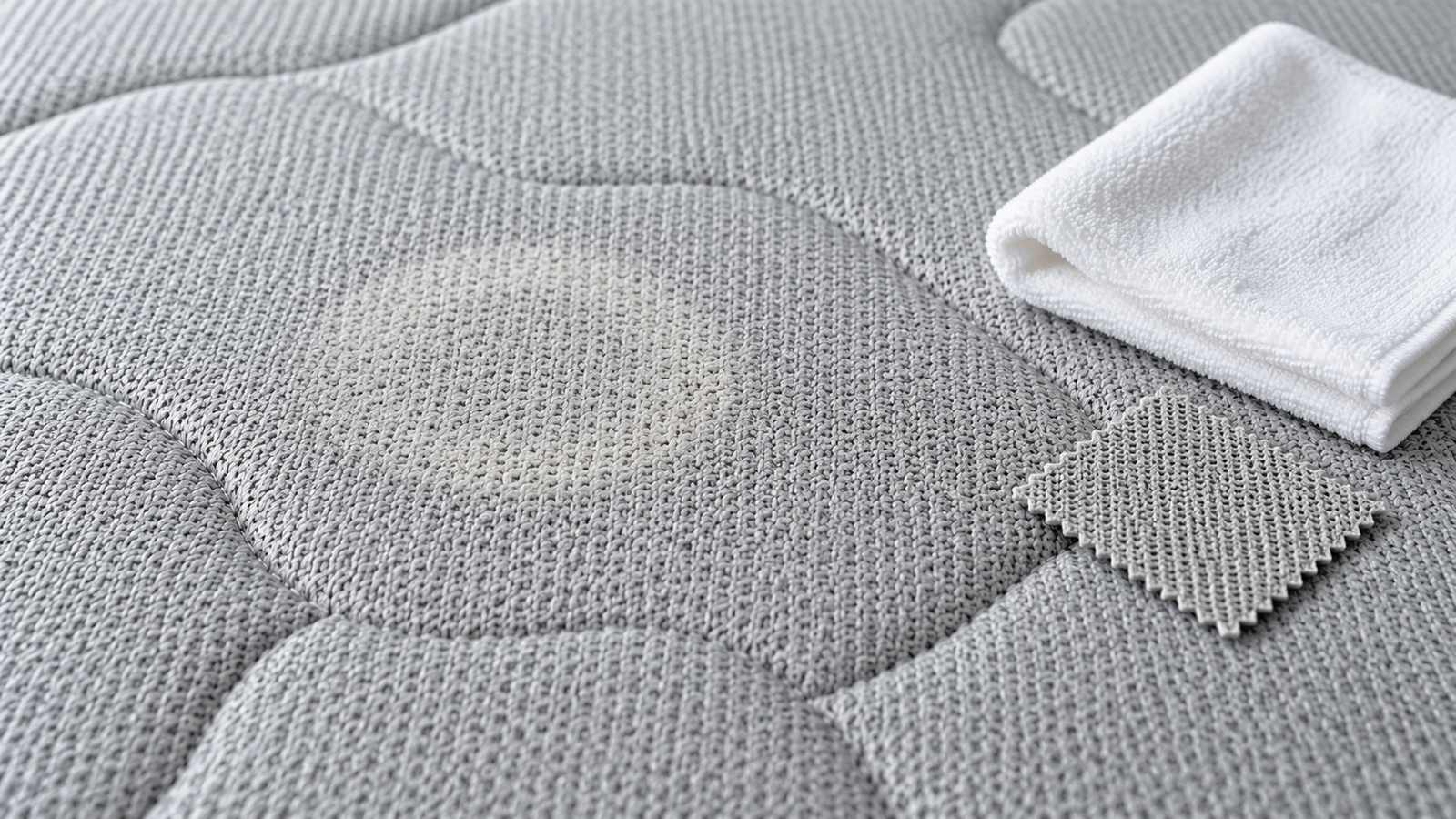
An edge that collapses more easily, uneven firmness from one side to the other, or slower recovery can matter even when the mattress still looks presentable.
Where possible, compare several rooms installed during the same period. A repeated issue across one floor tells a different story from a single damaged mattress.
Write down the reason for removal
Hotels often record a mattress as simply “replaced.”
That loses useful information.
Was the issue staining? Odor? A weak edge? Excessive softness? Noise? A renovation? Permanent indentation?
Those causes lead to different purchasing decisions later. If the same edge problem keeps appearing, stronger perimeter construction may deserve attention in the next specification. If the issue is mainly surface wear, redesigning the spring system will not solve it.
Even a short replacement note can become useful purchasing data.
How Can Hotels Build a Replacement Schedule Without Using Age Alone?
A calendar still has value. Finance teams need budgets, and operations teams need review dates.
The problem comes when the date becomes the only trigger.
Group rooms by how they are actually used
A property may have standard rooms, suites, family rooms, long-stay rooms, and heavily booked categories. Their mattresses do not necessarily experience the same workload.
Group rooms by installation period and use. Inspect a reasonable sample from each group, then increase the scope if the same problem appears repeatedly.
A basic record can include room number, installation date, mattress specification, last inspection, observed condition, and next review date.
That is enough to make the process more predictable without creating an overly complicated maintenance system.
Keep the original purchasing information
Several years after installation, the original model name may still exist while the materials behind it have changed.
Keep the layer specification, mattress dimensions, firmness reference, packing details, and approved sample when practical.
This becomes particularly important during partial replacement.
If only one floor receives new mattresses, the replacement should not feel noticeably different from the rooms that remain in service unless the hotel intentionally wants to change the standard.
What Should Procurement Recheck Before Placing a Replacement Order?
A reorder looks simple until someone discovers that a fabric has changed, a foam is no longer available, or the current version of the mattress is not identical to the old one.
Reconfirming the construction takes less time than solving a mismatch after delivery.
Do not rely on the old model name
Review the cover, comfort layers, support system, edge design, dimensions, finished height, packing, and labels.
If any original material is unavailable, ask what will replace it and whether the substitution changes feel, durability, appearance, or recovery after shipping.
This matters most when old and new mattresses will remain in service at the same time.
A small difference may be acceptable in a complete renovation and far more noticeable in a partial replacement.
Look at the cost of replacement as an operating cost
Unit price matters, but the cheapest mattress can still become an expensive replacement.
Think about receiving inspection, storage, room downtime, housekeeping handling, unpacking, and the possibility of another purchase if the new mattress fails to match the intended room standard.
The procurement decision is stronger when those costs are considered before the order, not after a problem appears on site.
How Can a Hotel Test a Replacement Mattress Before a Full Rollout?
Ordering hundreds of units before testing the final construction creates unnecessary risk.
A small room trial is much easier to change.
Use normal rooms under normal conditions
Install production-representative samples on the bed bases that will actually be used. Add the property’s normal protector, sheets, duvet, and other bedding rather than evaluating the mattress bare.
Choose rooms that represent typical operations.
Ask housekeeping whether lifting and bed making remain manageable. Check whether the dimensions fit correctly. Review edge feel, noise, surface recovery, and general comfort after the mattress has spent time in service.
The trial does not need to become a formal laboratory project. Its purpose is to catch obvious mismatches before the large order is released.
Set the rules for the next reorder now
A replacement program should make the next replacement easier.
Record the approved construction, packing, labels, inspection method, permitted substitutions, and who can approve a material change.
Future teams should not have to reconstruct the original decision from email threads and product photographs.
The more clearly this is handled during the first replacement cycle, the less uncertainty there is when another group of rooms needs attention.
Need Support Planning a More Consistent Hotel Mattress Replacement Program?
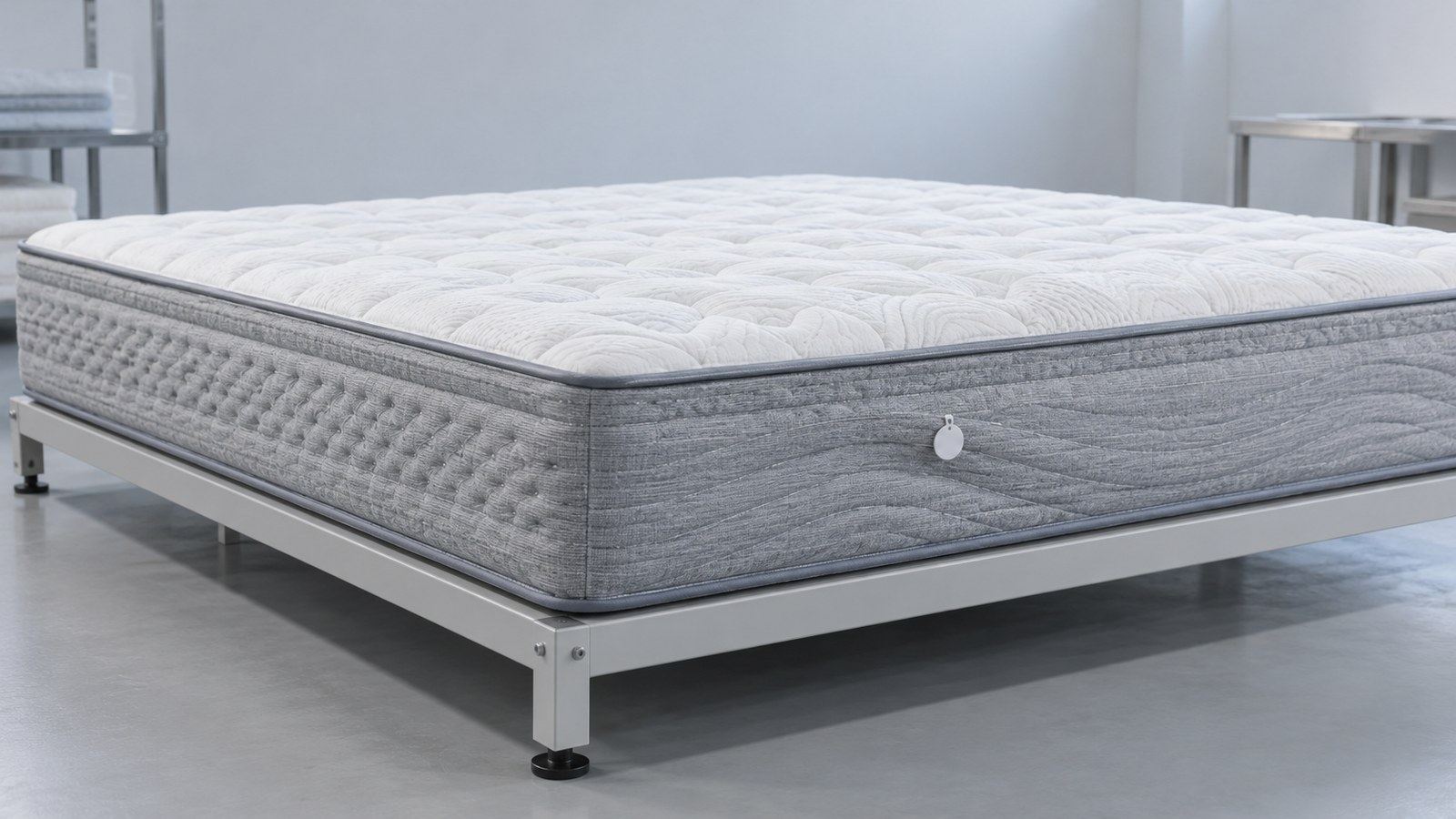
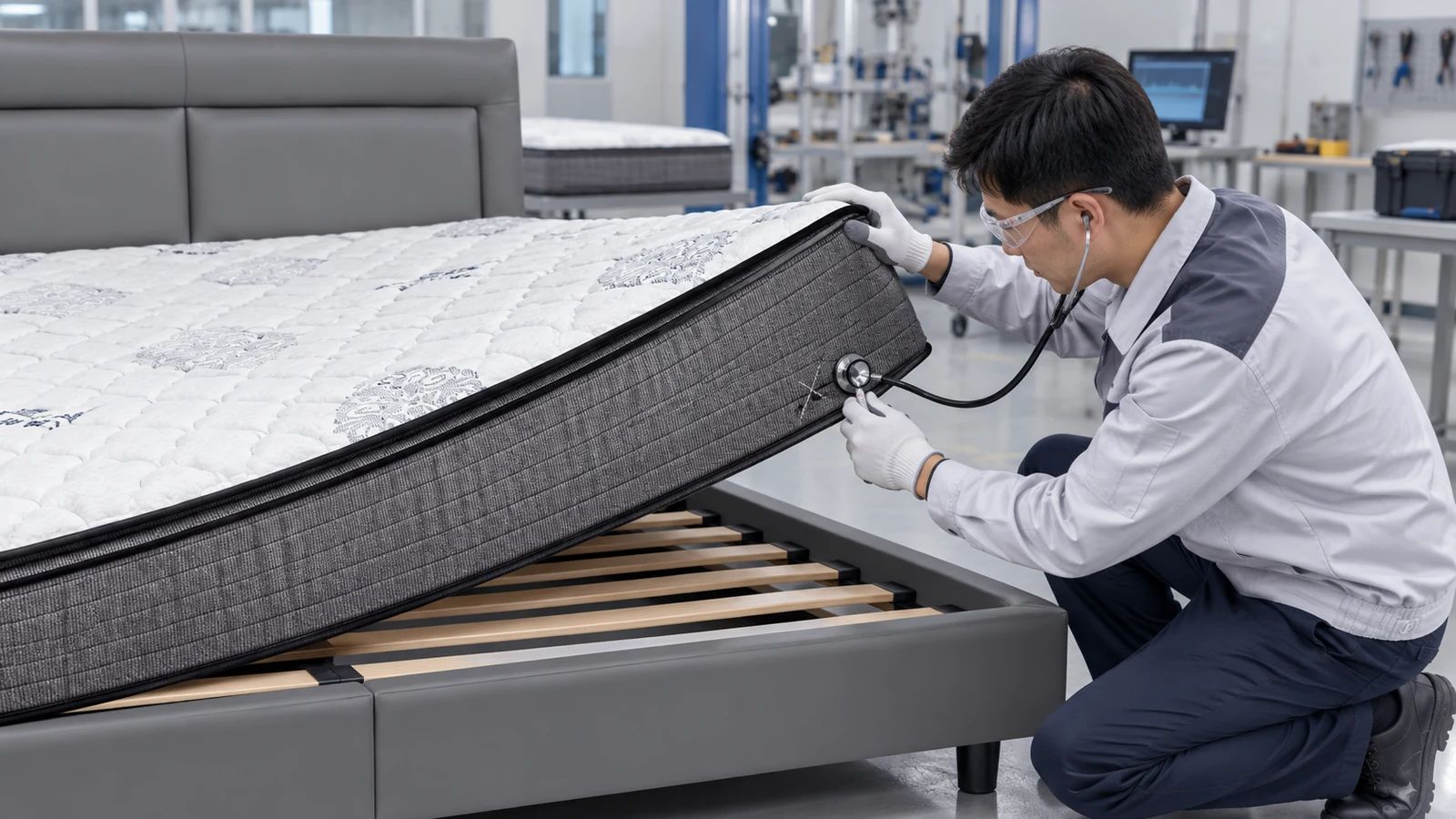
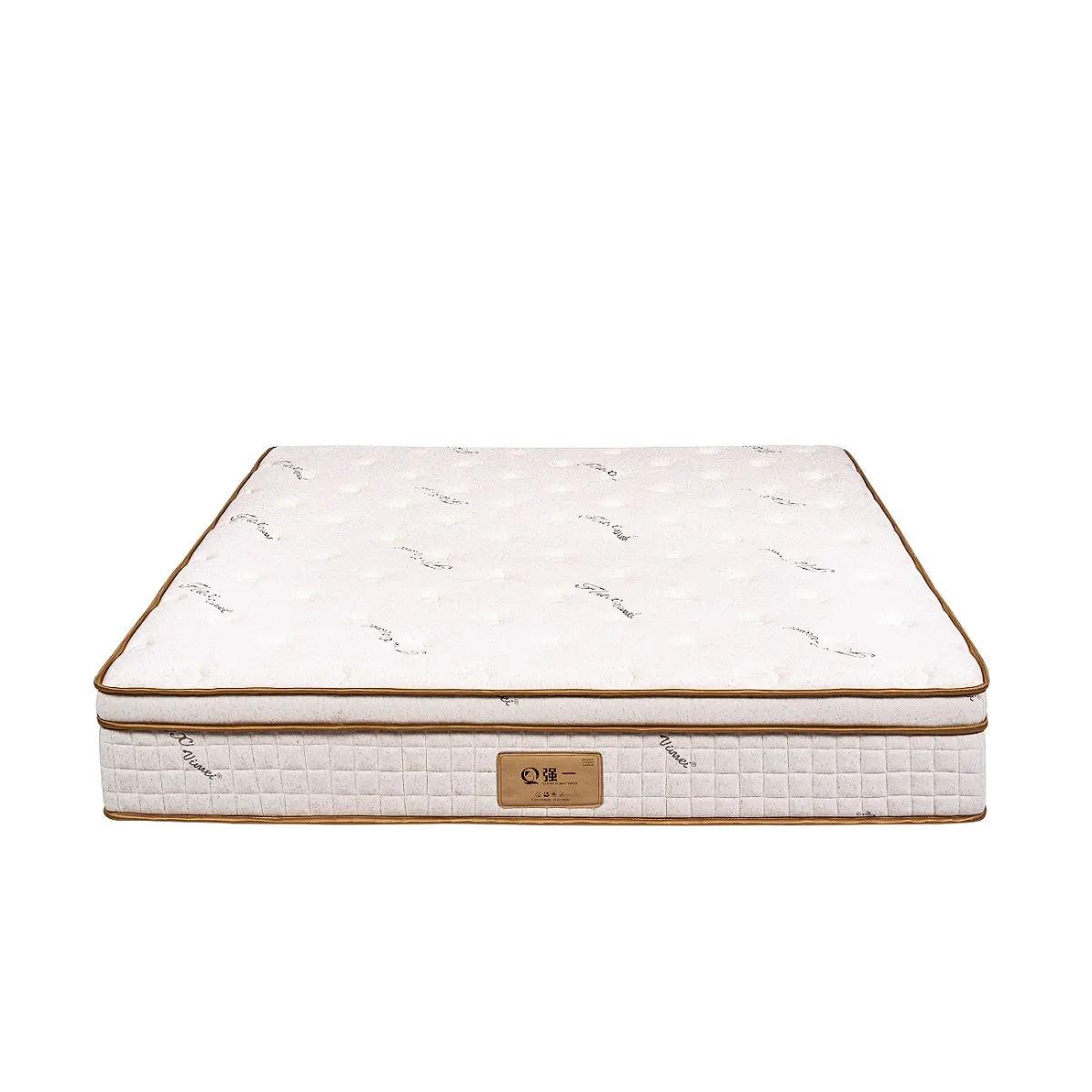
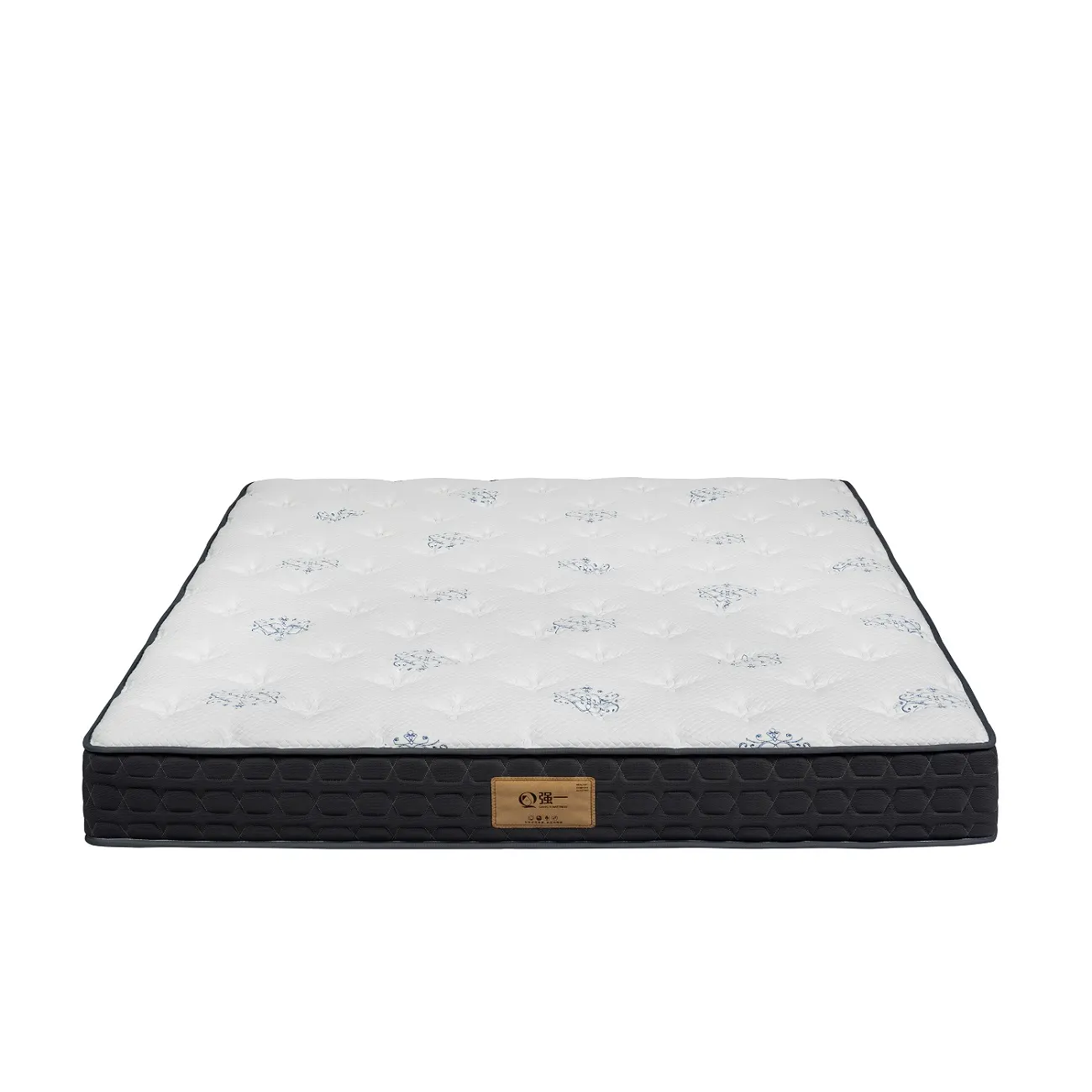
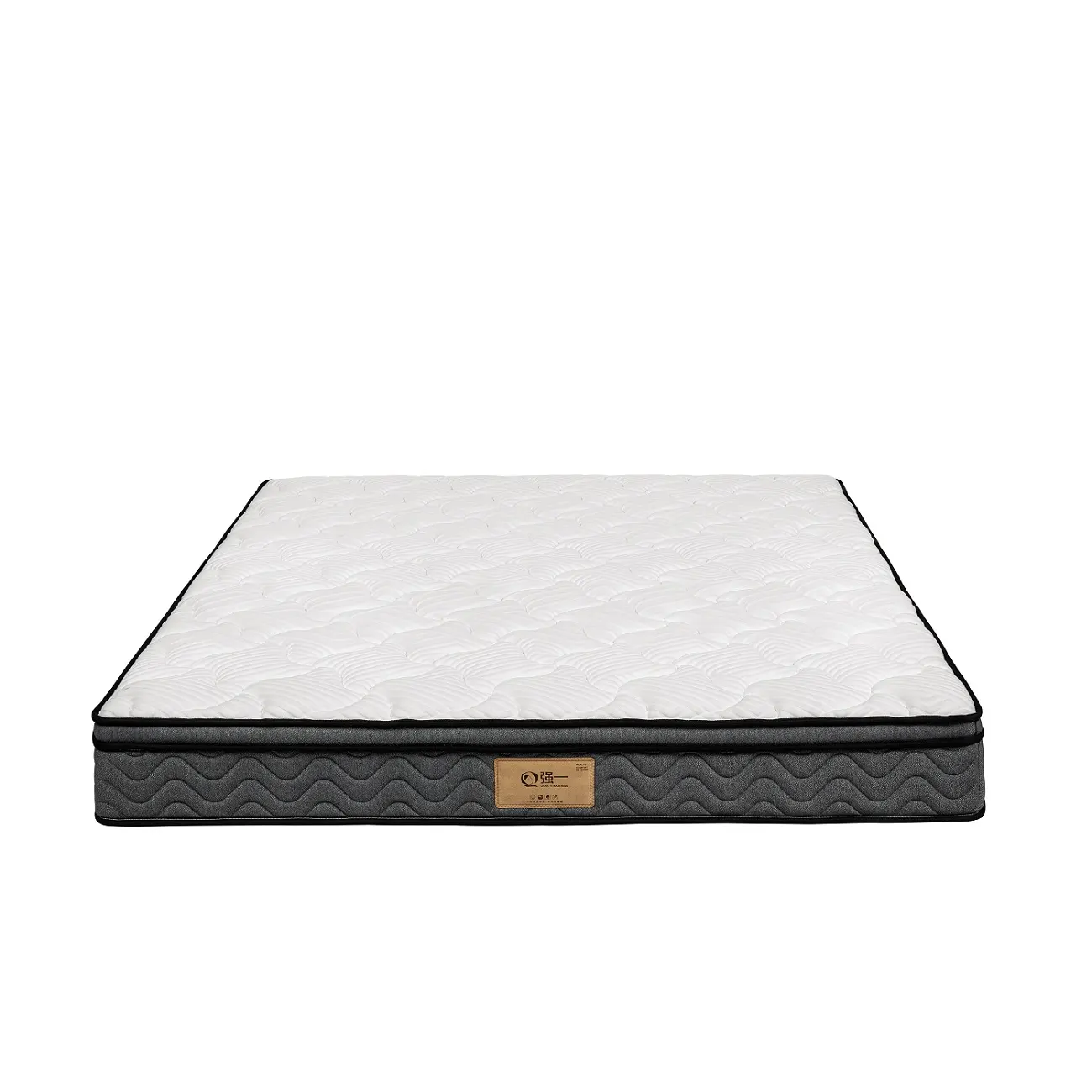
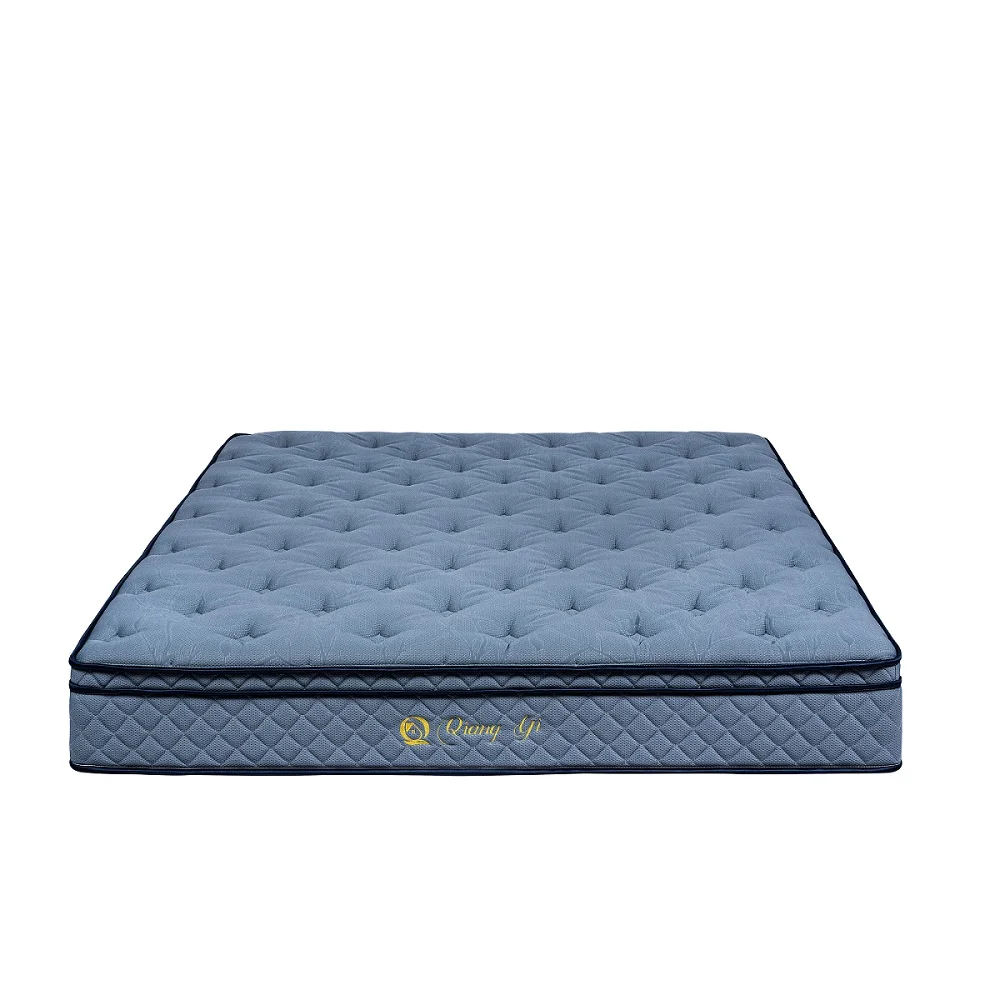
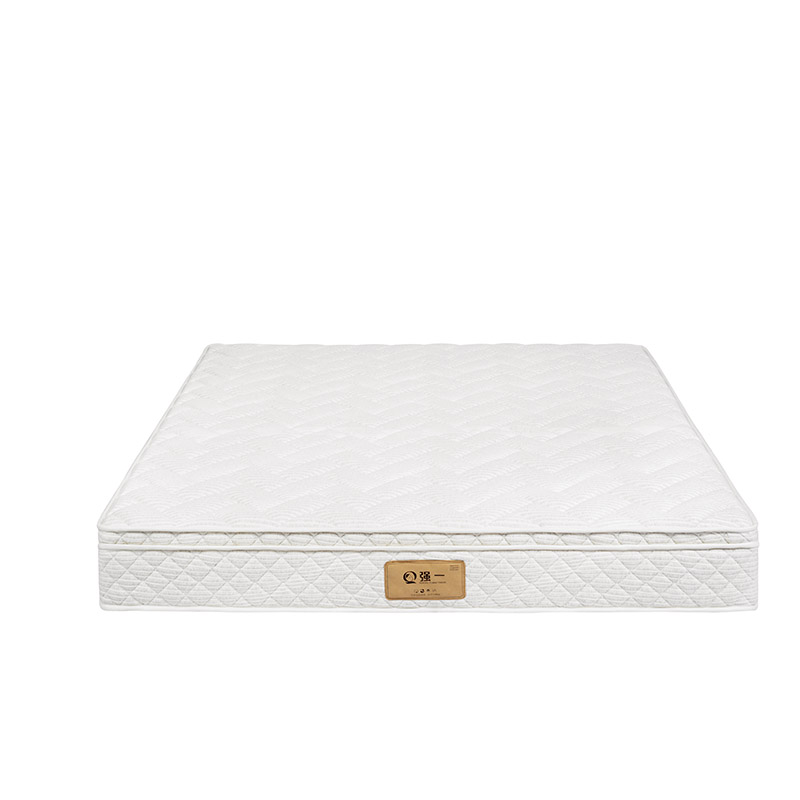
Guangdong Qiangyi Intelligent Manufacturing Technology Co., Ltd. works with hospitality buyers that need mattress specifications to remain repeatable across initial installations and later replacements. Buyers can review the hotel mattress range and use OEM manufacturing or ODM development where dimensions, materials, firmness, branding, or packing need to be defined for a project. The documented quality assurance process includes checks related to springs, foam hardness, mattress firmness, edge compression, and packaging. For hotel replacements, these capabilities are most useful when procurement already has a clear room standard and inspection criteria to work from.
Conclusion
Hotel mattress lifespan is not simply the time between installation and disposal. A better replacement decision comes from watching how the mattress changes in actual rooms. Occupancy, edge wear, recovery, support, housekeeping, and repeat-order consistency all matter. By grouping rooms, recording why mattresses are removed, keeping the original specification, and testing replacement samples before a broad rollout, hotels can plan purchasing earlier and avoid turning ordinary wear into an urgent procurement problem.
FAQs
1. Should a hotel replace mattresses after a fixed number of years?
Not automatically. Age helps with budgeting, but room use, edge stability, permanent impressions, noise, recovery, hygiene condition, and changes from the approved comfort standard should also influence the replacement decision.
2. How often should hotel mattresses be inspected?
There is no single interval for every property. High-use rooms may need earlier review, while lower-use rooms can follow scheduled inspections unless guest complaints or recurring wear appear sooner.
3. What information should hotels keep for future replacement purchases?
Keep the mattress specification, dimensions, firmness reference, cover and quilting details, packing, installation date, inspection notes, and approved material changes. A retained physical sample can also help with later comparisons.
4. How can hotels distinguish surface wear from a structural mattress problem?
Inspect appearance and support separately. Stains or cover damage may be cosmetic, while weak edges, permanent impressions, uneven firmness, poor recovery, or new noise can indicate deeper changes in the mattress.
5. Why can a replacement batch feel different from the original hotel mattresses?
Materials, quilting tension, foam, springs, edge construction, layer thickness, or packing may have changed. Keeping a controlled specification and requiring approval for substitutions helps reduce unexpected differences between purchasing cycles.