


23rd September 2026
Where Does a Tencel Gel Memory Foam Mattress Fit in a Retail Product Line?
-
 author

Mattress ranges often become crowded gradually. A buyer adds a different cover, then another foam option, then a new spring model. Six months later, several mattresses occupy nearly the same price and comfort position.
That is when another SKU becomes difficult to justify.
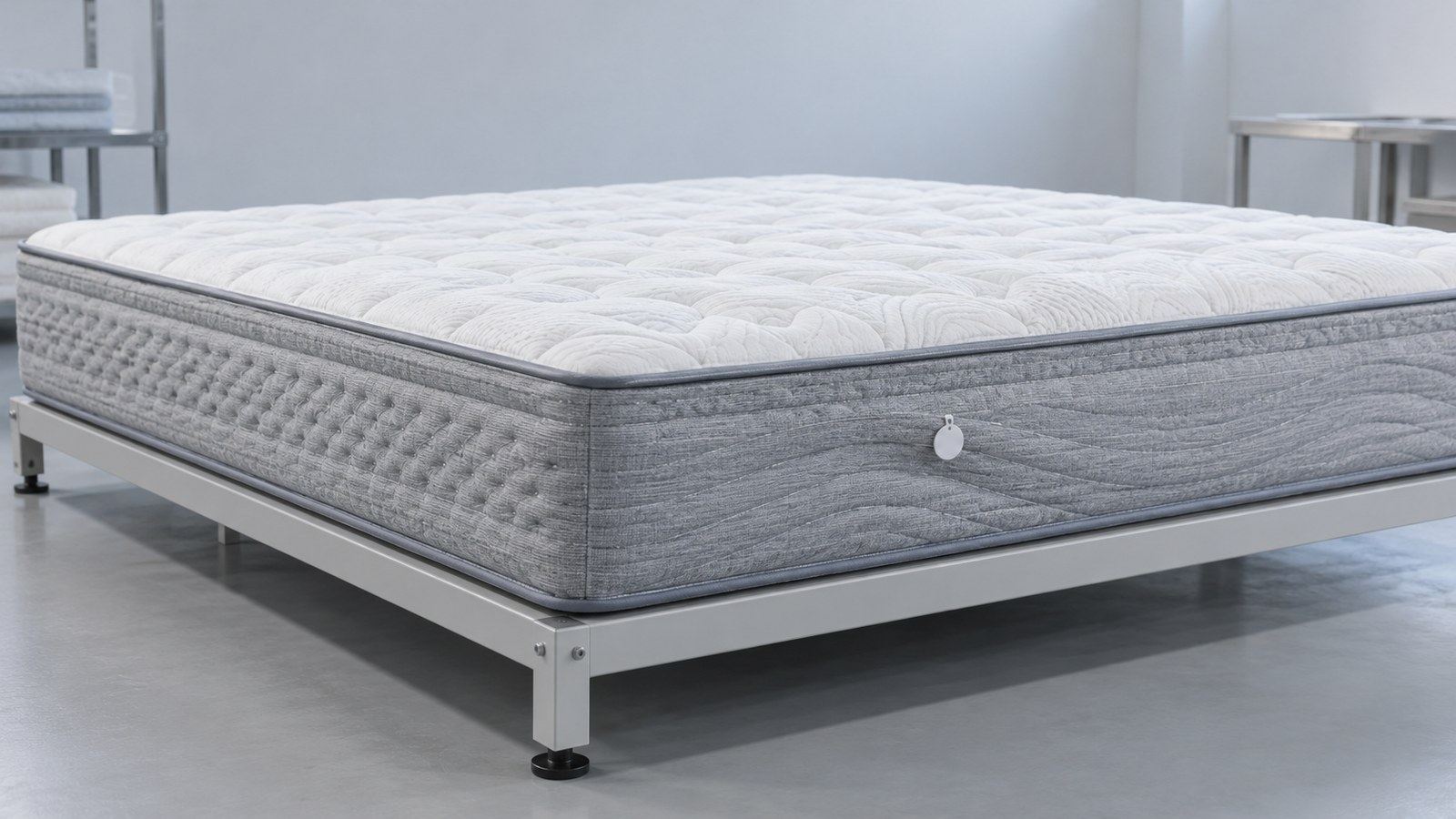
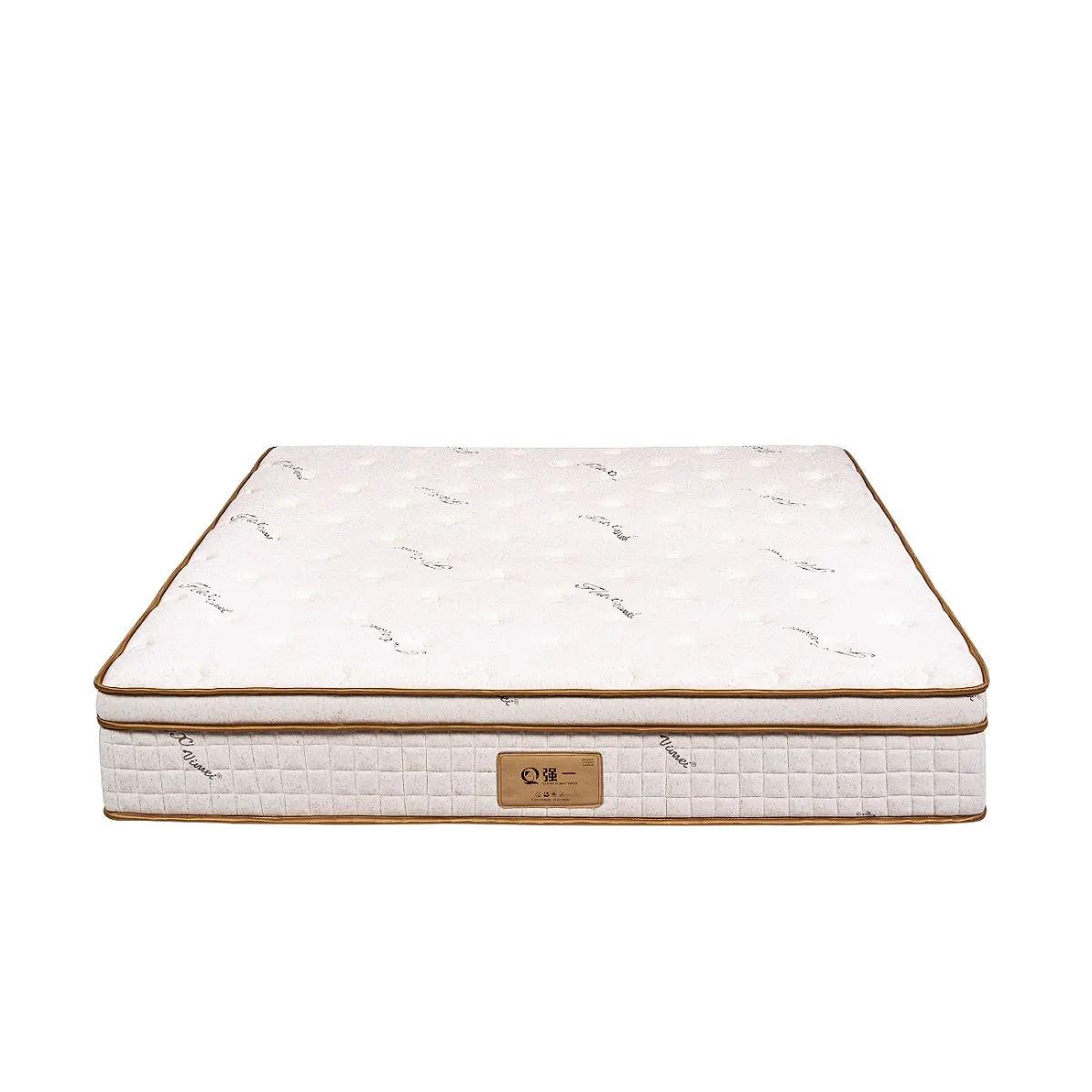
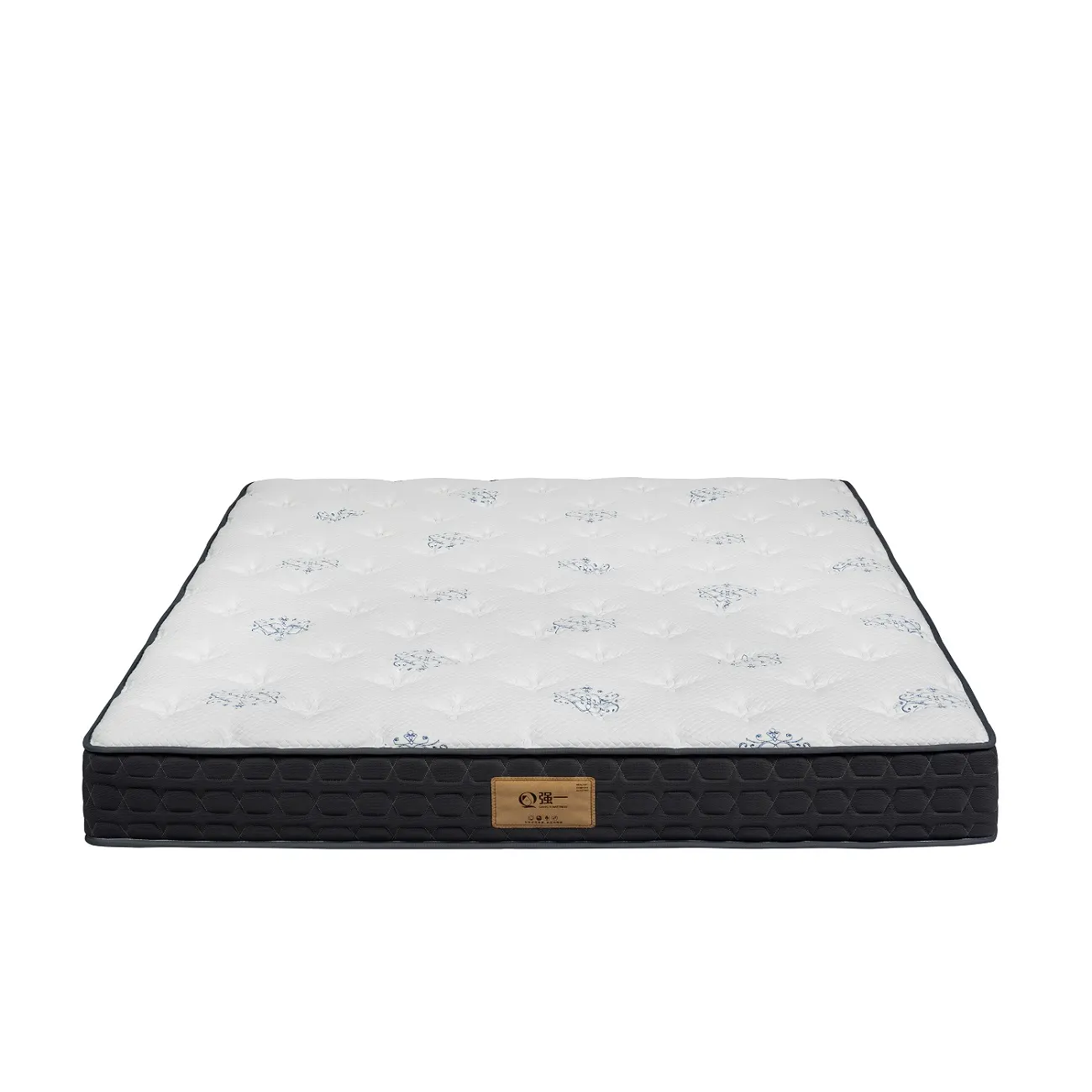
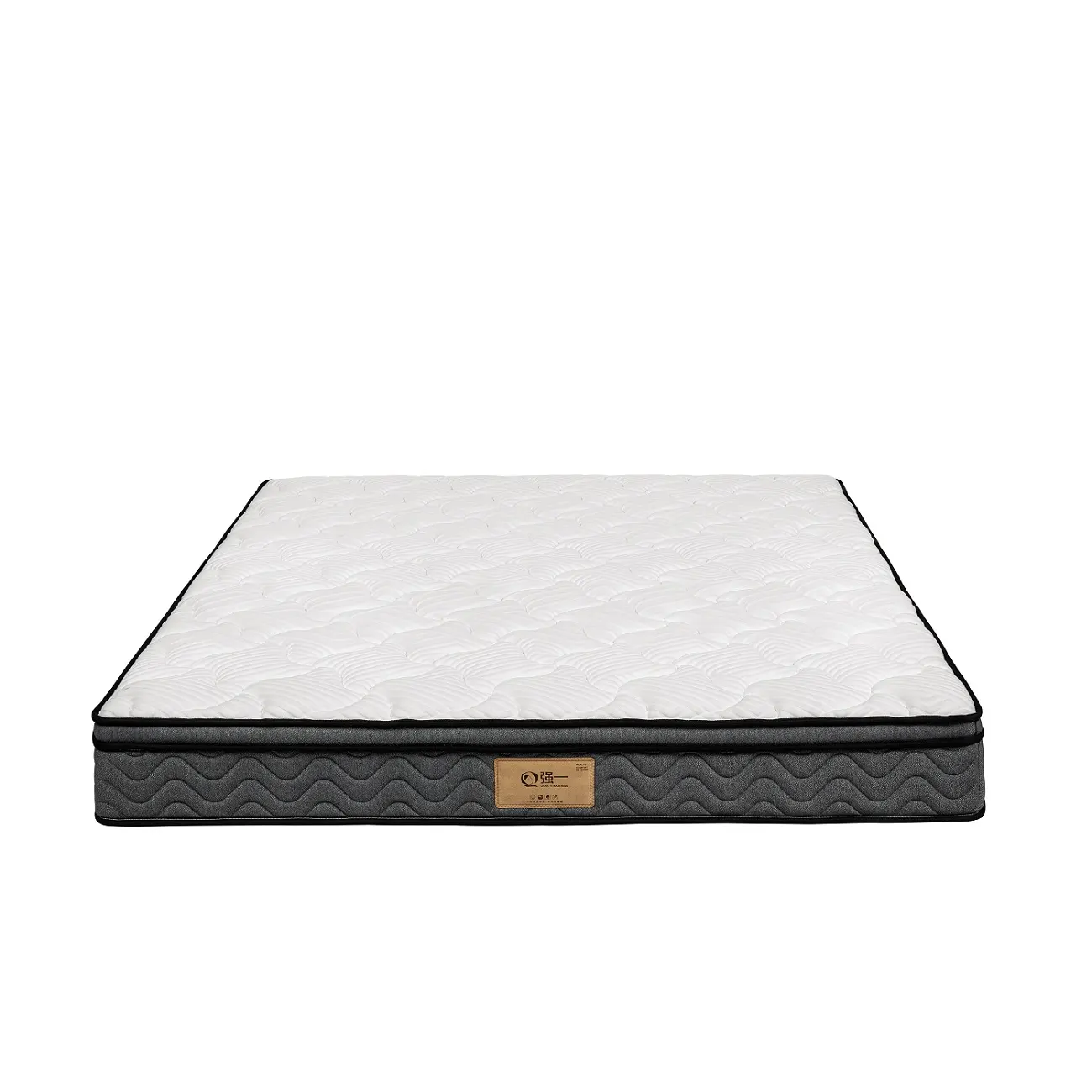
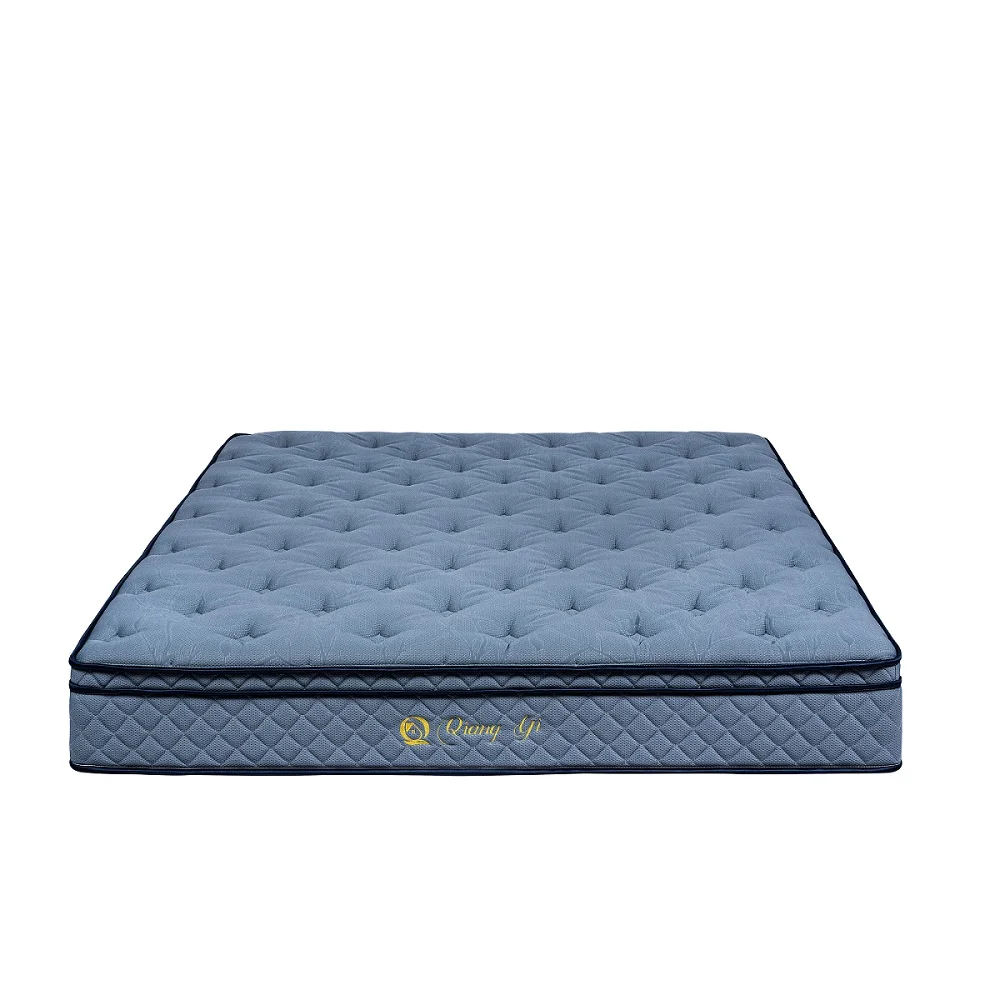
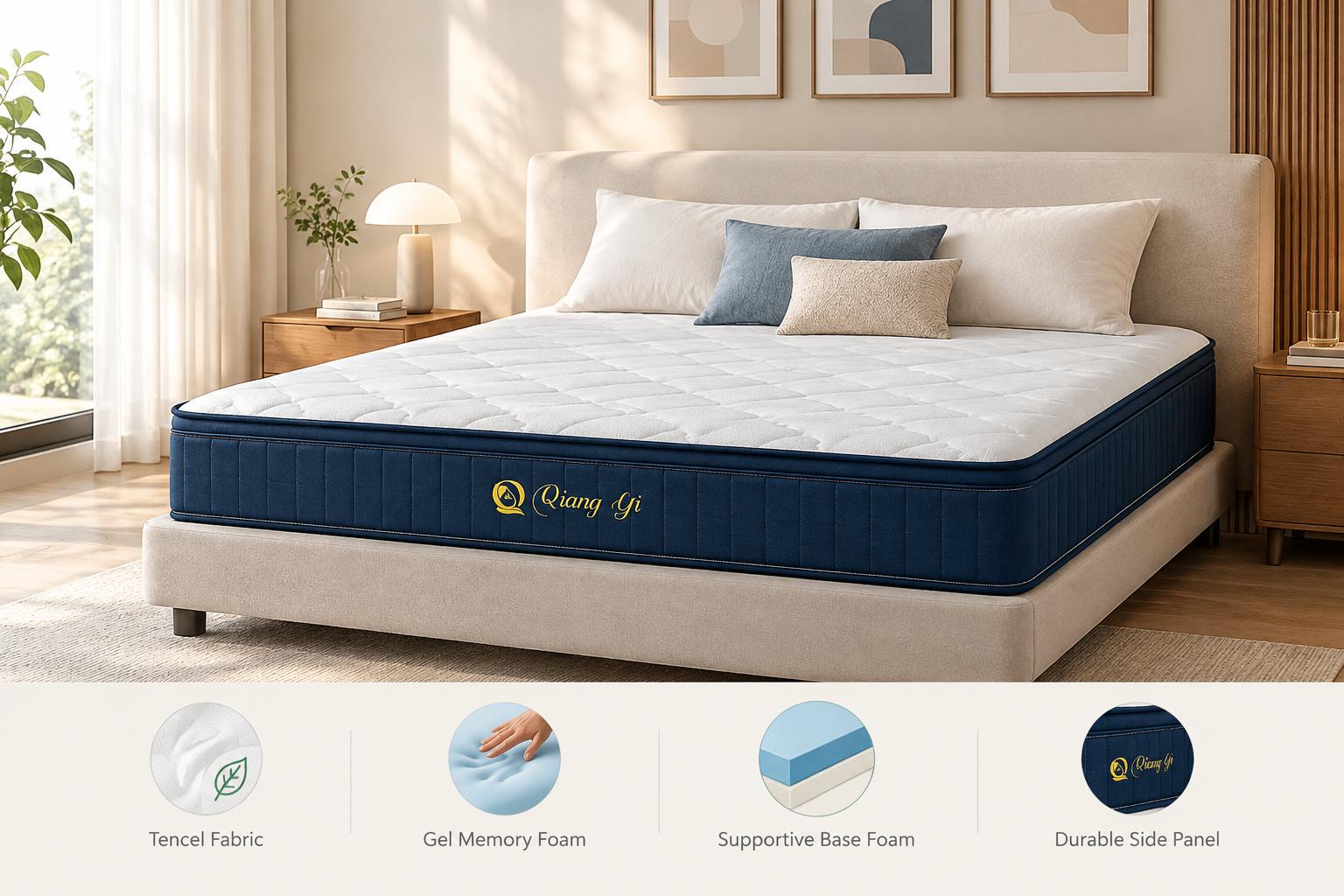
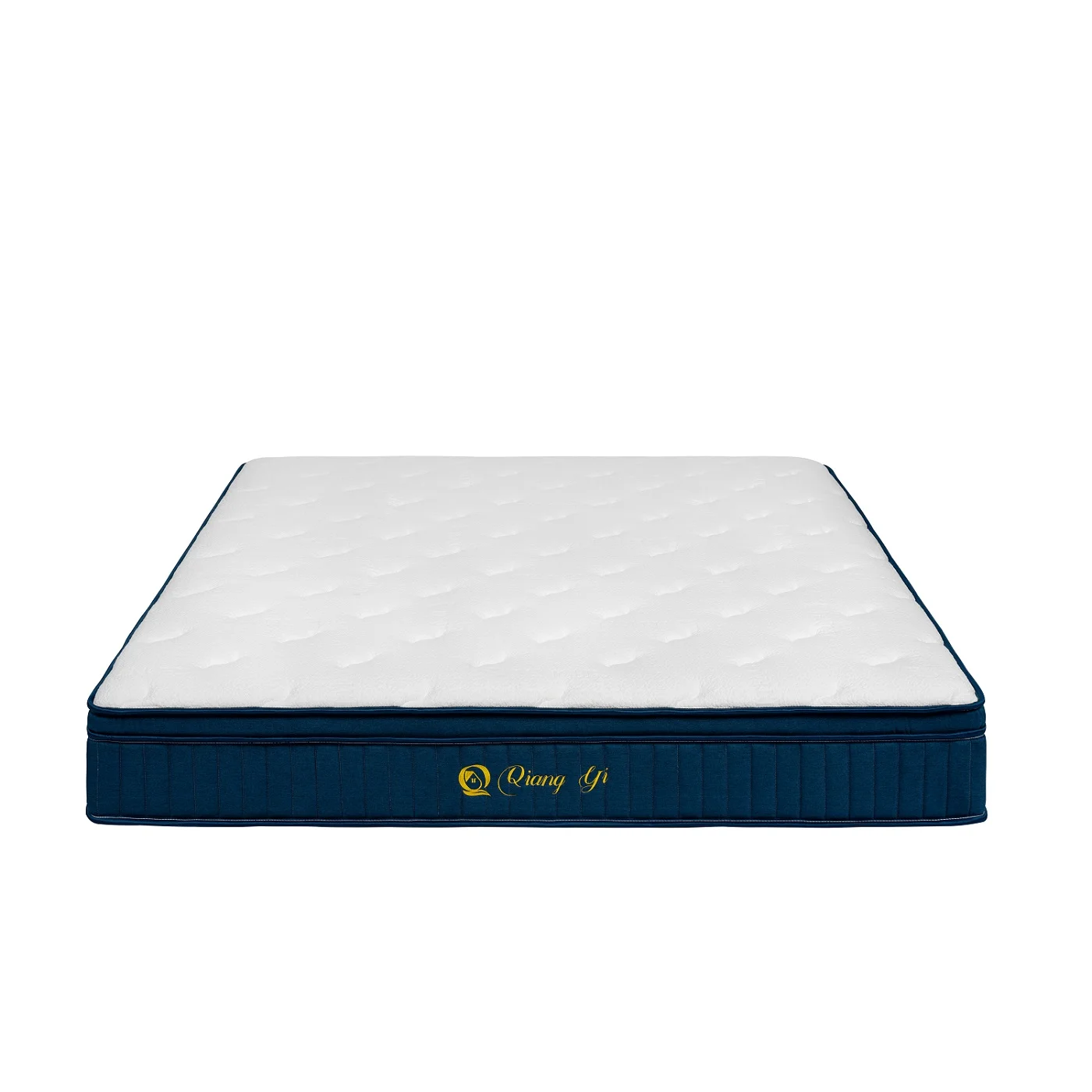
For retailers, wholesalers, importers, and private-label brands, the question is not whether Tencel or gel memory foam sounds attractive. It is whether the construction gives shoppers a choice they can actually recognize. QYM019 – Tencel Cooling Gel Memory Foam Mattress | Breathable Pocket Spring Support combines a Tencel knitted cover, 2 cm memory foam, 2 cm sheet cotton, 2 cm 3D cotton, non-woven cushioning, pocket springs, and a medium feel. Before adding it to a range, buyers need to know what job that combination will do.
What Gap Should This Mattress Fill in the Current Range?
Look at the current assortment before looking at another specification sheet. Put the main models in price order and note their firmness, height, comfort materials, and support systems. The missing positions usually become obvious.
Find the missing step in the range
Suppose an assortment already has a straightforward pocket spring mattress and a noticeably softer premium model. There may be room between them for something with more contouring than the first mattress but less sink than the second.
A medium Tencel-and-memory-foam construction can occupy that space.
That is a better reason to stock it than “we do not have a Tencel model yet.” Retail shelves need different choices, not simply different material names.
Put the candidate beside its real competitors
Do not review it in isolation.
Place it beside the two models a customer would probably compare at the same price level. Sit on the edge. Lie down. Turn over. Pay attention to the first surface feel and then the deeper response.
Ask a salesperson to explain the difference without reading the specification.
If that explanation takes several minutes, the distinction may be too weak.
Which Parts of the Construction Create a Noticeable Difference?
Once there is a commercial reason for the SKU, look at what actually produces that position. Here, no single component tells the whole story. The cover, cushioning, memory foam, and spring system all contribute.
Approve the Tencel cover on the finished bed
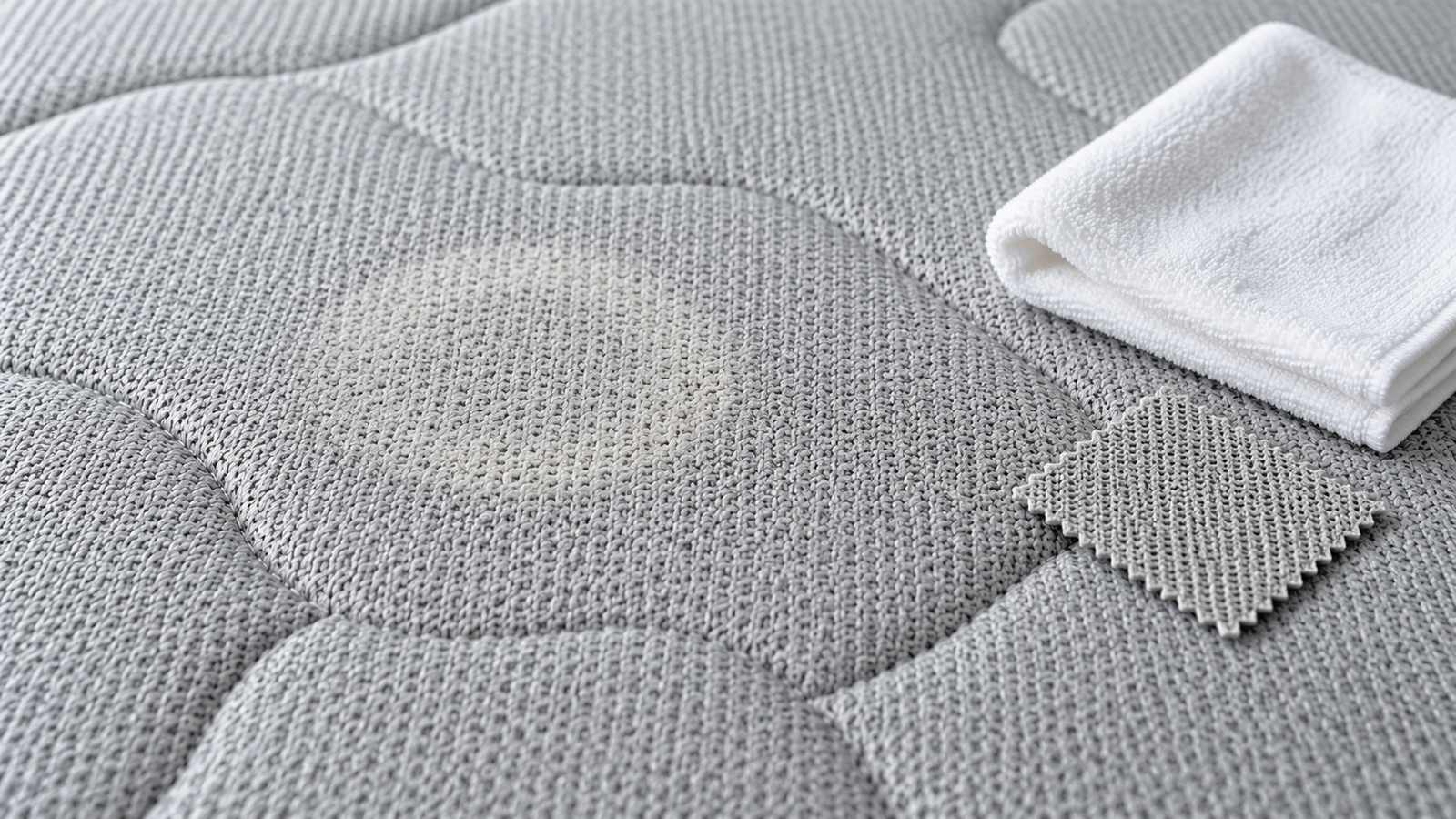
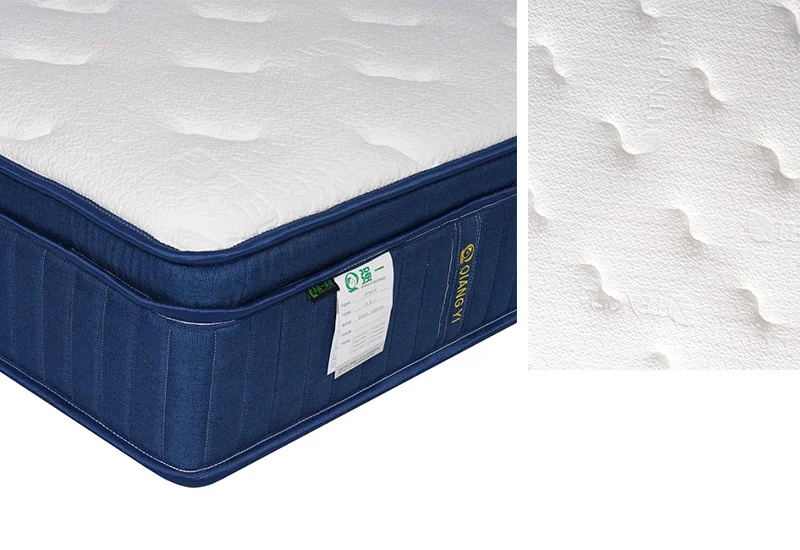
The specification uses Tencel knitted fabric, with softness, breathability, and moisture management forming part of the surface proposition.
A swatch is useful for checking appearance, but it does not show exactly how the finished mattress will feel.
Quilting tightens fabric. Stretch changes once the cover is assembled. That, in turn, affects how quickly the sleeper feels the foam underneath.
Approve the actual quilted surface, not only the fabric name.
Look at the comfort stack as a stack
Under the cover sit 2 cm memory foam, 2 cm sheet cotton, and 2 cm 3D cotton before the spring support.
The memory foam gives the surface a slower response. The other layers affect cushioning and the transition into the spring unit. Remove or replace one layer and the result may change even if the mattress keeps the same overall height.
The 3D foam mattress range is useful here because buyers can compare neighboring constructions instead of judging “memory foam” as an isolated feature.
How Can Retailers Avoid Adding Another Overlapping SKU?
Overlap often becomes obvious only after launch. Two beds attract the same customer, sit at nearly the same price, and require sales staff to explain small technical differences that shoppers barely notice.
It is easier to catch that problem before the purchase order.
Compare only the nearest models
There is little value in comparing the candidate with every mattress in the catalog.
Focus on the model directly below it and the one directly above it. Check surface feel, contouring, rebound, edge response, mattress height, materials, and likely selling price.
Then ask a simple question: if this new mattress disappeared, would the customer actually lose an option?
If not, the assortment may already cover that need.
Make sure the sales story survives the showroom
Customers rarely remember a long list of materials.
A useful description might be: a softer Tencel surface, more contouring than the basic spring model, medium firmness, and pocket spring support underneath.
That is short enough to use on the floor.
Buyers can also compare the proposed position with the full mattress collection before deciding whether another medium-feel model adds enough separation.
How Should Sales Teams Talk About Tencel and Gel Memory Foam?
Material claims become risky when the language goes further than the construction can support. Cooling is a good example. It is attractive in retail copy, but mattress temperature is not controlled by one foam layer.
Explain the contribution, not a guarantee
Tencel can be discussed through surface softness and moisture-management characteristics. Memory foam can be explained through contouring and slower rebound. Pocket springs provide a different type of response beneath the comfort stack.
Those points are specific enough to be useful.
Saying the mattress will keep every sleeper cool is harder to defend. Bedding, room temperature, quilting, body heat, and foam thickness can all change the result.
Give staff one sentence they can use
A salesperson could describe the model as combining a breathable Tencel surface, layered cushioning, memory foam contouring, and pocket spring support.
Then let the customer try it.
That tends to work better than turning a showroom conversation into a technical presentation or leaning too heavily on the word “cooling.”
What Must Stay Consistent After the Model Reaches Stores?
Once staff have learned the product and customers begin seeing it online and in stores, later production should not quietly drift away from the launch sample.
Retail consistency matters because the SKU has been given a specific role in the range.
Keep the sample as well as the paperwork
Record the cover, quilting, 2 cm memory foam, 2 cm sheet cotton, 2 cm 3D cotton, cushioning, spring unit, firmness, dimensions, and packing.
If possible, retain one approved mattress.
The specification is good at recording numbers and materials. The mattress itself records things that are awkward to put into a spreadsheet: hand feel, surface tension, rebound, and the difference between center and edge.
Decide what counts as a real change
A new carton print is unlikely to alter comfort. A different foam or spring unit can.
Cover fabric, quilting construction, and layer thickness can also move the product away from the position that justified carrying it in the first place.
Set the change rule before repeat orders begin. If a substitution may alter the feel, review another sample rather than assuming the updated version is equivalent.
Need Help Keeping a Retail Mattress Range Clearly Differentiated?
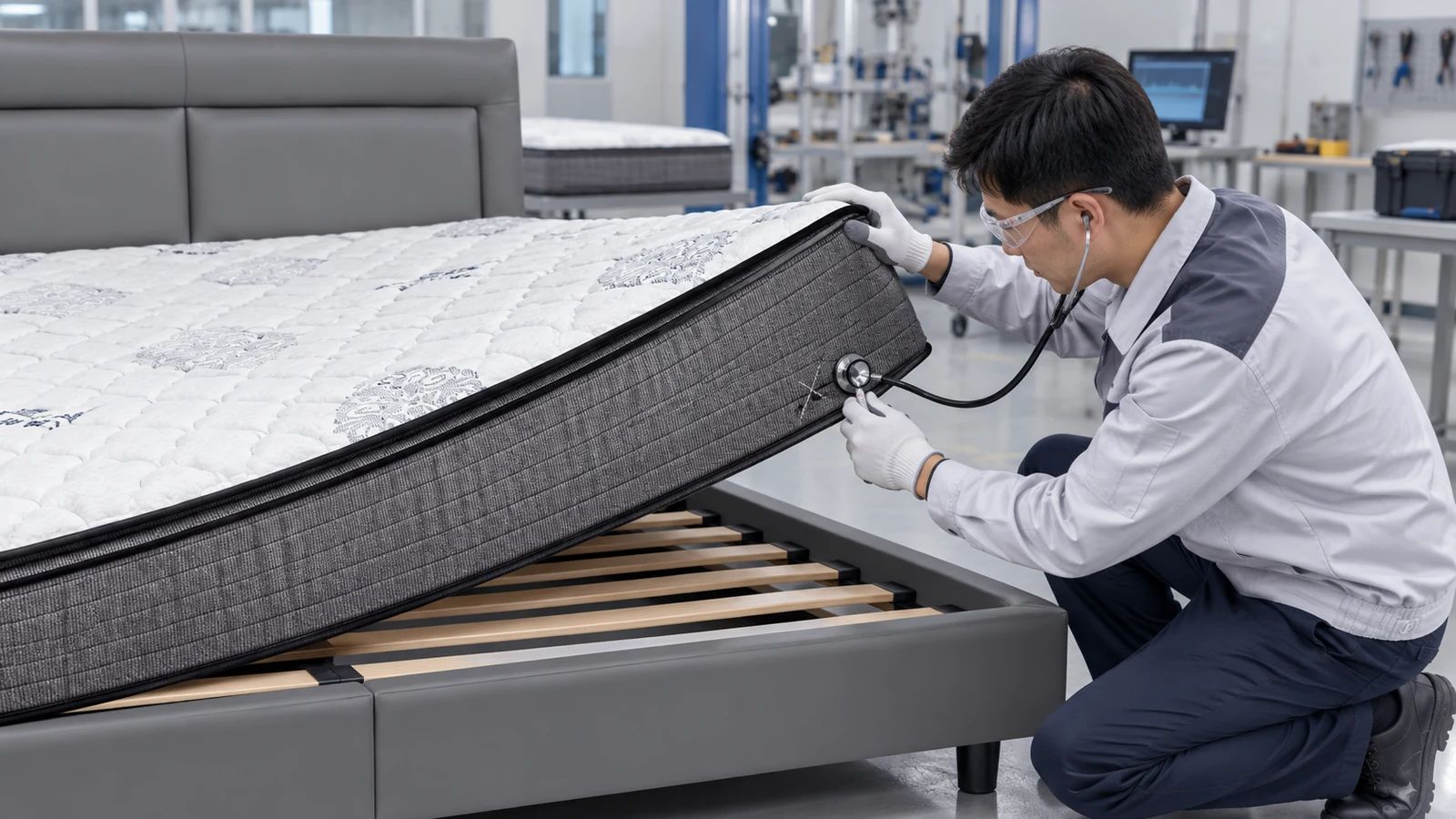
Guangdong Qiangyi Intelligent Manufacturing Technology Co., Ltd. works with retailers, importers, wholesalers, and private-label buyers developing mattresses for different comfort and price positions. Its OEM mattress service can follow an approved construction, while sampling and revision support changes to covers, dimensions, firmness, branding, or packaging. The company’s quality assurance process includes checks involving springs, foam hardness, mattress firmness, edge compression, and packaging. For a retail program, the useful part is keeping the approved construction stable enough that a model sold six months later still occupies the same position buyers originally planned for it.
Conclusion
A Tencel gel memory foam mattress belongs in a retail range when shoppers can understand why it is different. Tencel, memory foam, cushioning, medium firmness, and pocket springs need to create a recognizable position beside neighboring models. Buyers should test that difference on the showroom floor, keep sales language close to what customers can actually experience, and preserve the approved construction after launch. Otherwise, another SKU may simply add inventory without adding much choice.
FAQs
1. Where should a Tencel gel memory foam mattress sit in a retail range?
It can sit between a basic spring mattress and a softer premium option when the range needs medium firmness, added contouring, a breathable surface, and pocket spring response without becoming an all-foam model.
2. Is Tencel fabric enough to justify another mattress SKU?
Usually not. Buyers should compare the complete feel, comfort layers, support system, height, price, and target customer. The new model needs a difference shoppers can notice, not merely another fabric name.
3. How can retailers tell whether two medium-firm mattresses overlap too much?
Put them next to each other and compare surface feel, rebound, contouring, edge response, materials, and price. If sales staff struggle to explain the difference quickly, the SKUs may overlap.
4. How should gel memory foam be explained without overstating cooling performance?
Describe its role in contouring and comfort. Discuss temperature management as part of the entire construction, including the cover, cushioning, internal airflow, bedding, room temperature, and other operating conditions.
5. Which details should stay fixed when the mattress is reordered?
Keep the approved cover, quilting, comfort stack, spring construction, firmness reference, dimensions, and packing controlled. Any structural change that may alter the established retail position should be reviewed again.