



30th September 2026
What Should Buyers Check Before Adding Antibacterial Features to a Mattress Line?
-
 author

When mattress brands develop a new product line, functional features such as antibacterial materials are often considered as a way to create a clearer market difference. However, adding a health-related feature is not simply a matter of placing a new material into the construction. Buyers need to understand how the feature works with the comfort system, whether the mattress still meets customer expectations, and whether the manufacturer can maintain the same product performance during repeated production. For OEM buyers, retailers, and hospitality projects, the more practical question is not whether a mattress has an antibacterial feature, but whether that feature creates real value within the complete mattress design.
Why Are Brands Adding Antibacterial Features to New Mattress Projects?
In many mattress development projects, brands are looking for ways to create products with a more specific market position. Some products focus on comfort, some focus on cooling performance, and some are developed around hygiene-related needs.
The challenge is deciding whether a functional feature supports the overall product concept.
Health-related features need to match the target market
Different markets have different expectations.
A retail brand may use functional features to create a stronger product story. A hotel buyer may pay more attention to hygiene, durability, and long-term guest experience. A distributor may need a product that stands out from similar models in the same price range.
Because of this, antibacterial performance should not be viewed separately from the product purpose.
Before adding a functional layer, buyers usually need to consider:
| Question | Why It Matters |
|---|---|
| Who will use the mattress? | Determines the product direction |
| Where will it be sold? | Affects feature priorities |
| What problem does the feature solve? | Avoids unnecessary additions |
| Can production maintain consistency? | Protects long-term product quality |
A functional feature becomes more valuable when it supports a clear customer need.
Functional materials should support the mattress instead of replacing comfort
A common mistake during mattress development is focusing too much on one selling point.
A mattress may have antibacterial materials, but customers still judge the complete product through sleeping experience.
Surface comfort, support, firmness, and durability remain important factors.
For brands, the goal is not creating a mattress with the most features. It is creating a product where every component has a clear purpose.
What Does a Copper-Ion Layer Need to Deliver in a Commercial Mattress?
When buyers evaluate functional mattress materials, they usually need to understand how the feature is integrated into the complete construction.
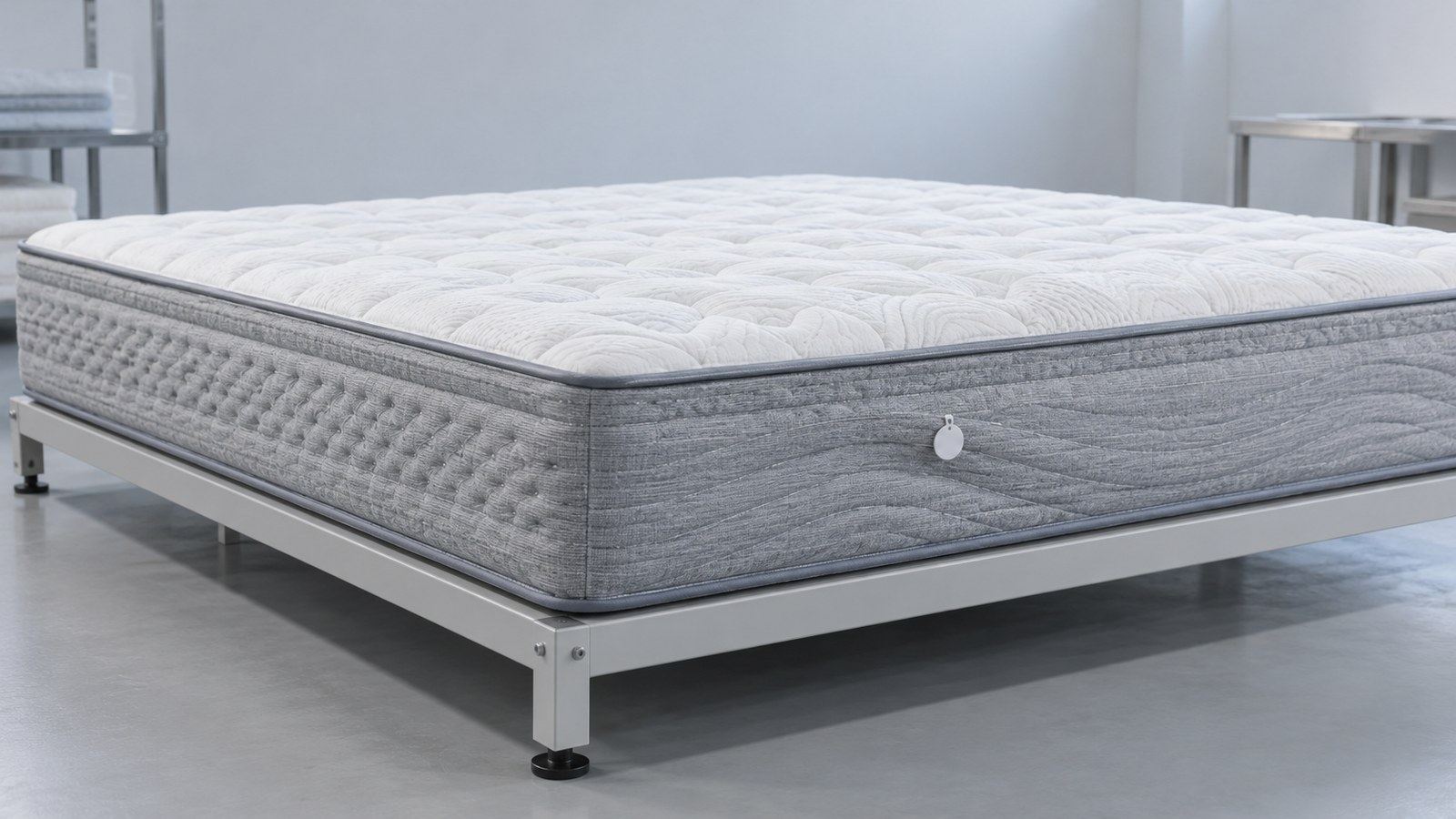
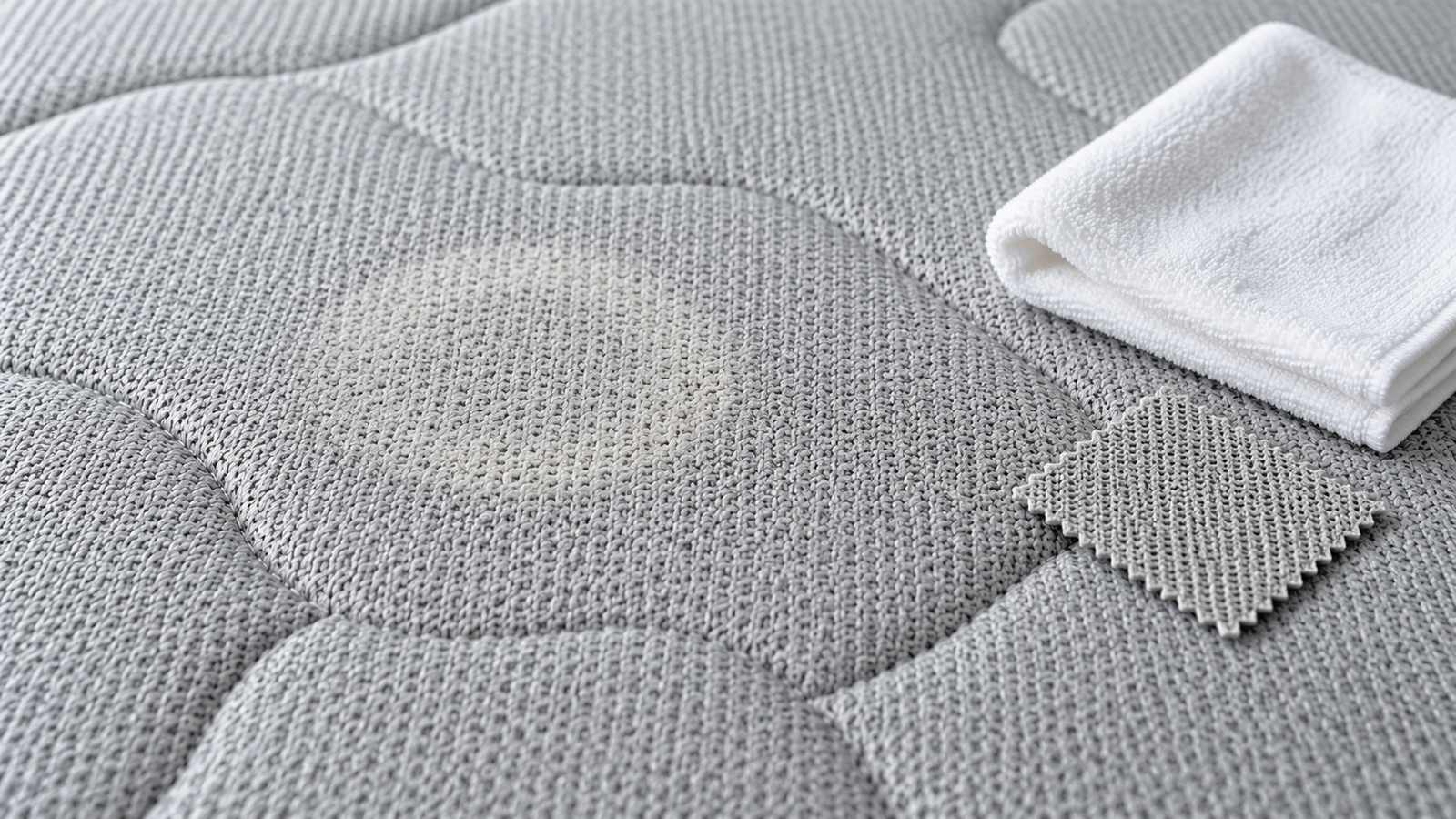
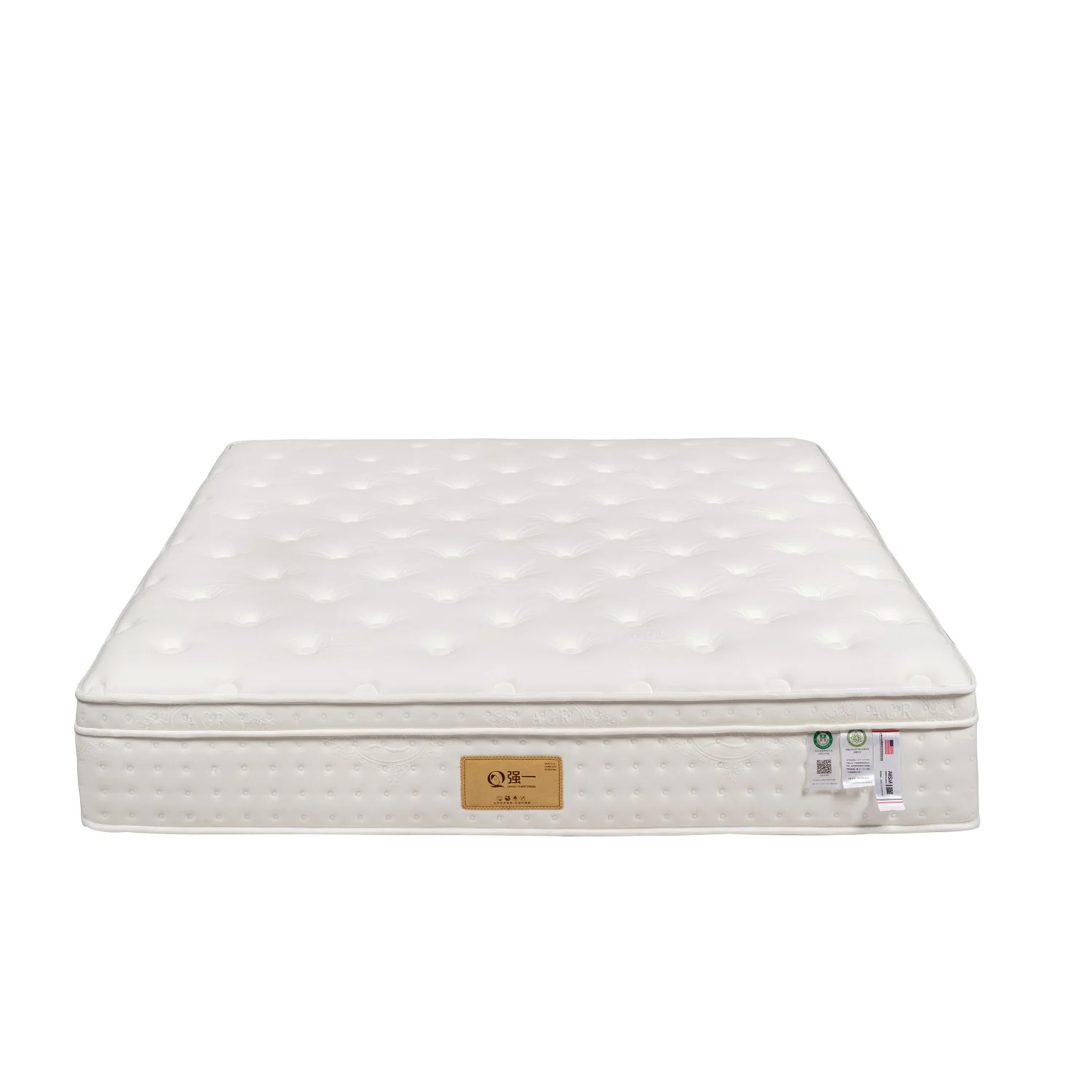
A copper-ion layer is not an independent product. Its value depends on how it works together with the fabric, comfort layers, and support system.
Material placement affects the overall product design
In a commercial mattress, each layer has a different role.
The upper fabric influences the first contact feeling. Comfort materials influence cushioning and pressure response. The spring system provides support and structural stability.
A functional layer needs to fit into this structure without negatively affecting other performance requirements.
During supplier discussions, buyers should ask:
- Where is the functional material located?
- What role does it play in the mattress construction?
- Does it affect thickness or comfort?
- How is the specification controlled during production?
These details help buyers understand whether the feature is part of a complete solution or only a marketing description.
The functional layer still needs to work with the comfort system
A mattress is experienced as one product, not as separate components.
For example, a mattress designed with a medium comfort level may need to balance surface cushioning with support from the internal structure. Adding a functional material should not create unnecessary changes to the intended sleeping feeling.
This is especially important for brands developing products for repeated commercial orders. A feature that performs well in one sample needs to remain compatible with the complete construction.
How Should Buyers Balance Functional Features and Sleeping Comfort?
Adding a health-related feature creates an opportunity for differentiation, but comfort remains the foundation of mattress selection.
Product positioning should come before feature selection
Before finalizing a functional mattress design, brands should understand what type of product they are creating.
A mattress for a broad retail market may need a balanced feel that suits different customers. A hospitality mattress may need reliable comfort across many rooms and different users.
The functional feature should strengthen this position rather than define the product alone.
Support structure still influences the customer experience
Even when two mattresses include similar functional materials, they may create different experiences because of their internal construction.
Factors such as:
- Pocket spring system
- Comfort layer arrangement
- Mattress firmness
- Surface fabric
- Overall thickness
all influence the final result.
This is why buyers should evaluate the finished mattress rather than comparing only individual materials.
Why Do Antibacterial Mattress Samples Need Careful Review Before Production?
The transition from sample development to mass production is where many mattress projects face challenges.
A product that looks suitable in the first sample still needs to prove that it can be manufactured consistently.
Sample approval should include the complete mattress experience
During sample review, buyers should evaluate more than the functional feature.
The review should include:
| Item | What Buyers Should Confirm |
|---|---|
| Comfort feeling | Whether the mattress matches the target market |
| Firmness | Whether it meets the approved standard |
| Layer structure | Whether construction matches the specification |
| Appearance | Whether finishing meets expectations |
| Dimensions | Whether production tolerance is acceptable |
A functional mattress should be approved as a complete product.
Production consistency is important for long-term orders
For brands and distributors, the first shipment is usually not the only consideration.
Future orders need to maintain the same:
- Material specifications
- Construction method
- Comfort level
- Product appearance
Clear production standards help reduce differences between samples and later shipments.
Building a Health-Focused Mattress Line Without Creating Product Overlap
Functional features can help brands expand their product range, but each model still needs a clear position.
A new mattress should have a clear reason to exist
Before launching another model, brands should compare it with existing products.
The comparison may include:
- Customer group
- Price level
- Main selling point
- Comfort experience
- Construction difference
If two models provide almost the same experience, adding another product may create more complexity instead of more value.
Functional features can strengthen a product story
A mattress with hygiene-related features, comfort improvements, and stable construction may appeal to specific markets.
However, the strongest product lines are usually built around clear customer needs rather than a collection of unrelated features.
Need Help Developing Functional Mattress Products for Different Markets?
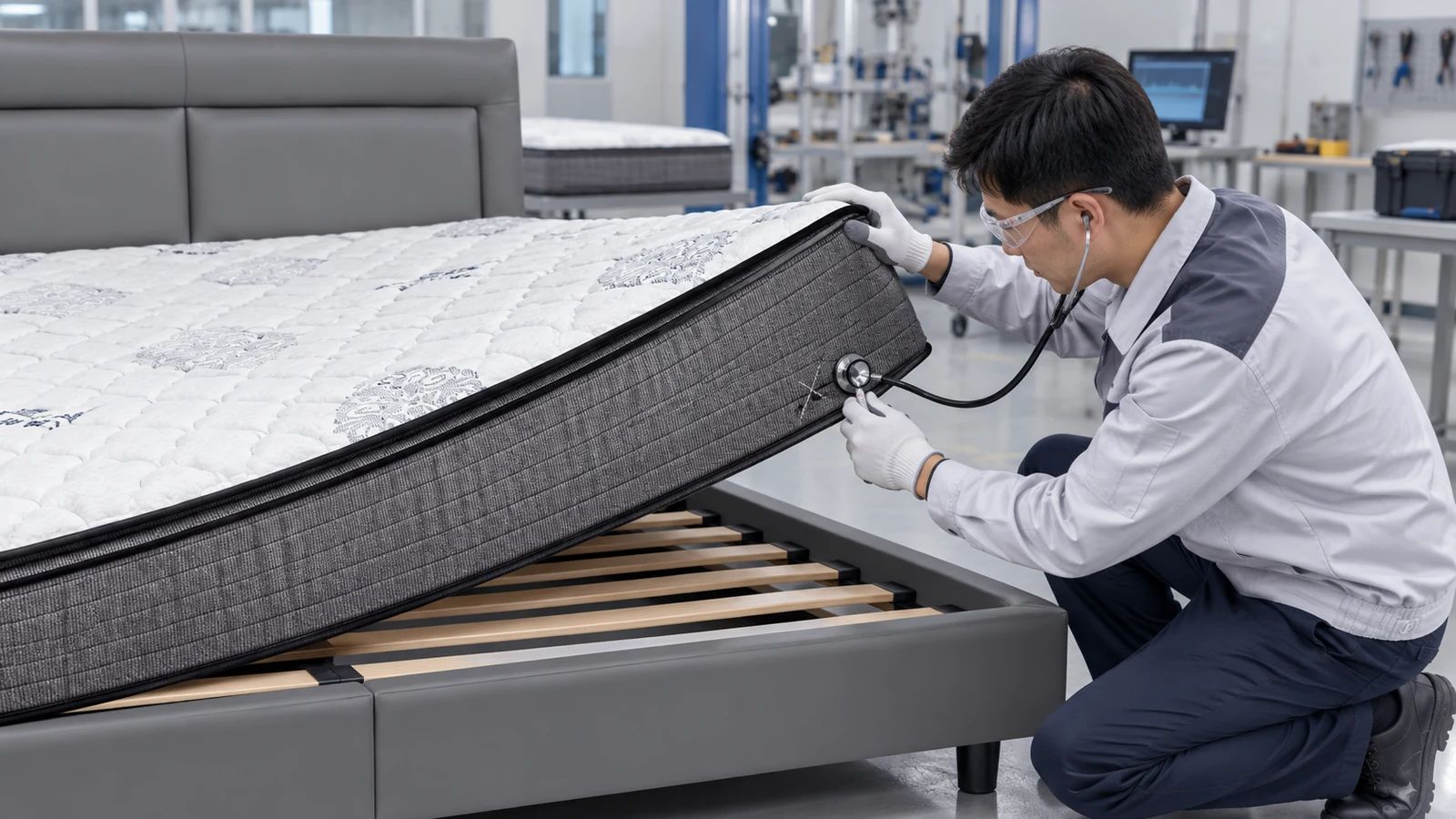
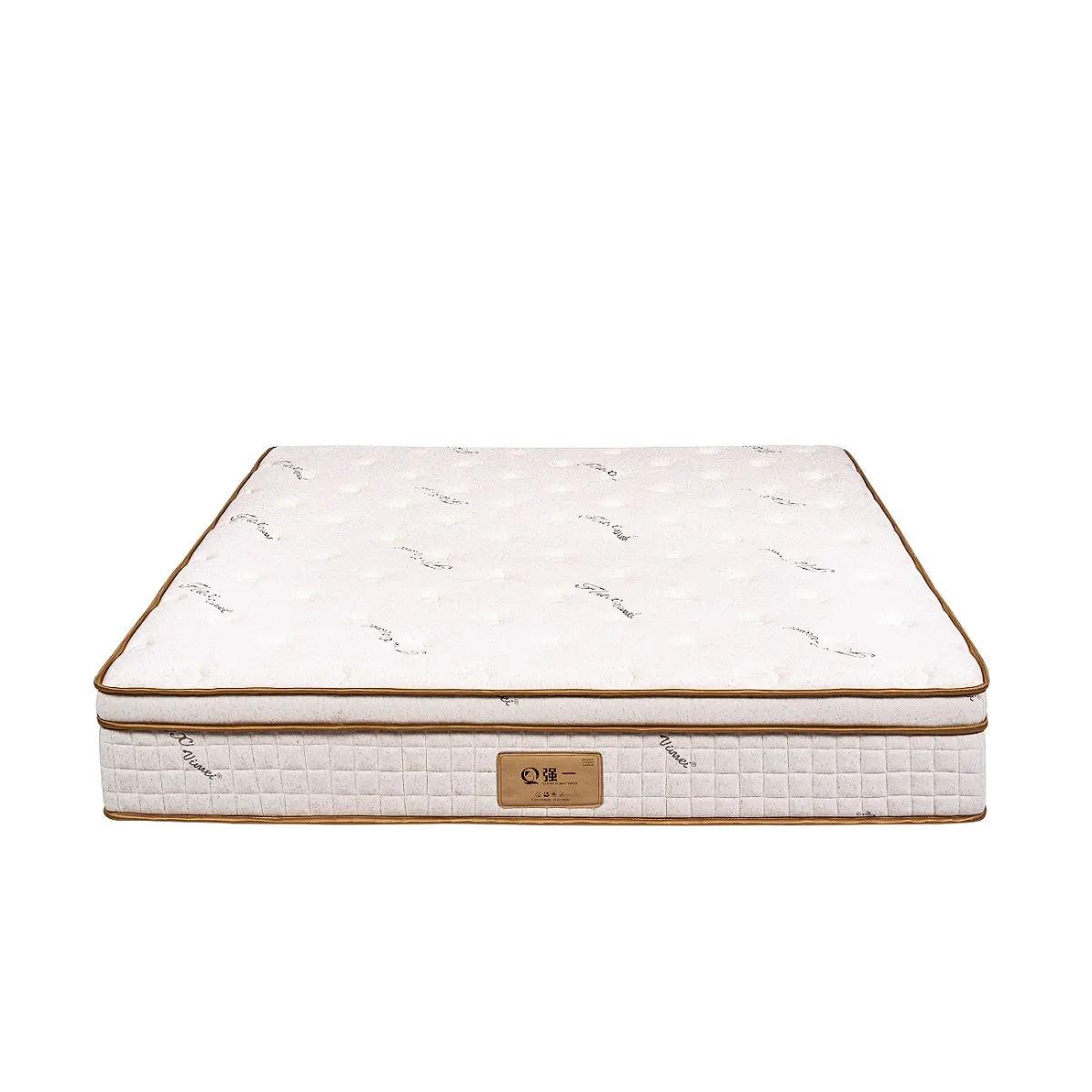
Guangdong Qiangyi Intelligent Manufacturing Technology Co., Ltd. works with mattress brands, distributors, retailers, and private-label buyers developing mattress products for different market requirements. Through its OEM mattress service, buyers can define mattress structures, materials, dimensions, branding, and packaging before production. The company provides different mattress solutions through its product range and supports production consistency through its quality assurance process, including checks related to materials, firmness, spring systems, edge compression, and packaging. For brands developing functional mattress products, the practical goal is creating a construction where additional features, sleeping comfort, and production stability work together.
Conclusion
Adding antibacterial features to a mattress line requires more than selecting a functional material. Buyers need to evaluate how the feature fits into the complete construction, whether it supports the intended market position, and whether production can maintain consistent results.
A well-developed functional mattress combines technical features with a reliable sleeping experience. When brands evaluate materials, structure, and manufacturing requirements together, they can create products that are easier to position in the market and easier to maintain through long-term production.
FAQs
1. Why are mattress brands adding antibacterial features to new products?
Brands may add antibacterial features to create product differentiation and respond to market interest in hygiene-related sleeping environments.
2. Does an antibacterial material determine the whole mattress performance?
No. The final mattress experience also depends on comfort layers, support structure, firmness, fabric, and manufacturing quality.
3. What should buyers check when evaluating a functional mattress?
Buyers should review the material structure, product purpose, comfort performance, production standards, and consistency requirements.
4. Why should functional mattresses be tested before bulk production?
Because the interaction between different mattress layers affects the final product experience. A sample helps buyers confirm the complete construction before large orders.
5. How can brands maintain consistency after approving a mattress sample?
Brands should keep clear specifications for materials, construction, dimensions, firmness, and inspection standards to guide future production.