


10th July 2026
How Mattress Materials Work Together: Why Fabric, Latex and Springs Matter as a System
-
 author

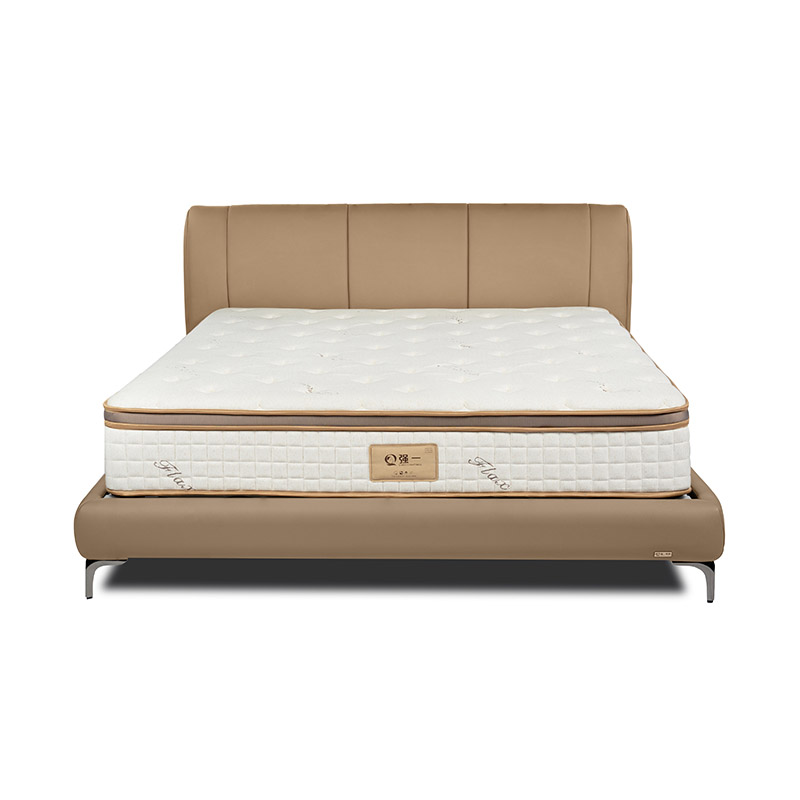
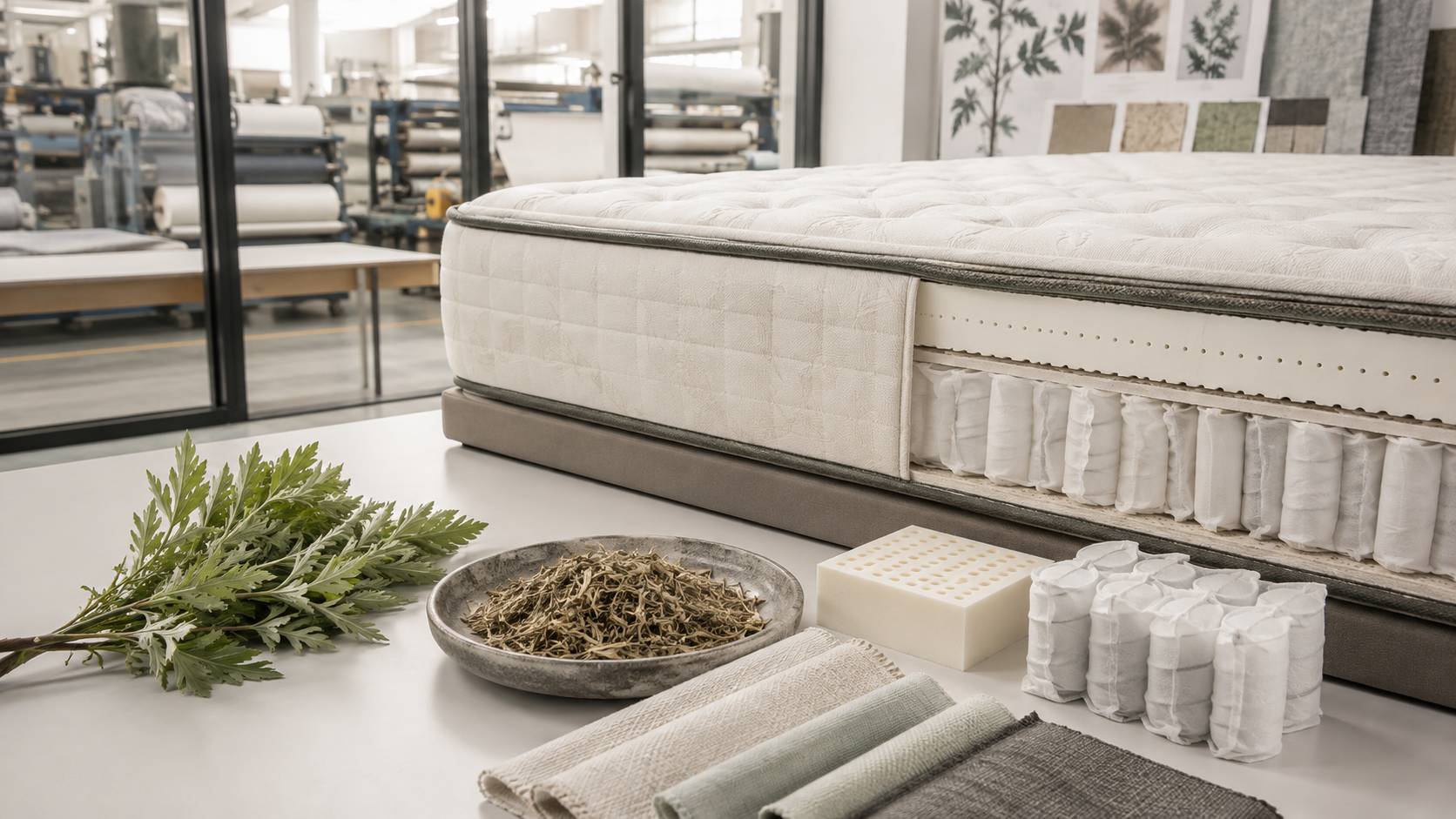
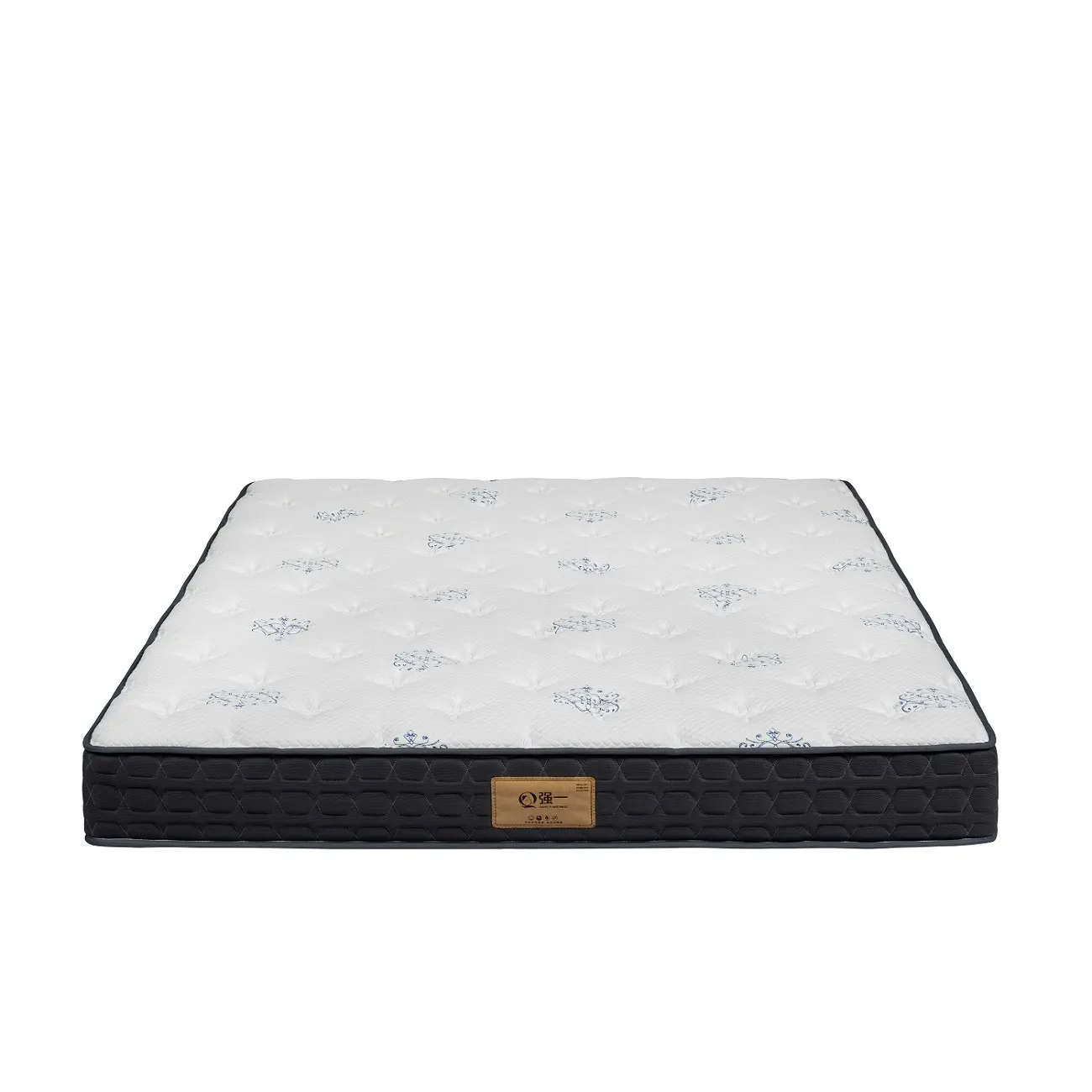
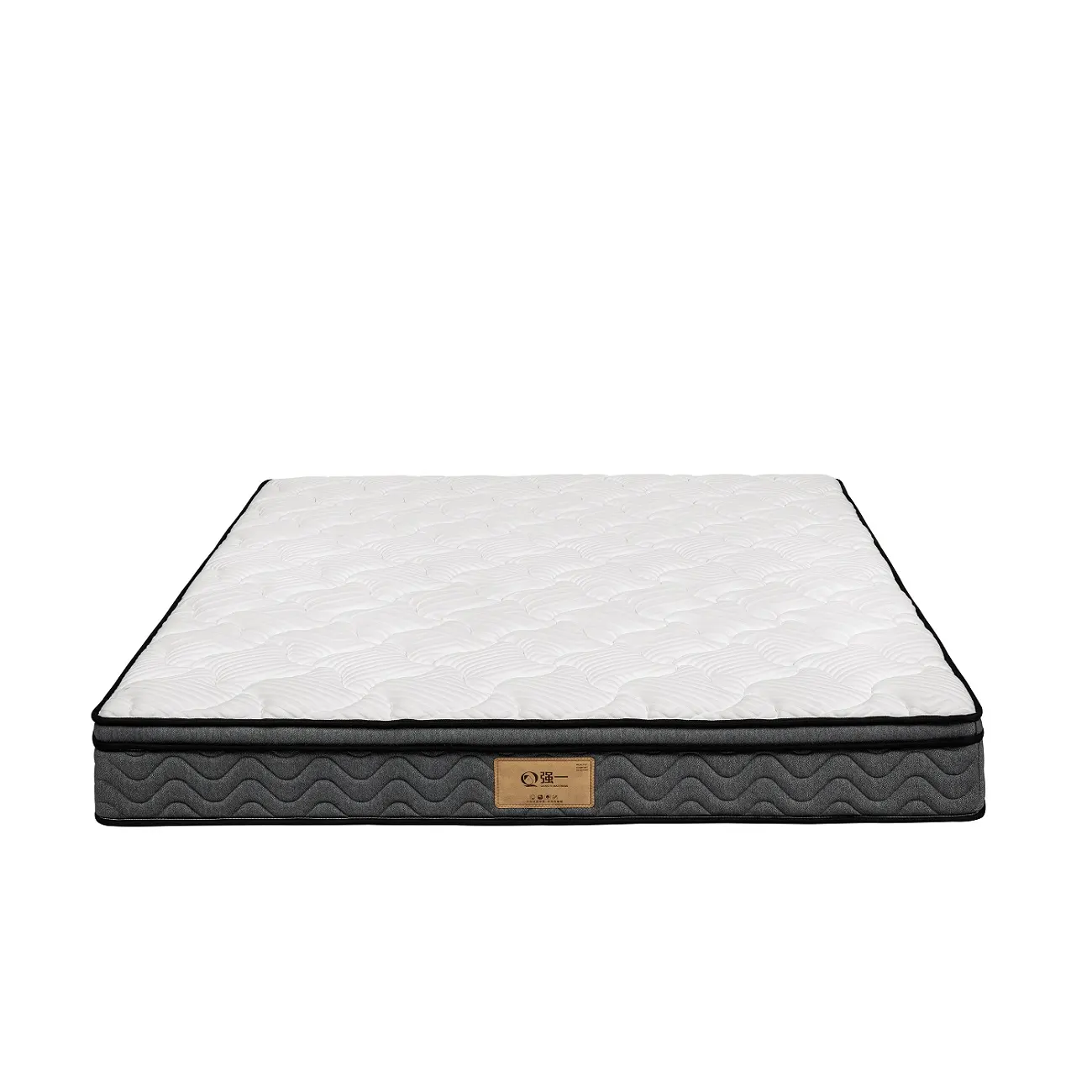
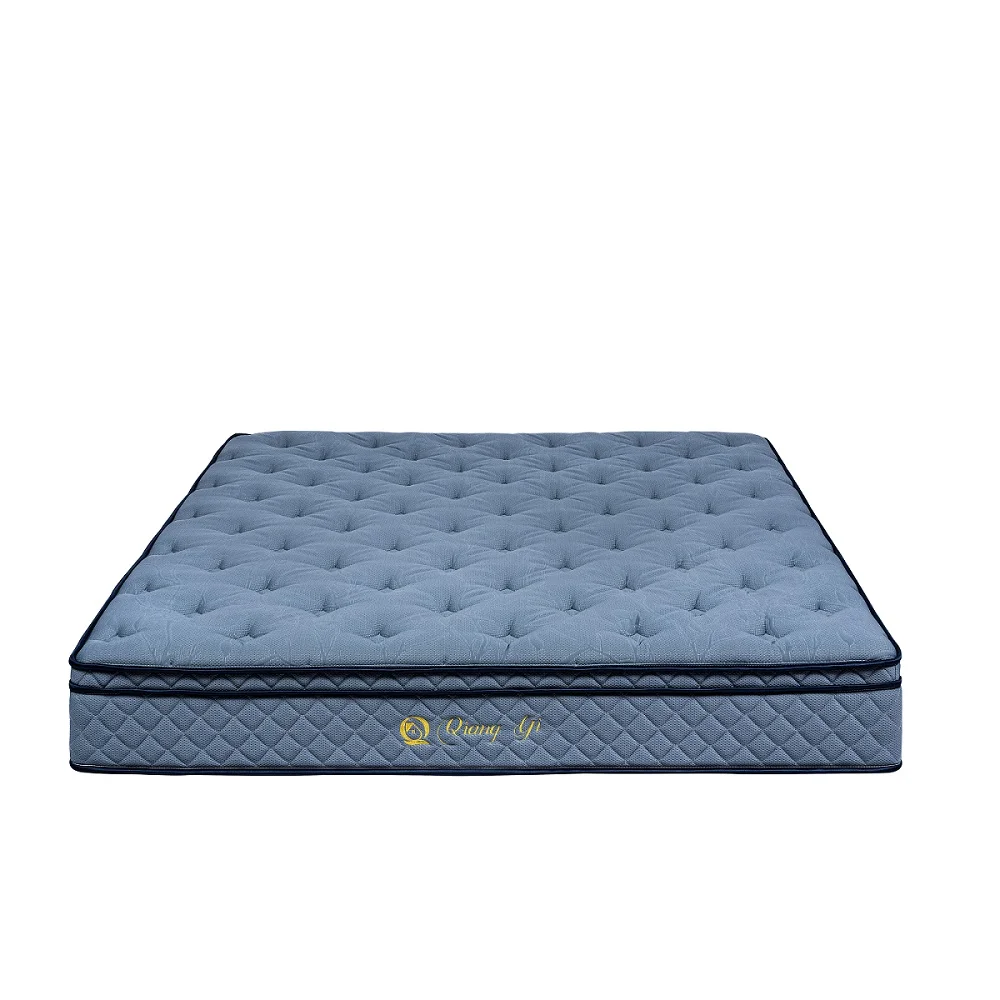
A mattress can be made of many different materials. To a retailer, hotel purchaser, private-label maker, or home buyer, the various layers of a Mattress must function together as a complete system. While a single layer of material might be judged on its own merits, the ultimate performance of the finished mattress is highly dependent on how well all of its various layers function together. The fabric, the layer of quilting, the foam, the latex, the comfort layer, the pocket springs, the edge support, the layers of glue, the layers of fire-barrier material, and the layers used for packaging, all must perform well for the finished mattress to feel even, to breathe well to keep heat from building up, to be durable, to be compliant with various regulations, to be delivered properly, and to have good long-term value. Sourcing a mattress layer requires consideration of the entire mattress as a system with seven key attributes: comfort, support, breathability, durability, compliance, delivery, and value.
Why should buyers evaluate mattress construction as a system?
A mattress is a multi layered product. Each layer affects the other, thus a strong spring unit cannot compensate for weak foam, rigid fabric, or unstable edge support.
How do the upper layers affect comfort?
The cover fabric and the layers of quilting on top are the first point of contact for the sleeper. A stretch-knit cover fabric such as cotton or cotton blend will give a softer feel to the sleeper and allow the comfort layer to respond better. However thicker quilting can give a plush feel but will reduce the immediate response of the latex layer.
When purchasing mattresses online, buyers should check the fabric weight and hand, the stitch quality, the mattress’s breathability, the pilling risk and whether the mattress cover is suitable for the online retailer’s target market. A hotel quality mattress for example will require a harder surface than a short term promotional mattress.
How do deeper layers affect support?
The support core of a mattress is intended to support the majority of a person’s body weight and also to offer support to maintain correct body alignment. A layer of pocket springs will provide support to specific areas of the body and also offer independent motion to each spring. Above the support core are layers of foam or latex which offer pressure relief.
A very soft comfort layer can cause a sleeper to sink too far into the mattress. A support layer that is too firm without enough pressure relief can also cause discomfort to side sleepers in their shoulders and hips.
How do fabric, latex and springs each contribute to performance?
Each material in a hybrid mattress has a specific task to complete, thus it is best to choose a structure of hybrid mattress where each of the materials can perform best. Hence, do not buy a mattress only because some of the materials sound premium.
What does fabric do beyond appearance?
Mattress fabrics have many properties and characteristics that can affect several key aspects of the mattress including touch, airflow and stretch. The surface of the mattress can also affect perceived quality. Also, the appearance of the fabric after mattress has been compressed for shipping, as well as after use, is very important. The mattress cover must have good fabric recovery, or the fabric may develop severe wrinkles, or the fabric panels may be loose and create an uneven surface.
For B2B buyers, fabric selection should consider color consistency, seam strength, label placement, cleaning instructions, and compatibility with quilting. Textile labeling also matters: the FTC explains that many textile products sold in the U.S. need labels showing fiber content, country of origin, and the responsible manufacturer or business.
Why does latex change the feel of a mattress?
Latex is a very common material used in mattresses to provide resilience, pressure relief, and a very responsive feel. Latex is generally a lot better than many types of foam at not feeling too ‘stuck’ and therefore allows for easier movement and a better turn for sleepers.
The main trade-off here is cost vs. your preferences around firmness. So, yes, latex can drive up the price of a mattress and not all consumers wish for a bouncy feel. So, you will need to look at the type of latex, thickness, the stated firmness, the smell, the ventilation holes, and how the latex is performing in conjunction with the spring system below it.
What role do springs play in a hybrid mattress?
Support in a mattress is provided by springs. The most common form of support in a hybrid mattress is provided by pocket springs. Each spring is individually enclosed in material allowing them to work independently of each other as opposed to being connected together in a single spring unit allowing for for more targeted support to each area of the body.
WiredInBed advises consumers to research the following for a spring mattress: wire gauge, coil height, coil count logic, zoning, edge support, noise control, and whether the spring unit will achieve the mattress’ targeted level of firmness. Note that coil count is not enough to be a good indicator of quality.
What should buyers compare before choosing mattress layers?
Mattress labels list material names, but it is the mattress specifications that contain the most relevant information for the potential buyer. A mattress labeled as a “latex hybrid” can vary greatly in terms of comfort and life-span.
Which specifications matter most?
Some of the criteria that should be described are mattress height, layer dimensions, foam density, latex firmness, spring type, mattress cover material, edge support type and recovery after being rolled up. Also, mattresses can be for use in private homes, in hotels, in apartments, in dormitories or for retail e-commerce trade.
| Layer | Main purpose | Buyer check |
|---|---|---|
| Fabric cover | Touch and breathability | Fiber content, stretch, stitching |
| Quilting layer | Initial comfort | Thickness, recovery, seam quality |
| Latex layer | Resilience and pressure relief | Firmness, thickness, ventilation |
| Spring unit | Support and motion control | Gauge, height, zoning, edge support |
| Base layer | Stability | Density, durability, roll-pack recovery |
How should buyers judge trade-offs?
A thicker comfort layer may feel softer, but it could compromise on support if the spring system is not upped correspondingly. Stronger springs will provide better support, but then again, they can feel too firm and could do with a comfort layer on top of them.
The best mattress layers are balanced for intended user. For a hotel buyer, the mattress will typically need to be durable and very broad in comfort. A home brand mattress will typically have several different levels of firmness for the different sleepers that will be using the mattress.
What safety and documentation details should not be missed?
When sourcing mattresses, buyers must balance comfort and compliance. First, they must verify what documents are required to sell in the target market before the mattresses go into mass production.
What should U.S. buyers check for flammability?
Under the laws administered by the U.S. Consumer Product Safety Commission, 16 CFR Part 1632 treats smoldering ignition of mattress cover materials and 16 CFR Part 1633 treats open-flame flammability testing of mattresses. These federal requirements were designed to reduce deaths and injuries caused by mattress-related fires.
In particular for buyers it is important that test support corresponds to the actual mattress construction. Changes of cover material, foam, latex, thickness of layers or of barrier materials for example make unclear whether corresponding prior documentation still is valid.
What other documents are useful?
Useful documents may include layer drawings, material specifications, safety documents, textile labeling details, packaging information, roll-pack instructions, warranty terms, and sample approval records.
Separate supplier self-declarations from third-party test reports or even market specific compliance check reports. The file required depends on country, distribution channel, product composition and the buyer’s responsibilities.
How should buyers test samples before ordering?
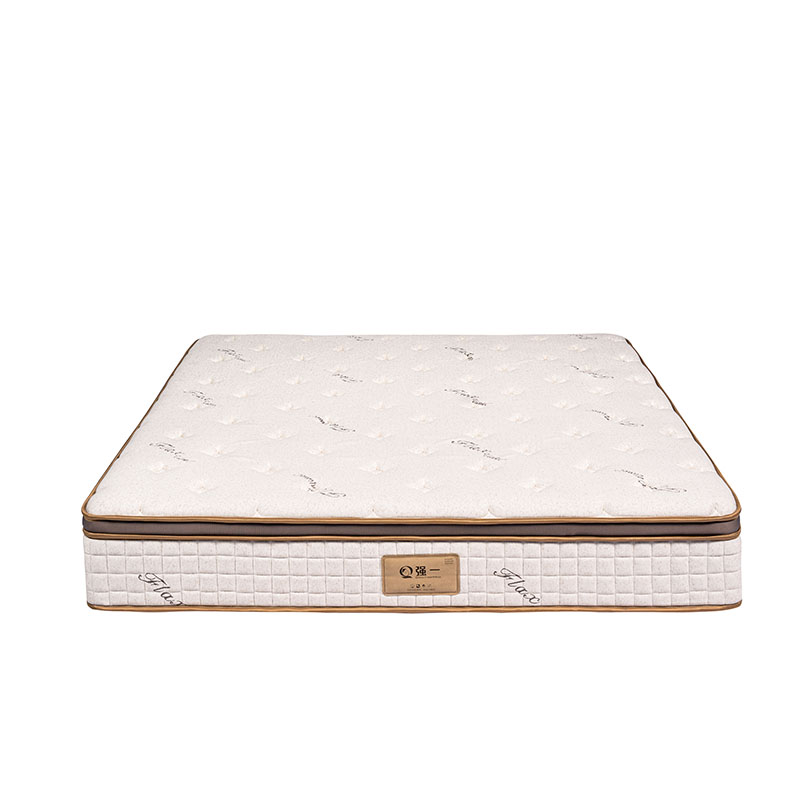
Sample testing of sleep products will reveal the true nature of their construction as opposed to just studying a data sheet.
What should be checked during sample review?
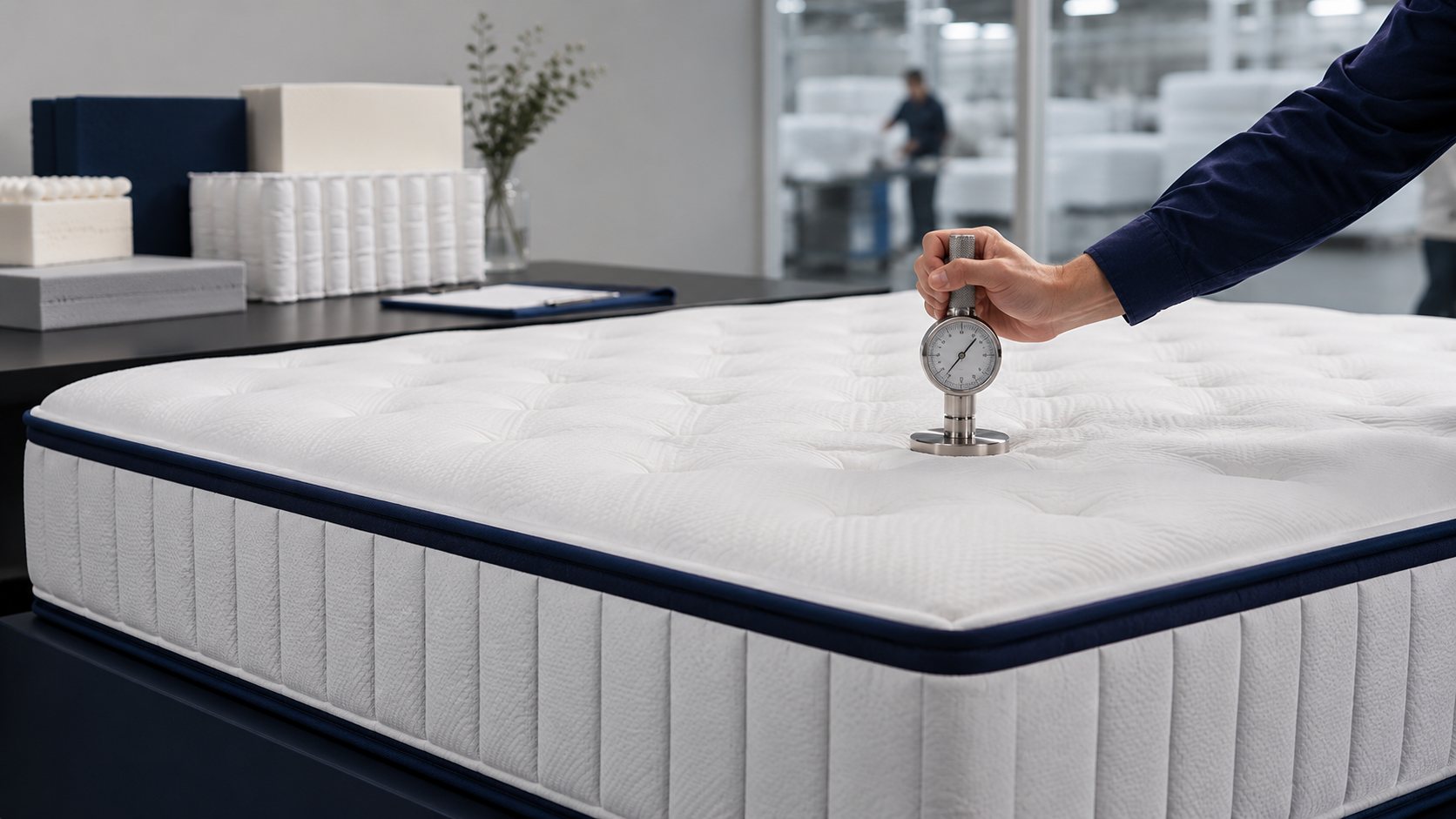
The mattress buyer needs to test for firmness, pressure relief, motion transfer, edge support, bounce, surface feel, smell, stitching, height and recovery from compression. Given that adults of 18-60 years are recommended by the CDC to sleep 7 or more hours per night on average, the mattress will be put to repeated nightly use over a number of years and so the short test in a showroom will not be enough to give a true indication of how it will perform in long term.
For roll-packed mattresses, the time it takes for a mattress to fully recover is important. If a mattress does not fully recover to its original shape, it can result in lines/ wrinkles on the surface of the mattress, an uneven thickness and or weak edges.
What should a buyer checklist include?
A practical checklist may include:
- Confirm the full layer structure and target firmness
- Review fabric, latex, foam, and spring specifications
- Test edge support, motion transfer, and breathability
- Check roll-pack recovery and carton strength
- Request safety, labeling, and material documents
- Clarify details on MOQ, lead time, warranty, and after sales handling.
This process allows mattress buyers to compare construction based on actual performance rather than a manufacturer’s hype.
Who can support buyers developing layered mattress products?
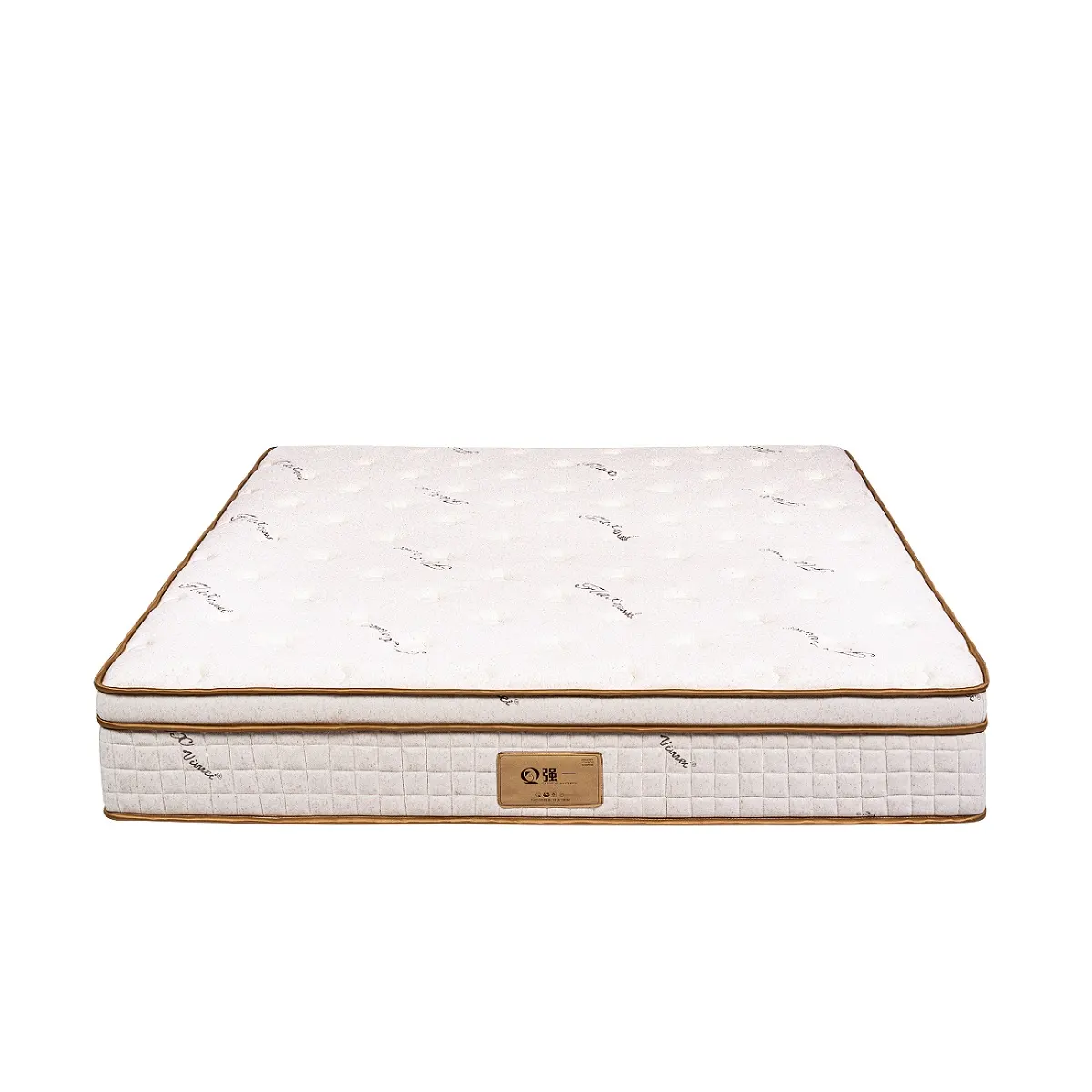
Guangdong Qiangyi Intelligent Manufacturing Technology Co., Ltd. presents itself through the Guangdong Qiangyi Intelligent Manufacturing Technology Co., Ltd. website as an OEM and ODM mattress manufacturer offering customized mattress solutions for brands, retailers, hotels, and project buyers. Its public website describes mattress products and manufacturing support related to structure design, production, roll packaging, and brand customization. For buyers comparing mattress construction, mattress layers, or hybrid mattress structure options, this type of supplier may support discussions around fabric, latex, spring systems, firmness, packaging, MOQ, and private-label requirements. Buyers should still compare samples, specifications, safety documents, labeling details, pricing, delivery terms, and service expectations before final supplier approval. (qiangyimattress.com)
Conclusion
Materials for mattresses are best selected as a system and not as individual selling points. The shape of the fabric is the first point of contact with the sleeper’s skin. The latex is added to give resilience and pressure relief. The springs form the main support structure of the mattress. All the layers need to be compared in real sleep situations, under different degrees of compression. Also, the situation in shipping and in daily use needs to be taken into account. Safety documents, textile labeling, roll-pack recovery and sample testing should be viewed before placing a large order. A good Mattress is a balanced product, consisting of comfort, support, durability, packaging and compliance with the market for which it is intended.
FAQs
1. What is mattress construction?
In terms of mattresses, mattress construction is how the cover and comfort layers interact with the core of latex or foam, the spring unit, the edges, the base layer and the unsealed packaging design.
2. Are more mattress layers always better?
No. More layers don’t necessarily add value. They could add comfort or features but then poor matching of layers could introduce negative such as heat, sinking, weak support or cost.
3. What is a hybrid mattress structure?
Hybrid mattresses consist of spring support core that is covered by layers of foam, latex or other materials.
4. Why is fabric important in a mattress?
The fabric on the mattress affects how it feels when you first touch it, how breathable it is, how much it stretches, how it looks, the quality of the seams, and how quickly it recovers from packaging.
5. What should B2B buyers check before ordering?
They should check sample, layer drawing, material specification, hardness, roll-pack recovery, safety documents, label, MOQ, lead time, warranty terms.