


18th September 2026
How Should B2B Buyers Evaluate a Gel Memory Foam Pocket Spring Mattress?
-
 author

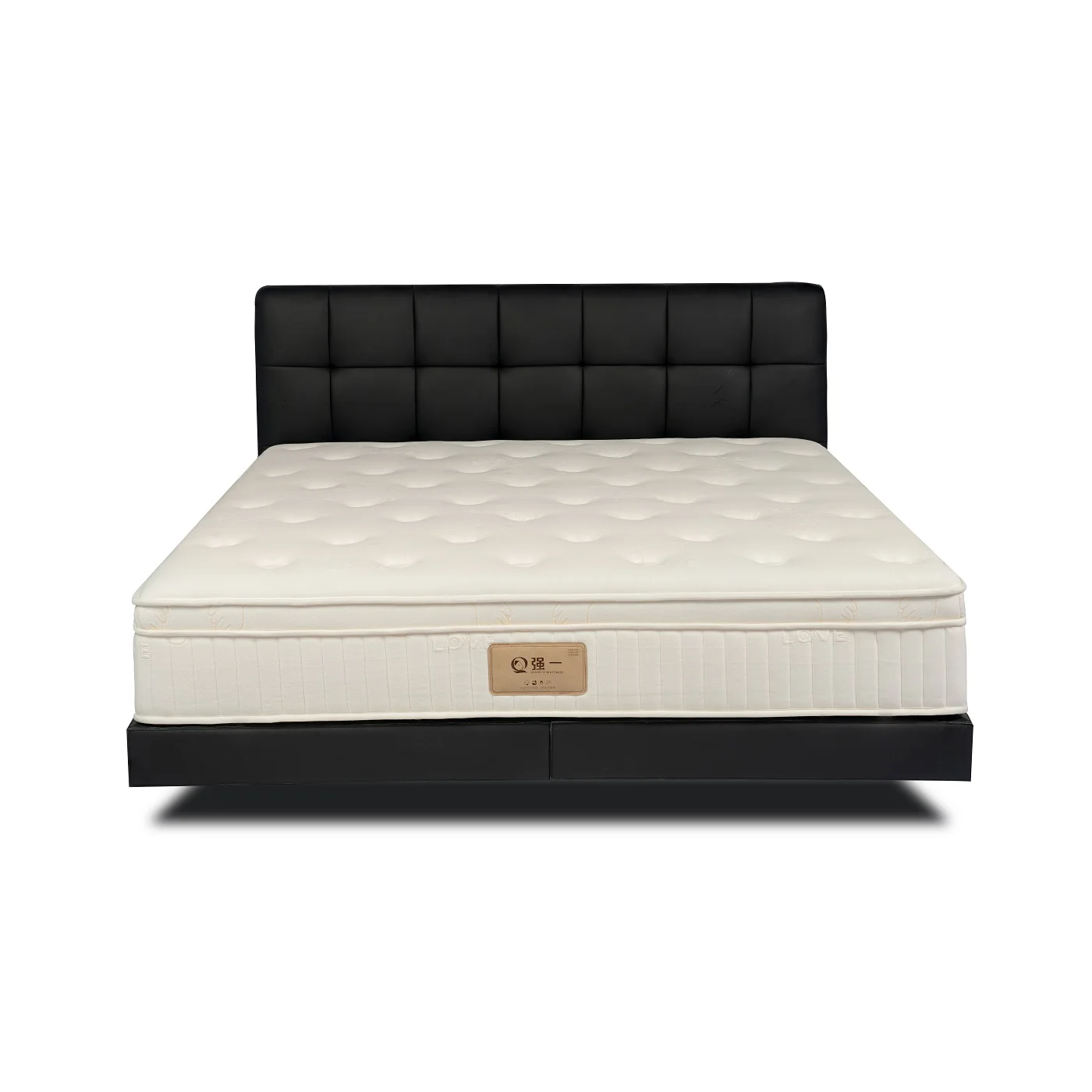
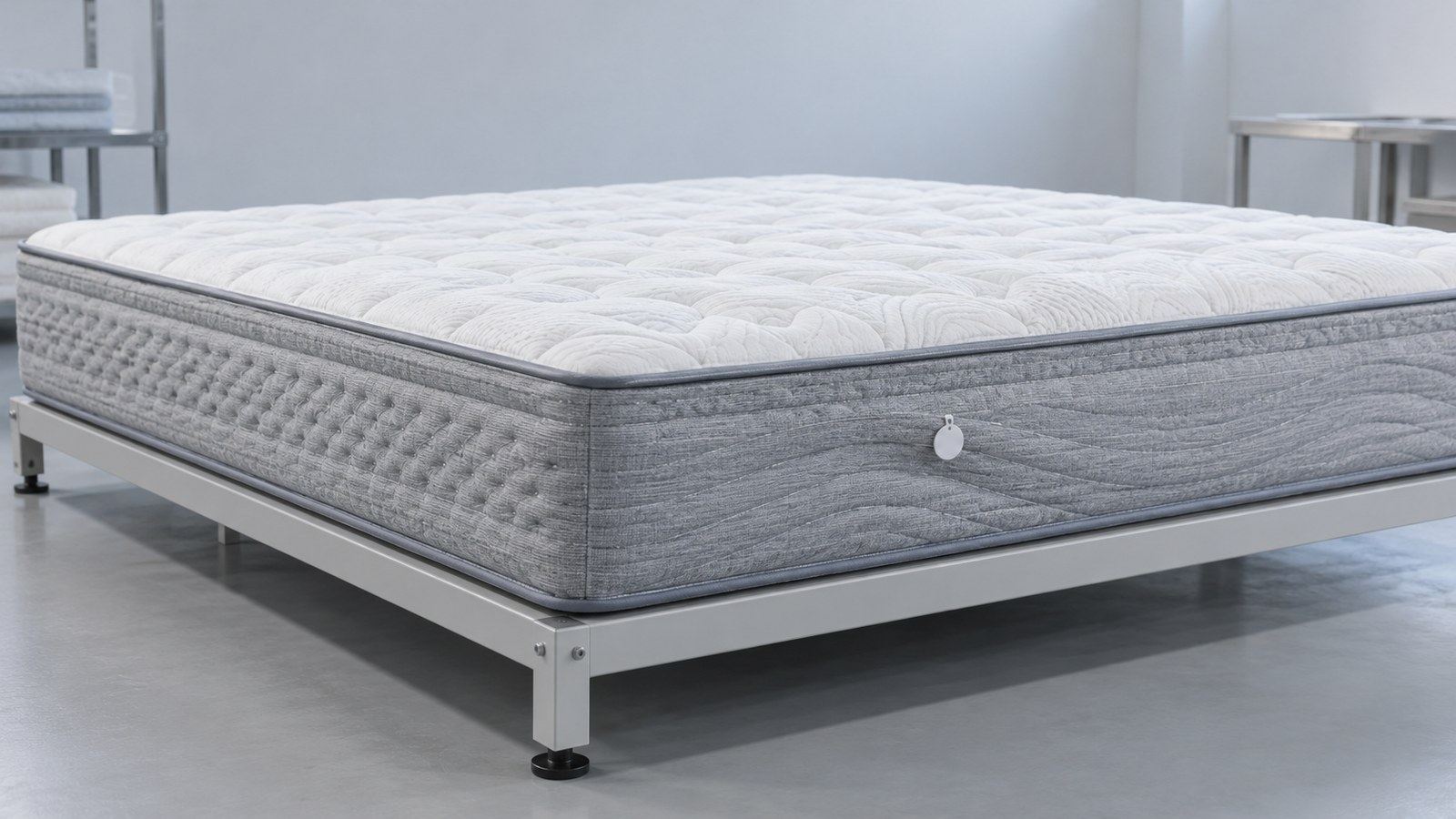
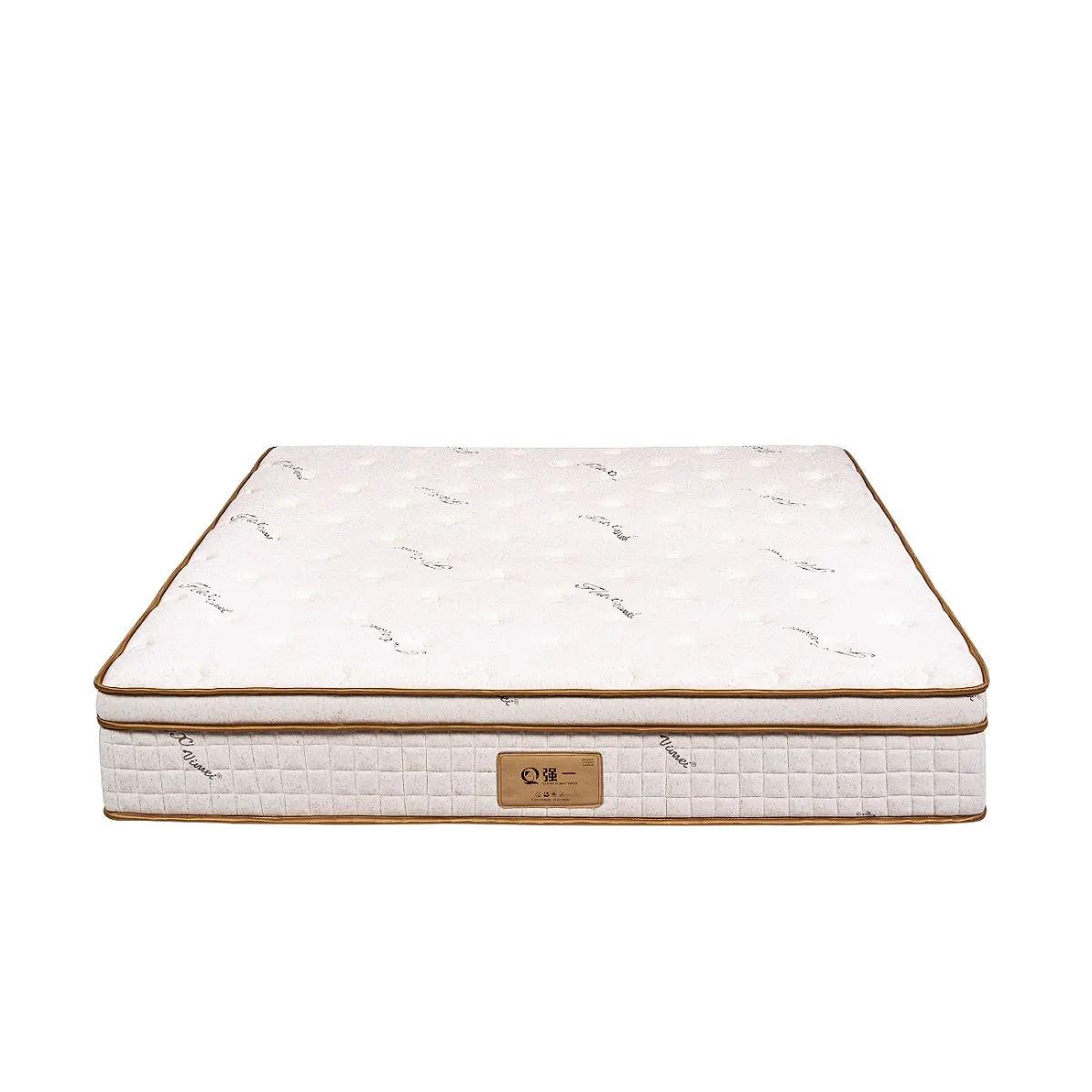
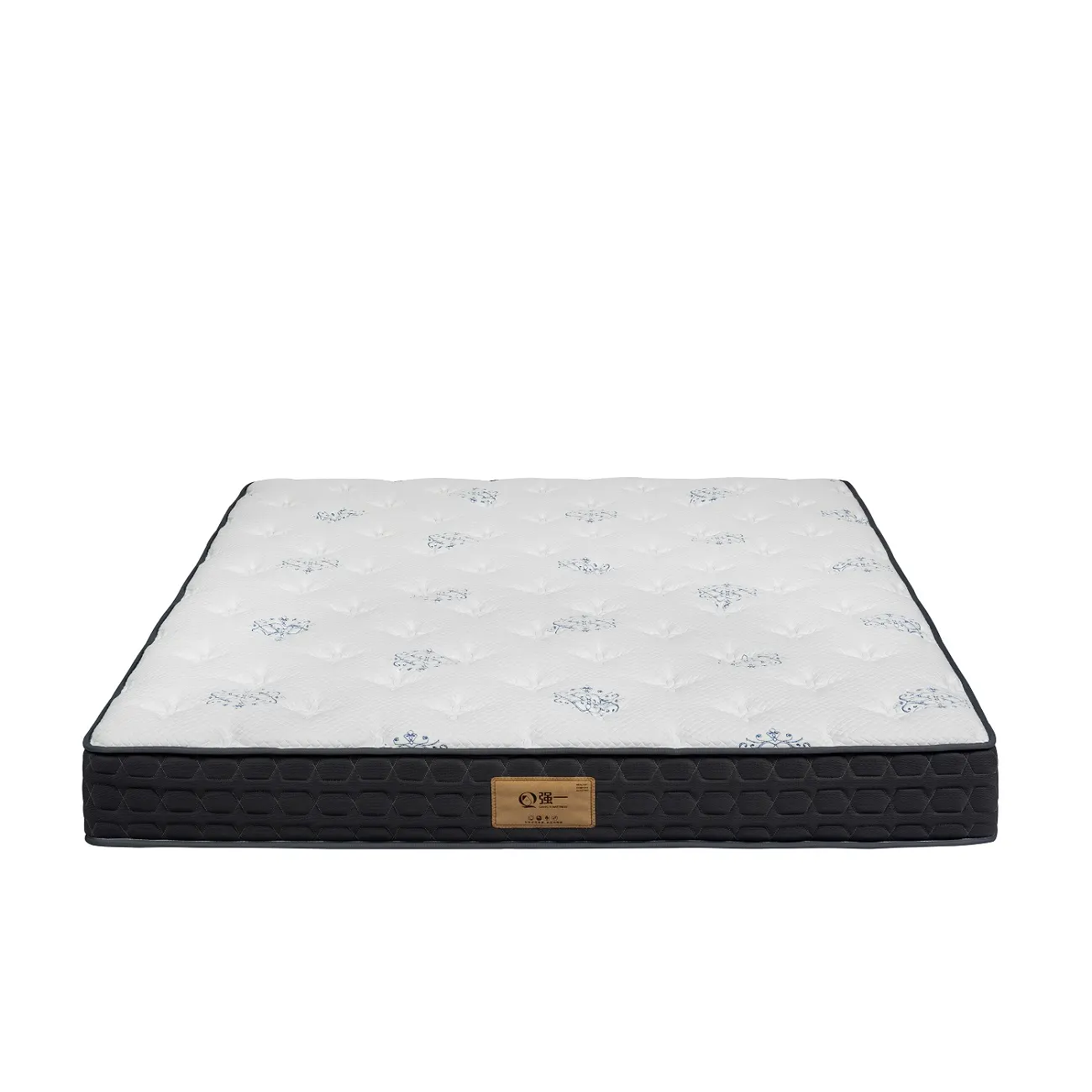
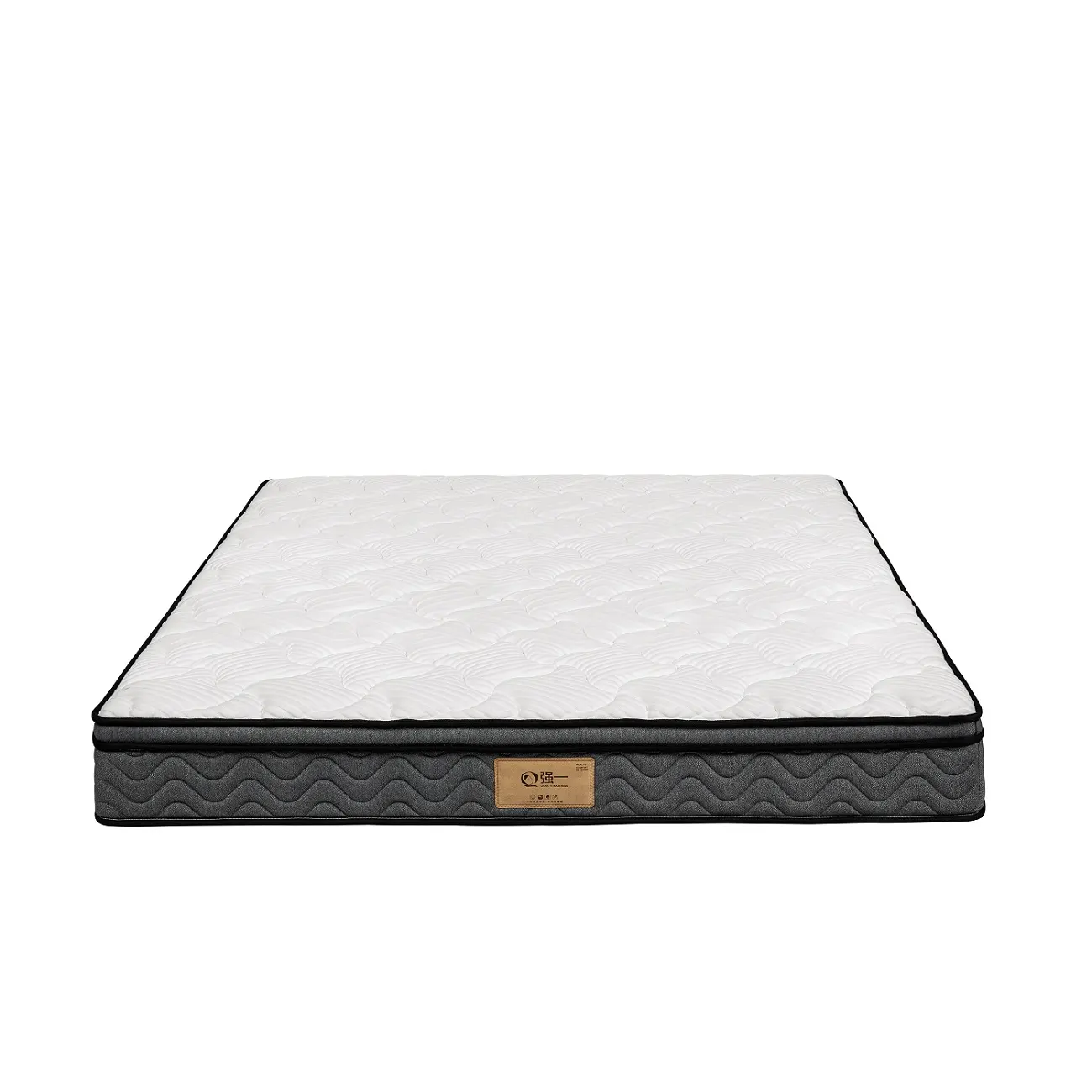
A gel memory foam pocket spring mattress can look simple on a product sheet, but the buying decision depends on how the cover, comfort layers, cushioning, and spring unit work together. For retailers, distributors, importers, and private-label brands, the model under review is QYM020 – High-Elasticity Knitted Fabric Mattress with Gel Memory Foam | Breathable & Durable Pocket Spring Support. Its specification includes knitted fabric, a 2 cm memory foam layer, 2 cm sheet cotton, 2 cm 3D cotton, non-woven cushioning, independent pocket springs, and medium firmness. The purchasing task is to turn that stack into a repeatable bulk-order specification.
Which Layer Details Should Be Frozen Before the Sample Is Approved?
A product name does not tell a production team enough. The first job is to confirm the layer sequence and the role of each component, then record the details that should not drift between the sample and mass production.
Read the construction from top to bottom
The supplied structure lists knitted fabric at the surface. Beneath it are a 2 cm memory foam pad, a 2 cm sheet-cotton pad, and a 2 cm 3D cotton pad, plus two 1.5 cm rolls of non-woven cotton. The support section uses Xianggang steel-wire independent pocket springs together with hard cotton and cool fabric.
That stack matters because the finished feel comes from the combination, not one headline material. If a buyer approves “gel memory foam” but leaves the other layers open, a later change can alter the result without changing the product name.
What Should Buyers Check in the Cover and Comfort Stack?
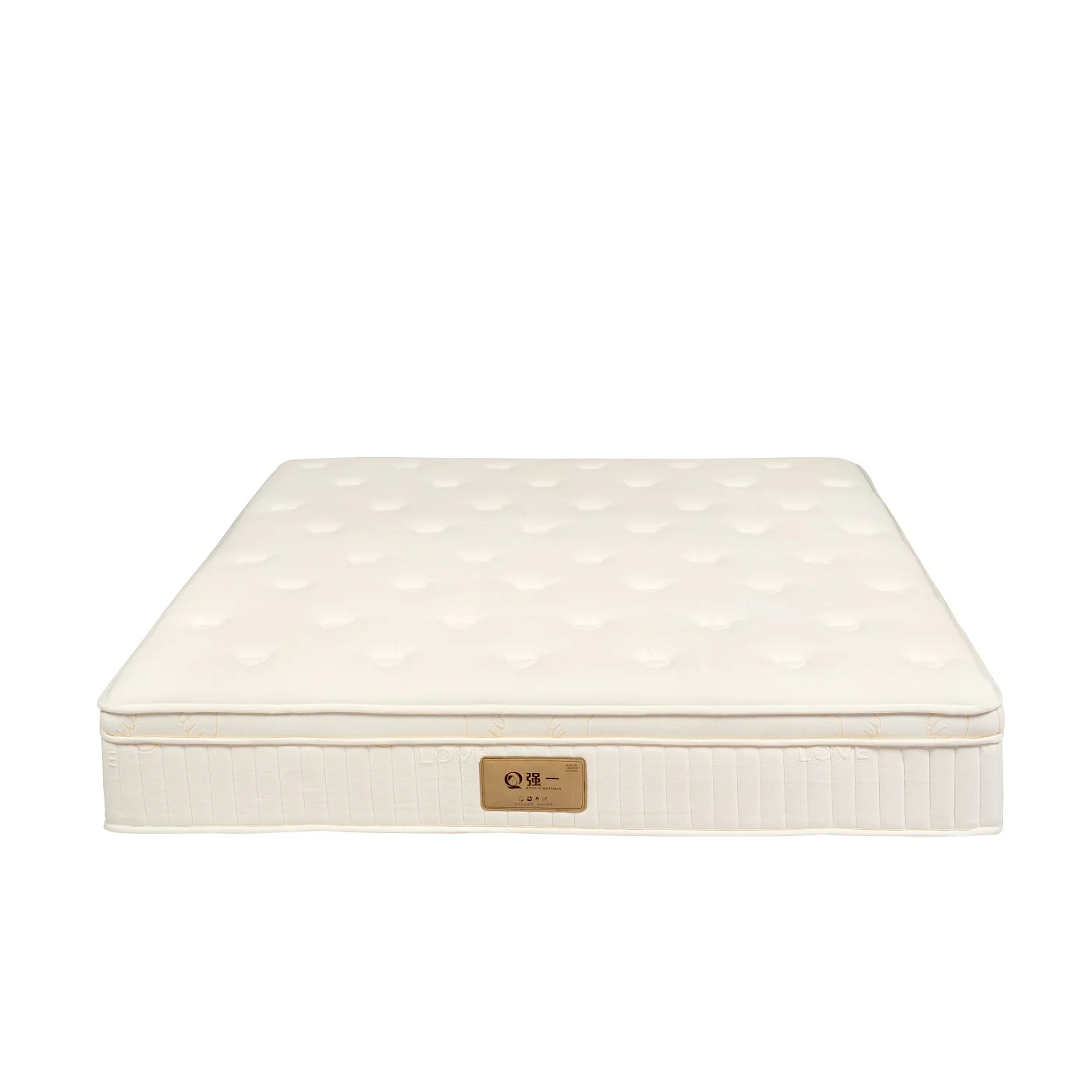
The top section creates the first impression in a showroom and on first use. It is also one of the easiest areas to change during customization, so the approved sample should be tied to more than a general fabric description.
Approve the cover on the finished mattress
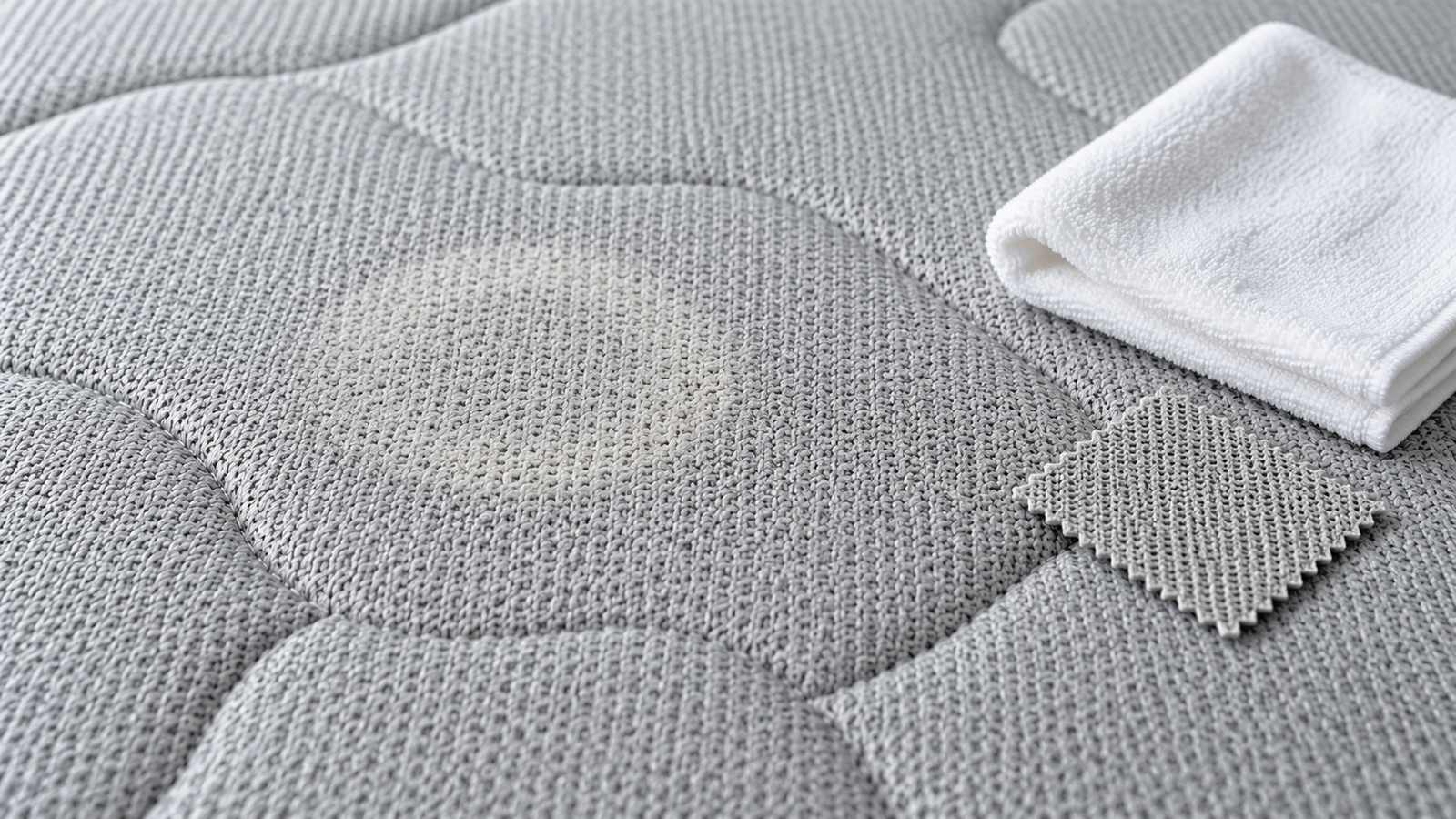
The product information describes the knitted fabric as soft, elastic, moisture-wicking, and breathable. For production control, record the fabric reference, surface appearance, quilting, and hand feel on the final sample.
A fabric can look similar in a swatch and still behave differently after quilting. More or less stretch changes surface tension, which changes how clearly the sleeper feels the foam and cushioning underneath.
Judge the comfort layers together
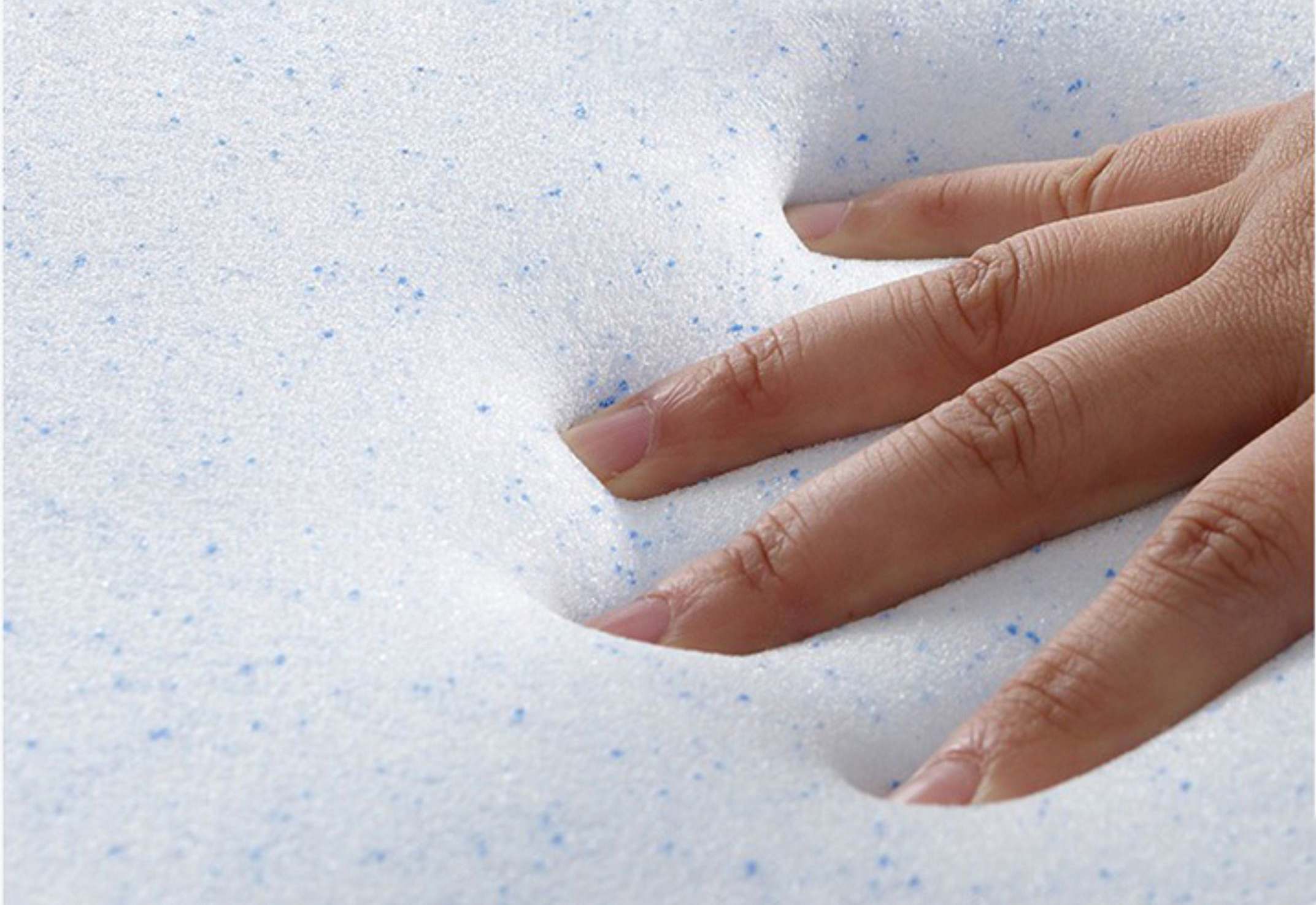
The 2 cm memory foam layer gives the mattress a slower contouring response, but it does not work alone. The 2 cm sheet cotton, 2 cm 3D cotton, and non-woven cushioning affect the transition into the spring unit.
During sample review, check pressure feel, rebound, surface flatness, and whether the mattress returns evenly after load is removed. If one layer is substituted later, do not assume the original feel will remain unchanged simply because the total height is similar.
How Can Buyers Evaluate the Pocket Spring Support System?
The support section deserves its own review because spring behavior influences local response, motion interaction, edge feel, and the way the upper stack is carried.
Check response in the center and near the edge
QYM020 uses Xianggang steel-wire independent pocket springs. Each spring is separately wrapped, allowing one area to respond more locally when pressure is applied.
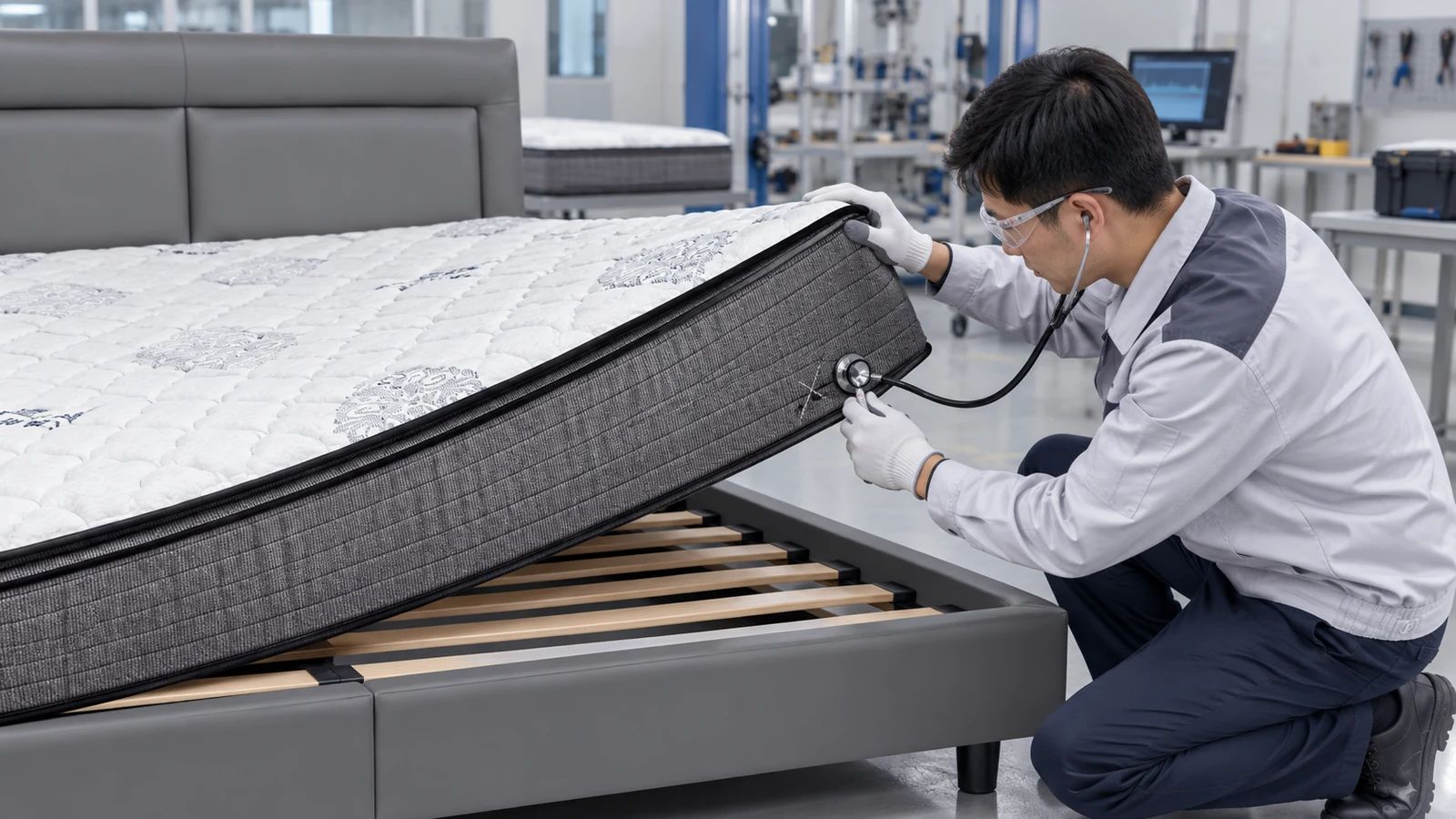
A simple check is to load one area and watch how much movement reaches another. Then repeat the test closer to the perimeter. Those two positions answer different questions: one shows motion interaction across the surface; the other exposes whether the edge feels less stable than the center.
The spring unit should not be judged by itself. Hard cotton, cool fabric, cushioning, bonding, and edge construction all influence the finished result. If a buyer wants consistent support from batch to batch, those interfaces need to stay controlled as well.
What Should Happen Before a Compressed Shipment Is Approved?
A fresh factory sample is not enough when the mattress will be compressed or roll-packed. The packing method can become part of the product evaluation because the buyer ultimately receives the mattress after storage and transport, not straight from the assembly line.
Validate the exact construction after packing
Use the intended production build and the intended packing method. After opening, check finished height, edge shape, surface flatness, cover condition, and whether the feel still matches the approved sample.
The recovery period and acceptance criteria should be agreed before shipment. Avoid loose wording such as “recover fully” unless both sides define what that means and when it will be measured.
For repeat orders, keep the layer sheet and an approved physical sample when practical. If foam, fabric, spring components, or packing materials change later, the buyer can compare the proposal against both references instead of approving it from a short description.
Which Details Need Change Control Before Bulk Production Starts?
Customization is useful only when the buyer knows what can change without affecting the approved result. Some edits are mainly visual; others can alter firmness, rebound, airflow, edge feel, or recovery.
Separate cosmetic changes from structural changes
A practical approval record can include:
| Checkpoint | What to record |
|---|---|
| Cover | Knitted fabric reference and quilting |
| Memory foam | Approved material and 2 cm thickness |
| Transition layers | 2 cm sheet cotton + 2 cm 3D cotton |
| Cushioning | Two 1.5 cm non-woven cotton rolls |
| Support | Xianggang steel independent pocket springs |
| Firmness | Medium reference sample |
| Dimensions | Approved size and tolerance |
| Packing | Agreed method and recovery check |
| Labeling | Model, brand, carton, destination information |
A cover color or printed label may not require a new comfort test. A different foam, spring unit, or layer thickness is another matter. Those changes should trigger a technical review and, where the feel may shift, a new sample.
This is also the point to define substitution rules in writing. When material availability changes later, both sides know whether a replacement needs approval before production continues.
Need Help Turning an Approved Mattress Sample into a Repeatable Order?
Guangdong Qiangyi Intelligent Manufacturing Technology Co., Ltd. supports mattress buyers moving from an approved sample to controlled production. Its OEM mattress service covers manufacturing, inspection, packaging, and shipping, while ODM development supports sampling and revision when the construction changes. Buyers can use the 3D foam mattress category as a reference for related structures and the quality assurance process to discuss spring, foam-hardness, firmness, edge-compression, and packaging checks. For a QYM020-based program, the practical goal is to define what stays fixed, what can be customized, and what requires reapproval.
Conclusion
A gel memory foam pocket spring mattress should be evaluated as a complete build, not as a list of attractive materials. With QYM020, the important checks are the layer sequence, knitted cover, 2 cm memory foam, cushioning layers, pocket spring support, medium firmness reference, packing behavior, and change-control rules. Once those details are documented and tied to an approved sample, bulk production becomes easier to inspect, compare, and repeat without relying on the model name alone.
FAQs
What should buyers verify first in a gel memory foam pocket spring mattress?
Start with the complete layer sequence, including the cover, foam thickness, transition layers, cushioning, spring system, and firmness reference. The same material names can produce a different result when thickness or order changes.
Is a 2 cm memory foam layer enough to define the mattress feel?
No. The 2 cm memory foam works with sheet cotton, 3D cotton, quilting, and the pocket spring unit. Buyers should approve the finished comfort stack rather than judging one foam layer in isolation.
How should buyers check motion control in an independent pocket spring mattress?
Apply load to one area and observe movement elsewhere on the finished sample. Repeat the check near the edge because central motion response and perimeter stability are different aspects of mattress performance.
What should be checked after a compressed mattress is unpacked?
Check height recovery, edge shape, surface flatness, cover condition, and general feel after the agreed recovery period. Use the intended production construction and packing method rather than a different reference mattress.
Can QYM020 be adapted for a private-label mattress program?
Yes. Cover, size, firmness direction, branding, and packaging can be discussed, but structural changes should be resampled and documented so the approved version remains repeatable during bulk production.