


31st July 2026
What Is 4D Air Fiber? Why It’s Becoming the Next Generation of Breathable Mattress Materials
-
 author

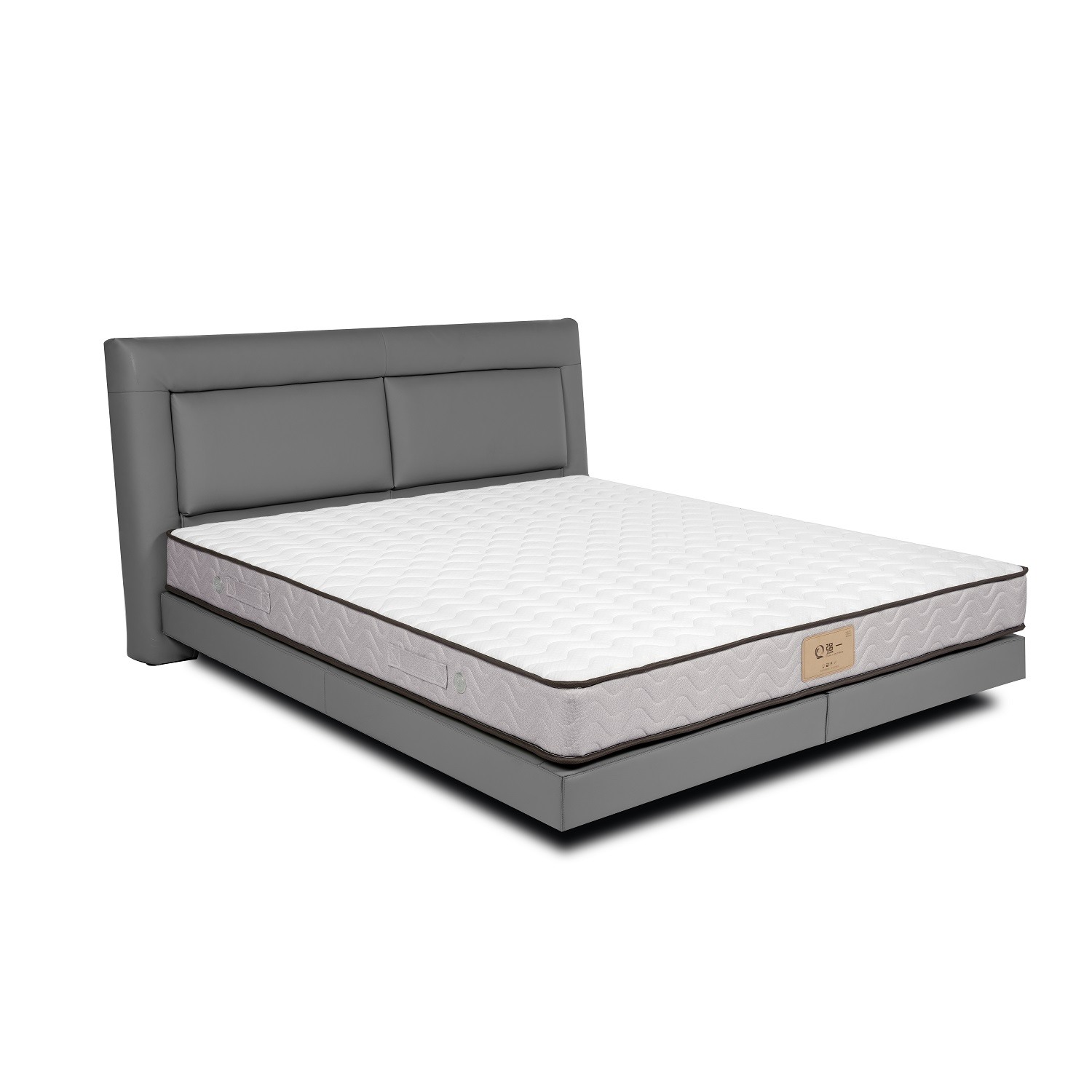
Material selection is important to mattress manufacturers, retailers and buyers as it directly impacts the comfort, durability, production requirements and market positioning of mattresses. With the increased consumer awareness about sleep environment and temperature control, breathable materials have gained prominence in mattress production. 4D Air Fiber has been developed as a form of three-dimensional air cushion that is unlike foam and fiber structures. While assessing this kind of mattress material, it is crucial to analyze the air permeability features, structural stability, ease of cleaning, compatibility with manufacturing and ability of supplier rather than attention to one aspect only.
Why are mattress manufacturers considering 4D Air Fiber for breathable mattress designs?
Various new-age mattress materials have changed the whole approach towards mattresses. While traditional mattress materials are built on the basics of foam, spring, or layer of fabric, they do not have provision of adequate airflow within the mattress.
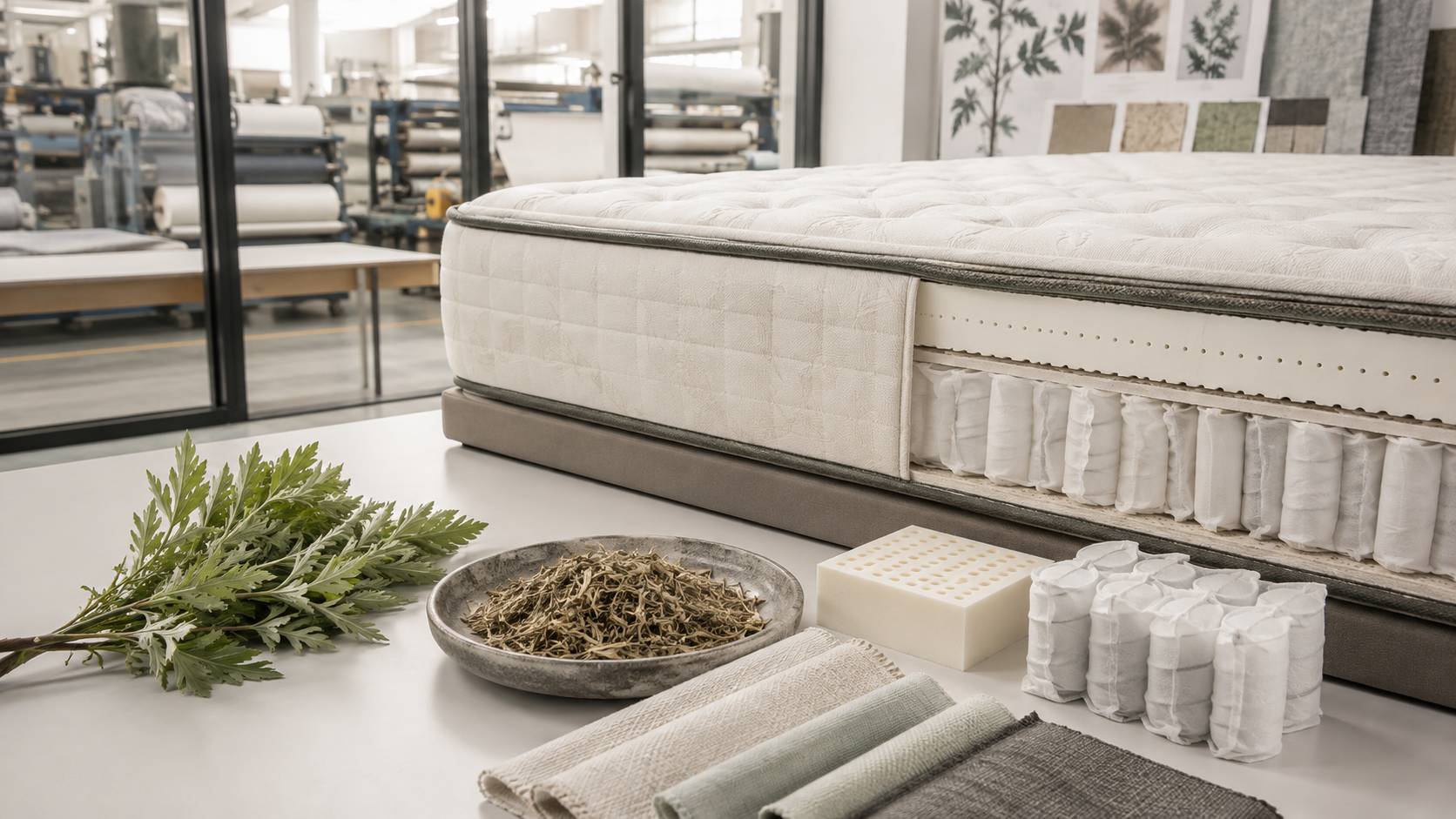
4D Air Fiber uses a three-dimensional network structure that creates open spaces within the material. This structure is intended to support ventilation and reduce heat accumulation, making it a material option worth evaluating for breathable mattress development.
How does the 3D structure of 4D Air Fiber affect airflow?
The inner structure of the mattress material dictates how air is used in the product. Unlike solid materials which tend to hinder air movement, a structure that’s porous and three-dimensional leaves more space for air to circulate freely.
For mattress designers and manufacturers, airflow is only one part of material selection. They also need to review:
| Factor | Why It Matters |
|---|---|
| Air permeability | Affects ventilation performance |
| Material density | Influences support and overall feel |
| Structural stability | Relates to long-term use |
| Thickness options | Affects mattress design flexibility |
| Compatibility with other layers | Impacts final mattress construction |
A breathable structure may be suitable for certain mattress designs, but the final performance depends on the complete mattress system.
Why should buyers compare 4D Air Fiber with traditional mattress fillings?
Different mattress compositions such as foam, fiber, latex, and air fiber have different aspects. The level of support, ventilation, and maintenance needs will vary depending on the material used.
When choosing materials, manufacturers must think about which product category they want to produce, what customers expect, and the production process. A material that works well in a particular mattress design may not be suitable for another type.
What advantages and limitations should buyers consider before choosing 4D Air Fiber?
Every mattress material involves trade-offs. Buyers should evaluate both potential benefits and practical limitations before making purchasing decisions.
What makes 4D Air Fiber suitable for breathable mattress applications?
One of the main reasons manufacturers evaluate 4D Air Fiber is its open internal structure. This design may help create a more ventilated sleeping surface compared with some traditional dense materials.
Other factors buyers may consider include:
- Easy airflow through the material structure;
- Potential suitability for removable and washable mattress designs;
- Lightweight characteristics compared with some traditional fillings;
- Compatibility with modern mattress concepts.
However, suitability depends on the complete product design, including cover materials, support layers, and intended usage conditions.
What limitations should mattress buyers evaluate?
4D Air Fiber cannot be considered as a universal alternative for all kinds of mattress materials. Customers need to take some factors into consideration, such as the firmness of the mattress, its loading capacity, how it has been made, and what types of users it targets.
For instance, mattresses that are meant for commercial use might require the use of different structural considerations compared to household mattresses.
Before making any purchases, manufacturers should ask the suppliers for samples and technical specifications of their products to make sure it suits their needs.
How should manufacturers evaluate 4D Air Fiber suppliers?
Supplier selection is an important part of mattress material procurement. A suitable supplier should be able to provide consistent materials and support technical discussions during product development.
What questions should buyers ask before purchasing 4D Air Fiber?
Before cooperation, mattress manufacturers may review:
- Available material specifications;
- Thickness and size options;
- Production capability;
- Quality inspection procedures;
- Sample availability;
- Delivery arrangements.
These details help buyers understand whether the supplier can support both trial production and future orders.
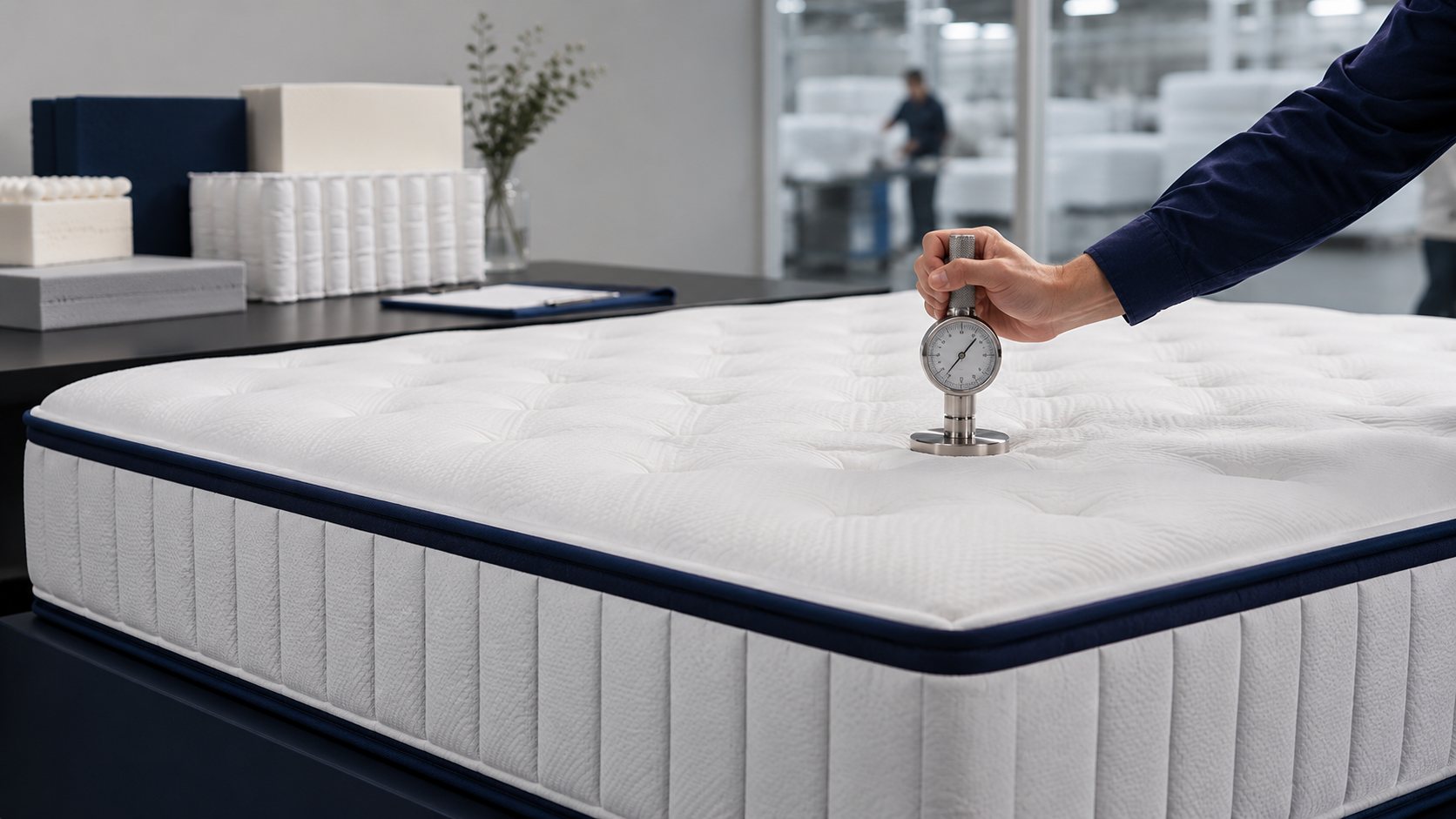
Why is sample testing important for mattress materials?
A material sample allows manufacturers to evaluate practical performance before making larger purchasing decisions.
During testing, buyers may review:
| Test Area | Purpose |
|---|---|
| Structure and appearance | Check material consistency |
| Flexibility | Evaluate handling during production |
| Combination with other layers | Confirm mattress design compatibility |
| Cleaning requirements | Consider maintenance needs |
| Final mattress feel | Review user experience |
Sample approval helps reduce the risk of selecting a material that does not match the final product design.
How does 4D Air Fiber fit into future mattress product development?
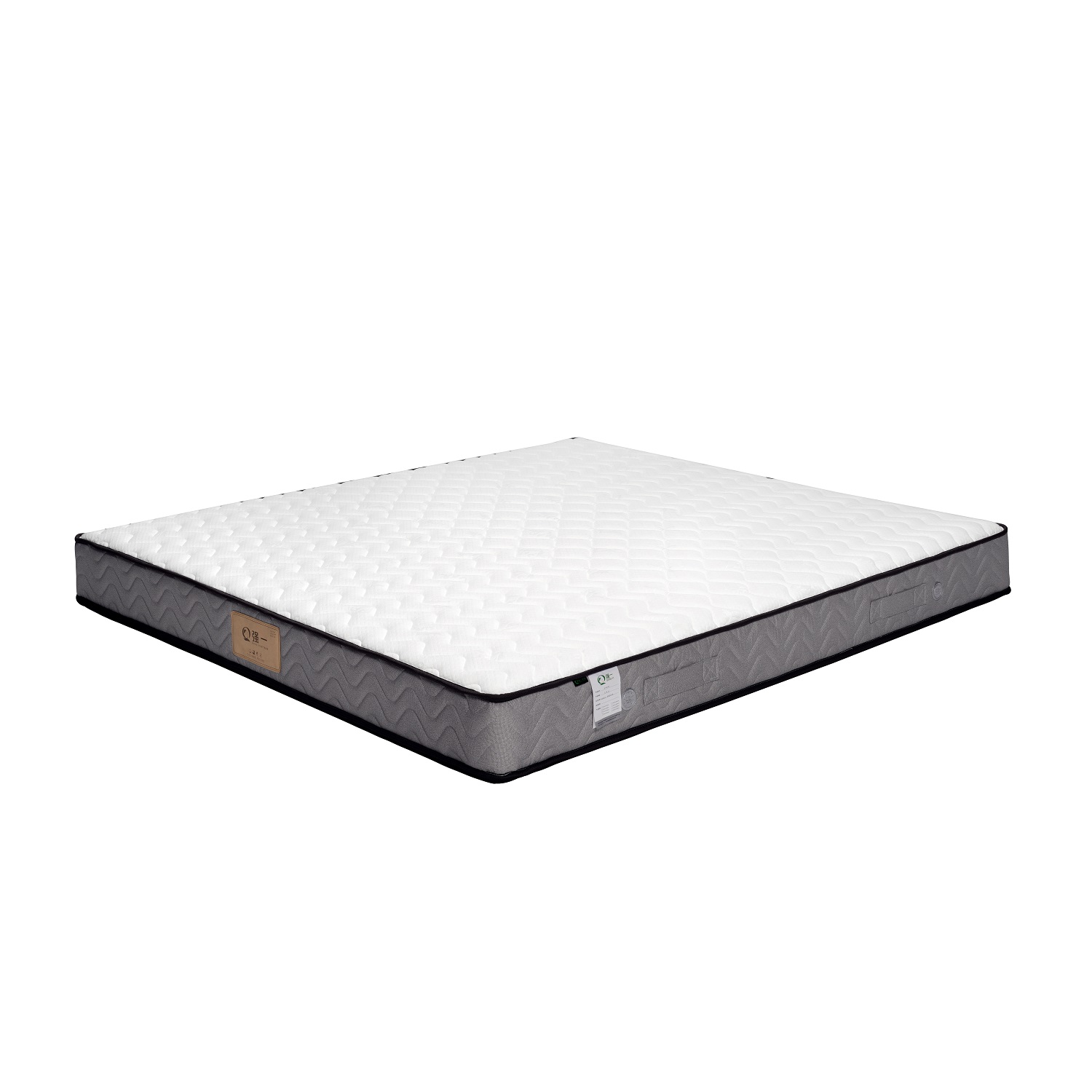
Consumer expectations continue to influence mattress design. Buyers increasingly consider not only firmness and support but also ventilation, maintenance, and material innovation.
4D Air Fiber represents one approach to developing breathable mattress products, especially for manufacturers exploring alternative internal structures.
What applications may benefit from breathable mattress materials?
Breathable materials may be considered for different mattress categories depending on design goals.
Potential applications include:
- Home mattresses;
- Hotel mattress projects;
- Custom mattress solutions;
- Products requiring easier cleaning and maintenance.
The final application depends on product requirements, market positioning, and manufacturing capability.
How should brands balance material innovation and production costs?
New materials may create opportunities for product differentiation, but buyers should also consider manufacturing efficiency and cost control.
Important questions include:
- Does the material match existing production equipment?
- Are additional manufacturing steps required?
- How does the material affect final product pricing?
- Can the supplier provide stable long-term supply?
A practical evaluation helps brands decide whether a new material supports their business goals.
How can Guangdong Qiangyi Intelligent Manufacturing Technology Co., Ltd. support mattress material projects?
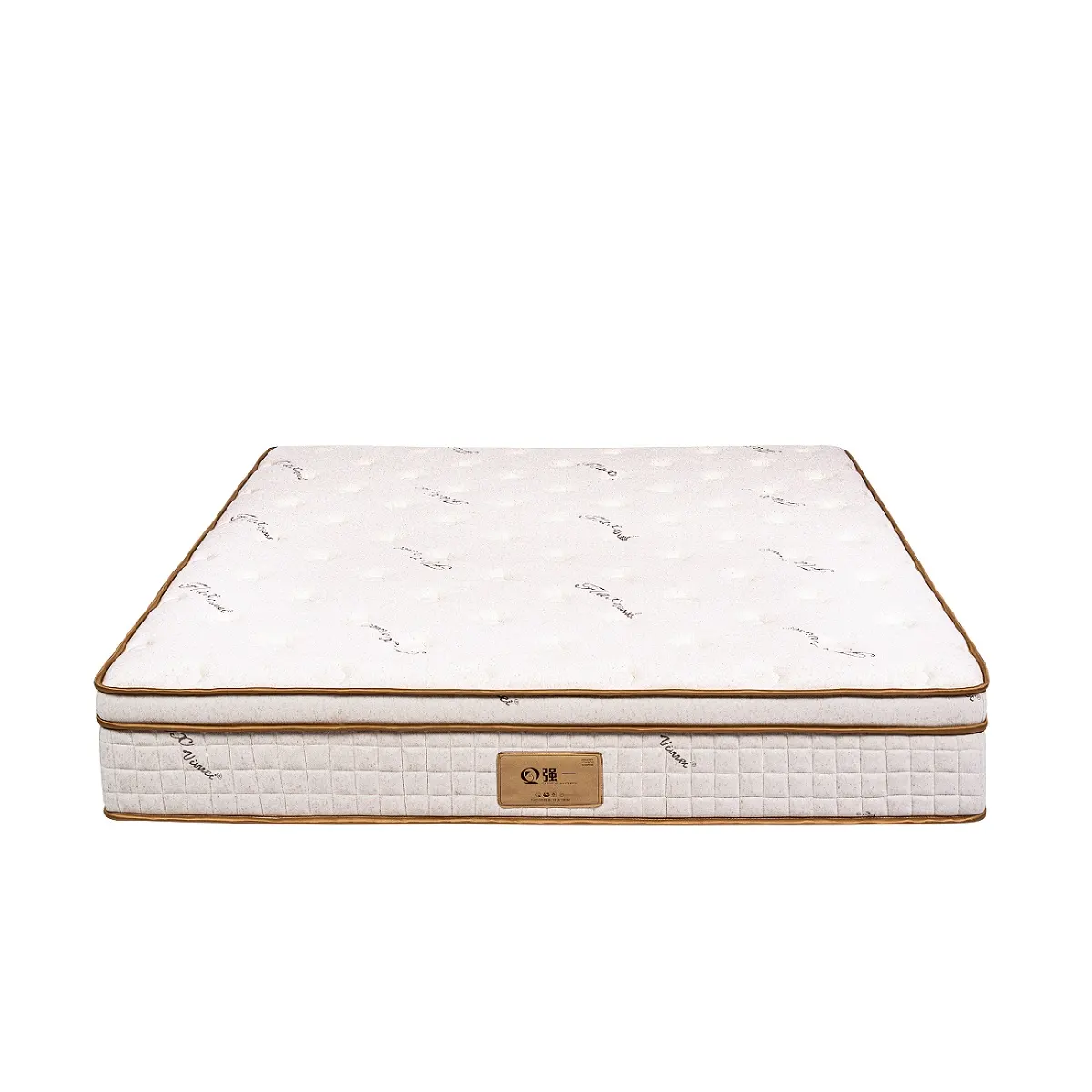
Guangdong Qiangyi Intelligent Manufacturing Technology Co. Ltd. is a provider of manufacturing solutions related to mattresses and also assists clients with product communication, material negotiations, and project coordination according to their terms. The services offered by the company include helping clients evaluate their product specifications and the requirements of manufacturing mattresses. In order to start cooperation, mattress brands, retailers, and procurement departments can discuss possible materials used in production as well as product specifications and logistics. However, buyers are advised to compare pricing, documentation, delivery terms, and quality of products when choosing suppliers.
Conclusion
Providing mattress producers with an additional alternative when establishing breathable mattress items is 4D Air Fiber. Its tri-dimensional shape is expected to function well in promoting ventilation and laying out various workable designs that would utilize its capabilities as opposed to classic materials. In any case, purchasers must consider all characteristics of a material, its application, its producer and its production process prior to making a decision. It is worth noting that the usability of the item should be based on its overall structure not on one feature.
FAQs
1. What is 4D Air Fiber used for in mattress manufacturing?
4D Air Fiber is a three-dimensional mattress material considered for applications where airflow and material structure are important factors. Its suitability depends on the mattress design and customer requirements.
2. Is 4D Air Fiber better than traditional foam mattress materials?
There is no single material that is suitable for every mattress application. Buyers should compare airflow, support requirements, production needs, and final product positioning before choosing a material.
3. What should mattress manufacturers check before buying 4D Air Fiber?
Manufacturers should review material specifications, sample performance, supplier capability, production compatibility, quality control, and delivery conditions.
4. Can 4D Air Fiber be used for custom mattress projects?
The suitability of 4D Air Fiber for custom projects depends on mattress structure, design requirements, and supplier support. Testing samples before production is recommended.
5. How do I choose a reliable mattress material supplier?
Buyers should evaluate technical communication, product documentation, sample support, production capability, quality procedures, and delivery terms before selecting a supplier.