


17th September 2026
Memory Foam vs Hybrid Mattress: What Should B2B Buyers Compare Before Choosing a Product Line?
-
 author

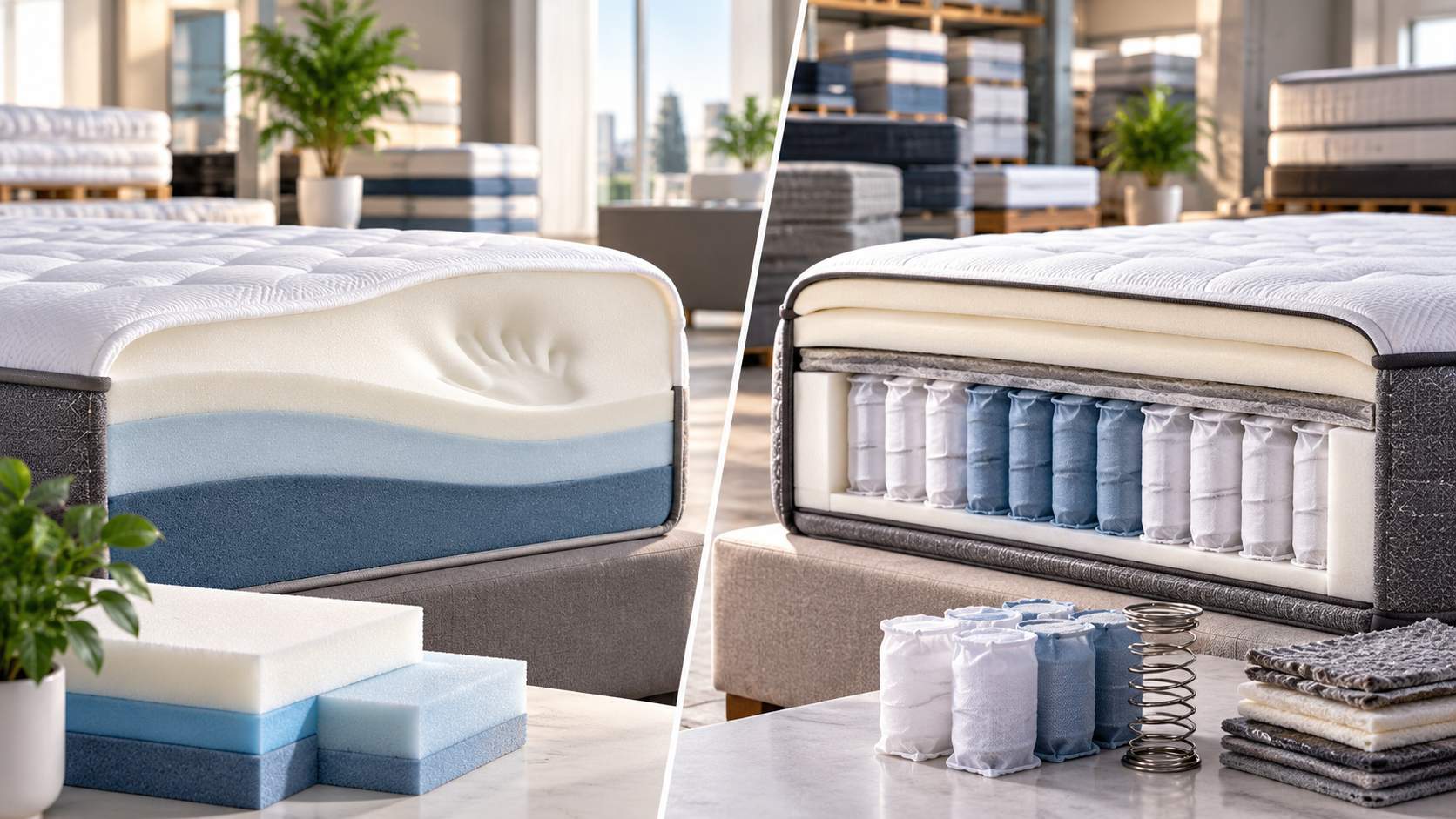
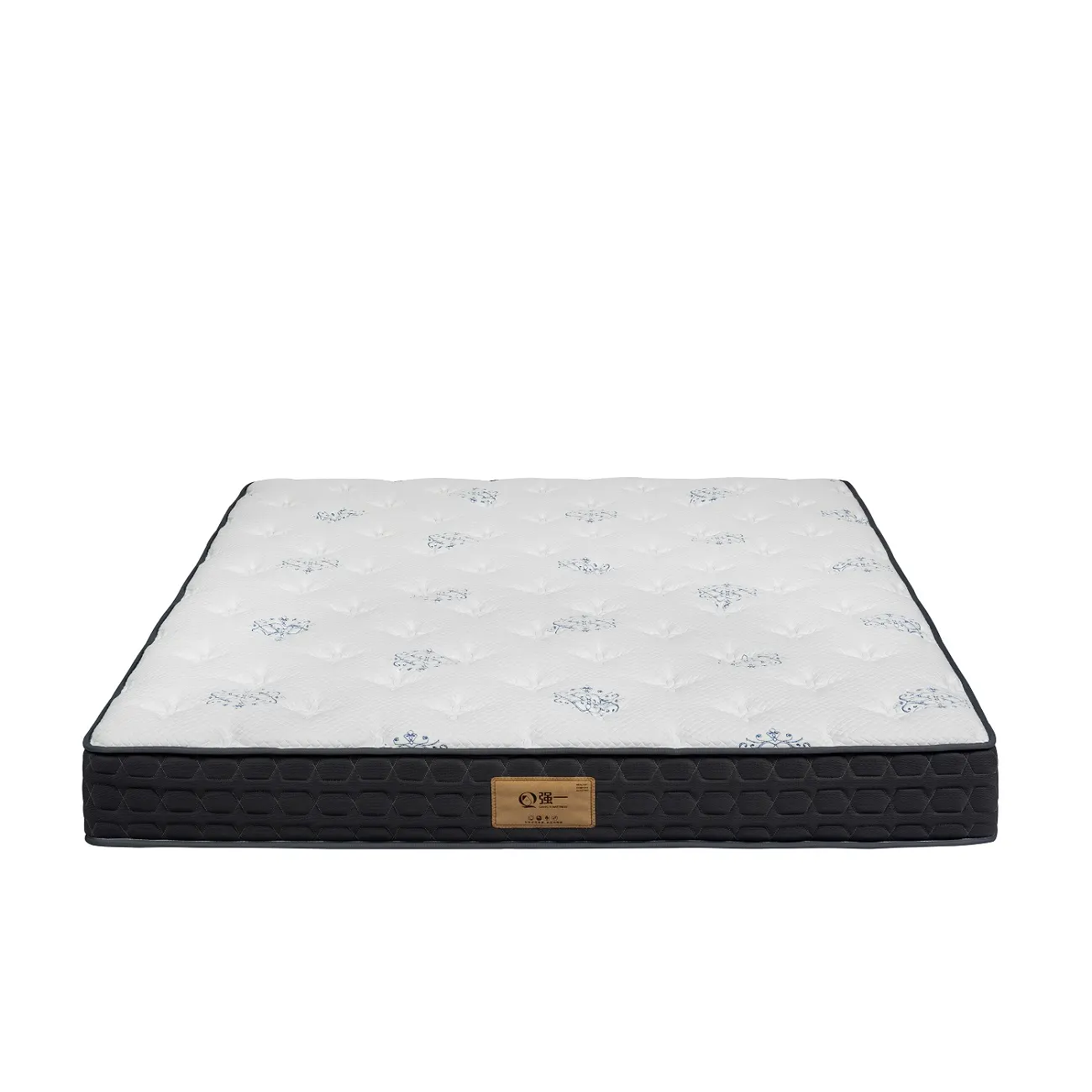
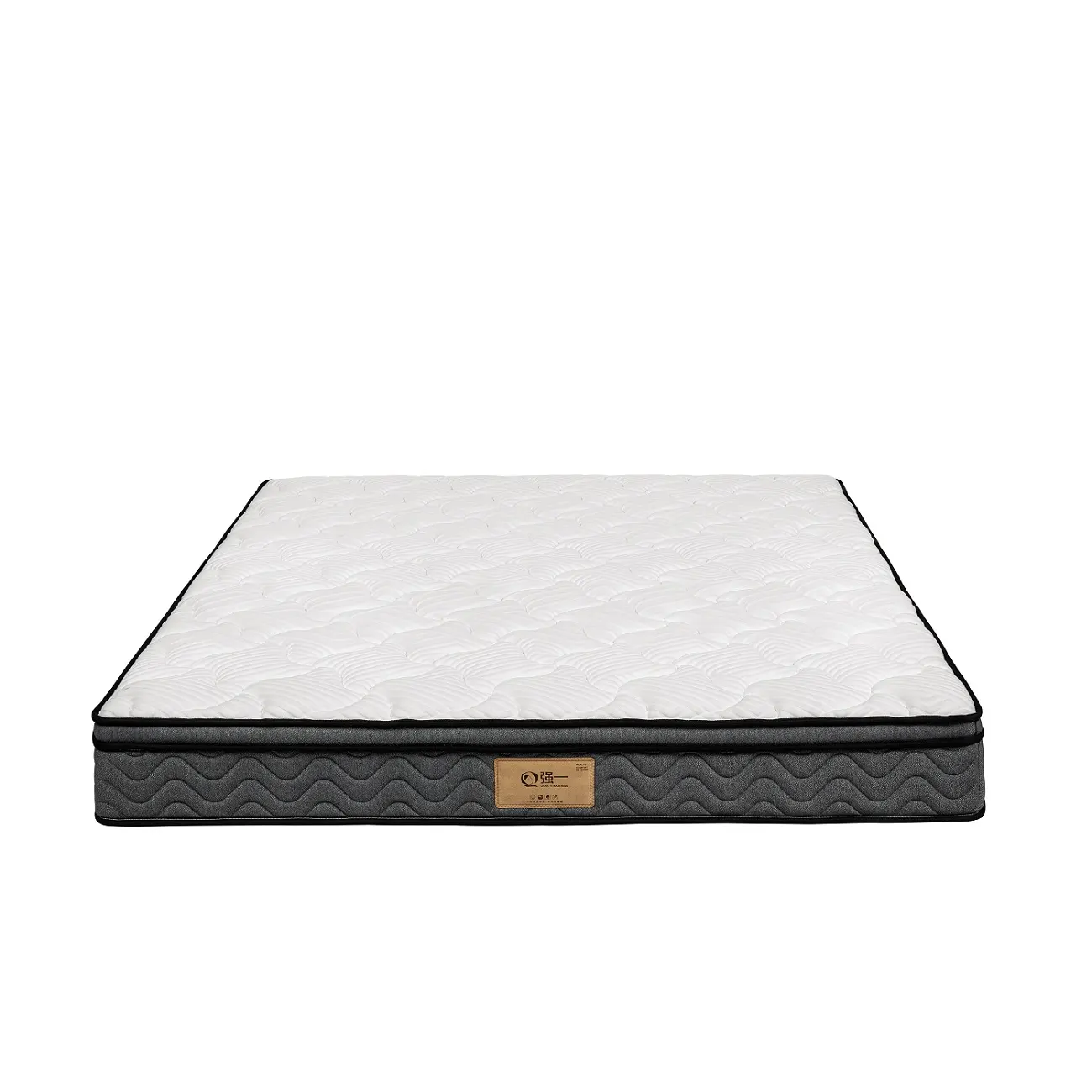
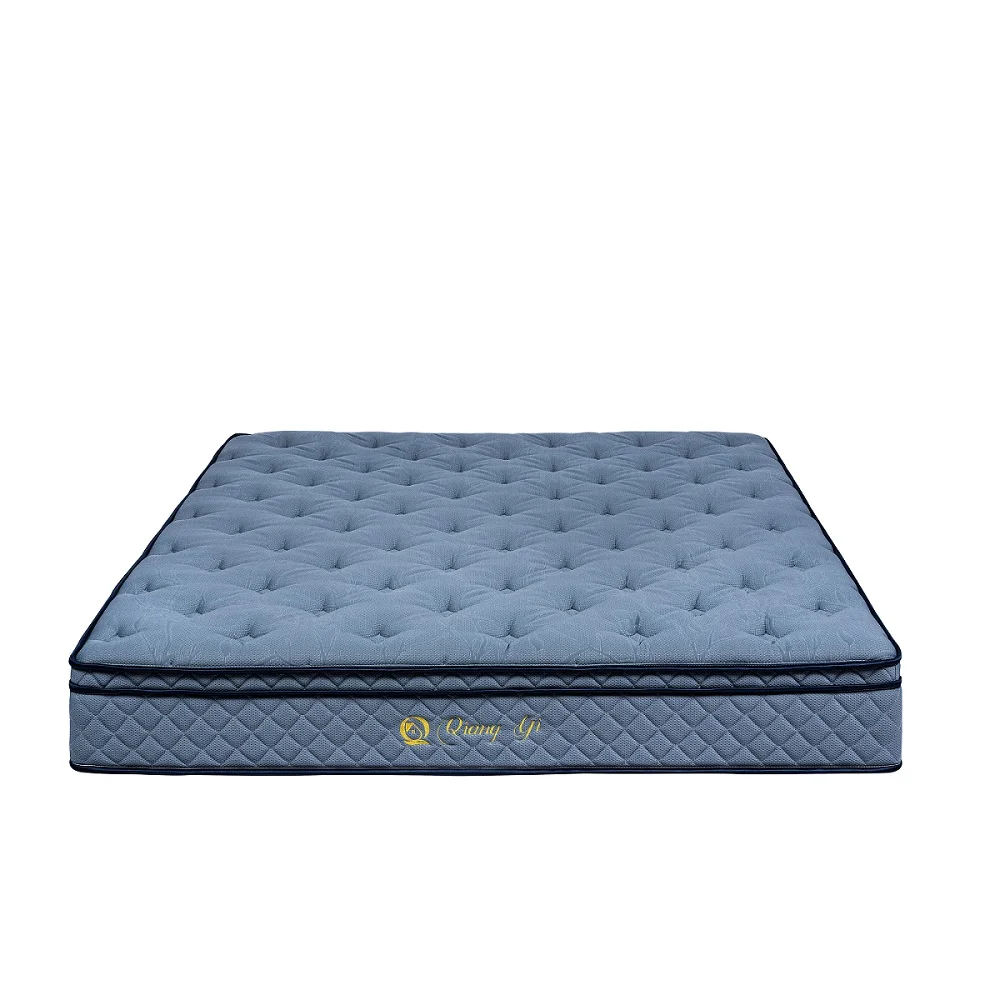
For mattress brands, importers, wholesalers, retailers, and hospitality buyers, the memory foam vs hybrid mattress question is really about product positioning. The two constructions can share the same firmness label and still feel very different. Support response, airflow, edge behavior, packing, and repeat-order control all change with the build. Before a buyer asks for prices, the structure and the intended sales channel should already be reasonably clear.
Which Construction Differences Actually Change the Buying Decision?
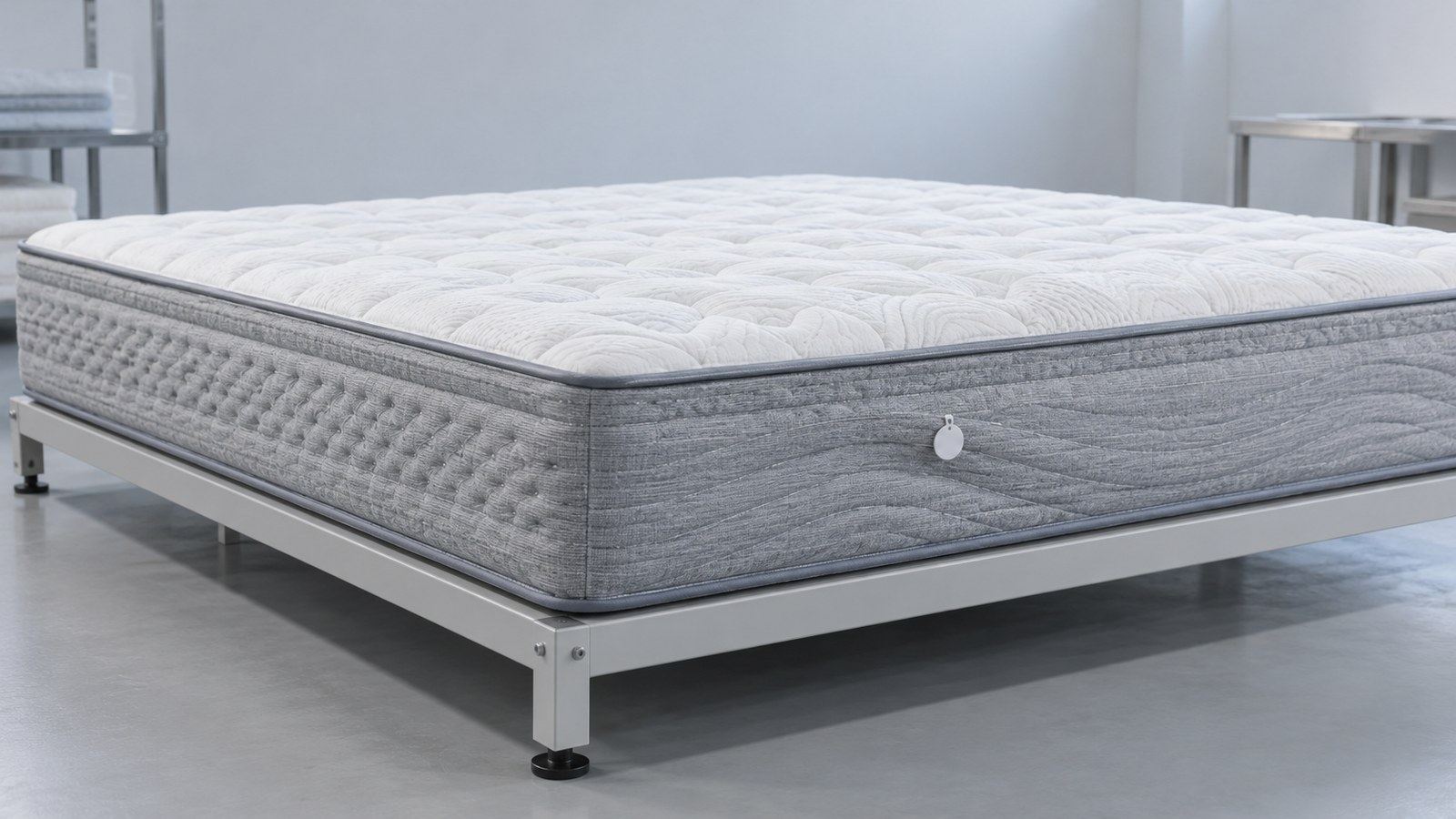
The first check is simple: what is doing the supporting? Memory foam is used for its body-contouring, slow-response behavior. A hybrid adds a spring unit under the comfort layers. That difference affects how the mattress reacts when weight shifts and how the upper layers are felt.
Read the mattress from the support core upward
In an all-foam design, foam handles both comfort and deeper support. In a hybrid, the spring unit takes a larger structural role. Independent pocket springs are individually wrapped, so one area can react more locally when pressure is applied.
That does not make one construction better by default. A buyer sourcing a slower, more enveloping feel may lean toward memory foam. A buyer looking for a quicker response may prefer a hybrid. The important part is to specify the layer order, thicknesses, firmness reference, and finished height before treating two quotations as comparable.
Where Do Memory Foam and Hybrid Designs Behave Differently in Use?
A short showroom test can hide important differences. Finished performance comes from the cover, comfort layers, support system, and edge construction working together, not from one material name.
Compare response, airflow, and edge feel separately
Memory foam tends to follow the body more closely and return more gradually after pressure changes. A pocket spring core adds a faster mechanical response below the comfort layers. Two “medium” mattresses can therefore feel quite different.
Airflow needs a separate review. Pocket springs leave more open internal space, but the cover, quilting, foam thickness, and breathable intermediate layers still matter. Motion control is another issue: memory foam can absorb local movement, while pocket springs can reduce interaction between neighboring coils.
Edge stability should be checked on its own. Press or sit near the perimeter. A mattress that feels stable in the center can behave differently at the side, especially when the edge design is light.
What Should Be Fixed in the RFQ Before Quotations Are Compared?
Price only becomes useful when suppliers are quoting the same basic construction. Otherwise, a cheaper offer may simply use a thinner comfort stack, a different cover, another spring unit, or a simpler packing method.
Put the variables that affect cost in writing
A practical RFQ can stay short:
| Item | What to define |
|---|---|
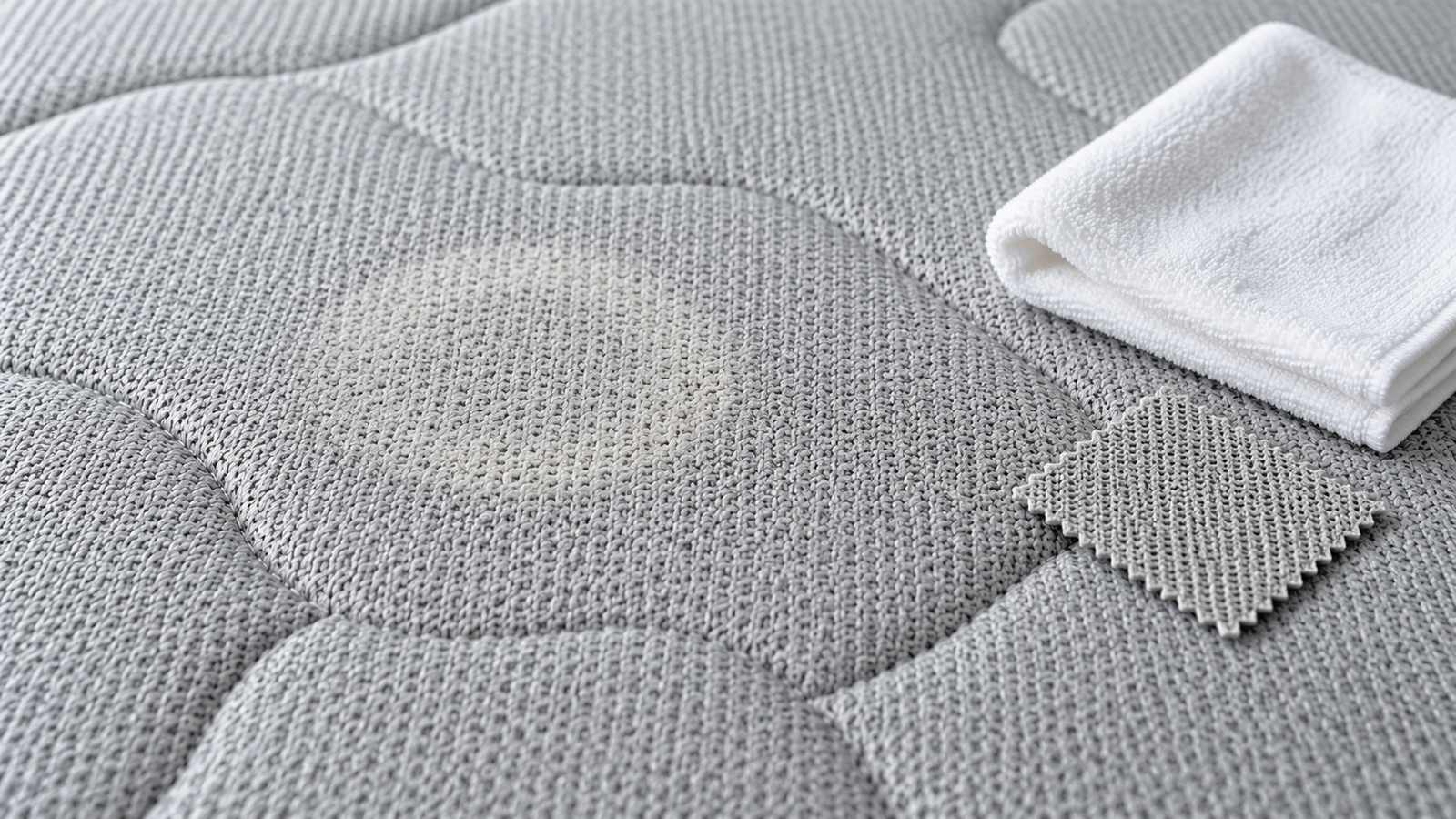
| Cover | Fabric type, composition, quilting |
| Comfort layers | Material and thickness |
| Foam | Density or hardness when relevant |
| Support system | Foam core or pocket spring construction |
| Firmness | Approved reference or target range |
| Finished size | Length, width, height, tolerance |
| Packing | Flat, compressed, rolled, carton format |
| Labeling | Brand and destination-market information |
Sales terms such as “plush,” “medium,” and “firm” are useful, but they are not enough for production control. Pair them with an approved sample and a construction sheet. That becomes especially important on repeat orders, when the factory may be producing the same SKU months later.
How Should Buyers Test Samples and Packing Before a Bulk Order?
A fresh sample tells the buyer how the mattress feels at the factory. It does not show what happens after compression, storage, transport, and reopening. If the product will travel packed, the validation process should include that condition.
Test the mattress the way it will actually be shipped
For compressed or roll-packed orders, use the intended construction and packing method. After opening, check height recovery, edge shape, surface flatness, and whether the feel still matches the approved reference.
Agree on the recovery period and acceptance limits before shipment. Phrases such as “normal recovery” are too vague once a container has already reached the destination.
Keep one approved sample when practical. The written specification records dimensions and materials; the physical sample records feel, appearance, quilting tension, and other details that are harder to describe. If a fabric, foam, or spring component changes later, the buyer has a clear basis for deciding whether resampling is necessary.
Which Construction Fits the Sales Channel and Product-Line Role?
The last question is commercial. A technically sound mattress can still be a weak addition if it overlaps with an existing SKU or does not suit the way it will be sold and delivered.
Give the new model a clear job
Retail stores usually benefit from visible differences between models. A slower, more contouring memory foam design can occupy a different comfort position from a hybrid with a quicker spring response.
E-commerce buyers should pay more attention to packing size, opening, and recovery. Hospitality buyers may care more about broad comfort tolerance, edge behavior, and whether the same build can be repeated later for replacement orders.
Before approving another SKU, compare it with the current range by height, feel, materials, support structure, packing, and target price. If the differences are hard to explain without a long sales script, the model may be too similar to what is already on offer.
Need Help Matching a Mattress Construction to Your Target Market?
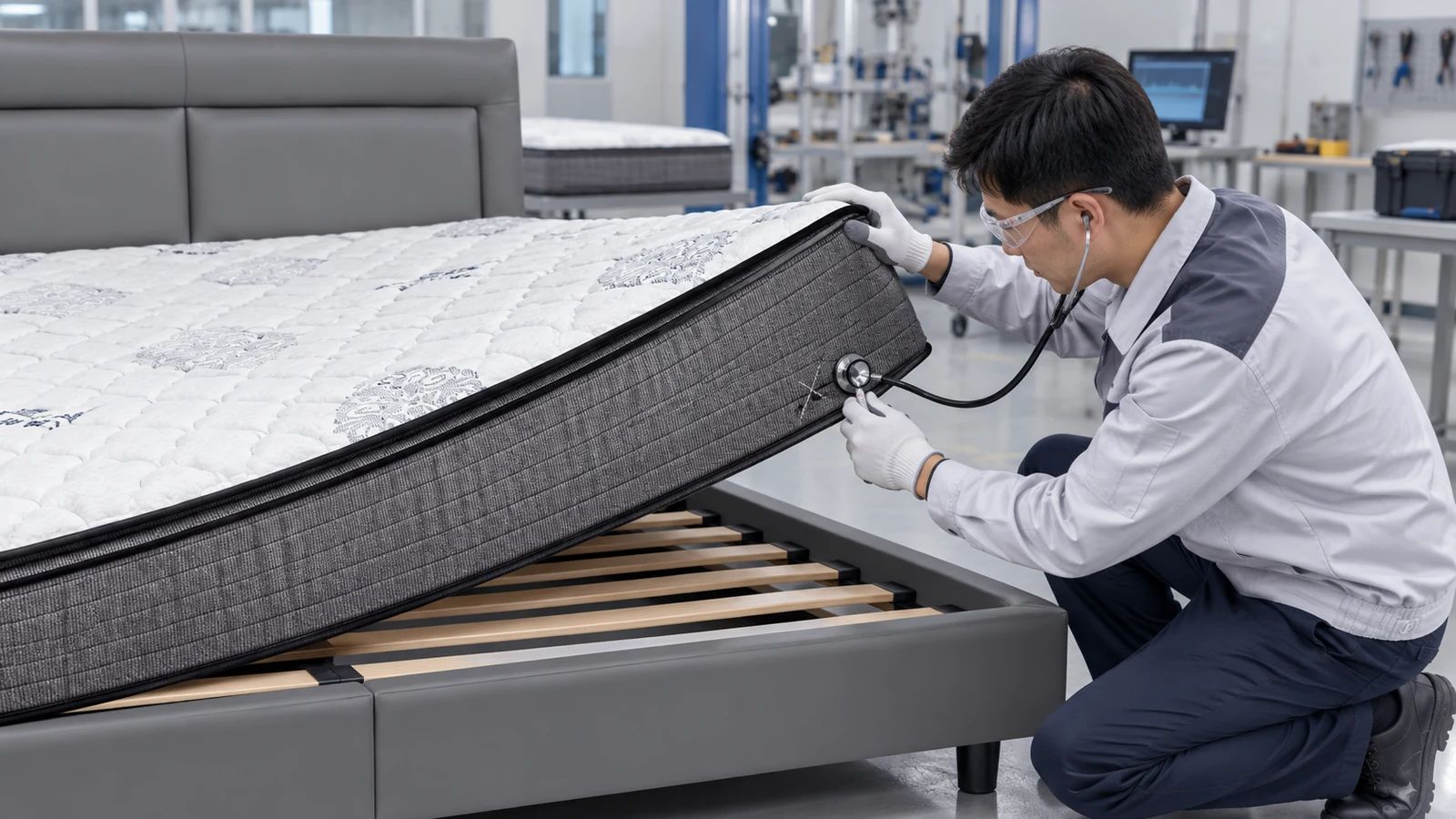
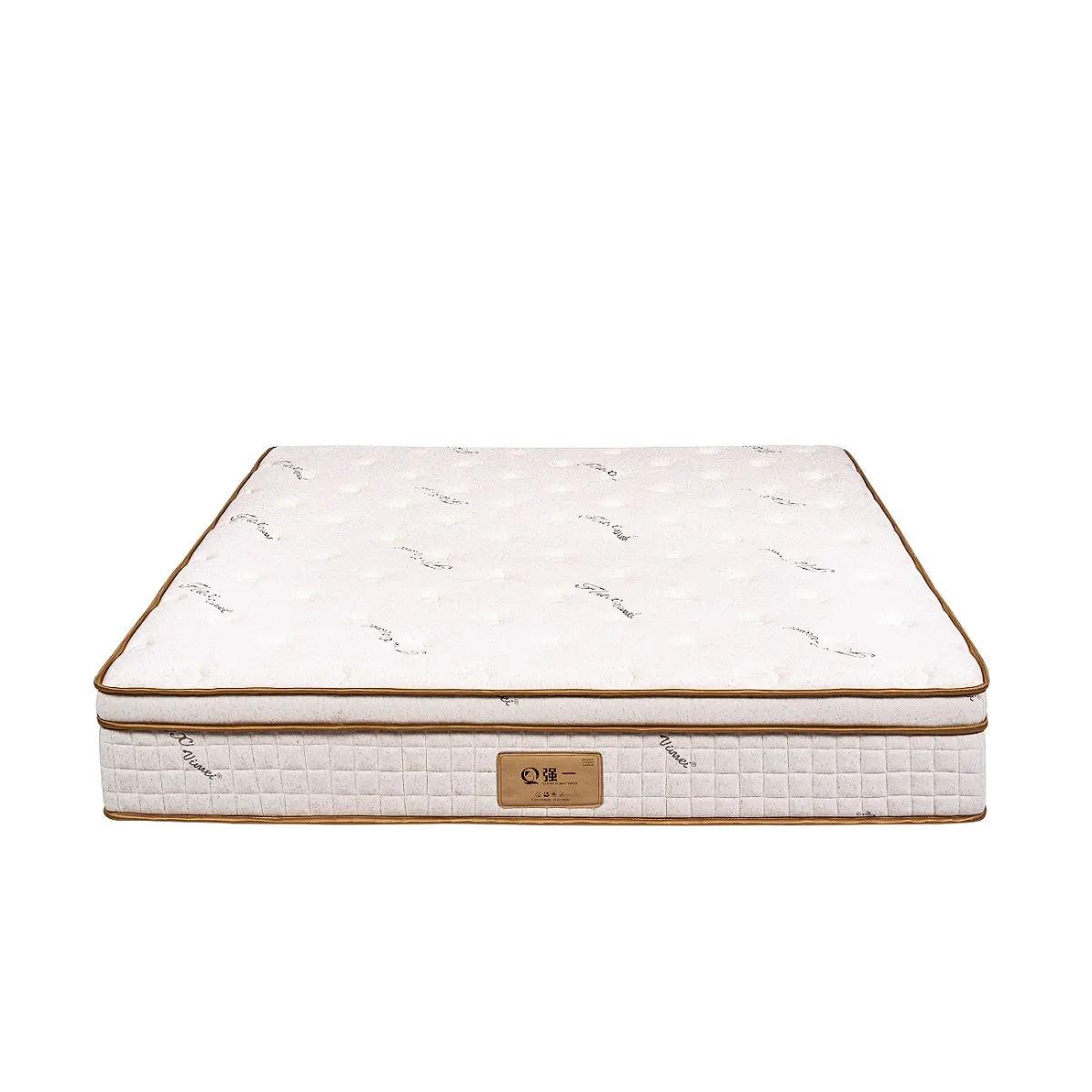
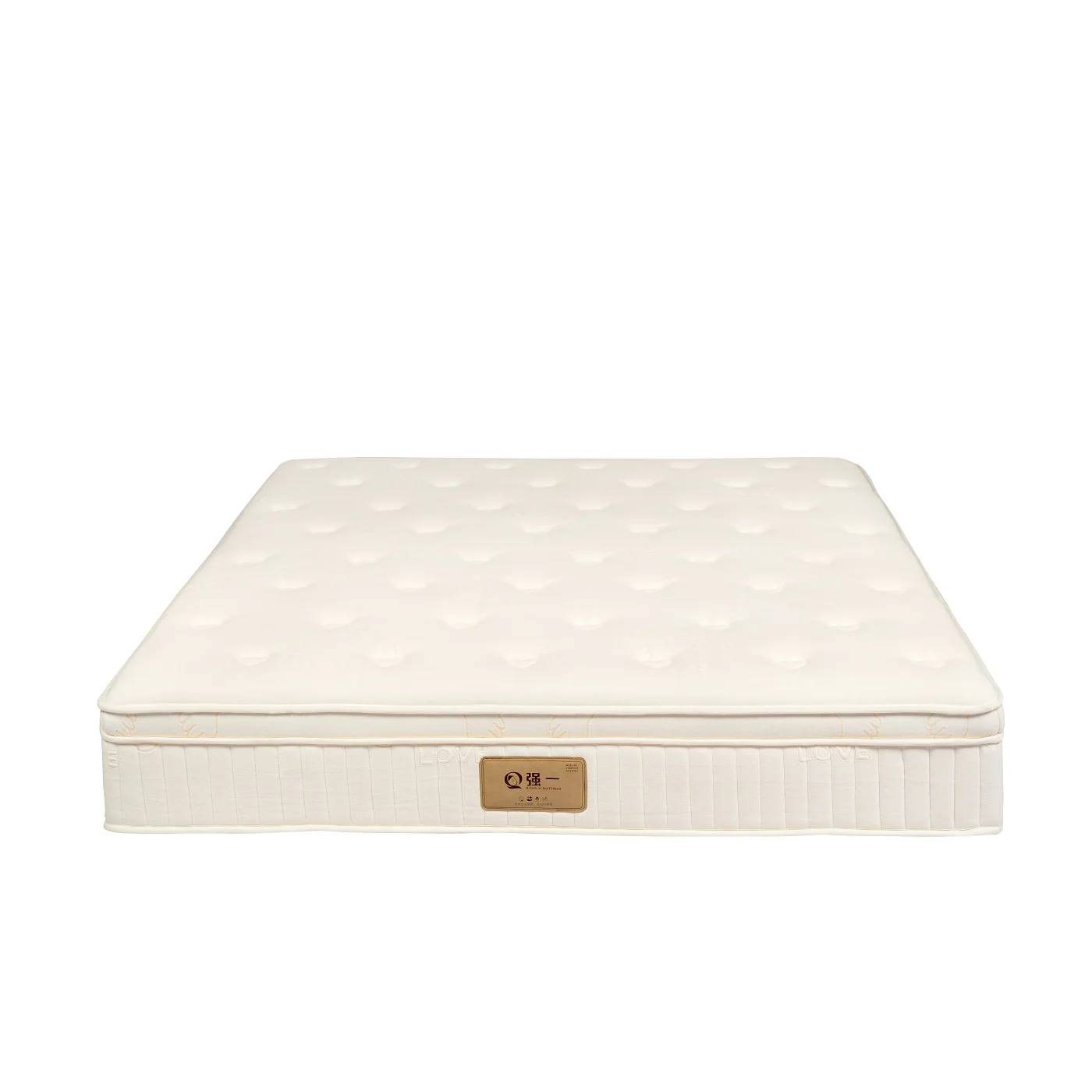
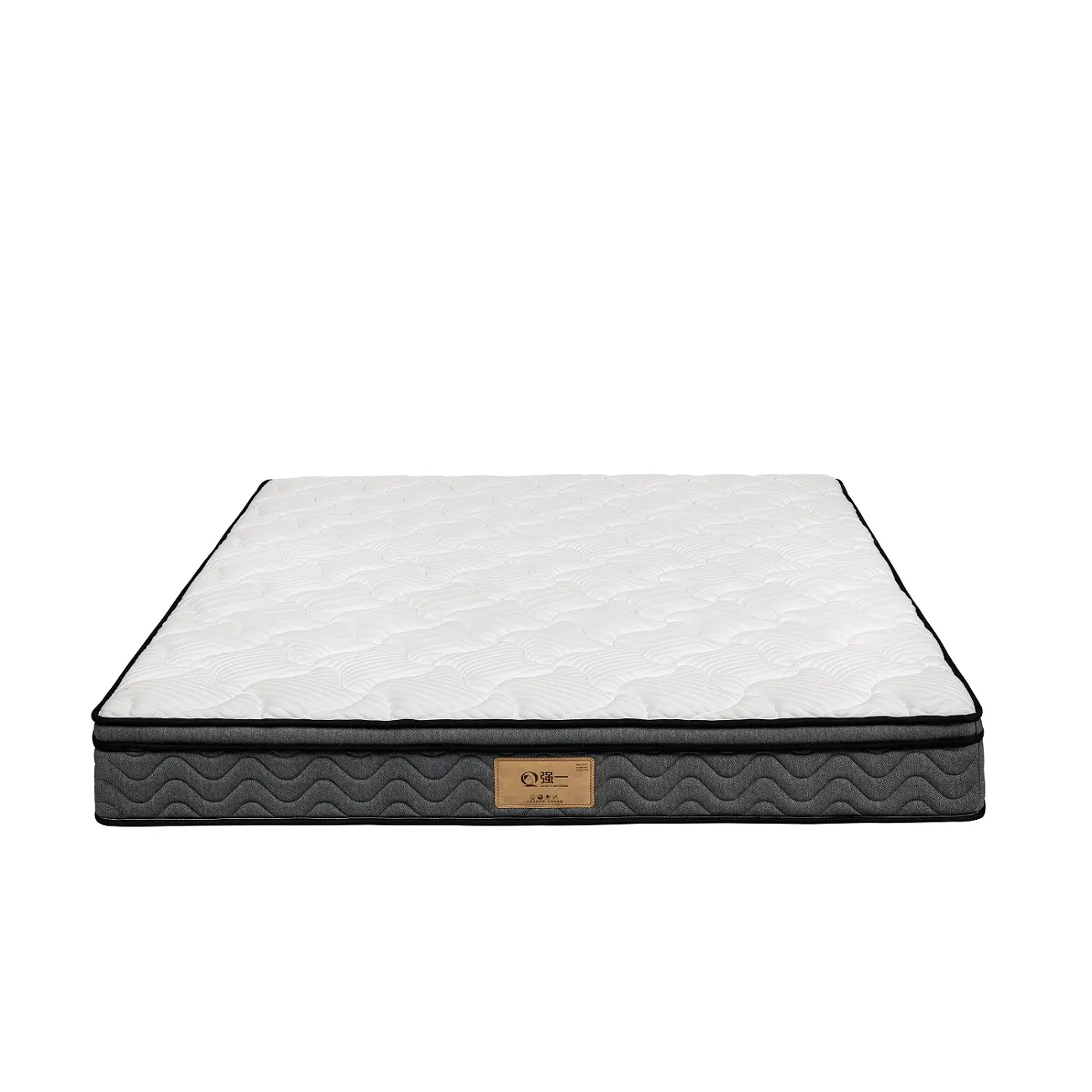
Guangdong Qiangyi Intelligent Manufacturing Technology Co., Ltd. supports B2B mattress development from specification review through sampling and production. Buyers comparing foam and spring-based constructions can review its 3D foam mattress range and hybrid mattress range, then use the OEM/ODM mattress service to define materials, firmness, dimensions, packing, and branding. The documented workflow covers requirement confirmation, material selection, sample approval, testing, production, inspection, and acceptance. Its quality assurance process gives buyers a basis for discussing spring, foam-hardness, firmness, edge-compression, and packaging checks before a bulk order is released.
Conclusion
A memory foam vs hybrid mattress comparison should begin with the layer structure and end with the way the finished mattress will be sold, packed, and reordered. Memory foam offers slower contouring; hybrids add a spring support unit with a different response. For B2B buyers, the safer decision comes from fixing the RFQ, approving the real sample, testing the intended packing method, and making sure the new SKU has a clear role in the range.
FAQs
Is a hybrid mattress automatically more durable than a memory foam mattress?
No. Durability depends on the complete build, including foam properties, spring construction, cover, edge design, bonding, and use conditions. Buyers should compare the approved specification and relevant inspection methods instead of relying on category labels.
Should mattress buyers compare foam density before placing an order?
Yes, when density is part of the approved design. Record it with thickness, hardness, layer position, and the reference sample so later production is not based only on the phrase “memory foam.”
Which construction is easier to sell as a mattress-in-a-box?
Both can be packed for e-commerce, but the exact construction must be tested with the intended compression method. Buyers should check recovery, edge shape, finished height, and surface condition after opening.
How can firmness stay consistent across repeat mattress orders?
Use an approved physical sample together with a written layer specification and agreed inspection method. A sales label such as “medium” is useful, but it should not be the only production reference.
What is the biggest sourcing difference between memory foam and hybrid mattresses?
Hybrid sourcing adds spring-unit and edge-integration variables, while all-foam designs depend more heavily on foam properties and layer compatibility. Both need clear specifications, sample approval, packing validation, and change control.