


9th October 2026
Gel Memory Foam and Natural Latex in One Mattress: What Should Private-Label Buyers Know?
-
 author
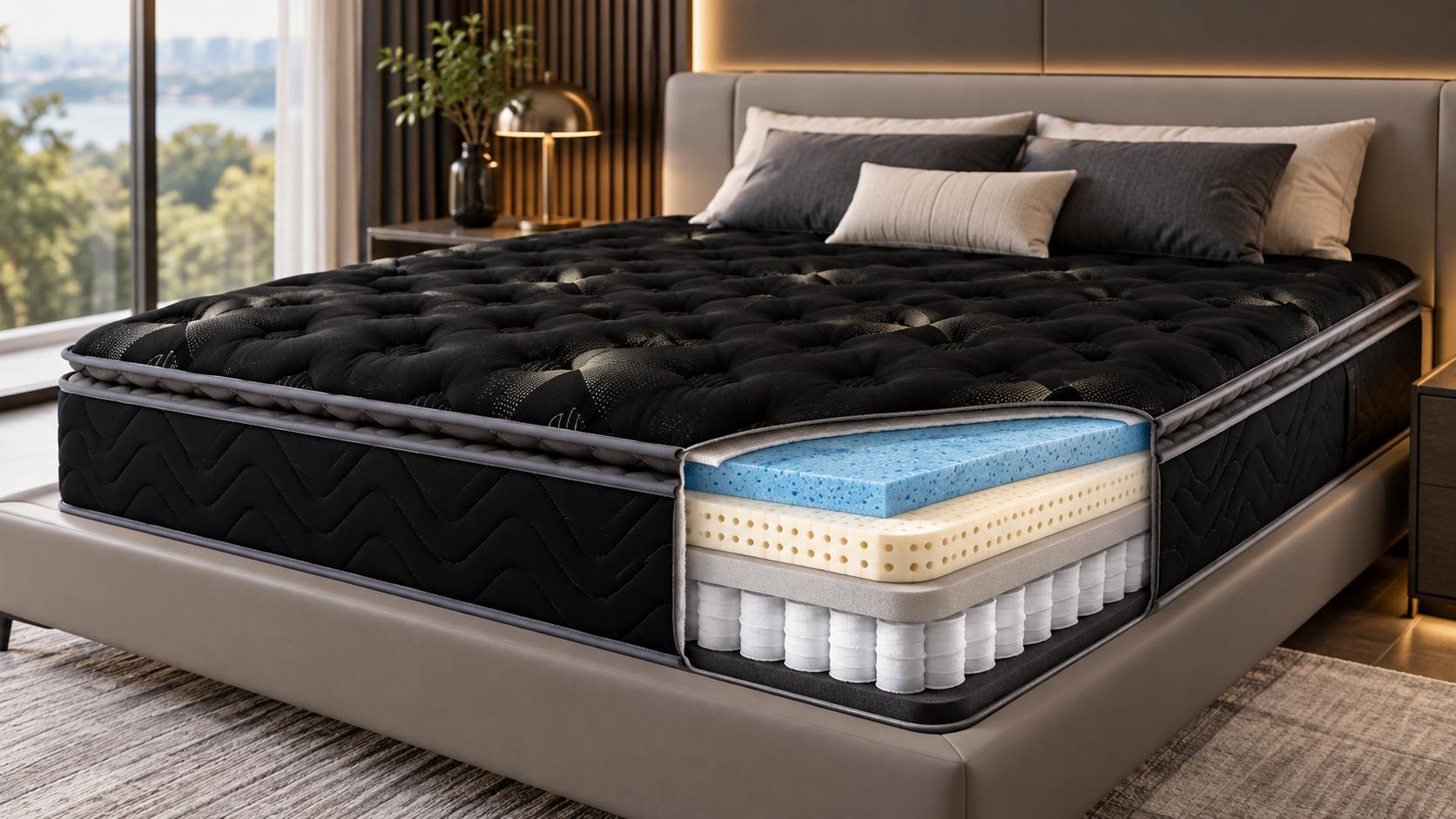
Putting gel memory foam and natural latex into the same mattress can look like a simple upgrade, but the decision is more complicated once the first sample reaches the showroom. A private-label buyer may expect the memory foam to create a softer, more contouring surface while the latex adds rebound underneath. In practice, the balance can shift quickly when layer thickness, quilting, spring tension, or compression changes.
Why Does This Combination Need More Than a Good Material List?
Mattress development often starts with materials because they are easy to discuss in a meeting. “Add memory foam,” “use latex,” or “make it softer” sounds clear until the first sample arrives and the result does not match the expectation.
The first sample may expose a conflict between softness and recovery
A buyer may ask for a soft mattress and still dislike a surface that feels slow when the sleeper turns. That happens because softness and response are not the same thing.
Gel memory foam can give the upper surface more contouring. Natural latex, depending on how it is positioned, can bring back some spring and movement. The combination becomes useful when those two behaviors feel intentional rather than accidental.
During sample review, the difference usually appears after the sleeper has been on the mattress for a while. First contact may feel soft and inviting, but the more important moment comes when the body changes position. If the upper section reacts too slowly, the mattress can feel heavier than the brand intended.
How Much Does Layer Order Change the Final Feel?
Two mattresses can contain memory foam and latex in almost the same quantities and still feel noticeably different. The reason is often the order of the layers and what sits above them.
Quilting, cover tension, intermediate foam, and the distance between the sleeper and the spring unit all affect how quickly each material is felt.
A buyer should pay attention to which material appears first
If memory foam dominates the upper section, the mattress may show more contouring before the latex becomes noticeable. Move the latex closer to the surface and the same construction may feel more responsive.
This is why a material list alone is not enough for private-label approval.
In one development project, a brand may want a soft SKU that still feels easy to move on. In another, deeper contouring may be the point of the product. The materials can be similar, but the layer arrangement should follow the product role.
Small changes often produce larger differences than expected
A slight increase in an upper foam layer can make the mattress feel softer, but it can also hide some of the latex response underneath. Reduce the layer too much and the spring core may become noticeable earlier than expected.
These are the adjustments that usually happen during sampling.
Once the right balance is found, layer thickness and sequence need to be recorded carefully. Otherwise, a repeat order can drift even if the supplier keeps using the same general material names.
Where Does This Mattress Fit in a Private-Label Product Range?
A new construction only earns its place when customers can tell why it is different.
That sounds obvious, but product overlap is common. A brand may end up with one gel memory foam model, one latex model, and one gel-plus-latex model that all feel almost the same on the sales floor.
The combination works best when it fills a real gap
Consider a range where the entry model uses conventional cushioning over pocket springs. The next model adds gel memory foam and feels more contouring. A third mattress can use latex to keep the softer surface while adding quicker recovery.
That gives the third model a recognizable job.
It also makes the buying conversation easier. The sales team does not need to explain the product only through a longer specification sheet. They can talk about how the mattress feels compared with the model below it.
If that difference is difficult to notice during side-by-side testing, the buyer may be adding cost without adding a clear product position.
What Should Buyers Actually Do During Sample Review?
Sample approval should involve more than lying still for several minutes. A mixed comfort system reveals more when the sleeper moves across the mattress.
The easiest way to spot problems is to test it like a customer would use it at home.
Move through several positions before making a judgment
Start on the back, turn onto the side, sit near the edge, then change position again. Notice how quickly the surface recovers and when the deeper spring support begins to take over.
A soft mattress may feel excellent at first and still become too slow after the upper layers compress. Another sample may recover quickly but lose the softer character the brand wanted.
Neither problem is obvious from the specification sheet.
The buyer is trying to answer a practical question: does the mattress behave the same way the product team described it before the sample was made?
How Can the Approved Feel Be Kept Stable in Future Orders?
Once the buyer approves the sample, the problem changes. Development is mostly finished; repeatability becomes the priority.
This is where loose descriptions such as “similar foam” or “same type of latex” can cause trouble.
The approved construction needs a fixed reference
The production file should identify the gel memory foam, latex, layer thicknesses, order of construction, cover, cushioning materials, spring system, finished height, and firmness reference.
If one component becomes unavailable, the replacement should be reviewed before production continues.
A material that looks equivalent on paper can recover differently or change the finished feel. That matters even more in a mattress where two comfort materials are supposed to balance each other.
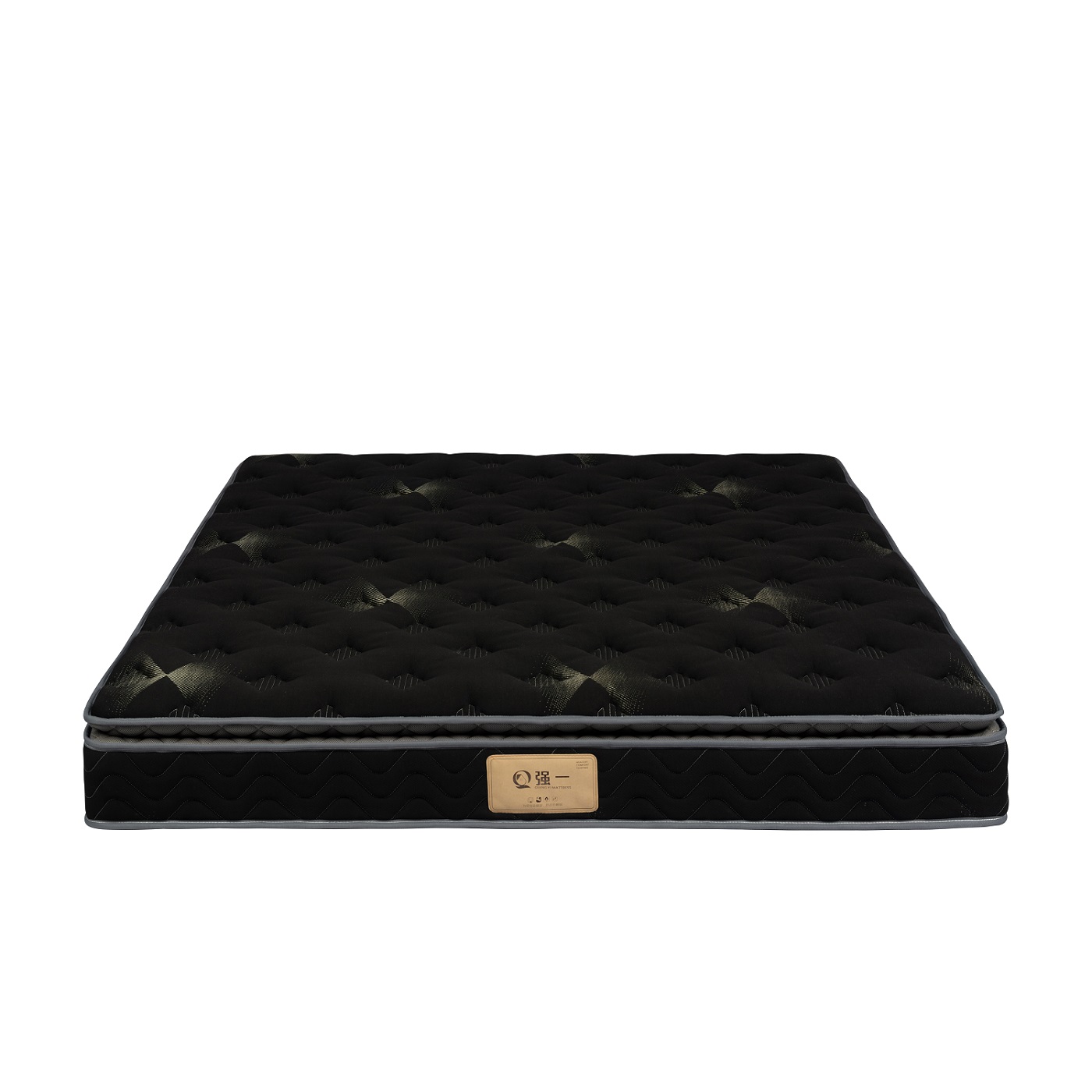
The physical reference sample is useful here. The build sheet explains what the mattress contains; the sample shows how that construction is supposed to behave. Together, they give both buyer and manufacturer something concrete to compare against during later production.
Need Help Turning a Mixed Comfort Concept Into a Production-Ready Mattress?
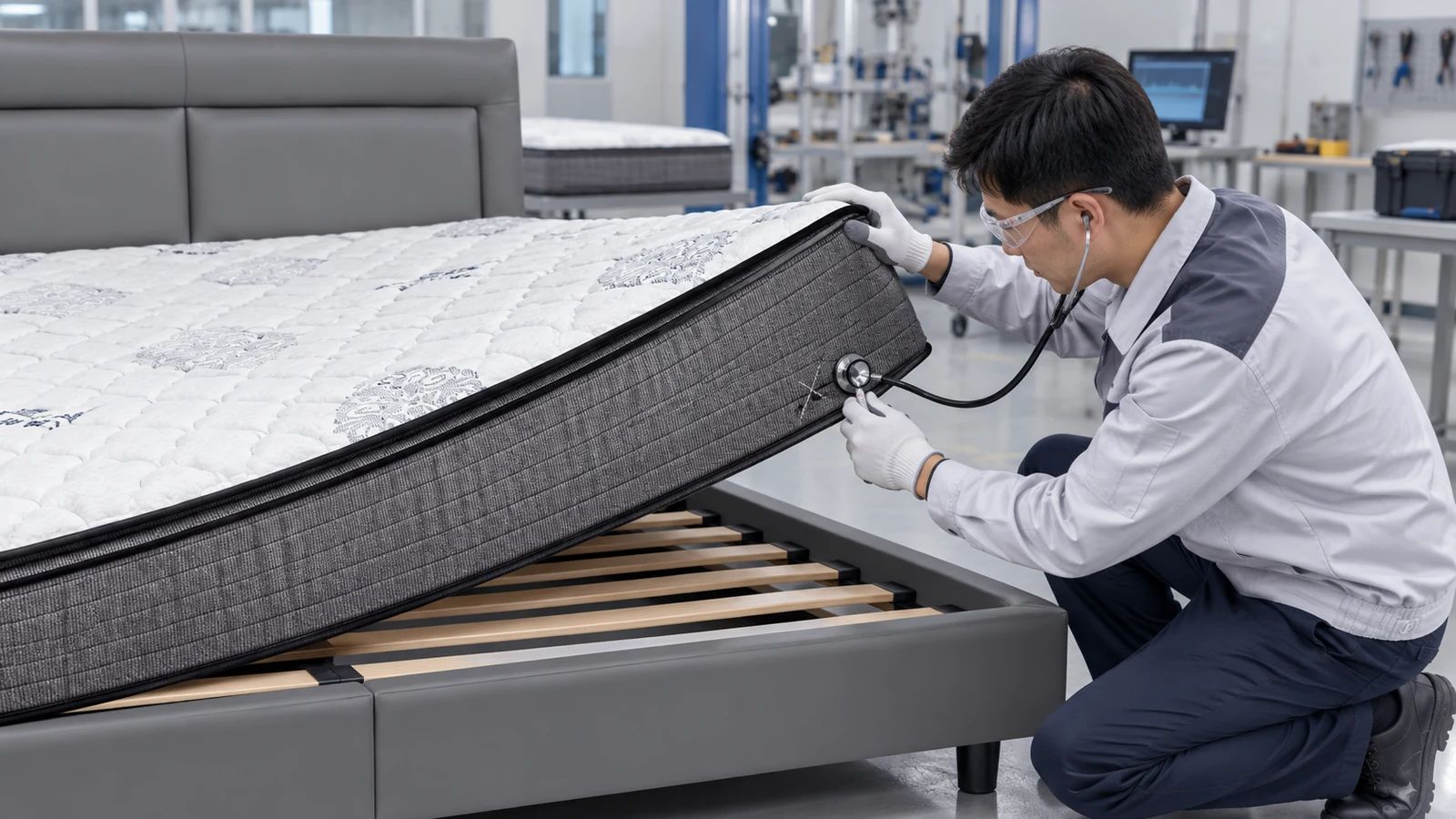
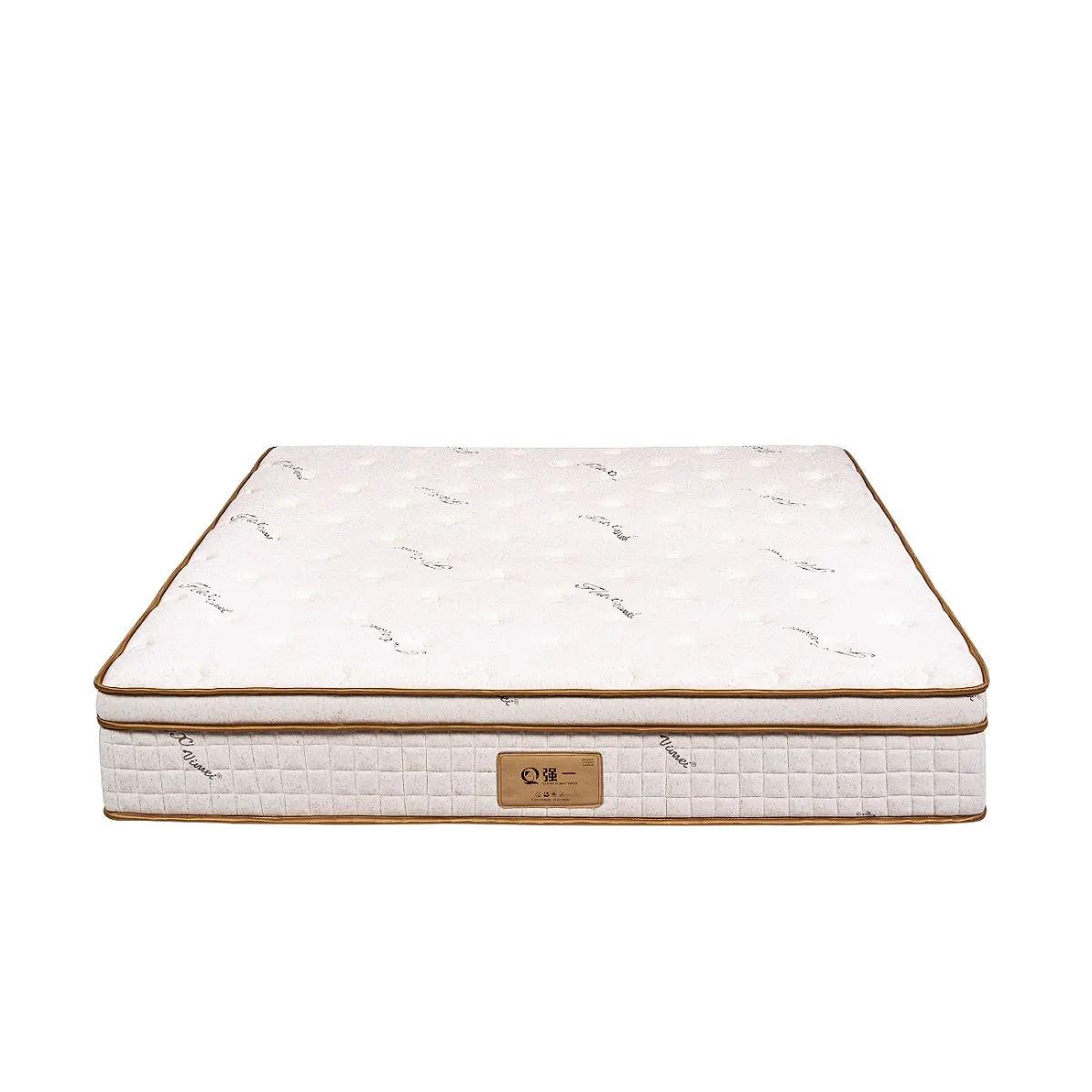
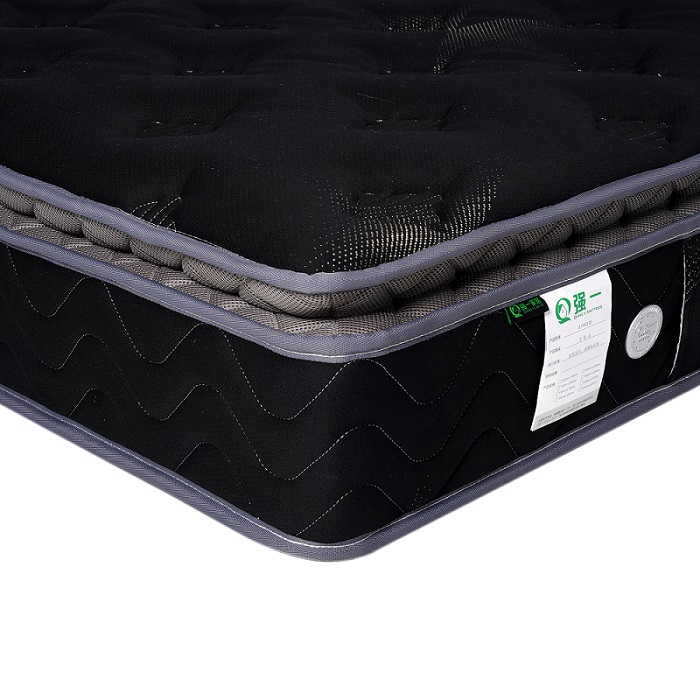
Guangdong Qiangyi Intelligent Manufacturing Technology Co., Ltd. works with mattress brands, retailers, distributors, and private-label buyers developing products for different comfort positions and sales channels. Through its OEM mattress service, buyers can confirm materials, layer structures, firmness, dimensions, branding, and packaging before production. Its wider mattress product range gives buyers useful reference points when comparing different constructions, while the company’s quality assurance process supports checks related to materials, spring systems, firmness, compression, and finished products. For mixed comfort systems, the practical goal is keeping the approved sample recognizable when the same mattress moves into repeat manufacturing.
Conclusion
Gel memory foam and natural latex can work well in the same mattress when each material has a clear purpose. The real test is not the specification sheet but the sample: how the surface settles, how quickly it recovers, and whether the product feels different from nearby SKUs. For private-label buyers, controlling the layer sequence, approving the post-compression result, and keeping a reliable reference sample are what turn a good development idea into a repeatable product.
FAQs
1. Why can the first gel memory foam and latex sample feel different from the original plan?
Because quilting, layer thickness, material order, and spring response all affect the finished mattress. Even when the selected materials are correct, their interaction may need adjustment during sampling.
2. What if the mattress feels too slow when changing sleeping positions?
The buyer can review the upper foam thickness, layer sequence, and latex contribution before redesigning the mattress completely. The problem may come from balance rather than the material choice itself.
3. How do buyers know whether this model is too similar to another SKU?
Place the mattresses side by side and compare first-contact softness, recovery, deeper support, and overall feel. If the difference is difficult to explain, the new model may need clearer separation.
4. Should a supplier be allowed to replace latex or foam without approval?
Not when the change can affect resilience, recovery, height, or firmness. A substitute may appear technically similar while still altering the behavior of the approved mattress.
5. Why should a recovered roll-packed sample be kept for repeat orders?
It gives buyers and manufacturers a practical reference for finished height, surface appearance, firmness, and comfort response after compression, making later production differences easier to identify.