


16th October 2026
How Should OEM Buyers Verify Mattress Felt Layer Density, Thickness, and Compression Resistance?
-
 author

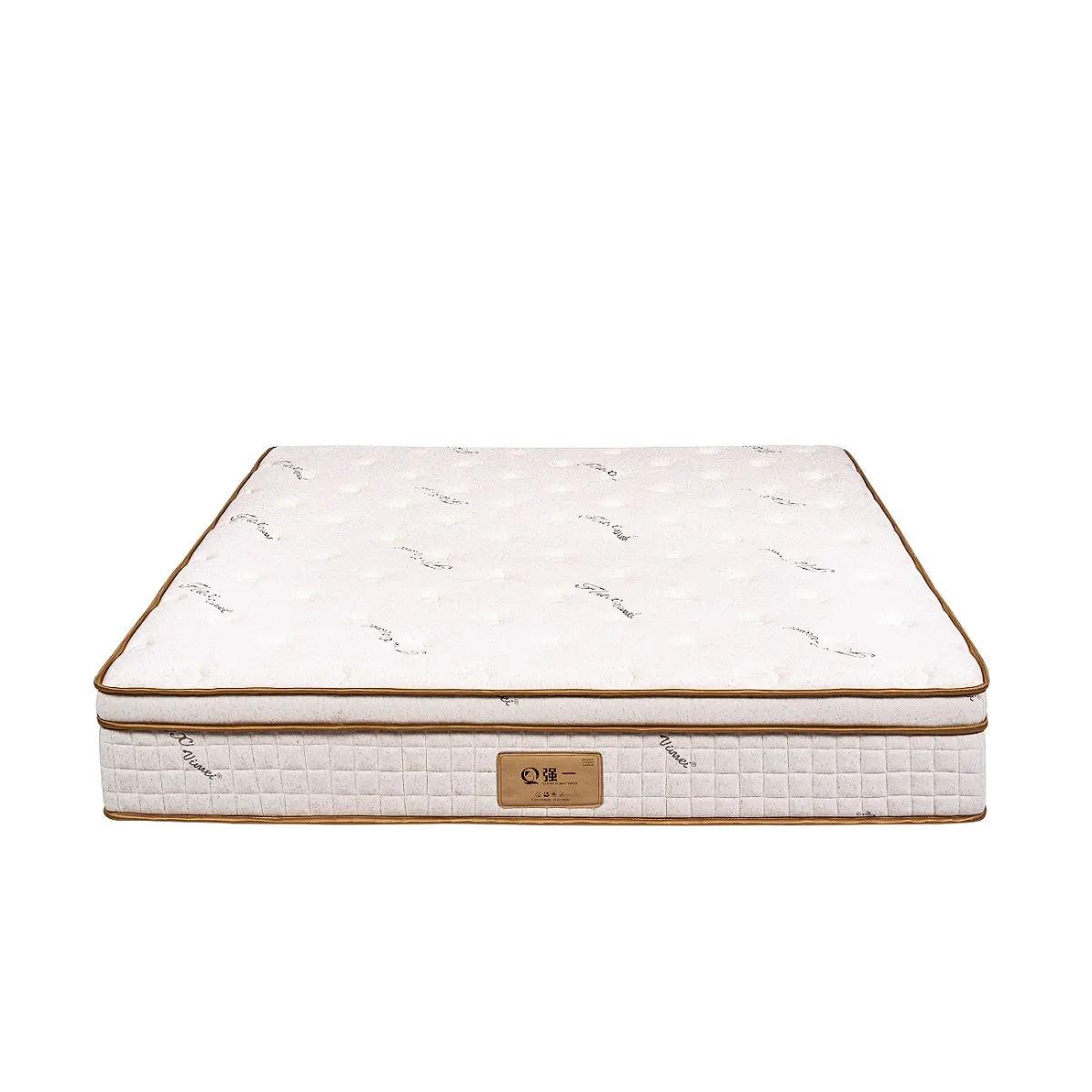
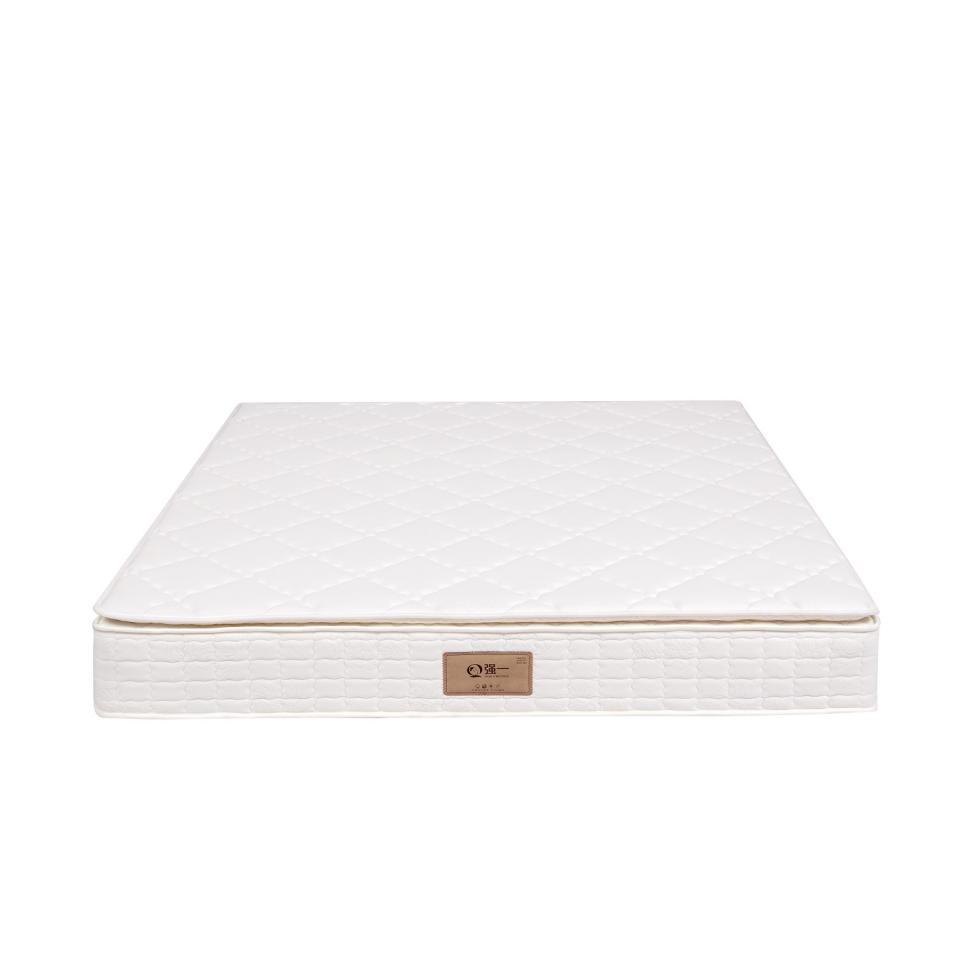
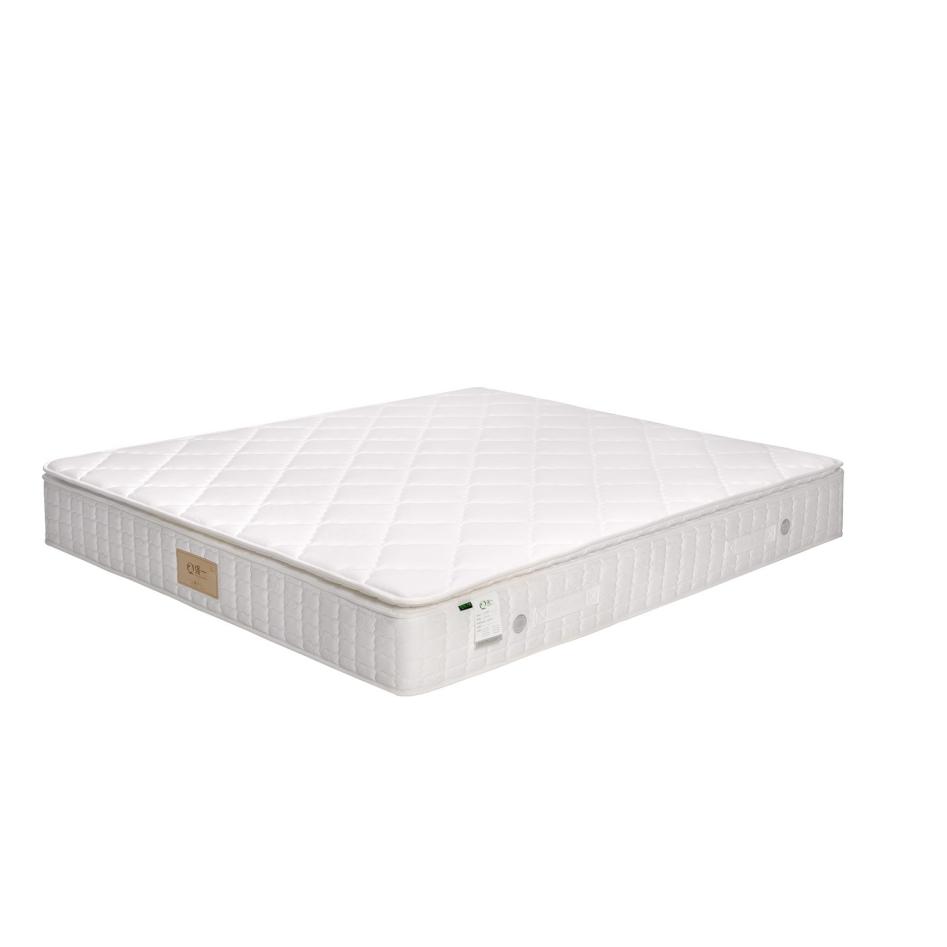
Felt is a simple component in a mattress BOM. Suppliers can specify felt by weight, thickness, fiber type and even refer to it as a high-density material. Unfortunately these terms are not always used with the same meaning. As an OEM buyer you would not want to place repeat orders of “same” felt, which may behave very differently under load. QYM005 contains a 550g formaldehyde-free cotton felt within a general construction of memory foam, natural latex and pocket springs. Important from a procurement point of view is not that felt is included, but that the weight, thickness, compression and batch consistency of the felt is specified in sufficient detail for it to remain repeatable.
Why Is Mattress Felt Harder to Specify Than It Looks?
Felt is often treated as a supporting material rather than a headline feature. That can lead buyers to approve it with only a material name and nominal weight.
The real problem surfaces later when you get to use the replacement batch, which may feel thinner, be softer to the touch or even not be as uniformly colored as the original product although it is marked with the same product grade by your supplier.
Basis weight and density are not interchangeable
For fibrous felts, supplier’s quotations are often given in grams/square meter and even only written as ‘g’ in a mattress BOM. This specifies the basis weight and not the real volumetric density.
Basis weight and thickness also play a role. Two felt sheets with the same basis weight can have a different loft, density and load bearing capacity.
The term “density” is often misused by suppliers. Ask them to explain what they actually mean: basis weight, mass/volume, or a generic internal grade name.
Thickness needs a defined measuring condition
A soft fibrous sheet can change thickness under pressure.
Thus a figure like “8 mm” is not complete without an agreement on the corresponding test condition. The tool, contact force, conditioning time and location of the sample all can affect the result.
For repeat production, method is almost as important as the nominal thickness.
How Should Buyers Verify Felt Density and Thickness?
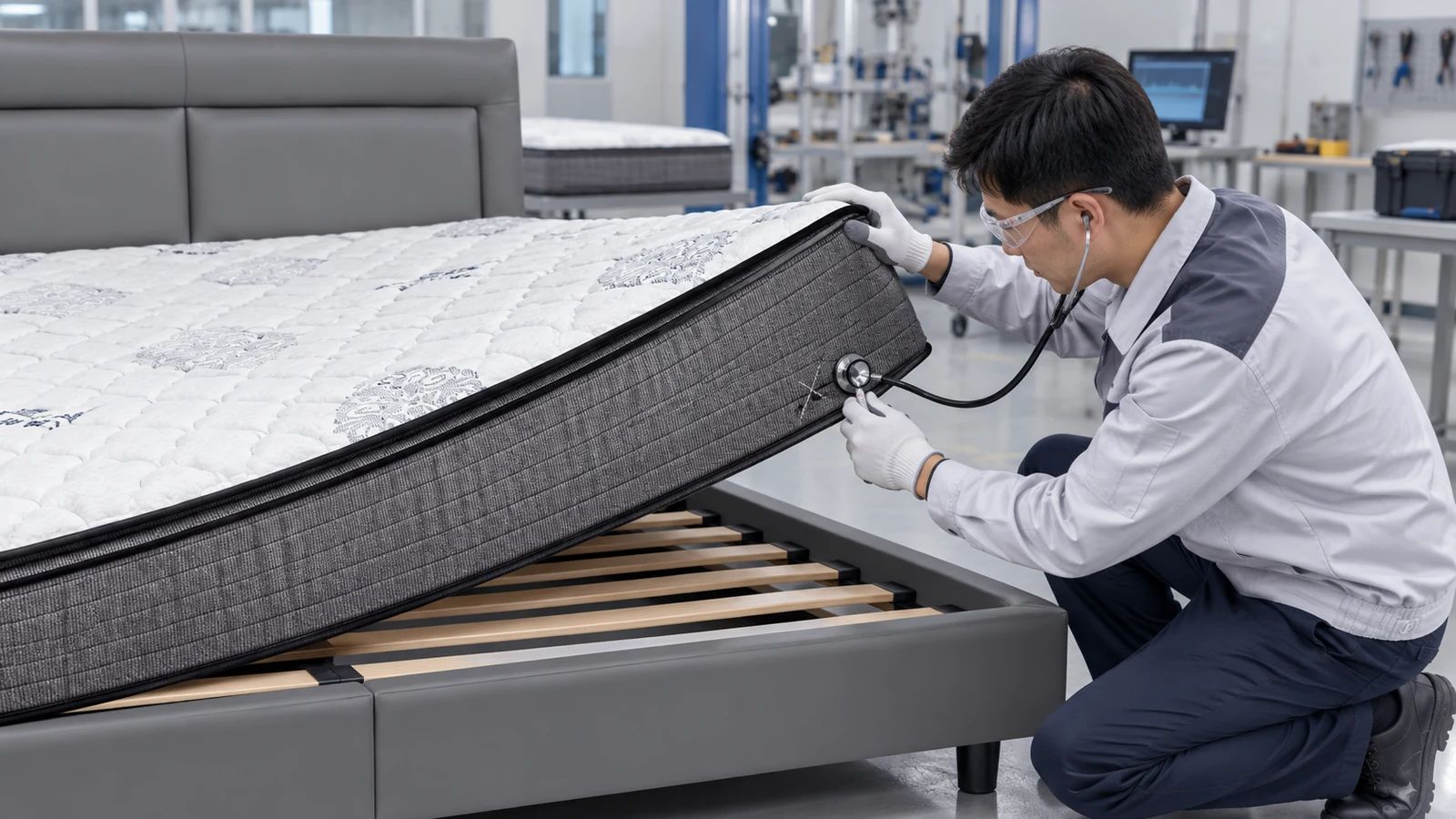
Inspecting incoming materials does not have to be complicated. But it should be done consistently.
The same procedure is to be followed for the approved sample as well as for later production batches.
Measure weight and dimensions from a known sample area
We cut a test sample of known dimensions and then weigh it in order to calculate the basis weight of the sample.
The thickness of a rubber sample should be measured at several points and not just at the center. This also applies to corners, edges and clearly compressed areas as there can be significant differences between individual measurements.
Volumetric density should be calculated from a known mass and measured volume, rather than from the name of a product supplied by a vendor.
Check variation across the sheet
Average values can hide weak zones.
For example, a sheet may be within the target overall weight but still contain regions of low weight due to inhomogeneous fiber distribution or inhomogeneous processing.
A useful inspection therefore records:
basis weight or agreed density measure;
thickness at several positions;
sheet dimensions;
visible fiber uniformity;
damaged, torn, or unusually loose areas.
The acceptance criteria should be established prior to commencement of bulk production and not following a quality dispute.
What Does Compression Resistance Tell Buyers About Felt Quality?
Mattress felt layers are subject to repeated loading throughout their service life. Initial thickness alone does not provide an accurate indication of the ability of the layer to withstand pressure and remain intact.
Compression testing helps reveal that difference.
Compare loaded thickness with recovery
An internal simple test is to measure the original thickness of the sample, to apply a load for a predetermined time and then to measure the thickness after having been compressed. After removal of the load, the recovery of the sample has to be measured as well.
The load and timing should be clearly agreed with the supplier. As it stands, two different manufacturers can test for ‘compression resistance’ under completely different conditions and report results.
This buyer wants consistency, not a single high number.
Repeat loading can expose weaker batches
One compression cycle may not reveal the compression properties of a felt that at first sight looks acceptable but which compactifies rapidly with successive loading.
Buyers of development samples can test the approved material against the production-intent felt after it has been subjected to repeated compression. Subsequent batches of material that lose significantly more thickness or recover differently should be reviewed prior to being released for full production.
This is particularly useful if the supplier changes felt source or manufacturing process.
Where Can Felt Variation Affect the Finished Mattress?
While felt is just a single layer, as the lowest layer in a mattress it can have great impact on the interaction of adjacent components and can vary greatly.
When buying a pocket-spring mattress, don’t look at the felt as a loose sheet.
Uneven felt can create localized differences
This thinner or softer section could then allow the upper cushioning system to interact differently with the spring unit below.
Just because something does not instantly fail, does not mean it will perform equally well in all areas and yield a consistent surface for sleep.
Inspection of loose materials and finished mattresses must support each other.
Material substitutions deserve separate approval
A supplier may offer you an alternative felt with the same gram weight but with different fiber mix, thickness or degree of compaction.
Do not treat this either as equivalent automatic!
If the felt specification changes, a comparison should be made between the new material and the approved reference sample and if necessary a new sample requested for approval.
What Should OEM Buyers Put Into Felt Quality Control?
Felt needs to be controlled before it goes into the mattress.
When a product is closed and packed it is difficult to verify the actual number of layers.
Build a small but measurable felt specification
For bulk orders, the specification can include:
| Control Item | What to Define |
|---|---|
| Material type | Agreed felt composition |
| Basis weight | Target and tolerance |
| Thickness | Target, tolerance, and test method |
| Compression | Load, duration, and recovery method |
| Dimensions | Length and width tolerance |
| Appearance | Uniformity and defect criteria |
| Change control | Approval required for substitutions |
The 550g formaldehyde-free cotton felt used in QYM005’s multi-layer construction can be referenced by buyers to begin to more accurately detail the material.
Keep the approved material reference
A signed specification is important, but a retained felt sample is also vital for repeat orders.
When a later delivery looks or feels different to previous deliveries then the purchasing department and the QC team have some physical item to compare with rather than just their memories of previous supplier descriptions.
Need Help Controlling Internal Mattress Materials Before Bulk Production?
Guangdong Qiangyi Intelligent Manufacturing Technology Co., Ltd. works with mattress brands, distributors, retailers, and private-label buyers on material selection and production control. Its OEM mattress service supports specification development before mass production, while the company’s quality assurance process covers incoming materials and finished-mattress checks. Buyers can also review the broader mattress product range when comparing constructions. For internal components such as felt, the practical goal is simple: convert a vague material description into measurable criteria that purchasing, production, and QC teams can use on every order.
Conclusion
Mattress felt should not be approved on basis of a material name or a single weight figure. OEM buyers have to control several factors when ordering materials for mattress production. Basis weight, thickness, compression and sheet uniformity of the mattress felt as well as the rules for substitution have to be approved by the buyer. The approved mattress felt then becomes a constant factor in the mattress production and is no longer an unknown variable which is covered by the layers of foam, latex and fabric for mattress QYM005. This approval also enables the buyer to check the incoming goods more easily.
FAQs
1. Is felt basis weight the same as felt density?
Basis weight is a measure of mass per surface area, whereas volumetric density also depends on thickness. It is best to ask the supplier which measure he means and not mix up both terms.
2. Why should felt thickness be measured at several points?
Measuring fibrous sheets is not a 100% uniform product. Measuring several points helps to identify thin areas, edge effects or local compaction which a single measurement in the center of a sheet might not reveal.
3. How should buyers test mattress felt compression resistance?
Agree on specimen size, initial thickness, applied load, loading time, and recovery time. The same procedure should then be used for approved samples and production batches.
4. Can two 550g felt layers perform differently?
No. Similar basis weight does not mean same thickness, same fiber, same compaction or same recovery. Compare both dimension and compression before approving a substitute.
5. When should a new felt sample require mattress re-approval?
Re-approval may be warranted where a change to a factor such as source, composition, thickness or basis weight or compression properties could affect approved construction or finished mattress performance.